Why New York Gardeners Blend Banana Peels With Water And What It Actually Does
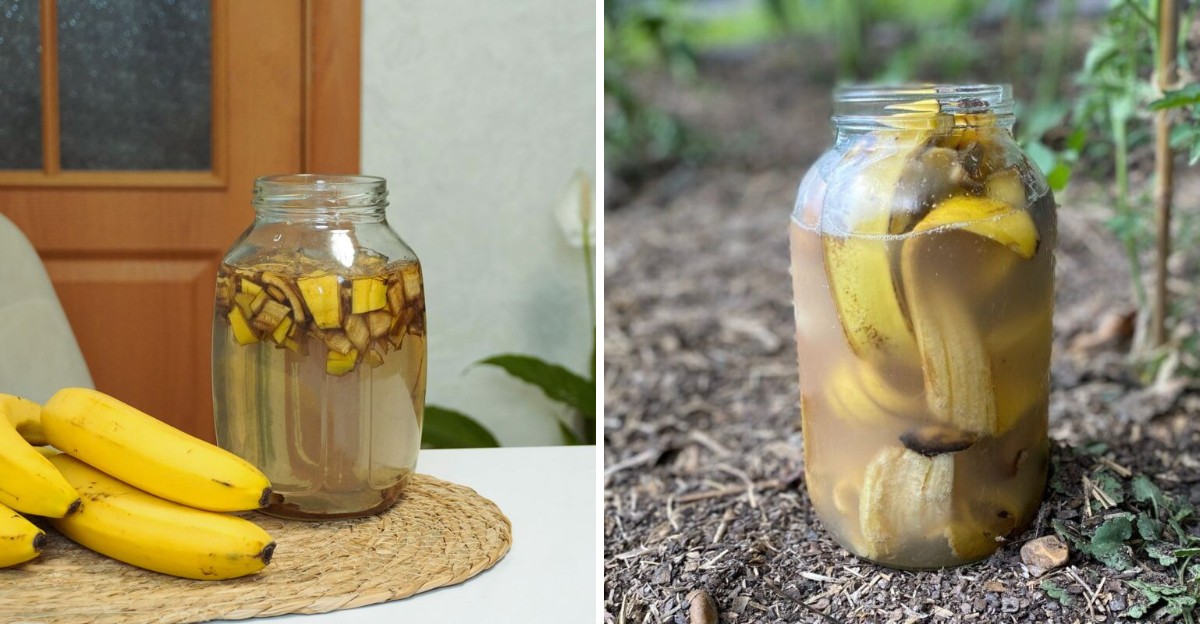
Blending banana peels with tap water sounds a little strange, until you see how many gardeners swear by it. The murky brown mix is getting poured on roses, tomatoes, and potted ferns everywhere.
From Brooklyn balconies to Hudson Valley backyards, New York plant lovers are giving it a try. Fans say it works wonders, and the videos online look pretty convincing.
So what’s really happening inside that blender? Some of the claims hold up, while others are more wishful thinking than science.
Before you sacrifice your next breakfast peel, it helps to know what banana water can and can’t do. The answer might change how you feed your plants.
There’s even a city rule that could change where those peels belong in the first place. Sorting fact from garden gossip is easier than you think.
Plenty Of Gardeners Swear It Boosts Blooms
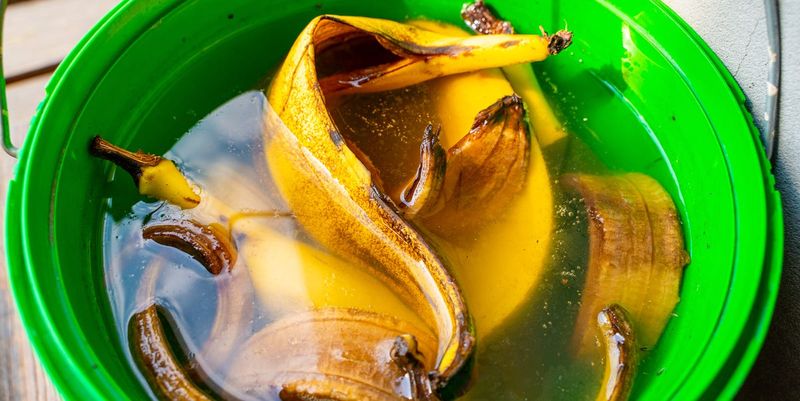
Ask around any community garden in Brooklyn, and someone will praise banana water. They often point proudly to their roses or peppers as living proof.
The belief makes sense on the surface. Potassium supports flowering and fruiting, and banana peels carry a decent dose of it.
Many gardeners notice bigger blooms after starting the routine. However, other factors often explain the change, like warmer weather, more sunlight, or simply paying closer attention.
Here is the honest truth from plant experts. No strong research shows banana water increases flowering in a measurable way.
Soil chemistry plays a big role too. If your soil already holds enough potassium, adding more will not push plants to bloom harder.
Think of it like eating extra vitamins when your diet is already balanced. Your body simply does not use the surplus, and plants behave the same way.
So why do so many people feel it works? Gardening habits often improve together, so the banana water gets credit for teamwork.
Someone who blends peels weekly is also watering, checking leaves, and catching pests early. Careful attention like that helps flowers far more than any single trick.
Want to test it fairly at home? Treat one pot with banana water and leave a matching pot untreated.
Keep light, water, and soil the same for both plants. After six weeks, compare the blooms and see what your own little experiment reveals.
Peels Do Contain Some Potassium
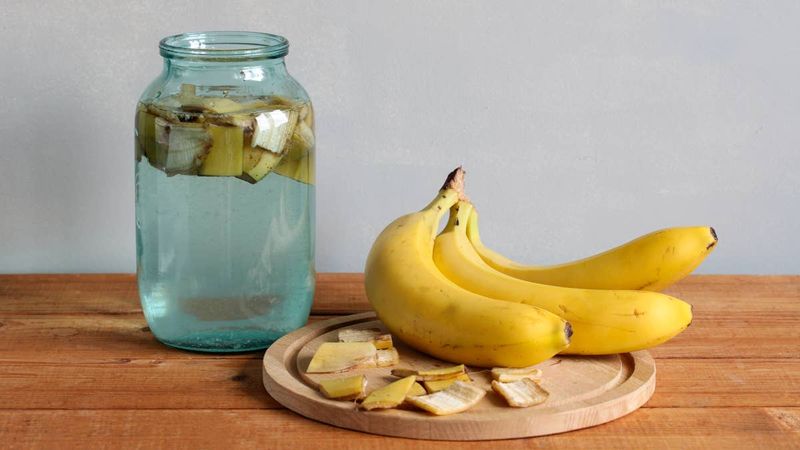
Credit where credit is due, the banana peel is not empty trash. It holds real minerals that plants can use once released.
Fresh peels contain roughly 487 to 570 milligrams of potassium per 100 grams. That is a respectable amount for something most folks toss without a second thought.
Potassium works like a plant manager behind the scenes. It helps control water movement and keeps important enzymes running smoothly inside leaves and stems.
Plants short on potassium may show yellow or brown leaf edges. Weak stems and poor fruit can also signal a shortage worth checking.
Peels bring along a few bonus minerals as well. You will find smaller amounts of phosphorus, calcium, and magnesium tucked inside.
Calcium helps build strong cell walls, which matters for tomatoes prone to blossom end rot. Magnesium sits at the heart of chlorophyll, the green stuff that captures sunlight.
Still, having nutrients and delivering them are two separate jobs. Minerals locked inside a peel need time and microbes before roots can grab them.
Here is a fun fact for your next dinner conversation. Bananas are slightly radioactive because of a natural form of potassium, though it is completely harmless.
A smart move is testing your soil before chasing potassium. Inexpensive kits from garden centers show whether your beds actually need more.
Many New York gardeners discover their potassium levels are already fine. That knowledge saves time, effort, and plenty of blender cleanup.
Soaking Pulls Out Only Tiny Amounts Of Nutrients
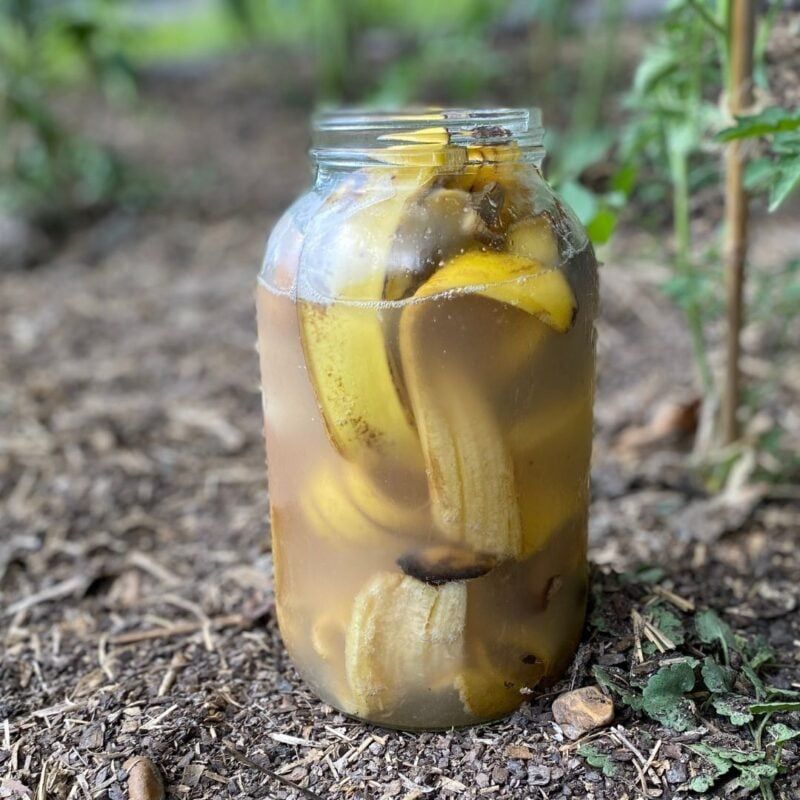
Imagine making tea by dunking a bag in cold water for a few minutes. You get a hint of flavor, but most of the good stuff stays inside the leaves.
Banana peel soaking works much the same way. Only small, unmeasured amounts of nutrients slip out into the water.
Most of the minerals remain trapped in the peel tissue. Breaking that tissue down takes microbes, moisture, and patience, not a quick overnight soak.
University extension experts have weighed in on the trend. They report no studies showing soaked peel water reaches true fertilizer strength.
That does not make the practice harmful in small doses. It just means the effect is probably mild compared to what social media suggests.
Some people leave peels soaking for days to get stronger results. Longer soaks can turn sour and smelly as bacteria start fermenting the sugars.
Fermented water might upset sensitive houseplants and draw unwanted bugs. If the jar smells like old garbage, pour it outdoors or skip it.
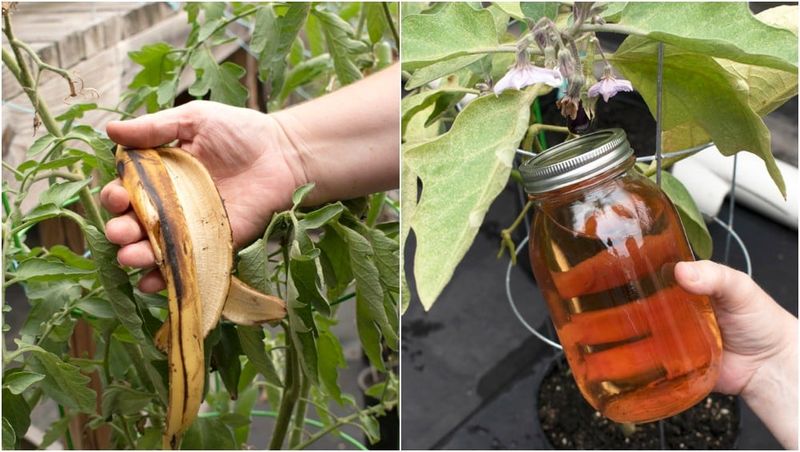
Curious about trying it anyway? Soak two or three peels in a quart of water for about 48 hours, then dilute before using.
Toss the leftover peels into compost afterward rather than the trash. Those soggy skins still hold most of their value.
Keeping expectations realistic is the real secret here. Banana water is a gentle drink for plants, not a power meal.
Blended Peels Add A Bit Of Organic Matter
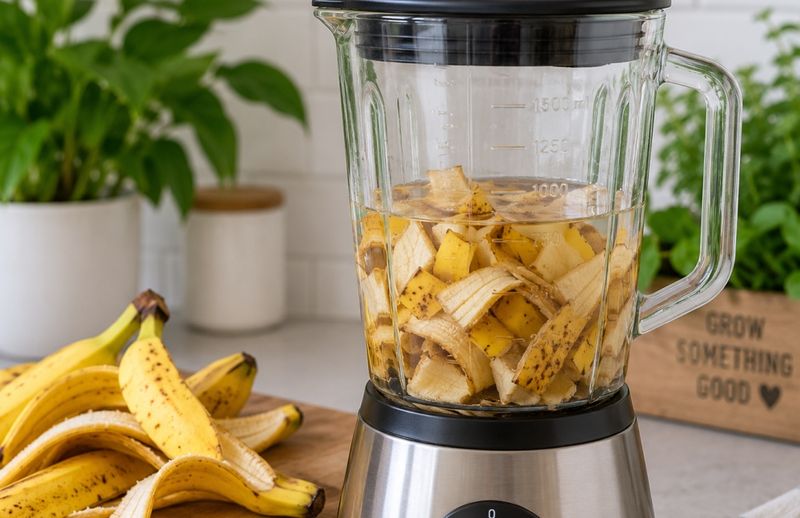
Here is where the blender earns its spot on the counter. Blending keeps the whole peel in the mix instead of leaving it behind.
That thick, slushy puree carries real organic matter into the soil. Soil life feeds on that material, and healthy soil life helps plants thrive.
Size matters in the decomposition game. Tiny blended bits break down much faster than whole peels lying on the ground.
More surface area means bacteria and fungi can get to work quickly. Earthworms also appreciate the easy snack and leave behind rich castings.
Still, blending is not instant magic. Nutrients only become available after microbes finish digesting the material, which can take weeks.
A practical approach works best outdoors in garden beds. Dig a shallow trench near plants, pour in the puree, and cover it with soil.
Burying the mix keeps smells down and discourages squirrels and rats. Raccoons in the Bronx and Staten Island can be surprisingly curious diggers too.
Indoor pots are a trickier situation. Sludge sitting on top of potting mix can grow mold and attract pests in warm apartments.
If you use it on houseplants, keep amounts tiny. A tablespoon or two mixed into the top inch of soil is plenty.
Rinse the blender right away, because dried banana goo sticks like glue. Your future smoothies will thank you for the quick cleanup.
Sugary Water Can Bring In Fruit Flies Indoors
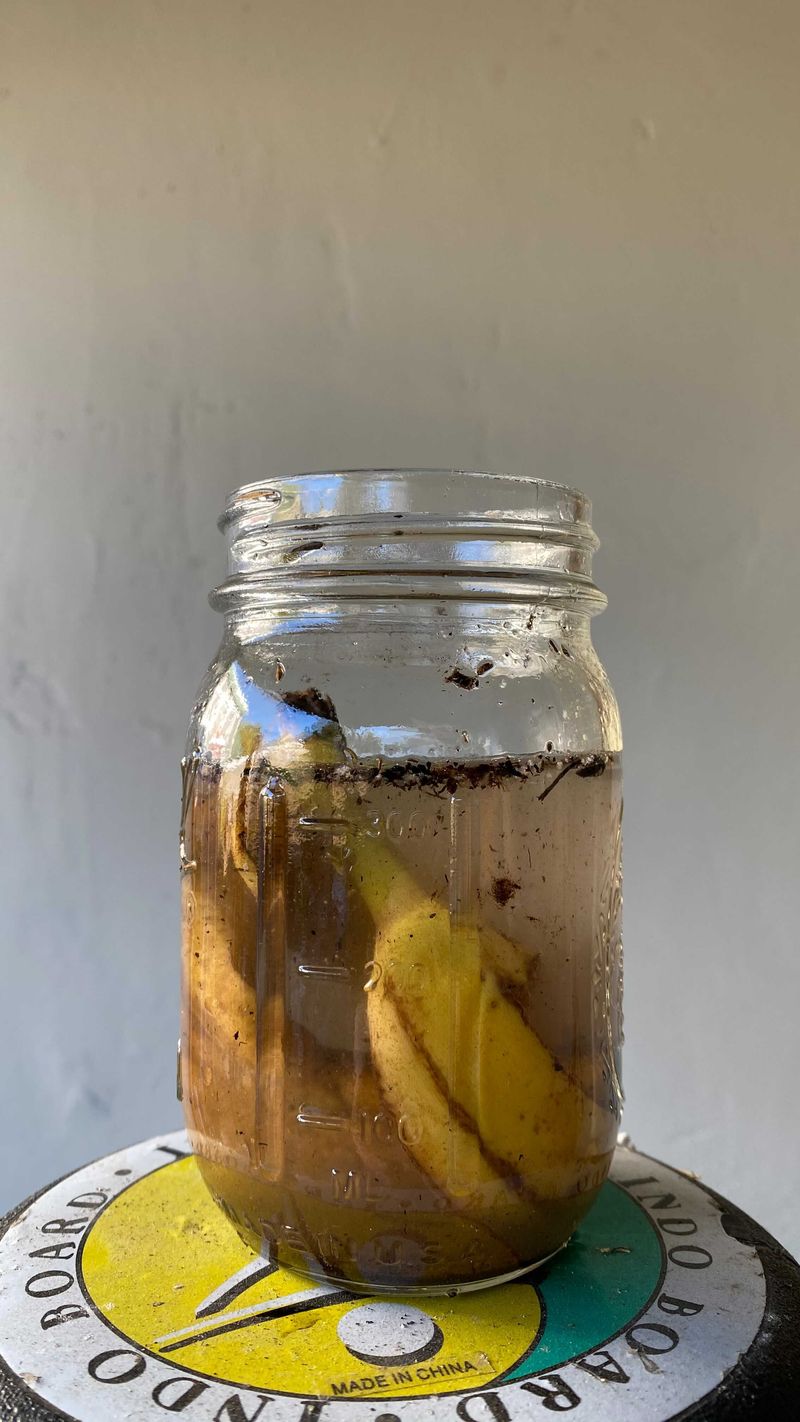
Surprise guests are fun at parties, but not in your houseplants. Fruit flies can show up fast once banana water enters the picture.
Those tiny pests love natural sugars. Banana residue, especially after fermenting, smells like a buffet to them.
Small apartments make the problem worse. In a cozy Manhattan studio, a few flies can feel like a full invasion within days.
Here is a sneaky detail many people miss. Bananas often carry fruit fly eggs right on the peel when you buy them.
Those eggs are too small to see clearly. Once peels sit in warm water, the eggs hatch and the cycle begins.
A simple rinse of new bananas helps a lot. Wash them under the tap when you get home from the store.
Already dealing with flies? Set a small dish of apple cider vinegar with a drop of dish soap nearby to trap them.
Fungus gnats can tag along too, since soggy soil attracts them. Let the top inch of potting mix dry between waterings to slow them down.
Keep soaking jars covered with a lid or cloth. Store them away from fruit bowls and trash cans to avoid drawing extra attention.
Better yet, use banana water outdoors whenever possible. Patio containers and backyard beds handle a few flies far better than your kitchen.
Composting Puts Peels To Better Use
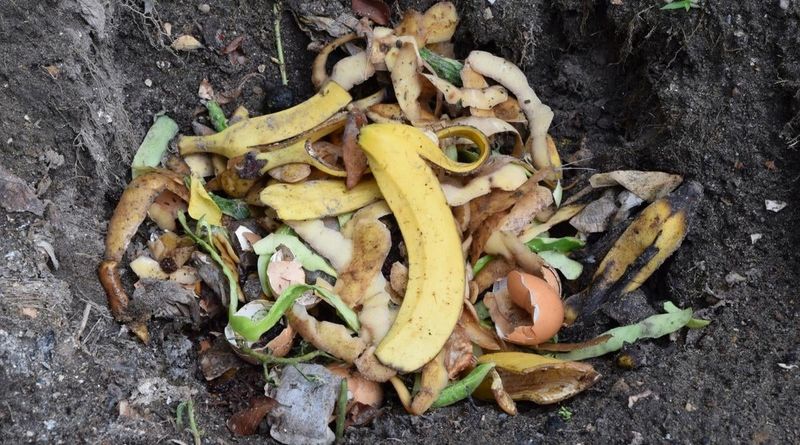
Think of compost as a slow-cooked stew for your soil. Banana peels are just one tasty ingredient in a much richer recipe.
When peels break down with leaves, coffee grounds, and veggie scraps, magic happens. The result is dark, crumbly material packed with nutrients and helpful microbes.
Compost gives plants more than banana water ever could. It delivers stable organic matter and a full range of nutrients in one scoop.
It also improves soil texture in surprising ways. Sandy soil holds water better, and heavy clay drains more freely.
Banana peels compost quickly, often within a few weeks. Chop them into smaller pieces to speed things along even more.
Balance is the key to a happy pile. Mix green scraps like peels with brown materials like dry leaves or shredded cardboard.
Short on yard space? Many New York City gardeners use small tumblers or worm bins tucked under sinks.
Worms happily munch through banana peels in an indoor bin. Their castings make a gentle, nutrient-rich topping for houseplants.
Spread finished compost about an inch thick around plants each spring. Your garden beds will reward you with healthier roots and stronger growth.
Compost also reduces methane from landfills, which helps the planet. Turning breakfast leftovers into garden gold feels pretty satisfying too.
In NYC, Peels Belong In The Compost Bin Anyway
Big news for anyone living in the five boroughs. Separating food scraps like banana peels is now required for all New York City residents.
Curbside composting service now reaches every neighborhood citywide. You simply put scraps in a labeled bin and set it out on collection day.
The rules come with real teeth. Fines for not separating compostable material began on April 1, 2025, and they go to property owners, so landlords are counting on tenants to sort.
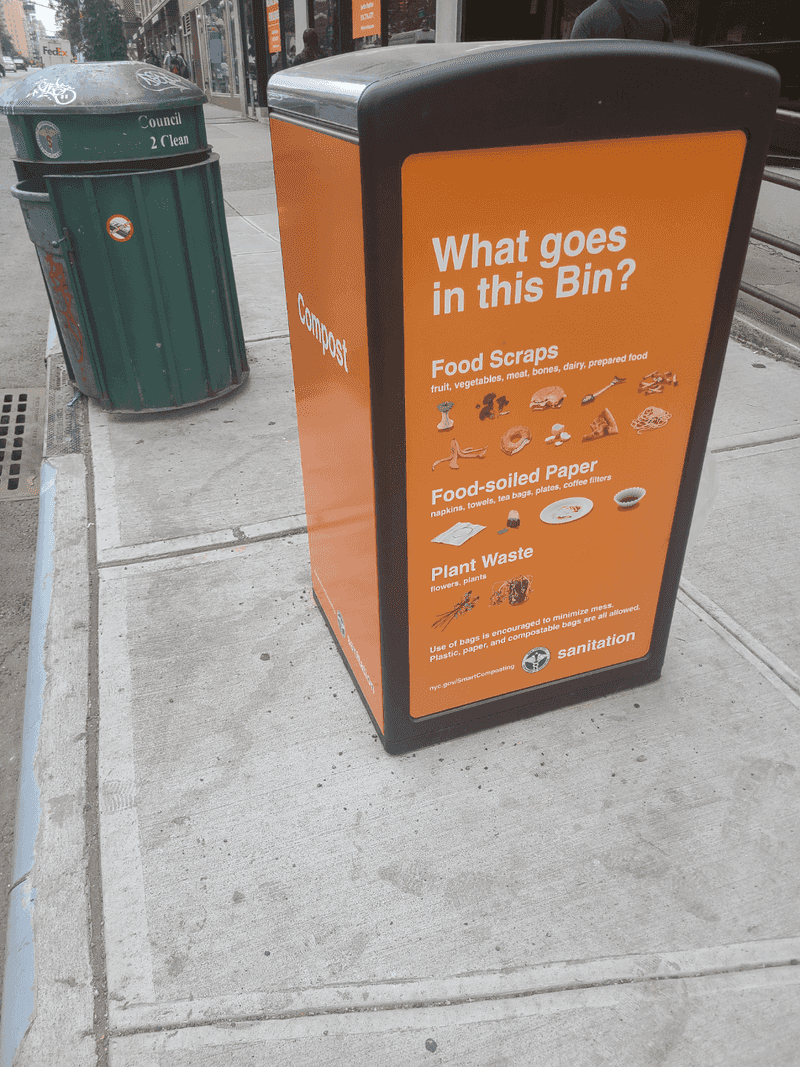
Apartment dwellers have other handy options too. Orange Smart Composting Bins sit on sidewalks and open with a free phone app.
Food scrap drop-off sites are also scattered across the city. Many farmers markets and community gardens collect scraps on set days.
So what does this mean for banana water fans? You can still blend or soak peels first, then compost what remains.
Leftover soggy peels go straight into the brown bin. That way you follow the law and squeeze out every bit of usefulness.
Fun fact, collected scraps get turned into compost and renewable energy. Some of that compost returns to city parks and community gardens.
Keep a small countertop container with a lid to collect scraps. Lining it with newspaper makes emptying easier and less messy.
Freezing peels in a bag also helps between pickups. Cold scraps stay odor free and will not attract flies in summer heat.
It Won’t Replace A Balanced Fertilizer
Picture a meal of only potatoes, day after day. You would feel full but miss many nutrients your body needs.
Plants on a banana water diet face a similar problem. Banana peels lack enough nitrogen and phosphorus to fuel healthy growth.
Nitrogen drives leafy green growth, while phosphorus builds strong roots and flowers. Without both, plants often look pale, stunted, or slow to bloom.
Plants also need many micronutrients like iron, zinc, and manganese. Peels alone cannot cover that whole shopping list.
Relying only on banana water may create imbalances over time. Too much of one nutrient can block roots from absorbing others.
A balanced fertilizer solves that problem neatly. Look for three numbers on the label, such as 10-10-10, showing nitrogen, phosphorus, and potassium.
Organic choices like fish emulsion or slow-release granules work well for beginners. Follow package directions, since more is not better with feeding.
Banana water can still play a small supporting role. Think of it as a light snack between proper meals.
Many experienced New York growers combine compost, a quality fertilizer, and occasional homemade treats. That mix keeps soil lively and plants well fed.
Watch your plants closely and let them guide you. Healthy leaves, steady growth, and colorful blooms show your feeding plan is on track.