Keeping Schefflera Alive And Thriving Outdoors In Southern California
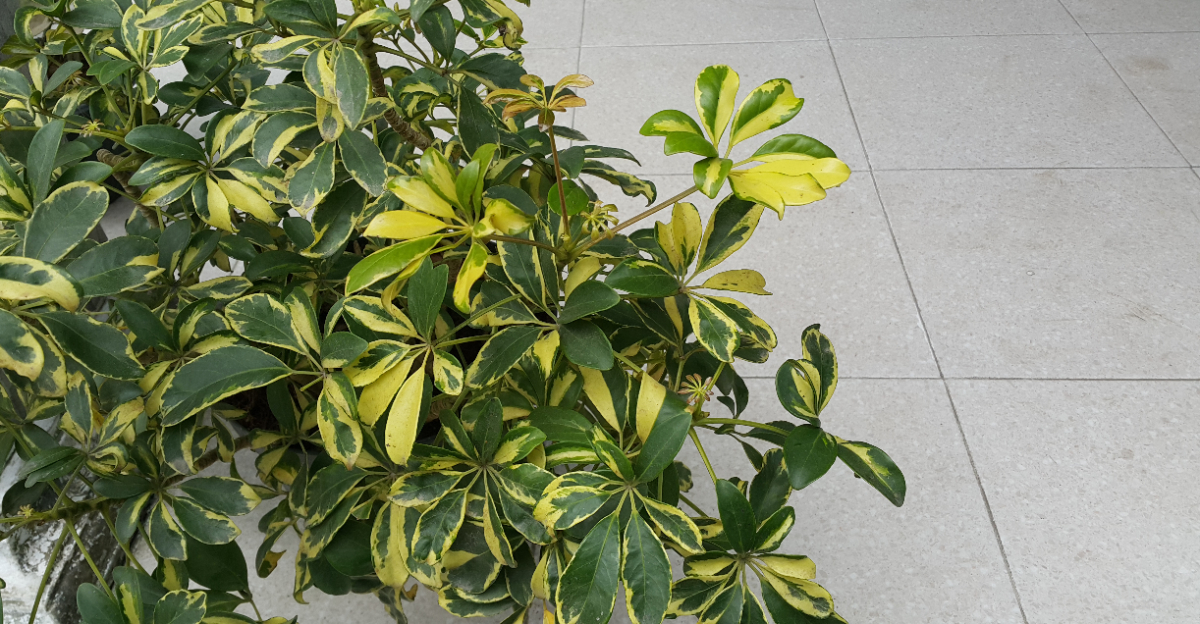
Spot a towering, umbrella-leafed plant guarding a Southern California entrance like it owns the place, and it’s probably Schefflera, a plant that treats Southern California’s mild winters as an open invitation to sprawl.
This isn’t some fragile houseplant limping along in a corner pot. Given the right patch of dappled shade and well-drained soil, Schefflera turns into a genuine showpiece, pushing out glossy, hand-shaped leaves that catch light like polished jade.
Growing it outdoors, though, takes more than luck. Water it wrong or plant it in blazing, unfiltered sun, and those dramatic leaves scorch fast, leaving you with a sad, spotted mess instead of a lush centerpiece.
Master a handful of details about placement, watering rhythm, and soil drainage, and Schefflera responds with steady, lush growth. Your neighbors will slow their cars down just to get a better look.
Schefflera Adapts Well To Southern California Gardens
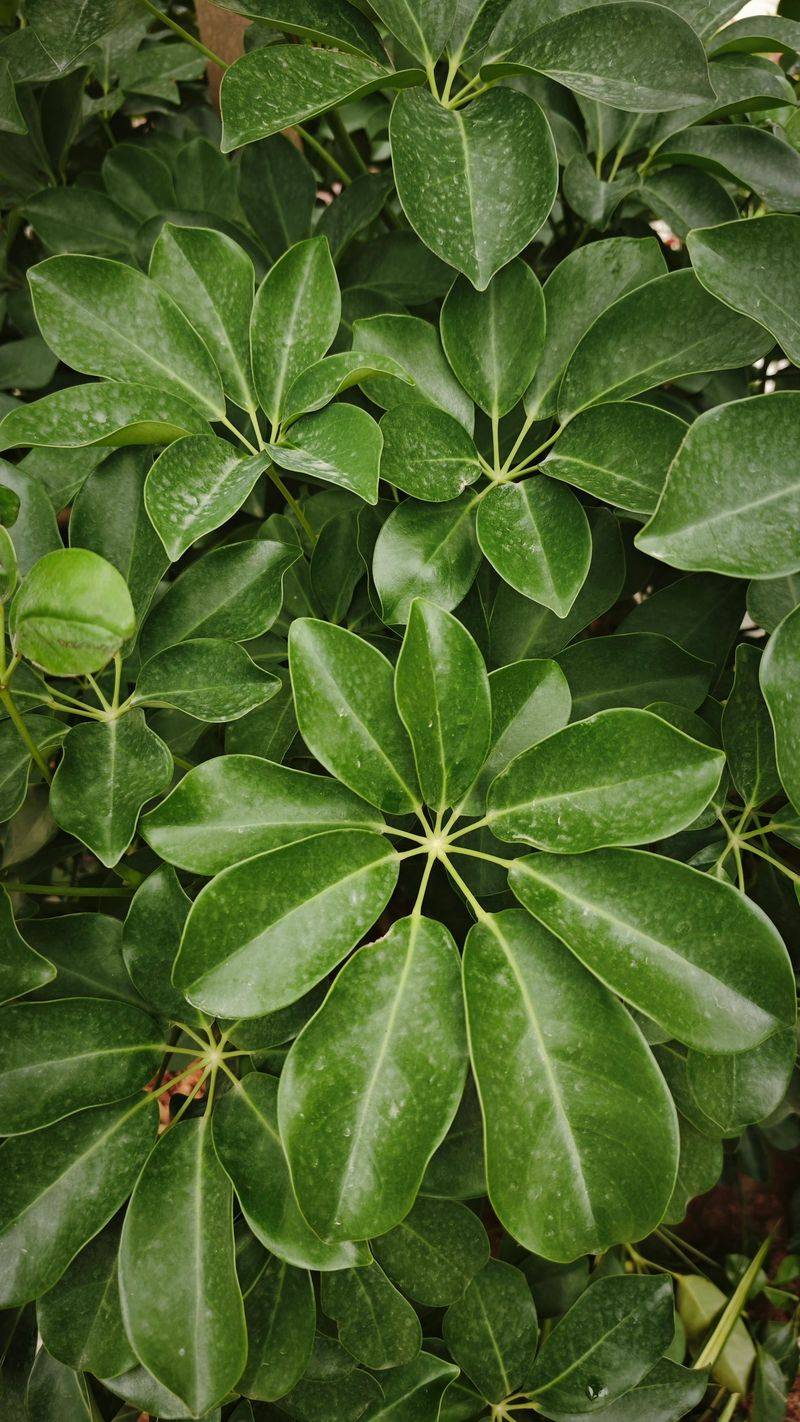
Picture this: a plant so adaptable it treats the Southern California sun like a welcome challenge. Schefflera, sometimes called the umbrella tree, has a natural talent for thriving in warm, frost-light climates.
Native to tropical regions of Australia and Taiwan, this plant already knows what it feels like to grow under intense sun and humid warmth. Southern California gives it something close to home.
Success with Schefflera outdoors starts with understanding how well it reads its environment. It adjusts its leaf angle to catch light without burning, which is a clever survival trick few plants can match.
Outdoor Schefflera plants in Southern California gardens can grow surprisingly fast. Under good conditions, they can add a foot or more of height in a single growing season.
That rapid growth makes them popular as privacy screens, patio focal points, and corner anchors in large garden beds. They fill space with purpose and style.
One thing gardeners love most is how low-maintenance Schefflera tends to be once established. It does not demand constant attention, just consistent basics.
Healthy roots, filtered light, and occasional feeding are usually enough to keep it looking spectacular. Think of it as the easygoing friend who never causes drama but always looks great.
The plant also handles coastal breezes and mild inland heat with equal composure. That flexibility makes it one of the most versatile tropical plants you can grow outdoors here.
Partial Shade Prevents Leaf Scorch In Dry Heat
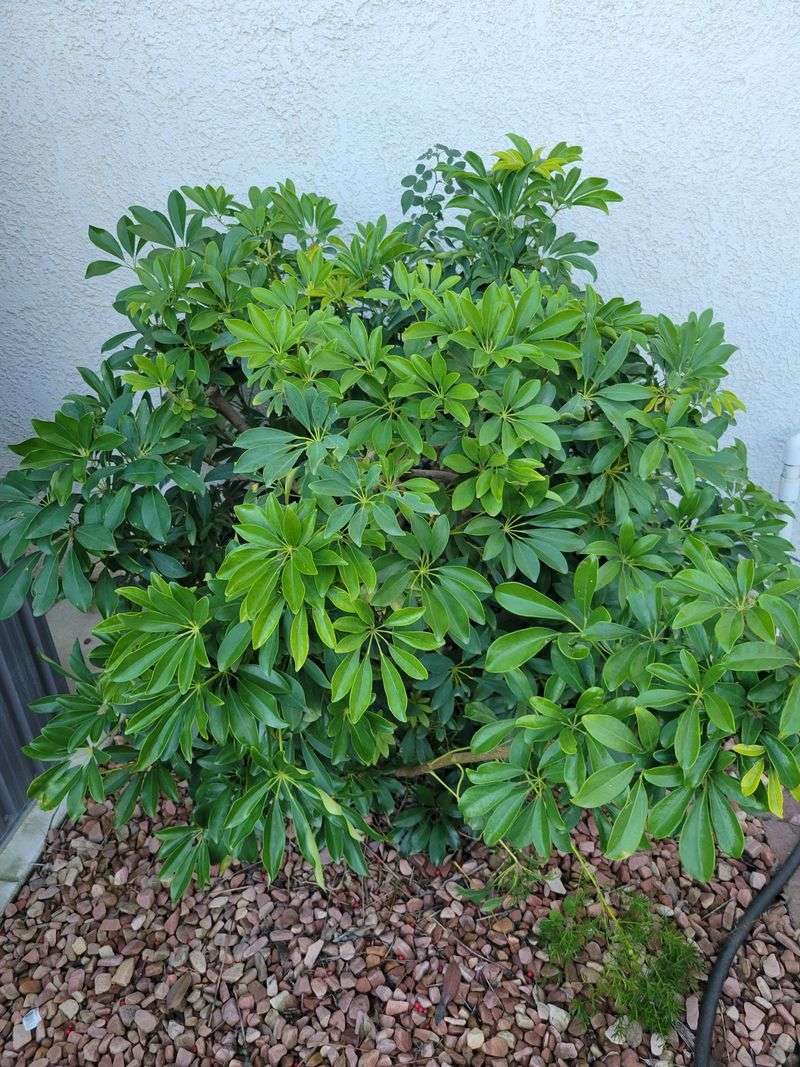
Scorched leaves are the plant world’s version of a sunburn, and nobody wants that. Schefflera handles sun well, but blazing afternoon rays in inland areas can push it past its comfort zone.
The sweet spot for outdoor Schefflera is bright, indirect light or gentle morning sun. That combination keeps leaves glossy and deep green without triggering the crispy brown edges that signal stress.
East-facing spots are golden for this plant. Morning light is softer, and by afternoon, a wall, fence, or tree canopy steps in to block the harshest rays.
In coastal zones, where marine layer often softens the sun naturally, Schefflera can tolerate more direct exposure. The difference between coastal Malibu and inland Riverside is real, so placement matters enormously.
Your California Garden Changes Every Week. Your Plan Should Too.
Gardening in California changes quickly throughout the season. Every Friday you’ll receive a simple weekly plan showing exactly what to plant, prune, fertilize, harvest, and protect so you never miss the right timing.
Partial shade also helps the soil retain moisture longer between waterings. Less evaporation means a more stable root zone, which translates to steadier, healthier growth overall.
If you notice pale or yellowish leaves, that is usually a sign of too much direct sun. Move the plant or add a shade cloth rated at thirty to forty percent for relief.
On the flip side, too much shade makes stems stretch and lean awkwardly toward any available light. Balance is the real goal here, not extremes in either direction.
A well-placed Schefflera in partial shade looks intentional, lush, and effortlessly tropical. Nail the light situation early, and the rest of your care routine becomes dramatically easier.
Best Planting Spots For Coastal And Inland Areas
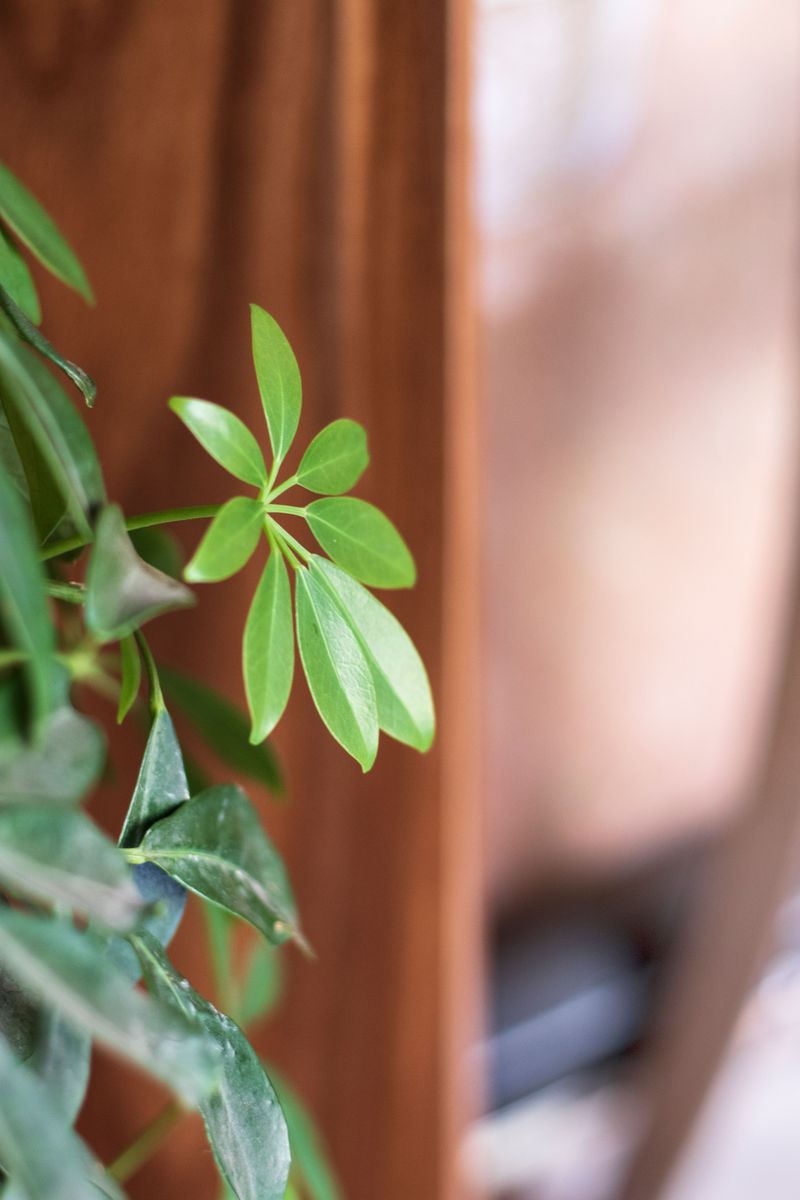
Location is everything in real estate, and the same rule applies to plants. Where you place your Schefflera in the garden sets the tone for its entire life outdoors.
Coastal gardens from San Diego to Santa Barbara offer naturally mild temperatures and humidity from the ocean. Schefflera planted there can handle more sun exposure and generally needs less babying than its inland counterparts.
Inland areas like the San Gabriel Valley or Temecula run hotter and drier. In those spots, planting near a north-facing wall or under a tall tree canopy gives the plant critical afternoon protection.
Raised planters and hillside gardens drain well, which Schefflera appreciates. However, those spots also dry out faster, so they require closer attention to watering schedules during summer months.
Courtyard plantings work beautifully because surrounding walls reflect warmth in winter and create a buffered microclimate. That trapped warmth can make the difference during the rare cold snap.
Avoid planting too close to concrete driveways or south-facing walls that radiate intense stored heat. That kind of dry, radiating warmth stresses the root system faster than direct sun alone.
Container planting near a covered patio is another smart choice. Pots allow you to move the plant seasonally, giving you control that in-ground planting simply cannot offer.
Long-term success with Schefflera outdoors depends heavily on reading your specific microclimate. Spend a day watching where the shade falls before you commit to a permanent spot.
Soil And Drainage Needs For Mediterranean Climates
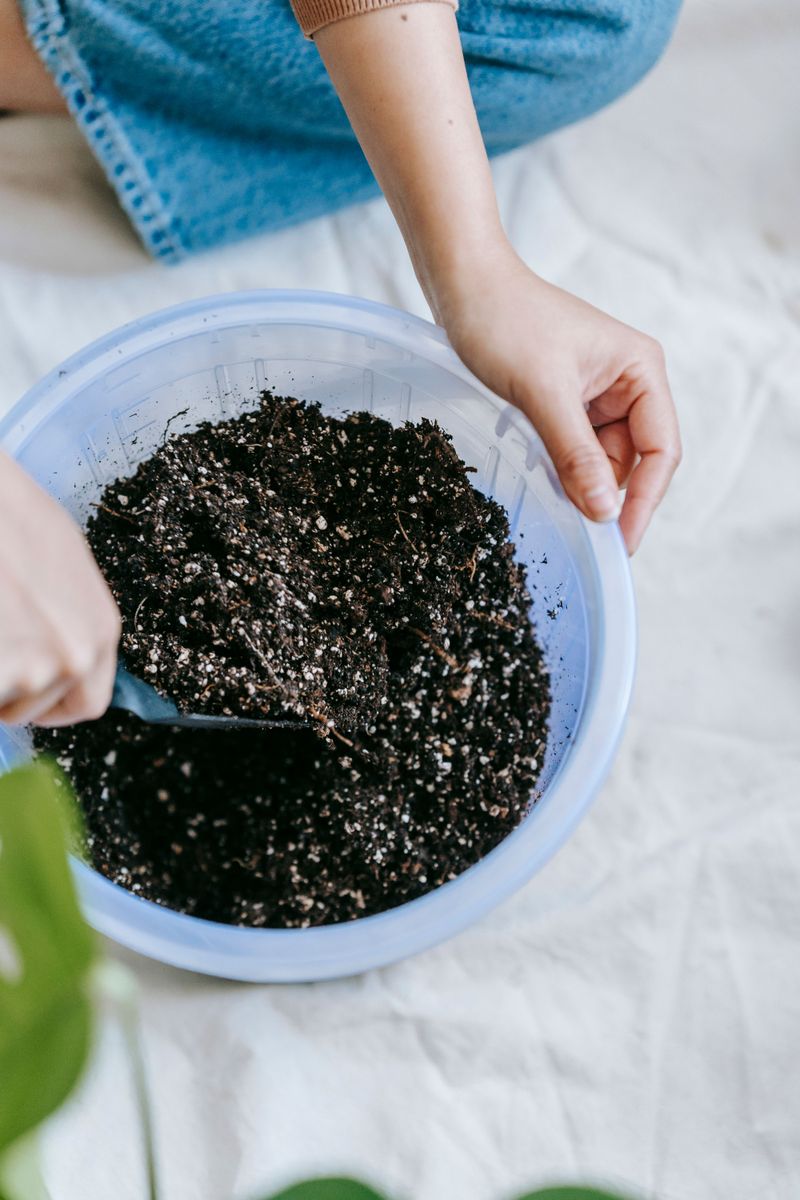
Bad drainage is one of the biggest hidden problems for tropical plants in Mediterranean gardens. Schefflera roots need oxygen just as much as they need moisture, and waterlogged soil suffocates them fast.
The native soil in many Southern California neighborhoods is heavy clay or dense adobe. Both types hold water too long and create the soggy root conditions that weaken even the toughest tropical plants.
Amending soil before planting is the smartest investment you can make. Mix in generous amounts of perlite, coarse sand, or pumice to open up the structure and improve drainage significantly.
A well-draining loamy mix with a slightly acidic pH between six and six-point-five gives Schefflera the ideal foundation. You can test your soil with an inexpensive kit from any garden center.
Raised beds are a brilliant workaround for problem soils. Building up twelve to eighteen inches of amended soil above the native ground layer greatly reduces drainage problems before they start.
Adding a layer of organic mulch around the base of the plant helps regulate soil temperature and moisture. Two to three inches of wood chip mulch works well without trapping excessive humidity at the stem.
Fertilizing two or three times per year with a balanced slow-release formula supports steady, strong growth. Spring and early summer are the best windows for feeding in this climate.
Healthy soil is the foundation everything else is built on. Get the ground right first, and your Schefflera will need far less fussing from that point forward.
Watering Strategies For Low Humidity And Drought
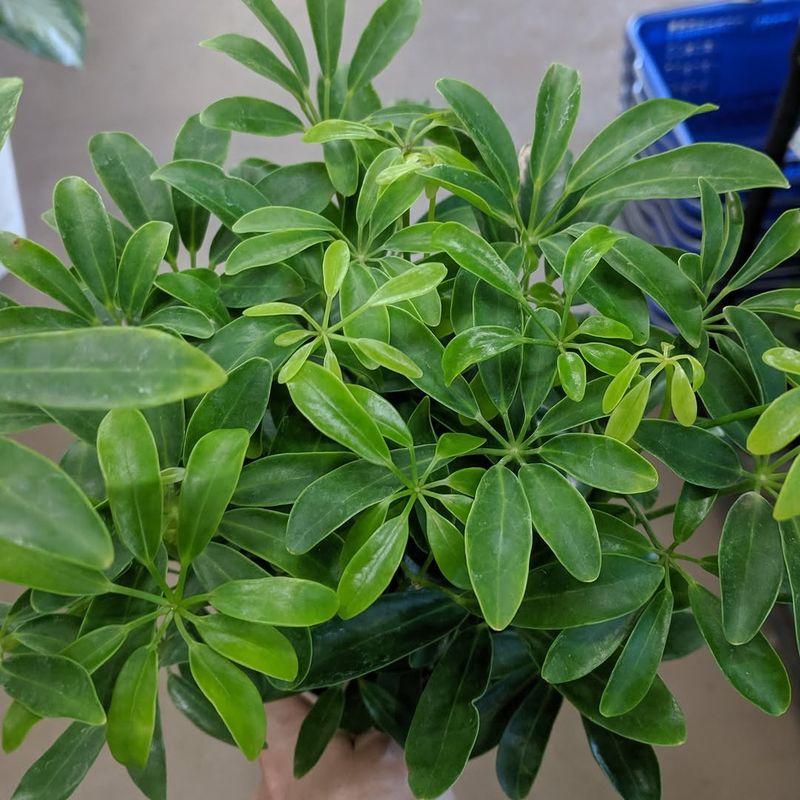
Southern California summers are no joke, and your Schefflera knows it. Low humidity, relentless sun, and occasional drought conditions create a watering challenge that requires a real strategy, not just guesswork.
Deep, infrequent watering beats shallow daily sprinkles every single time. Watering deeply once or twice a week encourages roots to grow downward, where soil stays cooler and more consistently moist.
Drip irrigation makes a real difference for outdoor Schefflera. It delivers water directly to the root zone, reduces evaporation, and keeps foliage dry, which helps prevent fungal issues in humid coastal pockets.
The finger test is your best low-tech tool. Push your finger two inches into the soil near the base of the plant. If it feels dry at that depth, it is time to water.
During the hottest stretch from July through September, established plants may need water every five to seven days. Newly planted Schefflera needs more frequent attention until roots spread out and anchor in.
Getting your Schefflera through drought means being proactive, not reactive. Waiting until leaves droop is waiting too long, and the plant will take time to recover from that stress.
Early morning is the best time to water. Soil absorbs moisture before the heat peaks, and any splash on leaves dries quickly, reducing the risk of fungal spots or mildew.
Consistent watering builds a resilient, drought-tolerant plant over time. Stay patient through the first two years, and your Schefflera will reward you with impressive independence afterward.
Protecting Schefflera During Rare Cold Snaps
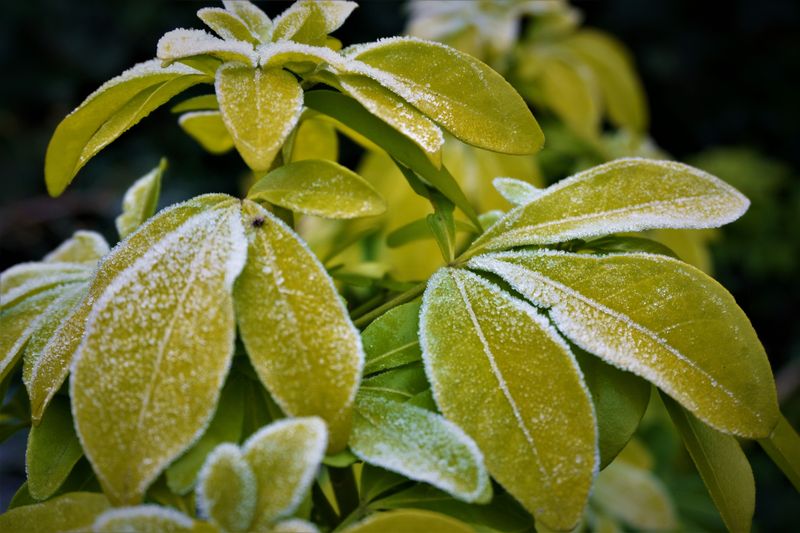
Southern California winters are usually mild, but every few years a cold snap rolls in and catches everyone off guard. Schefflera is frost-sensitive, and temperatures below thirty degrees Fahrenheit can damage tender growth fast.
Protecting Schefflera through winter means having a cold-weather plan ready before temperatures drop. Waiting until the last minute leaves you scrambling in the dark with a bedsheet and a flashlight.
Frost cloth, also called floating row cover, is the most effective protection tool available. Drape it loosely over the plant before nightfall and secure the edges to trap ground warmth underneath.
Avoid using plastic sheeting directly against leaves. Plastic traps moisture and can actually intensify cold damage when temperatures swing back up the next morning.
Potted Schefflera has a clear advantage during cold events. Move containers to a covered patio, garage, or sheltered corner of the house for the duration of the cold spell.
Mulching the base of in-ground plants adds meaningful root protection. A four-inch layer of wood chips insulates soil and keeps root zone temperatures several degrees warmer than bare ground.
If cold damage does occur, resist the urge to prune immediately. Wait until new growth emerges in spring before cutting away any damaged stems, as live tissue is not always obvious in winter.
Cold snaps are temporary, but a well-protected Schefflera bounces back with remarkable energy. A little preparation now means a full, vibrant plant greeting you when warm weather returns.