Best Seed Types For Winter Birds At California Feeders
Golden-crowned Sparrows fly from Alaska each fall and often return to the very same California backyard. That loyalty means the little bird scratching under your feeder may remember your yard from last winter.
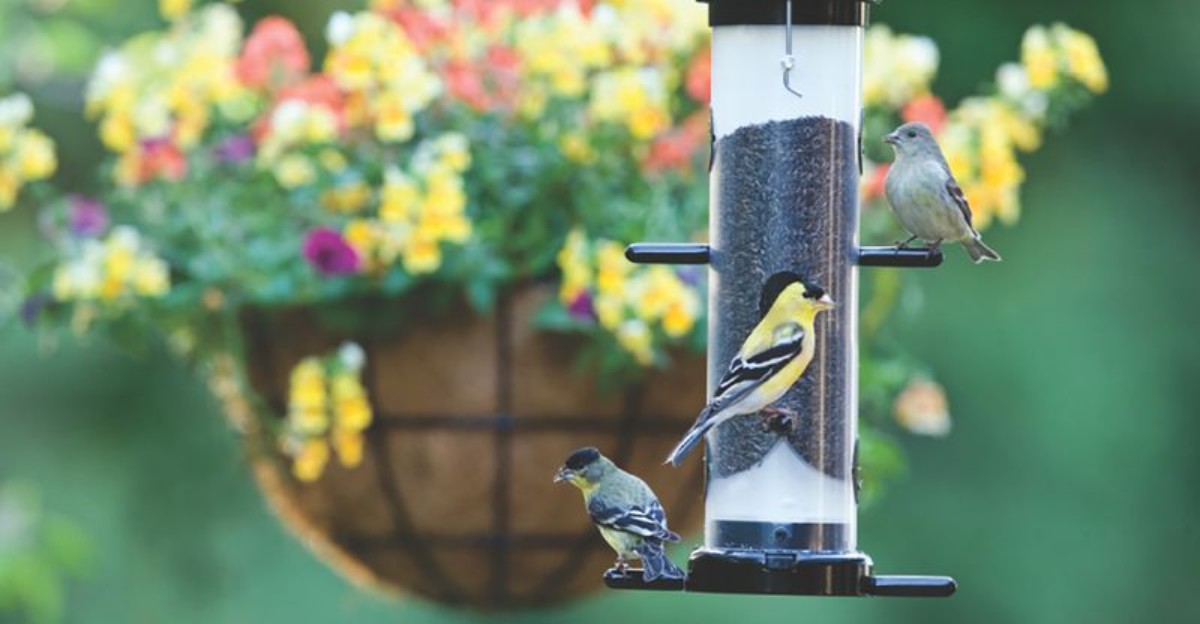
Chickadees and finches burn through energy quickly on chilly nights, so they need rich food every single morning. Lesser Goldfinches weigh less than a third of an ounce, yet they work feeders all winter long.
I have to admit my feeder used to hold a cheap mix that birds mostly flung onto the patio. Once I learned which seeds each species truly prefers, my yard suddenly buzzed with hungry towhees and sparrows.
Mild California winters bring wave after wave of hungry northern visitors, and each one has surprisingly picky tastes. So which seeds deserve a spot in your feeder, and which ones end up as expensive patio litter?
1. Black Oil Sunflower Seeds Win Over Nearly Every Feeder Bird
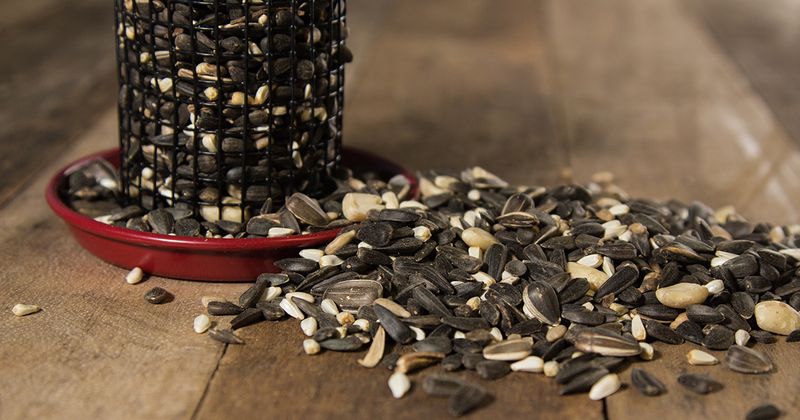
Watch an Oak Titmouse grab one sunflower seed and hammer it open on a branch like a tiny carpenter. That quick little show happens all day long once you fill a feeder with these slim black seeds.
Their shells are thinner than the striped kind, so even small beaks crack them without much struggle. Inside, the kernel is loaded with oil, which gives birds the fat they need to stay warm overnight.
Personally, I think these seeds are the best single choice if you only buy one bag this winter. Chickadees, House Finches, Oak Titmice, and both kinds of nuthatches happily line up for a turn at the perches.
Ground birds benefit too, because messy eaters drop plenty of seeds onto the soil below your feeder. California Towhees and Dark-eyed Juncos often shuffle around underneath, cleaning up whatever the acrobats above happen to spill.
A tube feeder or a hopper feeder works nicely, and both keep seeds drier during winter rain storms. Wet seed clumps and spoils fast, so check the bottom of your feeder after every soggy weekend.
Shells do pile up, and sunflower hulls can slow the growth of grass or flowers beneath them. I rake them up every week or two, or set a tray under the feeder to catch most of them.
Buy from a store with fast turnover, since fresh seeds feel heavy and shine with natural oils. Store your bag in a sealed metal can, and rodents will have a much harder time sharing your supply.
2. Hulled Sunflower Hearts Keep The Patio Tidy
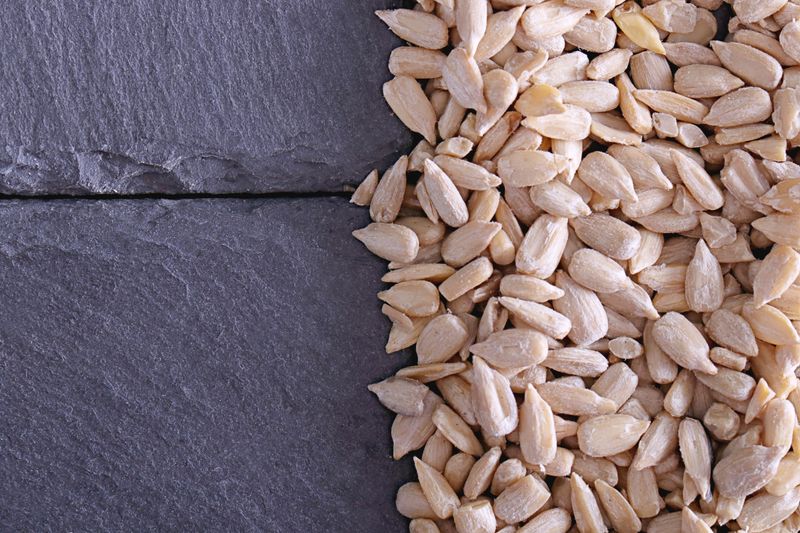
Sunflower hearts are basically sunflower seeds that showed up to the party already undressed and ready to eat. Without shells, every bit you pour into the feeder is food, so nothing ends up as patio clutter.
I love using hearts near my front porch, where piles of empty hulls would look messy fast. Lesser Goldfinches and House Finches seem to adore them, and they gobble the soft kernels with surprising speed.
Smaller birds save a little energy because they skip the cracking step and swallow their meal right away. That small advantage adds up on cold mornings when every calorie helps them stay active and alert.
Chips and hearts do cost more per pound, but you are paying for food instead of empty shells. Many birders feel the price evens out, since less seed gets tossed aside and wasted on the ground.
Moisture is the big weakness, because hulled kernels spoil much faster than seeds still protected inside their shells. Offer only what your birds finish in a day or two, especially during foggy coastal weeks or rainy stretches.
A covered feeder with good drainage holes makes a real difference when winter storms roll through your neighborhood. If you spot mold or a sour smell, toss the batch and scrub the feeder before refilling.
You might notice that hearts also attract more sparrows to platform feeders, since those birds love easy pickings. Golden-crowned and White-crowned Sparrows often hop right onto open trays when shells are out of the picture.
3. Nyjer Seed Brings Goldfinches To Tiny Feeder Ports
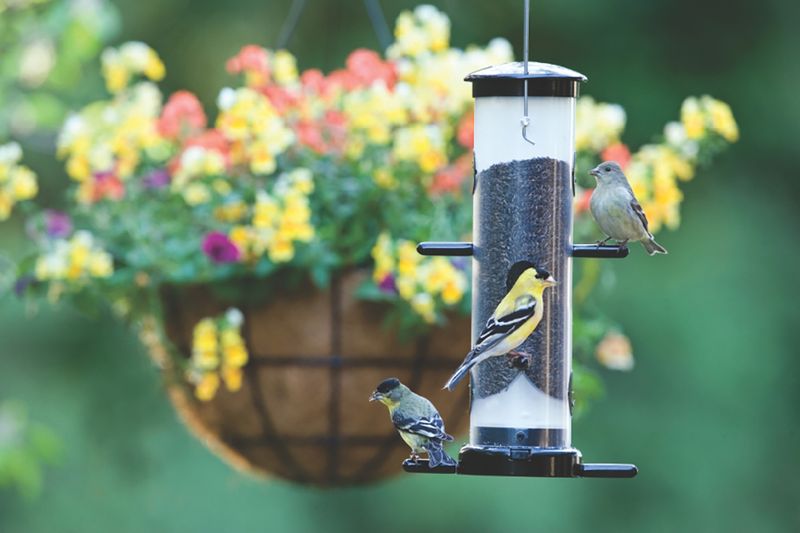
Each nyjer seed is barely bigger than a grain of rice cut in half, black and shiny like tiny commas. Goldfinches pluck them out one at a time, hanging upside down as if gravity were merely a suggestion.
Despite the nickname thistle seed, nyjer comes from a daisy relative called Guizotia abyssinica, grown mostly in Africa and Asia. Importers heat-treat the seeds so they will not sprout, which keeps unwanted weeds out of your garden beds.
In California, Lesser Goldfinches and American Goldfinches are the most eager customers for this oily little seed. Pine Siskins sometimes arrive in big winter flocks too, though their numbers swing wildly from one year to the next.
You need a special feeder for nyjer, either a tube with tiny ports or a soft mesh sock. Regular feeders let the slender seeds pour right out, and you will watch your money spill onto the ground.
Freshness matters more here than with almost any other seed, because nyjer dries out and loses its appeal quickly. I buy small bags and fill feeders halfway, so the birds empty them before the seeds grow stale.
Siskins are sadly prone to salmonella outbreaks when crowds gather at dirty feeders during winter irruption years. State wildlife officials once asked people to pause feeding during a large outbreak, so watch for local alerts.
Clean nyjer feeders every week or two with a mild bleach solution, then rinse well and let them dry. A clean sock and fresh seed keep those cheerful goldfinch calls ringing through your yard all season.
4. White Proso Millet Pulls Juncos And Sparrows To The Ground
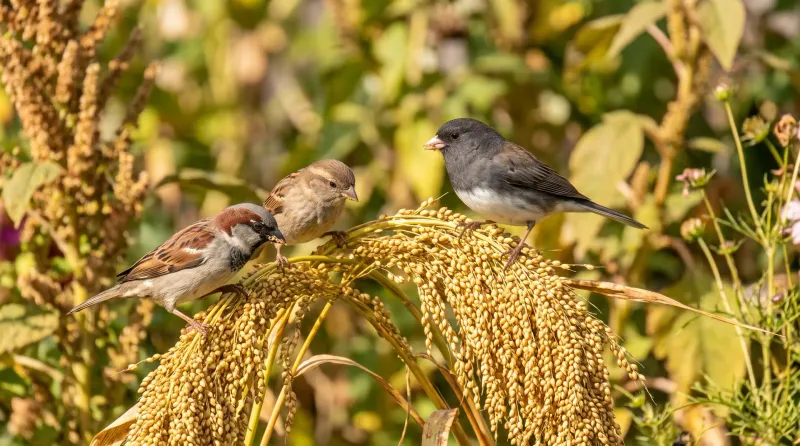
Scatter a handful of white proso millet on the ground, and Dark-eyed Juncos seem to appear out of thin air. Their flashy white tail feathers flicker as they hop and peck, turning a quiet lawn into a lively show.
Millet is a small round grass seed, and it ranks as a top pick for birds that prefer feeding low. Sparrows and doves often ignore hanging tubes but happily work through millet spread on trays or open ground.
Personally, I like a low platform feeder with mesh bottoms, which lets rain drain away and keeps seeds cleaner. It also gives Mourning Doves and California Quail a comfortable spot to eat without fighting smaller birds.
Winter is prime time for millet in many California yards, since Golden-crowned and White-crowned Sparrows arrive from the north. These handsome visitors spend months scratching through leaf litter, and a steady millet supply keeps them close by.
Red millet and milo often fill cheap mixes, but most small songbirds pick around them and leave them behind. Check labels and choose blends where white proso millet and sunflower make up most of the bag.
Millet can attract House Sparrows and Brown-headed Cowbirds, which some backyard birders would rather not feed in large numbers. Offering smaller amounts at a time helps, and you can pause briefly if those birds start crowding everyone else out.
Ground feeding also draws rodents, so sweep up leftovers before dark and move the feeding spot every few weeks. Rotating locations lets the soil recover and lowers the chance of disease building up in one area.
5. Bitter Safflower Seeds Frustrate Starlings And Squirrels
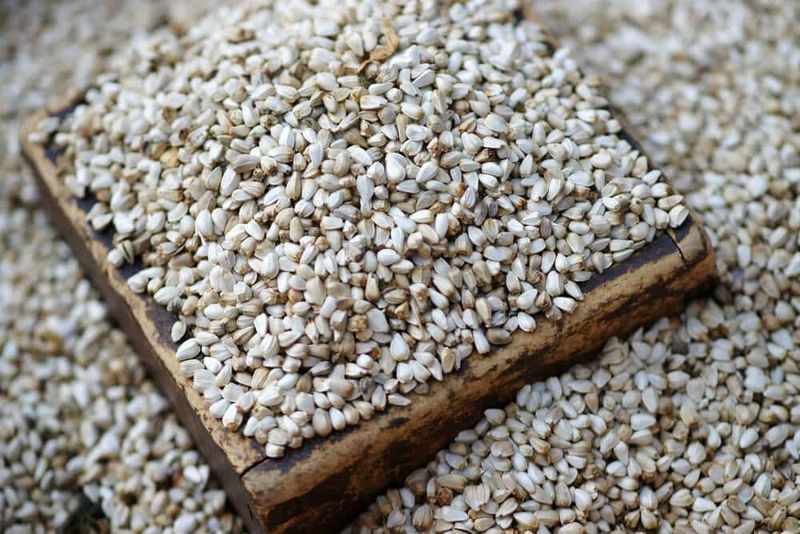
Safflower seeds look like plump white sunflower seeds, but their bitter flavor puts off plenty of pushy feeder bullies. European Starlings and many squirrels tend to sample them once, then wander off in search of tastier snacks.
I have to admit I doubted the hype, until my noisy starling gang quietly abandoned the feeder within days. House Finches and Mourning Doves kept right on eating safflower without the slightest complaint or hesitation.
The seeds pack plenty of fat and protein, so they work well as a steady winter energy source. Their shells are a bit tougher than sunflower hulls, which suits birds with stronger beaks like finches and grosbeaks.
Birds sometimes need time to adjust, so mix safflower with your usual sunflower for a couple of weeks first. Slowly raise the safflower portion until it fills the feeder, giving regulars a chance to accept the new taste.
Not every squirrel follows the rules, and some hungry squirrels will eat safflower when other food runs short. Pair it with a baffle on your pole, and you will see far fewer furry raiders hanging from the perches.
Hopper feeders and platform trays both handle safflower nicely, since the seed is large enough for most standard ports. Avoid tiny finch tubes, because the plump kernels jam the openings and frustrate the very birds you hoped to feed.
Safflower usually costs a little more than sunflower, yet less of it disappears into the bellies of unwanted guests. That trade feels worth it to me whenever starlings or squirrels start treating my feeder like a free buffet.
6. Unsalted Peanuts Keep Scrub-Jays Busy Caching
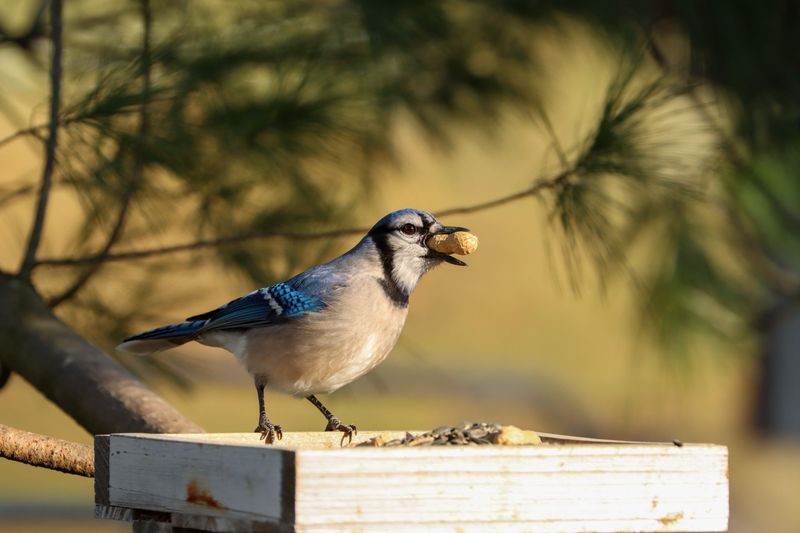
California Scrub-Jays are clever enough to hide extra food and remember many of their hiding spots weeks later. Toss them a few peanuts, and you can watch them fly off and bury treasures all over your yard.
Peanuts are rich in protein and fat, which makes them a hearty winter meal for larger, stronger birds. Steller’s Jays and Nuttall’s Woodpeckers enjoy them too, especially when the pieces fit easily in their sturdy beaks.
Choose plain peanuts with no salt or flavor coatings, since seasonings can harm birds and offer no benefit. Raw or plain roasted peanuts both work, but buy them from a trusted seller that sells food meant for wildlife.
Peanuts can grow a toxic mold called aflatoxin when they get damp, so freshness truly matters here. Toss any nuts that look dark or smell musty, and only offer what birds can finish in a day.
A mesh peanut feeder lets woodpeckers and titmice chip off small bits instead of carrying whole nuts away. Shelled pieces in a tray, on the other hand, give jays the fun of snatching and stashing their prizes.
Whole nuts are a choking risk for small chicks in spring, so many experts suggest switching to crushed peanuts later. During winter, though, adult birds handle shelled peanuts just fine, and mesh feeders keep portions small anyway.
You might notice squirrels showing up too, since peanuts are a favorite treat for nearly every furry neighbor. A baffle and a feeder placed well away from fences and branches will keep the jays winning that contest.
7. Cracked Corn Brings California Quail Strutting Into The Yard
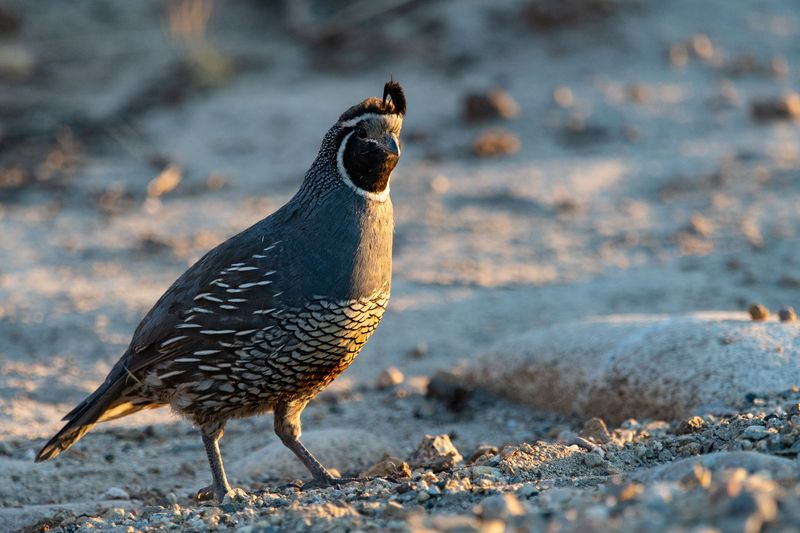
A covey of California Quail parading across the lawn, topknots bobbing, ranks among the cutest sights a backyard can offer. Cracked corn is one of the easiest ways to invite these plump ground birds to stop and stay awhile.
Corn kernels are chopped into small pieces, so quail and doves can swallow them without much effort at all. It is cheap and filling, offering starchy energy that helps ground feeders through chilly winter mornings.
Personally, I treat corn as a side dish rather than the main course, because it lacks the oils of sunflower. Mixing a little with millet on a low platform creates a balanced spread for your ground crowd.
Corn spoils quickly once it gets wet, and moldy kernels can make birds sick in a surprisingly short time. Offer small portions that disappear within a day, and skip feeding during heavy rain if your tray lacks cover.
Corn also tempts bigger guests like crows and jays, which may gobble the whole pile in just minutes. Spreading it far from your main feeders keeps those bold eaters busy and gives smaller birds some peace.
Some areas have rules against feeding that attracts deer or bears, so check with your city or county first. Mountain communities especially watch for bears, and corn on the ground can draw unwanted attention after dark.
Quail feel safest near shrubs, so place corn a few steps from dense cover where they can dash away. Too much cover close by, though, gives outdoor cats a hiding spot, so leave a small open buffer zone.
8. Native Sage And Buckwheat Seed Heads Feed Finches Naturally
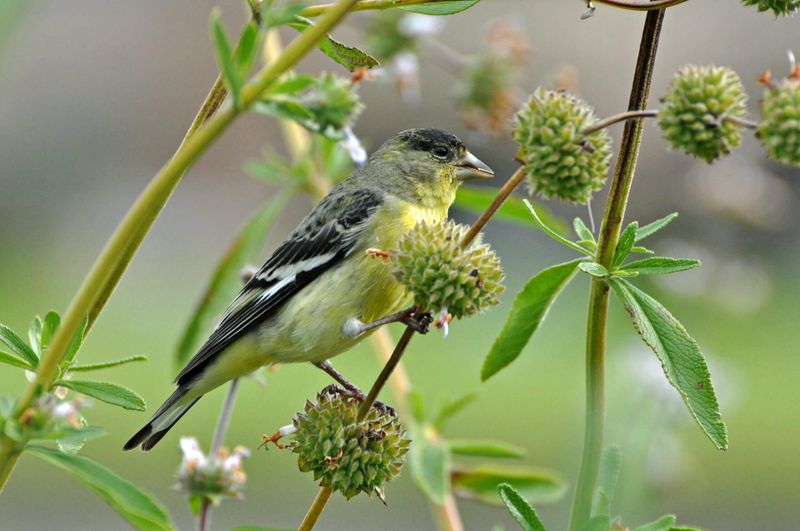
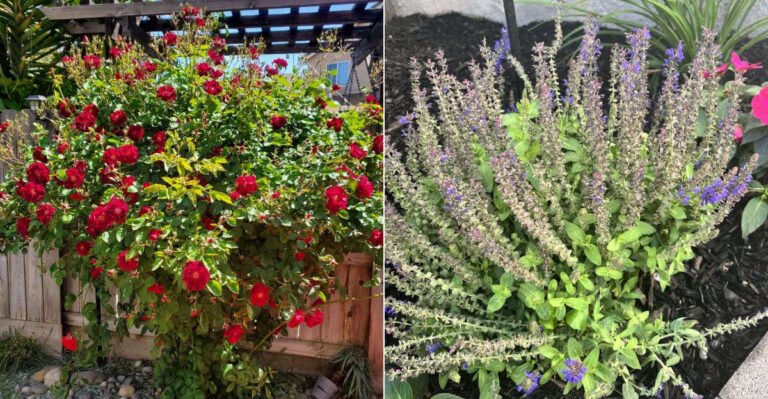
Lesser Goldfinches clinging to a swaying sage stalk look like tiny ornaments, picking seeds from dry flower heads. Those wild seeds cost nothing, and they stay on the plant as long as you resist tidying up.
Native plants like black sage and California buckwheat hold their seeds well into the cooler months of the year. Sparrows and finches pick through the dried heads, often foraging there before visiting any feeder you put out.
I believe the smartest move is simply waiting to cut back spent flowers until late winter or early spring. Those brown stalks may look scruffy to neighbors, yet birds see them as a well-stocked pantry.
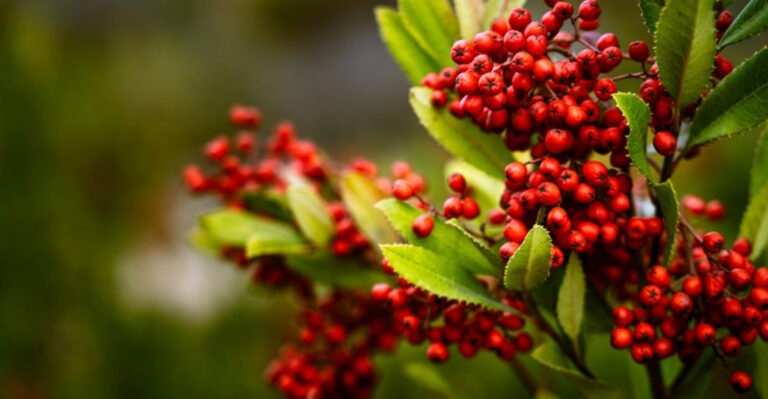
Toyon adds another treat, with bright red berries that ripen in late fall and feed robins and waxwings. Cedar Waxwings often arrive in noisy flocks and strip a shrub in an afternoon, which is quite a sight.
California coffeeberry also produces dark fruits that many birds eat, and it handles dry summers with little watering. Plant natives during the rainy season, since winter showers help roots settle in before hot weather returns.
Native gardens also host insects, which give wrens and bushtits a natural source of protein all year. Seeds from a bag help, but a yard full of living plants supports birds even when feeders sit empty.
Check with your local native plant society chapter or nursery to find species suited to your region and soil. Coastal yards and inland valleys differ a lot, so local advice helps you pick plants that truly thrive.