That’s Probably Not A Brown Recluse Hiding In Your Alabama Home
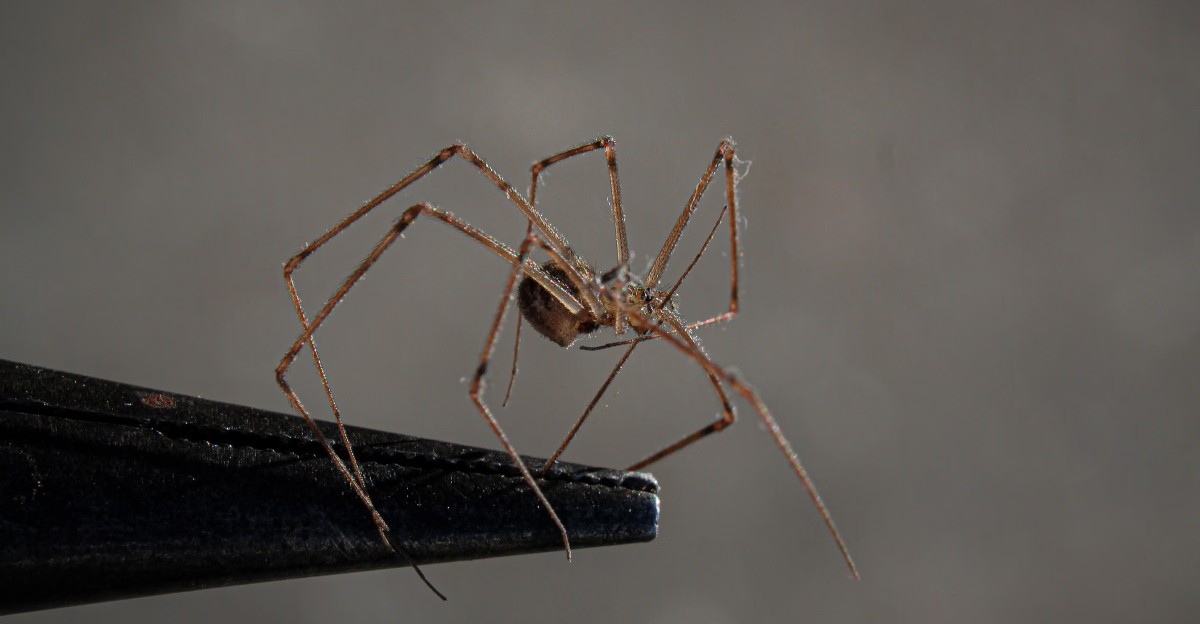
A spider with legs nearly ten times longer than its body can shake its web so fast it turns into a blur. I watched one do it in my Alabama laundry room, and I laughed out loud at the little show.
Plenty of us spot a thin brown spider and assume the worst. That snap judgment sends a lot of harmless houseguests straight to the vacuum.
Experts who check mailed-in spider photos say most suspected recluses turn out to be something else.
You might notice these lanky spiders in basements, closets, and garage corners across Alabama.
They hang upside down in messy webs and barely move for days. A little evidence gave me a whole new respect for them. That dusty corner web isn’t a mess. It’s a home, and the tenant has earned its place.
That Wobbly Web Spider In Your Basement Corner Has A Name
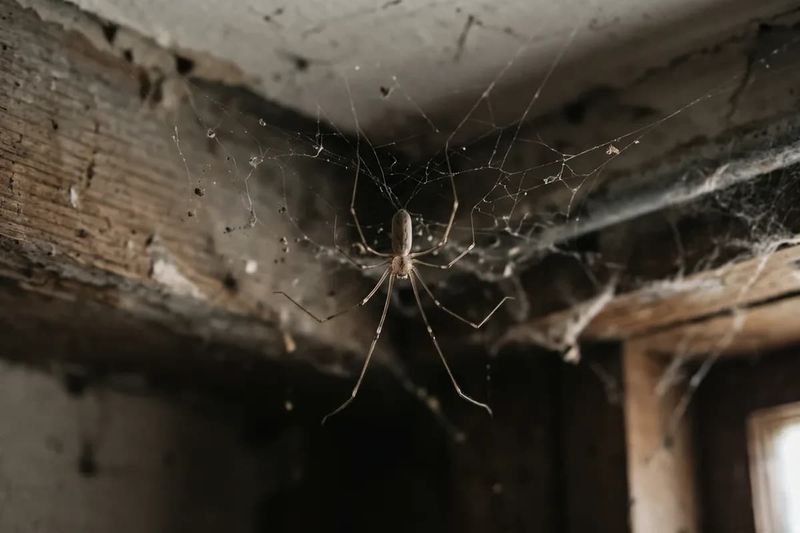
I spent years calling them daddy longlegs before learning the proper name. These are cellar spiders, part of a family called Pholcidae.
Their bodies are small, often under a quarter inch long. Their legs, though, stretch far beyond that, giving them a delicate, almost cartoonish look. Colors run from pale tan to gray, sometimes with faint markings.
You will usually find them hanging upside down in loose, tangled webs. Basements, crawl spaces, garages, and bathroom ceiling corners are favorite spots. They like calm, sheltered areas where few people bother them.
Here is a fun twist. The name daddy longlegs also gets used for harvestmen, which are not spiders at all. Harvestmen have one fused body section and no silk, so they never build webs.
Cellar spiders, on the other hand, are true spiders with two body sections and silk glands. If the critter hangs upside down in a loose, tangled web and has very long, thin legs, it is likely a cellar spider.
Knowing the name helps a lot. Once you can label that lanky web dweller, the panic fades fast.
You start seeing a quiet roommate instead of a threat, and that shift makes a basement trip feel much less tense.
Six Eyes And Plain Legs Mark The Real Brown Recluse
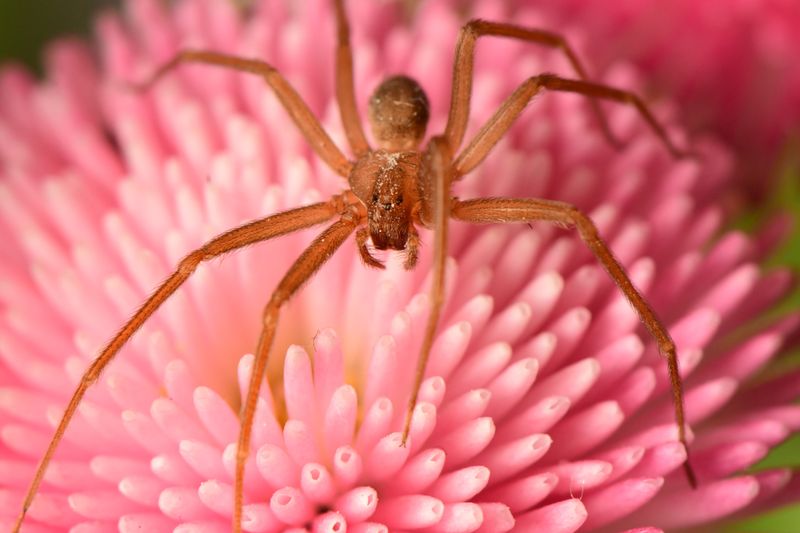
Count the eyes, and the mystery mostly solves itself. A brown recluse has six eyes set in three pairs, forming a shallow curve. Most other house spiders, cellar spiders included, have eight.
The legs give another strong clue. Recluse legs are one solid color with no bands, stripes, or obvious spines. The body is light to medium brown and about the size of a quarter, legs included.
Yes, there is a violin shape on the back, with the neck pointing toward the rear. However, many brown spiders show darker patterns that anxious eyes read as a fiddle. Alabama Extension specialists warn against trusting that marking alone.
Cellar spiders fail this test quickly. Their legs are far too long and thin, and their bodies are much smaller and lighter. They also sit in webs out in the open, while recluses hide in quiet clutter.
A magnifying glass or your phone camera zoom makes checking easier. Snap a clear photo before reacting.
Your county Extension office can help confirm what you found. That one careful look saves a lot of worry and keeps a helpful spider from being swatted for no reason.
Cellar Spiders Pose No Real Threat To Your Family
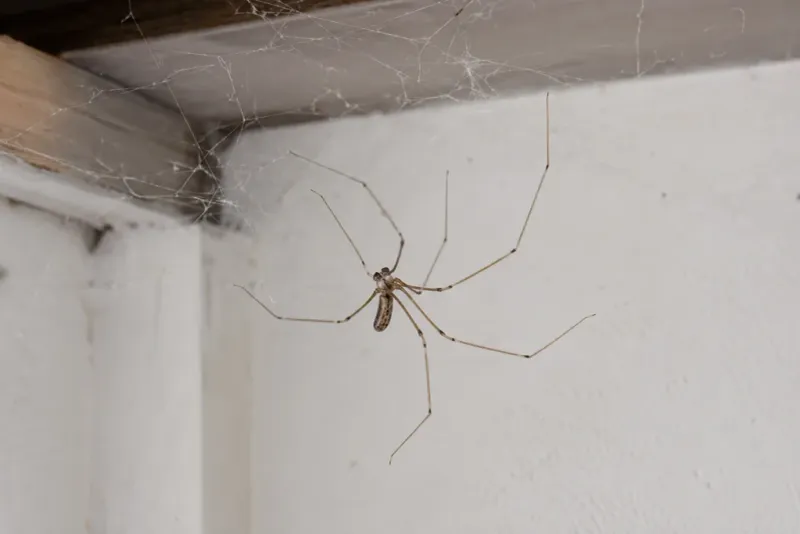
Relax, those dangling spiders are not out to get you. Cellar spiders have venom for subduing prey, like nearly all spiders. Still, they pose no medical concern to people.
You may have heard a popular rumor. It claims daddy longlegs carry the strongest venom around but have fangs too short to bite. Researchers have tested this, and the story falls apart on both counts.
Their venom is mild for humans, and bites are rarely reported at all. These spiders are shy and would rather drop away or shake their web than face you. Even when handled, they mostly try to escape.
That shaking trick is called whirling. The spider vibrates so fast it becomes a blur, which may confuse predators. It is honestly one of the most entertaining things to watch in a home.
Children and pets are safe around them. A curious cat might bat at one, and the spider will just scramble off.
So if your heart jumps at the sight of those spindly legs, take a breath. You are looking at one of the gentlest creatures that shares your walls.
These Long-Legged Spiders Hunt Other Spiders For You
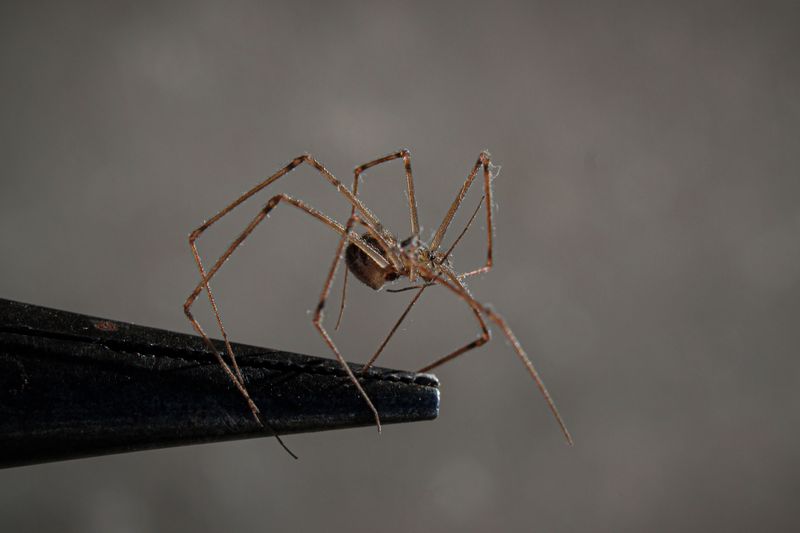
Talk about a bargain pest control crew. Cellar spiders eat mosquitoes, gnats, small flies, and plenty of other spiders.
They are well known for invading the webs of other spiders. Some will pluck the silk to mimic trapped prey, luring the owner closer. Then they wrap it up quickly with silk thrown by those long legs.
Those legs work like a safety barrier. The cellar spider can wrap a meal from a distance, keeping its body clear of fangs. That clever strategy even lets them take on spiders bigger than themselves.
Studies have shown cellar spiders will feed on brown recluses when the two meet. That does not mean they offer full control. Still, a few in your basement are not working against you.
I started leaving a couple in my garage after learning this. The gnat population near the door dropped noticeably over one summer.
If cobwebs bother you, you can sweep busy rooms and leave the quiet storage corners alone. That compromise keeps living spaces tidy while your eight-legged helpers keep working where few people go.
Southern House Spiders And Wolf Spiders Fool Folks Too
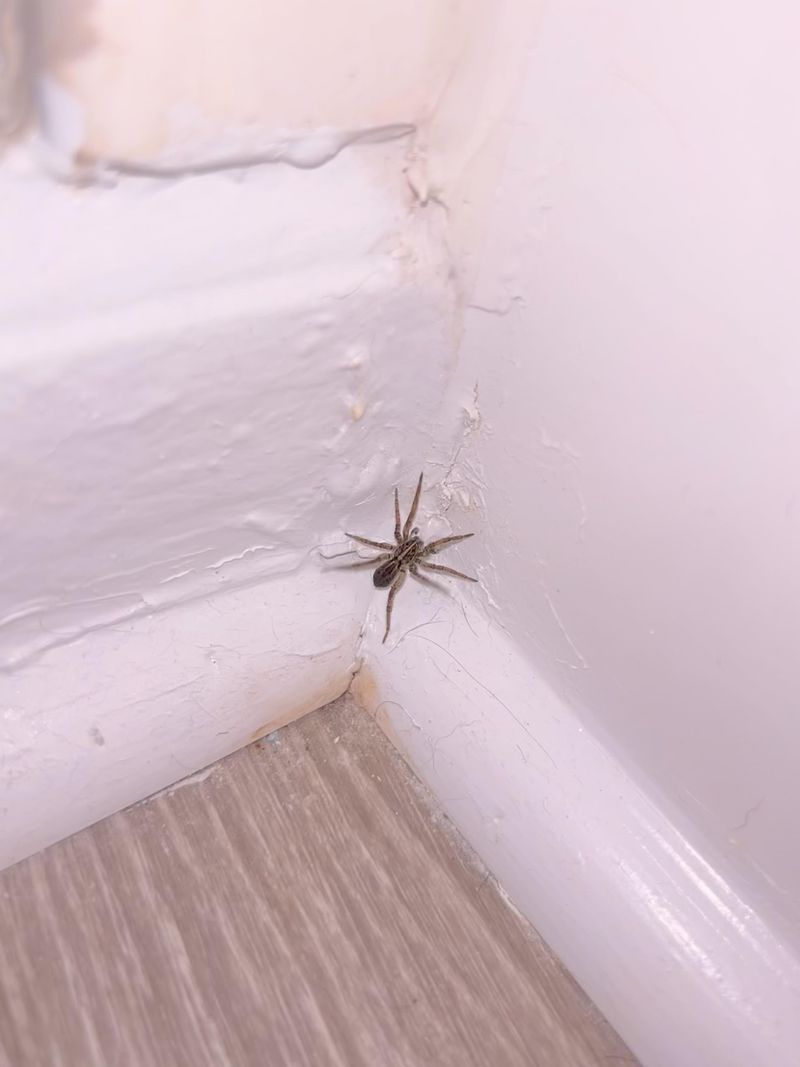
Cellar spiders are not the only suspects in the lineup. Two other common Alabama spiders get blamed often.
Male southern house spiders cause frequent mix-ups. They are tan to light brown with long legs and wander at night looking for mates. Look near the face and you will see big palps that resemble an extra pair of short legs.
They also have eight eyes clustered on a small bump. Females stay hidden in silk retreats around window frames and siding. They are dark and chunky, so few people confuse them with recluses.
Wolf spiders round out the group. These hairy brown hunters race across floors and patios, and some are surprisingly large. Their eye pattern includes two big forward-facing eyes that shine when hit by a flashlight.
That eyeshine trick is fun on a summer night. Walk your yard with a headlamp and you may spot dozens of tiny green sparkles in the grass.
Neither of these spiders is considered medically significant. A wolf spider bite may sting a bit, much like a bee. Fuzzy bodies, striped legs, or fast running all point away from a recluse.
Brown Recluses Do Live Here, Mostly In Hidden Clutter
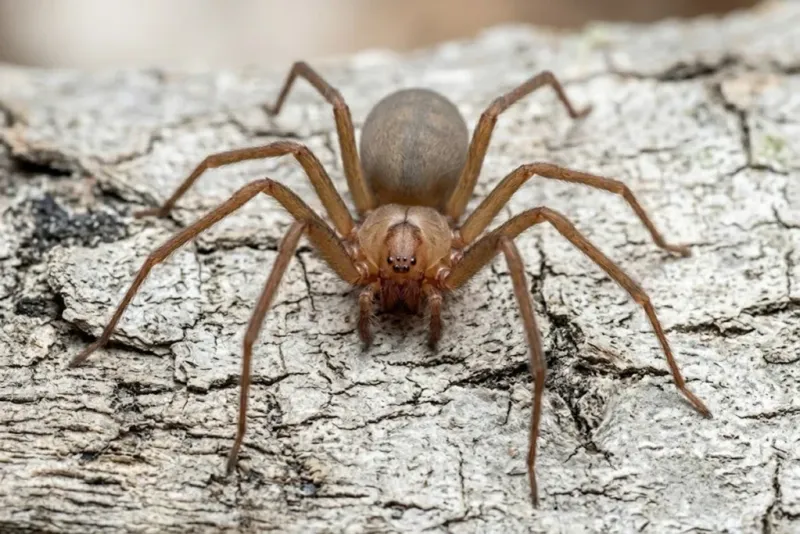
Honesty matters here. Brown recluses are native to Alabama, and Alabama Extension reports finds across much of the state, with more records in northern counties.
Their lifestyle differs sharply from cellar spiders. Recluses avoid open webs and hide in dark, undisturbed places.
Think cardboard boxes, stored clothing, attic insulation, behind furniture, and inside rarely worn shoes.
They roam at night to hunt. Most people never see them unless they move stored items or find one trapped in a bathtub.
Finding one does not mean your home is overrun. Heavy infestations happen, but they are uncommon and usually tied to lots of clutter and storage.
Bites are also rarer than many people think. Many skin sores blamed on recluses turn out to be bacterial infections, including MRSA, or other conditions. That is why doctors urge people not to self-diagnose a spider bite.
If you have a wound that is spreading, blistering, or getting worse, see a medical provider promptly. Bring the spider in a sealed jar if you caught it. A clear identification helps everyone make better choices.
Sticky Traps And Sealed Boxes Keep Spiders In Check
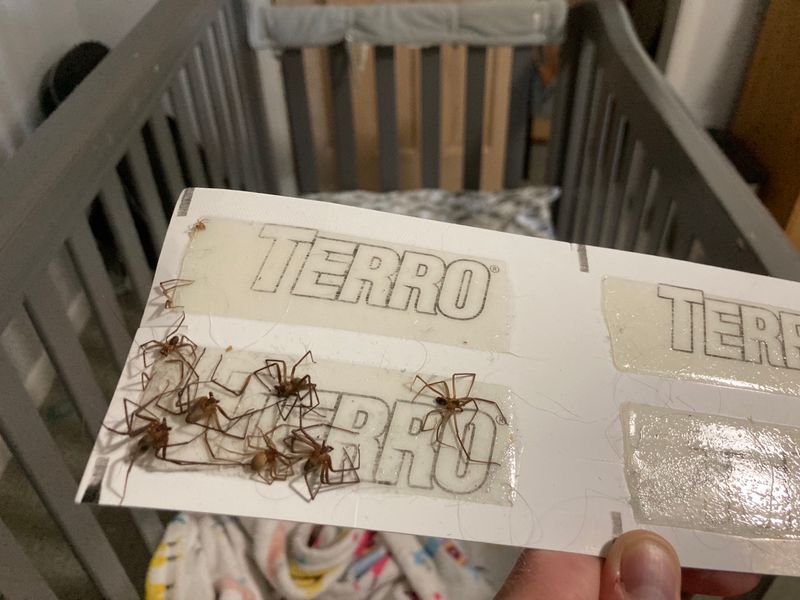
A few simple habits make your home less inviting for every kind of spider. I tried these last spring, and the difference showed up quickly.
Swap cardboard boxes for plastic bins with snug lids. Cardboard gives spiders hiding spots and food crumbs for the insects they eat. Bins stack neatly and seal out wandering guests.
Shake out shoes, gloves, and clothes left in garages or closets before using them. Pull beds a few inches from walls and keep bedding off the floor. Those small steps help a lot in places where recluses turn up.
Glue boards placed along baseboards and in corners catch roaming spiders. They also act as a free survey, showing you which species are actually present. Check them every few weeks.
Seal gaps around doors, windows, pipes, and foundation cracks with caulk or weather stripping. Outdoor lights draw insects, which then draw spiders, so yellow bulbs can help.
A vacuum handles cellar spider webs in seconds. Empty it outdoors afterward. Spraying broad pesticides inside rarely solves the issue and often just scatters spiders into new spots.
A Quick Photo Of That Spider Outperforms A Panicked Swat
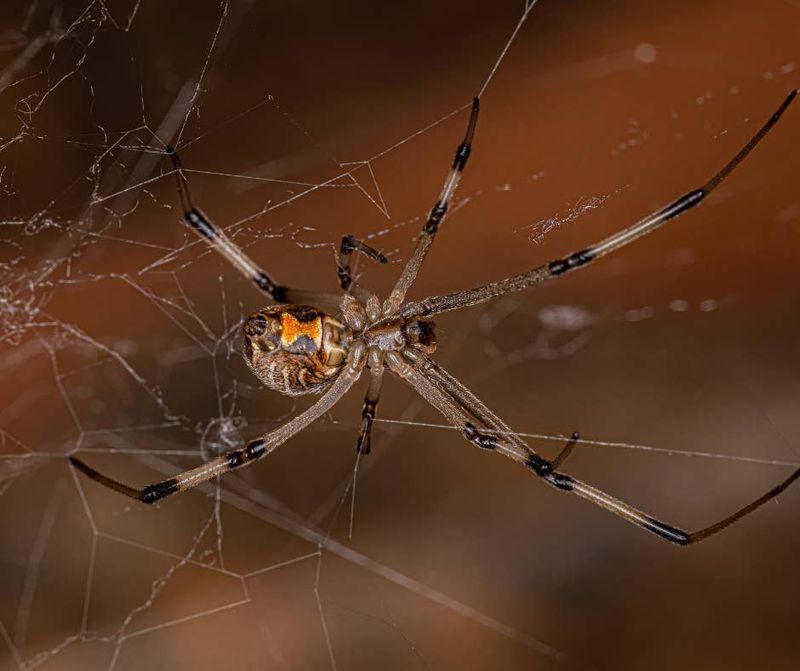
Next time something leggy shows up, grab your phone before your shoe. A sharp, close photo gives you real answers instead of guesses.
Try to capture the top of the body and the legs in good light. If you can, get a shot of the eyes too. Compare what you see with the six-eye and plain-leg checklist.
Alabama Cooperative Extension System offices can help identify spiders. Many offices accept photos or specimens in a jar with rubbing alcohol. University entomology programs share helpful guides online as well.
Call a licensed pest professional if you keep finding confirmed recluses or see several each week. Ask them to identify the spider before treating. A good company will focus on inspection, sealing, and targeted steps.
For lanky cellar spiders, the choice is yours. You can let them stay in quiet corners or relocate them outside with a cup and paper.
I have come to enjoy spotting them. They are quiet, harmless, and busy trimming the bug population for free.
Give that dangling neighbor a second look, and you might find a small ally rather than a scare.