How To Repair What Alabama’s Hurricane Season Did To Your Garden This Fall
Your porch chairs flew, but the real trouble is hiding under the mud. Stems flop sideways, branches dangle, and the lawn squishes beneath your boots.
In Alabama, October warmth gives you a rescue window that will not stay open. Gray winter chill will set each bent stem in place if you wait.
Reshape too early and you will stress healthy plants in soggy, salty soil. Saltwater spray from the bay may have coated leaves, and that changes your plan.
Test your soil before you fertilize or reshape any shrub. Waterlogged roots lack fresh oxygen, and fertilizer only pushes tender growth frost will nip.
Pruning shears matter less than the order of your cleanup. Sort your repairs by urgency, and recovery moves faster than you expect. Begin at the facedown gnome, because storms across Alabama leave a trail you can decode.
1. Walk The Yard And Map The Storm Impact First
Picture a detective with a clipboard, questioning a facedown gnome in mud. That detective is you, and your garden is the scene of a very windy mystery.
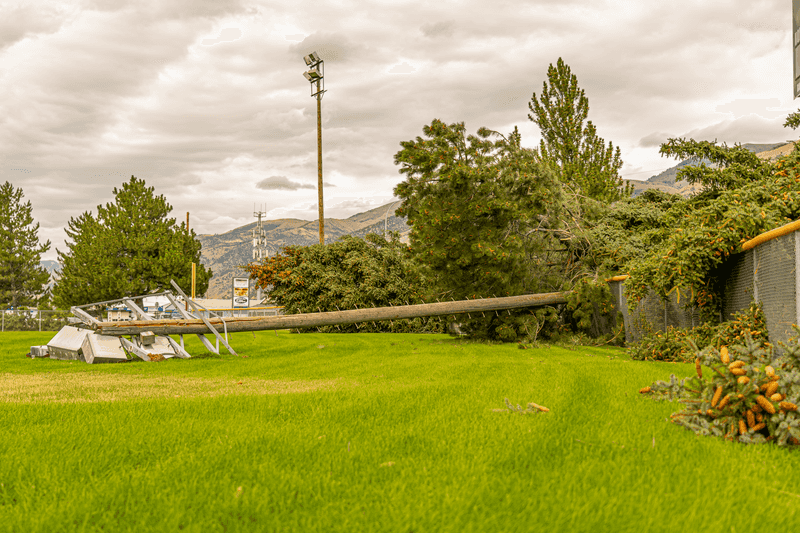
Before you cut or haul anything, take a slow lap around the whole yard. Bring a notebook or your phone so you can snap photos as you go.
Start with the biggest safety risks, like hanging limbs, leaning trees, and downed power lines. Stay far away from any wires and call your power company right away.
Next, look closely at each bed and border. Mark plants that snapped, plants that lean, and plants that just look tired and droopy.
Check the trunks of trees for cracks or bark that peeled loose in the wind. Peek at the base too, since roots can lift when soil gets soaked.
Photos help in two big ways after a hurricane. They guide your repair plan, and they can help with an insurance claim, though many policies cover trees only when they damage a structure or block access.
Once your lap is done, sort your notes into three simple groups. Label them fix now, fix soon, and wait and see.
That last group matters more than you might think. Many Alabama plants look rough in October but push out fresh leaves once they settle down.
Giving woody plants until spring growth keeps you from tossing something that could recover. A little patience now can save you money and a sore back later.
Put on sturdy boots and treat this first walk like a calm treasure hunt. Your plan will feel clearer by the end.
2. Clear Away Debris Before It Attracts Pests
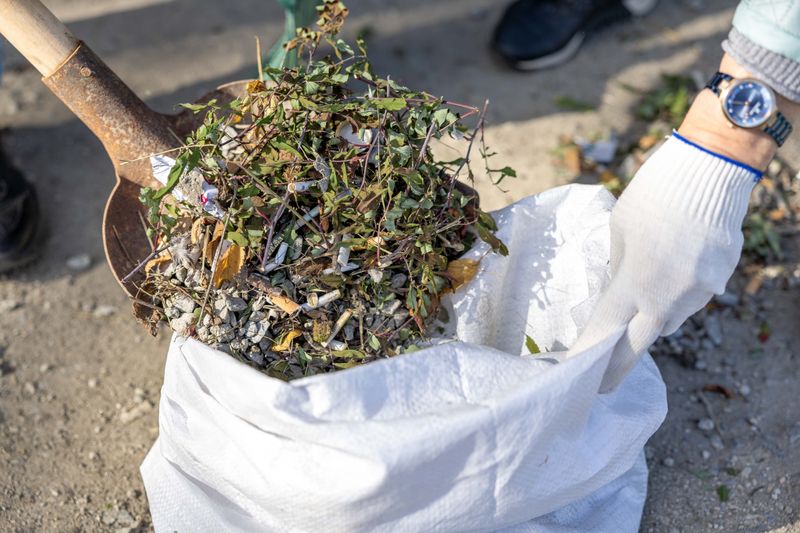
Storm leftovers are not just ugly, they are a welcome mat for pests and mold. Piles of soggy leaves and branches trap moisture right against your plants.
Slugs, fungus gnats, and fungal spores love that damp, shady mess. Clearing it quickly gives your garden room to breathe and dry out.
Start by pulling off anything heavy that is pressing down on shrubs or perennials. Lift gently so you do not snap stems that survived the wind.
Your Alabama Garden Changes Every Week. Your Plan Should Too.
Gardening in Alabama changes quickly throughout the season. Every Friday you’ll receive a simple weekly plan showing exactly what to plant, prune, fertilize, harvest, and protect so you never miss the right timing.
Rake up leaves, broken twigs, and shredded mulch from your beds. Toss trash like shingles, plastic, and fencing into a separate pile for pickup.
Healthy plant debris can go into your compost bin. Anything that looks moldy, slimy, or diseased should be bagged and sent out with the trash.
Some Alabama cities and counties set up storm debris pickups after major storms. Check your city or county website to learn the rules for sorting and curb placement.
Wear thick gloves while you work, since nails and glass can hide under leaves. Long sleeves and closed shoes help protect you from scrapes and fire ants.
Fire ants often float in clumps during floods and rebuild mounds in fresh spots. Watch where you kneel, because their stings can spoil an afternoon.
Work in small sections so the job does not feel overwhelming. One cleared bed per day still adds up to real progress by the weekend.
Your garden will look calmer, and you will finally see what needs fixing next. Clean ground makes later repair steps easier.
3. Prune Broken Limbs With Clean, Smart Cuts

Did you know a ragged, torn branch heals much slower than a clean cut? Trees seal wounds best when the edges are smooth and tidy.
Hurricane winds tend to leave limbs split, twisted, or hanging by a strip of bark. Those injuries invite insects and rot if you leave them alone.
Grab sharp pruners for small stems and a pruning saw for thicker limbs. Wipe the blades with rubbing alcohol after cutting any diseased plant to avoid spreading disease.
For each broken branch, cut back to a healthy side branch or the trunk. Stop just outside the collar, which is the slightly swollen ring at the base.
Cutting flush against the trunk removes that collar and slows healing. Leaving a long stub is not great either, since stubs often rot.
Larger limbs need a three cut method to stop bark from tearing. Make an undercut, then a top cut farther out, then trim the leftover stub.
Keep October pruning limited to storm damage only. Heavy shaping now can push tender new growth that gets damaged by the first frost.
Save bigger shaping jobs for late winter, when most plants are resting. Azaleas and other spring bloomers should wait until after they flower.
Anything taller than your ladder or close to wires belongs to a certified arborist. Step back after each cut and look at the overall shape. Small, careful snips beat one big chop you cannot take back.
4. Test And Flush Soil Hit By Salty Storm Surge
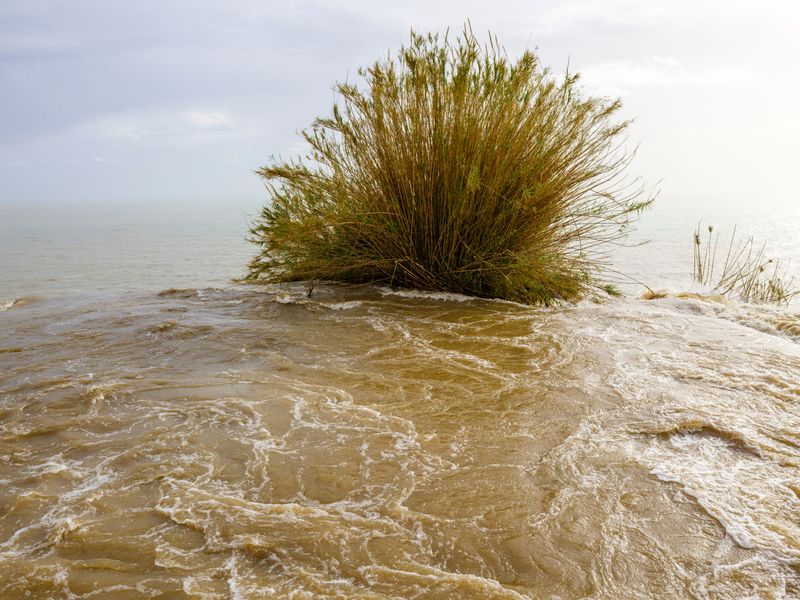
Folks along Mobile Bay and the Gulf Shores coast know the ocean does not stay put during big storms. Surge water can push salt far into backyard soil.
Salt pulls water away from roots, so plants act thirsty even in wet ground. Leaves may brown at the edges, curl, or drop early.
Inland gardens can feel salt effects too, since strong winds carry salty spray miles from shore. Brown, crispy leaves on the windward side are a big clue.
A good first step is a soil test through your county Alabama Cooperative Extension System office. Standard tests show pH and nutrients, and a salinity test can often be added.
While you wait, flush the soil with fresh water if rain stays scarce. Deep, slow soaking pushes salt down below the root zone.
Water a few inches at a time over several days instead of all at once. Soil drains better that way, and roots do not sit in puddles.
Gypsum can help heavy clay soils release sodium, especially in coastal areas, if your soil test shows it is needed. Gypsum does not remove salt on its own, so keep flushing with fresh water.
Hold off on fertilizer until the salt level drops. Extra fertilizer adds even more salts and can stress roots that are already struggling.
Rinse leaves on shrubs and young trees with a gentle hose spray too. Washing off salt crust helps leaves breathe and recover faster.
Heavy fall rains can help with some of this flushing, but October is often dry, so check the forecast.
5. Fix Soggy Beds And Compacted Ground
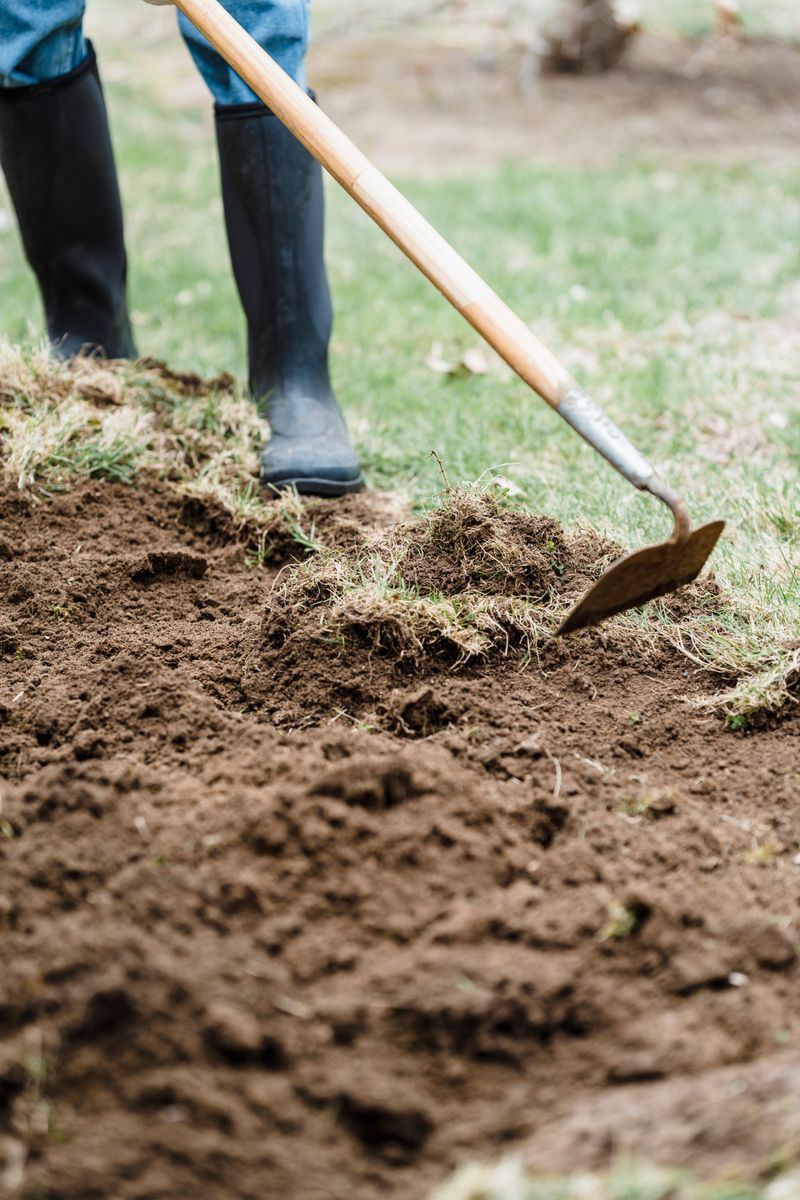
Squish, squish, squish. If your boots sink when you cross a flower bed, the roots underneath are probably short on oxygen.
Roots need oxygen just as much as water. Waterlogged soil pushes out air pockets, and roots can become stressed within days.
Begin by finding where water collects after rain. Low spots, downspouts, and areas near patios are common trouble zones.
Redirect downspouts with simple extensions so roof water flows away from beds. A shallow trench lined with gravel can also guide water to a better spot.
Heavy rain and foot traffic can also pack soil tightly. Compacted ground blocks water from soaking in, which leads to even more puddles.
Wait until the soil dries enough to crumble in your hand before working it. Digging soaked clay only squeezes it tighter and makes things worse.
Poke holes across lawns and beds with a garden fork or core aerator. Then spread an inch of compost on beds, or a thin quarter to half inch on lawns, so it can settle into those openings.
Compost loosens heavy Alabama red clay over time and feeds helpful soil life. Earthworms will move in and keep the digging going for free.
For beds that flood every year, think about building raised beds. Lifting roots a few inches above the ground keeps them safely above soggy spots.
Keep pets and people off soft areas until things firm up. A few stepping stones make an easy path without compacting fresh soil. Your plants will thank you with sturdier roots by spring. Dry feet for you is a nice bonus too.
6. Stand Up Leaning Shrubs And Young Trees

A young magnolia leaning like it lost an argument with the wind is a sad sight. Luckily, many small trees and shrubs can stand tall again.
Act soon, because roots begin anchoring in their new, crooked position. October soil is still soft enough to make gentle corrections.
Start by checking how far the plant tips and whether roots lifted from the ground. Trees under about four inches thick usually respond best to straightening.
Large trees with exposed, torn roots are a different story. Those may be unstable, so call an arborist for a safety check.
For smaller plants, ease them upright slowly, pressing soil back over any exposed roots. Water deeply afterward to remove air pockets around the root ball.
Next, add stakes on opposite sides, set outside the root zone. Attach soft straps or old bicycle tubes so the bark does not get scratched.
Skip wire or rope wrapped straight against the trunk. Those materials can cut into bark as the tree grows.
Leave a little slack so the trunk can sway slightly in the breeze. That gentle movement helps trees build stronger wood and sturdier roots.
Shrubs like hollies and loropetalum can often be propped up with a single stake. Bent shrub stems may also bounce back after a light trim.
Plan to remove stakes within a year so plants learn to stand on their own. Set a phone reminder so those ties do not get forgotten.
Check ties after each windy week through fall. Loosen anything that looks snug or rubs against the bark.
7. Spread Fresh Mulch To Guard Roots This Fall
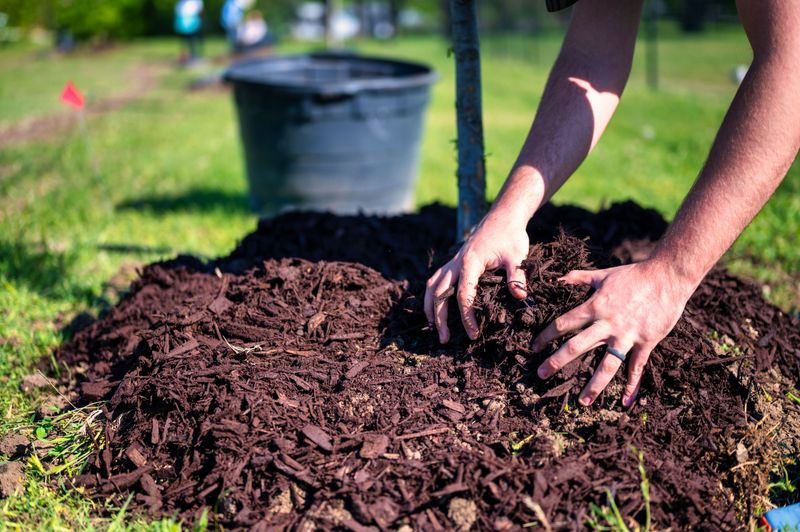
Think of mulch as a cozy blanket for your garden. Hurricane winds probably scattered your old layer across the neighborhood.
Bare soil heats, cools, and dries out quickly, which stresses roots already recovering from the storm. A fresh layer smooths out those wild swings.
Pine straw is a classic Southern choice and costs little across Alabama. Shredded hardwood and pine bark nuggets also work well in most beds.
Spread mulch about two to three inches deep over cleaned beds. Thicker layers can limit air reaching roots and hold too much water after heavy rains.
Keep mulch a few inches away from tree trunks and plant stems. Piling it up like a volcano invites rot, insects, and rodents.
Shredded leaves from storm cleanup make excellent free mulch too. Run them over with a mower first so they do not mat down.
Avoid using mulch that smells sour or looks slimy from sitting in floodwater. Bad mulch can carry fungus and harm tender plants.
October is a smart time for this step in Alabama. Roots keep growing in cool soil long after leaves stop growing.
Mulch also helps suppress winter weeds like henbit and chickweed. Fewer weeds means less work for you when spring rolls around.
Top off thin spots in late winter if rain washes some away. Keeping the layer steady helps soil stay loose and full of life.
Your beds will look neat and finished again. Neighbors may even ask what your secret is. Tell them a hurricane gave you the push you needed. Then hand them a rake and smile.
8. Replant With Tough, Wind-Tolerant Alabama Natives
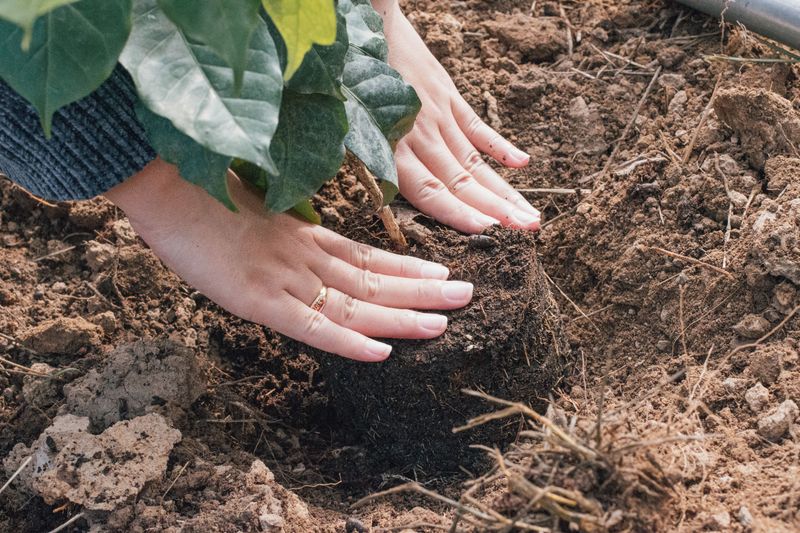
A storm like this can be a good prompt to plant smarter. Native plants have handled Gulf Coast weather for thousands of years.
Their deep roots grip soil firmly and bounce back from wind, flooding, and drought. Many also need less water and fertilizer once they settle in.
Fall is the best planting season in Alabama, and October is right in the sweet spot. Cool air eases stress while warm soil helps roots spread.
For trees, consider live oak, bald cypress, and longleaf pine, which stand up well to strong winds. Southern magnolias often handle storms better than you might expect.
Shrubs like yaupon holly, wax myrtle, dwarf palmetto, and oakleaf hydrangea are sturdy, pretty choices. The oakleaf hydrangea is Alabama’s official state wildflower, too.
Perennials such as black eyed Susan add color and handle soggy spells, while coneflower and muhly grass prefer well-drained beds. Butterflies and bees will happily move into your new beds.
Plant trees well away from your house, driveway, and power lines. Tall trees with weak branches, like Bradford pears, are best left out.
Dig holes twice as wide as the root ball but no deeper. Water new plants deeply once or twice a week until winter rains take over.
Local nurseries and Alabama Cooperative Extension offices can suggest plants for your county. Many also host fall plant sales with great prices on natives.
Your garden can recover well from this storm. Next hurricane season, you might just sit back and watch it hold steady.