A Southern Bulb Is Bursting Into Bloom On Bare Stems Across Alabama Yards After Recent Rain
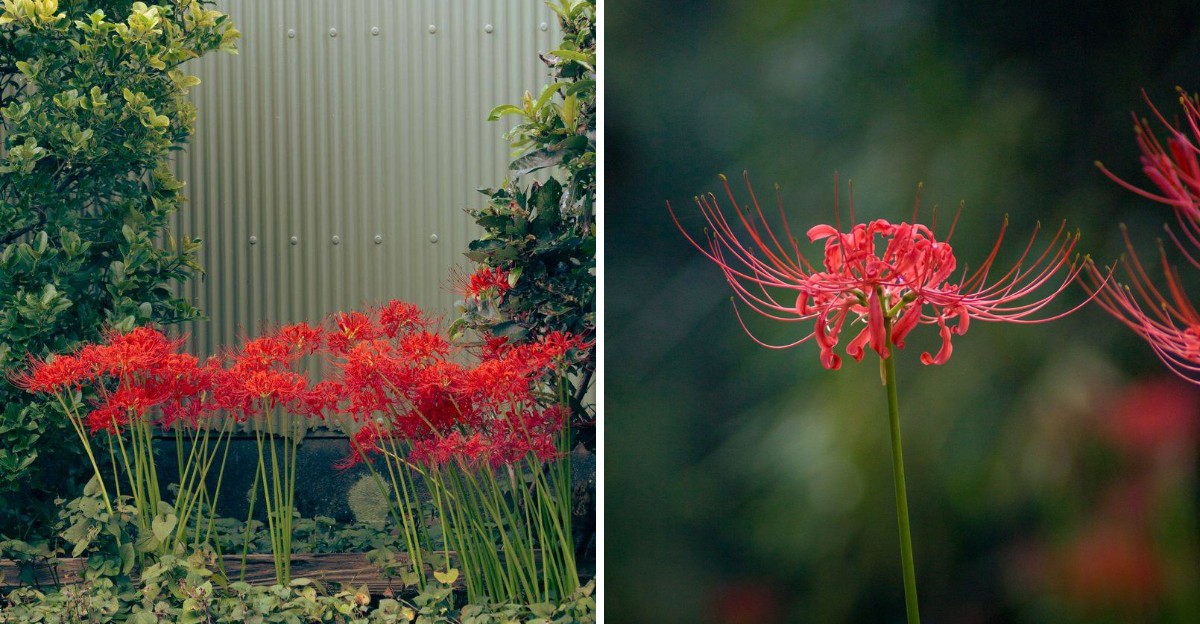
Something pushes up through your lawn overnight, sudden and fast-growing. Bare green stems climb fast across your yard between dawn and dusk. Nobody warned you this would happen so fast right after the rain.
Alabama makes your lawn the stage for this strange green sprint. Old homeplaces near your quiet street throw the boldest performances. Rain flips a switch set deep beneath your grass.
Curled, whiskered blooms crown the stems outside your door within days. Your neighbors will stop, stare, and ask exactly what happened. Few plants near you manage this kind of dramatic overnight theater.
Fence lines around your property join the display without hesitation. Timing decides whether you catch this show or miss it.
Local gardeners across Alabama already know what’s waiting beneath the soil. Getting your own yard into this act takes almost no real effort. Here’s how the bloom cycle unfolds from here.
The Bulb That Flowers Before It Foliates
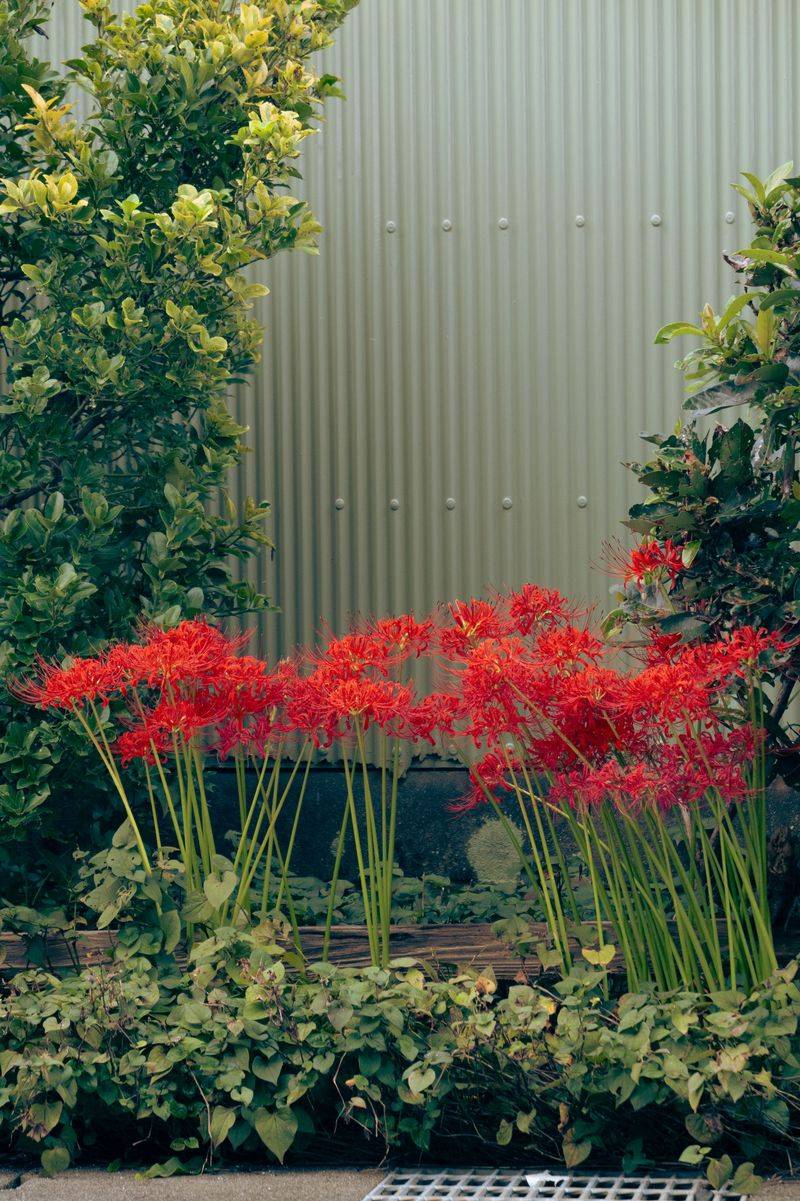
Picture a stretch of lawn that looked plain on Monday, then sprouting slim green stalks by Thursday. Those stalks carry no leaves at all, just smooth stems shooting up eight to eighteen inches in a hurry.
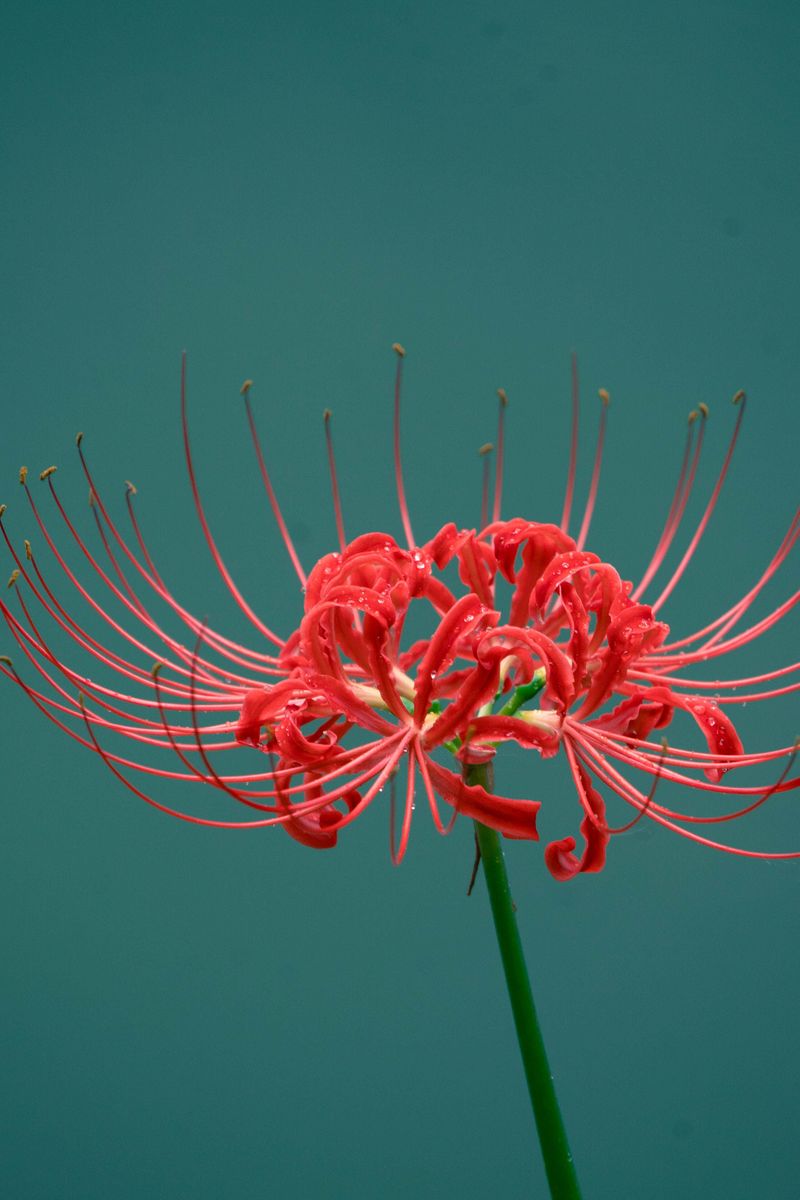
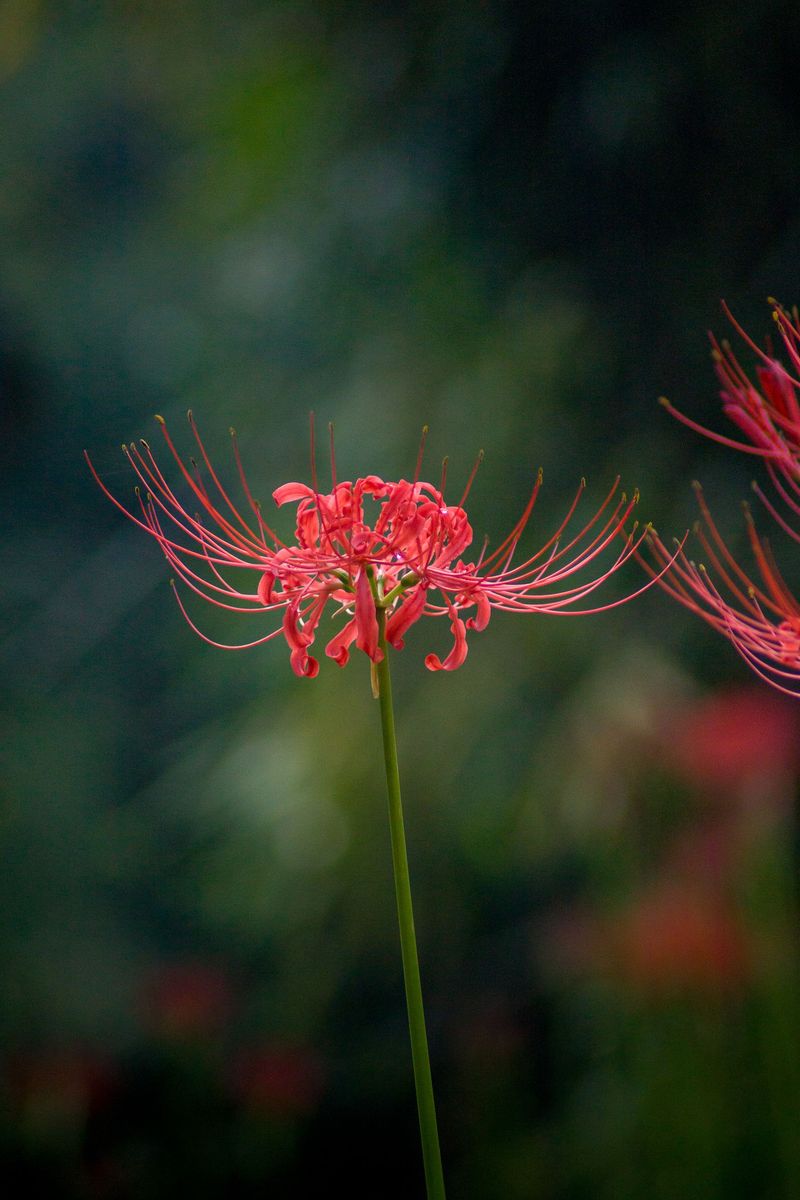
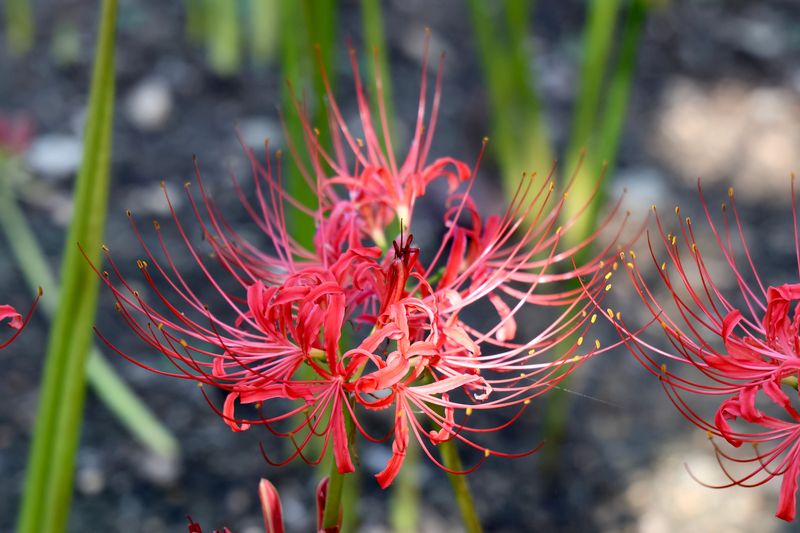
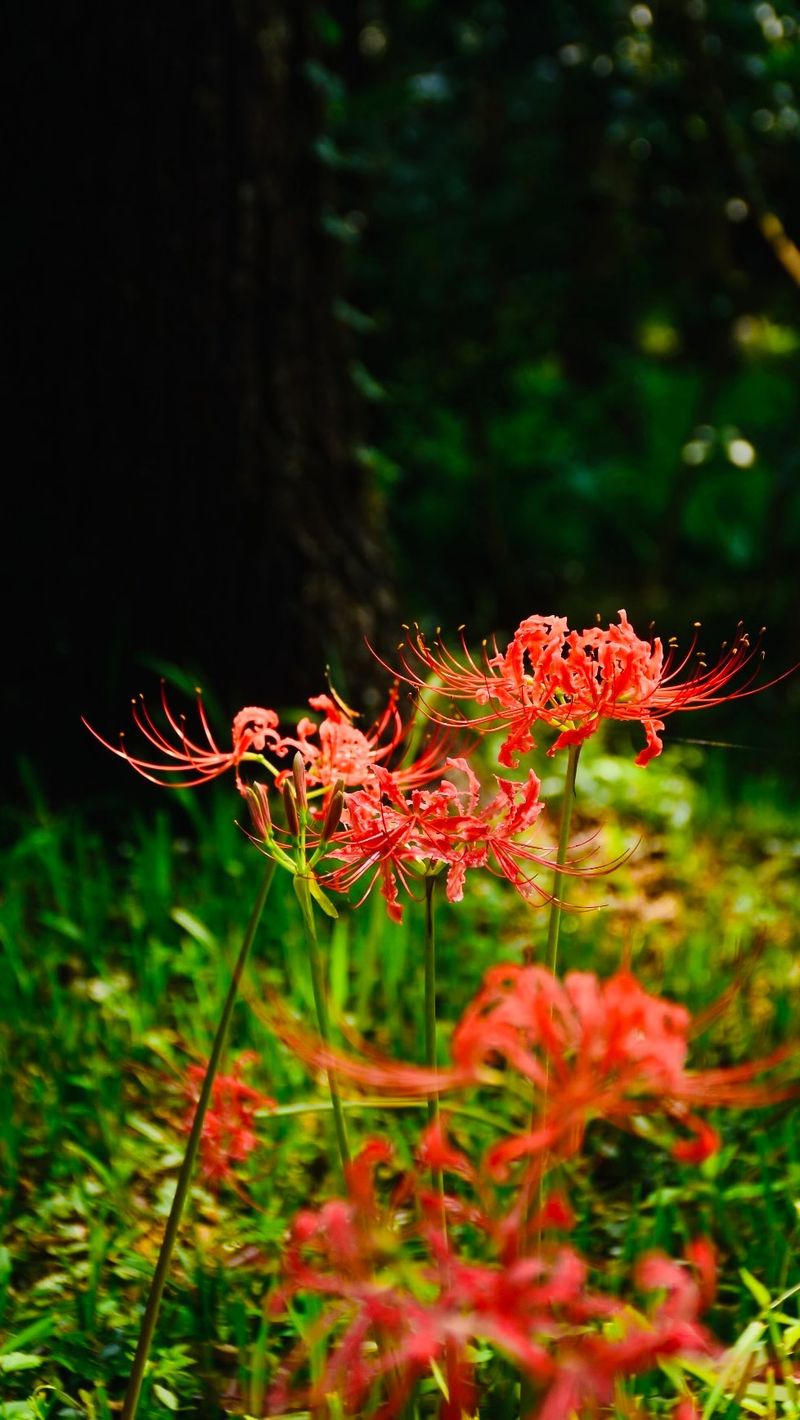
Gardeners in Alabama call the result a spider lily, and botanists file it under Lycoris radiata. The flower opens into a cluster of crimson petals that curl backward like ribbons, with long stamens arching past them like whiskers.
Because the foliage shows up months later, the stems look bare, which earned the plant nicknames such as naked ladies, surprise lily, and hurricane lily. Neighbors sometimes swear the blooms appeared overnight, and they are not far off.
Growth can push several inches in a single day once the bulb wakes up. A single bulb usually sends up one stalk, though established clumps can send up a dozen and turn a fence line scarlet.
Identification is simple once you know the signs: no leaves, no branching, one umbel of four to six flowers on top. Color runs mainly red, but golden and pale pink relatives exist too.
Flowers hold for about one to two weeks, sometimes longer when nights turn cool. After that the stalk softens and folds, and the yard returns to quiet until strap-shaped leaves emerge in fall.
Kids love spotting them along old driveways, and photographers chase them at golden hour when the petals glow. Once you learn the shape, you will notice clumps in yards you have passed for years.
Why A Good Soaking Flips The Switch
Ask an old-timer why the red blooms showed up this week and you will hear one word: rain. Bulbs sit underground through the heat, resting and waiting for a signal that the season is turning.
That signal usually arrives as a soaking storm in late August or early September, paired with slightly cooler nights. Moisture soaks into dry soil, temperatures dip a few degrees, and the bulb responds by pushing a flower stalk skyward.
Response time is quick, often within about a week of the storm. That speed explains the hurricane lily nickname, since tropical systems sweeping into Alabama bring the exact kind of drenching the bulbs want.
Your Alabama Garden Changes Every Week. Your Plan Should Too.
Gardening in Alabama changes quickly throughout the season. Every Friday you’ll receive a simple weekly plan showing exactly what to plant, prune, fertilize, harvest, and protect so you never miss the right timing.
A dry September can delay the show, which is why some yards bloom while others stay quiet. Gardeners who want a more reliable display can run a sprinkler for an hour or two in late August to imitate that soaking.
Soil temperature matters as well, and bulbs planted in hot, baked spots may respond later than those under light shade. Once flowering starts, extra water keeps the stalks upright and the petals fresh for longer.
Heavy rain during bloom can flatten tall stalks, so a few bamboo stakes near the clump help. Cut stems also last several days in a vase, giving you a second look at those curled petals up close.
Watching the weather map in September becomes a quiet garden game. When a front rolls through, mark your calendar and check the beds within the week.
From Rice Paddies In Asia To Alabama Fence Rows
Long before these bulbs reached Southern porches, they grew along rice paddies and burial grounds in Japan, China, and Korea. Farmers planted them on field edges because the bulbs contain compounds that discourage burrowing rodents.
Japanese tradition ties the flower to the autumn equinox, giving it the name higanbana. Poems and stories treat the red blooms as markers of memory and seasonal change.
As the story is often told, a naval officer is credited with bringing a few bulbs to North Carolina from Japan around 1854. Those bulbs took years to settle in, then spread through the South by way of shared clumps passed over fences.
Many Alabama patches are said to trace back to a grandmother’s garden rather than a garden center. Old homeplaces near your quiet street produce the thickest stands.
Because the common red type sets little viable seed, clumps mainly spread by bulb offsets. That means a fifty-year-old patch likely started as a handful of bulbs somebody tucked in with a trowel.
Fun fact: the plant answers to more nicknames than almost any other Southern bulb. Spider lily, surprise lily, magic lily, and equinox flower all point to the same crimson surprise.
If a neighbor offers you a shovelful from an old stand, say yes. Heirloom clumps carry both flowers and family stories, and they tend to settle in quickly where they have local roots. Ask about the light in that spot, too, since a bulb enjoys similar conditions in its new home.
Picking A Spot Where The Red Really Pops
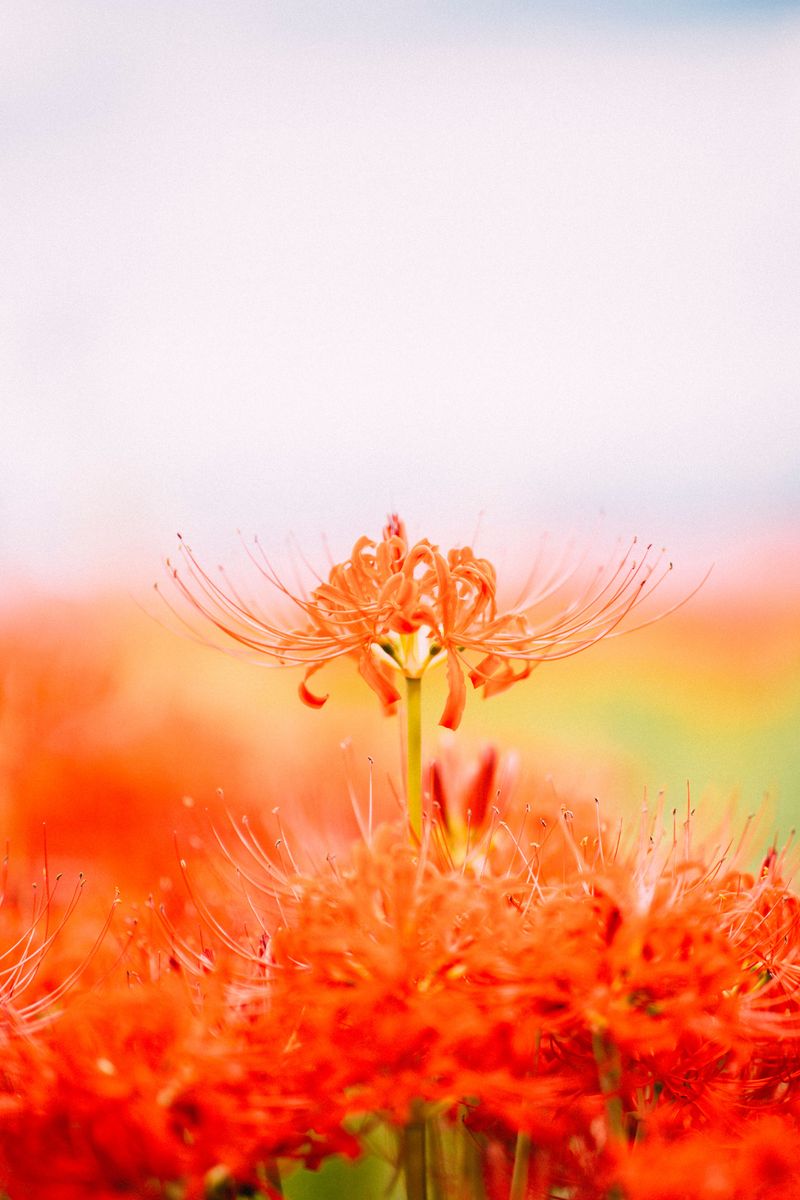
Placement makes the difference between a few shy stalks and a ribbon of red along the walkway. Bulbs prefer spots with morning sun and light afternoon shade, especially in the hotter parts of the state.
Under high pine canopy, along a driveway, or at the front of a shrub border are classic choices. Drainage counts more than richness, so avoid low pockets where water stands after a storm.
Since the stalks arrive without leaves, they look better rising through a low groundcover. Mondo grass, creeping sedum, ajuga, or a thin layer of fine mulch gives the flowers a tidy backdrop.
Pairing with fall bloomers stretches the color, and goldenrod, aster, or mums sit nicely nearby. Ferns and hellebores also work, since they appreciate the same filtered light.
Keep clumps away from spots you plan to till or dig in spring, because the bulbs rest just below the surface. A simple marker or a ring of stones saves you from slicing into them during a weeding session.
Slopes and raised beds suit them well, and so do the edges of gravel paths. Containers can work for a season, though bulbs perform better once they settle into ground soil.
Plant in generous groups of seven or more for impact, spacing bulbs six inches apart. A single stem looks lonely, while a cluster reads as a deliberate design choice from the street.
Photograph the bed in September so next year you remember exactly where the color lands.
Planting Depth, Timing, And The Patience Rule
Timing runs a little backward with this bulb, since the best planting window sits in summer while the bulbs rest. Late July through early September works, and freshly dug clumps can go in right after flowering as well.
Set the bulb with the neck at or slightly above soil level, roughly three to four inches deep. Burying it too far down is a common reason for years of leaves and no flowers.
Firm the soil, water once, then step back. Fertilizer is not needed at planting, though a light scatter of bone meal or a balanced granular feed in fall helps.
Patience is part of the deal here. Newly moved bulbs often skip blooming for one or two seasons while roots rebuild, then reward you with a steady show.
Handle bulbs gently, since bruised tissue invites rot in wet clay. If your soil holds water, mix in coarse sand or compost, or raise the bed a few inches.
Buy from a reputable source in mid to late summer, and look for firm bulbs with papery brown skins. Soft spots or a hollow feel suggest a bulb that has been stored too long.
Wear gloves while planting, because the sap can irritate skin and the bulbs are not safe to eat. Wash your hands afterward and keep stray bulbs out of reach of curious pets.
Once settled, clumps can sit undisturbed for decades. Leave them alone and they multiply quietly, adding a few more stems each September.
What Happens After The Petals Fade
The show does not end when the petals fade, it simply moves underground and then underfoot. Within a few weeks of flowering, strap-shaped green leaves emerge and stay through the cold months.
Those winter leaves are the engine, soaking up sunlight while the rest of the yard naps. They feed the bulb for the following autumn, so leave them in place until they yellow in spring.
Mowing over the foliage in February or March cuts next year’s flower count. Plan mowing paths around the clumps, or plant them in beds where the mower does not travel.
Cut the spent flower stalk at ground level once it softens, mainly for tidiness. A one-inch layer of leaf mulch in late fall protects bulbs during cold snaps without smothering foliage.
Watering is rarely needed through winter, since Alabama rain usually handles the job. Dry stretches in December can be eased with a single deep soak.
Crowded clumps that bloom less than usual may want dividing, and June or July is the moment. Lift the cluster with a fork, separate the bulbs by hand, and replant right away at the same depth.
Deer and rabbits tend to leave the plants alone, which is a bonus in rural yards. Pests are few, and rot from soggy soil is the main issue to watch.
Mark the bloom date on a calendar each year. Over time you will notice a pattern tied to rainfall, and you can predict the next burst of red.