9 Things That Draw Coyotes to Ohio Neighborhoods in Winter
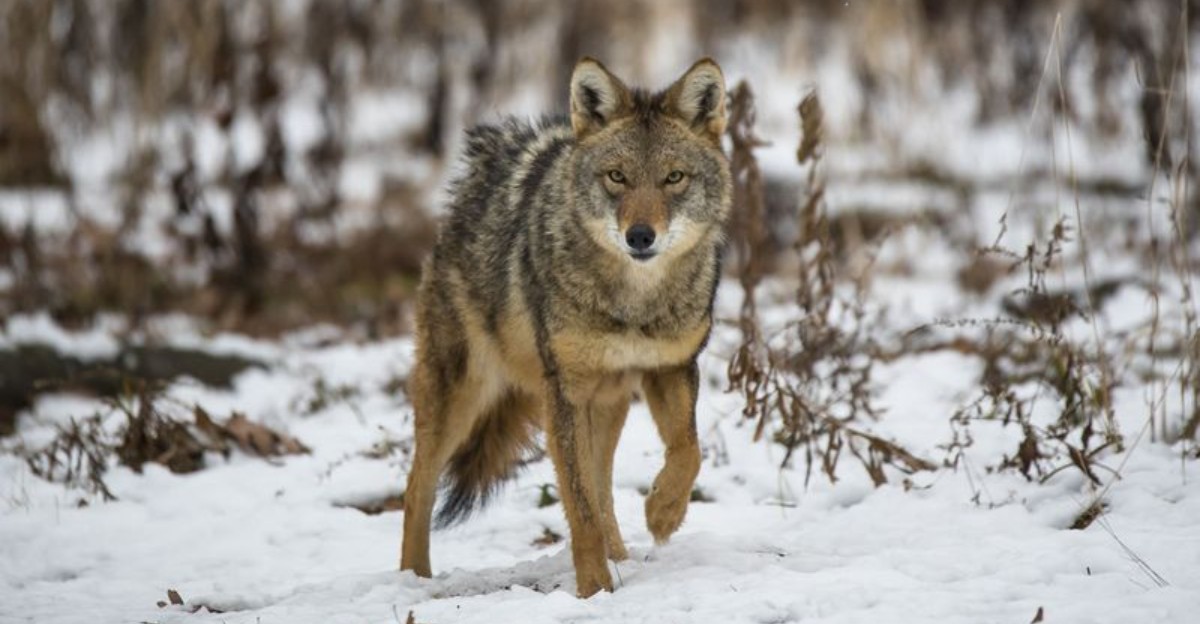
A wild dog that was rare here a century ago now lives in every one of Ohio’s 88 counties. Even downtown Columbus and the Cleveland suburbs have confirmed sightings, which still amazes me every single time I hear one.
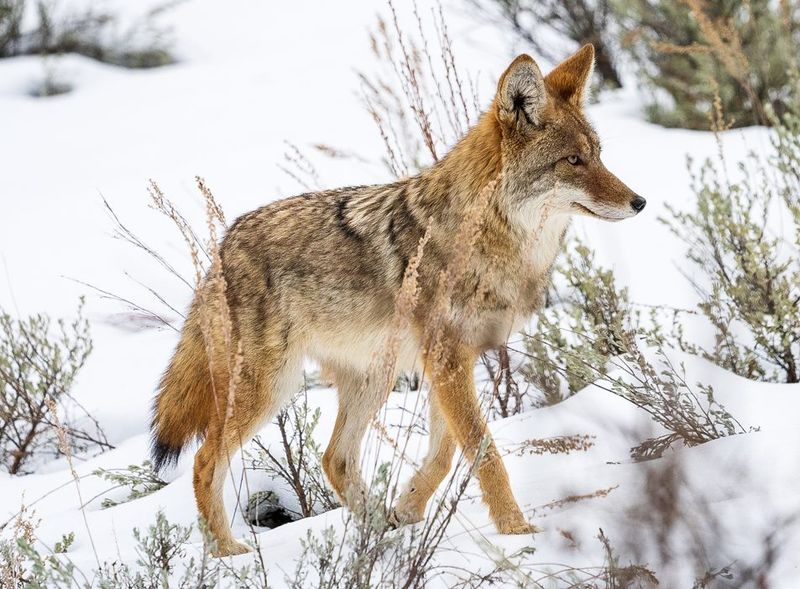
Winter is when these clever animals get noticed most, because bare trees and fresh snow leave them little cover. January through March is also their mating season, so they roam farther and call more often after dark.
I’ll admit I judged my own backyard habits as harmless until I learned what pulls them closer. You might notice tracks near the shed or hear yipping on frosty nights across your Ohio street.
Small choices around the garden can quietly roll out a welcome mat for a hungry, curious visitor. I say this with love, but one of your everyday routines might be sending the loudest invitation into the cold winter dark.
1. Overflowing Trash Cans Become Midnight Coyote Buffets
One raccoon-tipped trash can can turn your driveway into the neighborhood’s favorite late-night diner for a coyote. I laugh about it now, but finding chewed chicken bones across my snowy lawn was not fun.
Winter makes natural prey harder to catch, so the smell of leftovers drifting from a bin is very tempting. Coyotes have an excellent sense of smell, and greasy food wrappers carry odor a long way on still winter nights.
Once a coyote finds a reliable meal, it tends to remember the spot and return on future nights. Wildlife experts note that food rewards are one of the main reasons coyotes lose their natural fear of people.
You need tight-fitting lids, and a bungee cord or locking latch helps when wind or critters test them. Storing cans inside a garage or sturdy shed until pickup morning cuts down on overnight raids.
Personally, I rinse out food containers before tossing them in recycling, since sticky residue still smells like dinner. A quick spray of diluted bleach or vinegar inside the bin helps reduce lingering odors between collection days.
Several Ohio city wildlife pages list unsecured garbage as a top coyote attractant for local homeowners. Taking care of your own bins helps, but chatting with neighbors about theirs makes an even bigger difference.
Coyotes travel large territories, so one leaky can down the block can still bring them past your garden. A little teamwork on trash night keeps the whole street far less interesting to a wandering nose.
2. Pet Food Bowls Left On The Back Porch
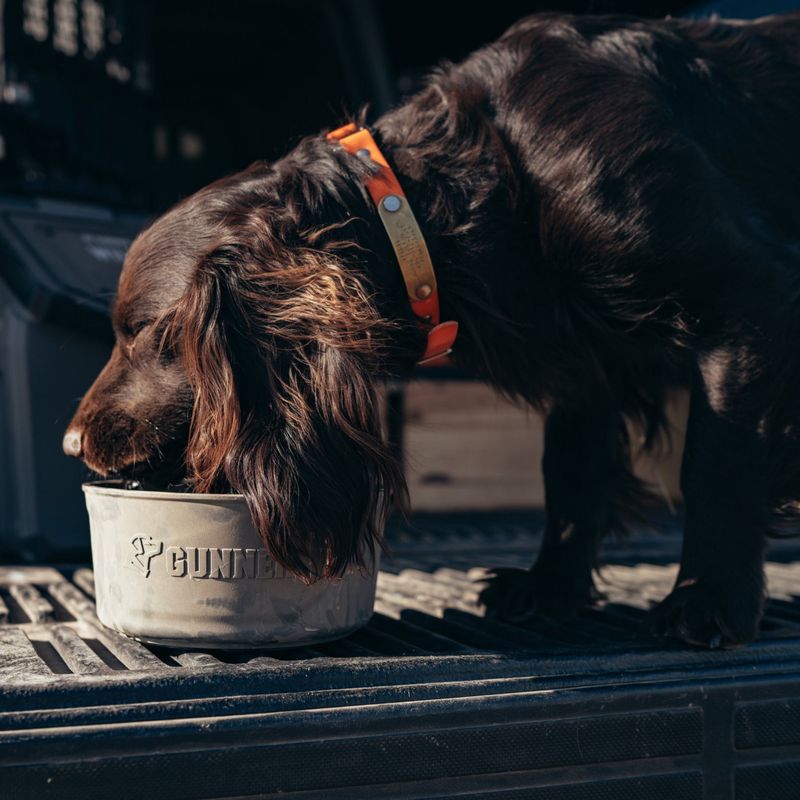
Your dog might turn up its nose at yesterday’s kibble, but a hungry coyote considers it a five-star feast. I used to leave a bowl on the porch for convenience, and I had no idea who visited.
Pet food is packed with protein and fat, which makes it an easy energy boost during frosty weather. Coyotes burn plenty of calories staying warm, so a ready bowl saves them a long, cold hunt.
Leftover kibble also pulls in mice and rats, which can draw coyotes hunting for live prey nearby. That makes one forgotten bowl a double invitation, offering both snacks and a chance at a quick catch.
Water dishes matter too, because many backyard puddles and small streams freeze solid during cold snaps. A heated pet bowl outside the door may look helpful, yet it can become a reliable wildlife watering hole.
You need to feed pets indoors whenever possible, especially from dusk through dawn when coyotes move most. If outdoor feeding is unavoidable, stay nearby and pick up the bowl as soon as your pet finishes.
Barn cat owners face a tougher challenge, but feeding at a set time and removing extras helps a lot. Some folks feed inside a closed shed or garage, which keeps the smell contained after the sun sets.
Storing big bags of food in sealed bins rather than an open porch also removes a powerful scent beacon. I keep ours in a metal can now, and the nightly porch visitors have mostly disappeared.
3. Fallen Apples And Frozen Garden Scraps
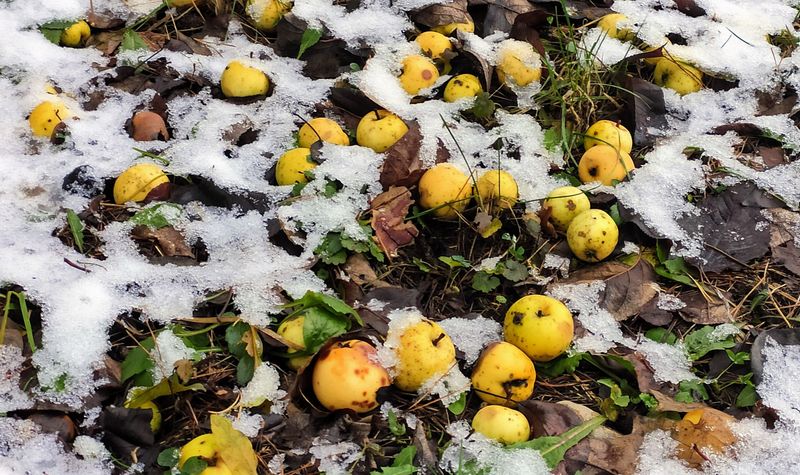
Those wrinkled apples hiding under the snow might look like nothing, yet coyotes treat them like candy. I love leaving a messy garden for overwintering insects, but rotting fruit is one mess worth cleaning up.
Coyotes are omnivores, and studies of their diets show they happily eat fruit and berries when available. Late fall and winter windfalls offer easy sugar at a time when mice hide beneath crusty snow.
Crabapples and pears often cling to branches or drop slowly, so one tree can feed visitors for weeks. Each return trip teaches a coyote that your yard is a dependable stop on its nightly route.
Garden leftovers count too, like squash left on the vine or pumpkins slumped on the porch after autumn. Softened pumpkins smell sweet and earthy, and they attract rodents that coyotes enjoy hunting even more.
You need a rake and a bucket, plus about ten minutes after each thaw reveals more fallen fruit. Bag it for the trash or a sealed compost bin instead of tossing it onto an open pile.
Pruning in late winter while trees are dormant also helps, especially if you pull off shriveled mummy fruit. Ohio State Extension recommends removing those mummies anyway, because they can harbor fungal diseases like brown rot.
I find it satisfying that one chore protects both my orchard and my peace of mind on snowy nights. Fewer treats on the ground means fewer reasons for a coyote to linger near the vegetable beds.
4. Open Compost Piles Full Of Kitchen Scraps
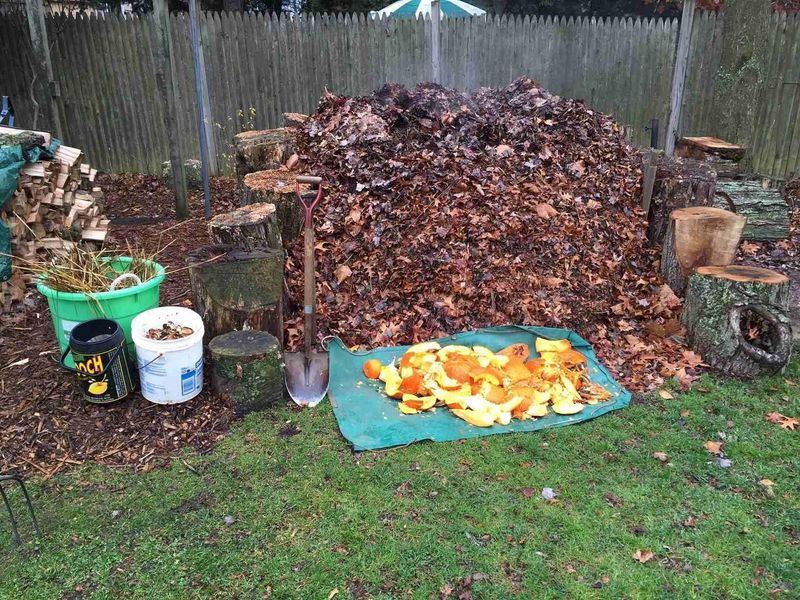
Steam rising from a compost pile on a frigid morning is one of my favorite garden sights. Unfortunately, that same warm, fragrant heap can look like a cozy snack bar to a passing coyote.
Kitchen scraps release strong smells as they break down, and cold air does not hide them well. Meat scraps and dairy products are the worst offenders, so keep those items out of backyard compost.
What surprises me most is that the scraps are often only half of the attraction for hungry coyotes. Warm compost shelters mice and voles through winter, and those rodents rank high on any coyote menu.
A coyote can hear rodents tunneling under snow and pounce with a high, arching leap through the drifts. It is thrilling to see, but you probably prefer that show happening far from your patio.
You need an enclosed bin with a lid and a solid floor or hardware cloth base. That setup keeps rodents from burrowing in underneath, which removes much of the reason a coyote stops by.
Burying fresh food scraps under a thick layer of brown leaves also helps mask odors between turnings. Tumbler composters work well in small yards, since they sit off the ground and latch tightly shut.
I switched to a closed bin years ago and still get rich, crumbly compost for spring planting. Healthy soil and fewer nighttime visitors feels like a fair trade for a little extra effort each week.
5. Spilled Birdseed Under Winter Feeders
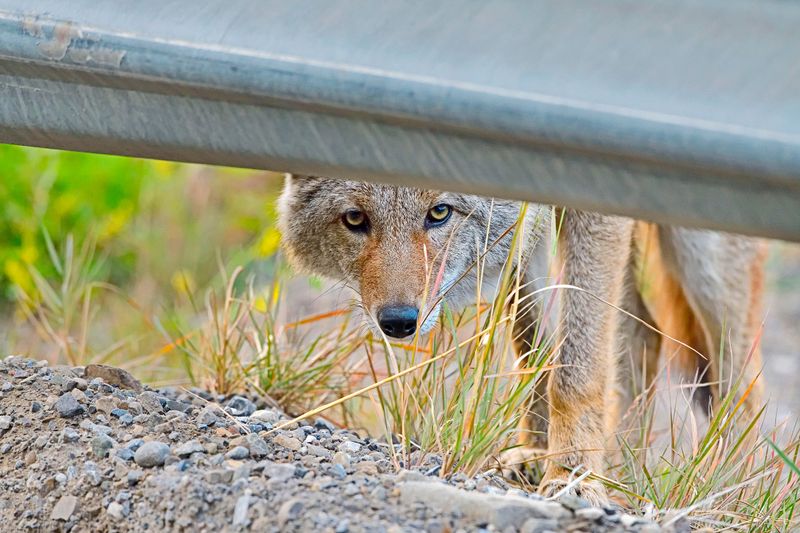
Cardinals glowing red against fresh snow make winter feeding feel like a gift, and I would dislike giving it up. Still, the seed scattered below the feeder tells a story that coyotes read very clearly after dark.
Coyotes rarely care about sunflower seeds themselves, but the squirrels and mice gathering underneath are another matter. A busy seed spill concentrates small animals in one spot, which turns your feeder area into a hunting ground.
Rabbits nibbling on fallen millet add to the draw, especially in yards bordering woods or creek corridors. You might notice more tracks crisscrossing beneath your feeders after a snowfall, which is a helpful clue.
Seed trays attached under feeders catch much of the mess before it reaches the ground below. Hulled sunflower hearts also help, since birds eat the whole thing and leave fewer shells and scraps.
Sweeping or raking under feeders every few days keeps leftovers from piling up into a rodent banquet. Store extra seed in metal cans with tight lids, because torn bags in the garage invite mice indoors.
If coyotes start showing up regularly, several Ohio communities suggest taking feeders down for a few weeks. The birds will find other food sources nearby, and the rodent crowd usually thins out fairly quickly.
Personally, I move my feeders closer to the house and away from the brushy back fence line. That small shift lets me enjoy the chickadees while giving sneaky predators less cover to approach unseen.
6. Busy Mice And Voles Living In Your Yard
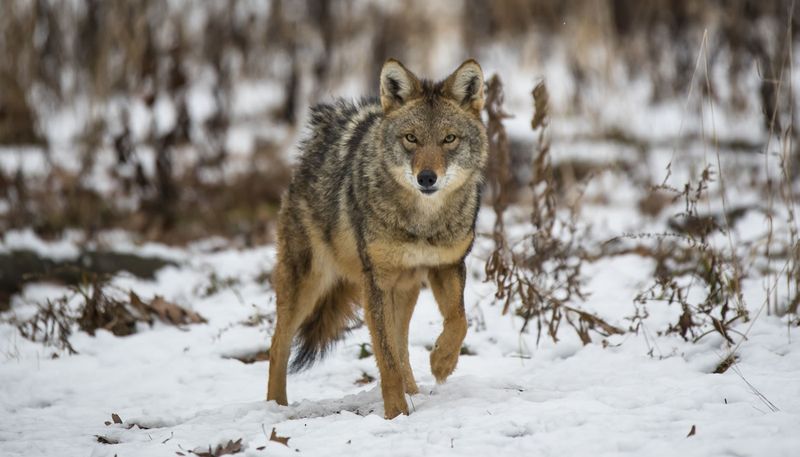
Every meadow vole tunneling under your lawn is basically a walking snack in the eyes of a coyote. Those winding trails you spot in the grass after snow melts are vole runways, and coyotes know it.
Small rodents and rabbits make up a large share of what coyotes eat throughout much of the year. That diet makes coyotes useful neighbors in some ways, since they help keep rodent numbers in check.
Winter changes the game, because deep or crusty snow makes those small animals harder to reach. Yards with tall grass and cluttered edges often hold more rodents, so coyotes may wander closer to check.
I believe a little tidiness goes a long way here, without turning your garden into a sterile lawn. Trimming tall grass near the house during a mild spell removes a favorite vole hideout close to home.
Pull mulch a few inches away from tree trunks, since voles love chewing bark under that cozy cover. Hardware cloth guards around young fruit trees protect the bark and make your yard less rewarding for rodents.
Rabbits sheltering beneath low evergreen branches also attract attention, so a simple fence around shrubs can help. Keep in mind that leaf piles benefit pollinators, so tuck them into far corners instead of hauling them away.
Balance matters, and you can welcome wildlife without hosting a rodent party right beside the back door. Shifting rodent habitat toward the edges gives coyotes fewer reasons to explore spaces near your patio.
7. Deer Carcasses And Other Winter Carrion
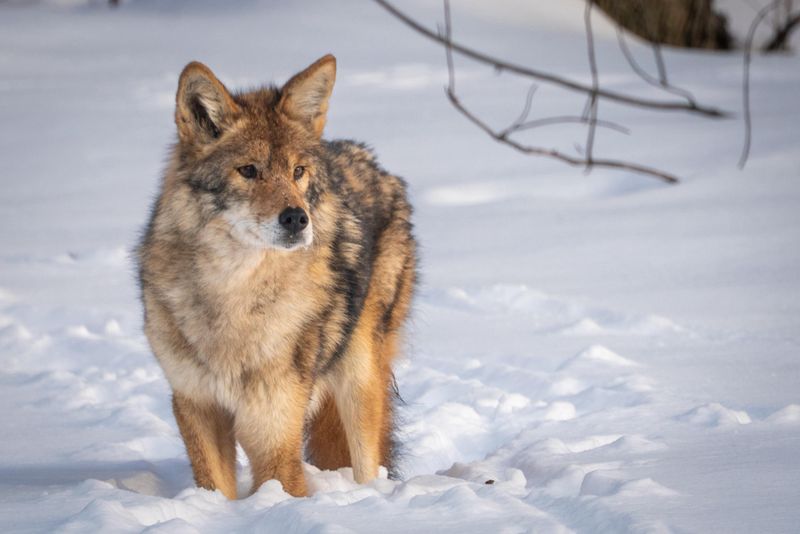
Coyotes are not picky eaters, and a deer carcass near a wooded lot can feed several of them for days. It sounds grim, but scavenging is one of the smartest survival tricks these adaptable animals have in winter.
Winter is hard on deer and other wildlife, especially during long cold snaps with deep snow. Animals struck by cars along busy suburban roads also provide meals for coyotes that travel those edges.
Ohio has a large white-tailed deer population, so carcasses show up near neighborhoods more often than people expect. Hunting season leftovers, like discarded deer remains, can also draw coyotes if they are dumped carelessly.
A line of fresh tracks heading toward the woods is often the first clue that a carcass lies nearby. Crows and vultures circling overhead offer another hint, since they share the same scavenging habits as coyotes.
You need to contact your local road department or animal control if a carcass lands near your property. Many Ohio cities and counties will remove animals from public roads, though rules vary by location.
Hunters can help by disposing of deer remains properly, following state guidance rather than leaving piles at field edges. Chronic wasting disease rules in parts of the state add extra reasons to handle carcasses with care.
Backyard chicken keepers should promptly remove any birds lost over winter rather than tossing them onto compost. That one step keeps a coyote from linking your coop with an easy, reliable meal on cold nights.
8. Brush Piles And Hidden Spaces Under Decks
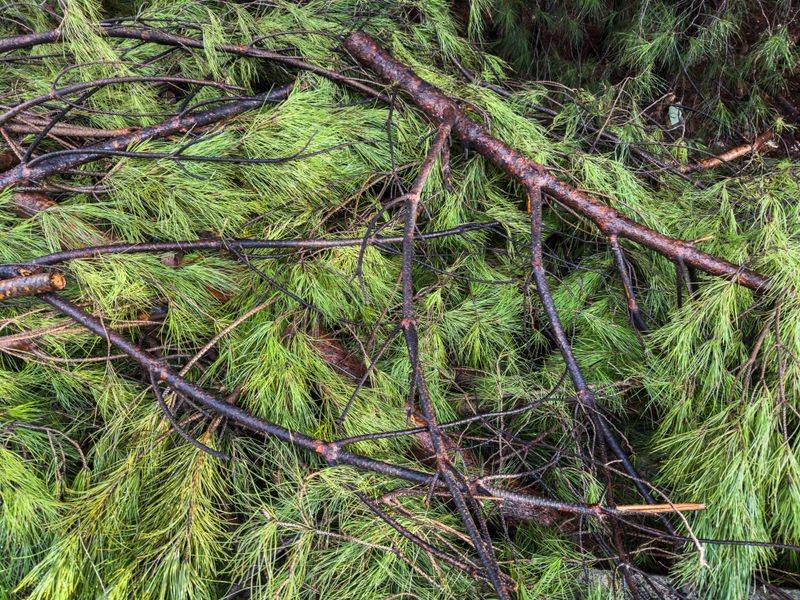
Coyotes love a good hiding spot almost as much as a good meal, and brush piles deliver both. I build brush piles for songbirds, so I understand the appeal, though placement matters more than I realized.
Thick shrubs and overgrown fence lines let coyotes rest during the day and move between yards unseen. Winter strips away leafy cover, so the remaining evergreen patches and woodpiles become even more valuable to them.
Late winter matters most, since coyotes start scouting den sites before pups are born in April or May. The dry space under a deck or shed can look like a perfect, ready-made den to a pregnant female.
You need to check those gaps now, before anyone moves in and the situation gets complicated. Sturdy wire mesh buried several inches deep along the bottom edge discourages digging under decks and sheds alike.
Make sure no animal is already inside before sealing an opening, or you may trap something unintentionally. Loose sprinkled flour at the entrance shows fresh tracks overnight, which tells you whether the space is empty.
Trim low shrub branches up a foot or two so you can see beneath them from the patio. Late winter is a fine time for this, since many deciduous shrubs are dormant and easy to shape.
Move brush piles and stacked firewood toward the back of the property, far from play areas and doors. Wildlife still gets shelter, while coyotes lose a convenient hideout just steps from where your family relaxes.
9. Small Dogs And Cats Left Outside Alone
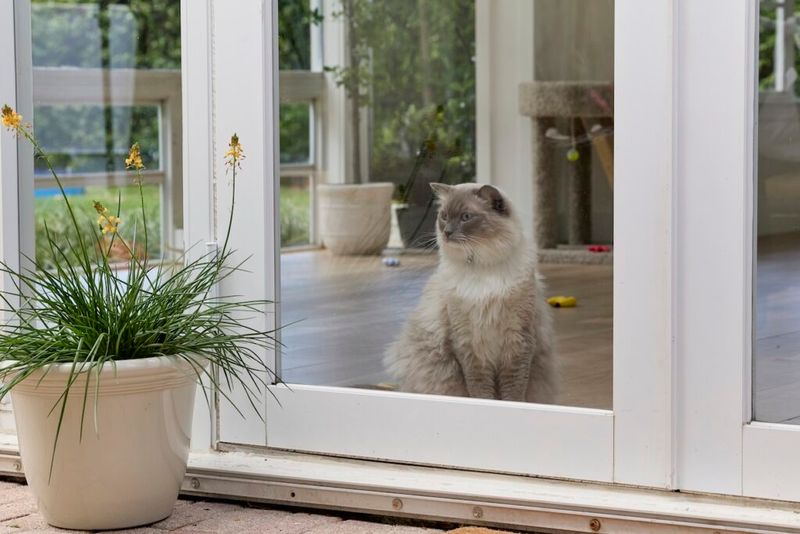
A ten-pound terrier might think it rules the backyard, but a coyote sees things very differently. I can’t imagine letting my little dog wander outside alone after dark once January rolls around.
Coyotes may view small pets as prey, while larger dogs can be treated as rivals for territory. Mating season runs roughly from January through March, and coyotes become more protective of their home ranges then.
Outdoor cats face real risk too, especially in neighborhoods bordering busy parks or quiet wooded ravines. Keeping cats indoors protects them from coyotes and also spares the songbirds visiting your garden feeders.
You need to stay close during bathroom breaks at dawn and dusk, when coyotes tend to be most active. A short leash and a bright flashlight make those chilly evening trips safer and far less nerve-racking.
Fences help, but coyotes can jump or climb surprisingly high, so a standard yard fence offers limited protection. Some homeowners add rolling bars along the top, which make it hard for coyotes to grip and pull over.
If a coyote approaches, stand tall and make loud noise with your voice or a whistle to scare it away. Wildlife agencies call this hazing, and it helps coyotes relearn a healthy wariness of people over time.
Pick up small pets rather than running, since sudden flight can trigger a chase response in many predators. A little extra caution through late winter lets you and your furry friends enjoy the season with confidence.