The Secret To Keeping Ohio Tomatoes Producing Despite Late July Heat
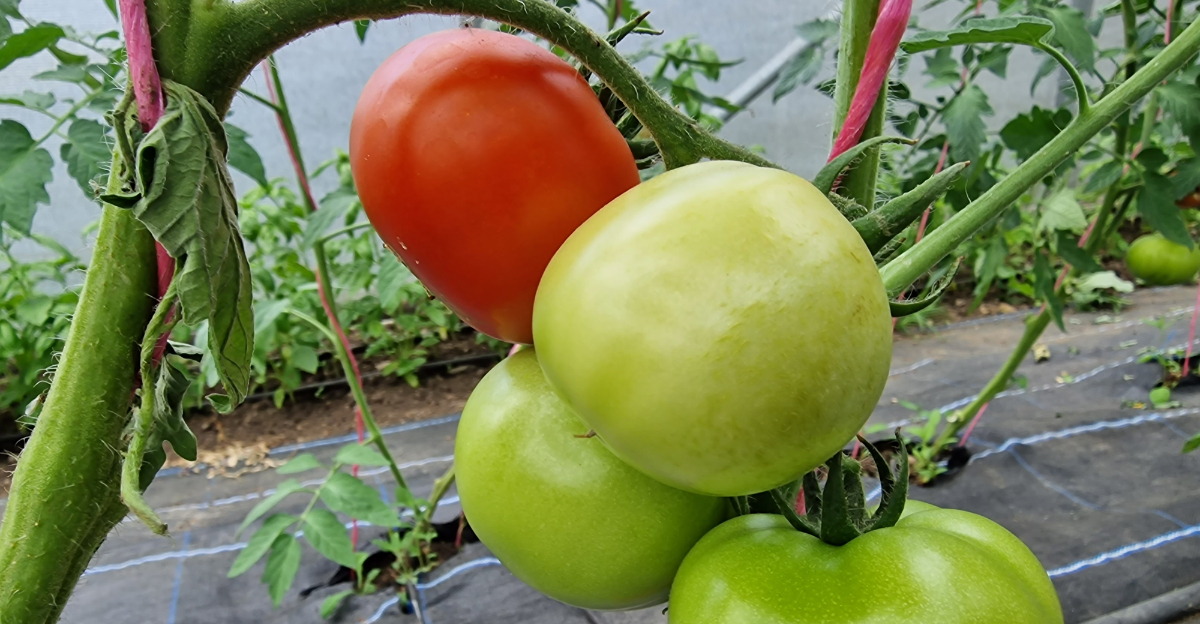
Ohio tomatoes in late July hit a wall that most gardeners mistake for the beginning of the end.
Fruit production slows, flowers drop before setting, and the plant that was delivering steadily through June starts looking like it has made a decision about the rest of the season.
A lot of gardeners accept that as the natural order of things. It is not.
It is a response to specific conditions that late July creates, and those conditions are more manageable than most people realize once the right approach replaces the wrong one.
Tomatoes do not stop producing in late July heat because the season is over.
They stop because something specific is happening that the plant cannot work around without help. Identify that something and the plant has more season left than it appeared to.
Ohio’s frost date is still weeks away. There is more harvest left than late July makes it look.
1. Water Deeply Before The Heat Steals Momentum
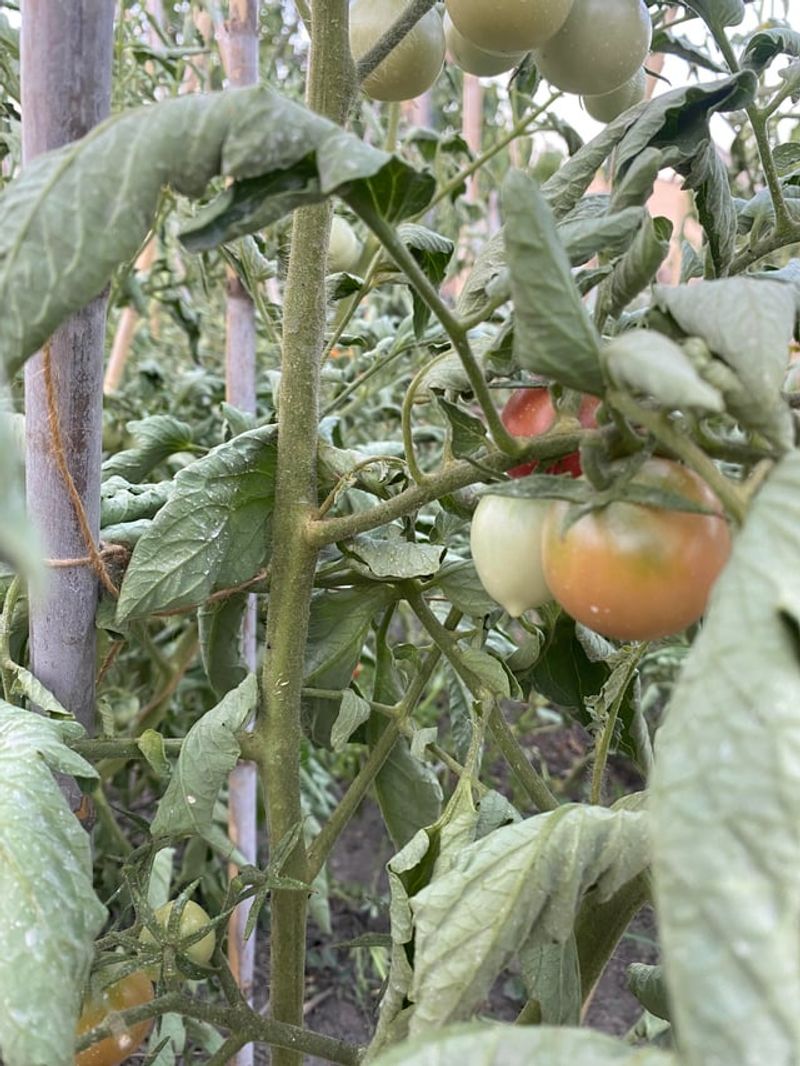
A curling leaf at midday is one of the first signs that your root zone is losing the battle against late July heat.
Catching that signal early and watering deeply can make the difference between a plant that keeps ripening fruit and one that shuts down under stress.
The secret revealed here is simple: steady, deep moisture at the root zone is the single most powerful tool you have during a summer heat stretch.
Tomatoes need even soil moisture to keep existing fruit ripening and to reduce the kind of stress that causes blossom drop. Extension vegetable guidance explains that irregular watering can cause blossom end rot and fruit cracking.
Consistency matters more than volume on any single day. Water slowly so it soaks several inches down rather than running off the surface.
Check soil moisture by pushing a finger or a thin stick several inches into the ground near the root zone. If it feels dry below the top inch or two, it is time to water.
Sandy soils dry faster and may need more frequent watering. Heavy clay soils hold moisture longer but can stay too wet if overwatered.
Containers dry out much faster than in-ground beds and may need daily attention during a heat wave. Watering in the early morning helps reduce evaporation and keeps foliage dry, which lowers disease risk.
Avoid soaking leaves, and water at soil level whenever possible.
2. Mulch Roots So Soil Moisture Stays Steady
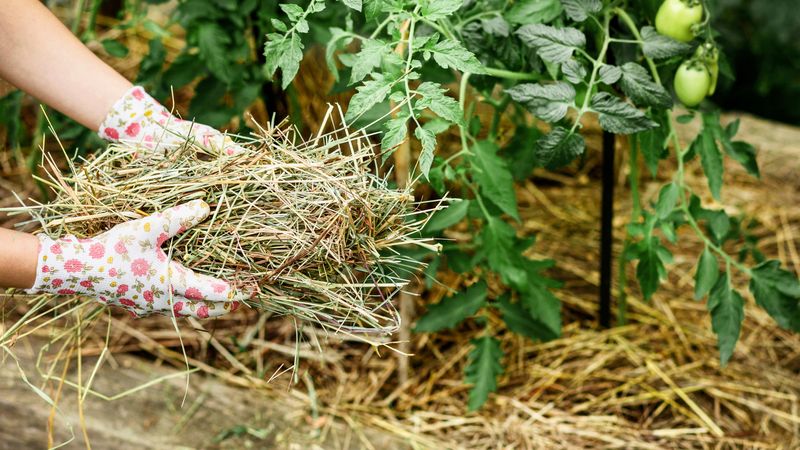
Spread a few inches of straw around your tomato plants on a hot morning and you will notice a real difference by afternoon.
Mulch acts like a blanket between the sun and the soil, slowing evaporation and helping root-zone moisture stay more consistent between waterings.
OSU Extension vegetable guidance notes that mulch can moderate soil temperature and reduce moisture loss. Both factors matter when daytime temps push into the upper 80s and 90s.
Good mulch options include straw, shredded leaves, untreated grass clippings, or finished compost. Each of these can help hold moisture without compacting too quickly.
Your Ohio Garden Changes Every Week. Your Plan Should Too.
Gardening in Ohio changes quickly throughout the season. Every Friday you’ll receive a simple weekly plan showing exactly what to plant, prune, fertilize, harvest, and protect so you never miss the right timing.
Keep the mulch layer roughly two to three inches deep, and leave a small gap of a few inches around the main stem to allow air circulation and prevent rot. Piling mulch directly against the stem can trap moisture and create conditions that invite disease.
Mulch also reduces soil splash, which is worth mentioning because splashing soil can carry fungal spores up onto lower leaves. Keeping lower foliage cleaner can help reduce some common tomato disease problems during wet or stormy periods.
Do not count on mulch alone to fix a drought situation. It works best as part of a steady watering routine, not as a replacement for it.
Refresh thin spots as the season goes on, since mulch breaks down and thins out over a long, hot summer.
3. Stop Chasing Blooms With Extra Fertilizer
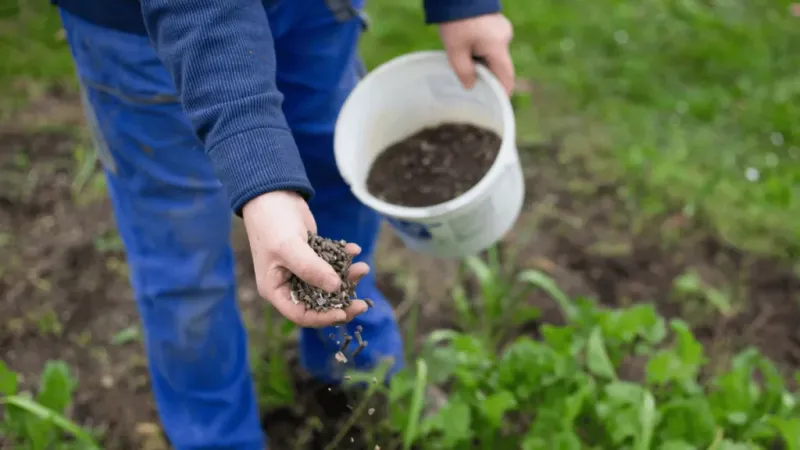
Reaching for a bag of fertilizer when your tomato flowers are dropping feels like a logical fix. The problem is that heat-related blossom drop is a temperature and stress issue, not a nutrient deficiency.
Pouring on extra fertilizer during a heat wave will not bring those flowers back. It can make things worse if the plant is already stressed and struggling to absorb nutrients.
University extension vegetable guidance warns that too much nitrogen can push leafy, vegetative growth at the expense of fruit production.
Heavy nitrogen feeding during late July can give you a bushier plant with fewer fruit, which is the opposite of what most Ohio gardeners want heading into August.
Stressed roots are also less efficient at taking up nutrients, so feeding a drought-stressed or heat-stressed plant often results in nutrients sitting unused in the soil.
If your soil has not been tested recently, an OSU Extension soil test can tell you what your garden actually needs rather than what the fertilizer bag suggests.
Follow soil-test recommendations and avoid heavy nitrogen applications during the hottest weeks.
If a light feeding feels necessary, wait until the plant is well-watered and showing some recovery from heat stress before applying anything. A balanced, moderate approach to feeding works better than a reactive one.
Patience and steady moisture will do far more for fruit production than extra fertilizer during a heat wave.
4. Give Afternoon Shade During The Worst Heat
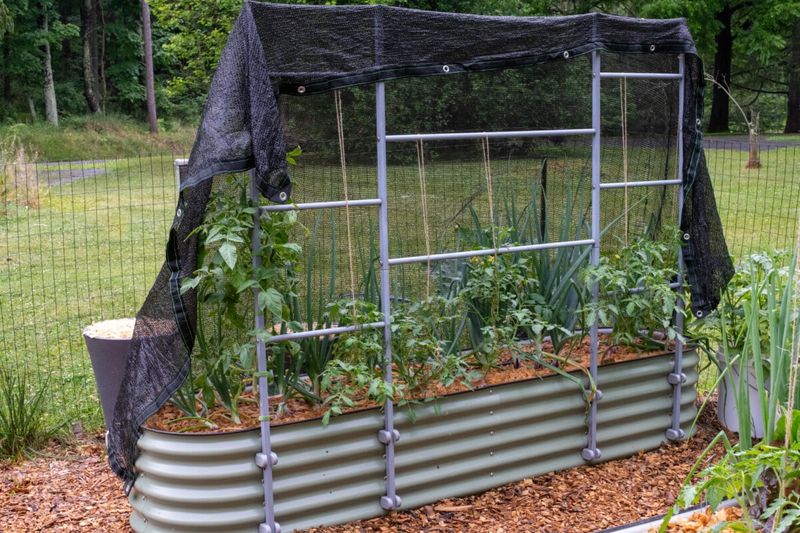
Not every garden has a convenient tree nearby, but even a simple piece of shade cloth stretched over a wire cage can take the edge off a brutal July afternoon. Temporary shade can reduce heat stress during the hottest part of the day.
It helps most with plants in exposed raised beds, containers, or south-facing spots with no natural relief.
Ohio horticulture extension guidance suggests that light, temporary shading during peak afternoon heat can reduce plant stress. It can do that without cutting off the sunlight tomatoes need.
A light shade cloth rated at around 30 to 40 percent shade is generally a reasonable option for short-term heat relief. Avoid heavy covers that trap heat or block airflow.
Poor air circulation can encourage fungal disease and make the area around the plant even more uncomfortable.
Keeping airflow steady around the plant matters as much as reducing direct sun. Leave the sides open when using shade cloth so the plant can breathe.
Remove or lift the shade covering on cooler days or during morning hours so the plant still gets enough light to support ripening fruit.
Containers can be moved to a spot with natural afternoon shade from a fence or wall, which is a practical option when in-ground plants cannot be relocated.
Shade is a short-term support tool during the worst heat, not a permanent change to how you grow tomatoes.
5. Keep Flowers Healthy Until Cooler Nights Return
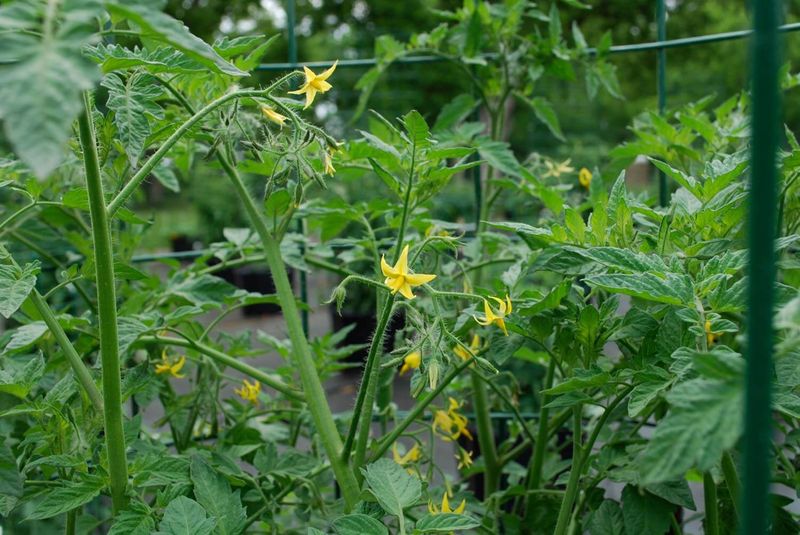
A faded blossom clinging to the vine on a hot afternoon tells a familiar story. Tomato flowers can drop or fail to set fruit when temperatures stay very high, particularly when warm nights prevent the plant from recovering between heat cycles.
OSU Extension and university vegetable resources note that high daytime temperatures and warm nights can affect pollen viability. They can also make successful fruit set less likely during long heat stretches.
The practical response is not to panic. Keeping the plant well-watered, mulched, and low-stress gives it the best chance of holding flowers that form.
It also helps the plant set fruit when conditions improve. Fruit set often improves when daytime temperatures drop back into a more moderate range and nights cool off enough for the plant to recover.
Patience is a real strategy here, not just a consolation.
Some tomato varieties are bred to handle heat better than others, but no variety is fully immune to extreme stress. Heirloom types can be especially sensitive during prolonged heat.
If you are planning next season, looking into heat-tolerant varieties recommended by extension sources for Ohio can give you a stronger starting point. For now, focus on keeping the plant stable and healthy.
A plant that stays well-cared-for through late July has a much better chance of resuming stronger fruit set when August nights begin to cool.
6. Harvest Ripe Fruit Before Plants Get Overloaded
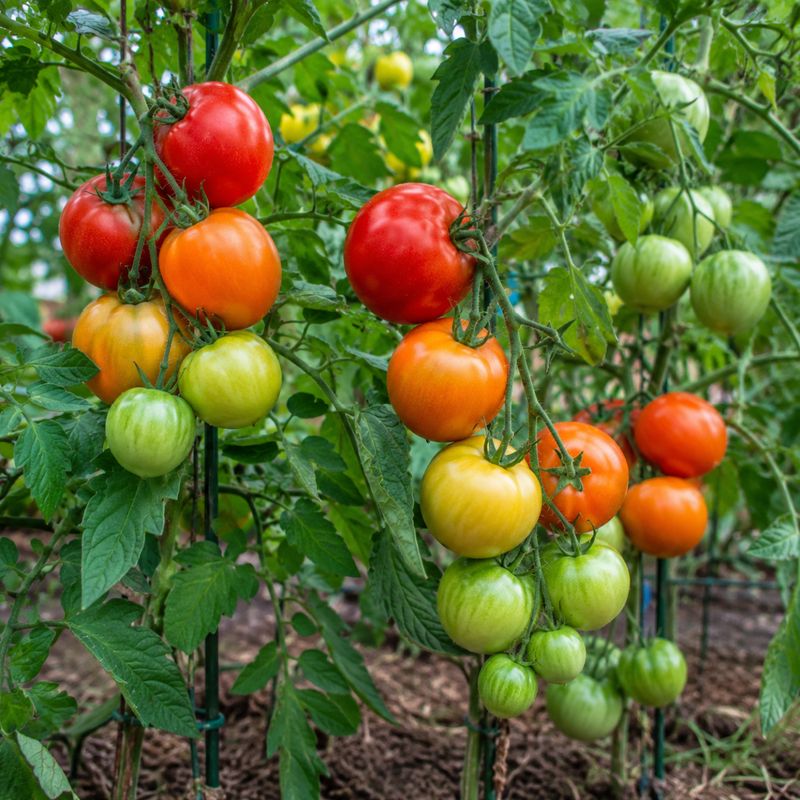
A ripening cluster hanging heavy on the vine in late July deserves your attention every single day. Leaving ripe or nearly ripe tomatoes on the plant longer than needed adds weight and stress to vines that are already working hard in the heat.
Picking fruit at full color or just before can reduce the load the plant is carrying. It also lowers the risk of losses from cracking, splitting, or pest damage.
Vegetable gardening guidance explains that breaker-stage tomatoes can ripen indoors at room temperature. That stage begins when fruit first starts to show color change.
This is especially useful during Ohio heat waves when fruit left on the vine can sunscald, crack from uneven watering, or become overripe before you get to it.
Keeping harvested fruit out of direct sunlight and away from refrigerator temperatures helps it finish ripening with good flavor and texture.
Walk your rows or raised beds every day during peak heat. Support heavy clusters with soft ties or small fabric slings if needed to keep branches from snapping under the weight of loaded fruit.
Check the undersides of fruit for pest activity, which tends to increase during hot, dry periods. Removing ripe fruit promptly also reduces the chance of attracting insects or animals that can damage the plant.
Staying on top of harvest is one of the most practical things you can do to help your plants stay manageable through a tough stretch of summer weather.
7. Prune Lightly Without Exposing Tomatoes To Sunscald
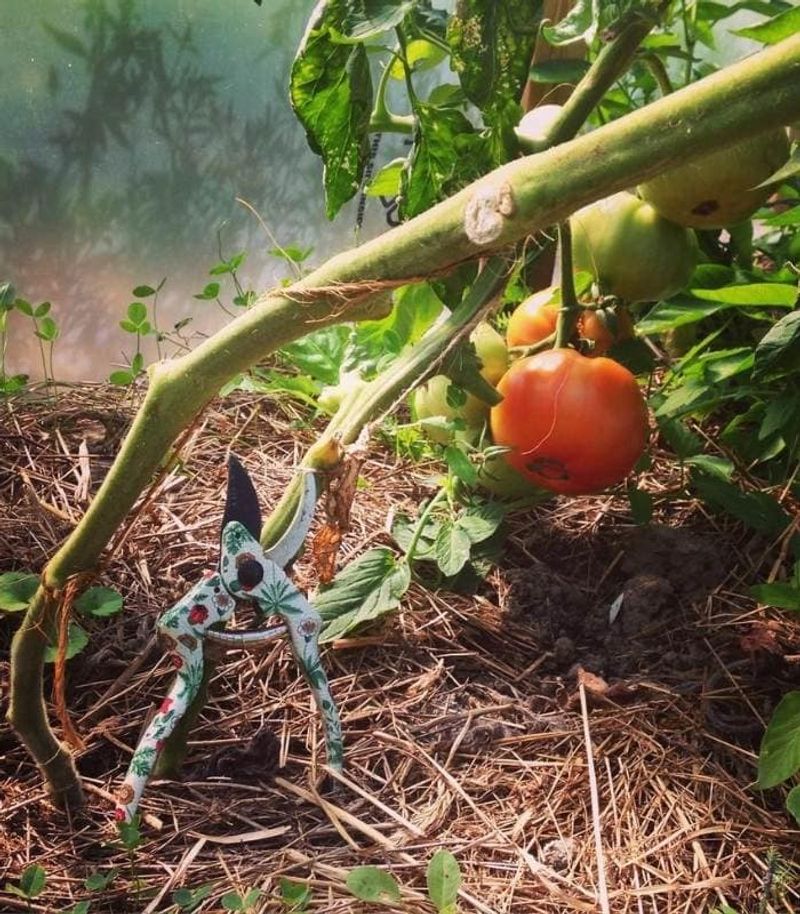
Stripping a tomato plant down to bare stems on a hot July afternoon can feel productive, but it often causes more problems than it solves. Harsh pruning in late July removes the leaf cover that shades developing and ripening fruit.
Without enough foliage overhead, exposed tomato shoulders can develop sunscald, a bleached or white papery patch that ruins the fruit and opens it up to secondary rot.
Light pruning, done carefully and at the right time, is a different story. Removing diseased, yellowing, or badly crowded lower leaves can improve airflow and reduce disease pressure without leaving fruit exposed.
Extension plant pathology guidance recommends pruning when foliage is dry to avoid spreading fungal spores from wet leaf surfaces. Morning pruning after dew has dried is a practical approach during summer months.
Determinate and indeterminate tomato types should not be treated the same way. Determinate varieties set most of their fruit in a concentrated period and generally need less aggressive pruning.
Indeterminate types keep growing and can benefit from occasional sucker management, but even those should not be heavily cut back during a heat wave. Keep enough healthy green foliage on the plant to shade fruit clusters and support photosynthesis.
A light hand with the pruners is most likely to help during the hottest weeks. Focus only on removing what is clearly unhealthy or blocking airflow.
8. Help The Plant Recover For A Strong Fall Push
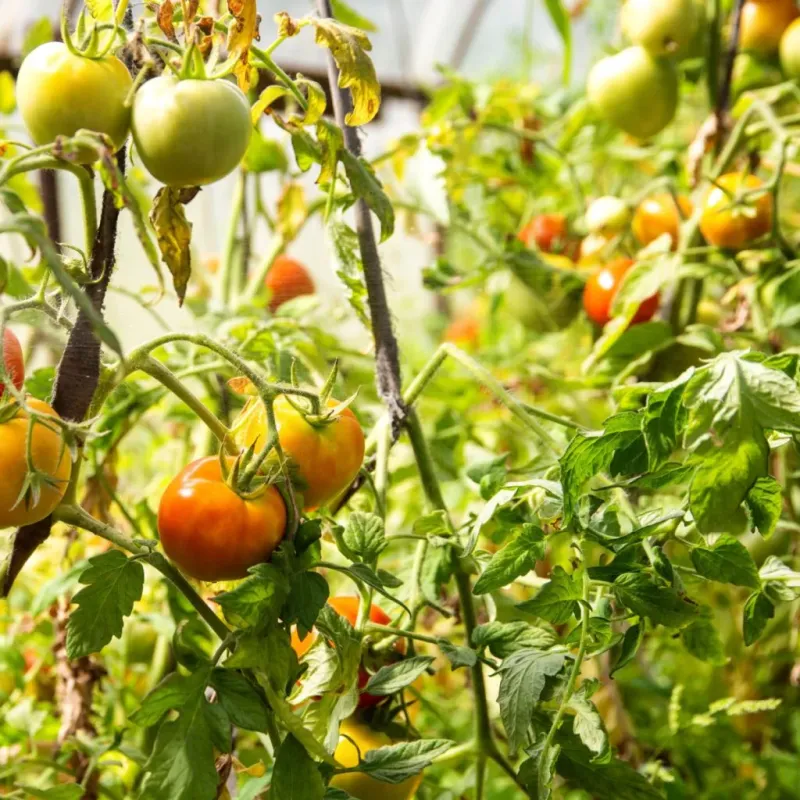
Late-July care is about carrying plants through the heat. The goal is to help them reach August with enough strength to keep ripening fruit and possibly set a new flush.
That goal is achievable with steady attention to the basics. Water deeply and consistently at the root zone.
Keep mulch topped off so soil moisture stays more even between waterings. Use temporary shade during the worst afternoon heat, especially for exposed or container-grown plants.
Hold off on heavy fertilizer applications until the plant is stable, well-watered, and showing signs of recovery. Harvest ripe and breaker-stage fruit promptly to reduce the load on stressed vines.
Prune lightly and only when foliage is dry, removing diseased or crowded lower growth without stripping the plant bare. Watch for signs of common tomato diseases and pests, since heat and drought stress can make plants more vulnerable.
Ohio extension guidance on airflow, sanitation, and soil-level watering can help reduce disease pressure without chemical treatments.
First frost timing in this state varies by region and year. Northern regions typically see frost earlier than southern areas, and some seasons run warmer than others.
Late production is never guaranteed, but plants that stay healthy through the heat have a much better chance of delivering a worthwhile fall harvest.
Keep the care steady, stay patient through the worst of it, and let the plant do the work when cooler nights finally arrive.
That steady approach is the real secret behind the title.