Keep Ants Out Naturally With These 8 Fall-Friendly Smells

One common kitchen ant smells like rotten coconut when squished, and I learned that fact the hard way. Odorous house ants often march indoors as autumn rains and cooler nights push them toward warm, food-filled kitchens.
Those tiny scouts follow invisible chemical trails that teammates lay down, almost like a highway painted in scent.
Scramble that highway, and the whole parade loses its sense of direction near your favorite cookie jar. After I tested a few pantry tricks last fall, my sugar canister finally stopped hosting uninvited dinner guests.
You probably already own most of these fixes, tucked between the spice rack and the coffee maker. Some of them smell lovely to us, while others might make your nose wrinkle a little at first.
So which everyday scent sends those little marchers packing, and which one surprised me the most this year?
1. White Vinegar Wipes Away Hidden Ant Highways
Vinegar will not win any perfume contests, but its sour punch is a classic trick for erasing ant trails. That strong smell masks the pheromone paths ants lay down to guide their friends toward food.
Spotting one ant on the counter usually means a whole trail is already mapped out behind it. Wiping that invisible map clean matters, because new scouts would otherwise follow the exact same route.
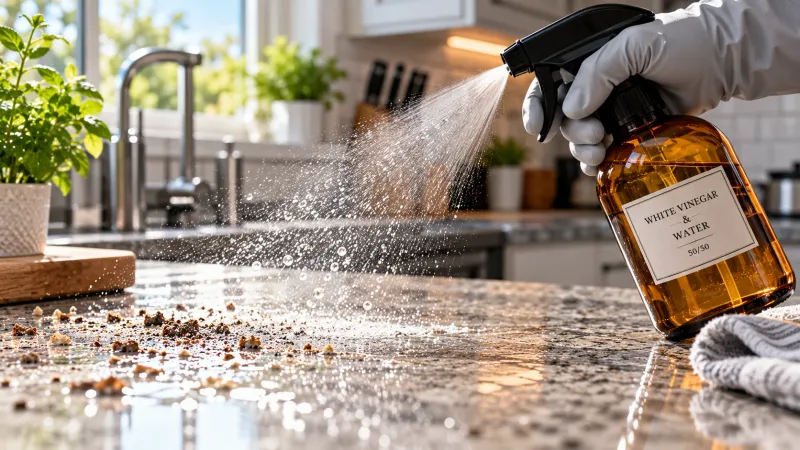
Mix equal parts white vinegar and water in a spray bottle, then add a few drops of dish soap. The soap helps the solution cling to surfaces instead of beading up and rolling right away.
Spray directly on the ants and along their path, then wipe everything down with a clean cloth. Direct contact with the acetic acid can also dry out the ants you catch in the act.
I give my counters a vinegar wipe every evening during fall, and the morning ant parade mostly disappeared. The sour smell usually fades once surfaces dry, which feels like a relief for anyone with a sensitive nose.
Granite and marble owners should skip this one, since acidic vinegar can dull or etch natural stone. Gentle soapy water does a decent job on those surfaces without risking that expensive polished finish.
One more safety rule matters a lot, so please do not mix vinegar with bleach for any reason. That combination releases harmful gases, while diluted vinegar alone is generally fine to use around pets.
2. Orange And Lemon Peels Guard The Counter
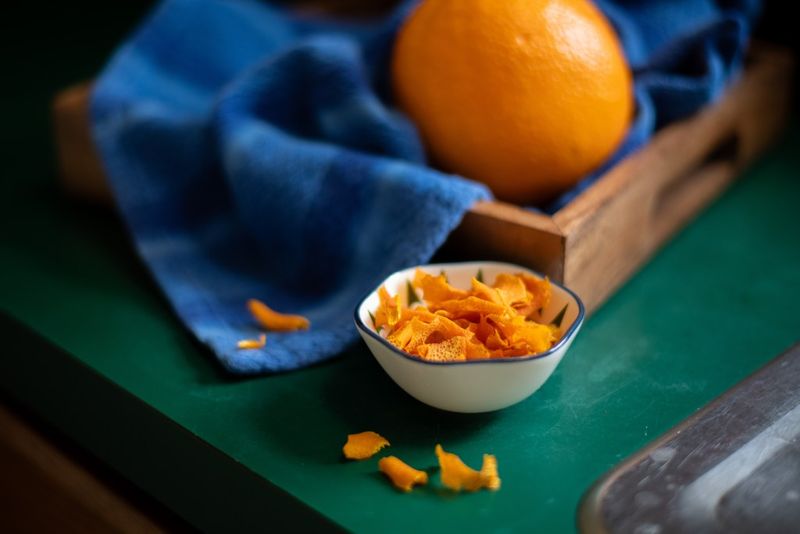
Those orange peels heading for your trash can might be the cheapest ant repellent in the whole house. Citrus rinds hold d-limonene, an oil that seems to overwhelm the sensitive smell receptors ants rely on.
I started saving peels after my kids discovered clementines, and suddenly we had a steady supply every week. Grocery stores start stocking more citrus as winter approaches, which makes this trick easy to keep going.
Place fresh or dried peels near doorways and windowsills, or anywhere you spot regular ant traffic lately. Rubbing a peel across your counter releases a burst of fragrant oil right where scouts like to wander.
For a spray, simmer a handful of peels in water, let it cool, then strain into a bottle. Your kitchen will smell like a sunny juice stand while you mix up the whole batch.
Patient folks can soak peels in white vinegar for about two weeks to make a stronger version. The citrus softens that sharp vinegar smell, so the final spray feels far more pleasant to use.
Swap out fresh peels every few days, because they can mold and attract fruit flies if forgotten. Dried peels last longer and look rather charming tucked into a small dish on a sunny windowsill.
Peels themselves are a food-safe option, which makes them a handy choice near snacks and lunchboxes. Concentrated citrus essential oils are another story, though, and they can be hazardous for curious household cats.
3. Peppermint Oil Scrambles Ant Scent Trails
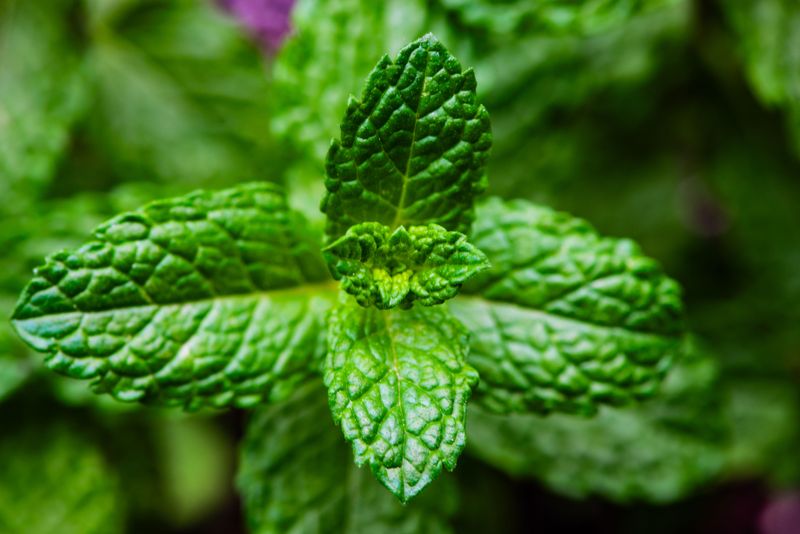
My kitchen smelled like a candy cane shop for a week, and the ant line by the sink disappeared. Peppermint oil carries menthol, a sharp compound that seems to confuse the scent trails ants depend on.
Mixing a spray takes about two minutes, which makes it my favorite quick fix on busy autumn evenings. Add 10 to 15 drops of peppermint oil to one cup of water in a spray bottle.
Toss in a teaspoon of dish soap so the oil and water blend instead of separating. Shake the bottle well before each use, since the oil still drifts toward the top over time.
Spray along baseboards and the gap under your back door, where scouts often sneak inside first. Wipe the trail with a damp cloth afterward, because removing their scent matters as much as covering it.
Cotton balls work nicely too, especially tucked inside cabinets where a spray bottle feels awkward to aim. Put two or three drops on each ball and swap them out once the minty smell fades.
Cat owners should be careful, since cats lack a liver enzyme needed to process many essential oil compounds. Birds can react strongly too, so plain soapy water or vinegar may suit those homes much better.
Keep in mind that peppermint repels ants for a while but rarely reaches the hidden nest itself. Pair it with tight food containers and quick crumb cleanup, and you will notice far fewer visitors.
4. Cinnamon Sprinkled Along The Windowsill
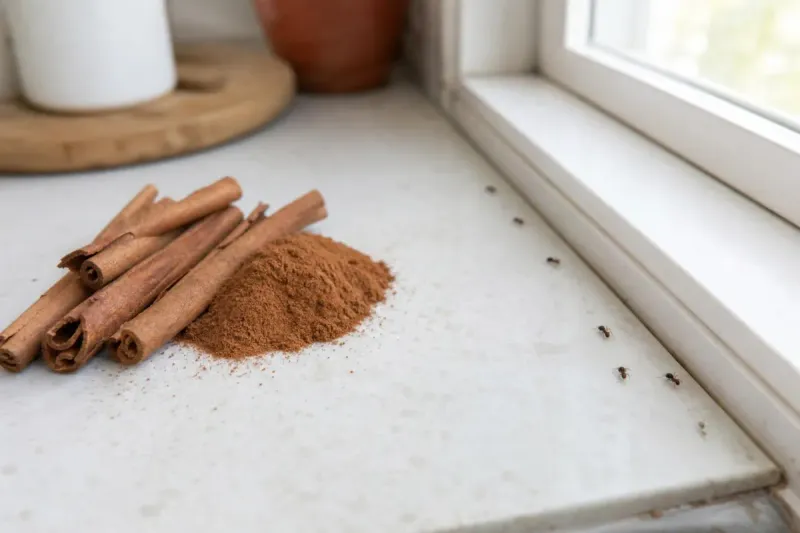
Cinnamon makes autumn baking smell cozy, yet ants seem to find that same warm aroma deeply annoying. The secret is cinnamaldehyde, a strong compound in the bark that interferes with the pheromone trails ants follow.
I keep a cheap jar of ground cinnamon just for pest duty, separate from my baking stash. A thin line along windowsills and doorways creates a fragrant border that scouts seem reluctant to cross.
Powder does scatter easily, so refresh it after sweeping or whenever a draft blows it out of place. Mixing ground cinnamon with a little water creates a paste that stays put in corners and cracks.
Cinnamon essential oil packs a stronger punch than the powder, according to many pest control sources. Add 10 to 15 drops to a spray bottle of water and mist entry points once a day.
Countertops get a quick spritz too, followed by a wipe so no oily film lingers near your food. Test a hidden spot first, because concentrated oils can sometimes mark finished wood or painted surfaces.
Ground cinnamon is generally considered safe around the house, but the oil deserves more caution with pets. Store that little bottle up high, well away from curious noses and paws that explore the counters.
Honestly, I love that my ant barrier doubles as a seasonal air freshener for the whole kitchen. Guests often ask what I am baking, and I just smile and point at the sunny windowsill.
5. Used Coffee Grounds Form A Fragrant Barrier
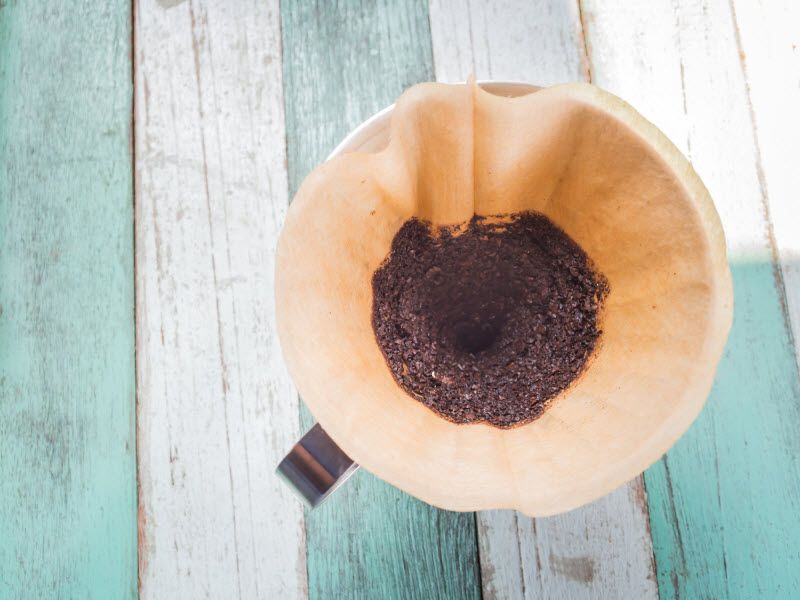
Your morning brew leaves behind a gift, and that soggy pile of grounds still has work to do. Used coffee grounds give off a strong aroma that can mask ant scent trails and muddle their direction.
I will admit this one surprised me, because I expected ants to love anything I enjoy at breakfast. The gritty texture may also slow them down, since tiny legs seem to dislike crossing rough ground.
Spread the grounds in a line about two inches wide across cracks and gaps where ants enter. Let them dry on a baking sheet first, which helps prevent mold from forming inside your kitchen.
Fresh grounds smell strongest, so refresh your barrier every few days to keep the effect going. Most experts describe the results as mild and temporary, so treat coffee as a helper rather than a cure.
Outdoor spots work well too, like the soil along your foundation near the back kitchen door. Leftover grounds can head to the compost bin afterward, where they add useful organic matter for spring.
Dog owners need to be careful here, because the caffeine in coffee grounds can be toxic if eaten. Keep barriers in tight spots behind appliances or inside cabinet edges where snouts cannot easily reach.
My favorite part is that it costs nothing, since the coffee maker produces fresh supplies every single morning. It feels good turning a daily habit into a small, sweet-smelling defense against hungry fall visitors.
6. Whole Cloves Scattered Near The Back Door
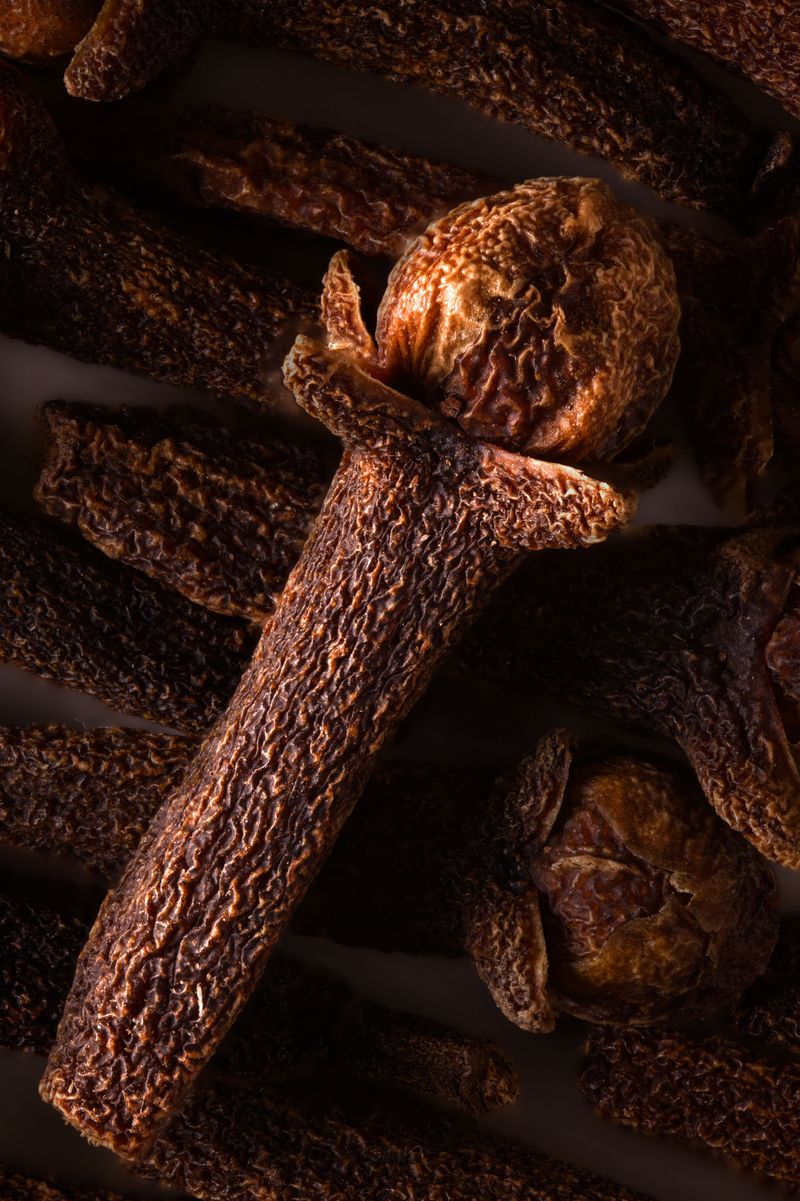
Cloves are actually dried flower buds, picked before they open, and their spicy smell is wonderfully bold. Most of that punch comes from eugenol, a compound that overwhelms a tiny ant’s delicate sense of smell.
Eugenol is also known to be toxic to many insects, which explains why cloves earn a spot here. I keep a little bowl of whole cloves by my back door, and it smells like holiday baking.
Scatter whole cloves along windowsills and thresholds where ants seem to enter your kitchen most often. They stay tidy compared to powders, and you can sweep them up easily when holiday guests arrive.
Ground clove powder works in tight corners, though it scatters more and needs replacing more often. Cotton balls dabbed with clove oil can sit inside cabinets where ants keep showing up uninvited every afternoon.
A light spray made with a few drops of clove oil in water also reaches longer cracks near floors. Shake it before each use, because oil and water separate quickly inside a plastic spray bottle.
Clove essential oil is extremely potent, and it is considered hazardous for both cats and dogs. Cats are especially vulnerable since their livers cannot properly break down the phenols found inside that oil.
Whole cloves make a gentler choice in pet homes, as long as they stay out of reach. Tuck them behind the toaster or along high sills, and your kitchen gains a cozy spiced scent.
7. Garlic Cloves Tucked Near Ant Entry Points
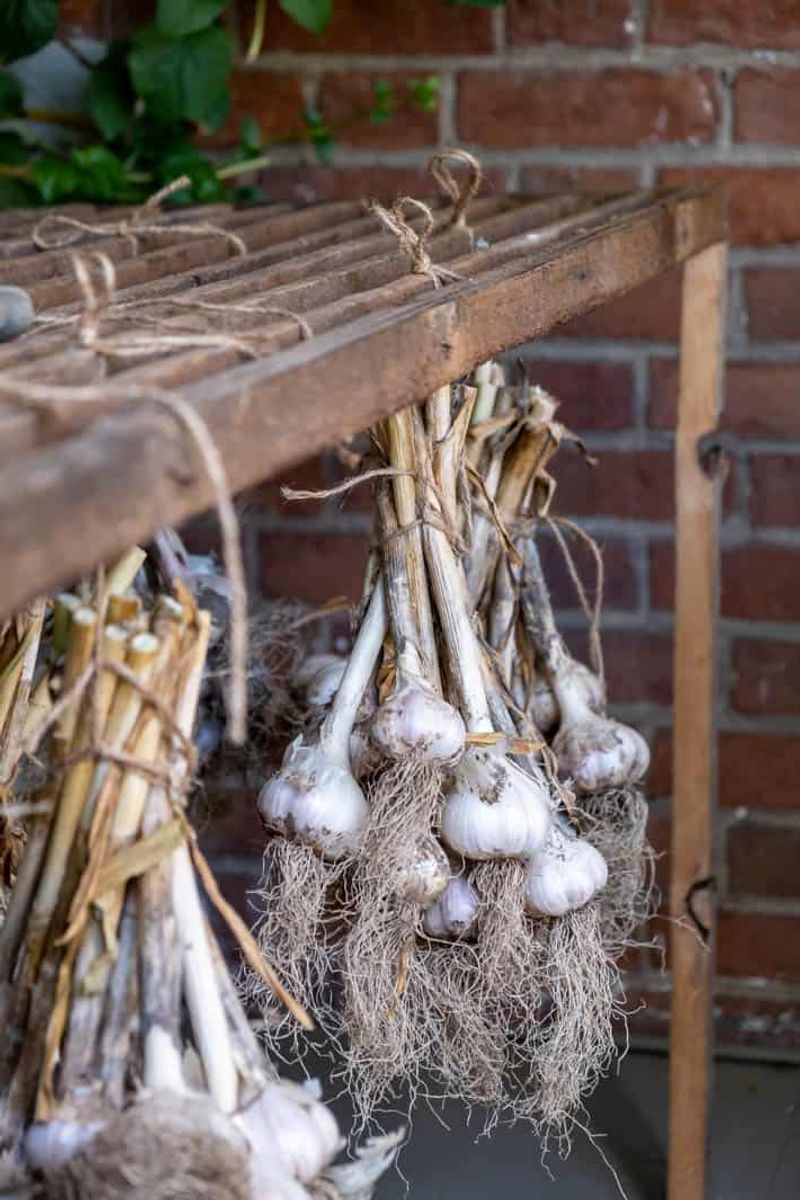
Vampires are not the only visitors that garlic seems to discourage, and ants appear equally unimpressed. Its sharp smell comes from sulfur compounds that interfere with the scent trails ants use to navigate.
I tried this one mostly as a joke, then noticed the trail by my pantry shrinking within days. Maybe it was coincidence, but I kept the garlic there anyway, and the ants stayed scarce.
Peeled cloves can sit right beside entry points, like the crack under a window or door frame. Swap them out every few days, since cut or old garlic loses its punch and may start to rot.
For a stronger option, crush several cloves and soak them in water for about twenty-four hours. Strain the liquid into a spray bottle and add a few drops of dish soap to help it stick.
Spray it along ant trails and entry points, then give your nose a break by opening a window. Fair warning, your kitchen may smell like a pizza shop for a while after each application.
Garlic is also easy to grow in a sunny windowsill pot, where green shoots sprout from a single clove. Snip those greens for cooking, and the plant keeps a faint garlicky scent near your counters.
Garlic is toxic to dogs and cats if eaten, so place cloves where curious pets cannot grab them. Used as a scent barrier out of reach, it remains one of the cheapest tricks in my pantry.
8. Cayenne Pepper Lines The Kitchen Cracks

Capsaicin gives cayenne its fiery kick, and ants seem to find that irritating compound just as unwelcome as we do. The spicy powder disrupts their scent trails, and black pepper works in a similar, slightly milder way.
I reached for the cayenne after a stubborn trail kept reappearing behind my stove every chilly morning. A thin dusting across the crack sent them looking elsewhere, which felt like a small kitchen victory.
Sprinkle powdered cayenne or black pepper right in front of the cracks and gaps ants are using. A narrow line works best, because a heavy pile just gets tracked across the floor by everyone.
For a spray, mix one to two tablespoons of cayenne with a quart of water and some dish soap. Mist it lightly on surfaces that need protection, and wear gloves so you do not rub your eyes.
Keep the spray away from food prep areas, since a peppery cutting board makes for a surprising lunch. Refresh the powder after mopping, because water washes the barrier away faster than you might expect.
Pets are the big concern here, since dry cayenne can badly irritate paws and noses that wander through. The diluted spray is generally considered the safer choice in homes with dogs or cats nearby.
No single smell solves an ant problem alone, so seal cracks and store sweets in tight containers too. If trails keep returning despite your efforts, a local extension office can help identify the ant species.