How To Water A Thanksgiving Cactus Properly While It’s Budding
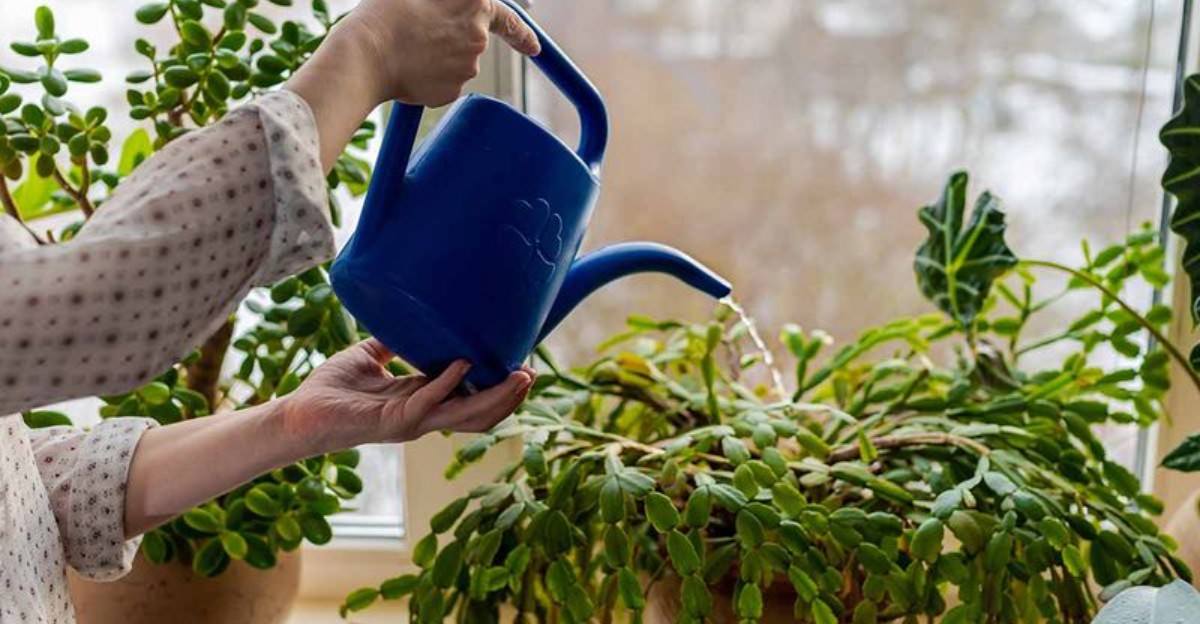
In the wild, this holiday favorite grows on tree branches in Brazilian rainforests, not in desert sand. Its roots cling to bark and moss, soaking up rain and then drying fast.
I learned the hard way that this jungle habit matters indoors. One fall, I watered my plant like a thirsty fern, and a week later the floor was dotted with pink buds. Not going to lie, I took it personally.
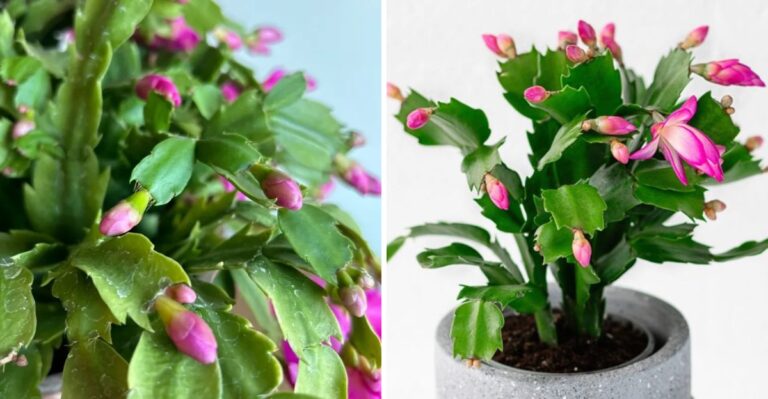
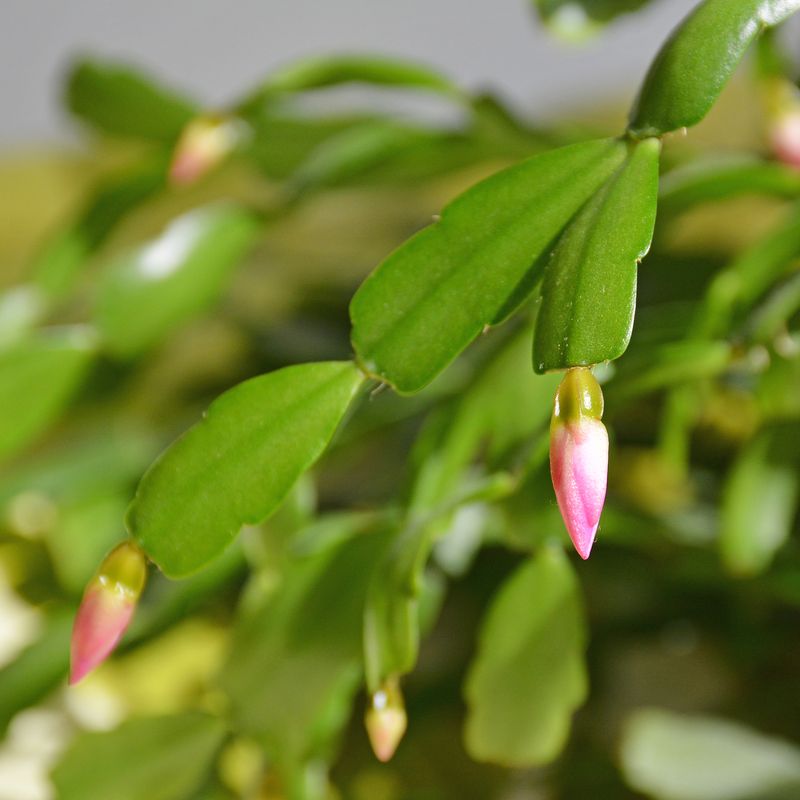
Here’s what gets me. Those tiny buds form when nights get long and cool, and they can react to small changes. Too much water, too little water, or a sudden chill can make the plant drop them before they open.
Truth is, the solution is easier than it sounds. All you need is a fingertip, a pot with a drainage hole, and a bit of patience. How much water does a budding plant actually need?
Those Dropping Thanksgiving Cactus Buds Are Sending You A Message
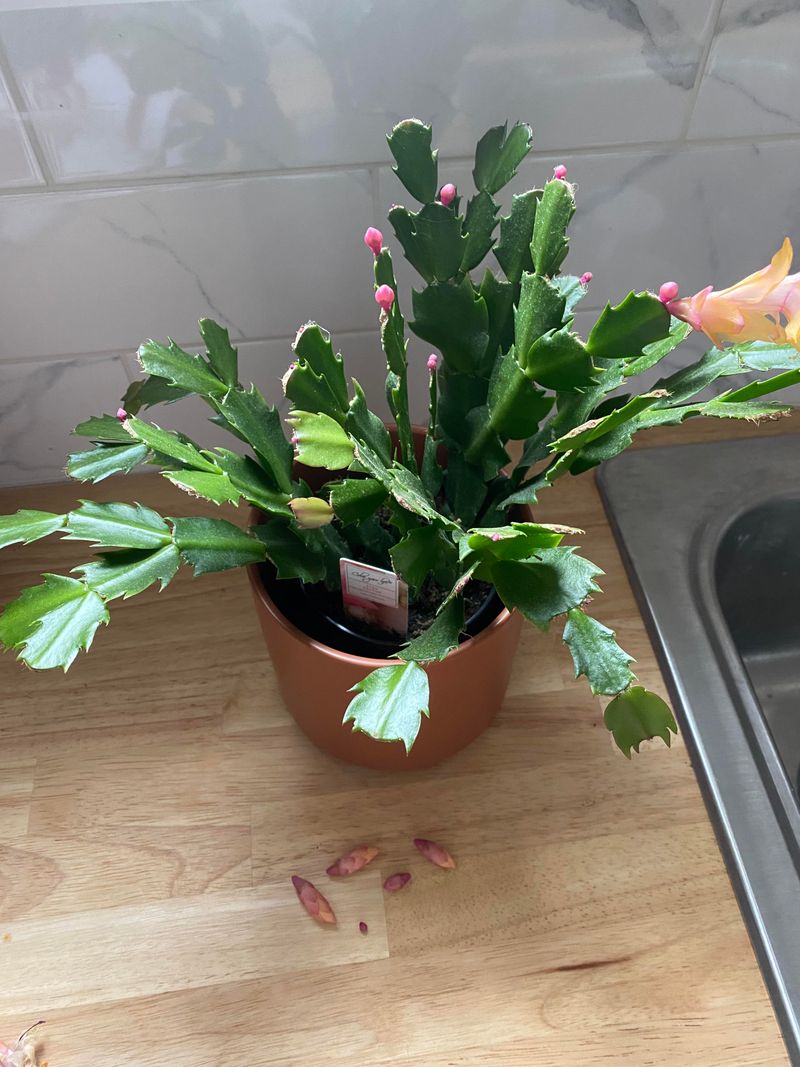
Few things sting like finding pink buds scattered under your plant. I have been there, and it usually points back to the watering can.
A Thanksgiving cactus, Schlumbergera truncata, grows on trees in Brazil. Its roots are built for quick soakings followed by airflow. When soil stays soggy, roots lose oxygen and start to rot, and the plant sheds buds to save energy.
Underwatering can cause bud drop too. A plant left bone dry for too long may shrivel and let its buds go. So the goal sits right in the middle, with soil that is lightly moist but never wet.
Bud drop is not only about water, though. Sudden temperature shifts, hot air from heaters, cold drafts, and moving the plant can all play a role. Before you blame yourself, look at the whole picture.
Still, watering is often the easiest thing to fix. Most growers who keep their buds through the holidays share one habit. They check the soil before they pour, instead of watering on autopilot.
Think of each fallen bud as a clue, not a failure. Your plant is simply asking for a steadier routine, and the next sections show exactly what that looks like.
Your Finger Is The Best Thanksgiving Cactus Moisture Meter
Forget fancy gadgets for a moment. The most reliable tool sits at the end of your hand.
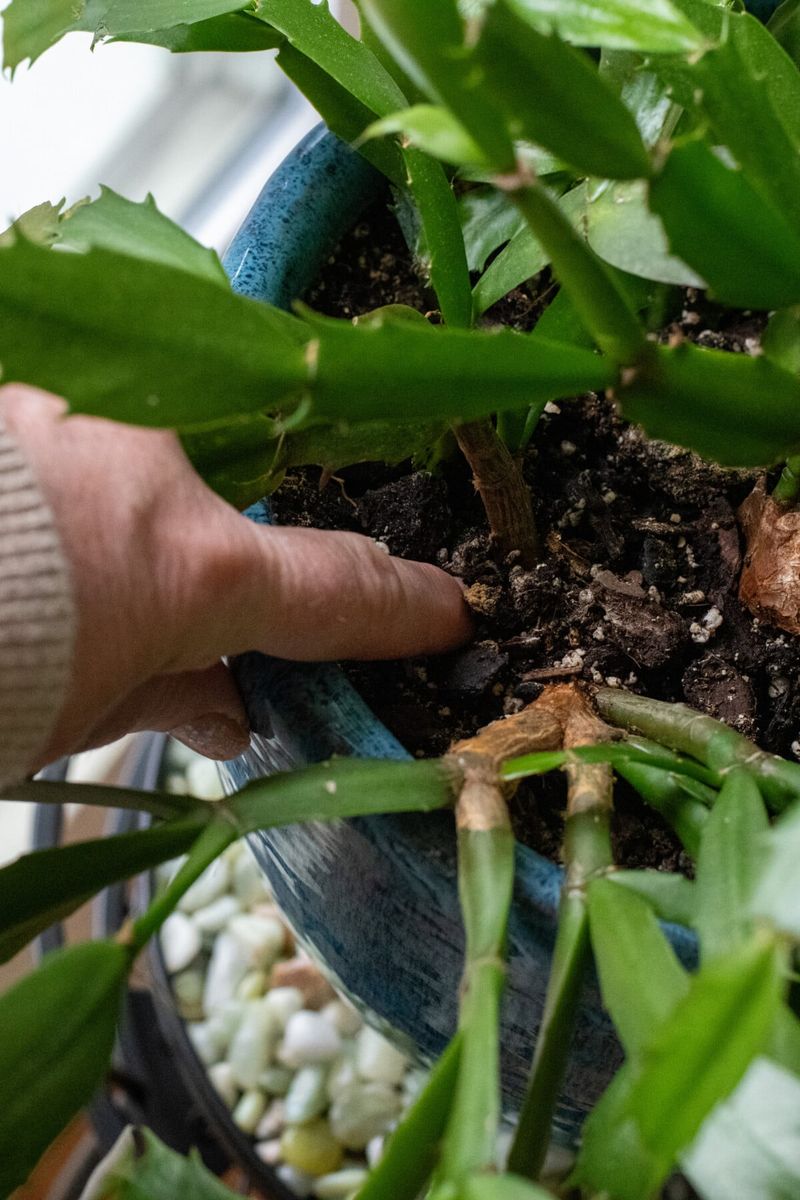
Push a finger about an inch into the potting mix. If it feels dry at that depth, your budding plant is ready for a drink. If it still feels cool and damp, wait a few days and check again.
When it is time, water slowly and evenly until some runs out of the drainage hole. That deep soak reaches all the roots instead of just wetting the top layer. A quick splash leaves lower roots thirsty while the surface looks fine.
Next comes the step people skip. Empty the saucer or cachepot about 15 minutes later. Roots sitting in standing water are a fast track to rot, and rot is a common reason buds tumble.
During budding, many growers find this works out to roughly once every week or so. That said, your home sets the pace, not the calendar.
A handy bonus trick is to lift the pot. A freshly watered pot feels noticeably heavy, while a dry one feels light. After a few rounds, you will judge moisture by weight in seconds.
Steady Sips Beat A Strict Weekly Watering Schedule
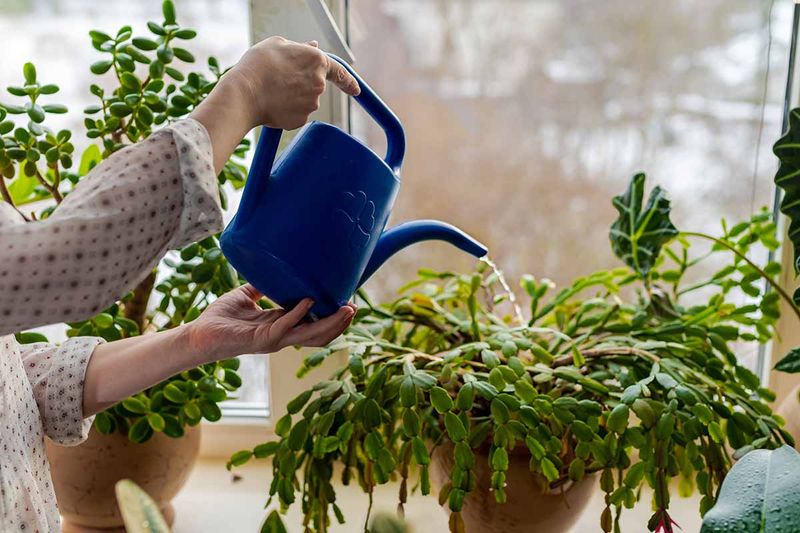
Call me stubborn, but I used to circle Sunday as watering day for every plant I owned. My Thanksgiving cactus did not appreciate that system one bit.
Water needs change a lot from house to house. A small clay pot in a sunny, warm room dries out quickly. A large plastic pot in a cool corner might stay damp for nearly two weeks.
Heating season makes things trickier. Once furnaces kick on in fall, indoor air dries out and soil can lose moisture faster than it did in summer. A routine that worked in September may fall short by November.
Consistency is what budding plants crave. Wild swings between soaked and parched soil stress the plant, and stress shows up as dropped buds. Aim for a steady rhythm of even moisture, guided by regular soil checks.
Try checking every three or four days rather than watering on a set day. It only takes a few seconds, and it keeps you from guessing.
If you travel over the holidays, water deeply right before you leave. Then move nothing and ask a helper to check the soil instead of pouring water on a schedule.
Fast-Draining Soil Keeps Thanksgiving Cactus Roots Happy
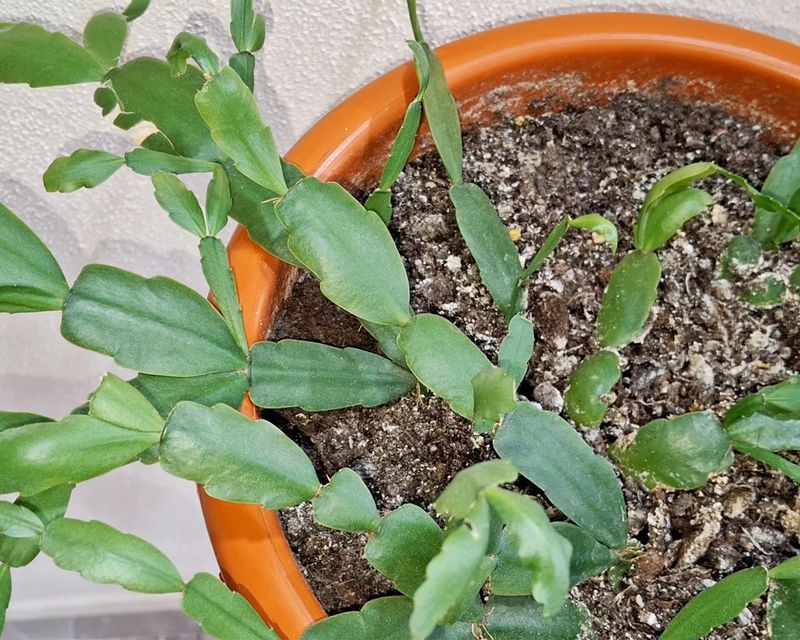
Even perfect watering habits struggle in the wrong soil. Dense, heavy potting mix holds water like a sponge, and these tree-dwelling roots hate that.
In nature, a Thanksgiving cactus anchors itself in bark, leaf litter, and moss. Water flows through quickly and air reaches the roots. You can copy that at home with a light, chunky mix.
Many growers blend regular potting soil with perlite and orchid bark. A cactus or succulent mix with added bark also works well. You want water to drain through in seconds, not sit puddled on top.
Drainage holes are a must. Decorative pots without holes trap water at the bottom, out of sight, where roots quietly rot. If you love a fancy pot, slip a plastic nursery pot inside it.
Fair warning, though. Budding season is not the time to repot. Changing soil now can upset the plant and trigger bud drop, so save repotting for late winter or spring after blooms fade.
Also, these plants bloom best when slightly snug in their pots. Moving up one pot size every few years is plenty, which also keeps extra soil from staying soggy.
Room Temperature Water Makes A Gentler Drink For Budding Plants
Ever jumped into a cold pool on a warm day? That jolt gives you an idea of why icy water is not a great choice for tender roots.
Many growers suggest using room temperature water for a Thanksgiving cactus, especially while it is budding. Very cold water may add stress at a moment when the plant is sensitive to sudden changes.
An easy habit is to fill your watering can right after you finish watering. By the next time you need it, the water will match the room. Letting tap water sit out overnight may also let some chlorine escape, though chloramine treated water does not clear this way.
Truth is, these plants are not very picky about tap water in most homes. If you have a water softener, though, skip softened water, since it can carry extra sodium. Rainwater or filtered water are nice options if they are handy.
Watch the leaves, too. Splashing water on the flat stem segments is fine, but avoid soaking the buds themselves. Aim the spout at the soil.
Small tweaks like these cost nothing. Together they help your plant feel calm and settled through its big holiday show.
A Pebble Tray Adds Moisture Without Soaking The Roots
Here’s a sneaky twist. Sometimes buds shrivel not because the soil is dry, but because the air is.
Thanksgiving cacti come from humid forests. Winter heating can drop indoor humidity well below what they enjoy, and dry air may make buds wither. Many sources suggest humidity around 50 percent or a bit higher.
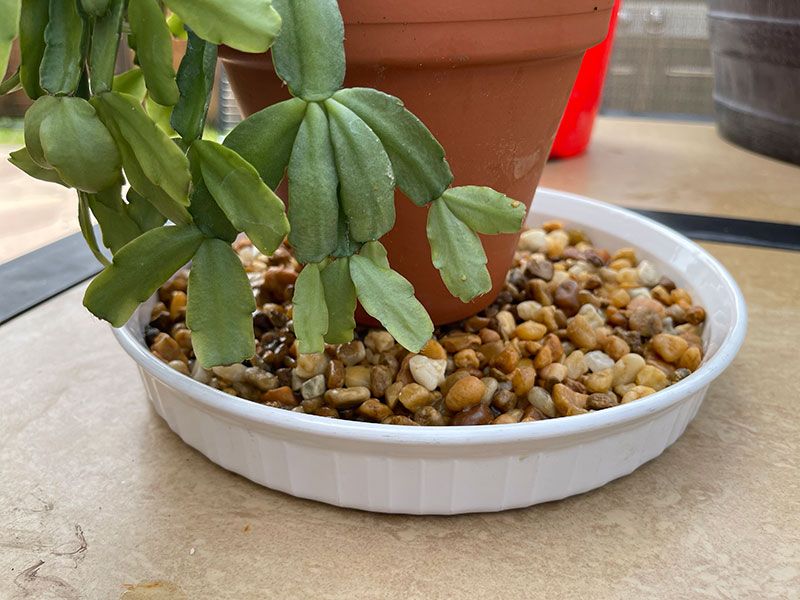
A pebble tray is a simple fix. Fill a shallow tray with pebbles, add water just below the top of the stones, and set the pot on top. As the water evaporates, it raises humidity around the plant without wetting the roots.
Grouping houseplants together helps too, since plants release moisture through their leaves. A small room humidifier works well for bigger collections.
Temperature matters as much as humidity. These plants set buds best with cool nights around 55 to 65 degrees. Keep them away from heater vents, fireplaces, and drafty doors where temperatures swing quickly.
Once buds form, leave the plant right where it is. I didn’t expect a simple move to another room to matter, but changes in light and warmth can cause buds to drop. Find a good spot early and let it stay.
Limp Or Shriveled Thanksgiving Cactus Stems Tell You What To Fix
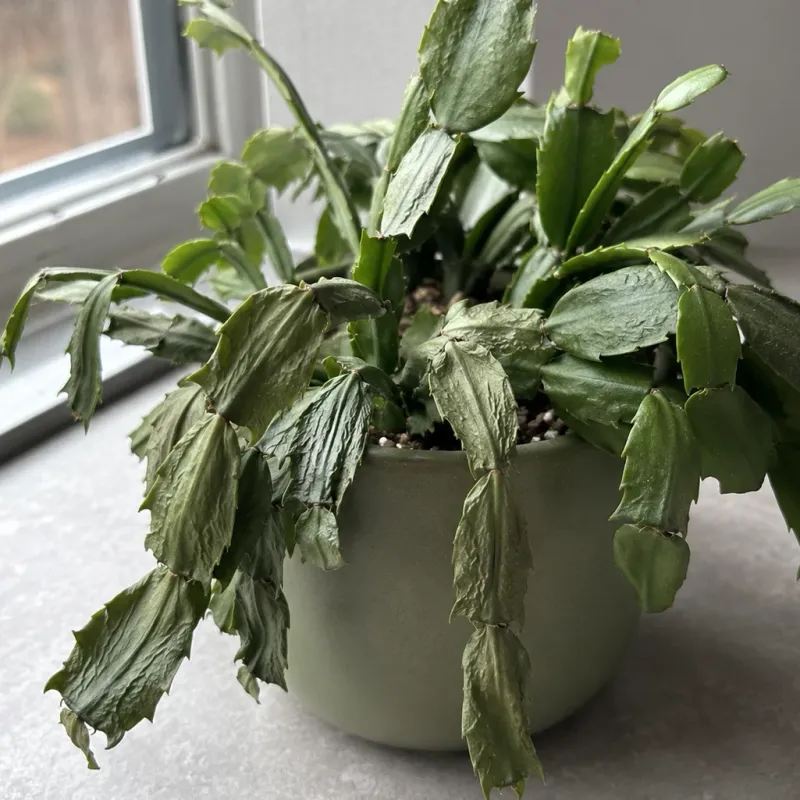
Your plant talks through its stems, and learning that language makes watering much easier.
Soft, limp, or yellowing segments paired with wet soil usually mean too much water. A sour smell from the pot can signal root rot. Let the soil dry more between drinks, and check that the drainage hole is not blocked.
Wrinkled, thin, or shriveled segments paired with dry soil point the other way. Give the plant a deep, thorough watering and check sooner next time. Firm, plump segments within a day or two mean you caught it in time.
Tricky part, though. Rotting roots cannot take up water, so an overwatered plant may also look wrinkled. Always feel the soil before reacting. If the mix is wet and the stems are wilted, gently check the roots for brown, mushy spots.
Skip fertilizer while buds are forming and opening. Feeding can wait until after blooming, when spring growth begins.
Once the flowers fade, ease back on water for a few weeks so the plant can rest. Then return to regular care. Keep up this listening habit, and your cactus may reward you with blooms for many years.