Warning Signs A Tree Is About To Fall In Your Pennsylvania Yard
Mushrooms sprouting from a tree trunk can mean the wood inside is quietly rotting away. That small cluster of fungus might be the only visible clue to a much bigger problem hiding within.
Trees rarely topple without dropping hints first, according to arborists and university extension experts. Cracks, lifting soil, and odd leaf changes often show up months or even years ahead of trouble.
I used to walk right past the big oak by my driveway, until a heavy Pennsylvania storm made me look closer. You might notice small changes in your own trees once you know what signals to watch for.
Believe it or not, many of these clues are easy to spot from the ground with just your eyes. So which warning signs should send you straight to a certified arborist in your Pennsylvania yard this year?
1. A Tree Trunk Suddenly Leaning Toward Your House
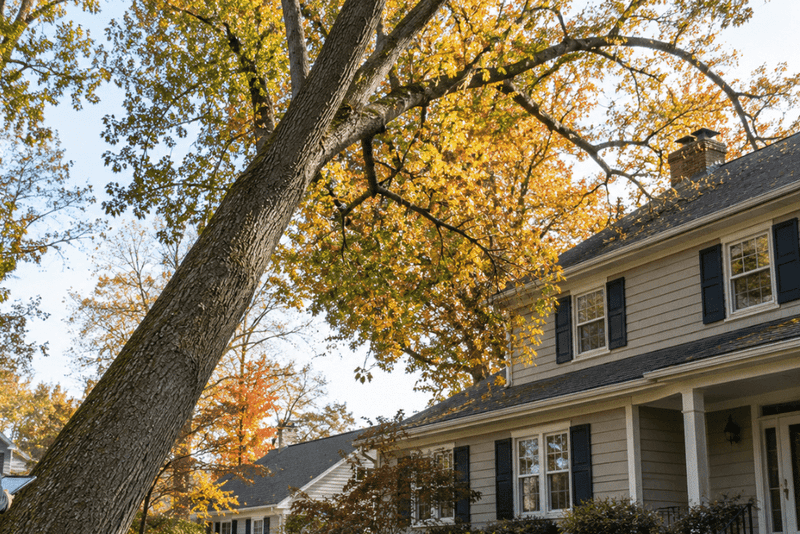
Plenty of trees grow crooked their whole lives and stay sturdy, because their wood adjusts slowly to that angle. A tree that stood straight for years and then starts tilting is a very different story.
I check my trees after every soaking rain, since wet soil loosens the grip that roots have underground. When the ground turns soggy, a tall tree can shift a little more with each strong gust of wind.
Take a few steps back and compare the trunk to a nearby fence post, utility pole, or straight corner. Snapping photos from the same spot each season helps you notice whether the angle is slowly getting worse.
Look at the ground on the side opposite the lean for cracked, mounded, or lifted soil near the trunk. Those bumps often mean the root plate is pulling loose, which is one of the most serious warning signs.
Think about what sits inside the fall zone, which is roughly the height of the tree in every direction. A leaning tree near a quiet field worries me far less than one leaning over a bedroom or swing set.
If you spot a new lean or one that keeps growing, call a certified arborist soon rather than waiting. Pros can measure the risk and suggest removal or other steps before the next storm puts that tree to the test.
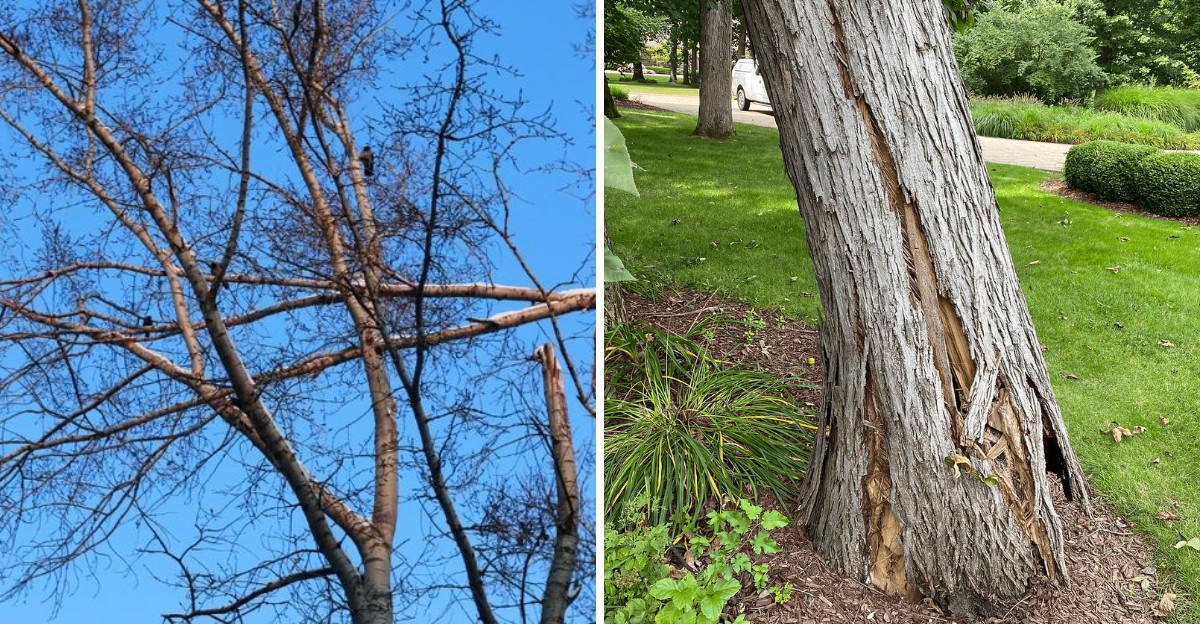
2. Bare Hanging Branches High In The Tree Canopy
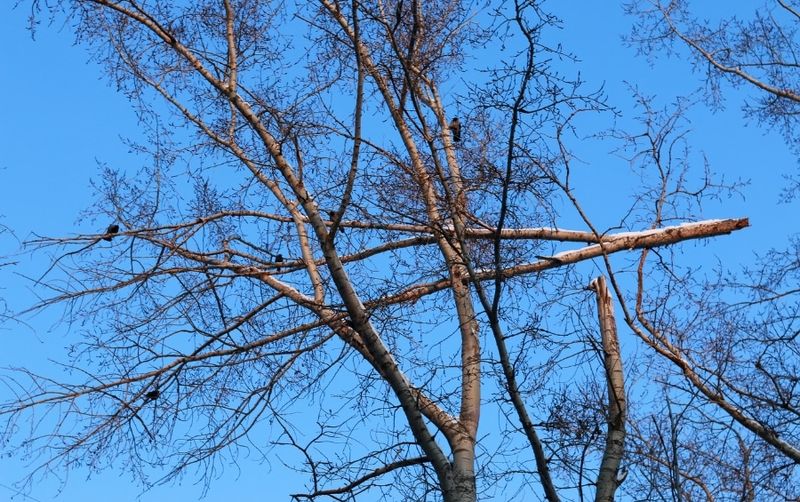
Arborists have a grim nickname for broken limbs stuck high in a canopy, and they call them widowmakers. Those hanging branches can drop without warning, even on a calm afternoon with barely any breeze at all.
During summer, I like to stand under each big tree and look for limbs with no leaves at all. A bare branch surrounded by green foliage stands out clearly once you know to watch for it.
Peeling bark, brittle twigs that snap easily, and missing buds are other clues that a limb is no longer alive. Fungus growing along a branch can also point to rot spreading slowly through the wood inside.
Winter adds extra trouble here, since ice and wet snow can pile surprising weight onto weak limbs. Branches that already struggle are often the first to crack once a heavy storm coats everything in glittering ice.
A few lifeless branches can usually be removed by a professional pruner without harming the rest of the tree. Widespread deadwood across the whole crown is different, because it may hint at problems deeper in the trunk or roots.
Please resist the urge to climb up there with a handsaw and a wobbly ladder on your own. Large limbs are heavy and unpredictable, so leave that job to an insured tree crew with proper safety gear.
3. Deep Vertical Cracks Splitting A Tree Trunk
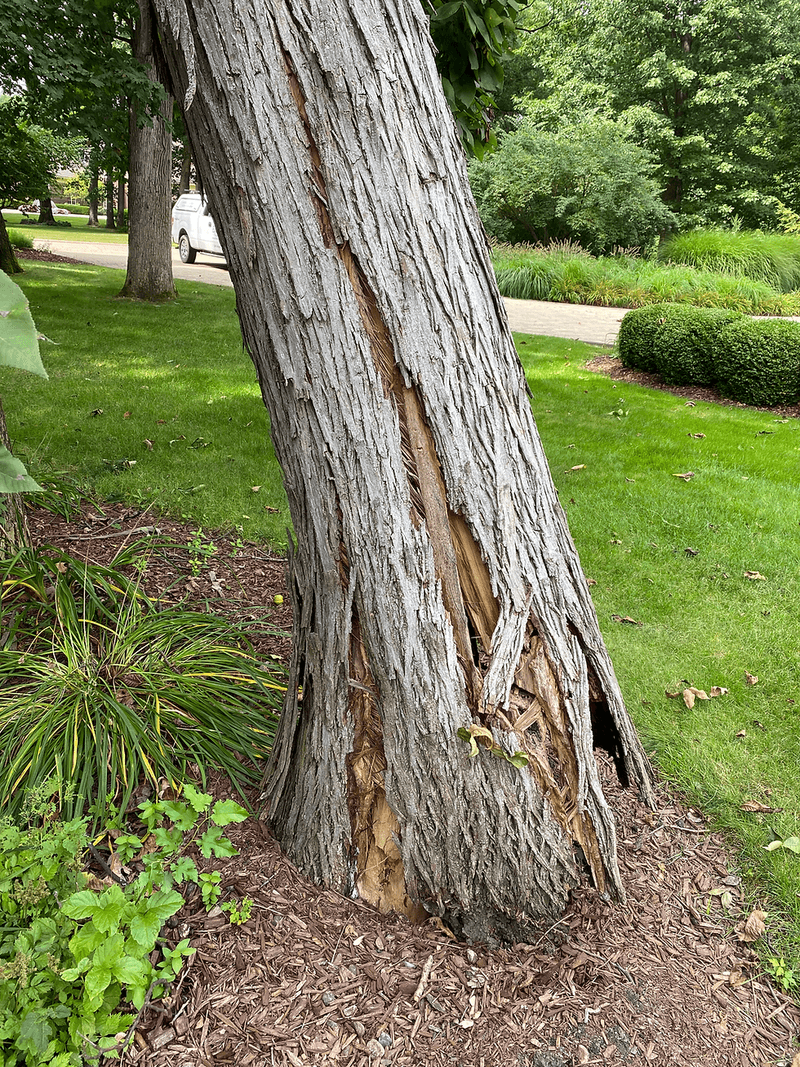
Few things make my stomach drop faster than finding a long crack running straight down a tree trunk. That trunk carries the weight of the entire tree, so a deep split weakens the whole structure.
Some cracks start small and grow wider through cold winters and hot summers as the wood expands and shrinks. Measuring a crack with a ruler each season is an easy way to check whether it keeps spreading.
Watch closely where two big trunks grow up from the same point in a tight V shape. Arborists call these codominant stems, and the joint between them often holds weak bark that cannot hold together well.
A crack forming at that V is a strong warning, because the two halves may split apart under stress. Heavy snow or strong summer thunderstorms can push those stems in opposite directions until something finally gives way.
You might also see large seams of bulging wood along a crack, where the tree tries to seal the wound. That swelling shows the tree is fighting back, but it does not guarantee the trunk is safe again.
Avoid poking, prying, or stuffing anything into a split, since that can make matters worse for the tree. Instead, note the size and location, then ask an arborist whether cabling, bracing, or removal makes the most sense.
4. Mushrooms And Conks Growing On The Tree Base
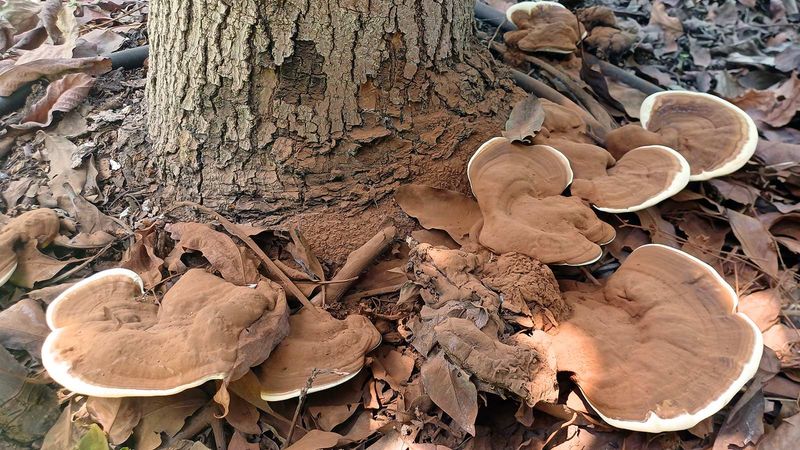
Mushrooms popping up on a tree might look charming, almost like a fairy tale scene in your backyard. Sadly, fungus growing right from the bark or root flare often signals rot happening deep inside the wood.
What surprises me most is that fungus may work quietly for years before any mushroom appears on the outside. By the time you spot it, the canopy can still look perfectly green while the trunk grows hollow.
Penn State Extension and other experts point to fungi like Ganoderma, sometimes called artist’s conk, as serious decay signs.
Honey mushrooms, from the Armillaria group, often cluster near the base and can attack the roots that hold trees upright.
Not every mushroom in your lawn is bad news, since many simply break down old leaves and buried wood. The real concern comes from fungus attached directly to the trunk, large roots, or the flared base of the tree.
Hollow cavities with soft, crumbly wood inside also point to decay, even without mushrooms anywhere in sight.
Tap the trunk gently with a rubber mallet, and a dull, hollow sound may hint at trouble hiding within.
Wet seasons often bring a fresh crop of fungus, so take a closer look after long rainy stretches. If those growths keep returning, ask a certified arborist to test how much sound wood your tree still has.
5. Exposed Roots And Lifting Soil Around The Trunk
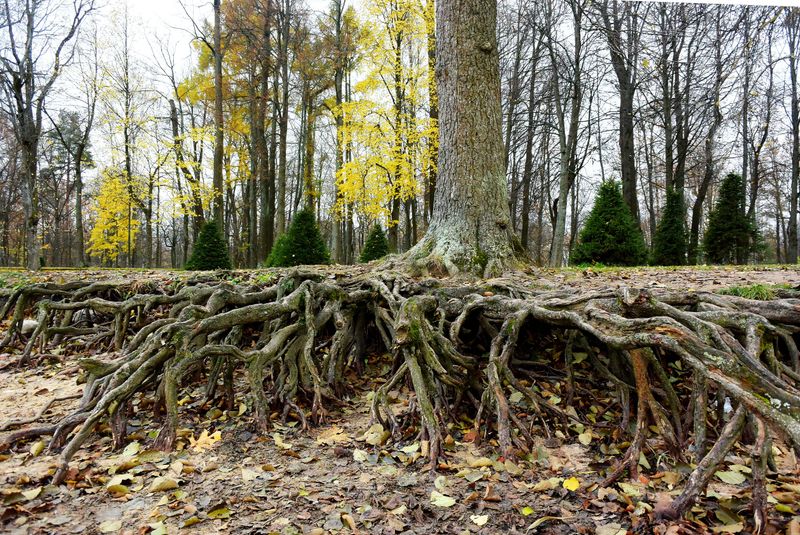
Roots are the anchor you rarely see, yet they decide whether a tall tree stays standing during wild weather. Most tree roots grow in the top foot or two of soil, spreading far beyond the branches.
Personally, I get nervous whenever I see trenches dug near big trees for new patios, driveways, or utility lines.
Cutting major roots can weaken support, and the tree may look healthy for years before showing any decline.
Soil that bulges, cracks, or rises on one side of the trunk deserves your attention right away. That lifting often means roots are tearing loose and the whole root plate is starting to shift in the ground.
Erosion can create problems too, washing away soil until thick roots sit bare and easily damaged. Mowers and string trimmers can then nick those roots, opening wounds where decay fungi may slip inside and spread.
Heavy equipment parked under a tree also squeezes the soil, leaving less space for air and water.
Compacted ground makes roots struggle, so keep cars, trucks, and building materials away from the area under the branches.
Spreading a few inches of mulch over the root zone protects the soil and keeps mowers at a safe distance. Just keep the mulch pulled back from the trunk, since piles against the bark invite moisture and pests.
6. Thin Tree Canopy With Early Brown Leaves
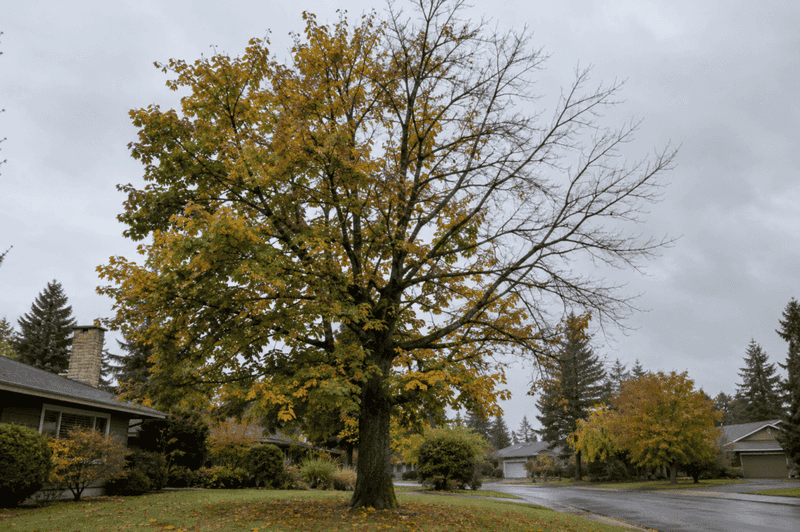
I like to think of a tree’s leafy crown as its report card, because it shows how things are going. A thin, patchy canopy often tells you the tree is stressed long before branches start breaking off.
Compare your tree with healthy trees of the same kind growing nearby, since that makes changes easier to spot. Smaller leaves, sparse foliage, or plenty of sunlight passing through the crown can all point to hidden trouble.
Leaves turning brown in midsummer or showing fall colors weeks early are other clues worth writing down. Branch tips that lose leaves first and slowly decline from the top down are a pattern arborists call dieback.
Many different issues can cause these symptoms, including root disease, compacted soil, drought, and harmful insects. Damaged roots cannot pull up enough water, so the leaves at the very top usually suffer first during dry spells.
A thinning canopy does not mean the tree will tumble over tomorrow, so try not to panic right away. It does mean the tree is weaker, and that weakness can grow worse during strong winds or heavy storms.
Snap photos of the crown each summer to track changes from one year to the next. An arborist can then figure out the cause and suggest watering, treatment, careful pruning, or removal when needed.
7. D-Shaped Emerald Ash Borer Holes In Ash Bark
A tiny metallic green beetle smaller than a penny has changed forests across much of the eastern United States.
The emerald ash borer first showed up in Pennsylvania around 2007 and has spread through most of the state.
Its larvae tunnel under the bark, cutting off the flow of water and nutrients inside ash trees. Infested ash trees often decline within a few years and turn brittle, making them risky to remove later.
Look for small D-shaped exit holes about one eighth of an inch wide on the bark. You might also notice pale patches where woodpeckers have chipped away the outer bark while hunting for juicy larvae underneath.
Other clues include thinning at the top of the crown and sprouts bursting from the lower trunk. Vertical splits in the bark can also reveal winding S-shaped tunnels the larvae carved just beneath the surface.
Carpenter ants deserve attention too, though they do not eat healthy wood the way termites do. They usually move into wood already softened by decay, so piles of sawdust can hint at a hidden weak spot.
Valuable ash trees caught early can sometimes be protected with treatments applied by a licensed professional.
Heavily infested ones are usually safer to remove promptly, before the wood grows too fragile for crews to handle safely.