This Underused Native Oak From Stone Mountain Brings Stunning Fall Color To Georgia Yards
This rare oak was first described by science from the bare granite of Stone Mountain back in the 1840s. It still grows there today, rooted in cracks where summer rock can feel hot enough to cook an egg.
I love a plant with that kind of grit. This one stays fairly small, shrugs off poor soil, and feeds a surprising crowd of birds and critters.
Then autumn shows up, and the glossy leaves turn red, orange, and deep burgundy. I can’t believe more Georgia gardeners haven’t caught on yet.
You’re in for a big surprise if you think every oak needs a huge lawn and deep, rich dirt. Some of the best native trees are hiding in plain sight on rocky hillsides.
Why is this tough little beauty still so hard to find in local nurseries?
1. A Scrappy Little Oak Hiding On Stone Mountain’s Granite
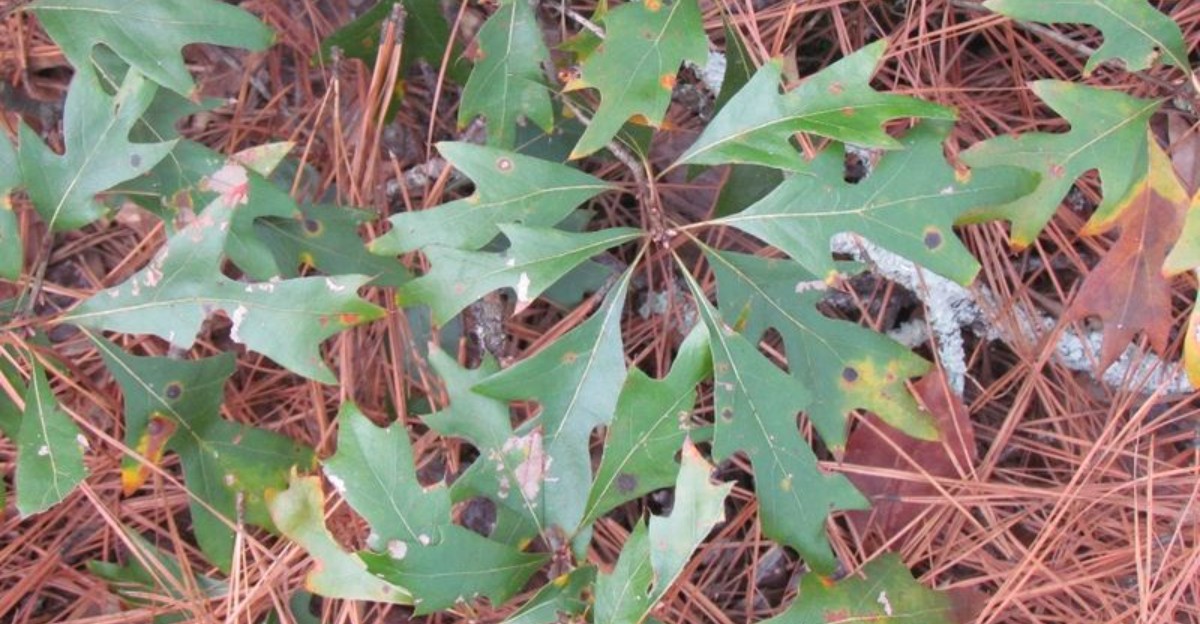
Botanist Moses Ashley Curtis named this tree in 1849 after finding it on Stone Mountain. Quercus georgiana became one of the few oaks named after a state, and Georgia earned the honor.
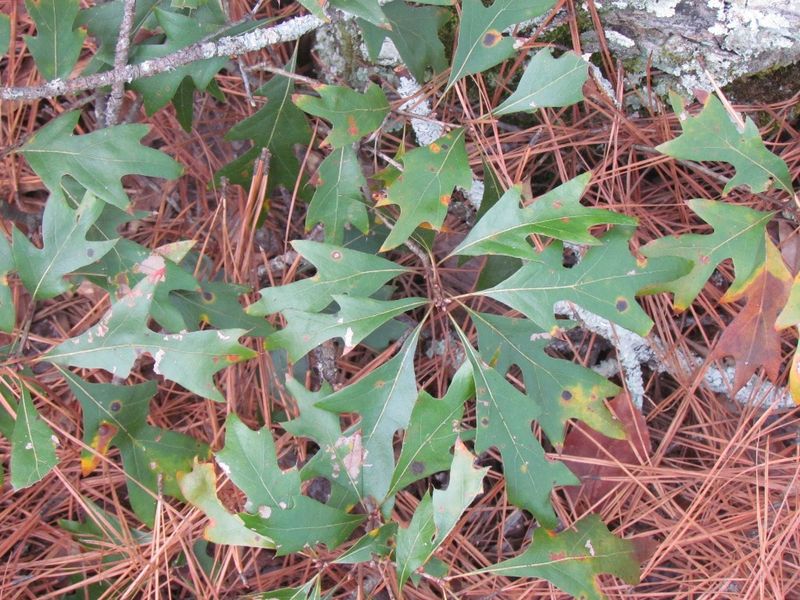
The tree belongs to the red oak group. Its leaves are small, shiny, and shaped with three to five pointed lobes, a bit like a mini scarlet oak leaf.
The acorns are tiny and round, often less than half an inch long.
In the wild, Georgia oak grows mostly on granite and sandstone outcrops across the Piedmont and nearby areas. You can find it in Georgia, Alabama, and the Carolinas, but the populations are scattered and small.
I find it amazing that a tree survives on bare rock with thin pockets of soil. Summer heat bounces off that granite, and rain drains away fast.
Still, these oaks hang on year after year, often looking more like large shrubs than towering trees.
That tough backstory matters for your yard. A tree built for rocky, dry ridges can handle the hot, lean spots where fussier trees often struggle.
Next time you hike Stone Mountain or Arabia Mountain, look closely at the scrubby oaks near the rock. You may be standing beside a botanical celebrity.
2. Those Glossy Oak Leaves Turn Fiery Red In Autumn
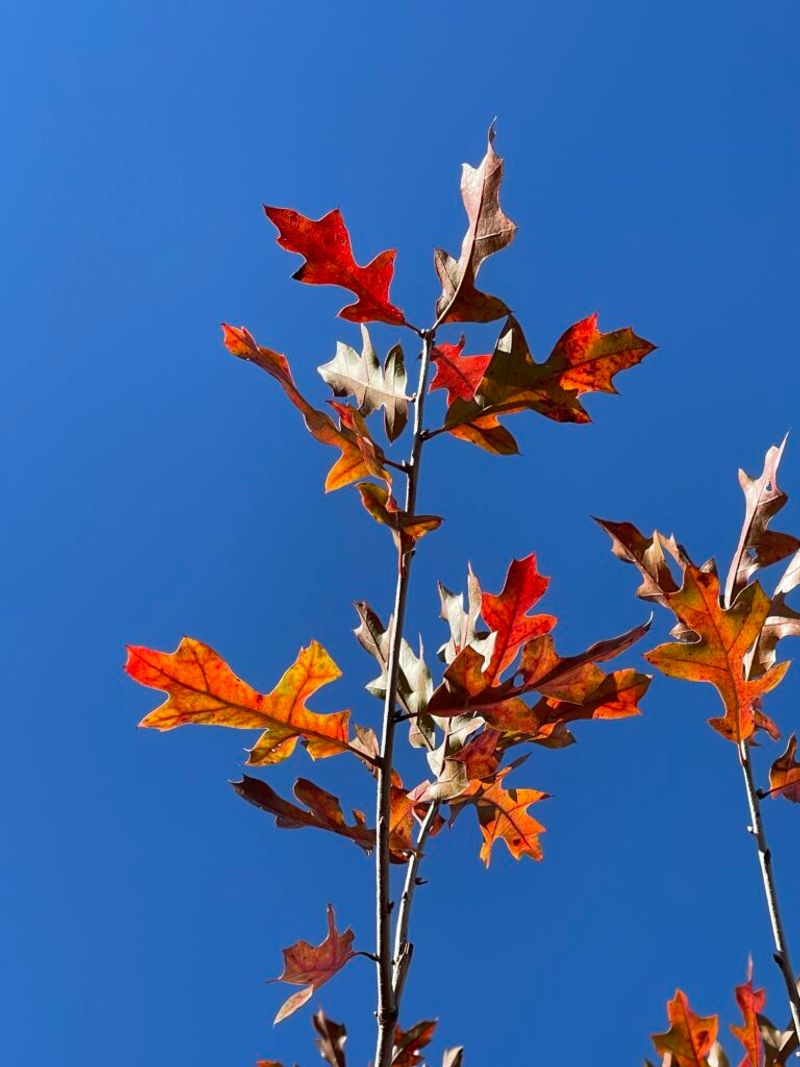
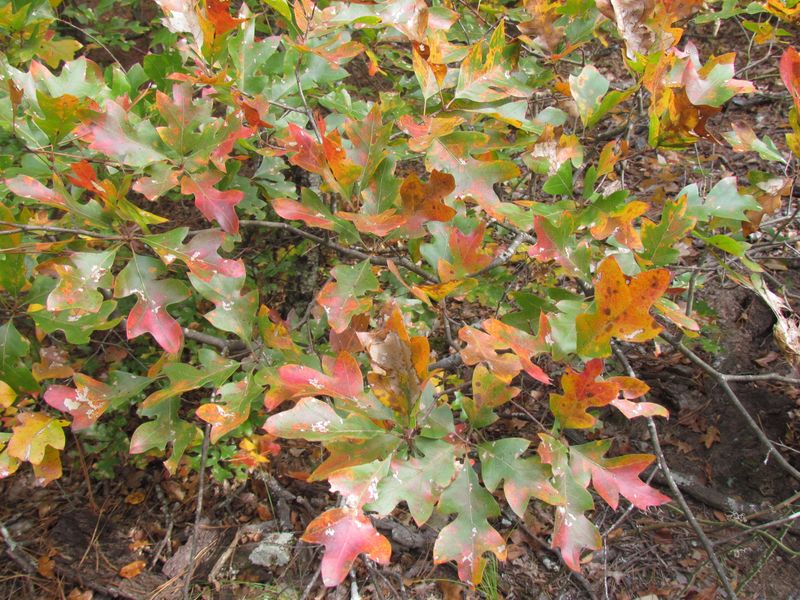
October and November are when this oak earns its spot in your landscape. The glossy summer leaves shift into rich red, orange, and burgundy, with some trees leaning toward bronze or yellow.
Color varies from tree to tree. Genetics, sunlight, and weather all play a role, so two Georgia oaks planted side by side may not match.
I actually enjoy that bit of surprise each fall.
Bright sun helps a lot. Leaves in full sun usually build more red pigments, while shaded branches tend to look duller.
Cool nights and sunny days in autumn also boost the show, which is why some years look better than others.
Many leaves hang on well after they turn brown, a habit called marcescence that is common in young oaks. That gives you texture into early winter when most of the yard looks bare.
For the best effect, plant your oak where you can see it from a window or patio. A dark evergreen background, like an Eastern red cedar or American holly, makes the red leaves glow even brighter.
Pair it with native asters or goldenrod underneath, and you get a fall scene that feels like a postcard from the North Georgia hills.
3. A Compact Oak Tree That Fits Smaller Suburban Lots
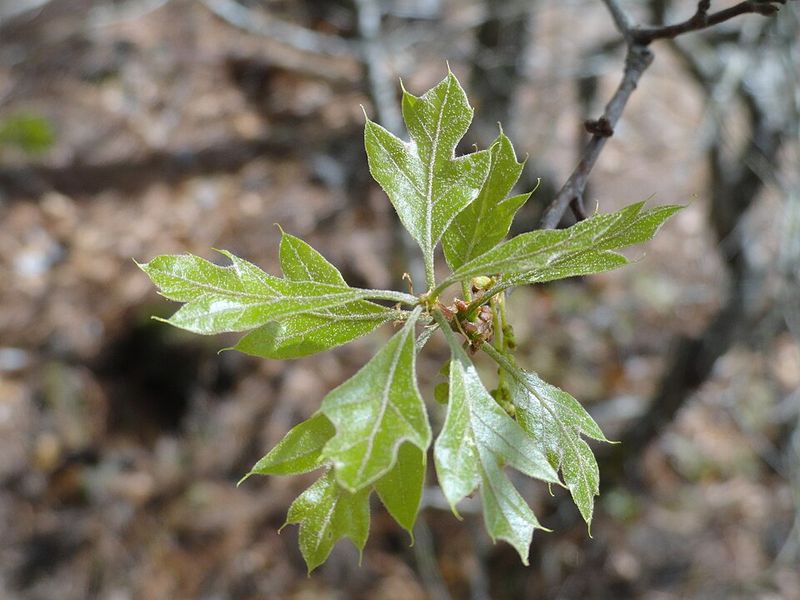
Most folks hear the word oak and think of a giant that swallows the whole yard. Georgia oak breaks that mold in a refreshing way.
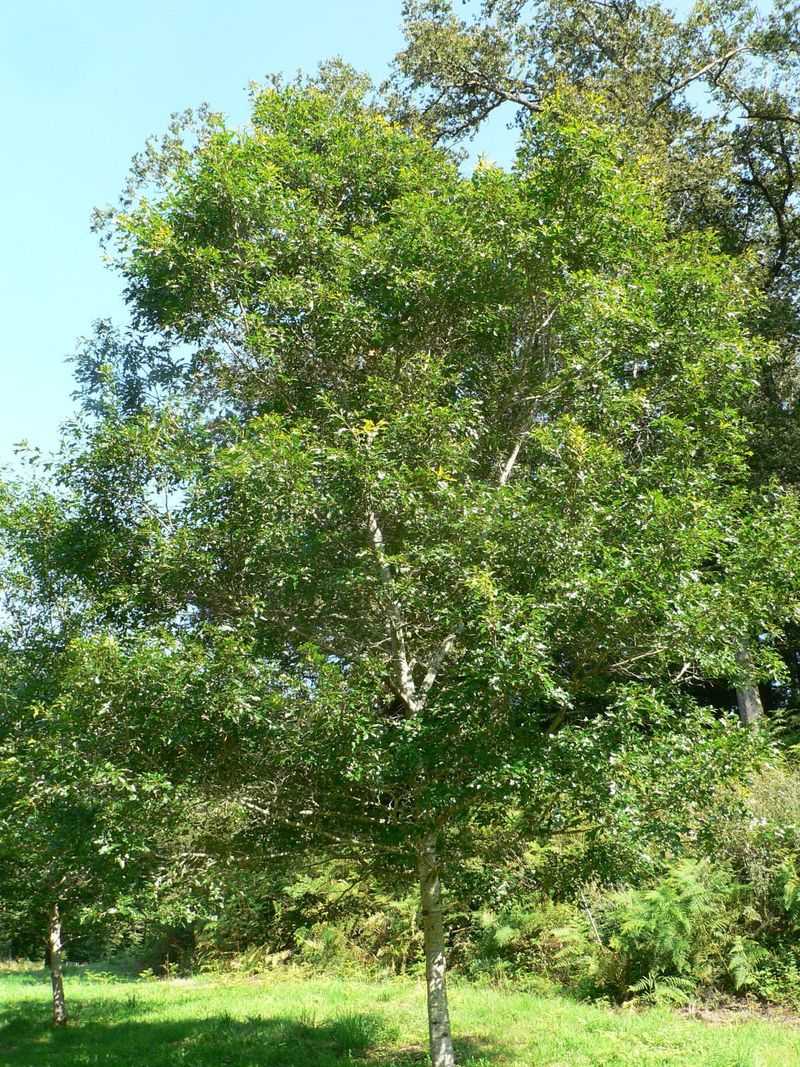
In the wild, it often stays shrubby, sometimes only 15 to 30 feet tall on harsh rock. In better garden soil, it can reach around 25 to 50 feet, with rare specimens taller.
Growth is slow to moderate, so it takes years to get there.
The crown is usually rounded and fairly open. That light canopy lets some sun reach the ground, which makes growing grasses or wildflowers underneath much easier than under a dense shade tree.
Here is my favorite part. You can give it a spot that would be too tight for a willow oak or Southern red oak.
Still, plan ahead and keep it at least 15 to 20 feet from your house, driveway, and septic lines.
Check for overhead power lines before you dig, too. Call 811 a few days early so utilities get marked for free.
A little planning now means your oak can grow naturally for decades without needing major cuts later. Think of it as a long-term neighbor that knows how to share space.
4. Plant Your Georgia Oak In Full Sun And Fast-Draining Soil
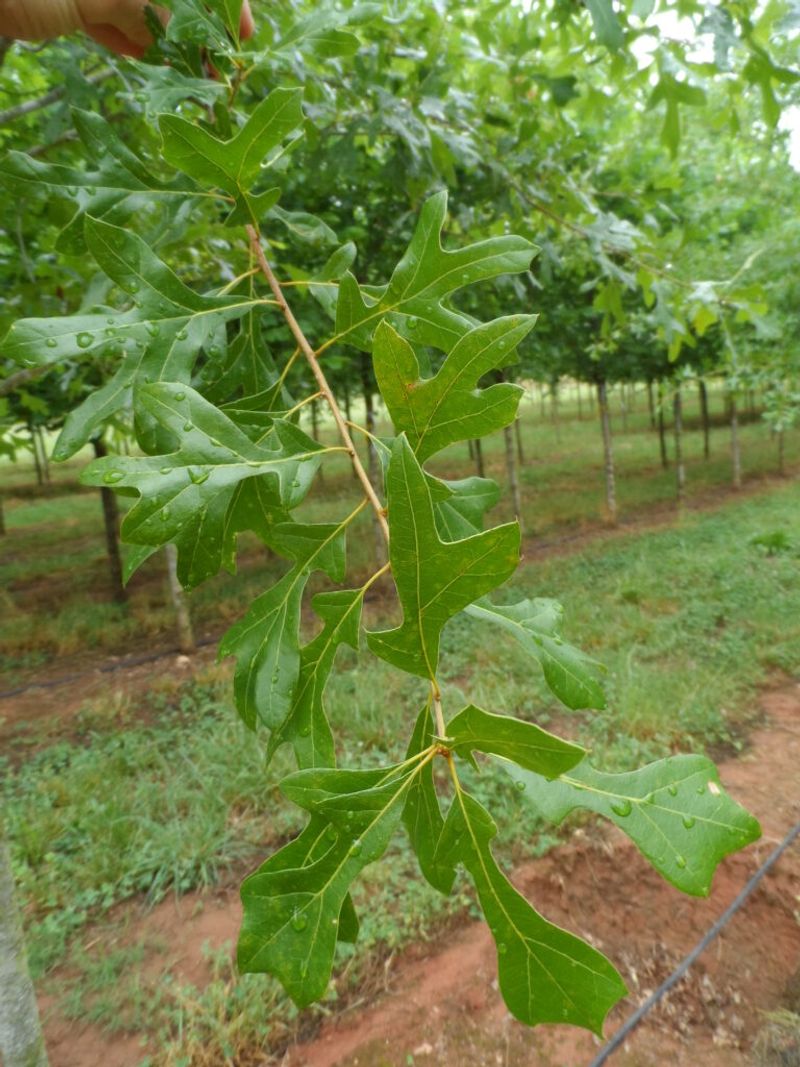
Sun is the secret sauce. Pick a spot that gets at least six hours of direct light, and your tree will grow stronger and color up better each fall.
Drainage matters just as much. This oak evolved on rock where water runs off fast, so soggy clay or low spots can lead to root trouble.
If water puddles there after a storm, look elsewhere.
Acidic, lean soil suits it fine. Skip heavy compost or rich topsoil in the planting hole, because the roots should adapt to your native ground.
Sandy or rocky Piedmont soil often works well.
Fall through early winter is the best planting window across most of the state. Cool air and warm soil help roots settle in before summer heat arrives.
Dig the hole two to three times wider than the root ball but no deeper.
Set the root flare at or slightly above ground level. Fill with the original soil, water deeply, and spread two to three inches of mulch in a wide circle.
Keep mulch a few inches away from the trunk. I like to mark my new oak with a small flag so mowers and visitors give it some respect.
5. Tiny Acorns Feed Turkeys, Jays, And Hungry Squirrels
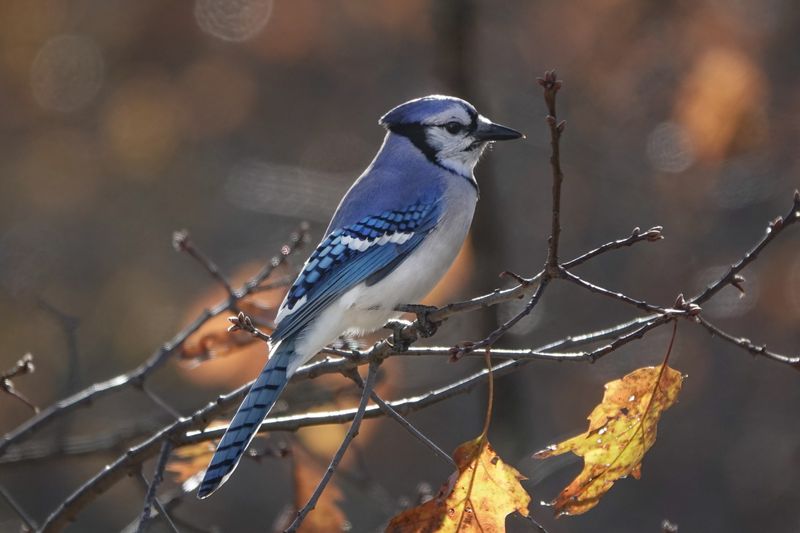
Hang around a fruiting Georgia oak in autumn, and you will notice the visitors. Blue jays, squirrels, and wild turkeys all know what those little acorns mean.
As a red oak, this species takes two growing seasons to ripen its acorns. They are small and round, which makes them easy for jays and woodpeckers to carry.
Jays often bury acorns and forget some, quietly planting new oaks.
Deer, chipmunks, and other mammals snack on them too. Acorn crops vary from year to year, with some heavy years and some light ones, which is normal for oaks.
The real wildlife magic happens in spring. Oaks as a group host hundreds of caterpillar species, according to research by entomologist Doug Tallamy.
Those caterpillars are baby food for Carolina chickadees, warblers, and many other songbirds.
So do not panic when you see a few chewed leaves. A little nibbling means your tree is working as a bird feeder that refills itself.
I would skip insecticide sprays on oaks unless an expert finds a serious problem. Let the birds handle the pest control, and enjoy the extra songs drifting from your branches.
6. This Rare Southeastern Oak Needs Gardeners On Its Side
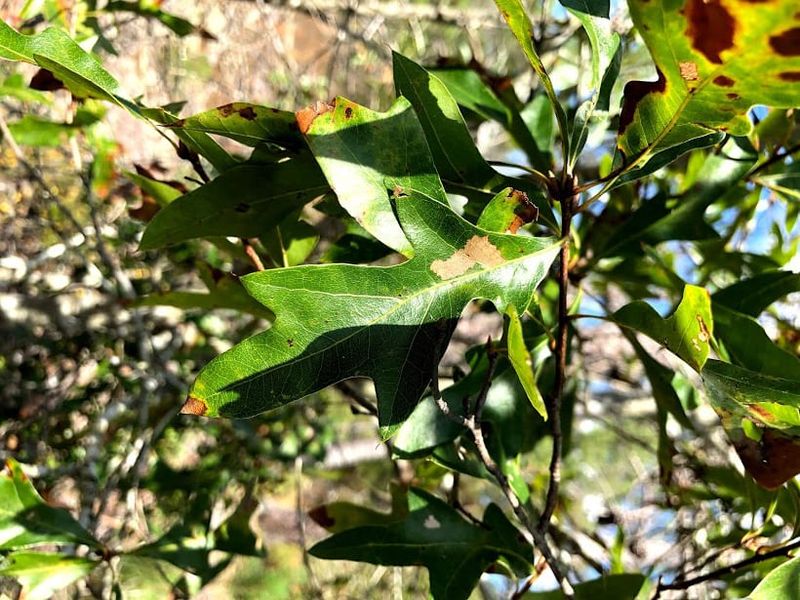
Few trees in your yard can claim a spot on a global conservation list. Georgia oak can, since the IUCN Red List has assessed it as Endangered.
Its natural range is patchy and small. Many populations sit on granite outcrops that face pressure from quarrying, development, foot traffic, and invasive plants.
Some state programs also track it as a species of concern.
Planting one at home will not replace wild habitat, and nobody should pretend otherwise. Still, garden trees help raise awareness and can add genetic backup over time.
Arboretums and botanical gardens already grow it for just that reason.
One rule matters here. Do not dig up wild seedlings or collect acorns from protected places like Stone Mountain or Arabia Mountain.
Parks and preserves have rules against removing plants, and wild stands need every acorn they produce.
Buy nursery-grown stock from a reputable native plant seller instead. Ask where the seed came from, since local sources usually adapt best.
Native plant sales hosted by the Georgia Native Plant Society or local botanical gardens are fine places to start looking. Each tree you plant becomes a small, living vote for protecting this rare species.
7. Easy Watering And Light Pruning Keep Young Oaks Happy
Low-maintenance does not mean no-maintenance, at least not during the first couple of years. A new oak needs steady help while its roots spread out.
For the first growing season, water deeply about once a week when rain is scarce. A slow trickle from a hose for 20 to 30 minutes soaks the root zone nicely.
Increase that during hot, dry spells in July and August.
By year two or three, you can ease off. Established Georgia oaks handle drought well and rarely need extra water, except during long, severe dry periods.
Fertilizer is mostly unnecessary. This tree comes from poor, rocky soil, so heavy feeding can push weak, floppy growth.
If you worry about nutrients, run a soil test through UGA Extension first.
Pruning stays simple too. Remove broken or crossing branches in late winter while the tree is dormant.
Avoid pruning oaks in spring and early summer, because fresh cuts can attract beetles that spread oak wilt in some regions. Keep your tools clean and sharp.
Skip topping and heavy shearing, since those habits weaken trees and ruin that charming natural shape you planted it for.
8. Where To Find A Georgia Oak Sapling For Your Yard
Ready to plant one? Fair warning, you probably will not spot Georgia oak at a big-box garden center next to the boxwoods.
Specialty native nurseries are your best bet. Spring and fall plant sales from botanical gardens, native plant societies, and arboretums often carry hard-to-find oaks.
Mail-order nurseries that focus on Southeastern natives sometimes list it too.
Small saplings are worth choosing. Oaks grow deep taproots, and younger trees in one to three gallon pots usually transplant better than big, heavy ones.
They often catch up quickly once settled.
Check the plant before you buy. Look for healthy leaves, a straight central stem, and roots that are not circling tightly around the pot.
Gently tease out any circling roots before planting.
Fall is a perfect time to shop and plant across most of the state, from the mountains down to the coastal plain. Gardeners in sandy south Georgia should still prioritize sharp drainage and full sun.
I think the hunt is half the fun. Once your oak is in the ground, give it a few seasons.
Patience pays off with sturdy branches, busy birds, and that glowing red display every autumn.