Moss on Your Virginia Lawn and Roof Again? Here’s What It’s Telling You
Some of the green stuff creeping across your yard has no roots at all. It drinks water straight through its tiny leaves, like a sponge that learned to grow.
I find that wild. A plant with no real roots or flowers can still outmuscle a lawn you paid good money to seed.
It can also settle onto shingles twenty feet off the ground and look right at home there.
Here in Virginia, our muggy summers and soggy winters give this fuzzy invader plenty of chances. I used to scrape it off and move on.
Then it came back in the same exact spots, year after year, like it was trying to make a point.
You’re in for a surprise once you learn to read it. That velvet patch is less of a pest and more of a report card for your yard.
What grade is your property getting right now?
1. That Velvety Green Moss Patch Is a Clue, Not the Culprit
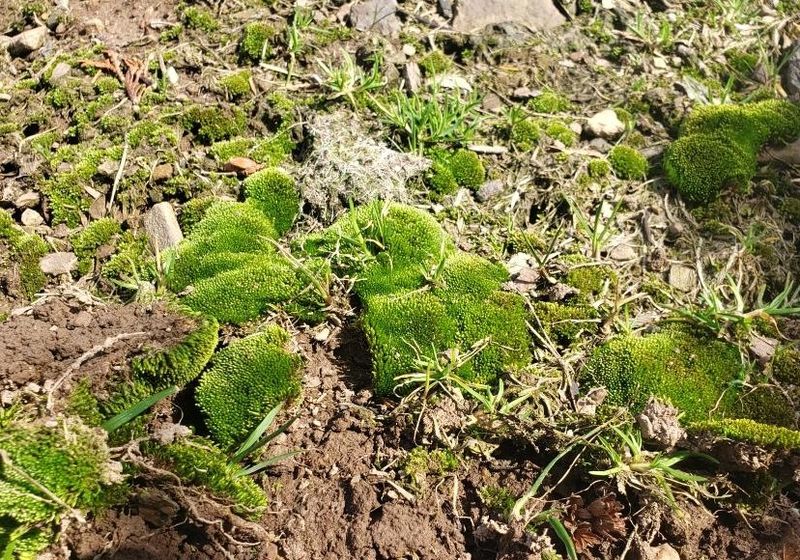
Most folks blame moss for pushing out their grass. In reality, moss mostly moves in after the grass has already given up ground.
Moss is an opportunist. It has no true roots, so it can’t bully healthy turf out of the way.
Instead, it fills the empty spaces that weak, thin grass leaves behind.
Virginia Cooperative Extension makes this point clearly. Moss is a symptom of conditions that favor it over turf.
Pulling it out without fixing those conditions is like mopping a floor while the faucet keeps running.
So what are those conditions? The usual suspects include heavy shade, soil that stays wet, compacted ground, low fertility, and acidic soil.
Often two or three of these team up in the same spot.
I like to walk the yard and note exactly where moss shows up. Is it under the big maple?
Along the north side of the house? In that low corner that puddles after storms?
Those locations tell you which problem to tackle first. Moss rarely appears at random.
Once you treat it as a messenger instead of an enemy, the whole fix starts to make a lot more sense, and you stop wasting effort on repeat battles.
2. Tall Shade Trees Are Starving Your Lawn of Sunlight
Grass is a sun lover at heart. Cool-season turf like tall fescue, the most common lawn grass across much of Virginia, generally wants at least four to six hours of direct sun a day.
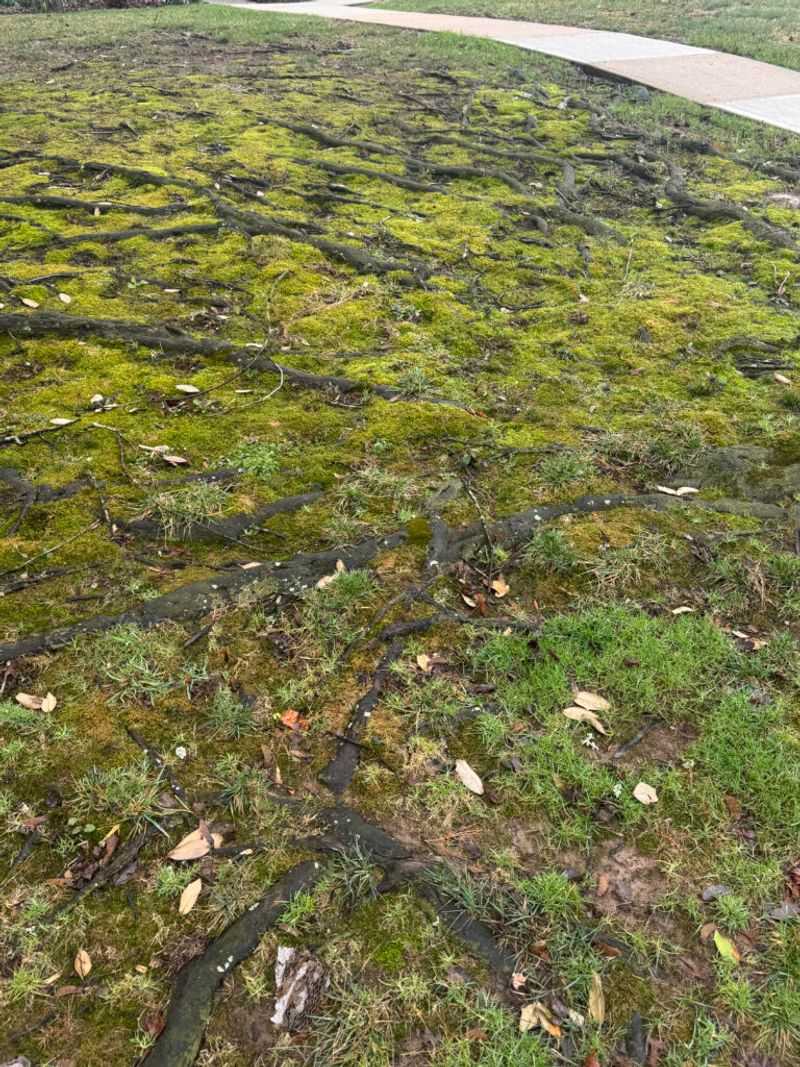
Big shade trees steal that light fast. As a tree matures, its canopy widens every year, so a lawn that thrived a decade ago can slowly thin out without any obvious reason.
Moss handles low light far better than grass. It happily soaks up the dim, dappled conditions that leave fescue weak and patchy.
You have a few smart choices here. Selective pruning and limbing up lower branches can let more light reach the ground.
For large trees, I strongly suggest hiring a certified arborist rather than climbing up there yourself.
Sometimes the honest answer is to stop fighting. In deep shade, a bed of native groundcovers or shade plants like ferns, wild ginger, or green-and-gold can look lovely with far less stress.
Some gardeners even embrace the moss itself. A mossy shade garden stays green, needs no mowing, and feels like a quiet forest floor.
Personally, I think that beats a struggling strip of grass any day.
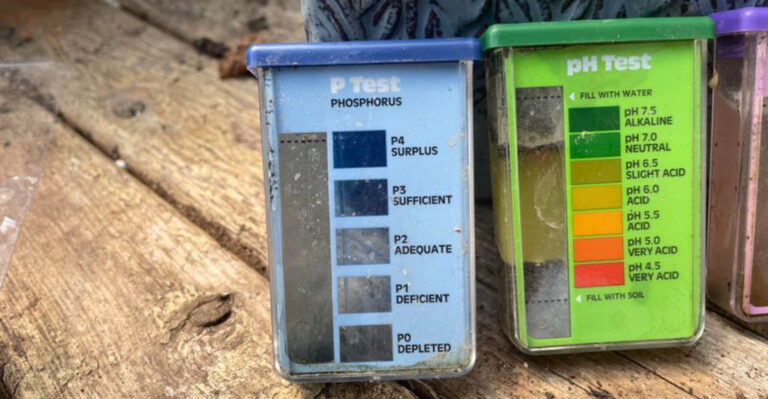
3. A Simple Soil Test Reveals Acidity Moss Loves
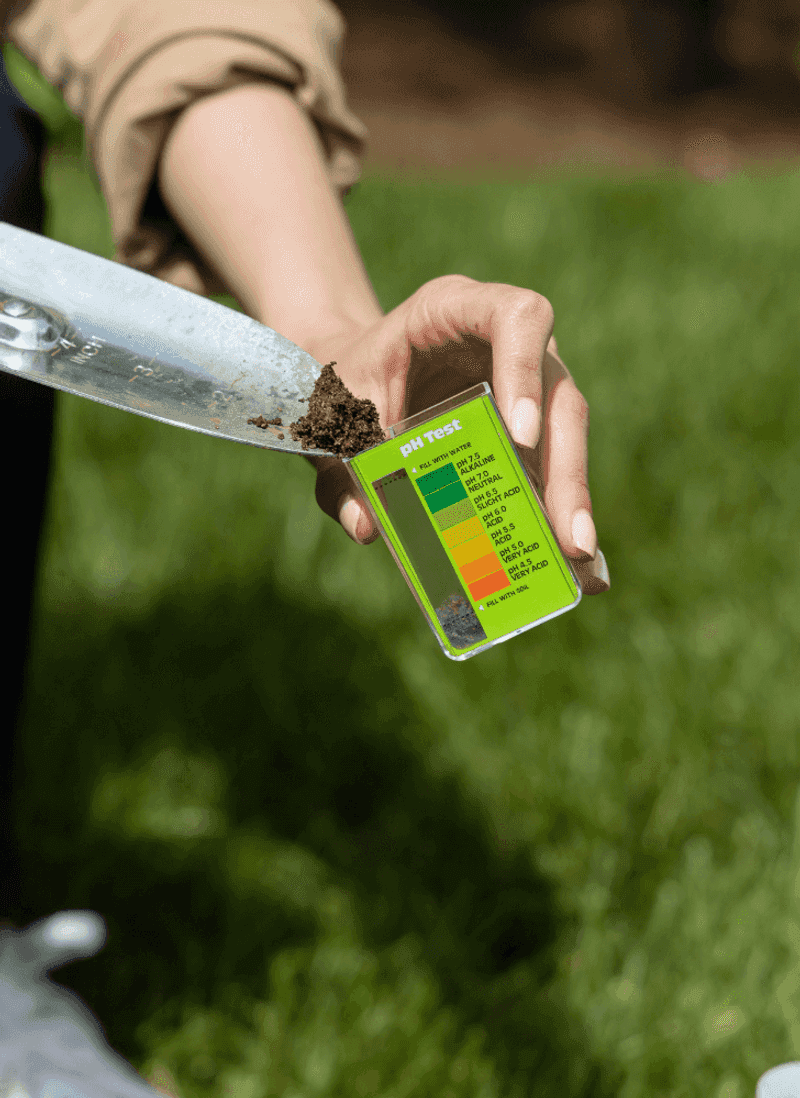
Guessing about soil is a bit like guessing your blood pressure. You might be right, but a quick test settles it.
Many Virginia soils lean naturally acidic, especially red clay in the Piedmont and sandy ground toward the coast. Turfgrass usually prefers a pH near 6.0 to 7.0.
Plenty of mosses tolerate much lower readings, so acidic soil tilts the contest in their favor.
Low pH also locks up nutrients. Your grass may be sitting in fertilizer it simply can’t absorb, which leaves it thin and hungry.
Virginia Tech’s Soil Testing Laboratory offers affordable routine tests. You can pick up a kit and instructions at your local Virginia Cooperative Extension office.
Results come with clear lime and fertilizer recommendations.
Fall is a great time to sample, since lime takes months to work and pairs nicely with fall seeding. Take several small samples across the lawn, mix them in a clean bucket, and send in the blend.
Please skip adding lime just because moss appeared. Over-liming creates its own nutrient troubles.
Let the test numbers guide you instead, and your grass will thank you with thicker, sturdier growth.
4. Soggy Low Spots and Hard-Packed Soil Roll Out the Welcome Mat
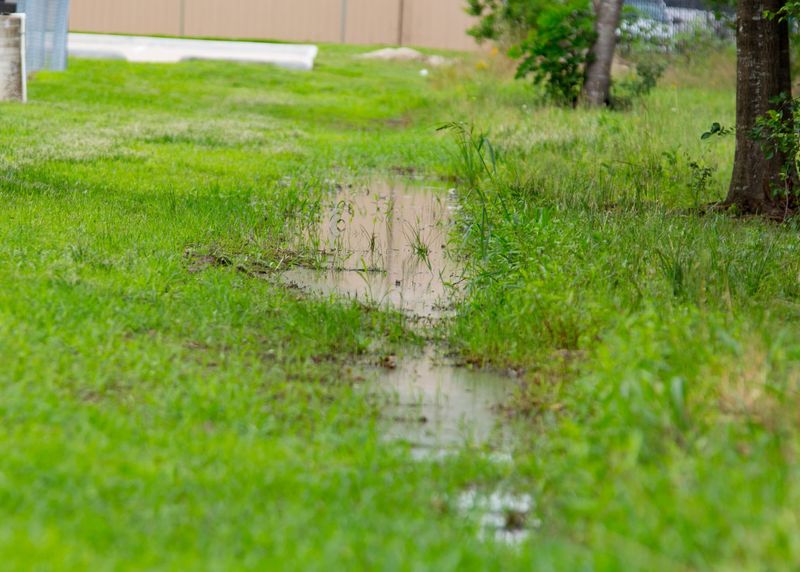
Walk your yard a day after a heavy rain. Wherever your shoes squish, moss is probably close by.
Moss thrives in steady moisture. Grass roots, on the other hand, need air in the soil, and waterlogged ground suffocates them.
Poor drainage tips the balance quickly.
Compaction makes it worse. Heavy clay, foot traffic, kids’ play zones, and parked equipment press the soil tight.
Water sits on top, roots stay shallow, and moss settles in comfortably.
Core aeration is my favorite fix for this. The machine pulls out small plugs of soil, opening channels for air and water.
For cool-season lawns in Virginia, early fall is ideal, followed right away by overseeding.
Also check your watering habits. Frequent light sprinkling keeps the surface damp and moss happy.
Deeper, less frequent watering trains grass roots to grow down.
For stubborn low spots, think bigger. Adding topsoil to level a dip, redirecting a downspout, or installing a dry creek bed or French drain can solve years of trouble.
Fix the water, and you take away moss’s favorite perk.
5. Green Fuzz on Shingles Means Your Roof Stays Wet Too Long
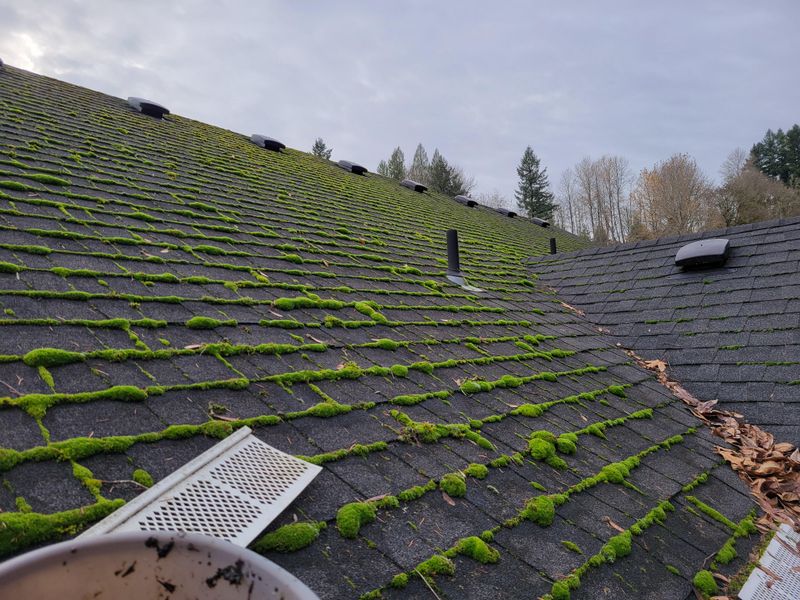
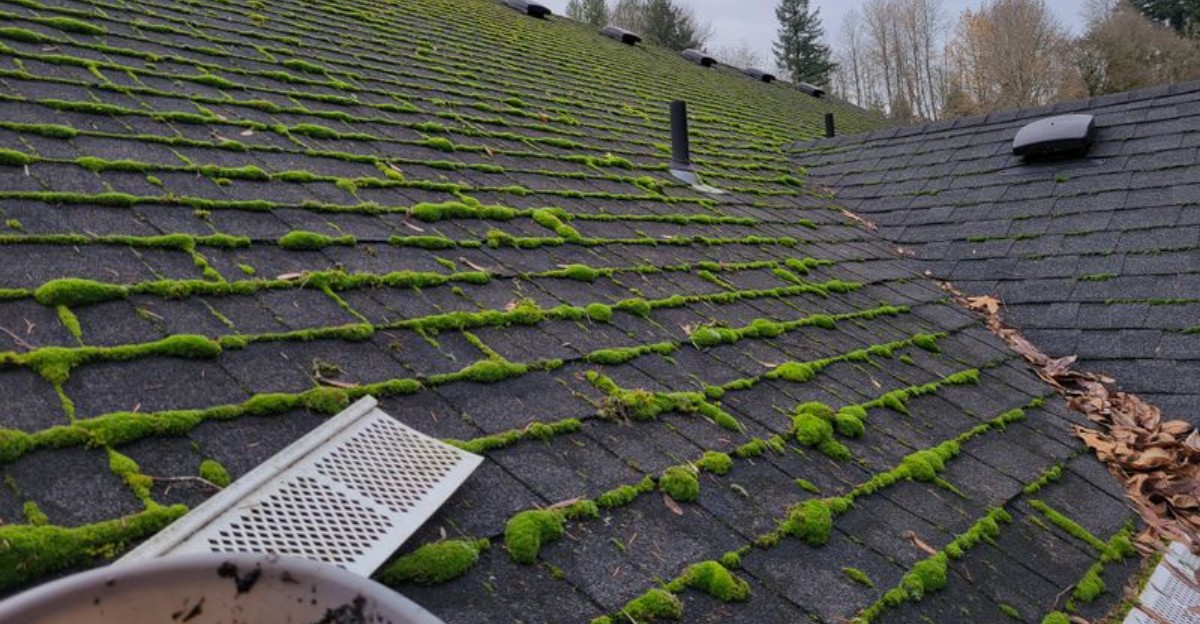
Up on the roof, the story is surprisingly similar. Moss shows up where shingles stay damp long after the rain stops.
North-facing slopes get the least sun in Virginia, so they dry slowly. Shady sections under trees do the same.
Dew, fog, and humid nights add even more moisture to the mix.
Moss is more than a looks problem. Those spongy clumps hold water against the roof surface like a wet towel.
Over time, that moisture can loosen protective granules on asphalt shingles.
Thick moss can also lift shingle edges as it grows underneath them. That gives wind-driven rain a sneaky path toward the decking below, which can lead to leaks and rot.
Don’t confuse moss with those dark streaks many roofs develop. Those black stains usually come from a cyanobacterium called Gloeocapsa magma, commonly referred to as blue-green algae.
It’s mostly cosmetic, while raised, fuzzy green moss deserves faster attention.
Fun fact: lichen, the crusty gray-green patches you may also spot, is a partnership between a fungus and algae. It grows slowly and clings tightly, so a gentle approach matters there too.
A quick look with binoculars twice a year helps you spot trouble early.
6. Overhanging Branches and Clogged Gutters Feed Roof Moss
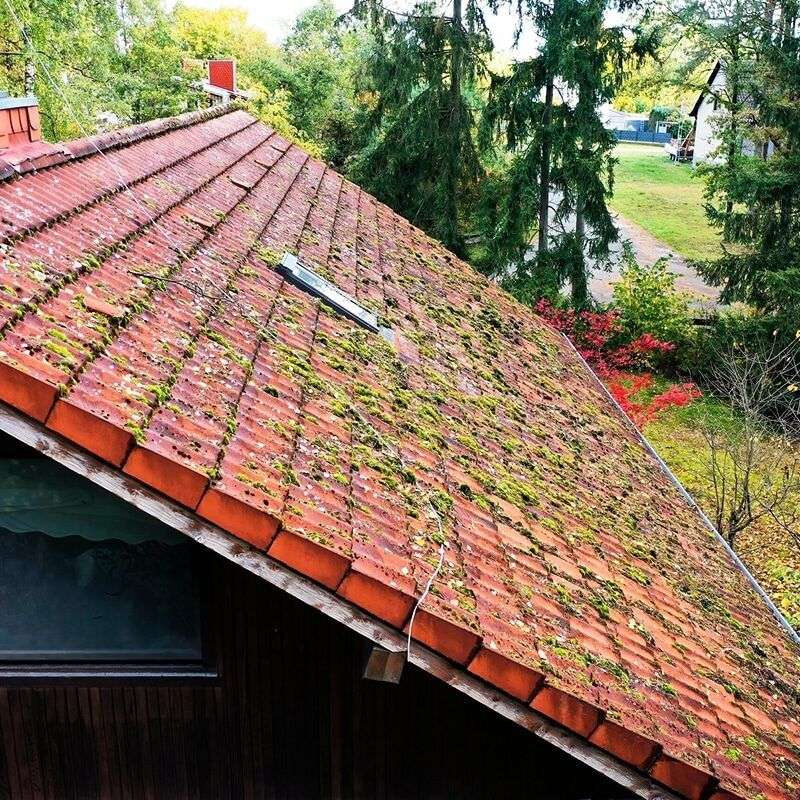
That gorgeous tree shading your house in July has a sneaky side. It’s quietly building a moss nursery on your roof.
Branches block the sun that would dry shingles. They also drop leaves, twigs, pollen, and seed pods.
All that debris collects in valleys and gutters, staying damp and breaking down into a perfect bed for moss.
Clogged gutters add another layer of trouble. Water backs up along the roof edge, keeping the lower shingles wet for days.
Ice can build up there in colder parts of the state, too.
Here’s what I recommend. Trim branches back so they hang several feet away from the roof, ideally with help from a professional tree service.
That move alone lets in more sunlight and airflow.
Clean gutters at least twice a year, usually late spring and late fall after leaves drop. Homes surrounded by pines or oaks may need it more often.
Attic ventilation matters too. Poor airflow can trap warm, moist air beneath the roof deck and shorten roof life.
A roofer can check soffit and ridge vents during a routine inspection and tell you if upgrades make sense.
7. Put Down the Pressure Washer Before You Clean That Mossy Roof
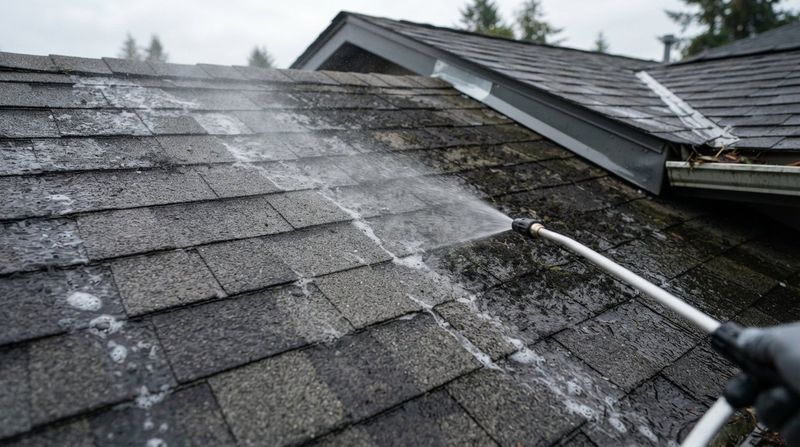
Blasting moss off with a pressure washer feels satisfying for about ten minutes. Then you notice the shingle granules piling up in your gutters.
High pressure strips that protective layer and can shorten roof life. It may also void your shingle warranty.
Stiff wire brushes and hard scraping cause similar damage.
The Asphalt Roofing Manufacturers Association suggests a gentler route. A 50/50 mix of water and household-strength liquid chlorine bleach, applied at low pressure and rinsed with plain water, can help remove moss and algae.
Rinse surrounding plants first and cover them to protect your landscaping.
Avoid brushing or scraping moss from asphalt shingles, as mechanical removal can damage their protective surface. Many products labeled for roof moss are also available, so read and follow every label direction.
Safety comes first here. Wet, mossy shingles are very slippery, and falls from roofs cause serious injuries every year.
If your roof is steep or two stories high, I’d hire a licensed, insured pro who uses soft-wash methods.
Patience helps, too. Treated moss often loosens over weeks and washes away with rain rather than vanishing instantly.
8. Zinc Strips and Thick Fescue Help Keep Moss From Returning
Once the moss is gone, the real win is keeping it gone. A few small habits make a big difference on both the roof and the lawn.
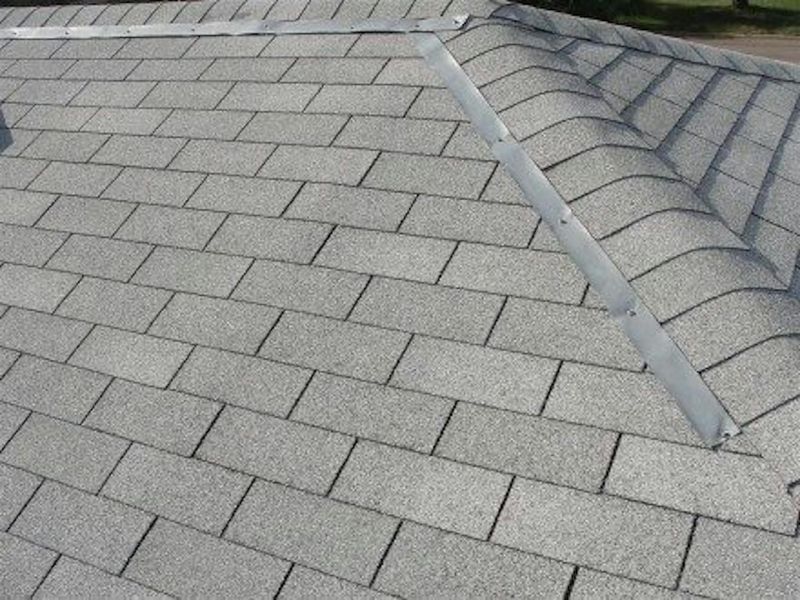
For the roof, many homeowners install zinc or copper strips just below the ridge. When rain runs over the metal, it carries trace amounts down the shingles that discourage moss and algae.
They work best on the area directly below the strip.
Shopping for new shingles? Ask about algae-resistant products with copper-infused granules.
Plenty of roofing brands offer them, and they suit our humid climate well.
On the lawn, a dense stand of grass is your best defense. Overseed thin areas in early fall with a shade-tolerant tall fescue or fine fescue blend.
Fall seeding gives cool-season grass mild temperatures to root before winter.
Mow a bit higher, around three to four inches for tall fescue. Taller blades shade out weeds and build deeper roots.
Then keep watching. Each spring and fall, stroll the yard, peek at the roof, and note any new green patches.
Moss will keep sending messages. You’ll simply know how to answer them now.