Shrubs Virginia Gardeners Can Plant Instead Of Boxwood
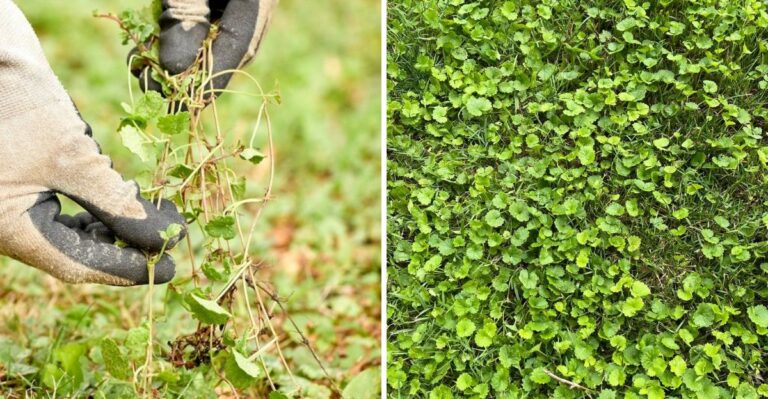
First spotted in American gardens in 2011, this fungus can strip a prized hedge bare within a few weeks.
The culprit, called blight, has since shown up in many Virginia yards, leaving gardeners staring at brown, leafless gaps.
Those classic green globes have lined Colonial Williamsburg paths for generations, so losing them feels like losing a family heirloom. Sticky spores can hitch rides on wet pruning tools and muddy boots, which makes the trouble hard to contain.
I have to admit that watching a neighborhood favorite turn brown made me rethink my own front walk. You might notice that plenty of tough, handsome shrubs already thrive in local soil with far less fuss.
One of my favorite swaps opens rosy flowers while frost still glitters on the lawn in late winter.
Which easygoing evergreen or flowering beauty truly deserves that empty spot beside your front steps?
1. Inkberry Holly
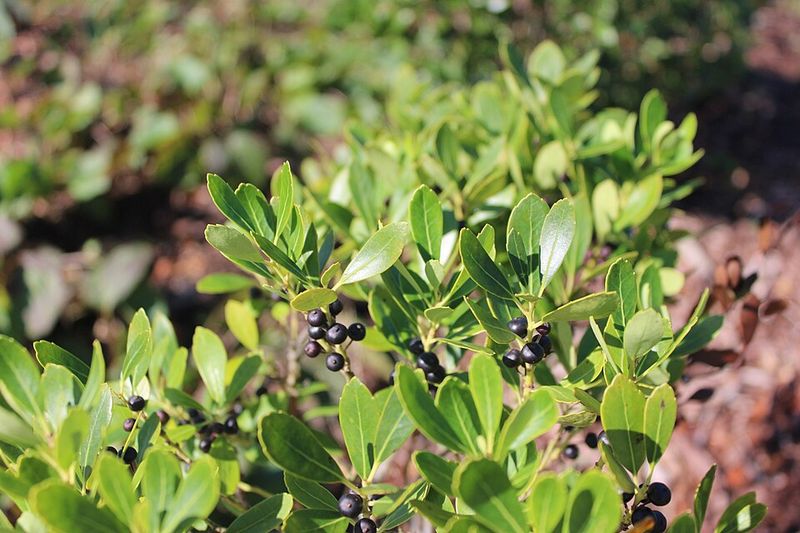
Swap one boxwood for an inkberry, and most visitors will need a second look to spot the difference.
Those small glossy leaves and tidy mounds mimic the classic hedge, yet this holly grows wild in Virginia swamps.
Native populations hug the coastal plain, so the shrub already knows our humid summers and soggy spells. It handles USDA zones 4 through 9, which covers every corner of the state with room to spare.
Expect a slow climb to roughly five to eight feet tall, with a matching width over time. Compact picks like ‘Shamrock’ or ‘Gem Box’ stay lower, which suits foundation beds near windows and porches.
Female plants carry pea-sized black berries that ripen in fall and often hang on through winter. Birds snack on them during lean months, and I love seeing that small burst of life outside my kitchen.
Plant it in full sun or part shade, ideally where the soil stays moist and leans acidic. Heavy clay and wet corners rarely bother it, which makes it a lifesaver for low spots in the yard.
Deer and rabbits usually pass it by, so your hedge keeps its shape through hungry winter stretches. Roots may send up suckers over time, but a sharp spade handles those in a few minutes.
Prune lightly in early spring if you want a crisp edge, or let it billow naturally. Personally, I prefer the softer look, since it feels friendlier and still reads as neat from the street.
2. Soft Serve False Cypress
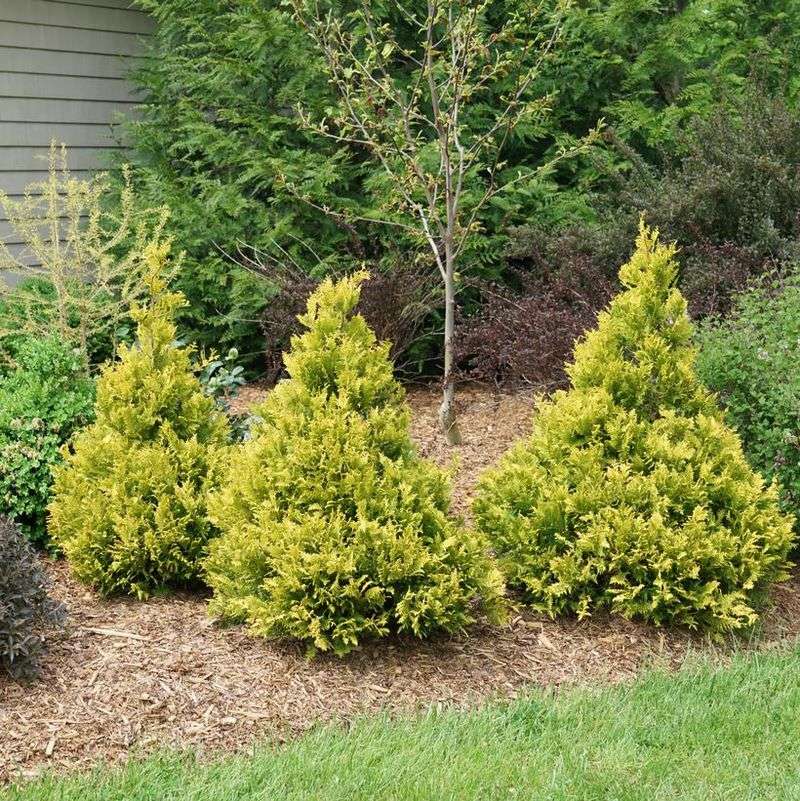
Run your hand along a ‘Soft Serve’ branch, and you will understand exactly how this cypress earned its name. The feathery sprays feel almost like plush fabric, and they release a clean, piney scent when brushed.
Soft Serve is a compact selection of Chamaecyparis pisifera known botanically as ‘Dow Whiting’.
Bright green needles show silvery blue undersides, giving the whole plant a gentle shimmer on breezy days.
Growth is slow, reaching about six to ten feet tall and five or six feet wide eventually. That cone shape forms on its own, so your shears can mostly stay in the garage.
Give it full sun or light shade along with moist, well-drained soil that runs acidic to neutral. Hardiness covers zones 4 through 8, which suits nearly every garden across the Commonwealth with ease.
Once roots settle in, the shrub shrugs off short dry spells, though deep watering helps during long droughts. Mulch spread two or three inches thick keeps roots cool and cuts down on weeds nicely.
Deer tend to leave it alone, which is a relief if they patrol your street at dusk. You will not get showy flowers or berries, since gardeners grow it purely for that lovely texture.
I like pairing it with dark broadleaf shrubs, because the airy foliage looks even lighter by comparison.
A pair flanking a front door gives a formal feel without the boxy stiffness of clipped hedges.
3. Tater Tot Arborvitae
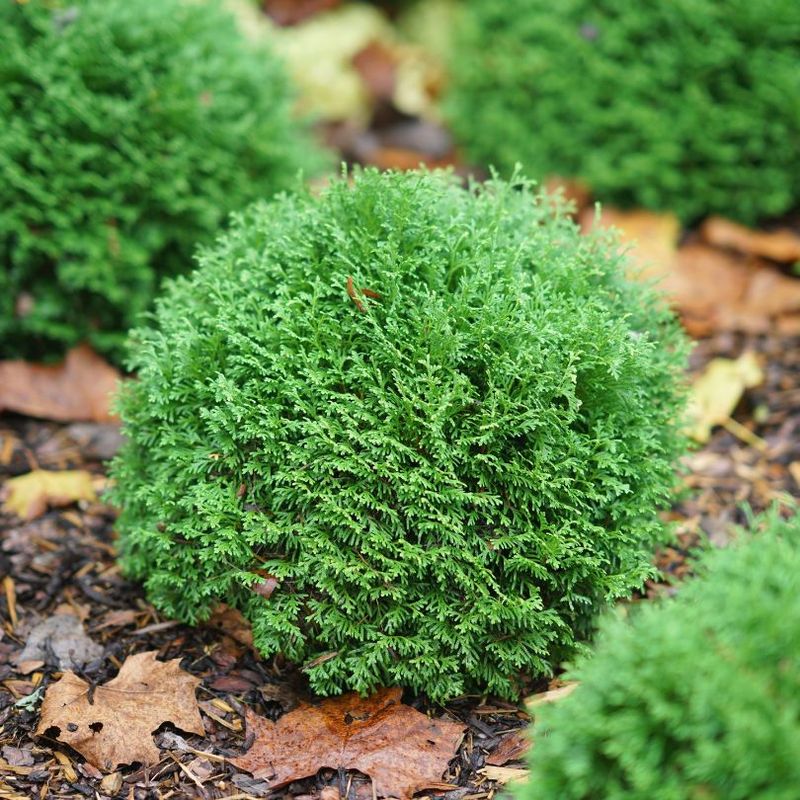
A shrub named after a cafeteria side dish sounds silly, yet ‘Tater Tot’ arborvitae earns a serious spot.
Its rounded green form looks almost like a giant pom-pom sitting politely beside your garden walkway.
As a selection of American arborvitae, Thuja occidentalis, it comes from a species native to North America. Zones 3 through 8 cover it, so cold mountain winters and warm Tidewater summers both suit it.
Mature plants stay small, usually about one and a half to three feet tall and slightly wider. That size makes it handy for edging paths or tucking into containers on a sunny patio.
Fan-shaped foliage stays fresh green through summer, then picks up coppery bronze tones as weather cools. Some folks worry the plant looks sick, but the color shift is normal and fades in spring.
Full sun to partial shade works well, along with average to moist soil that drains properly. Consistently dry ground stresses it, so add a layer of mulch and water during hot spells.
Pruning is mostly optional, because the neat globe shape develops naturally with very little help from you. I have to say that skipping the shears feels like a small vacation every single summer.
Keep curious pets and toddlers from chewing on it, since all parts are considered toxic if eaten.
Hungry deer sometimes browse arborvitae during winter, so light netting may help in neighborhoods with heavy pressure.
4. Yaupon Holly
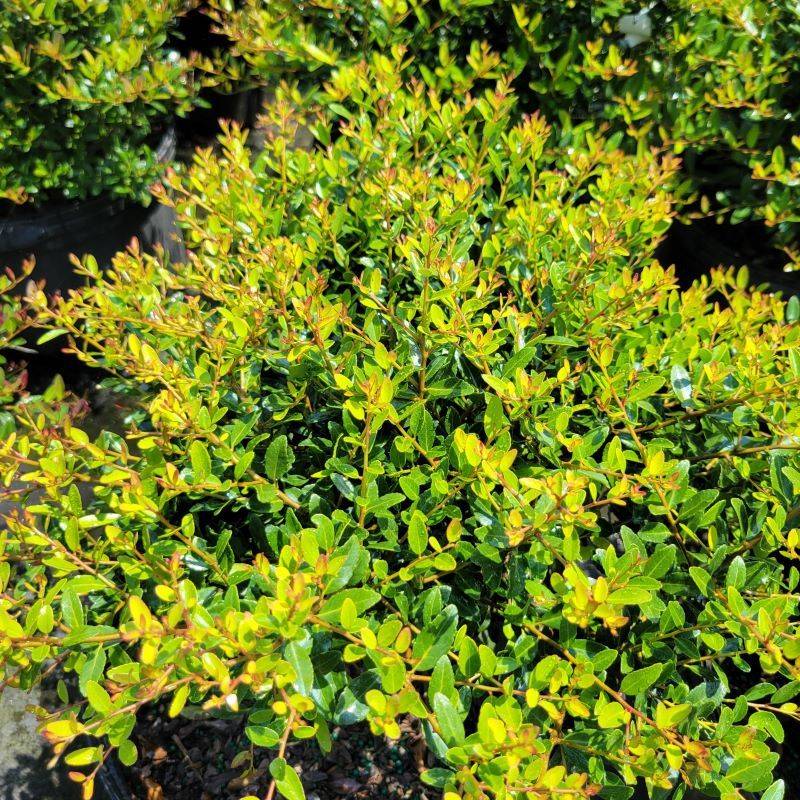
Few native shrubs laugh off salty coastal wind quite like yaupon holly, a tough customer from our southeastern shores. Its tiny glossy leaves, barely an inch and a half long, give it a fine texture similar to boxwood.
Wild plants grow along the Virginia coastal plain, and the species fits zones 7 through 9.
That means gardeners in Hampton Roads and much of the southern Piedmont will usually see the best results.
Straight species plants can reach ten to twenty feet, which surprises people expecting a little hedge. Dwarf picks like ‘Nana’ stay closer to four or five feet tall, making them easy foundation plants.
Yaupon is one of the few North American plants that contains caffeine in its leaves. Native peoples brewed a ceremonial drink from it, though the scientific name, Ilex vomitoria, oversells the side effects.
Female plants produce bright red berries in fall, and they often cling to branches well into winter. Plant a male nearby for good fruit set, since yaupon carries male and female flowers on separate plants.
Sun or part shade both work, and the roots tolerate soil ranging from fairly dry to soggy. Deer usually pass it by, and serious insect pests or leaf diseases rarely cause it much trouble.
Shearing works well if you crave a formal look, because yaupon bounces back quickly from trimming.
Personally, I think a row of dwarf yaupon makes the most convincing boxwood stand-in near the coast.
5. Japanese Andromeda
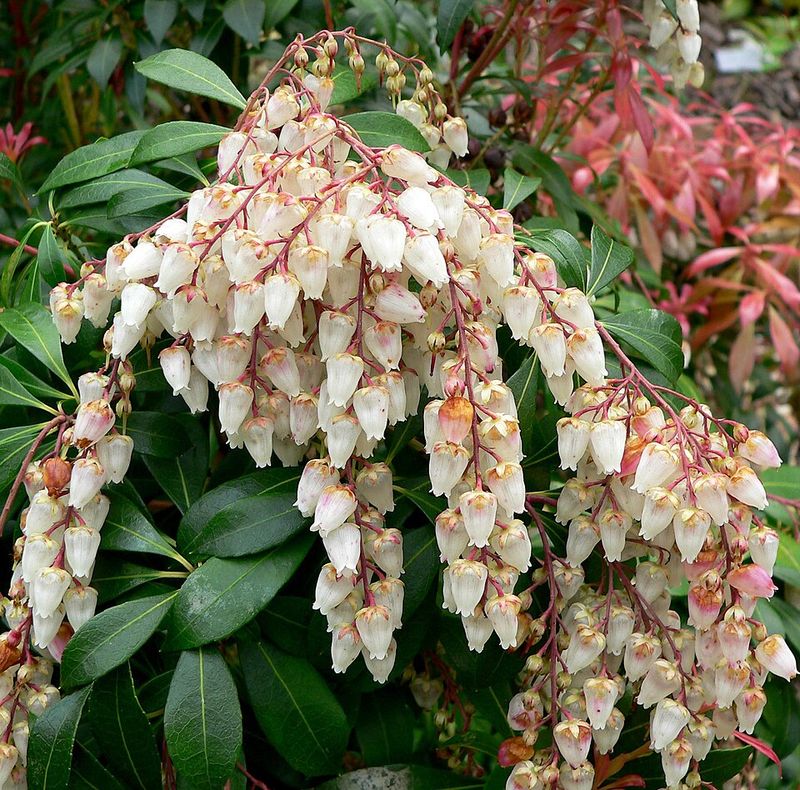
Late winter can feel gray and endless, until Japanese andromeda drapes itself in tiny dangling bells. The clusters resemble lily-of-the-valley, and bees happily visit them when almost nothing else in the garden is open yet.
Known botanically as Pieris japonica, the shrub grows slowly to roughly four to six feet tall and wide.
Plenty of compact cultivars stay smaller, which helps when your bed sits under a low window.
New spring leaves emerge in shades of red or pink before maturing into glossy dark green. That colorful flush, combined with the blooms, gives you two shows from one plant each spring.
Light dappled shade suits it best, especially in spots where azaleas and camellias already grow well. Rich, acidic soil that stays moist but drains freely keeps the roots content and the foliage glossy.
Heavy clay and waterlogged corners cause problems, and so do exposed spots that bake in afternoon sun. Amend tight soil with compost before planting, and set the root ball slightly high for better drainage.
Hardiness runs from zone 5 through 9, so most Virginia yards fall comfortably within its range. Deer tend to avoid it, mostly because every part of the plant contains toxic compounds that taste unpleasant.
Keep it away from play areas where pets or young children might be tempted to chew on leaves.
Reddish flower buds hang on through winter, so the shrub looks decorated even before spring arrives.
6. Camellia
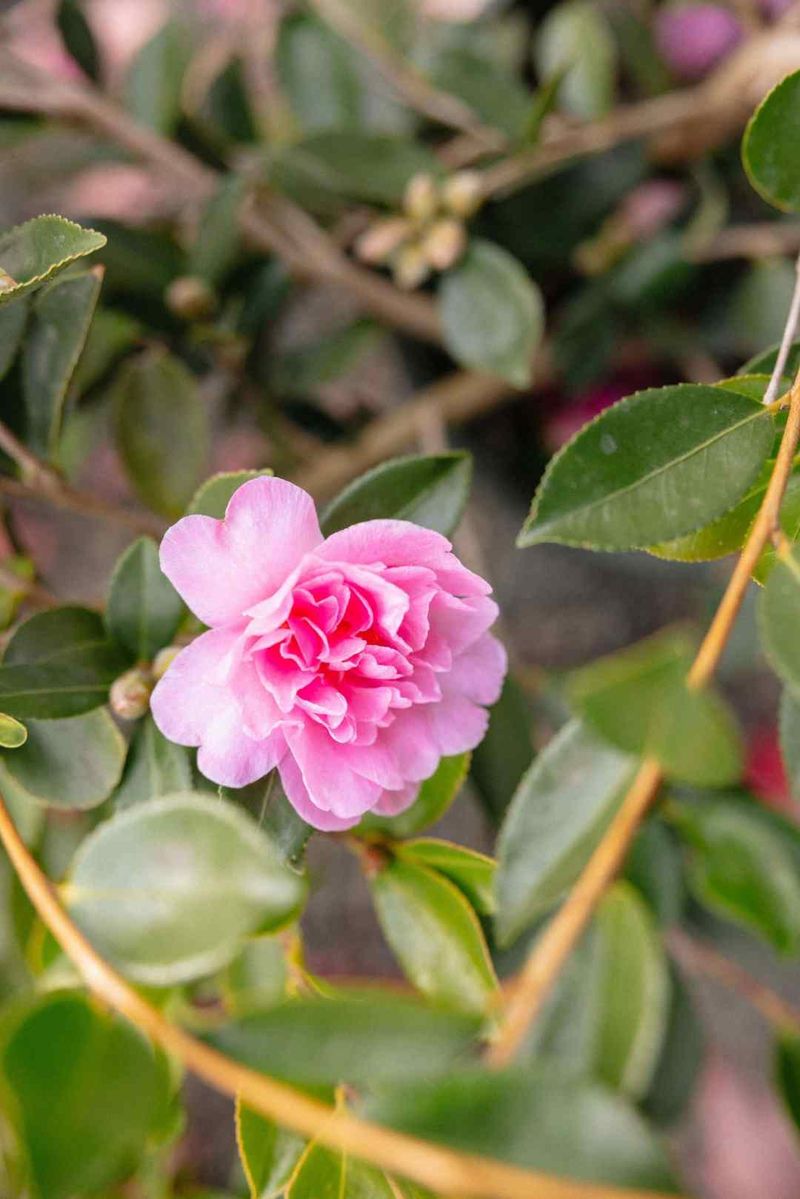
Fresh flowers in December sound like a florist delivery, yet camellias pull off that trick right in the yard. Their glossy leathery leaves stay deep green all year, so you get a handsome hedge between blooms.
Two species do most of the work, and each one blooms during a different stretch of the cold season.
Camellia sasanqua opens smaller, often fragrant flowers from about October into December, usually in generous numbers.
Camellia japonica follows with bigger, showier blooms, sometimes over five inches wide, in late winter and early spring. Plant one of each, and your garden can show color for months when most shrubs sit quietly.
Zone 7 suits them best, which covers much of central and eastern Virginia along with Hampton Roads. Colder western gardeners can look for the Ackerman hybrids, which were bred for extra hardiness into zone 6.
Morning sun with afternoon shade works beautifully, especially when a wall or fence blocks harsh winter winds.
Soil should be moist, rich in organic matter, well-drained, and acidic, ideally between pH 5.5 and 6.5.
Prolonged drought stresses them, so water deeply during dry summers while next season’s flower buds are forming. Prune right after flowering ends, because cutting later can remove buds you were hoping to enjoy.
Deer may browse camellias, particularly their flower buds and tender growth, while the cold-season blooms provide food for foraging bees. I can’t imagine a winter garden without one, honestly, since a single pink flower lifts my mood instantly.
7. Mountain Laurel
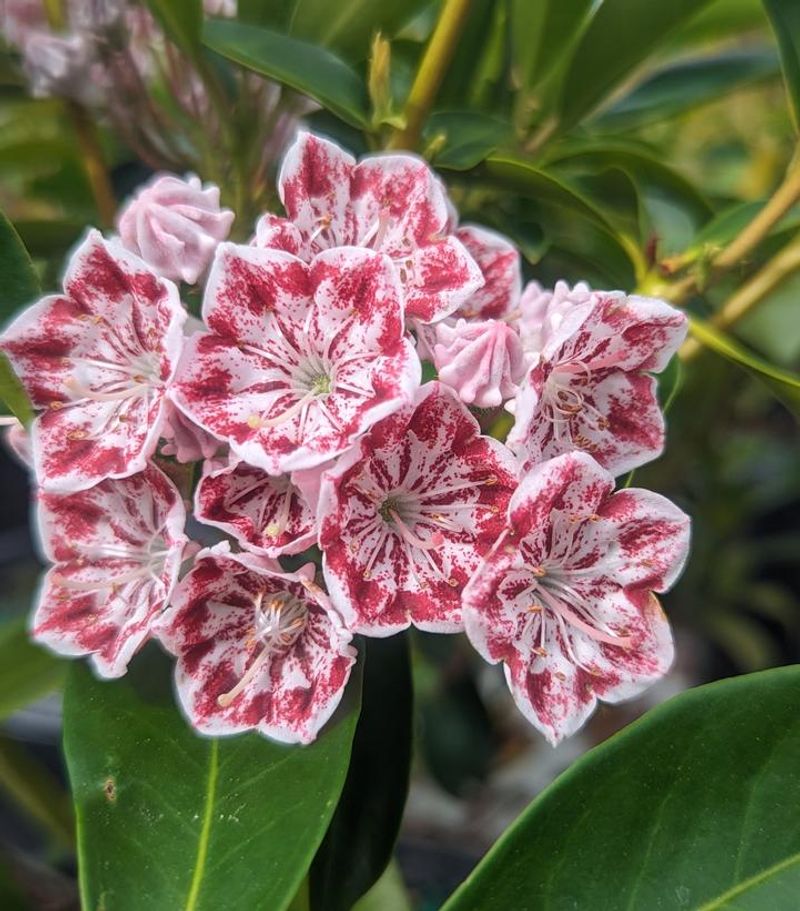
Each mountain laurel flower hides a tiny spring-loaded trick, flicking pollen onto bees the moment they land. Watching those little catapults fire is one of my favorite late spring garden moments, and kids love it too.
Kalmia latifolia grows wild across much of Virginia, brightening rocky slopes and shady woods every May and June.
Clusters of cup-shaped blooms range from white to rose, often marked with delicate purple dots inside.
Leathery evergreen leaves, two to five inches long, keep the shrub looking full and polished through winter. In cold weather they sometimes take on a purplish bronze tint, which adds a quiet bit of interest.
Growth is slow, around six to twelve inches yearly, eventually forming a rounded shrub five to fifteen feet tall. Dwarf cultivars such as ‘Minuet’ stay much smaller, which helps them fit neatly into narrow foundation beds.
Morning sun followed by afternoon shade suits it best, along with cool, moist soil rich in humus. Acidity matters a lot here, with a pH around 4.5 to 5.5 giving the happiest results.
Heavy clay and ground that stays dry for weeks both cause decline, so choose your spot carefully.
Mulching with shredded leaves or pine bark mimics the forest floor where this native naturally grows.
Every part of the plant is highly toxic to people and pets, so plant it away from curious nibblers. Deer mostly avoid it for that reason, while bees and butterflies happily visit the blooms each spring.
8. Dwarf Fothergilla
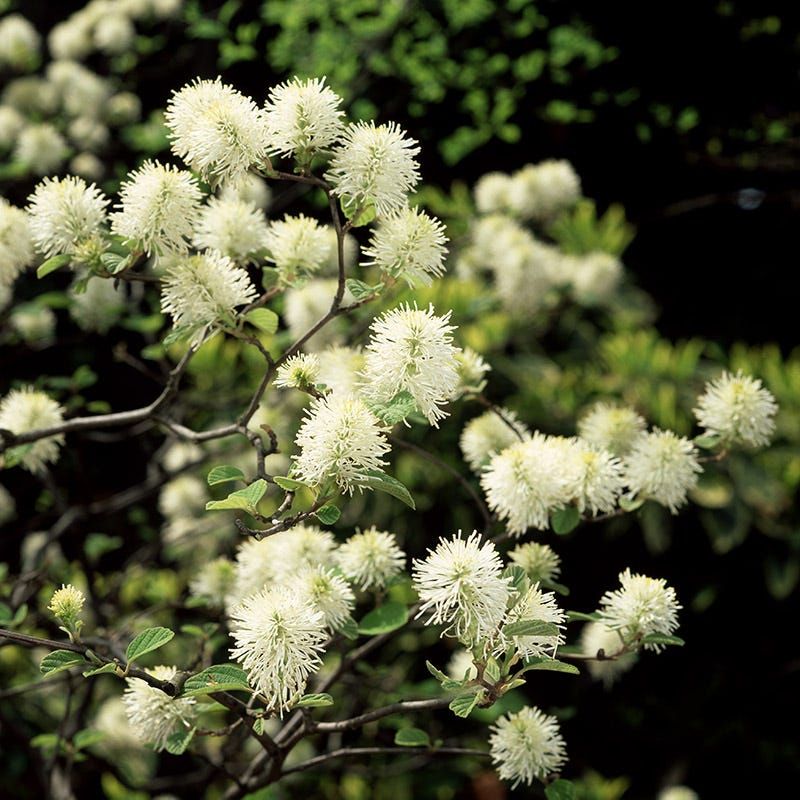
Not every boxwood replacement has to stay green, and dwarf fothergilla proves that losing leaves can be thrilling. In spring, honey-scented white bottlebrush flowers pop open on bare stems before a single leaf appears.
Fothergilla gardenii is native to the Southeast, and it grows happily in zones 5 through 8.
Plants form a tidy rounded mound, usually two to five feet tall and wide, at a slow pace.
Summer leaves turn a pleasant medium green, sometimes with a soft bluish cast that looks cool in heat. Autumn steals the show, though, as foliage flares orange and scarlet, often mixed together on a single branch.
I believe few small shrubs can match that fall display, and neighbors walking by will likely ask about it. Plant it as a low hedge, and you get a living sunset along your walkway every October.
Full sun brings the best flowers and color, though afternoon shade helps during hot Virginia summers.
Soil should be acidic and humus-rich, staying moist but well-drained, ideally somewhere between pH 5.0 and 6.5.
Young plants dislike drying out, so water regularly during the first couple of summers after planting. A few inches of mulch over the root zone helps hold moisture and keeps soil temperatures steady.
Deer and rabbits usually leave it alone, and pests or diseases rarely trouble this sturdy native. Gentle suckering may widen the clump over time, but you can snip extra shoots with hand pruners.