This Rare Virginia Wildflower Is Blooming Again After Nearly Disappearing
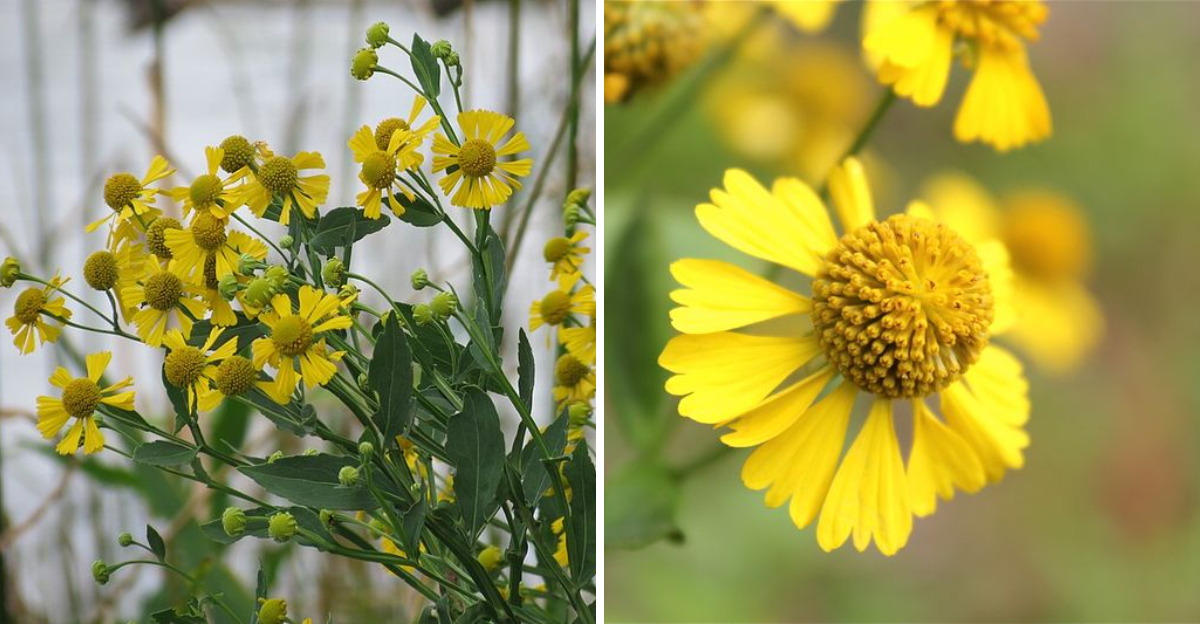
Nobody expected this flower to escape extinction’s narrow edge. You never got the chance to watch it disappear. Virginia’s wetlands once wore a brilliant golden crown, then lost it entirely.
Development claimed that habitat faster than anyone could react. Botanists refused to let the story quietly end there.
Quietly, dedicated teams tracked the last remaining populations. Crews gathered seeds before extinction closed the door completely.
Soil, water, and sunlight all needed patient, careful rebuilding. Years of relentless fieldwork followed without much fanfare.
Sneezeweed answered back with stubborn, golden persistence. Virginia now holds blooming patches nobody expected to return.
Wetlands you might easily dismiss are quietly rewriting extinction’s ending. Every rescued bloom proves recovery is never just wishful thinking. Something wild keeps expanding, acre by stubbornly reclaimed acre.
This comeback only grows stranger the closer you actually look. Stay with this remarkable story, because what happens next changes everything you assumed.
What Virginia Sneezeweed Actually Is
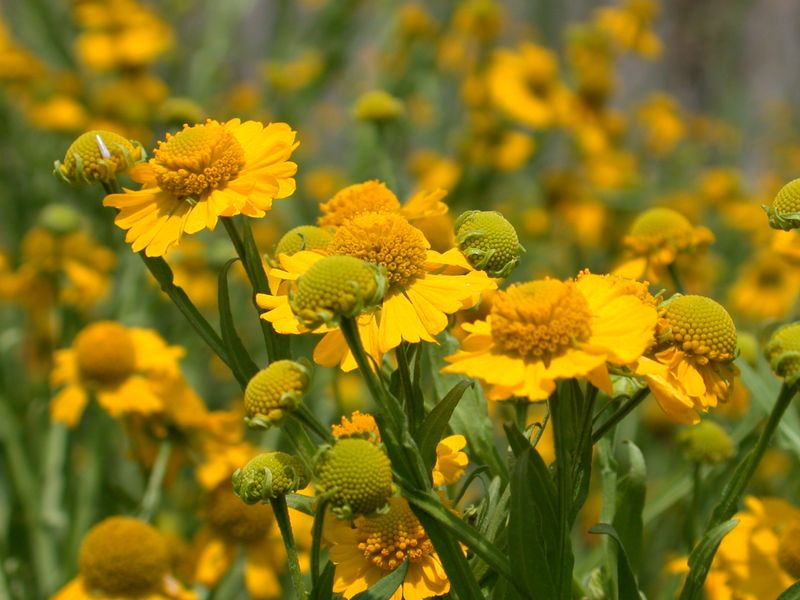
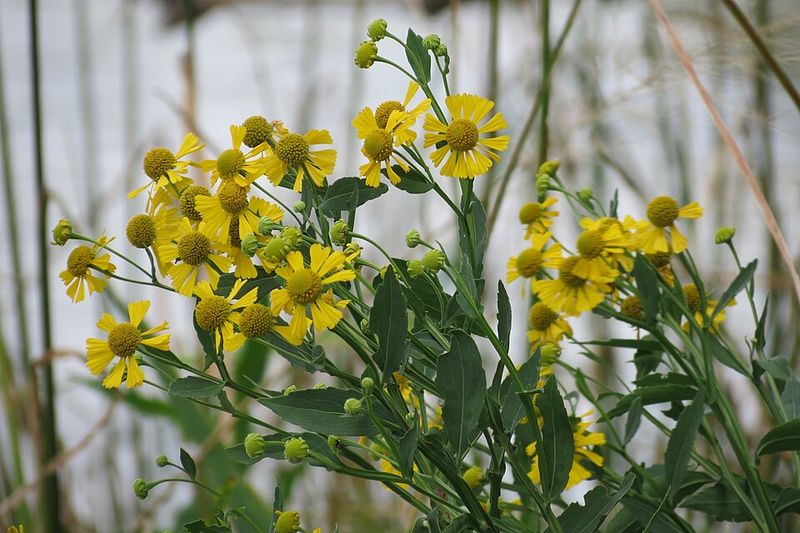
Picture a burst of golden sunshine growing straight from the ground, and you have Virginia Sneezeweed. Known scientifically as Helenium virginicum, this striking native wildflower grows in wetland meadows and boggy areas across the Shenandoah Valley.
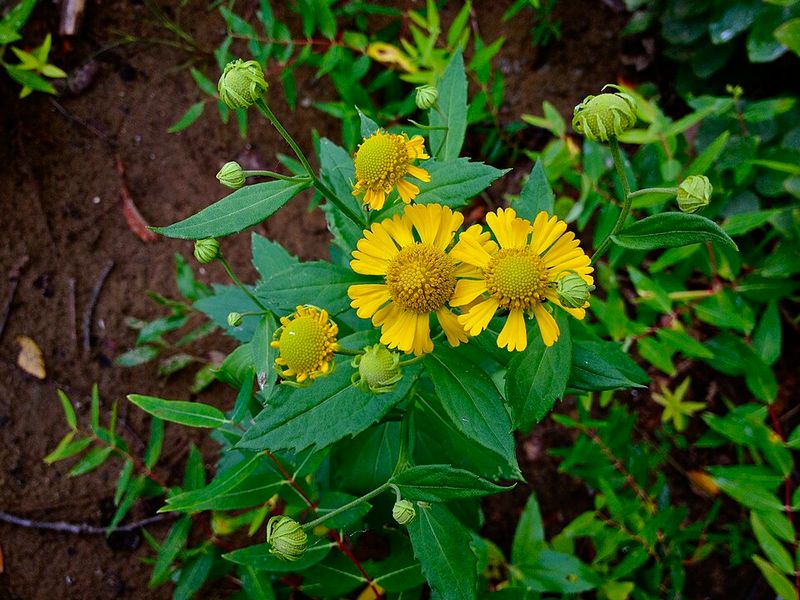
Its cheerful yellow petals surround a raised, dome-shaped center that makes it easy to spot among other plants.
Despite its funny name, Sneezeweed does not actually make people sneeze. The name is believed to come from an old practice of drying the leaves and using them as snuff, which was said to trigger sneezing.
Early settlers believed sneezing could rid the body of evil spirits, so the plant earned quite a quirky reputation.
Helenium virginicum is found in only a small handful of counties, with its core range centered in Virginia and limited additional populations documented elsewhere.
It is listed as a federally threatened species, meaning scientists and conservationists take its survival seriously. The plant typically blooms from late summer into early fall, producing flowers that attract native bees and butterflies.
Standing roughly knee to waist height, this wildflower has lance-shaped leaves that alternate along its stem. Its roots prefer moist, acidic soils near streams and seasonal wetlands.
Learning what this plant looks like is the first step toward appreciating why its comeback matters so much to Virginia’s natural heritage.
How Virginia Sneezeweed Nearly Disappeared
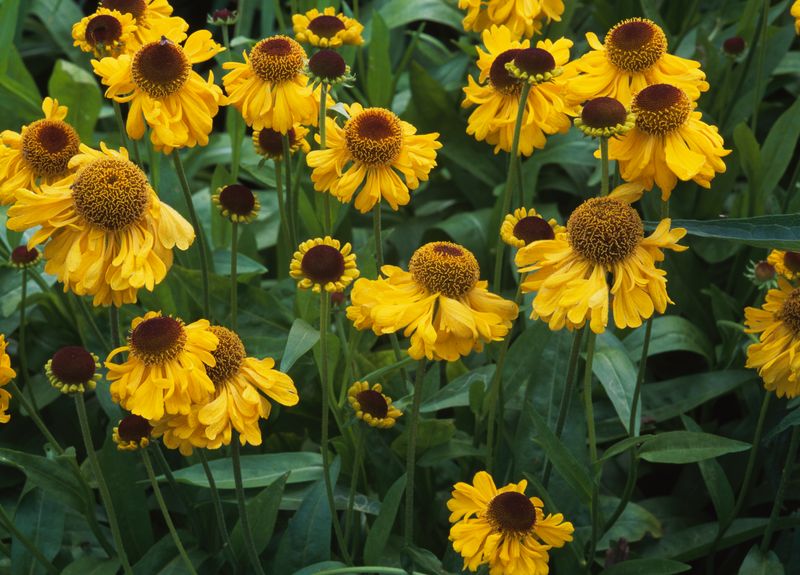
Losing a species does not happen overnight. For Virginia Sneezeweed, the decline unfolded slowly across decades as wetlands were drained, farmed, and developed into neighborhoods and roads.
Seasonal wet meadows, the exact habitat this plant depends on, shrank dramatically throughout the twentieth century.
Agricultural practices played a major role in the plant’s disappearance. Farmers drained boggy fields to make them more productive, unknowingly destroying the precise conditions Helenium virginicum needed to survive.
Grazing livestock also trampled young plants before they could flower and set seed. Invasive plant species made matters worse by crowding out native wildflowers.
Plants like reed canary grass and multiflora rose spread aggressively through disturbed wetlands, leaving little room for Sneezeweed to establish itself.
Your Virginia Garden Changes Every Week. Your Plan Should Too.
Gardening in Virginia changes quickly throughout the season. Every Friday you’ll receive a simple weekly plan showing exactly what to plant, prune, fertilize, harvest, and protect so you never miss the right timing.
Competition for sunlight, water, and nutrients became overwhelming for this already struggling species. By the late twentieth century, reportedly fewer than twenty natural sites still supported the plant, according to early surveys.
The numbers were alarming enough to trigger federal protection under the Endangered Species Act, placing Helenium virginicum on the threatened species list in the 1990s.
That decision marked a turning point, pushing conservation efforts into high gear and giving botanists the legal tools needed to protect remaining populations from further harm.
Conservation Efforts That Supported Its Recovery
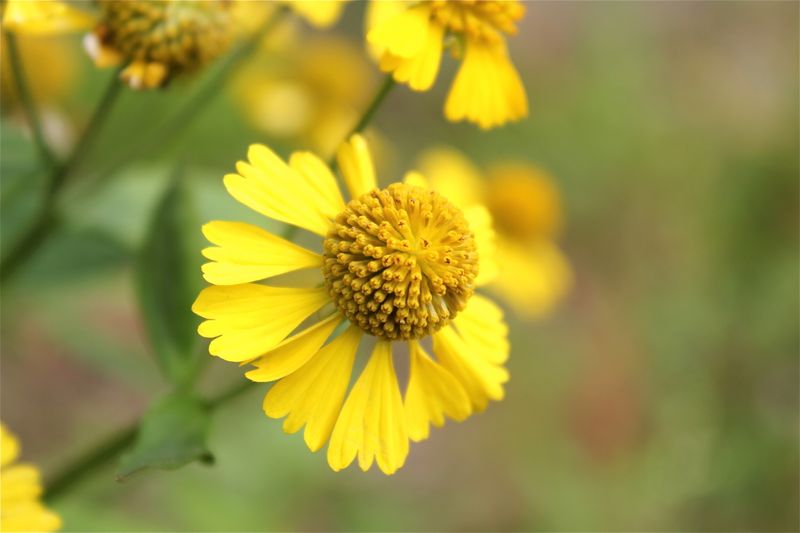
When a species teeters on the edge, dedicated people make all the difference. The U.S. Fish and Wildlife Service, Virginia Department of Conservation and Recreation, and several university research teams joined forces to create a recovery plan for Virginia Sneezeweed.
Their collaborative approach became a model for protecting rare native plants. Seed banking was one of the first priorities. Scientists carefully collected seeds from surviving wild plants and stored them in climate-controlled facilities to preserve genetic diversity.
Those saved seeds became the foundation for future restoration plantings across the Shenandoah Valley region.
Habitat restoration followed seed collection efforts. Conservation crews worked to restore drained wetlands by removing drainage tiles and allowing natural water levels to return.
Invasive plants were cleared by hand and with targeted treatments, giving native species room to reestablish themselves over time.
Private landowners became unexpected heroes in this story. Some farmers voluntarily modified grazing practices and fenced off sensitive areas after learning about the rare plants growing on their land.
Conservation easements helped protect key sites permanently, ensuring future generations could still find Sneezeweed blooming in its native habitat.
Public awareness campaigns hosted at nature centers and schools helped spread the word about why this small yellow flower deserved protection.
Each small action added up to something meaningful, proving that community involvement is just as important as scientific expertise when saving a species.
Where Virginia Sneezeweed Is Blooming Today
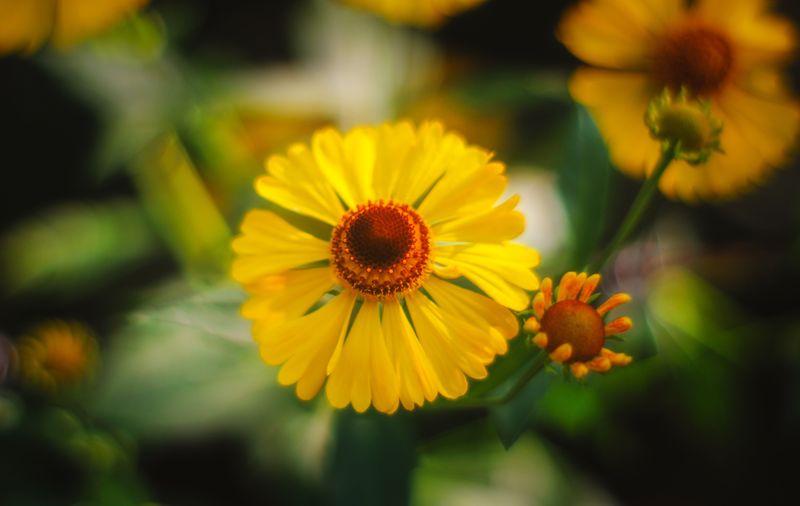
Spotting Virginia Sneezeweed in the wild today feels like witnessing a notable recovery. Known populations are concentrated within the Shenandoah Valley, where restored wetlands now support hundreds of blooming plants.
Seeing those golden flowers return to a landscape that nearly lost them is genuinely moving. Some of the strongest recovery sites are found on protected public lands in the region.
Forest managers have worked alongside botanists to protect these locations from off-trail foot traffic and unauthorized plant collection. Signage and educational materials help visitors understand what makes these spots ecologically significant.
Private farmland also plays a surprising role in the plant’s current distribution. Several landowners enrolled in conservation programs now host thriving populations on their properties.
These partnerships between private citizens and government agencies demonstrate that land ownership and environmental stewardship can work hand in hand.
New populations have even been discovered in recent years through targeted botanical surveys. Trained volunteers walked wetland corridors carrying field guides and GPS devices, documenting plants that had previously gone unrecorded.
Each new discovery adds to the species’ known range and strengthens arguments for continued habitat protection.
Recent surveys suggest wild populations have grown substantially compared to earlier decades, though exact current site counts vary by source. Virginia Sneezeweed is reestablishing itself across restored habitat in the region.
The Role Of Pollinators In Virginia Sneezeweed’s Comeback
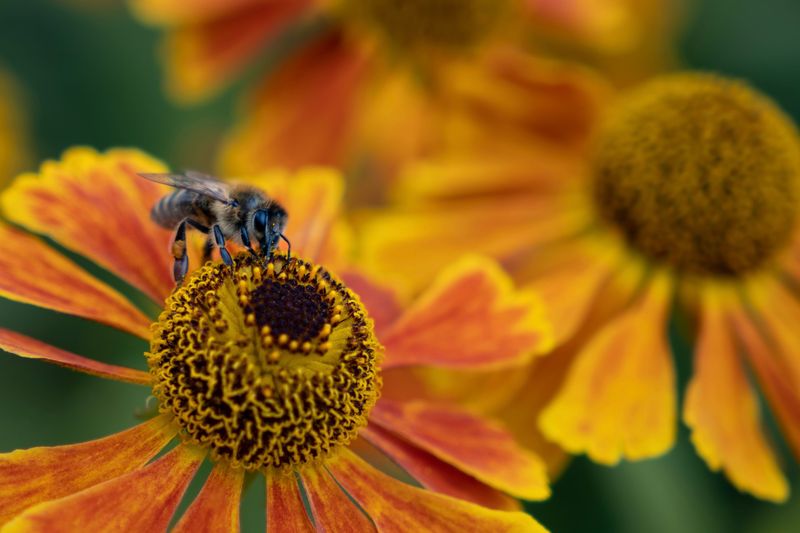
Pollinators play an essential role in Virginia Sneezeweed’s reproduction. Native bees, including bumblebees and sweat bees, are among the most frequent visitors to its golden blooms.
These pollinators transfer pollen between flowers, enabling the plant to produce the seeds needed for population growth.
Butterflies also play a meaningful role in the pollination network surrounding Sneezeweed. Butterflies commonly associated with late-summer wetland flowers, including swallowtails and skippers, are also thought to visit its blooms.
Their visits help connect isolated plant populations across the landscape. The relationship between pollinators and Sneezeweed is mutually beneficial.
The plant provides nectar and pollen as food sources during a critical late-season window when many other wildflowers have already finished blooming. In return, pollinators help the plant reproduce and spread to new areas over time.
Pollinator decline posed an additional threat to Sneezeweed’s recovery. As native bee populations dropped due to pesticide use and habitat fragmentation, fewer insects were available to carry pollen between plants.
Conservation efforts now include creating pollinator corridors, strips of native flowering plants that connect restored wetland sites. Planting native meadow gardens near Sneezeweed populations has boosted insect diversity in surrounding areas.
Gardeners who plant native species at home indirectly support Virginia Sneezeweed’s recovery by sustaining the pollinator communities that keep this rare wildflower alive and reproducing season after season.
How You Can Help Virginia Sneezeweed Thrive
Helping a threatened species does not require a biology degree. Everyday actions taken by ordinary people can genuinely support Virginia Sneezeweed’s continued recovery across the region.
Knowing where to start makes the whole process feel manageable and rewarding. Supporting local land trusts and conservation organizations is one of the most effective things anyone can do.
These groups acquire and protect wetland habitats where Sneezeweed and other rare species live. Donating, volunteering, or simply spreading the word about their work amplifies their impact significantly.
Planting native species in home gardens builds habitat for the pollinators that Sneezeweed depends on for reproduction.
Choosing plants like native goldenrod, ironweed, and joe-pye weed creates a late-season buffet for bees and butterflies in your own backyard. Every native plant added to a landscape is a small investment in regional biodiversity.
Participating in citizen science programs helps researchers track rare plant populations across Virginia. Apps like iNaturalist allow anyone with a smartphone to photograph and report wildflower sightings, contributing real data to conservation databases.
Trained botanists review these reports and use them to guide fieldwork and habitat protection decisions. Avoiding off-trail hiking in known wetland areas protects fragile plant communities from accidental trampling.
Reporting illegal plant collection to wildlife authorities also helps. Each thoughtful choice, no matter how small, contributes to a future where Virginia Sneezeweed blooms freely across its native wetlands for generations ahead.
What Virginia Sneezeweed’s Recovery Teaches Us
This case illustrates that species recovery is achievable with sustained effort. Virginia Sneezeweed has become exactly that kind of story for botanists, conservationists, and nature lovers across the mid-Atlantic region.
Its comeback carries meaning far beyond one small yellow flower. The plant’s recovery demonstrates what targeted, science-based conservation can achieve over time.
Federal protection, habitat restoration, seed banking, and community engagement all worked together to support Helenium virginicum’s recovery.
That combination of tools offers a replicable blueprint for other threatened native plants facing similar pressures.
Schools and nature centers across Virginia now use Sneezeweed as a teaching example for environmental science classes. Students learn about the Endangered Species Act, wetland ecology, and pollinator biology all through the lens of this one resilient wildflower.
Connecting young people to local conservation success stories builds the next generation of environmental stewards.
Broader awareness of native plant conservation has grown alongside Sneezeweed’s recovery. Gardeners, farmers, and community planners are increasingly choosing native species for restoration and landscaping projects throughout the state.
That cultural shift matters enormously for the long-term health of Virginia’s ecosystems. The story of Virginia Sneezeweed proves that patience, collaboration, and genuine care for the natural world can reverse even serious ecological damage.
When golden blooms appear each late summer across restored wetlands, they serve as evidence that sustained conservation efforts can reverse population decline.