This Crape Myrtle Step Is Easy To Miss Before Winter Pruning In Georgia
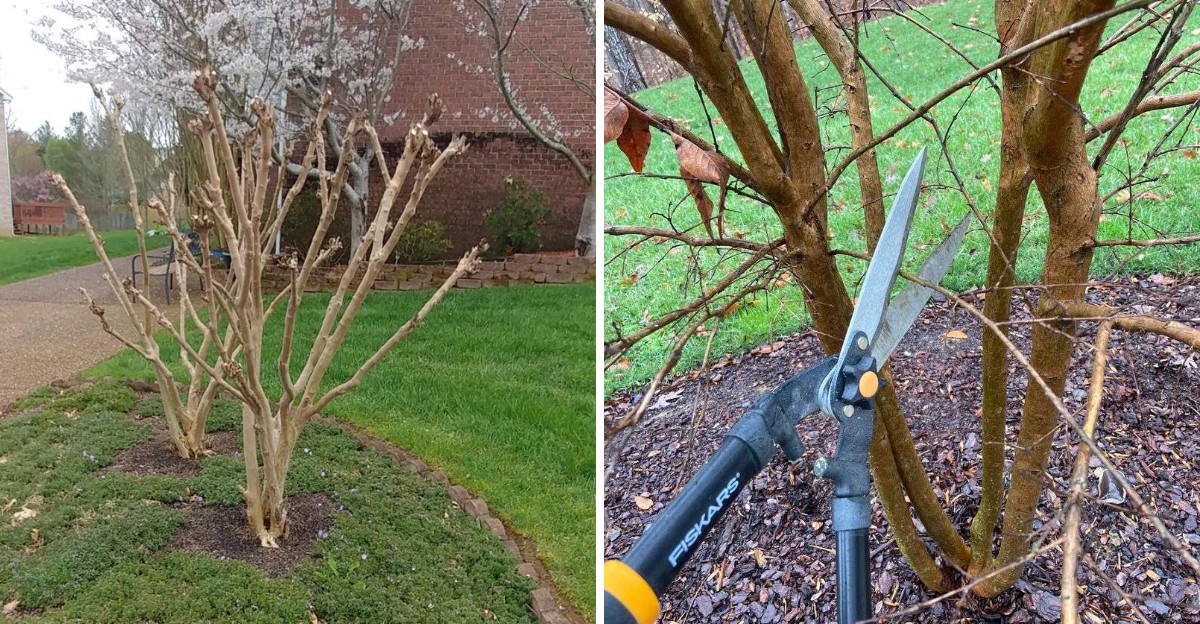
Some of the best flowering trees in the South bloom on wood that does not even exist yet in January. That means the branch you cut this winter is not hiding next summer’s flowers at all.
I love that little fact because it takes the panic out of pruning. It also explains why so many trees in Georgia end up chopped into knobby stumps for no real reason.
You’re in for a surprise if you have been reaching for the loppers first.
The smartest move happens before a single blade touches bark, and it takes nothing but your eyes and a few quiet minutes.
I skipped it for years and paid for it with crowded, tangled branches. What exactly should you be looking for out there on a chilly afternoon?
1. A Slow Walk Around Your Crape Myrtle Comes Before Any Cut
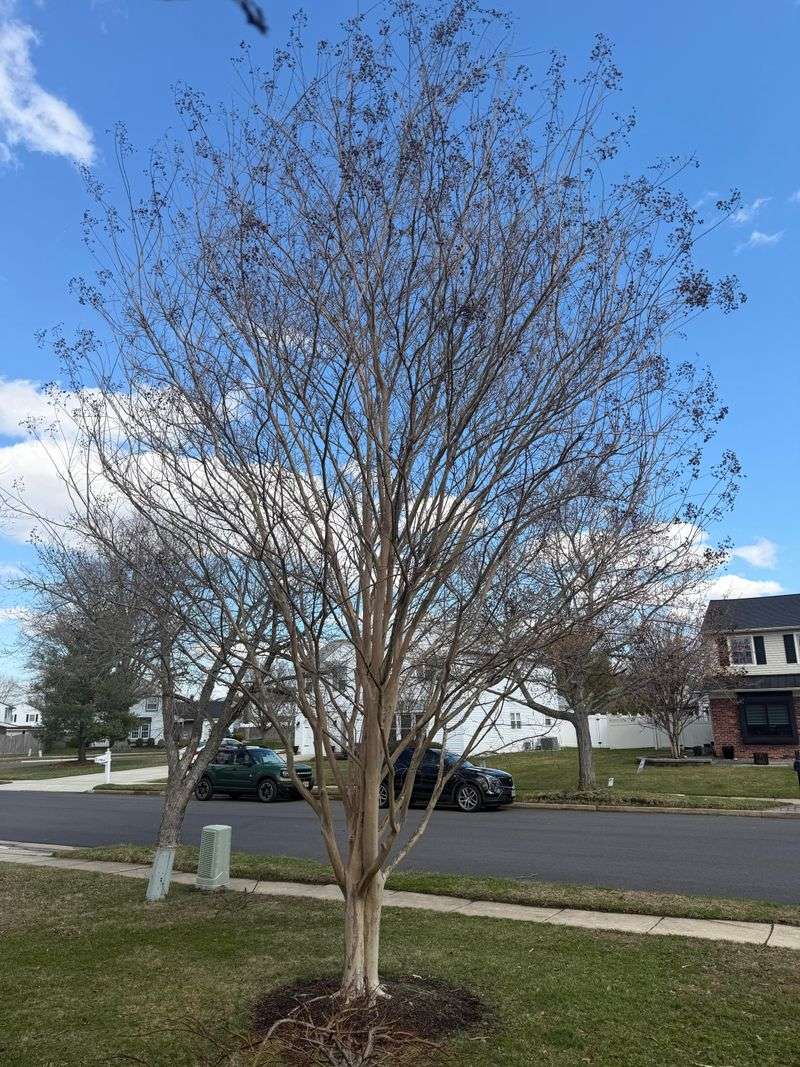
Most pruning mistakes start with eager hands, not bad tools. The step so many of us skip is a careful look at the whole tree while it stands bare and leafless.
Winter is the perfect moment for this. With the leaves gone, every branch, trunk, and crossing limb shows up clearly, almost like an X-ray of your crape myrtle.
Start by backing up 15 or 20 feet. Walk a full circle around the tree and notice its overall shape.
Is it leaning? Is one side heavier?
Are there trunks that seem to crowd the center?
Next, step closer and look up into the canopy. You want to spot rubbing branches, broken twigs, and shoots heading straight into the middle of the tree.
I like to tie a scrap of ribbon on anything I plan to remove. It sounds fussy, but it keeps me honest.
Once you see five ribbons instead of fifty, you realize how little cutting the tree actually needs.
Remember, you can take off more later, but you cannot glue a branch back on. A ten-minute inspection protects years of natural growth and keeps you from making cuts you will regret by June.
2. Those Big Crape Myrtle Trunks Usually Need No Topping At All
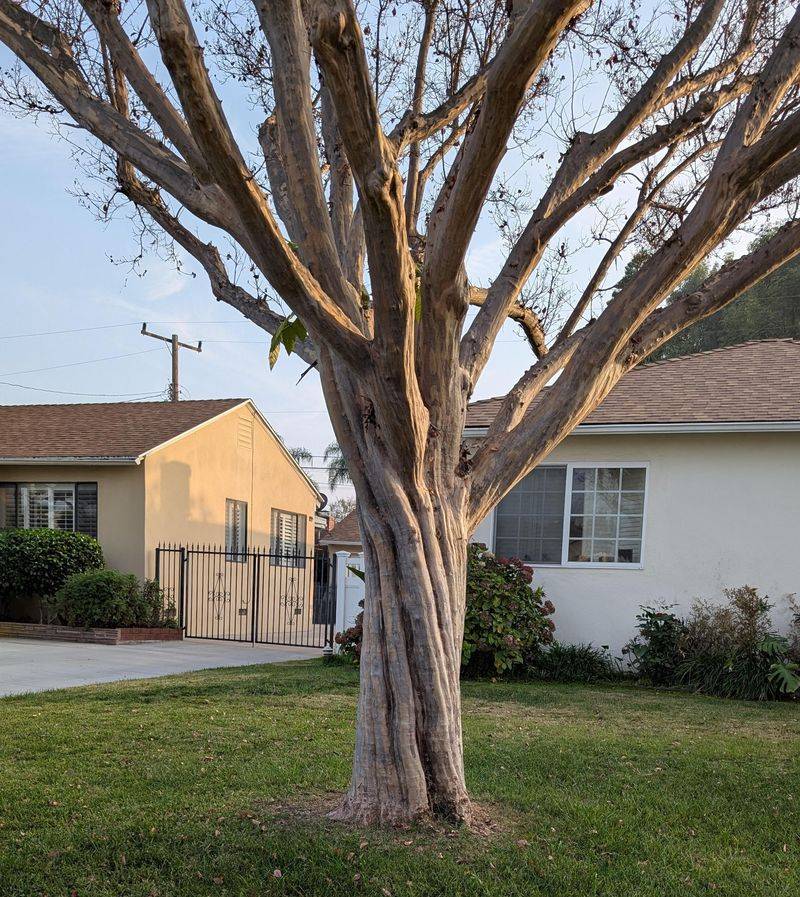
Here is the surprise that changes everything. After a good inspection, many healthy crape myrtles need very little pruning, and some need almost none.
UGA Extension experts point out that crape myrtles bloom on new growth from the current season. That means you do not have to hack back main trunks to get flowers.
The tree will bloom on fresh shoots no matter what.
A mature crape myrtle naturally forms an open vase with several trunks. Its smooth, peeling bark in shades of tan, cinnamon, and gray is one of the best winter features in a Southern yard.
So the real goal is gentle editing. Remove what is broken, crowded, or growing the wrong way, then step back and admire it.
If your tree has room to grow, you might only trim a few small twigs this year. That is a perfectly fine result.
I find this freeing. Instead of a weekend wrestling with a ladder, you might spend thirty minutes and call it done.
Your tree keeps its graceful structure, and your neighbors get to enjoy those handsome trunks all winter long.
3. Suckers, Water Sprouts, And Crossing Branches Make The Real Hit List
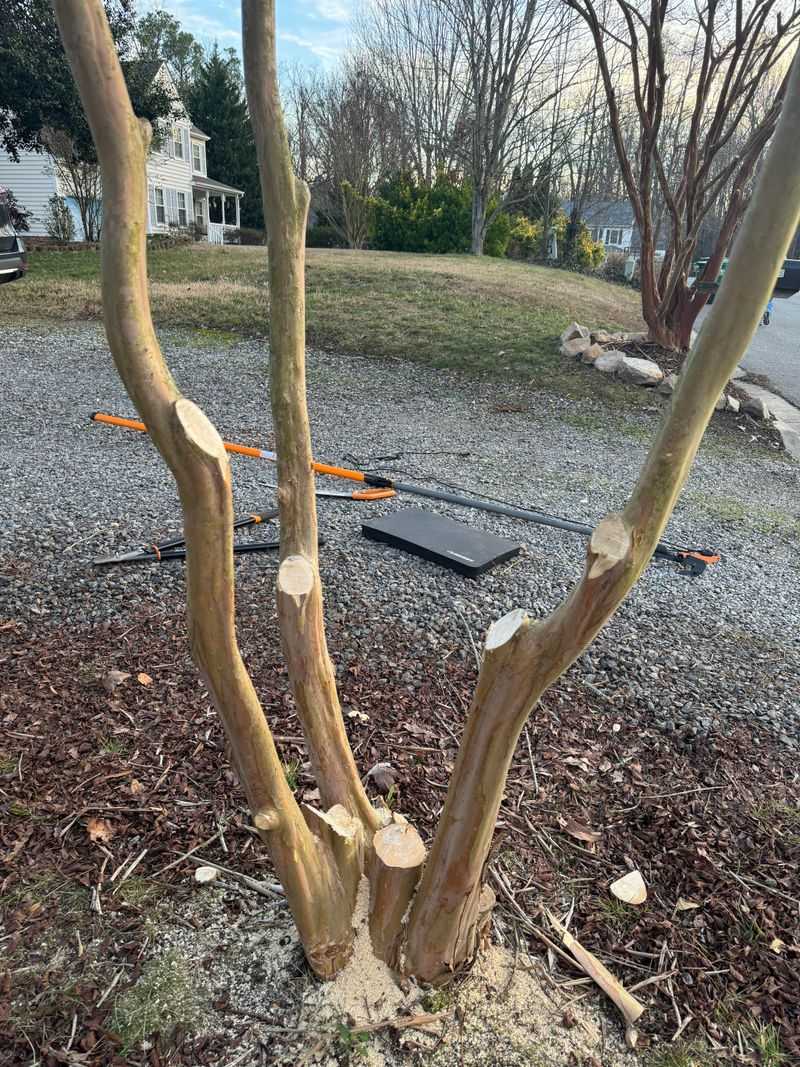
Picking the right branches is a bit like cleaning out a closet. You keep the good stuff and only toss what is truly in the way.
First, check the base. Thin shoots popping up from the roots or lower trunk are called suckers.
Snip them off flush with the trunk or ground.
Next, look for water sprouts. These are skinny, straight-up shoots growing from larger limbs.
They crowd the canopy and rarely add to the tree’s shape.
Then tackle damaged wood. Cut broken or diseased branches back to healthy tissue or to the point where they join a bigger limb.
Finally, find branches that cross or rub. Bark wounds from rubbing can let in decay, so remove the weaker one of the pair.
Make clean cuts just outside the branch collar, the slightly swollen ring where a branch meets a larger one. Leave no stubs behind.
For small twigs, sharp bypass pruners work great. Use loppers for thicker pieces and a pruning saw for anything bigger than your thumb.
Clean, sharp blades produce smoother cuts that help the tree seal its wounds and make the job much easier on your hands.
4. White Felty Spots On Crape Myrtle Bark Deserve A Closer Look
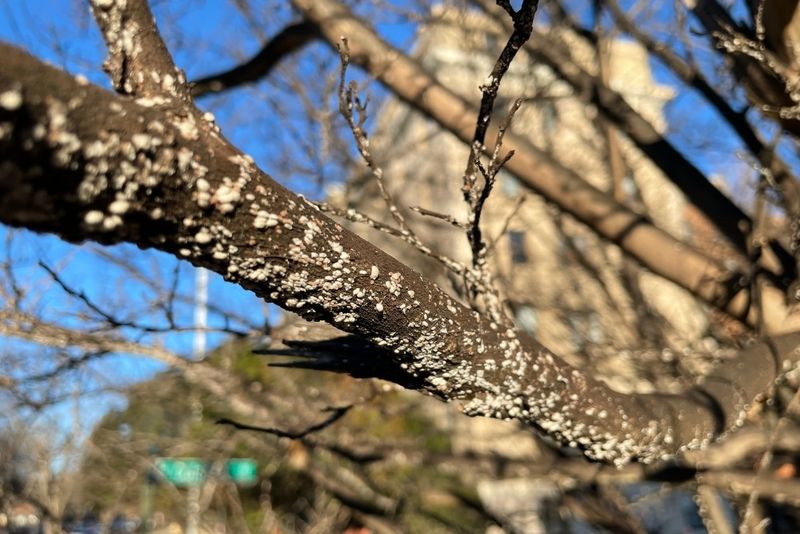
During your inspection, you might notice something odd on the bark. Small white or gray fuzzy bumps, sometimes with black sooty coating nearby, often point to crape myrtle bark scale.
This sap-feeding insect has spread across much of the Southeast, including many parts of Georgia. The black film comes from sooty mold growing on the sticky honeydew the insects leave behind.
Spotting it early matters. Gently pressing a white bump may release a pinkish fluid, which is a classic sign of this scale.
If you find it, scrubbing reachable trunks with a soft brush and mild soapy water can reduce the population and clean off sooty mold. Extension specialists also mention horticultural oil during dormancy and other treatments timed for the growing season.
Check your local county Extension office for current treatment advice before spraying anything. Rules and product recommendations can change.
Also look for oozing spots, cracked bark, or tiny holes that could signal other trouble. A stressed tree from drought or pests handles heavy pruning poorly.
Solving the problem first gives your crape myrtle a much better start when spring growth kicks in.
5. Late Winter Is When Pruning Shears Belong On Crape Myrtles
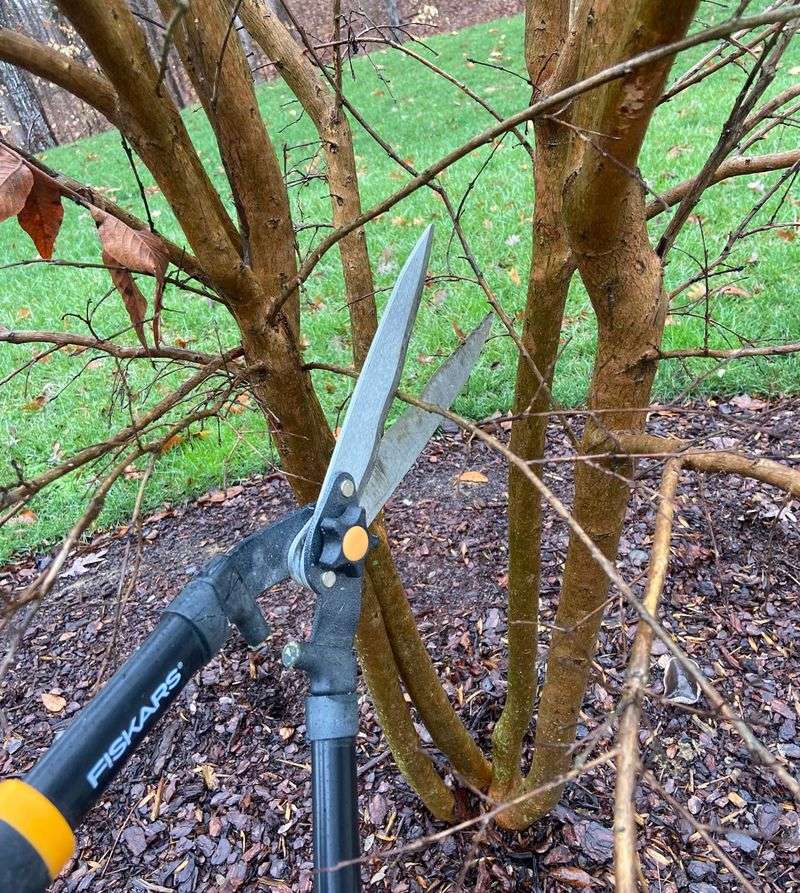
Timing can make or break this whole project. In Georgia, the sweet spot usually falls in late winter, roughly late January through February, before new buds start to swell.
The tree is dormant then, so it handles cuts with less stress. You also get that clear, leafless view of every branch you studied during your walk-around.
Fall pruning is a different story. Cutting too early can encourage tender new shoots, and a hard freeze can then damage that soft growth.
Waiting too long into spring has its own problems. Once leaves emerge, the tree has already spent energy pushing out growth you might remove.
Regional differences matter too. Gardeners in the North Georgia mountains often see later cold snaps than folks near Savannah or Valdosta.
Watch your local forecast and the tree itself.
A quick tip I love is picking a dry, mild day. Wet bark can spread fungal spores more easily, and cold fingers make for sloppy cuts.
Honestly, a sunny February afternoon with a cup of coffee and your pruners is one of winter’s small joys. Your tree will thank you with a strong summer show.
6. Knobby Crape Myrtle Stumps Cause More Trouble In Georgia Yards
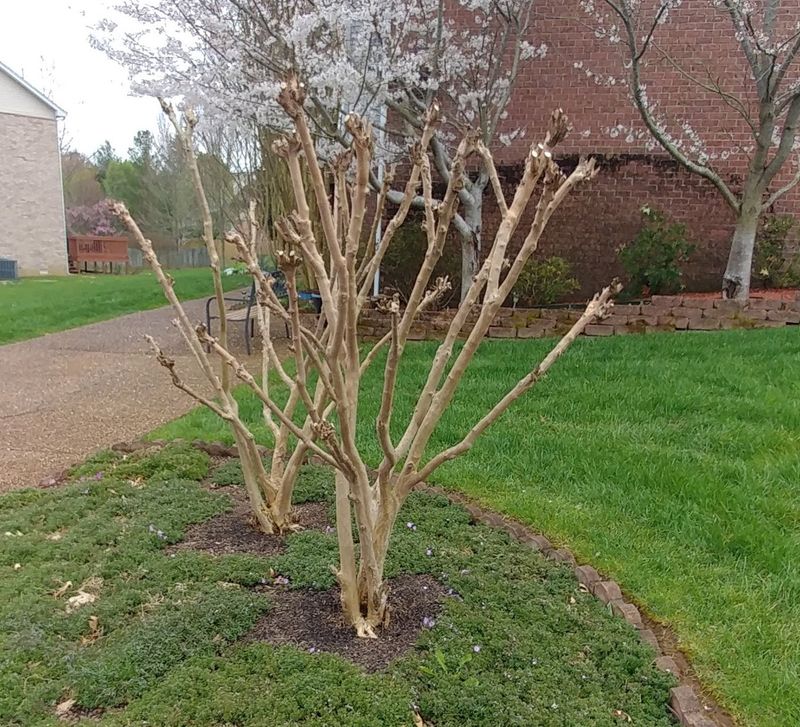
Drive through almost any Southern neighborhood in winter and you will spot them.
Crape myrtles that are sawed off at the same height develop fat knobs at the top after repeated severe pruning.
It looks tidy to some folks, but the tree pays a price. Each year of topping builds swollen knuckles where dozens of thin shoots sprout the next spring.
Those shoots are often weakly attached. Loaded with heavy summer blooms or ice in winter, they can bend over or snap.
Large topping cuts also leave big wounds. Open wood gives decay fungi and some insects an easier way in, and stressed trees may attract pests like ambrosia beetles.
Many people top crape myrtles because they think it boosts flowers. Research and Extension experts note the blooms may get bigger but fewer, while the natural form disappears.
If you already have a topped tree, there is hope. Over a couple of seasons, you can pick a few strong shoots on each knob to keep and remove the rest.
Slowly, a more natural branch structure returns, and that lovely bark gets its moment again.
7. Picking The Right Size Crape Myrtle Saves Years Of Pruning
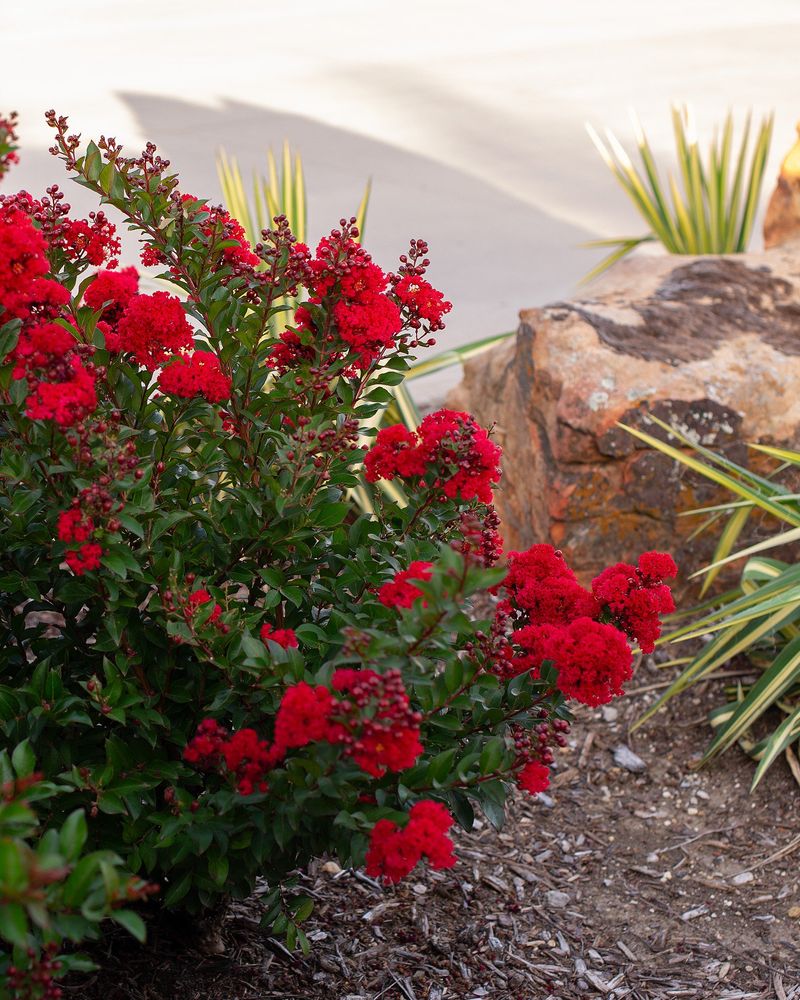
Plenty of heavy pruning starts with one simple mismatch. A tree that wants to reach 25 feet gets planted under a window or beside a driveway.
Crape myrtles come in an impressive range of sizes. Dwarf types stay just a few feet tall, while larger cultivars like Natchez can tower over a two-story home.
Before planting, check the tag for mature height and spread, not the size in the pot. Then measure your space and leave room for growth.
Planting time in Georgia tends to work well from fall through early spring, giving roots a head start before summer heat arrives. Water regularly that first year.
If your current tree is simply too big for its spot, you have choices. You can embrace it as a tall shade tree, gradually train it, or replace it with a better-fitting variety.
My biggest takeaway is simple. That pre-pruning walk-around is not only about this winter.
It teaches you how your tree grows, what it needs, and whether it truly belongs where it stands. Spend those quiet minutes looking, and your crape myrtle will mostly prune itself into beauty.