Why Buffelgrass Is a Fire Risk for Arizona Homes and How to Remove It
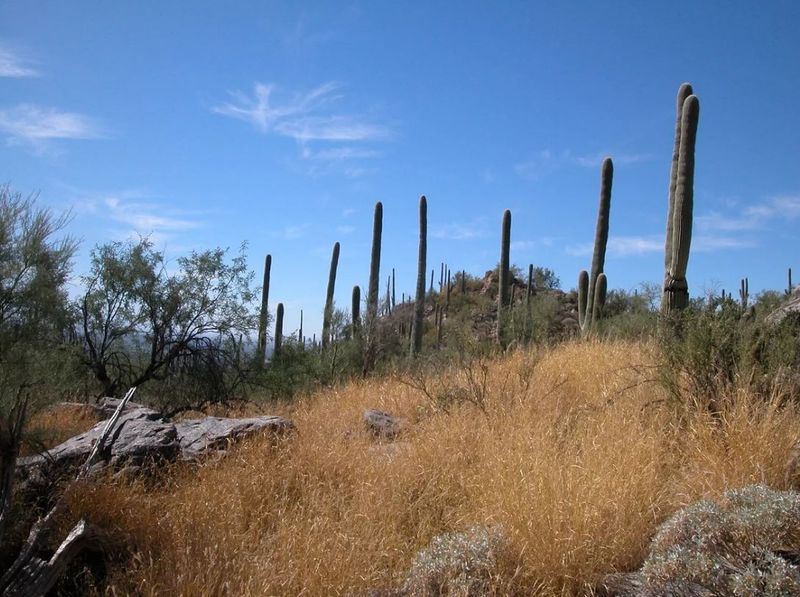
Buffelgrass is a fire risk for Arizona homes because it can fill the open spaces between desert plants with dry, fine fuel. In the Sonoran Desert, those gaps normally slow a fire down.
Pull out the right grass at the right time, and you can cut down the fuel near your yard. Here is how to spot it, remove it, and keep it from coming back.
How Buffelgrass Can Add Fire Fuel
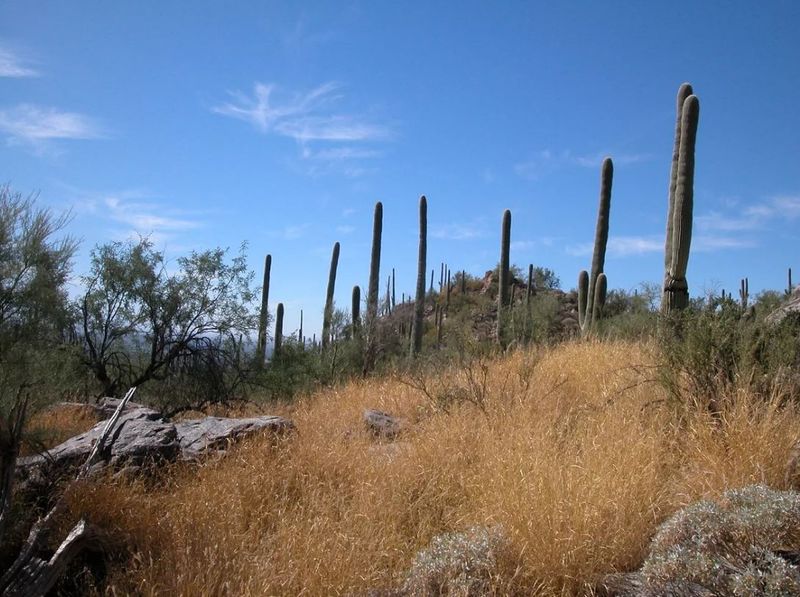
Native desert plants usually grow with bare ground between them, and that spacing makes it hard for a fire to travel. Buffelgrass can fill those gaps with thick clumps of thin, dry grass that burn easily.
The U.S. Forest Service lists it among the nonnative plants tied to changed fuels and more fire in Sonoran desert scrub.
Fine fuels like grass catch fire quickly, and connected patches give flames a path. A fire that once would have fizzled out between shrubs may keep moving.
This is a concern in parts of the Sonoran Desert, not a promise that a particular home will burn.
Your own risk depends on how much fuel is around, the weather, the slope of your lot, and what else grows nearby. Some lab and field burns have shown very hot fires from buffelgrass, but those results come from studied conditions, not forecasts for your yard.
Think of them as a reason to pay attention, not a reason to panic.
Identify Buffelgrass Before You Dig
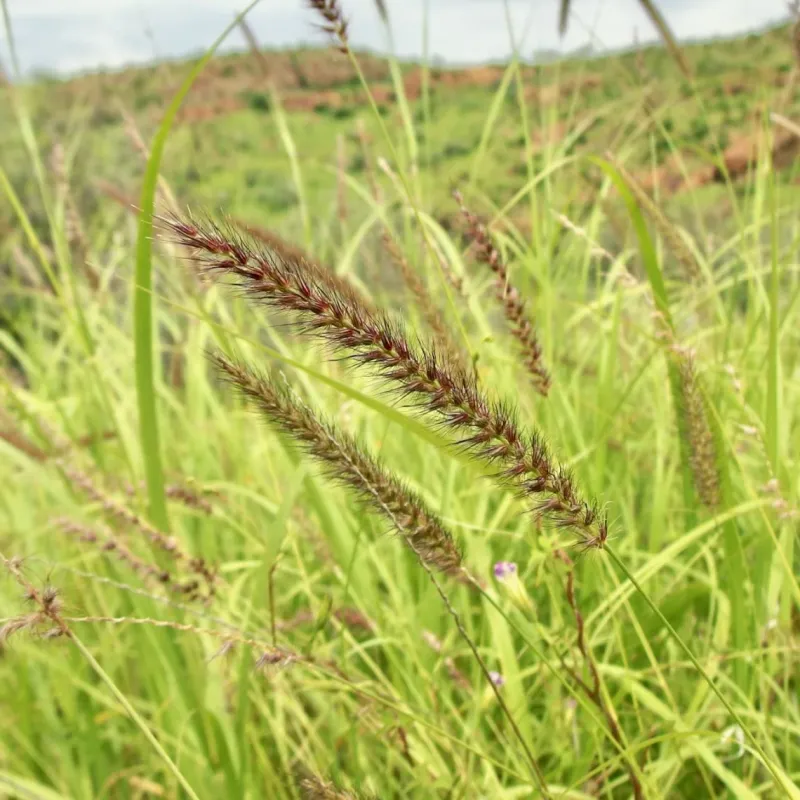
A quick look at the leaves and seed heads can save you from pulling the wrong plant. The University of Arizona’s invasive plants guide describes buffelgrass as having blue-green, hairy leaves and fuzzy seed heads that range from reddish-brown to purple.
It grows in dense clumps and is a warm-season perennial that came from Africa. It spreads by seed and competes with native plants for space and water.
Some grasses look similar. Arizona cottontop and cane bluestem are two look-alikes listed in that same resource, and both can fool a quick glance.
Compare the plant’s leaves and seed heads with photos from a trusted source before you pull anything. If you are still unsure, ask your county Extension office or a local native plant group to help.
A few minutes of checking keeps the right grasses in your yard.
Check Property Lines and Local Rules
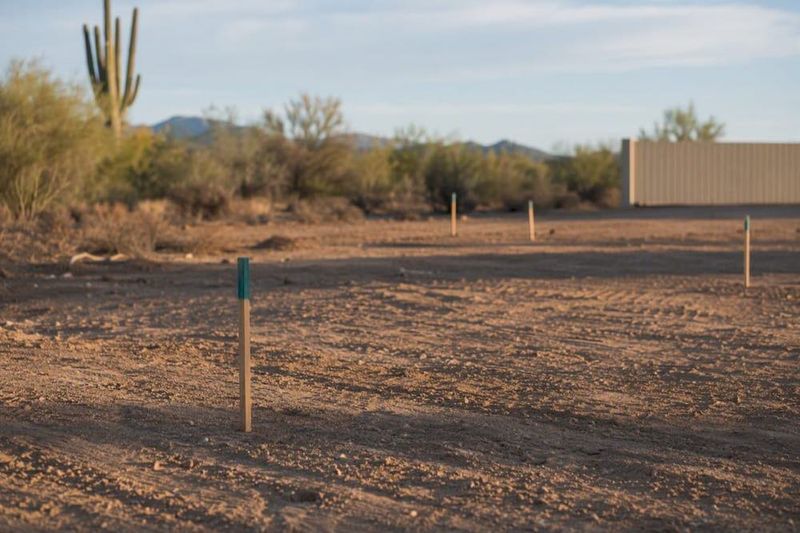
Before you grab a shovel, make sure the grass actually grows on your land. Patches near a fence, a wash, or the street may sit in an easement or public right-of-way.
Check your deed, plat map, or county parcel records if the line is unclear.
Rules can also change from one place to another. Pima County, for example, has its own defensible space FAQ that covers its own situation, including code requirements on Mount Lemmon.
That does not describe the rules for all of Arizona.
The City of Tucson separately requires approval to remove plants in city rights-of-way or easements. Again, that is one city’s rule, not a statewide standard.
Before substantial clearing, call your city, county, or fire district and ask what applies to your lot. Small jobs on your own ground are usually simple, but a quick call is cheap insurance.
Leave public land vegetation alone unless you have permission.
Dig Out Small Patches Carefully
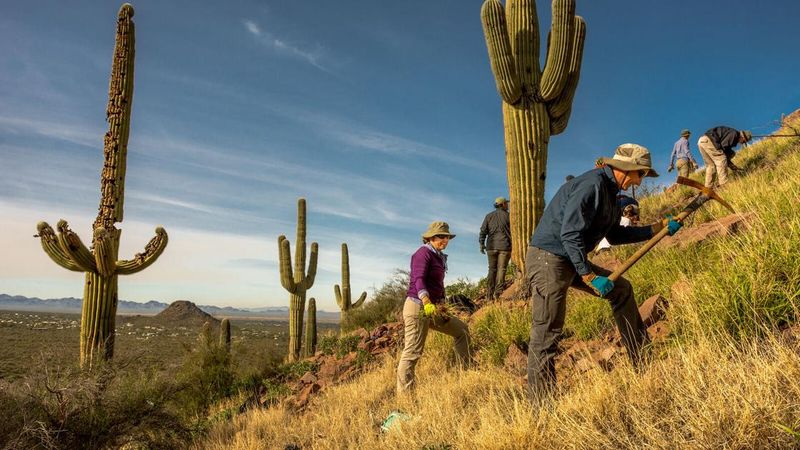
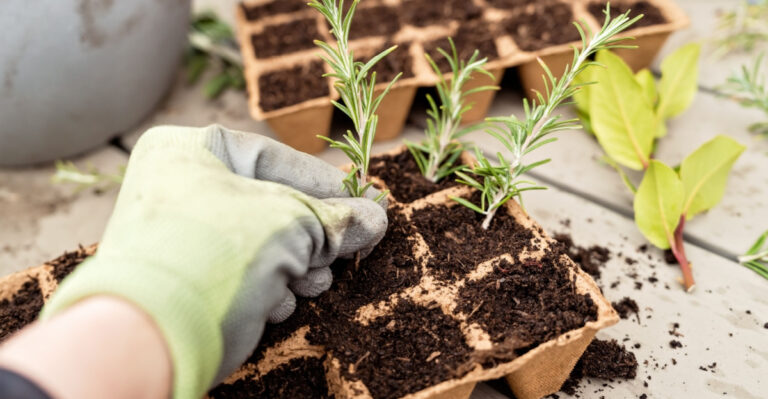
For a small patch, hand removal works well if you get the whole root ball. University of Arizona Cooperative Extension suggests a digging bar, pickaxe, mattock, or shovel.
Snapping off the top leaves roots behind, and the plant can sprout again.
Wear leather gloves, since the grass and the tools can be rough on hands. Also check under each plant for animals before you swing a tool.
Desert clumps can shelter snakes, scorpions, and other wildlife.
Keep this method for small patches. Large stands are hard work and may call for other help, such as a local weed management group.
Digging also does not guarantee lasting control. Seeds may already be in the soil, so plan to look at the spot again.
Bare ground left behind can invite erosion and new weeds, so dig only what you need.
Use Herbicide With Care
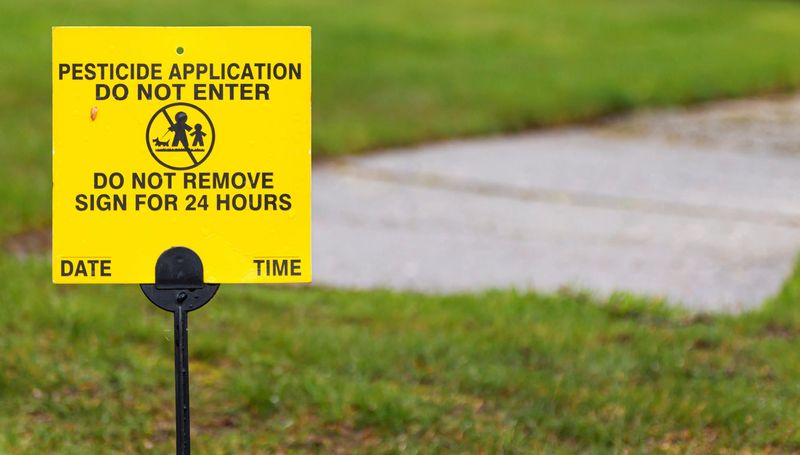
Herbicide is an option, not a first move. University of Arizona Extension recommends glyphosate only when buffelgrass is at least 50 percent green and actively growing.
Dry, brown plants will not take it up well, so timing matters.
Skip any generic mix or dose you find online. Products differ, so follow the specific label on the one you buy.
The label also tells you what protective gear to wear.
Weather matters too. The EPA advises against spraying outdoors in windy or rainy conditions and urges steps to prevent drift and runoff.
Apply carefully so the product stays on the buffelgrass and off nearby native plants. Drift can harm plants you want to keep.
As with digging, one treatment does not guarantee the patch is gone.
Bag Removed Plants and Check for Regrowth
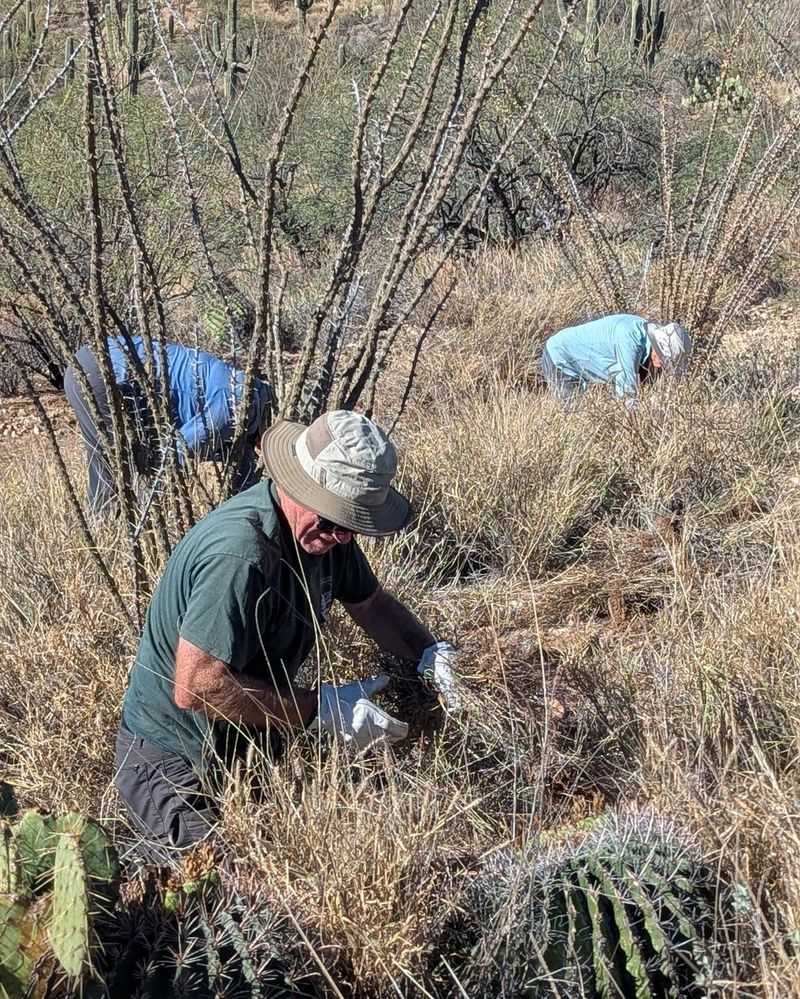
Once the plants are out, bag them. Extension says to put pulled buffelgrass in the regular trash rather than green waste.
That keeps seeds from spreading through compost or yard waste piles.
Then expect to come back. Seeds can stay viable for years, and plants can return after treatment.
A clean-looking spot in October may sprout again after the next good rain.
Walk the area regularly and look for new seedlings, which are easier to pull when small. Repeat your control as needed.
The Arizona invasive plants resource also recommends repeat work rather than a one-time effort.
No single removal or treatment promises eradication, so treat this as an ongoing chore. Jot down the date of each check on your calendar.
Over time, the patches tend to shrink if you stay with it.
Manage Defensible Space Without Clearing Everything
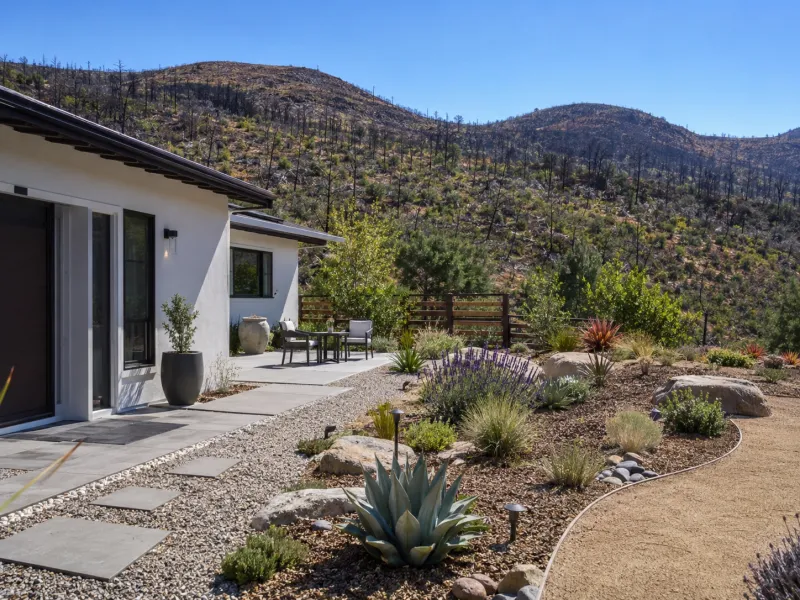
Buffelgrass control is one piece of a bigger plan. University of Arizona Extension’s Firewise guide recommends keeping flammable fuels to a minimum within five feet of structures, measured from the outside edge of eaves and other structures.
That is Extension guidance, not a universal legal rule.
Beyond that zone, distances and treatments depend on your slope, weather, surroundings, and local rules. Your fire district can tell you what applies where you live.
Removing buffelgrass does not mean stripping out native plants. Spaced, well-maintained natives are part of a healthy desert yard, and bare soil can bring erosion and weeds.
In cleared areas away from the house, fast-growing native plants can add competition against returning buffelgrass, as the invasive plants resource notes. These steps reduce a fuel concern, but they cannot promise a home’s safety.
Small, steady upkeep beats one big clearing.