The Green Shoot Growing From Indiana Orchids Right Now Isn’t A New Root
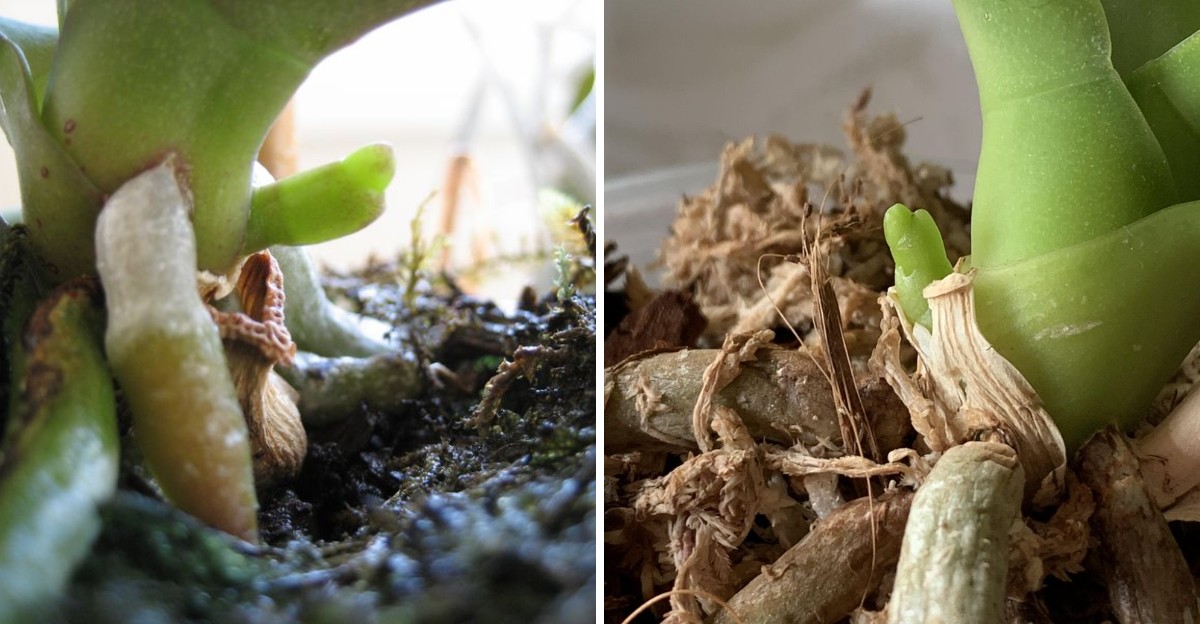
A moth orchid can hold a single flower spike for months, and its blooms often last eight weeks or longer. That whole show starts as a green nub smaller than a pencil eraser.
I’m the first to admit I mistook my first one for a root. I almost tucked it into the bark mix, and I still cringe about it.
Here in Indiana, shorter days and chilly windowsills tell many potted orchids that it’s time to get busy. Cool nights in the low 60s are one of the strongest bloom cues for the popular grocery store types.
That little green bump on your plant deserves a closer look. Roots and future flowers start out looking a lot alike, and they even point the same way sometimes. Telling them apart early is what lets you help the plant before the window closes.
That Little Green Nub Between Your Orchid Leaves Has Bigger Plans
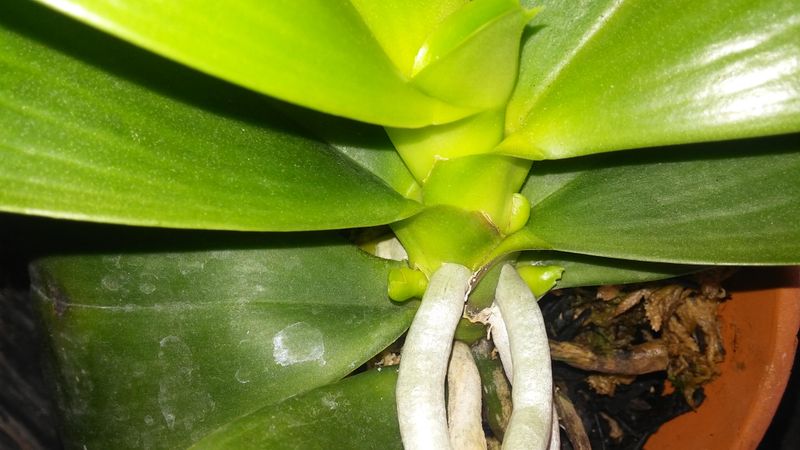
Funny thing is, the orchid in my kitchen window fooled me twice in one winter. Both times, the bump I called a root turned into a flower spike within a month.
On a Phalaenopsis, or moth orchid, flower spikes usually emerge from the stem between the lower leaves. They often poke out from the stem just below a leaf base. Roots can appear in that same zone, which is why so many growers get confused.
Location gives you your first strong hint. A shoot slipping out from under a leaf, especially from an older leaf node, leans toward spike territory. A shoot pushing from the stem base near the bark is more often a root.
Timing helps, too. Moth orchids commonly start spikes from late fall into winter, when indoor nights cool down near windows.
If your plant just finished a bloom cycle many months ago and has several healthy leaves, odds favor a spike. A plant with only two or three tired leaves may be putting energy into roots instead.
Watch quietly for a week or two. The shape of the tip will soon settle the question for you.
A Mitten-Shaped Tip Gives The Flower Spike Away
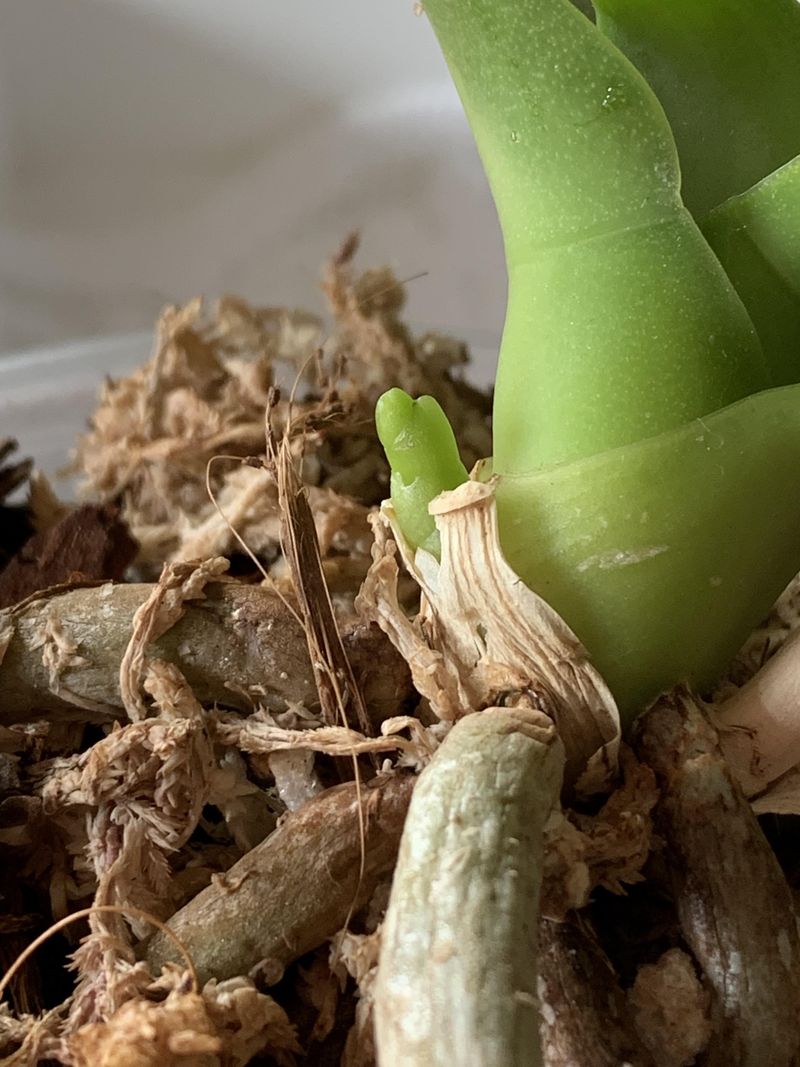
Grab a flashlight and look right at the tip. That tiny end tells you more than anything else on the plant.
A young flower spike usually has a flattened, slightly pointed tip that growers describe as mitten-shaped. It looks a bit like a thumb tucked against fingers inside a glove. Roots, by contrast, have a smooth, round, bullet-like tip.
Texture matters as well. A spike looks green all the way down and has no silvery coating. As it lengthens, you will spot small papery sheaths called bracts wrapped around it at intervals, marking the nodes.
Roots develop a silvery-white or grayish layer called velamen behind the growing tip. That spongy coat soaks up water fast, and it turns green when wet.
Color can mislead you, so use it carefully. Some moth orchids grow reddish or purplish spikes, and some root tips have a reddish glow too, depending on the variety.
My quick test is simple. Round and silvery behind the tip means root, while flat, pointed, and evenly green means bloom. Snap a photo each week, and you will see the difference sharpen fast.
Real Orchid Roots Wear A Silvery Velamen Coat
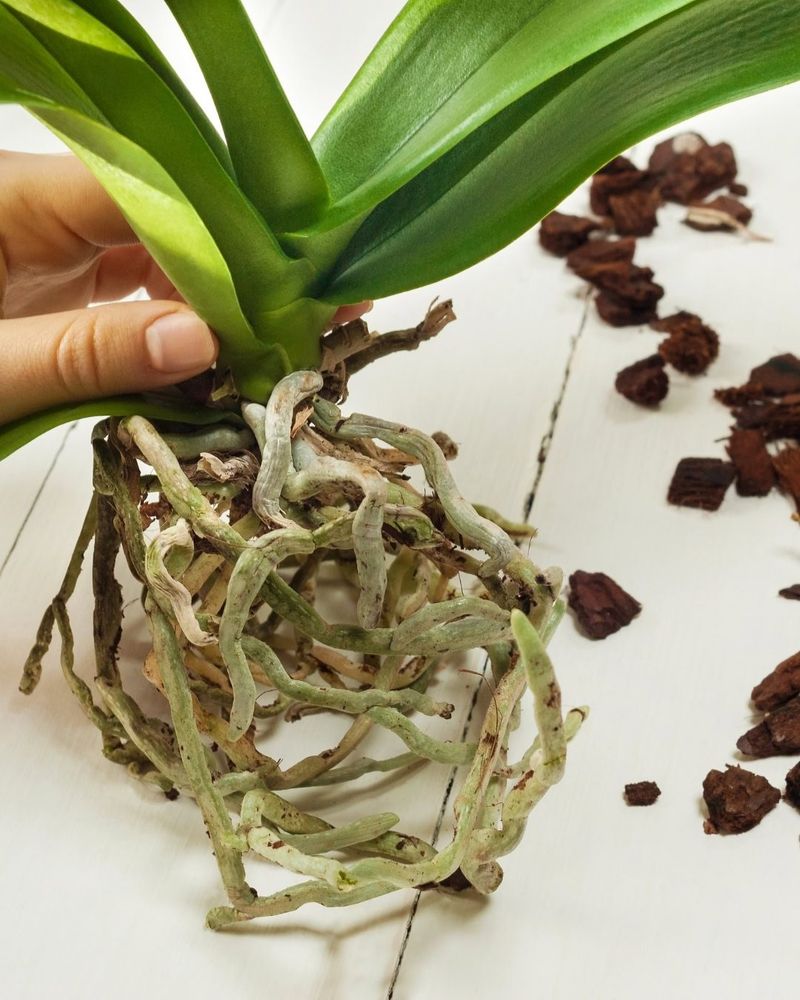
Ever notice how a healthy orchid root looks almost like it has been dipped in silver paint? That coating is the velamen, and it is the root’s own sponge.
Moth orchids grow on tree branches in the wild, so their roots are built to grab bark and catch rain quickly. The velamen is a layer of empty cells that absorbs water within seconds. Dry roots look silvery gray, while freshly watered ones turn green.
New roots start with a shiny green or reddish tip. Behind that tip, the silvery layer forms as the root grows longer.
Direction is not a reliable clue. Aerial roots can wander up, sideways, or out over the pot edge, and that is normal behavior for these plants.
Please resist trimming healthy aerial roots. They help the plant take in moisture and support photosynthesis, especially the greener ones.
Firm roots are a great sign, while mushy brown roots often point to overwatering or old, broken-down bark. A clear pot makes checking roots easy, so you can spot trouble without unpotting your plant.
Cooler Indiana Windowsills Help Trigger Orchid Spikes
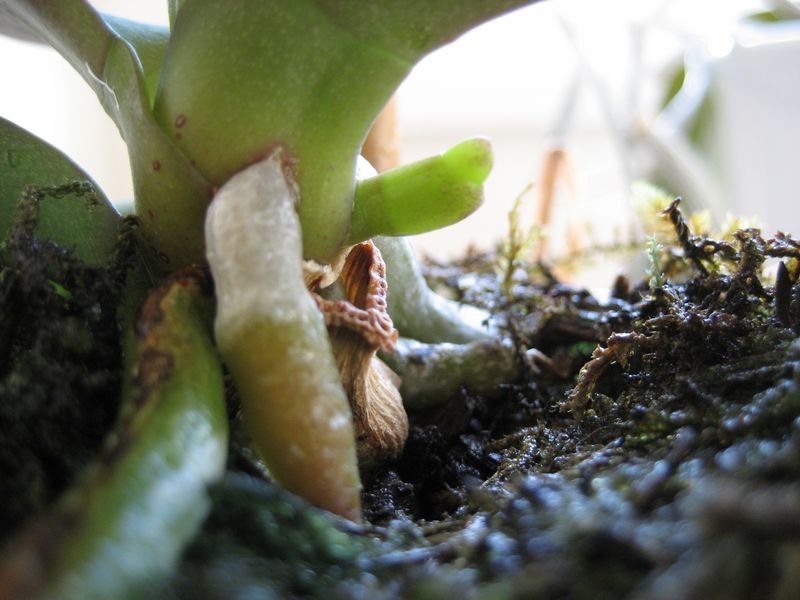
Here’s a fact that surprised me as a newer grower. Many moth orchids need a temperature drop to start a spike.
Research and orchid society guidance point to nights around 55 to 65 degrees Fahrenheit for several weeks as a strong trigger. Warm days paired with those cooler nights signal that bloom season is near.
In Indiana, fall and early winter supply that cue naturally. Windowsills cool off at night as outdoor temperatures fall, and that is often why spikes appear from October through January.
You can help nature along a little. Placing your orchid near an east or south window with bright, filtered light usually works well.
Be careful about extremes, though. Leaves pressed against frosty glass can suffer cold damage, and blasts from heat registers can dry out buds.
If a plant refuses to spike for a year or more, try moving it to a slightly cooler room at night. A spare bedroom with a cracked blind often makes a difference.
Many growers in the northern counties notice drafts sooner than folks down near the Ohio River. Keep a cheap thermometer nearby, and you will learn your home’s rhythm quickly.
Keikis And New Pseudobulbs Can Pop Up Too
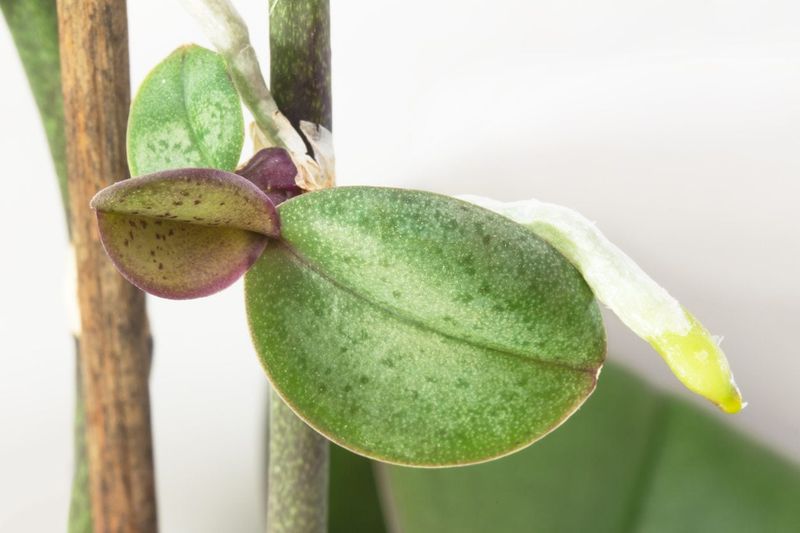
Not every green shoot is a root or a spike. Two other surprises can show up, and both are worth celebrating.
The first is a keiki, a Hawaiian word for baby. A keiki is a tiny clone of the mother plant that sprouts from a node on the stem or an old flower spike.
You will recognize a keiki once it forms small leaves of its own, followed by little roots. Leave it attached until those roots reach about two to three inches long. Then you can snip it free and pot it in fresh bark.
The second surprise appears on different orchid types. Cattleyas, Oncidiums, and Dendrobiums are sympodial, which means they grow sideways and send up new shoots from the base.
Those shoots develop leaves and later swell into pseudobulbs, which store water and food. Many of these orchids bloom from the newest growth once it matures.
Knowing your orchid type clears up a lot of confusion. Check the plant tag, or compare photos online with your plant’s leaves and stems. A moth orchid will not grow pseudobulbs, so that possibility drops off fast.
Stake That Growing Orchid Spike Before It Wanders
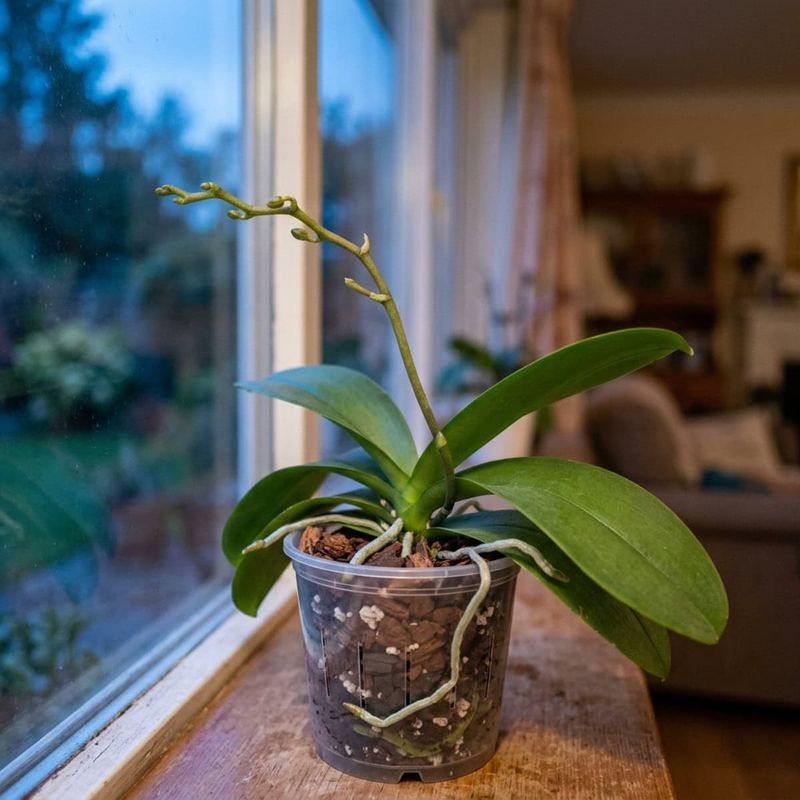
Once you are confident it is a spike, your job shifts from detective to coach. A little support now gives you a tidy, graceful display later.
Wait until the spike reaches about four to six inches. Then slide a thin bamboo or metal stake into the bark near the spike, avoiding main roots as best you can.
Attach the spike loosely with a soft orchid clip. Add another clip every few inches as it lengthens, and keep the top few inches free so it can still move.
Here’s a tip I learned the hard way. Do not rotate the pot while the spike is growing, since buds follow the light and twist into odd angles if you keep turning it.
Steady care matters too. Water when the bark is nearly dry, which is often weekly in heated winter homes.
A balanced orchid fertilizer at weak strength helps support the buds. Watch for bud blast, where buds yellow and fall, which is often linked to sudden temperature shifts, drafts, or dry air. A tray of pebbles and water nearby can help with humidity.
Your Patience Pays Off With Months Of Orchid Blooms
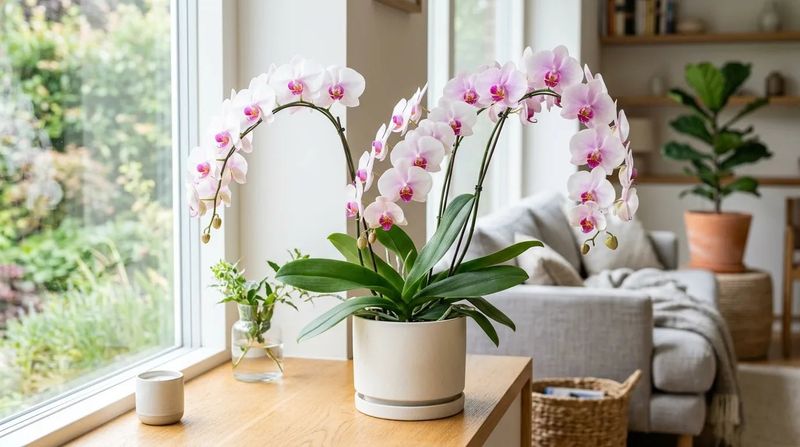
Trust me, the waiting is the hardest part. A new spike usually takes two to three months to go from tiny nub to open flowers.
Hands off is the golden rule. Poking or pressing on the tip can snap or bruise it, and that early growth is tender.
Keep a simple log if you like. A quick note on your phone with dates and photos helps you spot patterns year after year.
When the flowers open, enjoy them. Moth orchid blooms often last six weeks to three months, which feels like a gift during gray Indiana winters.
After the last blossom drops, you have options. You can cut the spike above a node to encourage a smaller side spike, or trim it near the base so the plant can rest.
If you find native orchids outdoors, like the puttyroot with its winter leaf in woodlands, admire them in place. Those plants rely on delicate soil fungi and should stay put.
A green nub is a message from a healthy plant. Learn to read it, and you will greet every winter with a little more confidence.