How to Force Paperwhite Bulbs Indoors for North Carolina Winter Blooms
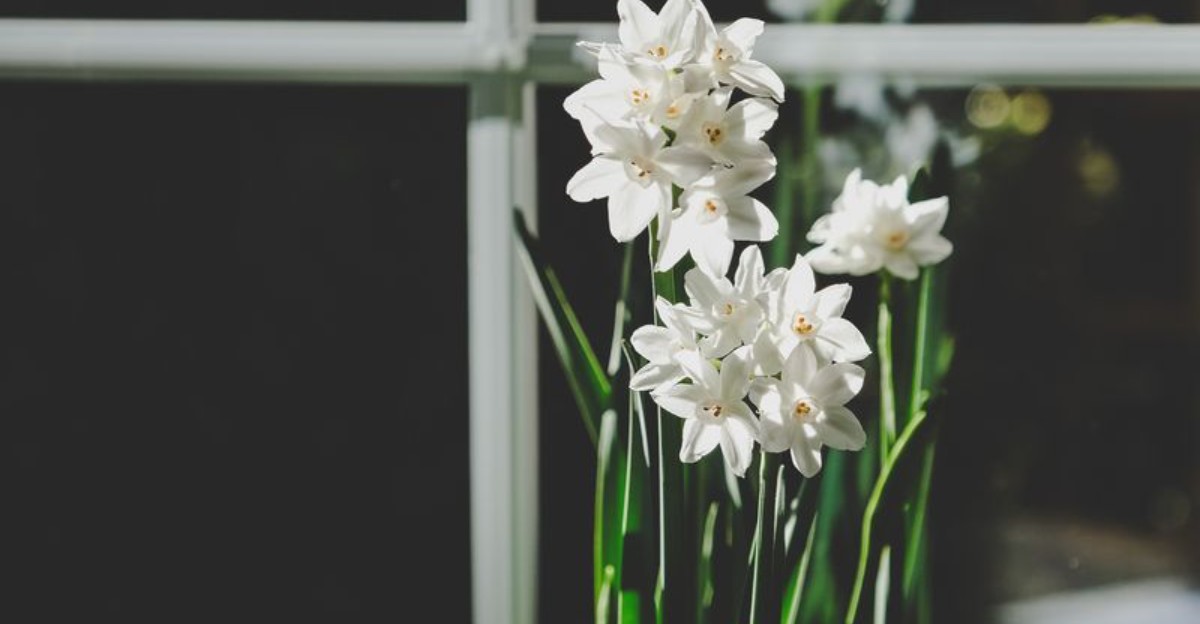
A handful of bulbs can bloom on pebbles and tap water alone, with no soil and no winter chill. Researchers at Cornell even found a way to keep their stems shorter using a splash of rubbing alcohol.
I didn’t believe it either. My first batch sat in a glass bowl on a sunny windowsill, and four weeks later my kitchen smelled like a flower shop in December.
Here in North Carolina, our winters swing between mild sunny days and gray, drizzly weeks. Not going to lie, those gloomy stretches make me crave anything green and blooming. A bowl of white star-shaped flowers on the table fixes that fast.
Fair warning, though, the fragrance divides households and the stems love to flop. Want blooms without the drama? The answers are simpler than you might guess, and a little sneaky.
Paperwhite Bulbs Play by Different Rules Than Tulips and Hyacinths
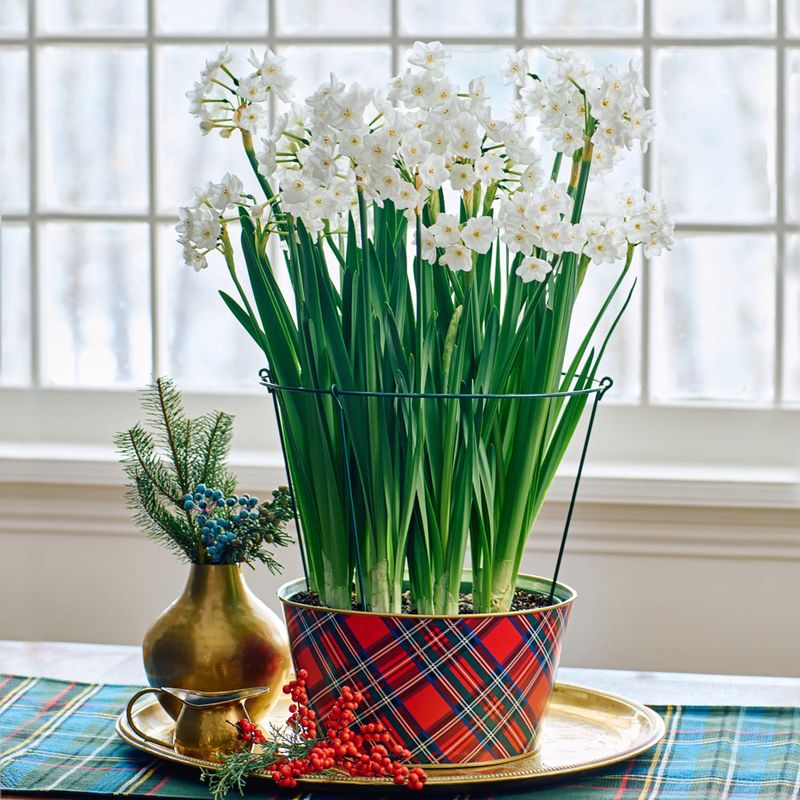
Most spring bulbs are a bit like teenagers on a school morning. Tulips and hyacinths need weeks of cold storage, often 12 to 16 weeks in a fridge, before they will even think about blooming indoors.
Paperwhites skip that whole routine. These little bulbs, known to botanists as Narcissus papyraceus, come from the warm Mediterranean region, where winters are mild and rain arrives in the cool season. Their flower buds are already formed inside the bulb when you buy it, just waiting for water and warmth.
That built-in head start is the secret behind forcing. Give the bulbs moisture and a room-temperature spot, and they wake up right away. Roots push out first, followed by green shoots, and clusters of small white flowers open about four to six weeks later.
I love this because it takes the guesswork out of winter gardening. You won’t need a spare refrigerator, a cold garage, or a calendar full of chilling dates.
Shop for firm, heavy bulbs with no soft spots or mold. Bigger bulbs usually mean more flower stems. If you can’t plant right away, store them in a cool, dry, dark spot around 50 degrees so they don’t sprout early in the bag.
Pebbles, Water, and a Glass Bowl Are All You Really Need
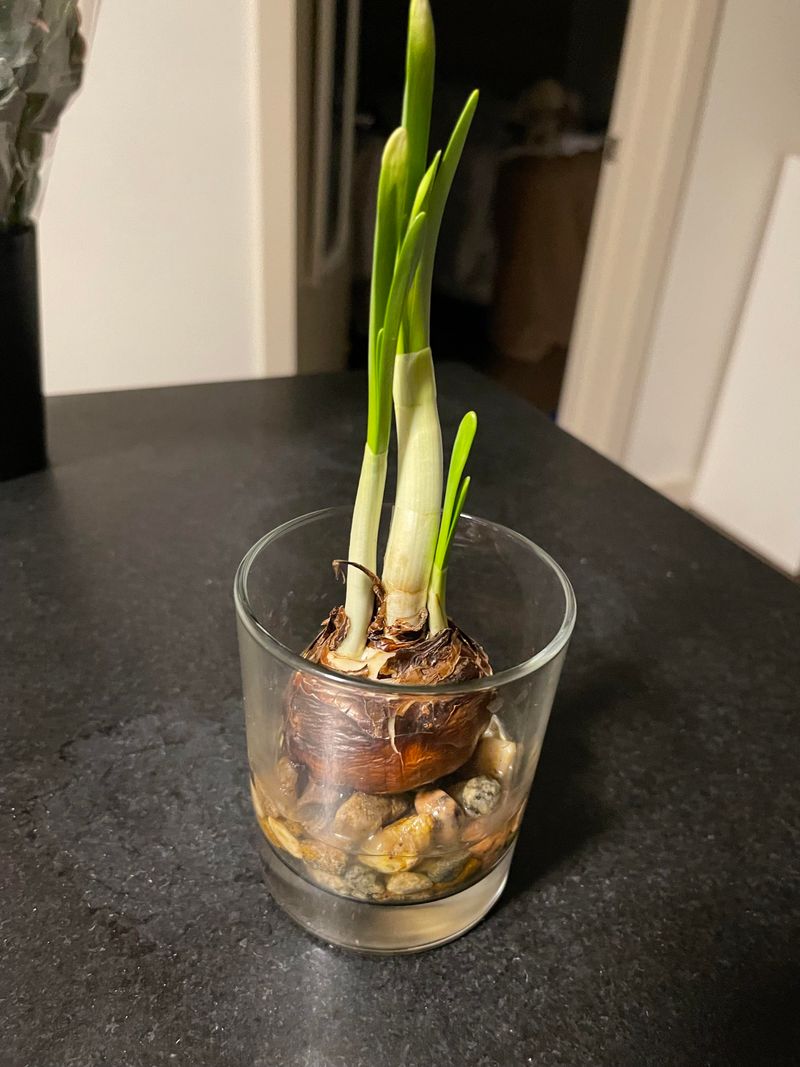
Grab a shallow bowl without a drainage hole, and you’re halfway there. Glass looks lovely because you can watch the white roots snake through the stones, but any watertight dish works fine.
Pour in two to four inches of pebbles, gravel, or glass marbles. Set the bulbs on top with the pointy end up and the flat root end down. Pack them close enough to touch, since neighbors help hold each other up as they grow tall.
Next comes the step that matters most. Add water only until it reaches the base of the bulbs, not over them. Bulbs sitting in water tend to rot, and that smell is nothing like the flowers you were hoping for.
Check the water level every couple of days and top it off as roots drink it down. Within a week, you should spot fuzzy white roots gripping the pebbles.
Prefer dirt? Plant the bulbs in a pot of well-draining potting mix, leaving the top third of each bulb poking out. Keep the soil evenly moist but not soggy. Either method blooms beautifully, so pick whichever container you already have sitting in the cabinet.
Plant Paperwhites in Mid-November for Christmas Blooms
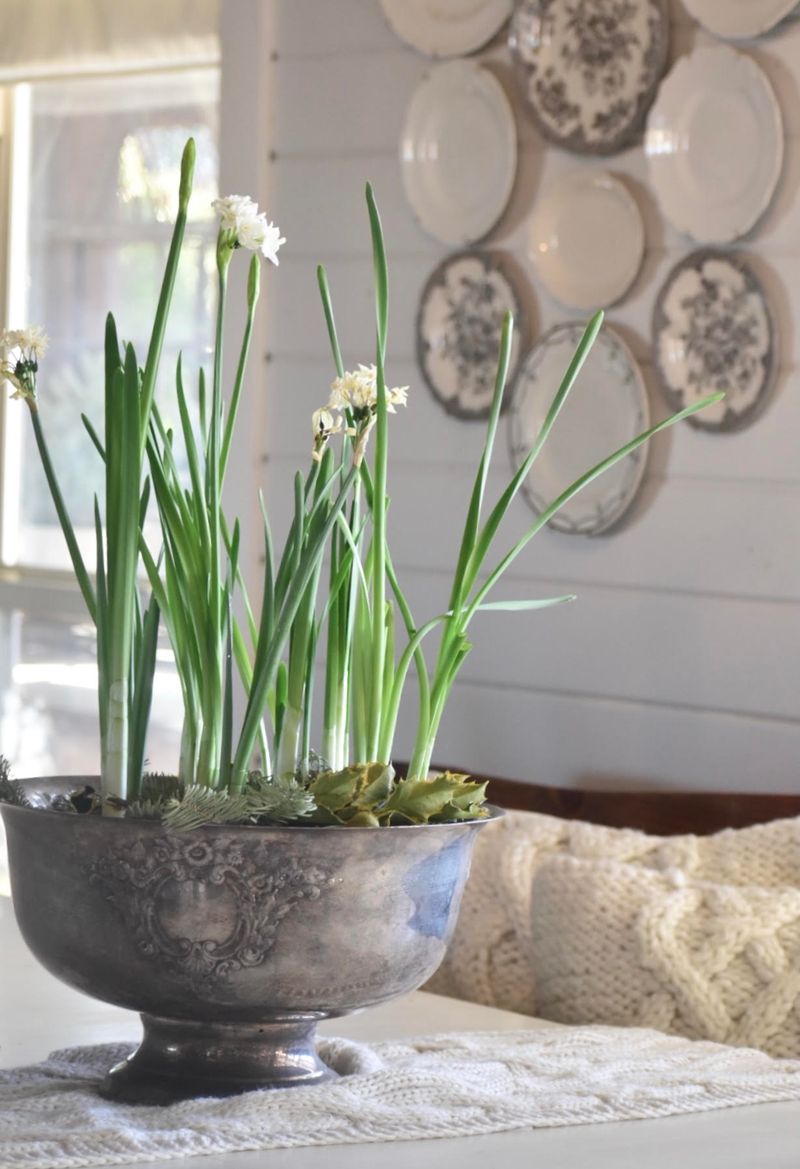
Counting backward is the trick I wish someone had taught me sooner. Paperwhites usually bloom four to six weeks after planting, so your calendar does most of the work.
Want flowers on the holiday table? Plant your first batch between early and mid-November. Warmer rooms speed things up, while cooler rooms slow them down a bit, so a little wiggle room helps.
One bowl is nice, but a parade is better. Try starting a fresh batch every two weeks from late October through early January. You’ll have something opening from Thanksgiving clear into late winter, when gardens across the Piedmont and mountains look their most tired.
Each bloom cluster lasts about one to two weeks indoors, so staggering really pays off. I keep extra bulbs in a paper bag in a cool closet and plant them as each bowl fades.
Keep an eye on your stored bulbs, though. By late winter, some will start sprouting in the bag. That’s your signal to plant them right away, since they won’t hold much longer. A quick sticky note on each bowl with the planting date also helps you track how fast your house grows them.
A Cool, Bright Windowsill Keeps Paperwhite Stems Sturdy
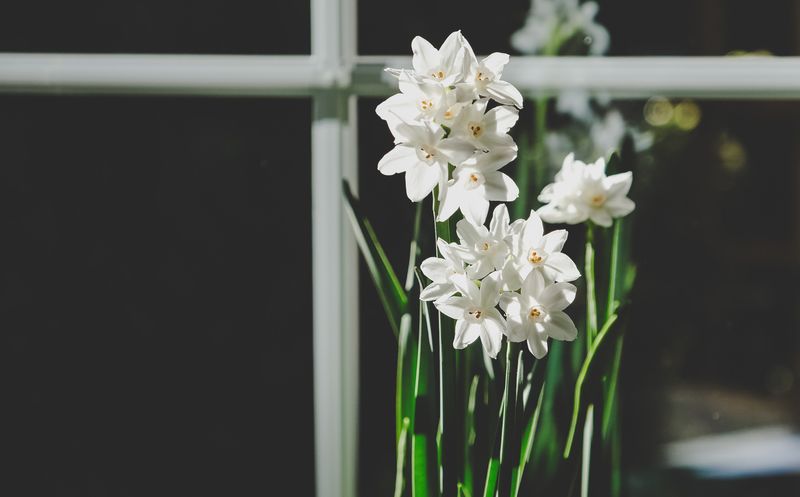
Heat is the sneaky culprit behind most lanky paperwhites. I learned this the hard way when I parked a bowl near a heating vent and ended up with stems that leaned like tired flagpoles.
After the roots settle in, move your bulbs to a bright spot that stays around 60 to 65 degrees. A south or east-facing window in a cooler room works great. Bright light keeps leaves compact and helps stems grow thick enough to carry those heavy flower clusters.
Dim corners cause trouble. Shoots stretch toward any light they can find, getting tall and floppy before the buds even open.
Give the container a quarter turn every few days. Plants lean toward the window, and rotating keeps them growing straight instead of bowing to one side.
Many homes here hold steady near 68 to 72 degrees in winter, which runs a bit warm. A guest room, enclosed sunporch, or chilly mudroom may suit your bulbs better than the living room. Once flowers open, moving the bowl out of direct sun and away from warm spots helps the blooms last several extra days.
Floppy Paperwhite Stems Have a Surprising Rubbing Alcohol Fix
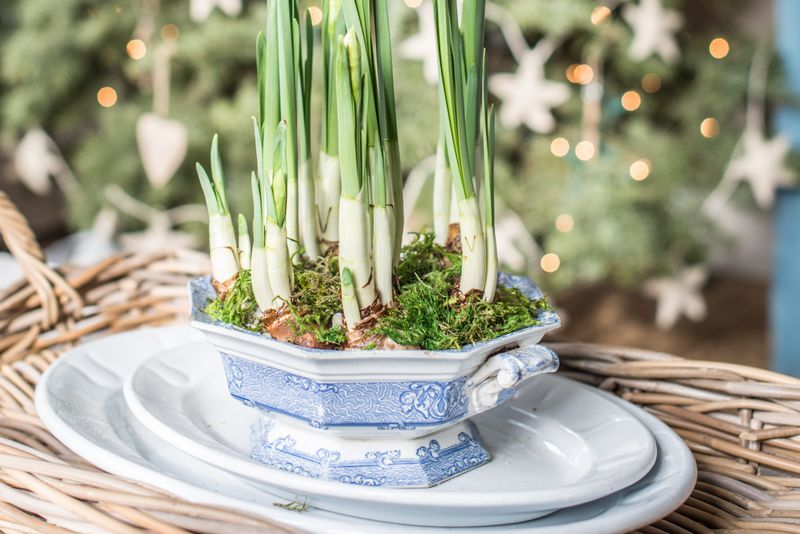
Researchers at Cornell University’s Flower Bulb Research Program stumbled onto something delightfully odd. A diluted alcohol solution can shrink paperwhite stems while leaving the flowers just as big and fragrant.
Here’s how it works. Start your bulbs in plain water as usual. Once the green shoots reach about one to two inches tall, pour off the water and replace it with a mix of one part 70 percent rubbing alcohol to ten or eleven parts water.
Keep using that solution for every top-off from then on. According to Cornell’s findings, plants grown this way end up roughly one-third shorter than plants grown in plain water.
Why does it work? The alcohol causes mild water stress, which slows stem and leaf growth without harming the flower buds. Too strong a mix causes real damage, though, so measure carefully. Stronger is not better here.
Guilty as charged, I tried it skeptically with two bowls side by side. The treated bowl stood tall and proud, while the plain one needed a bamboo stake by week five. If you skip the experiment, a ribbon or twine tied loosely around the stems also keeps everything upright.
Not Everyone Loves That Bold Paperwhite Fragrance
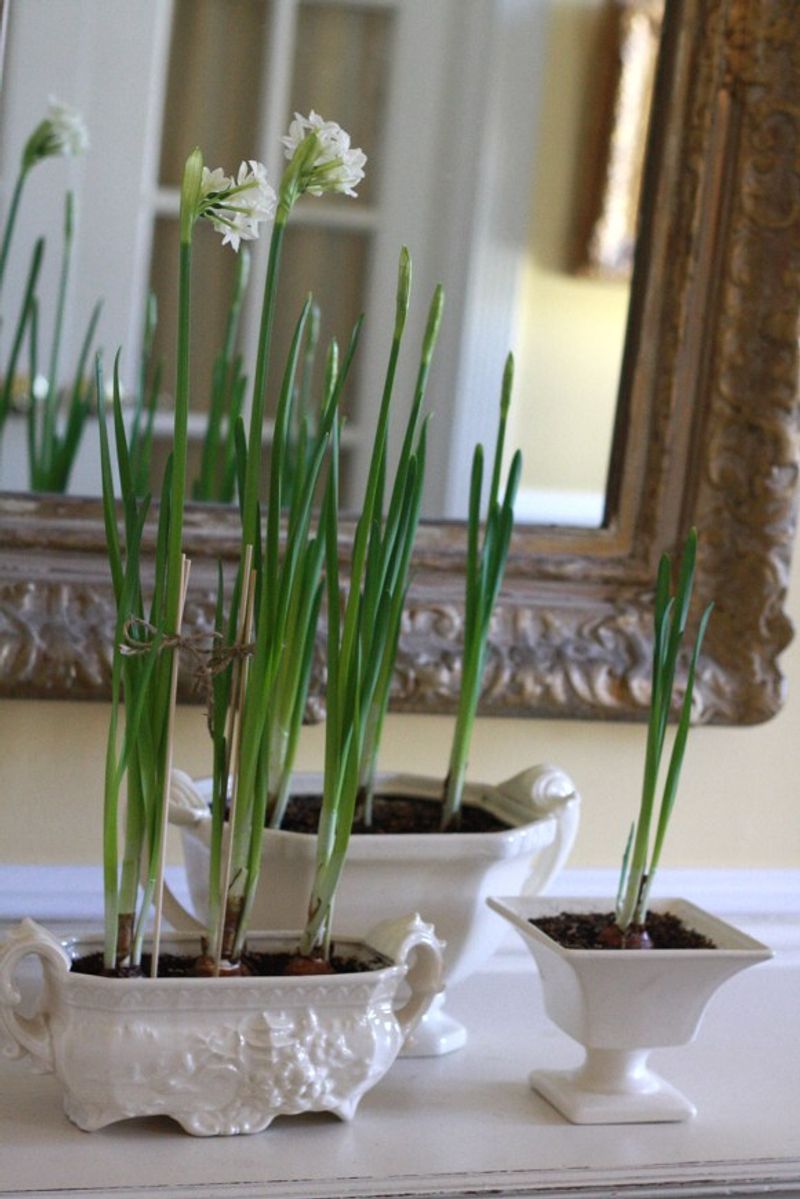
Ask five people what paperwhites smell like, and you might get five answers. Some say sweet and spicy. Others, including my brother, describe something closer to a gym locker.
Scientists point to a blend of scent compounds, including one called indole, which some noses read as flowery and others find musky. How you perceive it seems to depend a lot on the person.
If your household falls on the grumpy side, variety choice helps. ‘Ziva’ is the classic, most widely sold type, and it carries a strong scent. ‘Inbal’ and ‘Wintersun’ are often described as milder and sweeter, making them friendlier for small rooms. ‘Grand Soleil d’Or’ brings bright yellow petals with orange centers for a cheerful twist.
Placement matters just as much. A bowl on a breezy porch or in a large entry spreads the fragrance out, while a closed bedroom can feel overwhelming.
I’m a sucker for that heady perfume, so I keep mine near the front door. Guests get a sweet welcome, and nobody has to sleep beside it. Try one bowl first before planting a dozen, and let your family vote on where it belongs.
Keep Paperwhite Bulbs Away From Curious Pets and Kids
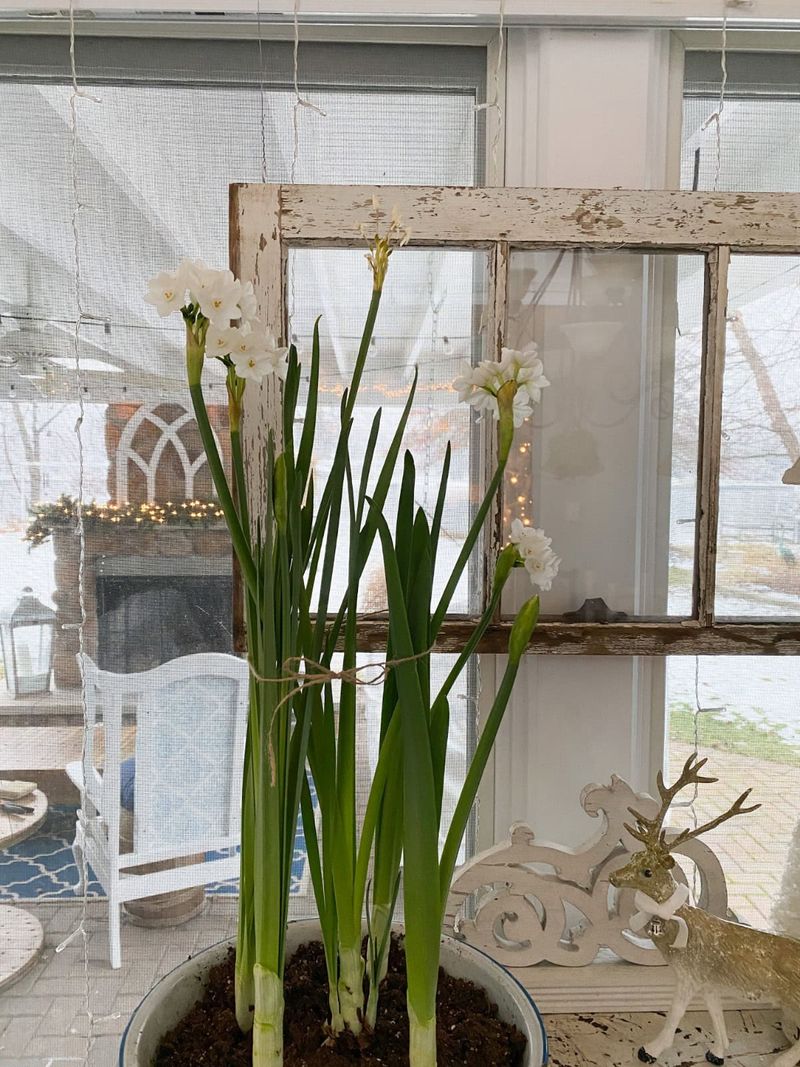
Those papery bulbs look a lot like small onions, and that resemblance causes real problems. Paperwhites, like other daffodils, contain a compound called lycorine, and the bulb holds the highest amount.
The ASPCA lists narcissus as toxic to cats, dogs, and horses. Eating parts of the plant can cause vomiting, drooling, and stomach upset, and larger amounts may lead to more serious symptoms. People can get sick too, so store bulbs away from your kitchen onions to avoid any mix-ups.
Set your bowls on high shelves or in rooms where pets don’t wander. Cats in particular love nibbling green leaves, and the water in the dish can also hold some of these compounds, so keep it out of reach.
Wash your hands after handling bulbs or trimming stems. The sap can irritate sensitive skin, and some gardeners wear gloves for that reason.
Trust me on this one, a little planning beats an emergency vet visit. If you suspect a pet chewed a bulb, call your veterinarian or the ASPCA Animal Poison Control Center right away. Keeping their number on the fridge takes ten seconds and could save a lot of worry.
Spent Paperwhites Might Find a Second Home in Coastal Gardens
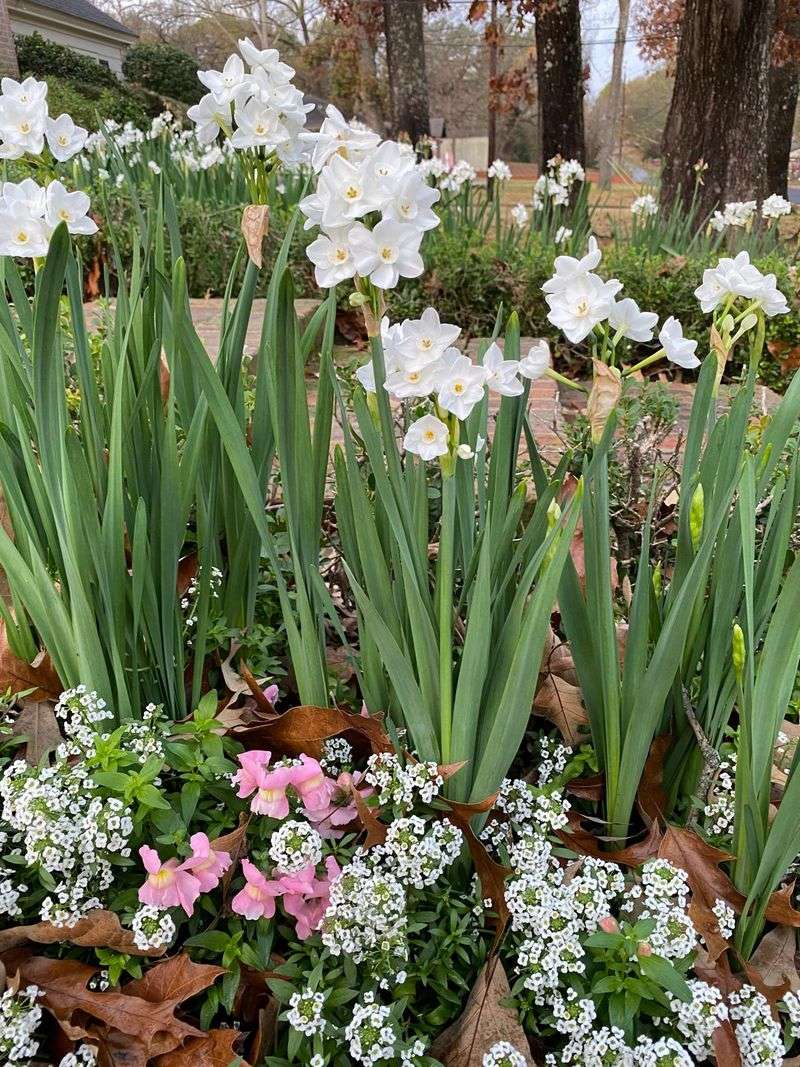
Once the last flower fades, you face a decision. Bulbs forced in water have spent most of their stored energy, and they rarely bloom well indoors a second time. Most gardeners simply add them to the compost pile.
Gardeners in warmer corners of North Carolina can try something different. Paperwhites are generally hardy in USDA zones 8 through 10, and much of the coastal plain sits in zone 8. That’s a decent fit for planting them outdoors.
Keep the leaves growing in a sunny window after blooming so the bulb can rebuild some strength. When the weather warms in spring, plant them about four to six inches deep in well-drained soil with full sun. Let the foliage yellow on its own before trimming it back.
Patience is required, since flowers may take a year or two to return, and some bulbs won’t come back at all. In the mountains, zones 5 through 7 usually run too cold for reliable results, and the Piedmont, which spans zones 7 and 8, is hit or miss.
My best advice? Treat indoor paperwhites as a joyful winter treat, buy fresh bulbs each fall, and count any outdoor comeback as a happy bonus.