Rats Are Drawn to These 7 Scents in Your Yard in Winter
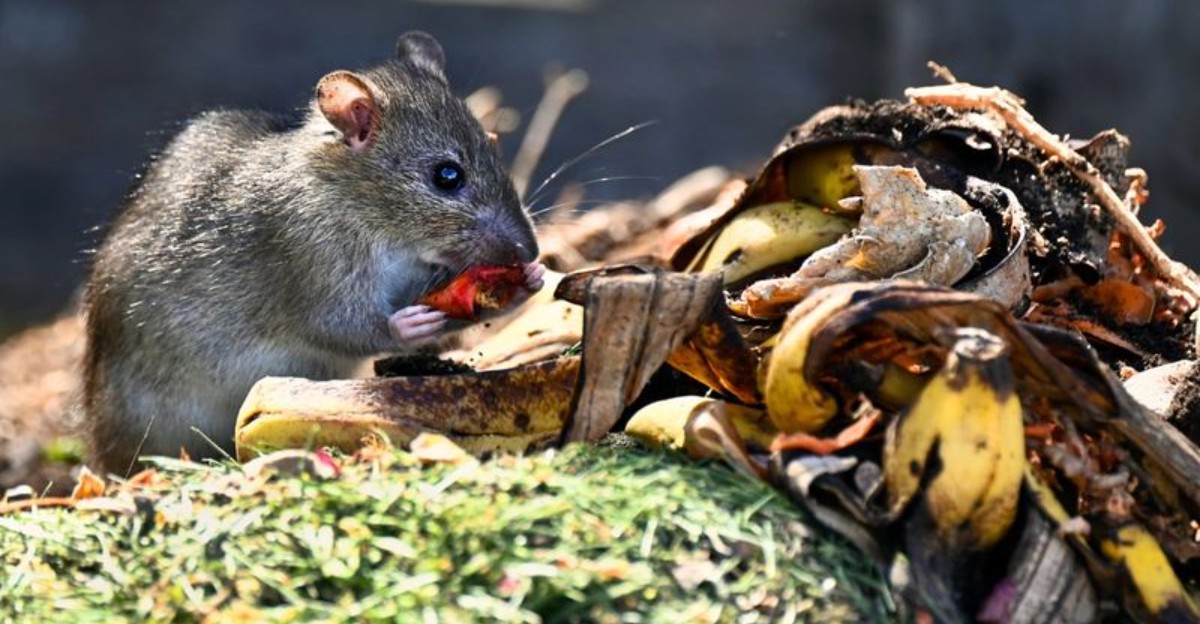
A furry backyard visitor can slip through a gap about the width of a quarter in your fence. Once inside, it follows its nose straight to whatever smells like an easy dinner on a cold night.
These clever critters do not hibernate, so they keep searching for calories even when frost covers the garden. Their sense of smell is sharp enough to detect food that we humans often overlook in the yard.
I learned the hard way that my tidy winter garden was sending out a dinner invitation anyway. Guilty as charged, I blamed the neighbors before I noticed the trail starting near my own shed.
Some of the biggest culprits seem harmless, and a few might even be sitting on your porch today. What everyday scents are quietly ringing a supper bell for these uninvited guests in your winter yard?
1. Spilled Birdseed Under Your Winter Feeders
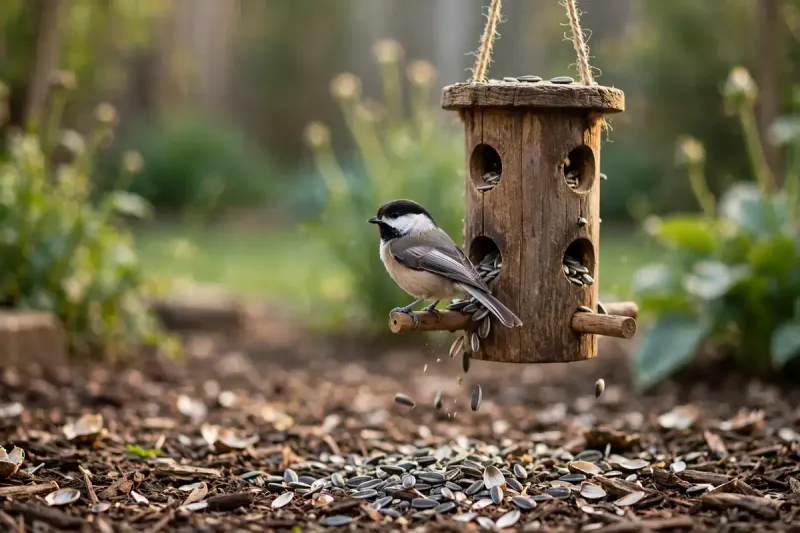
My cardinals are messy eaters, flinging sunflower hulls and millet onto the snow below the feeder all day. That scattered pile smells rich with seed oils, and hungry rats can sniff it out after dark.
Rats are mostly active at night, so you may notice the mess shrinking without ever spotting a visitor. Fresh droppings and small burrow holes in nearby mulch often give away their late-night visits by the next morning.
Natural food grows scarce in winter, which makes a reliable seed buffet even more tempting during the coldest weeks. A single rat eats roughly an ounce of food daily, so a busy, messy feeder can easily support several.
I switched to a tray that catches falling seed, and the ground below my feeder stayed much cleaner. No-mess blends made of hulled sunflower hearts also leave fewer shells and less waste for hungry rodents to find.
Rake up spilled seed every evening if you can, since rats do most of their shopping at night. Placing feeders away from dense shrubs and woodpiles also removes the hiding cover rats like to travel through.
Storage matters too, because a paper sack of birdseed in the garage is basically an open invitation. Pour your seed into a metal can with a snug lid, and rats will struggle to chew through.
Fair warning, you may need to pause feeding for a week or two if activity gets heavy nearby. Your birds will return quickly once the feeder goes back up, but the rats often move along.
2. Overflowing Garbage Cans With Loose Lids
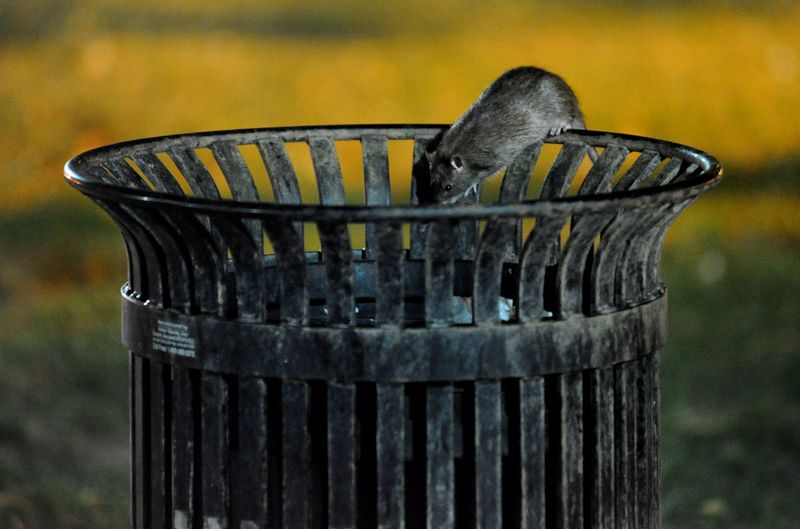
Nothing says winter feast to a rat quite like a trash can lid that does not close tightly. Meat wrappers and greasy pizza boxes give off strong odors that drift across the yard on cold nights.
Norway rats will eat almost anything people eat, which makes household garbage a dependable source of calories. Cold air may slow down the smell a bit, but their noses still pick up those scraps easily.
I’m not proud of this, but I once left a split bag beside my bin for two days. By the second morning, something had chewed a neat hole through the plastic and scattered chicken bones everywhere.
Sturdy bins with tight-fitting lids make a huge difference, and metal cans hold up best against gnawing teeth. Rat teeth keep growing throughout their lives, so chewing through thin plastic is just part of their routine.
Bag your kitchen trash tightly before it goes outside, and try your best not to let the bin overflow. A lid propped open by extra bags offers the same easy access as no lid at all.
Rinse out the can every few weeks, because sticky residue keeps sending signals long after pickup day. Warm, soapy water and a stiff brush usually handle the job, even on chilly afternoons in the driveway.
Try to keep bins on a hard surface and a few feet away from fences or garden sheds. Rats prefer to travel along walls and edges, so a little open space makes them feel nervous and exposed.
3. Compost Piles Packed With Kitchen Scraps
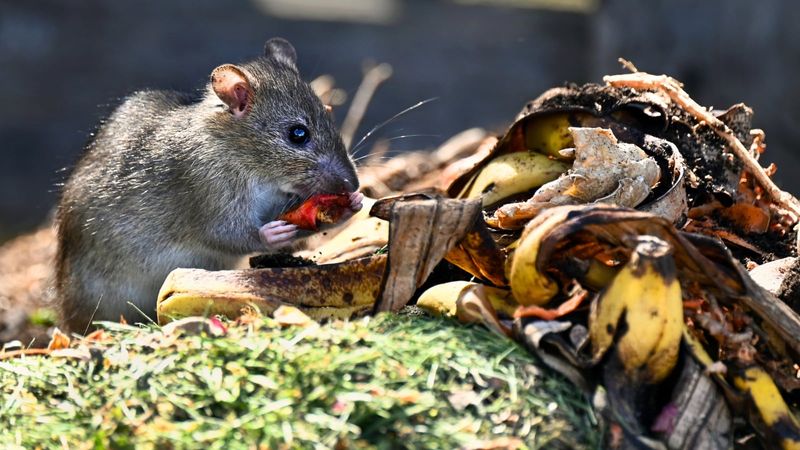
Steam rising off a compost pile on a frosty morning looks magical, but that warmth draws more than admiration. Rats love the cozy heat and the buffet of rotting scraps tucked inside an open heap.
Food scraps break down and release strong smells that hungry rodents can easily follow from across the yard. Many university extension programs warn that meat scraps and dairy products make compost much more attractive to pests.
Leave those items out of your bin, along with greasy leftovers like cooking fat or buttery pasta. Vegetable peels and coffee grounds still work beautifully, especially when buried deep in the center of the pile.
Trust me on this one, an open pile is far easier for rats to raid than a closed bin. I moved to an enclosed tumbler a few winters ago and noticed fewer burrows near my vegetable garden.
If you prefer a stationary bin, line the bottom and sides with quarter-inch hardware cloth before filling it. Rats can squeeze through surprisingly small gaps, so a tight mesh keeps them from tunneling up from underneath.
Turning the pile regularly also helps, since rats prefer quiet spots where nobody disturbs their nests for weeks. A little fresh brown material, such as shredded leaves, on top can also help cover strong, tempting food odors.
Winter composting slows down in cold regions, so scraps may sit unchanged for months until spring arrives. Consider storing extra scraps in a sealed container in your freezer until the pile wakes up again.
4. Pet Food Bowls Left On The Back Porch

Kibble is basically a rat’s dream snack, packed with the fats and proteins they need to stay warm. A bowl left on the porch overnight can smell like a free all-you-can-eat diner to passing rodents.
Don’t laugh, but I once caught a rat sitting in my cat’s dish like it owned the place. My porch light flicked on, and the little thief strolled away with zero shame and a full belly.
Feeding pets indoors is the simplest fix, especially in winter when hungry wildlife searches extra hard for meals. If your dog or cat must eat outside, pick up leftovers within an hour or so after mealtime.
Backyard chickens bring the same problem, since spilled layer feed collects under coops and around hanging feeders. Treadle feeders that open only when a hen steps on the platform can cut down on waste nicely.
Storage is the other big piece, because rats can chew through paper bags and thin plastic quickly. Galvanized metal bins with locking lids keep kibble and feed fresh while blocking curious noses and sharp teeth.
I keep my dog food in a lidded metal can in the garage, and the midnight nibbling stopped soon after. Sweep up stray kibble around storage areas too, since even a few crumbs keep the scent trail alive.
Water bowls matter as well, because rats need moisture and frozen winter puddles leave fewer options around. Unplug and empty heated pet waterers at night if possible, or simply bring them inside until early morning.
5. Fallen Apples And Rotting Fruit Under Trees
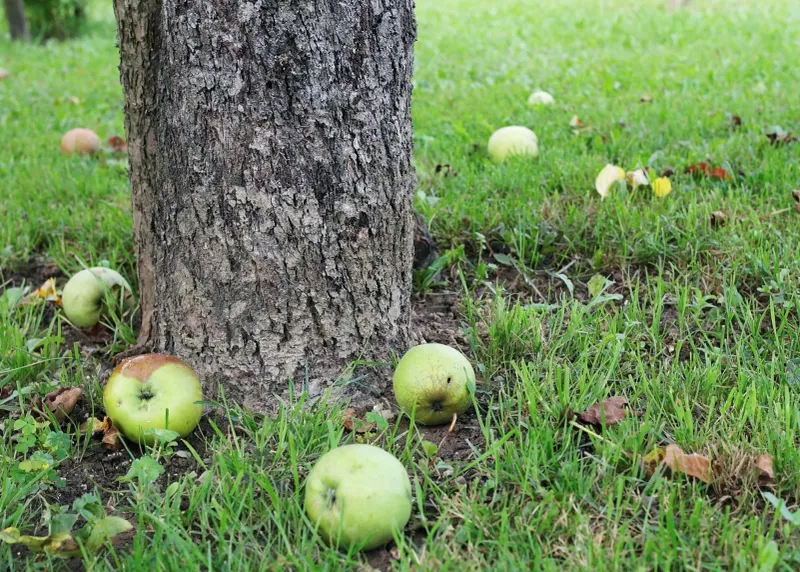
Those last few apples clinging to a bare winter branch look charming until they drop and soften in the grass. That sweet, mushy smell is exactly what roof rats love, and they climb trees with impressive skill.
Roof rats are agile, slender climbers that often nest up high in trees or in thick vines. They are especially common in warmer southern and coastal states, where citrus trees provide an easy winter meal.
I didn’t expect hollowed-out oranges still hanging on the tree, but that is a classic roof rat sign. They chew a small hole and scoop out the pulp, leaving an empty rind dangling from the branch.
Norway rats help themselves too, happily munching fallen fruit that has been sitting on the ground for days. Pick up dropped fruit daily during harvest and any late stragglers that fall during the colder months.
Harvest ripe fruit promptly rather than leaving it on the branch, since overripe fruit gets smellier each week. Mummified fruit hanging on trees should come down as well, which also helps reduce some plant diseases.
Prune branches so they sit a few feet away from your roof, because roof rats use them as bridges. Raising low limbs also gives you a clearer view of any rodent activity happening beneath the canopy.
Vegetable gardens count too, so clear out forgotten squash or carved pumpkins left behind after the fall harvest. Those soft, collapsing leftovers can feed rats for weeks, and I’d rather they feed my compost bin instead.
6. Greasy Grills And Barbecue Drip Trays
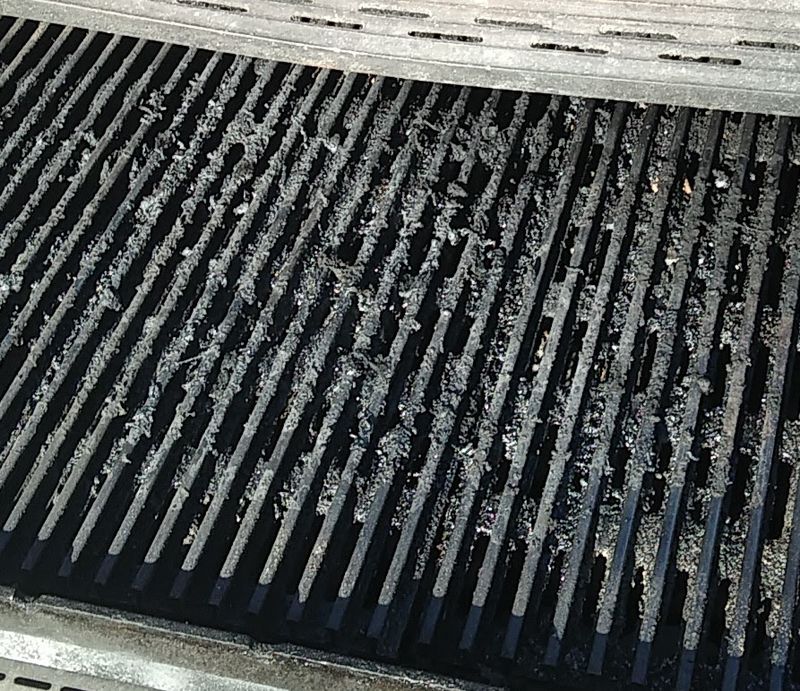
Winter grilling feels a little heroic, standing in a puffy coat while burgers sizzle in the crisp air. What happens after dinner matters more, because the grease left behind keeps broadcasting that meaty smell for days.
Drip trays and grease cups collect fat that rats find hard to resist when their usual food runs low. Fat packs a lot of calories, which is exactly what a small animal needs to stay warm outdoors.
Not going to lie, I used to let my drip tray fill up all season before finally dealing with it. Then I found chew marks on the grill cover and a trail of droppings along the patio wall.
Empty the grease cup after each cookout once it cools, and wrap the waste tightly before trashing it. Lining the tray with disposable foil makes cleanup quicker, which means you are more likely to keep up.
Scrape the grates while they are still warm, then brush away any bits that fall onto the ground. Charred scraps under the grill are easy to miss in the dark, yet rats find them without trouble.
A fitted grill cover helps a lot, though it should not touch the ground or create a cozy hideout. Rats sometimes nest inside grills that sit unused for long stretches, especially when tucked against a warm wall.
Peek under the lid now and then during the off-season, and wipe down the inside before storing it. Your future burgers will taste better, and your yard will smell a lot less like a snack stand.
7. Stored Nuts And Grain Sacks In Your Garden Shed
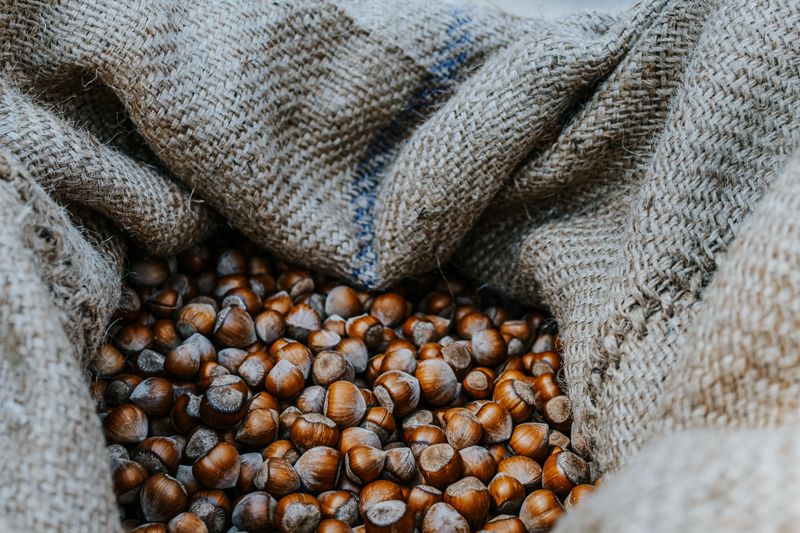
Peanut butter is a favorite bait among pest pros, and that tells you plenty about what rats crave. Nuts and grains pack serious energy into every bite, which makes them extra appealing once the weather turns bitterly cold.
I’m a sucker for buying bulk sacks of grass seed and wild bird mix to save money. Those bargains turned into a headache when I found a sack in my shed chewed open at the corner.
Garden sheds and garages make cozy, inviting winter hideouts, offering shelter right next to a pantry of goodies. Squirrel corn and stored peanuts both give off rich scents that rats can track down with ease.
Move every bag into a metal container with a tight lid, since rats chew through plastic and wood. Old galvanized trash cans work wonderfully for this, and they fit neatly in the corner of most sheds.
Nut trees deserve attention too, since fallen pecans and walnuts can feed rodents well into the winter. Gather up dropped nuts regularly, and keep any harvested ones stored indoors in sealed glass jars or metal tins.
Seal gaps around shed doors and walls, because rats can slip through openings about the size of a quarter. Hardware cloth or metal flashing along the bottom edge works better than foam, which they chew easily.
I’ll say this much, a tidy shed feels great, and it gives rats one less reason to stay. If you spot heavy activity despite your best efforts, a licensed pest professional can help sort things out.