Why Birds Keep Ignoring Your Arizona Feeder and the One Seed That Brings Them In
Some big, cheap bags of birdseed are packed with oats and cereal grains that many feeder birds toss aside. That is a common reason a feeder looks full while the birds visit other yards in Arizona.
Plain black-oil sunflower is the one seed that brings in the widest crowd of seed eaters. It makes a strong first trial, though birds never come with guarantees.
Water, cover, and feeder style matter too, so let’s sort out what to try first.
Some mixes leave grains behind, but sunflower is worth a trial
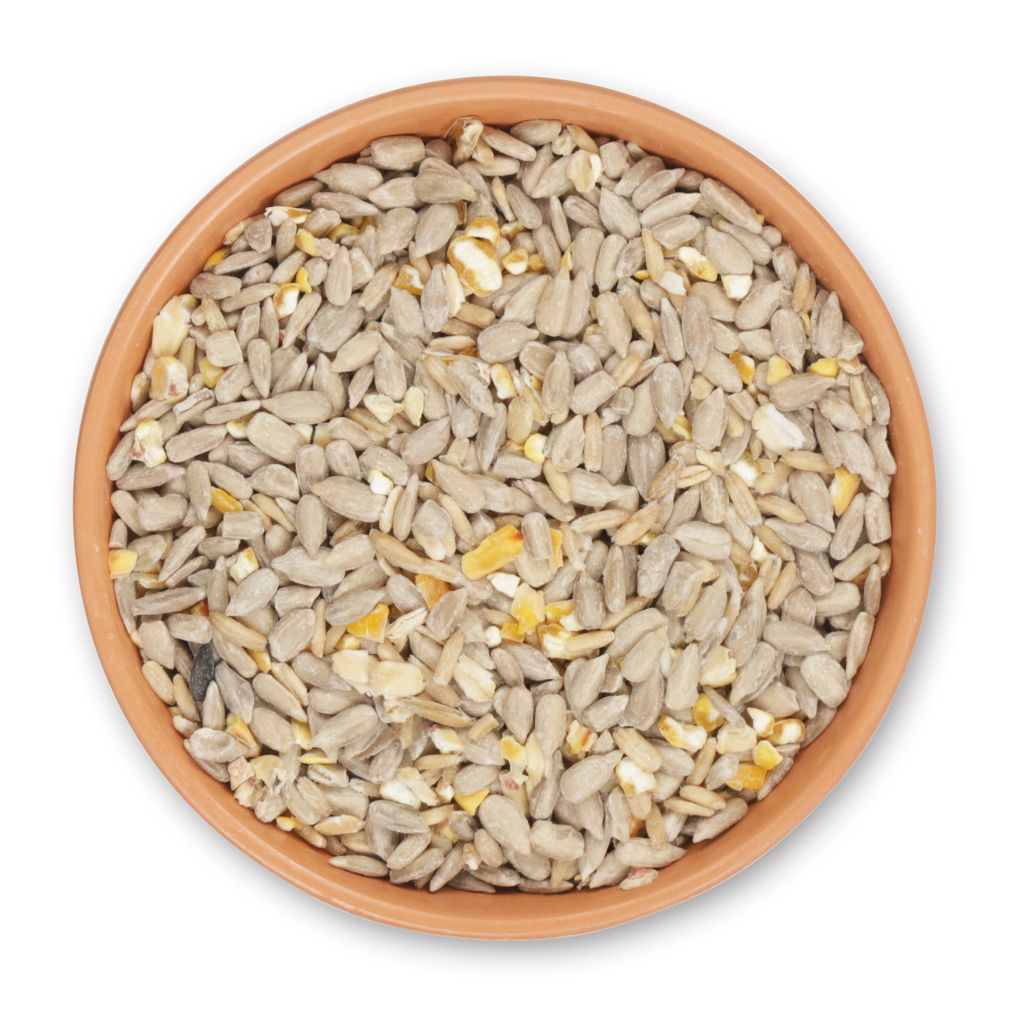
Some large, inexpensive mixes contain oats, cereal, and other grains that many feeder birds leave behind. University of Arizona Cooperative Extension points out this problem in some big, cheap bags.
Birds pick through the tasty bits and flick the rest out, so a feeder can look full while seed piles up below.
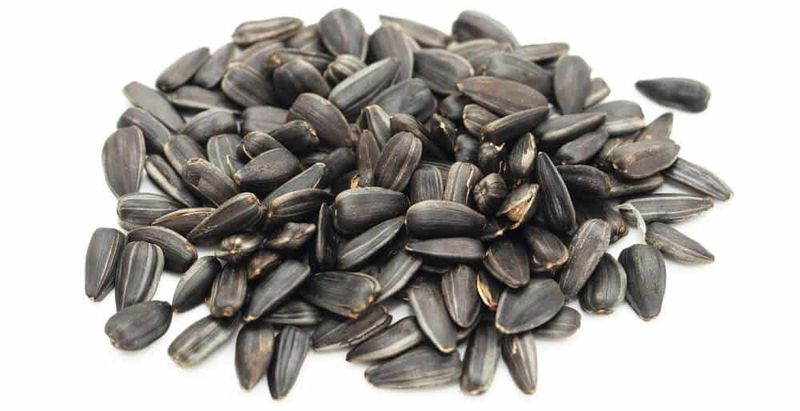
Plain black-oil sunflower is a strong first trial for attracting a broad range of seed-eating birds. Its shells are fairly easy to crack, which helps small beaks.
It is not a promise, and it is not every bird’s favorite.
Notice that a full feeder does not tell you why birds are staying away. Cornell Lab of Ornithology shows that seed preferences differ by species and region.
Think of the seed as one clue in a bigger puzzle that also includes water, cover, and feeder type.
Check the label instead of judging by price
Flip the bag over and read the ingredient list before you buy. Price alone will not tell you whether a mix is any good, and some low-cost bags are perfectly fine.
The label is where the real story sits.
Arizona Extension names oats, cereal, and mixed grains as fillers found in some large, inexpensive bags. It lists black-oil sunflower, white proso millet, safflower, and raw peanuts among the ingredients in higher-quality feeds.
If the first items on the label are grains, you may be buying seed that many birds skip.
A seed left behind by one bird is not automatically useless to every bird. Some species do eat grains that others ignore.
Still, if your feeder sits untouched, a label heavy on oats and cereal is worth a second look.
Try black-oil sunflower in a tube feeder
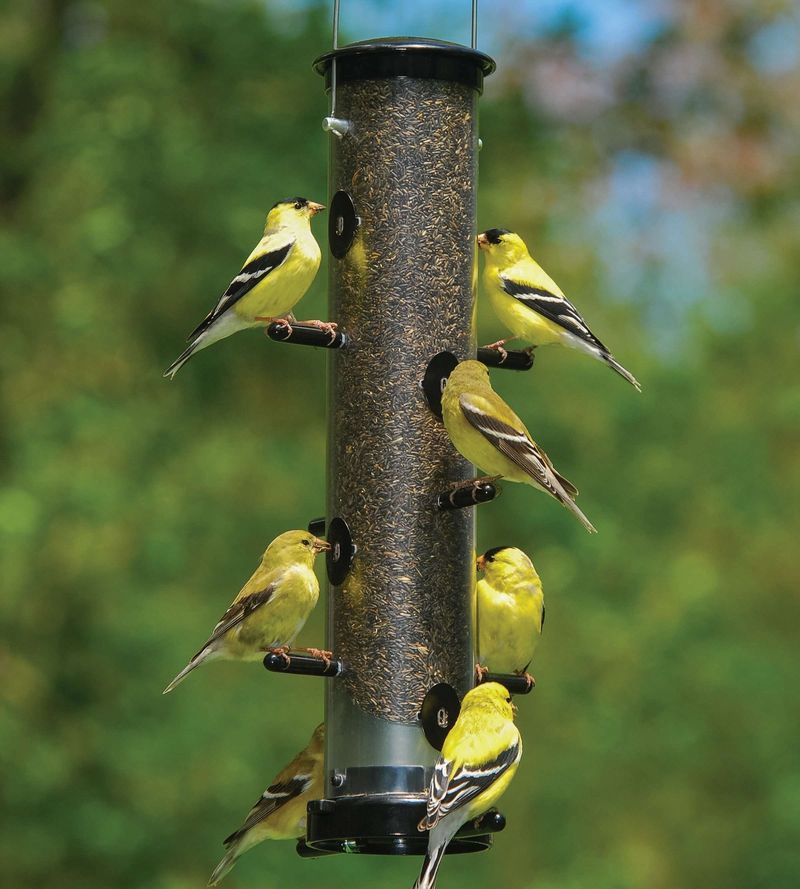
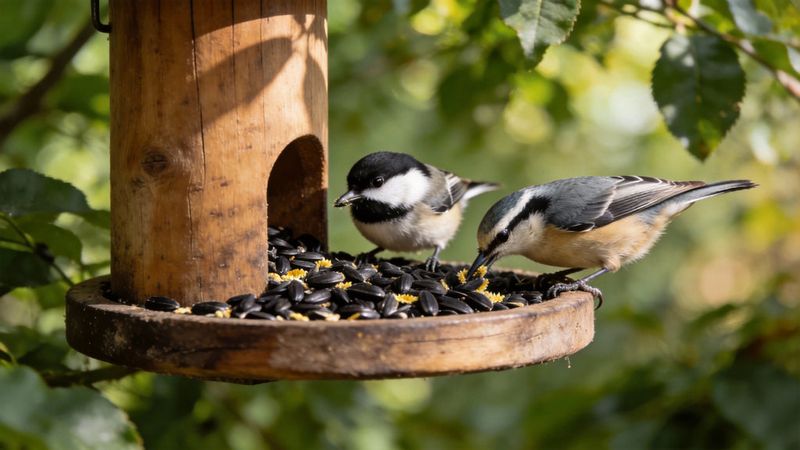
Here is an easy experiment: fill one tube feeder with nothing but black-oil sunflower. The shells crack open easily, so many small seed eaters can get to the kernel inside.
Arizona Extension calls a sunflower tube feeder a strong choice when you only want to run one feeder.
Hang it at least five feet above the ground. Extension guidance says sunflower can attract goldfinches, siskins, and house finches, among other birds.
Treat those as possibilities, not promises, since every yard has different visitors.
Give the feeder a couple of weeks before you judge it. Birds need time to find something new, and a fresh, dry fill helps.
Keep notes on who shows up and when.
Some western birds prefer other foods
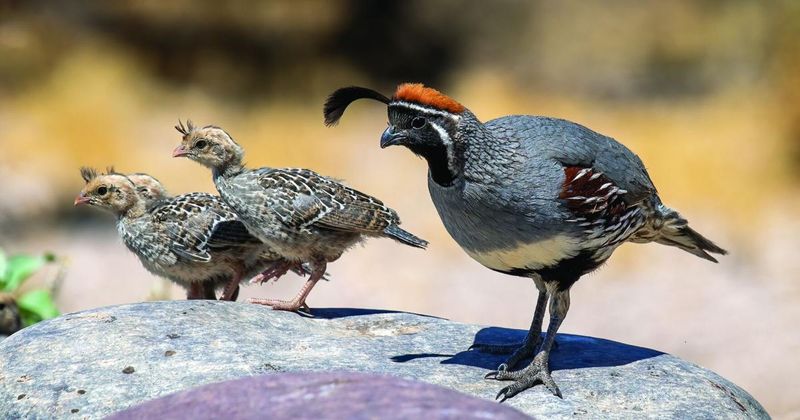
Sunflower is not everyone’s favorite. Cornell reports that some western ground-feeding birds, including Gambel’s Quail and Curve-billed Thrashers, preferred milo in seed-preference tests.
So a bird that skips your tube feeder may simply want a different menu.
Milo and white proso millet are not the same seed. Cornell lists red millet and oats among less attractive ingredients, while milo can be favored by western ground feeders.
Arizona Extension includes white proso millet in its list of quality feed ingredients, so do not treat all grains as interchangeable.
Match the food and feeder to the birds you want. Extension guidance says goldfinches prefer nyjer, while mourning doves and quail feed from the ground.
Different feeder styles can bring more variety to your yard.
Add water and nearby cover
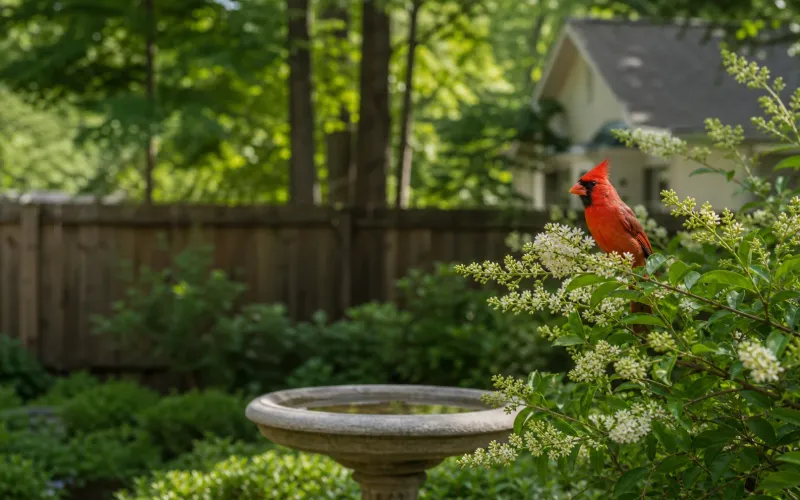
Seed is only part of what a bird looks for. University of Arizona guidance names fresh water, nearby cover, and perching areas as important parts of a feeding setup.
A shallow birdbath can pull in visitors that never touch seed.
The Arizona wildlife landscaping guide suggests placing feeders near trees or bushes. It cautions that feeders without nearby cover may go unused or leave birds exposed to predators and weather.
A shrub a few steps away gives birds a quick place to retreat.
Better surroundings do not guarantee visits. Feeder type, the birds you hope to attract, and other animals in the area all play a part too.
Change the setting, then watch what happens.
Keep spilled seed from drawing other wildlife
Scattering seed on the ground sounds easy, but spilled seed can attract more than birds. Arizona Game and Fish says state law and local rules restrict feeding, attracting, or enticing certain wildlife.
Birds and tree squirrels are the stated exception.
The department says the restrictions apply in Pima, Pinal, and Maricopa counties and advises checking local ordinances. For bird feeders, seed must be available only to birds and tree squirrels.
An enclosed yard or a spill-catching platform can help.
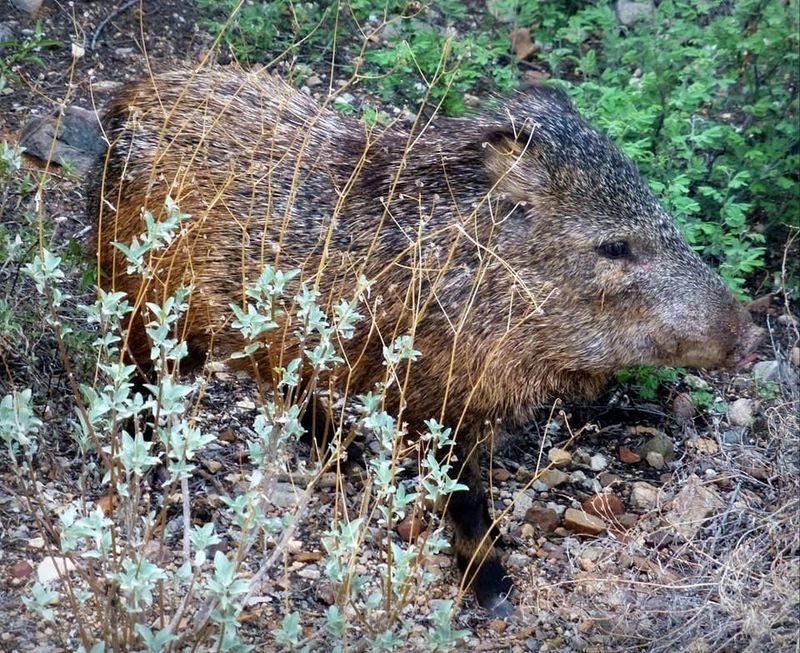
Spilled seed can also draw javelina, according to Arizona Game and Fish javelina guidance. Keep seed off the ground and out of reach of other wildlife.
Check your own local rules before you set anything out.
Keep seed dry and feeders clean
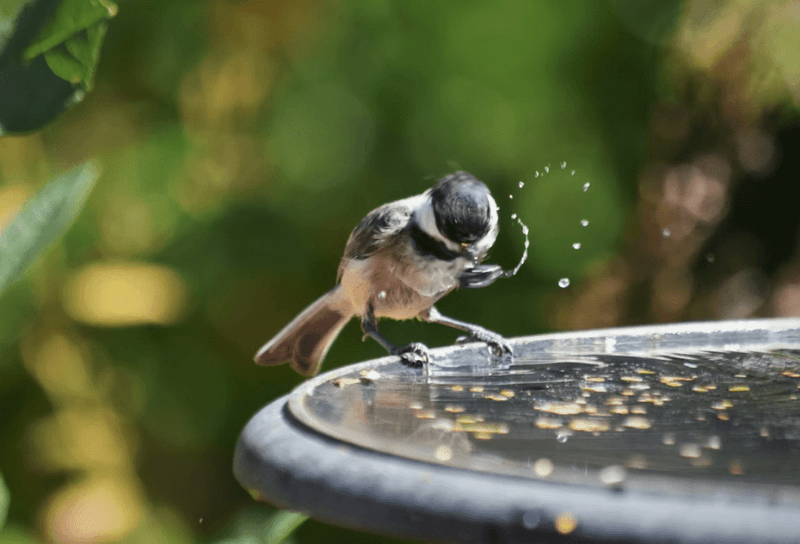
Clean habits will not draw birds on their own, but they keep visitors safer. Keep seed dry and discard any that gets wet.
Damp seed can spoil, and the Ornithological Council advises throwing it out.
Arizona Extension advises cleaning feeders and birdbaths twice monthly and changing birdbath water daily. A stiff brush and a quick rinse make it a short chore.
Fresh water also makes the bath more inviting.
Ornithological Council guidance says to pause feeding if birds show signs of disease. Take the feeders down and clean them well.
You can start again once the sick birds are gone.
Test one change at a time
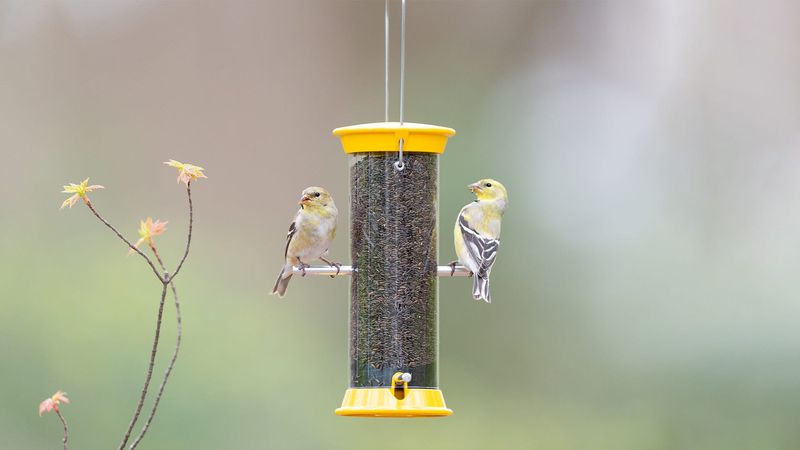
Start by reading the label on your current mix. Next, offer plain black-oil sunflower in a tube feeder hung at least five feet up, as Arizona Extension suggests.
Then check water, cover, feeder fit, and spill control, using the wildlife landscaping guide as a reference.
Change one thing at a time so you can see what helps. None of this proves the mix was the problem, and birds may still take their time.
A quiet feeder is simply a puzzle with a few pieces left to try.