Why Arizona Homeowners Are Swapping Big Hydrangea Shrubs For A Groundcover That Blooms 100 Days
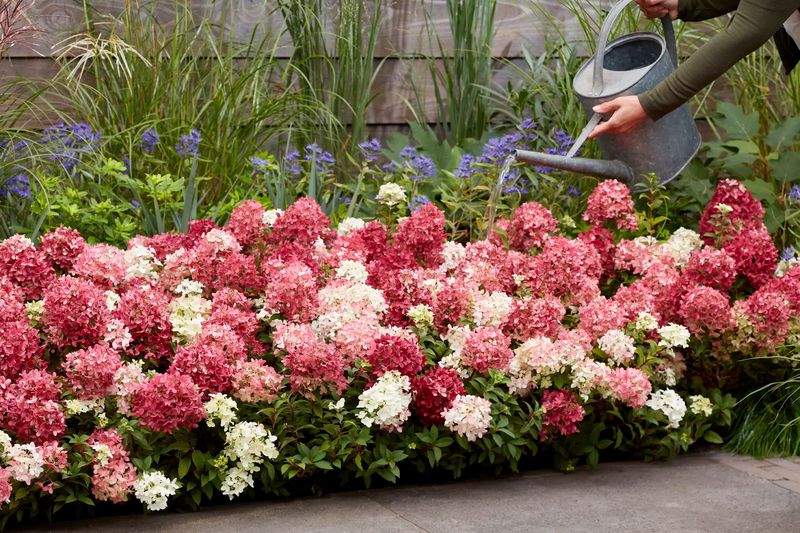
A low-growing hydrangea that carpets the ground with color for months sounds like exactly what a Phoenix or Tucson yard needs. The plant behind that idea is the Groundbreaker series of Hydrangea paniculata, a compact, spreading ornamental that the breeder advertises as blooming for about 100 days.
Before you start pulling out shrubs, though, the evidence behind the buzz deserves a closer look. What retailers are promoting and what Arizona soil and heat will actually allow are two very different conversations.
A low hydrangea, not a documented Arizona trend
Scroll through enough gardening feeds and you might get the impression that Phoenix and Tucson homeowners are already tearing out large hydrangea shrubs and replacing them with something called Groundbreaker. The honest answer is that no reliable evidence supports that trend.
What exists is commercial promotion and growing retailer interest in a genuinely novel plant, not a documented wave of Arizona homeowners making this specific swap.
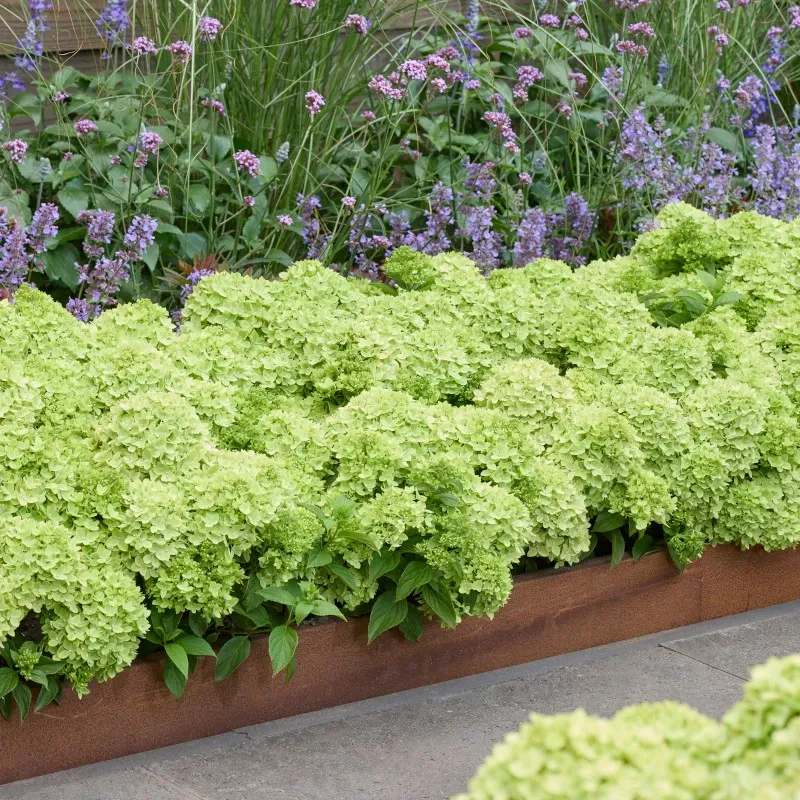
Groundbreaker is a series of Hydrangea paniculata, meaning it belongs to the panicle hydrangea family rather than the classic blue-or-pink bigleaf type most people picture. According to the breeder’s product information, Groundbreaker Blush sits at roughly 30 cm tall and 60 cm wide, Ruby reaches about 40 cm tall and 70 cm wide, and Greeny stretches to approximately 40 cm tall and 80 cm wide.
Those proportions – wider than tall – give each plant a low, spreading silhouette that reads as a carpet of blooms from a distance.
That visual effect is real, but the plants do not spread by runners, rapidly colonize bare ground, or function as an evergreen weed-suppressing mat. Calling Groundbreaker a traditional creeping groundcover overstates what it does.
A more accurate description is a low, woody, spreading hydrangea that can fill a defined bed with color without growing into the hulking shrub form many gardeners want to avoid.
The breeder advertises a long-aging flower display
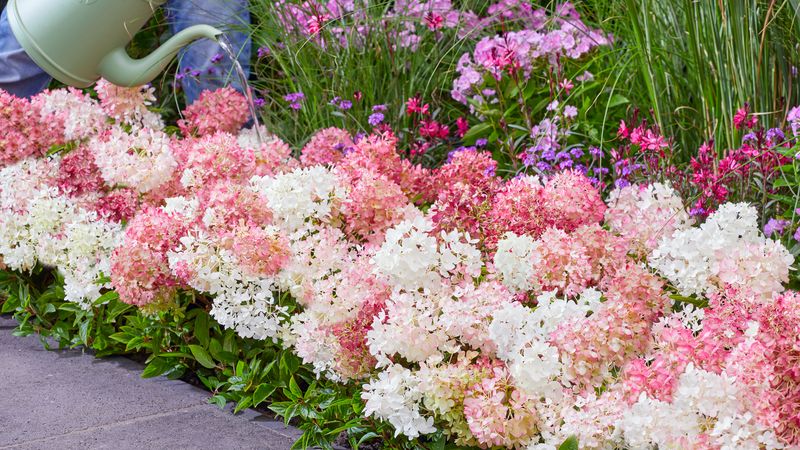
The 100-day figure attached to Groundbreaker comes from breeder and trade materials, not from an independent Arizona garden trial. The breeder reports that Blush flowers from July through September, with flower heads opening white and gradually shifting toward delicate pink and red tones as they mature.
Ruby follows a similar arc toward deeper ruby shades, while Greeny moves through cream and soft green hues.
Understanding what 100 days actually means here matters. The flower heads remain ornamental and continue changing color over that extended window.
That is different from saying the plant pushes out fresh flowers nonstop for 100 days. The display is about longevity and color evolution rather than a continuous flush of new blooms, and that distinction is worth keeping in mind when setting expectations for your yard.
One thing Groundbreaker’s color shift is not: a response to Arizona soil pH. Iowa State University Extension guidance on growing hydrangeas explains that the blue-versus-pink color change associated with some hydrangeas is tied to aluminum availability in bigleaf types, not panicle hydrangeas.
Groundbreaker’s white-to-pink or white-to-ruby progression is a cultivar and flower-aging characteristic, not something Arizona’s alkaline soil will control or enhance. Attempting to acidify your soil or add aluminum sulfate to shift Groundbreaker’s colors would be chasing a mechanism that does not apply to this plant and could cause real damage in Arizona’s caliche-heavy conditions.
Your Arizona Garden Changes Every Week. Your Plan Should Too.
Gardening in Arizona changes quickly throughout the season. Every Friday you’ll receive a simple weekly plan showing exactly what to plant, prune, fertilize, harvest, and protect so you never miss the right timing.
Published zones do not prove Phoenix performance
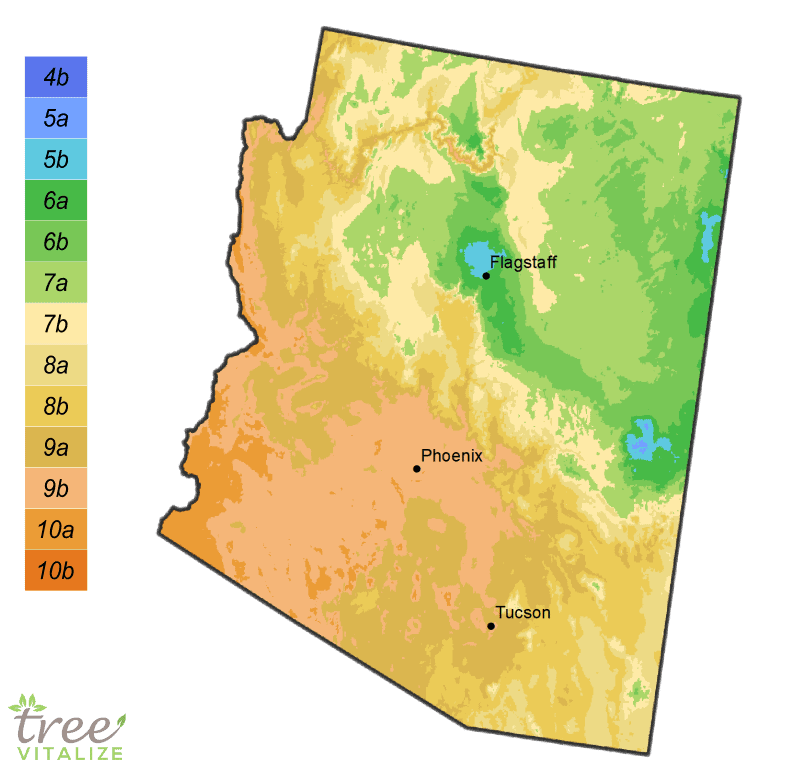
When Plant Development Services announced Groundbreaker’s North American debut, their official release listed the collection for USDA Zones 5 through 8. Phoenix sits in a substantially hotter climate than Zone 8 suggests.
The University of Arizona places Phoenix in Sunset Zone 13 and Tucson in Sunset Zone 12, both of which reflect the intense summer heat, low humidity, and extreme temperature swings that USDA hardiness numbers alone do not capture. A plant rated for Zones 5 to 8 is not automatically suited to surviving a Phoenix July.
No reliable long-term performance trial for Groundbreaker in the Phoenix or Tucson low desert has turned up. That is not a minor gap.
It means every encouraging claim about this plant’s landscape performance comes from cooler, more humid climates where the conditions are genuinely different from what a Scottsdale or Marana yard delivers in August.
Panicle hydrangeas as a group do tolerate more sun than bigleaf types, and they are generally considered adaptable shrubs. Even so, they prefer fertile, well-drained soil and consistent moisture, and stronger sun and heat push water demand higher, not lower.
Groundbreaker is an unproven ornamental experiment in the low desert, not a desert-adapted replacement for a large shrub. Treating it as anything more than a cautious trial plant at this stage would mean getting ahead of the available evidence.
Choose a protected pocket instead of a heat trap
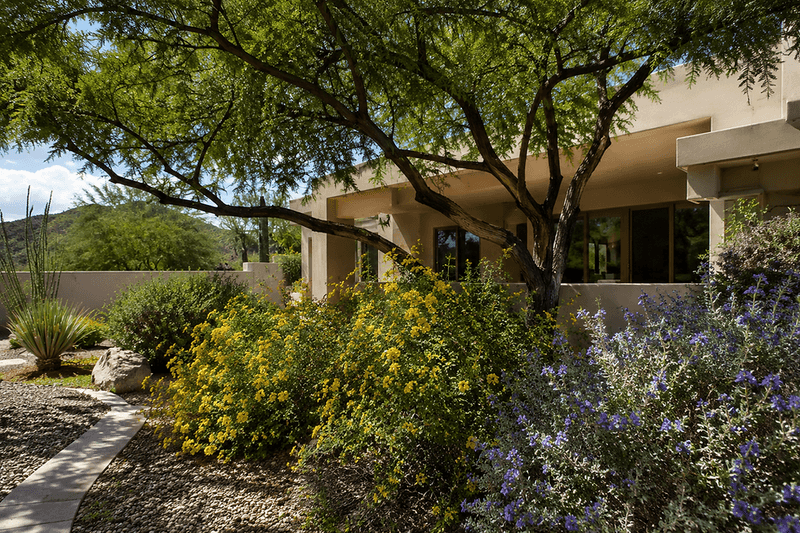
Placing any non-desert-adapted ornamental in the wrong Arizona microclimate is a faster path to failure than almost any other mistake. For a plant like Groundbreaker, general hydrangea guidance points toward bright morning light with afternoon shade or filtered light, and away from surfaces that radiate stored heat back onto the foliage after sunset.
A west-facing stucco wall in Phoenix can push air temperatures near the plant several degrees above ambient, which is a problem even for plants labeled full sun.
That full-sun label deserves some skepticism in the low desert. Panicle hydrangeas can handle more direct light than some relatives, but stronger sun and heat increase water demand significantly.
An unprotected full-sun site in Tucson or Phoenix during June through September is a different proposition than a full-sun bed in Maryland or Illinois, and applying a temperate-climate label to a low-desert exposure is a common setup for disappointment.
Groundbreaker also needs its own irrigation zone. University of Arizona guidance is clear that non-desert-adapted plants require more frequent irrigation than native or desert-adapted species, and mixing them on the same schedule as low-water natives will almost certainly leave the hydrangea short of moisture.
A protected courtyard corner, a spot under an open patio cover, or a position that catches east light and then shade from a structure or large tree gives this plant its best realistic chance. Label this placement as an application of general guidance rather than a proven formula for Groundbreaker in Arizona.
Test caliche before you commit the planting bed
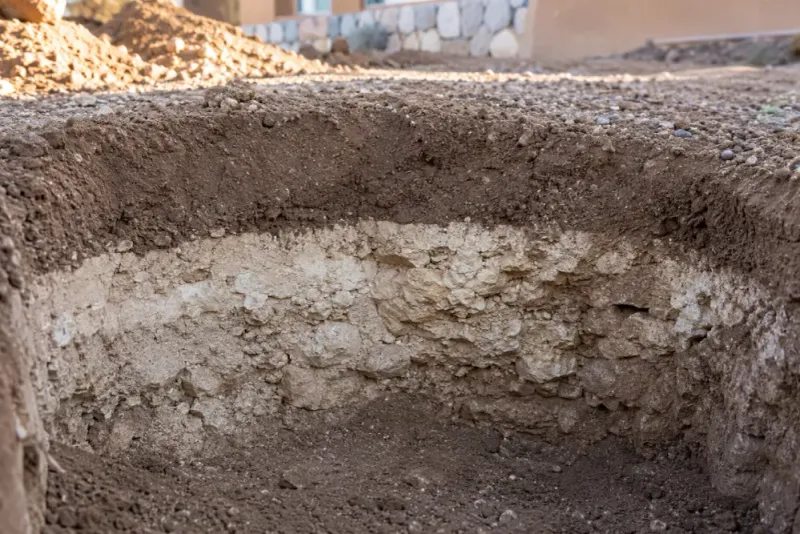
Caliche can quietly ruin a planting before summer heat ever becomes the visible problem. That hard calcium carbonate layer common across Phoenix and Tucson yards acts like a shallow underground pan, trapping water above it and preventing roots from reaching deeper soil.
For a plant that needs consistent moisture but not waterlogged roots, sitting above a caliche barrier is a reliable way to develop root stress, salt buildup, and nutrient problems before the first summer is over.
The University of Arizona recommends testing drainage before committing to a planting location. Fill the hole with water and watch how quickly it drains.
If water is still standing after several hours, the drainage is inadequate and the caliche layer likely needs to be penetrated or removed before planting. Breaking through with a breaker bar and backfilling with amended soil gives roots a path downward and lets excess water move away from the crown.
Consistent moisture for a hydrangea does not mean saturated soil around the clock. The goal is soil that stays evenly damp between waterings, not a zone that pools and stays wet after every irrigation cycle.
Arizona’s alkaline soils and variable irrigation water quality can also contribute to nutrient stress, particularly iron chlorosis, which shows up as yellowing leaves with green veins. Managing drainage is the first step, and it matters more here than in most temperate garden settings where caliche is not a factor.
Time planting for establishment, not peak summer
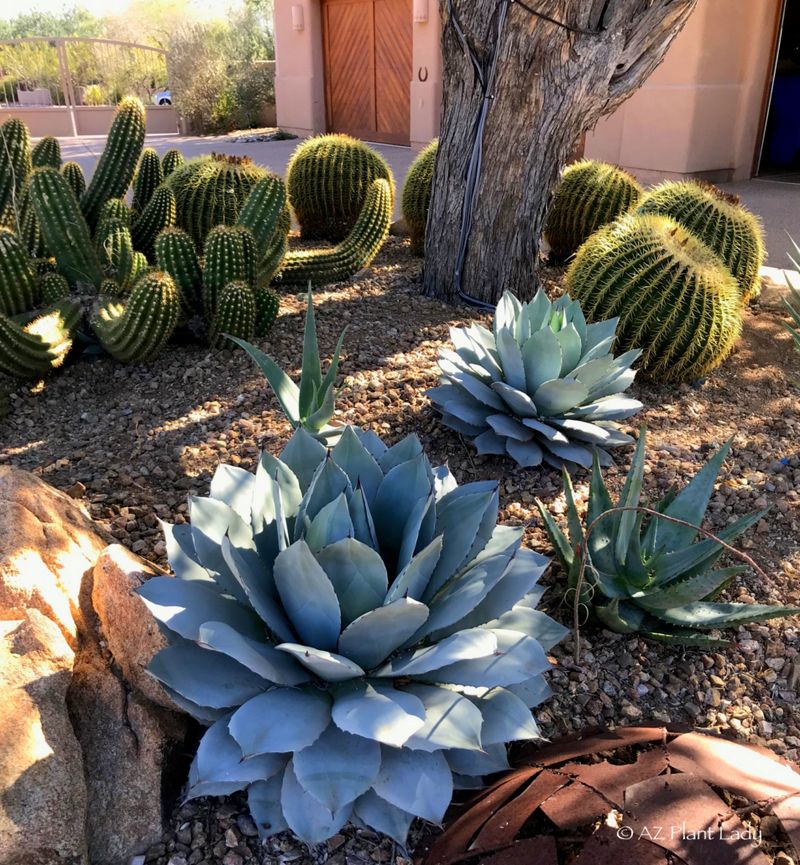
Fall, roughly October through November, and early spring are the low desert’s real planting windows for non-desert-adapted ornamentals. Putting a new Groundbreaker in the ground during June or July means asking a recently disturbed root system to establish itself while air temperatures regularly exceed 110 degrees Fahrenheit and soil temperatures are even higher.
Even a plant rated for heat will struggle to push new roots into hot, dry soil fast enough to survive that kind of stress.
Fall planting gives the root system several mild months to anchor before the following summer arrives. University of Arizona desert garden guidance consistently points to fall as the preferred window for establishing plants that need time to develop before facing extreme heat.
Early spring works as a secondary option, but it compresses the establishment window considerably, especially in Phoenix where triple-digit days can arrive by late April or early May.
New plants, regardless of their mature toughness, need frequent monitoring and irrigation during establishment. A small Groundbreaker is not drought-tolerant simply because it is compact.
Expect to check soil moisture regularly and adjust irrigation as temperatures shift. Frost is also a real consideration in Tucson and parts of the Phoenix metro, so late-fall planting should account for the possibility of cold snaps that could stress a recently planted ornamental before it has hardened off.
Heat observation, frost watch, drainage checks, and irrigation adjustments all stay on the list well past the day you put the plant in the ground.
A smaller plant is not automatically a water-saving swap
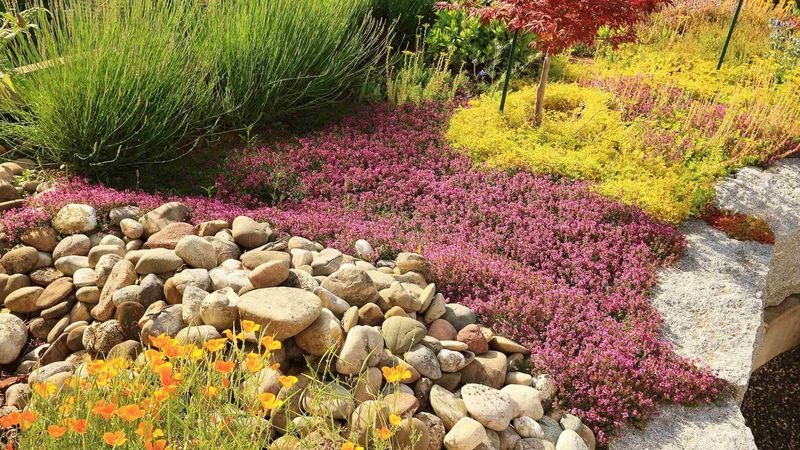
Groundbreaker’s compact size does invite a natural assumption: smaller plant, less water. That logic has some surface appeal.
A plant covering 60 to 80 centimeters of ground rather than a shrub spanning two meters or more will likely use less water in absolute terms, at least at full maturity. However, no Arizona comparative irrigation study has measured that difference for Groundbreaker specifically, and a smaller hydrangea is not automatically a water-wise choice by low-desert standards.
The relevant comparison is not Groundbreaker versus a large hydrangea shrub. It is Groundbreaker versus a desert-adapted plant of similar scale, such as a native penstemon, a compact desert willow, or a low-growing brittlebush.
Against those alternatives, a panicle hydrangea requiring consistent moisture and a dedicated irrigation zone is clearly the higher-water option, regardless of its mature size. University of Arizona guidance classifies non-desert-adapted ornamentals as higher-water-use plants, full stop.
Groundbreaker may suit a homeowner who genuinely wants a low, color-shifting flowering plant and accepts that it will need supplemental irrigation to survive Arizona summers. That is a reasonable choice for a specific spot in a larger landscape.
What it does not do is function as a water-saving replacement for a large shrub, serve as a native habitat plant, or provide any evidence-based pest deterrence. The plant’s appeal is ornamental, and keeping that scope honest helps homeowners make a decision they will not regret when the water bill arrives in August.
Verify availability before designing around it
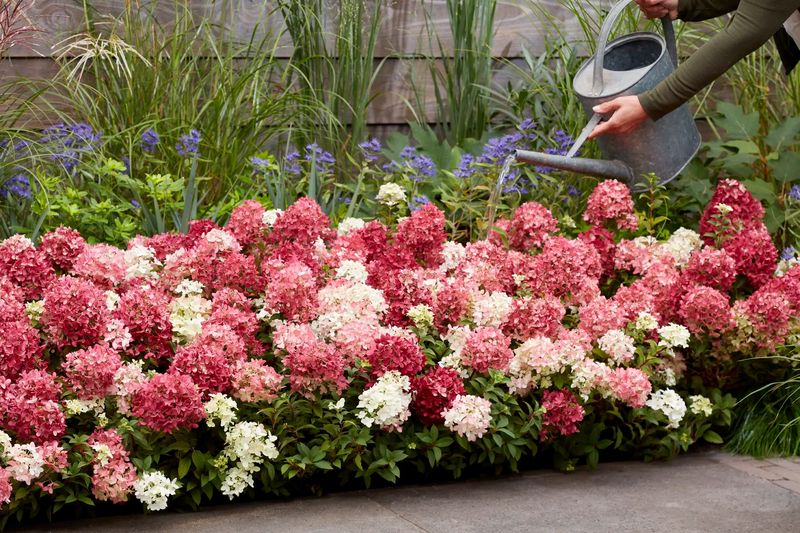
Building a planting design around a plant you cannot actually buy is a frustrating way to spend a landscaping budget. Groundbreaker’s availability in the U.S. is genuinely inconsistent right now.
Plant Development Services announced a North American debut planned for 2027, while some retailers are already listing plants as new arrivals or accepting preorders. Those two facts can coexist, but they mean you should verify local stock before treating Groundbreaker as an immediately accessible Arizona option.
Check with local nurseries in the Phoenix and Tucson metro before ordering online. Shipping a small ornamental hydrangea through desert summer heat adds risk, and a plant that arrives stressed from a hot transit box faces a harder establishment than one purchased locally and planted during a mild week.
Some specialty growers and mail-order nurseries may have stock earlier than big-box retailers, so it is worth calling around rather than assuming the plant is either everywhere or nowhere.
Availability should also be evaluated alongside the site requirements already covered. A protected location, verified drainage, a dedicated irrigation zone, and realistic expectations about heat performance are all prerequisites.
If you cannot meet those conditions or cannot find the plant locally, the honest move is to wait. Chasing a novel ornamental before supply stabilizes and before any Arizona performance data exists is a gamble, not a landscaping strategy.
The honest verdict: a cautious trial, not an instant replacement
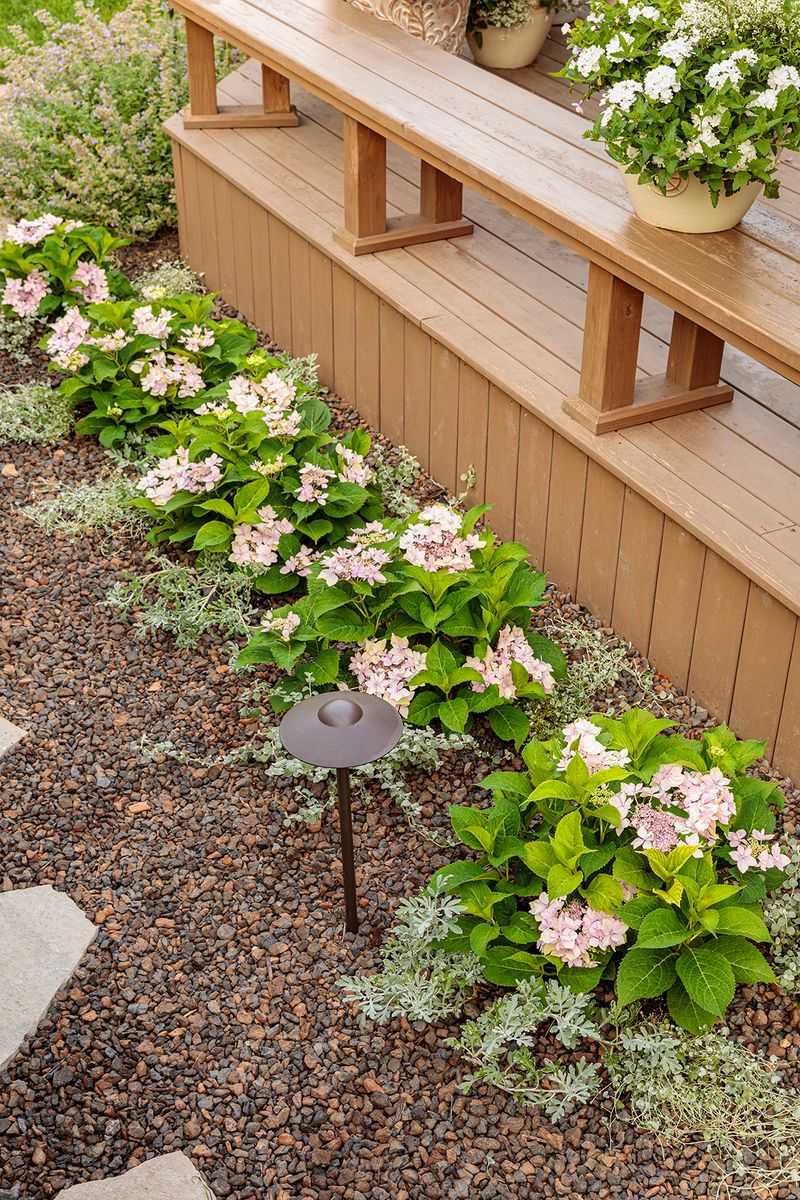
Groundbreaker is a novel, low-growing hydrangea whose breeder advertises an approximately 100-day ornamental flower-head display, with blooms aging through white, pink, ruby, or cream tones depending on the cultivar. That is genuinely appealing.
It is not, however, a proven drought-tolerant desert groundcover, and the evidence does not support the idea that Arizona homeowners are already replacing large shrubs with it.
If you want to try it, choose a protected site with tested drainage, put it on its own irrigation zone, plant in fall or early spring, and go in expecting to manage heat exposure, possible frost, and nutrient stress alongside regular watering. Desert-adapted plants remain the stronger default for water-conscious low-desert landscapes, and Groundbreaker earns a spot only where you can meet its needs honestly.
A well-placed experiment is still an experiment.