How New Yorkers Can Tell Which Damaged Branches to Cut and Which to Leave After The Storm
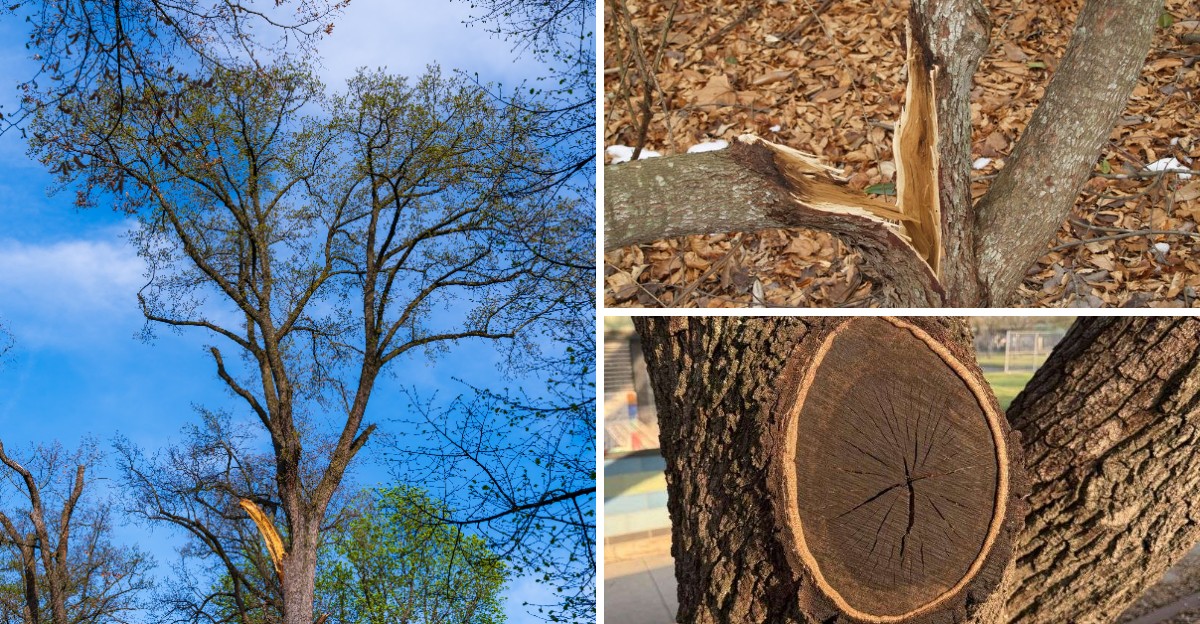
A tree can wall off its own wounds from the inside, building chemical barriers around injured wood. Arborists call this process compartmentalization, and it works without any help from us.
New York weather loves surprises. Ice storms coat limbs in heavy glass, nor’easters push wet snow onto leafy branches, and summer thunderstorms snap wood in seconds. Each one leaves a different kind of mess behind.
The way I see it, the hardest part of storm cleanup is restraint. Some broken limbs are real hazards that need to go soon.
Others look ugly but will heal fine if you simply leave them be. So which ones are hiding in your yard right now?
That Hanging Broken Limb Overhead Is the First Thing to Check
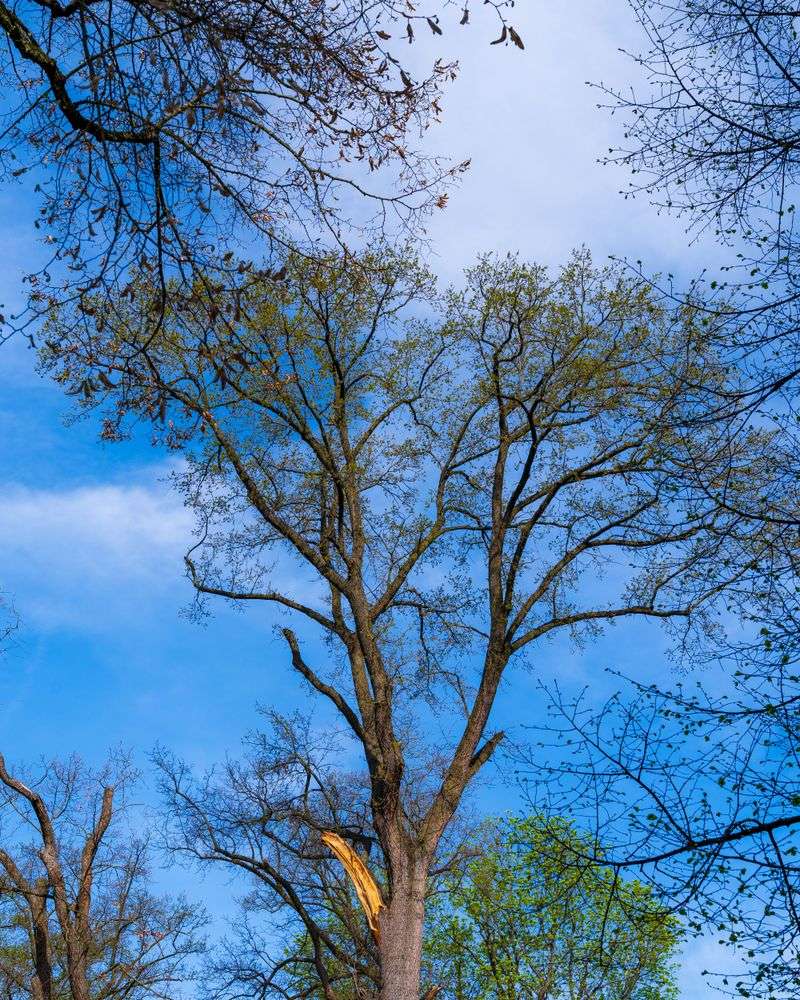
Arborists have a name for broken limbs stuck up in the canopy. They call them hangers, or widowmakers, and they can drop with no warning at all.
Before you touch a single twig, walk around your yard from a safe distance. Look up first, then down.
Scan for snapped limbs caught in other branches, limbs resting on your roof, and anything touching wires.
Power lines change everything. If a branch is near or on a line, stay far back and call your utility company right away.
In much of New York, that means Con Edison, National Grid, NYSEG, PSEG Long Island, or Central Hudson. Wires can carry current even when your lights are out.
Treat the ground near downed lines as unsafe too. Keep kids and pets inside until crews give the all clear.
Next, check the trunk itself. Fresh cracks, splits where big limbs join, and soil heaving up around the base are warning signs.
A tree that suddenly leans after a storm may have broken roots.
Snap a few photos while you look. They help when you talk with an arborist or your insurance company later.
Only after this quick safety tour should you sort damage into cut, leave, or call a pro. Rushing that step is how people get hurt.
Snapped and Split Branches Usually Need to Come Off
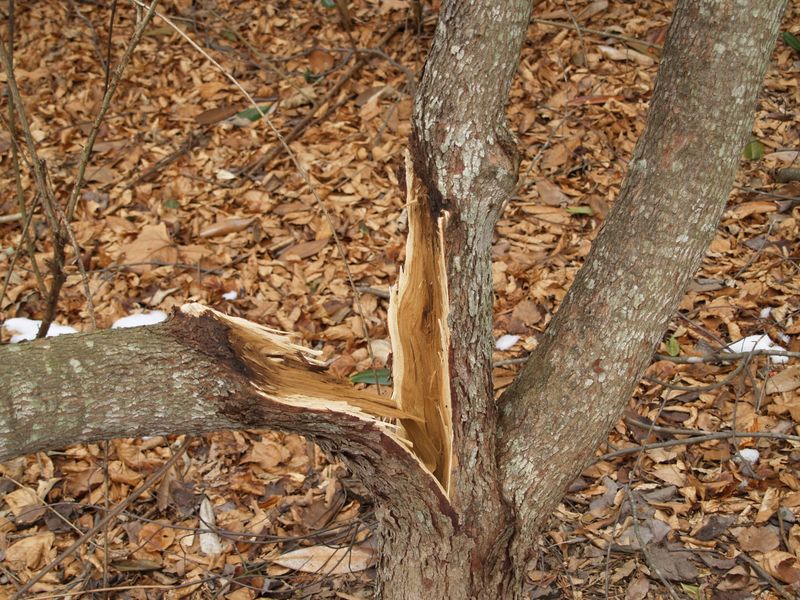
Jagged, torn wood is a clear signal. A branch that is broken partway, split down its length, or dangling by a strip of bark will not knit back together.
Cornell Cooperative Extension and other experts agree on the main cut list. Remove broken branches, stubs left by the storm, and limbs with deep cracks.
Those wounds invite decay and can fall later, often at the worst moment.
Small broken branches you can reach from the ground are fair game for a careful homeowner. Cut them back to a healthy side branch or to the trunk, just outside the branch collar.
Bark damage matters too. A scrape on a big limb usually heals over time.
If you see bark torn away from much of a branch’s circumference, that branch will likely struggle and decline.
For the trunk, extension guides often use a rough rule. When major bark loss or splitting covers a big share of the trunk, the tree may not be worth saving.
A certified arborist can confirm that.
Don’t make my old mistake and remove healthy wood just to make things look even. Cut what is broken, then stop.
Your tree needs every healthy leaf it has left to make food and recover.
Bent Branches and Scraped Bark Can Often Stay Put
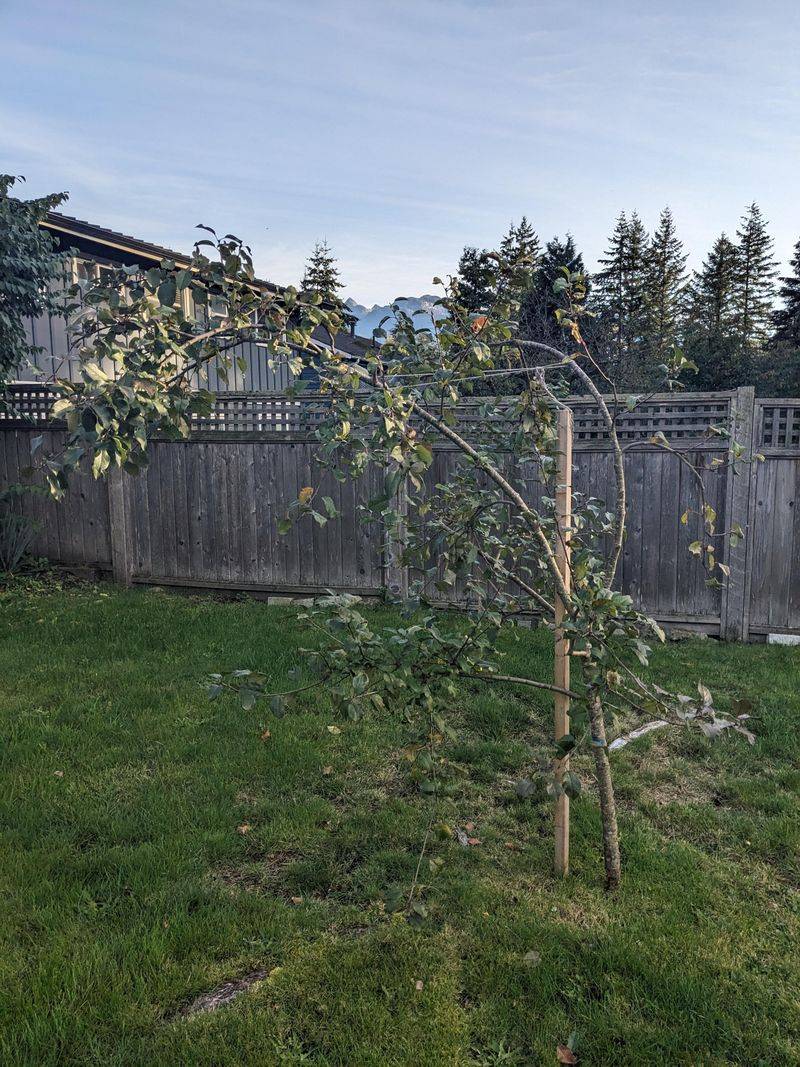
Bending is not breaking. My birch looked like it was bowing to the ground after an ice storm, and by spring it had mostly stood back up.
Flexible trees such as birches and young maples often recover from bending if the wood did not crack. Give them time before you decide anything.
Do not shake or whack ice off branches. Frozen wood is brittle, and shaking it can snap limbs that would have survived.
Let the ice melt on its own, then take a look.
Leave these alone for now:
Small twigs that are lightly frayed but still attached. Minor bark scrapes that do not circle the limb.
Lost leaves, since many trees push out new ones. Branches that bent and then sprang back without cracks.
Trees heal by sealing off wounds rather than by repairing them. A clean scrape will slowly close with new growth from the edges.
If a scrape has loose, ragged bark, you can trim just the torn edges with a sharp knife. Keep that light and avoid cutting into healthy bark.
Patience is a real tool here. Plenty of trees that look rough in the days after a storm are leafy and fine a season later.
A Clean Cut Just Outside the Branch Collar Helps Trees Heal
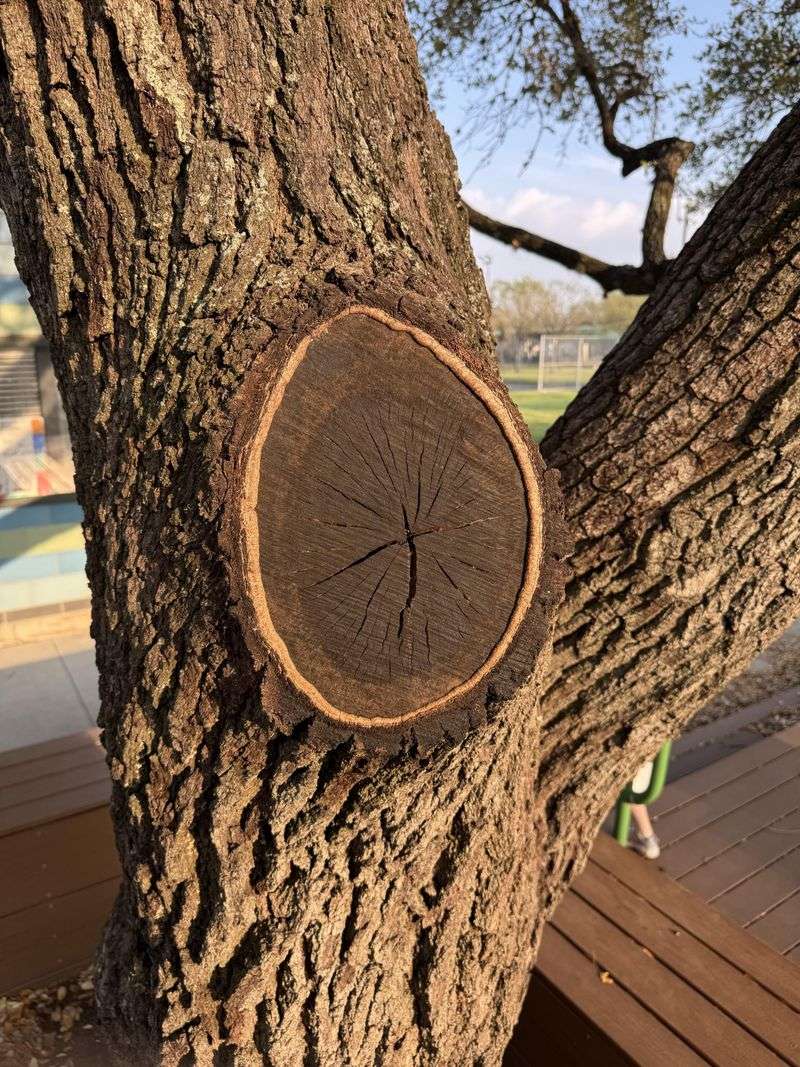
Look closely where a branch meets the trunk. You will see a slightly swollen ring of bark called the branch collar, and it holds the tree’s best healing tissue.
Your final cut should sit just outside that collar. Cutting flush against the trunk removes it and leaves a bigger wound that seals slowly.
For any limb thicker than a couple of inches, use the three-cut method. It keeps the branch’s weight from peeling bark down the trunk.
First, make an undercut about a foot out from the trunk, going a third of the way through. Second, cut from the top a little farther out until the limb drops.
Third, remove the short stub just outside the collar.
Skip the wound paint. Research from university extension programs shows dressings do not stop decay and can trap moisture.
Bare, clean cuts do better.
Avoid leaving long stubs. They rot back slowly and give insects and fungi an easy entry point.
Use sharp, clean tools. A pruning saw handles medium limbs, while bypass loppers work for small ones.
If you are cutting near diseased wood, wiping blades with rubbing alcohol between cuts is a smart habit.
One good cut beats three sloppy ones every time.
Leaning Trunks and Lifted Roots Mean It Is Time for an Arborist
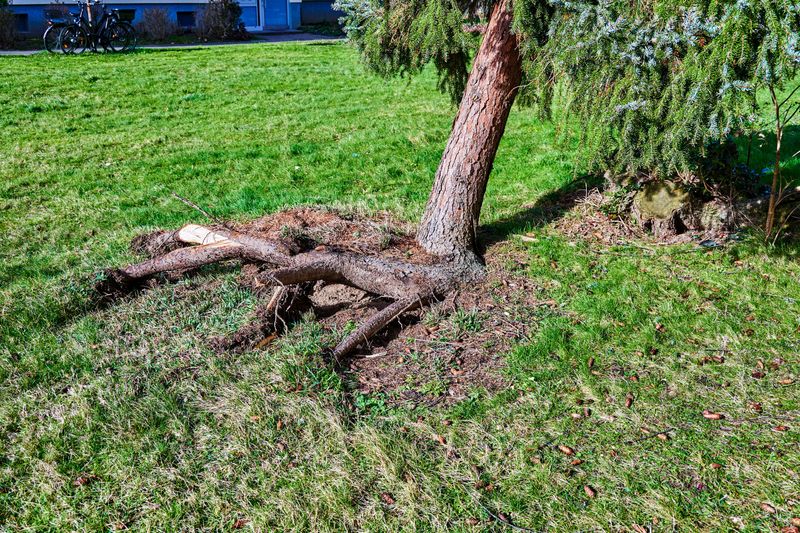
Some damage is simply out of a homeowner’s league. A big tree that tips toward your house overnight is one of them.
Watch for soil cracking or mounding on one side of the trunk. That often means roots tore loose in soggy ground, which is common after heavy New York rains.
Call a certified arborist if you notice any of these:
A new or worsening lean. A crack in the main trunk or a split where two big stems join.
Large limbs you cannot reach without a ladder. Branches under tension, bent and loaded like a spring.
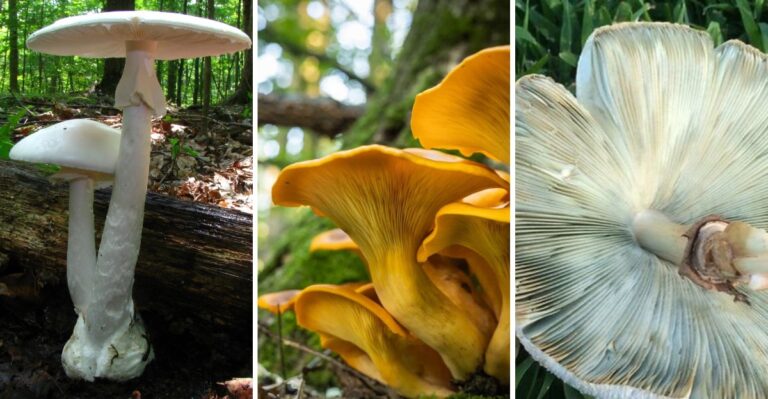
Mushrooms or hollow spots near broken areas.
Wood under tension can whip or jump when cut. Chainsaw work up a ladder is a leading cause of serious injuries during storm cleanup.
Look for credentials from the International Society of Arboriculture. Ask for proof of insurance, and get a written estimate before work begins.
Be wary of door knockers after a big storm. Some urge you to remove trees that could be saved, or they want cash upfront.
A good arborist may suggest cabling, bracing, or careful reduction instead of removal. Sometimes the tree can stay, and that second opinion is worth it.
Waiting for Warm Weather Can Save Ice-Coated Branches
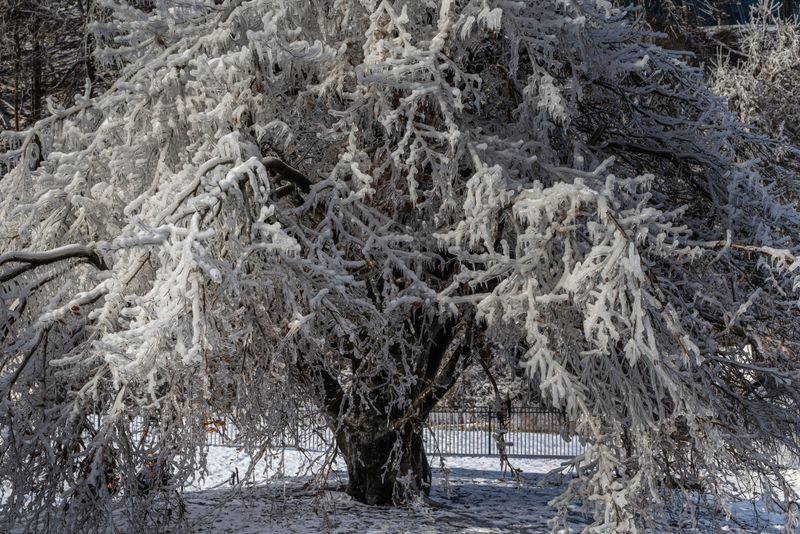
Ice storms hit hard in places like the North Country, the Hudson Valley, and western New York. The 1998 ice storm left forests across the northern part of the state bent and battered for years.
Cold wood is brittle, so cutting while limbs are frozen can cause extra splitting. If no limb is threatening people or property, wait for a thaw.
Urgent hazard removal comes first. Then sort the rest into now, later, and never.
Now means hangers, broken stubs, and branches blocking paths or doors. Later means corrective shaping, like balancing a lopsided crown.
Many experts suggest late winter, when trees are dormant and branch structure is easy to see.
Never means healthy branches you only want gone because the tree looks uneven. Trees often fill in gaps on their own over a few seasons.
Summer storms are different. Leafy trees need their foliage, so remove broken wood but hold off on extra thinning until dormancy.
Oaks need special timing. The New York State DEC asks people to avoid pruning oaks from April through July because of oak wilt.
If a storm breaks an oak limb then, clean up the break and seal that fresh wound with paint, which is the one exception to the no-paint rule.
Street Trees in New York City Belong to the Parks Department
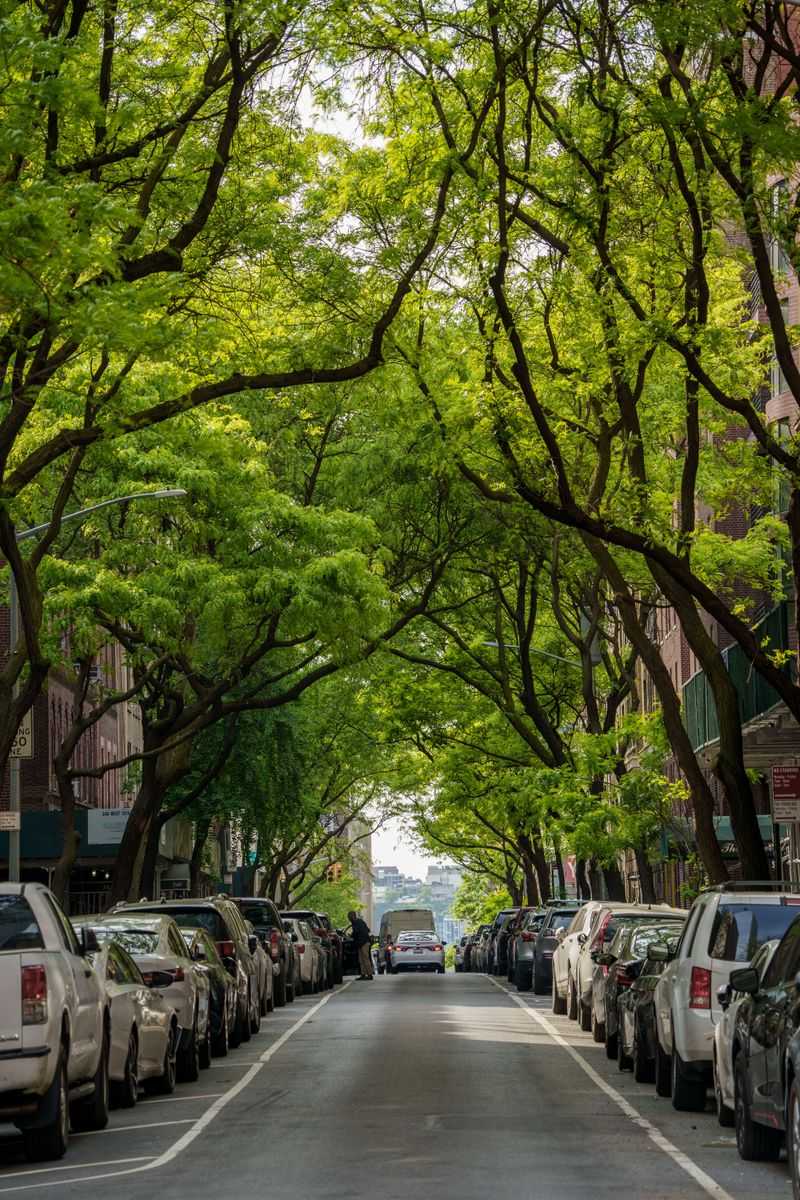
That leafy tree in front of your Brooklyn brownstone probably is not yours. In New York City, street trees belong to the city and are managed by NYC Parks.
Pruning, cutting, or removing a city tree without a permit is against the rules. Fines can be steep, even if you were only trying to help.
To report storm damage, call 311 or use the 311 website or app. You can flag hanging limbs, downed trees, and branches blocking sidewalks or streets.
Parks crews sort reports by urgency, so emergencies get faster attention.
The same idea applies in many towns across the state. Trees between the sidewalk and curb are often municipal property.
Call your local public works department before you cut.
Private yards are a different story. You can usually handle your own trees, though some villages protect larger trees and require permits for removal.
Shared trees cause plenty of friendly arguments. In general, you may trim branches hanging over your side up to the property line.
Harming the tree’s health along the way can make you liable, so talk with your neighbor first.
A short phone call can save you a fine and keep peace on the block.
Healthy Young Trees Bounce Back Better From the Next Storm
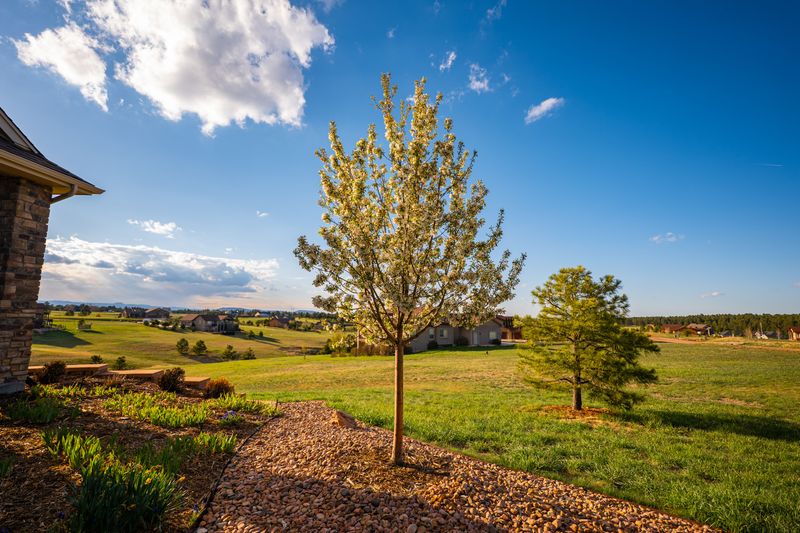
Storm-proofing starts years before the wind arrives. Trees with strong structure and healthy roots usually suffer far less damage.
Watch young trees for two or more stems fighting to be the top leader. Those tight V-shaped unions often split under ice or wind.
Light pruning while the tree is small can guide it toward one strong main trunk.
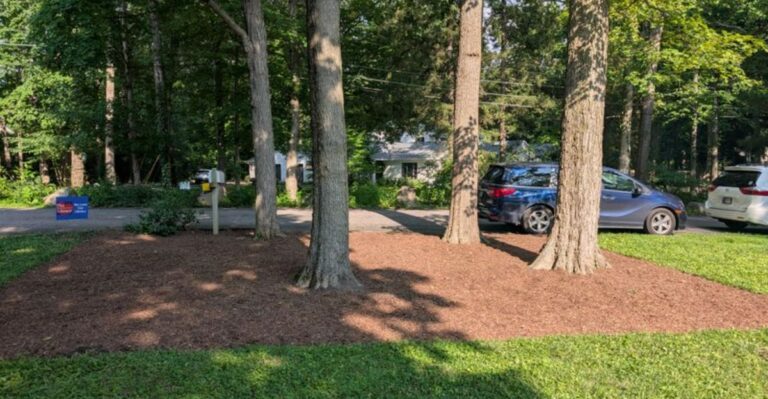
Spread two to three inches of mulch in a wide ring, keeping it a few inches from the bark. Skip the tall mulch volcanoes that rot trunks and weaken roots.
Water deeply during dry summers. Drought-stressed trees grow weaker wood and fewer roots to anchor them.
Choosing the right tree matters too. Native species like red oak, sugar maple, and hickory tend to handle storms well.
Bradford pear breaks easily and is invasive, so it is best left out of your yard.
Give big trees room. Planting a future giant right next to your house or under power lines sets up trouble later.
Finally, schedule an arborist checkup every few years for mature trees. Spotting cracks and decay early is cheaper than an emergency call.
Calm weather is the best time to make your trees storm-ready.