Winter Is the Perfect Time to Pull Buckthorn From Your Michigan Yard, and Here’s How
A shrub with a name meaning “purge” in Latin is still standing green in your yard while every maple and dogwood has gone bare. Its berries can upset a bird’s stomach, yet the birds keep eating them and planting the seeds everywhere.
I tend to think winter is the most underrated season for yard work. The bugs are gone, the brush is thin, and frozen ground keeps your boots out of the mud.
This sneaky plant arrived in North America in the 1800s as a hedge shrub. Today it crowds woodlots, fencerows, and backyards across Michigan, shading out wildflowers and young trees.
I know how frustrating it can be to stare at a thicket and wonder where to start. The real question is whether you can spot the intruder once the snow flies. Trust me, a few bare twigs give it away fast.
1. Those Green Leaves Clinging to Bare Branches Are a Big Clue
Late November in the woods can feel like a giant game of hide-and-seek where one player forgot to hide. Most native shrubs drop their leaves early in fall. Buckthorn hangs on to green foliage weeks longer, often into December.
That quirky timing is your secret advantage. Michigan State University Extension points out that the late leaf drop makes buckthorn easy to spot when everything else around it looks brown and bare.
You can walk your yard on a gray afternoon and pick out the offenders from across the lot. I like to tie a strip of bright flagging tape around each one I find. Once the last leaves finally fall, those ribbons still tell me exactly where to go back with my tools.
Even after the leaves drop, winter keeps helping you. Without summer foliage, you can see straight through the understory. Hidden seedlings under your pines or along the fence suddenly stand out.
Take a slow lap around your property before the heavy snow arrives. Look along fences, under bird perches, and near the edges of woods, since birds drop seeds in those spots.
Fruit-bearing female shrubs are worth noting first, because they are the ones feeding the next generation.
A little scouting now turns the rest of winter into a focused, satisfying cleanup instead of a guessing game.
2. Frozen Ground Makes Buckthorn Removal Easier on Your Yard
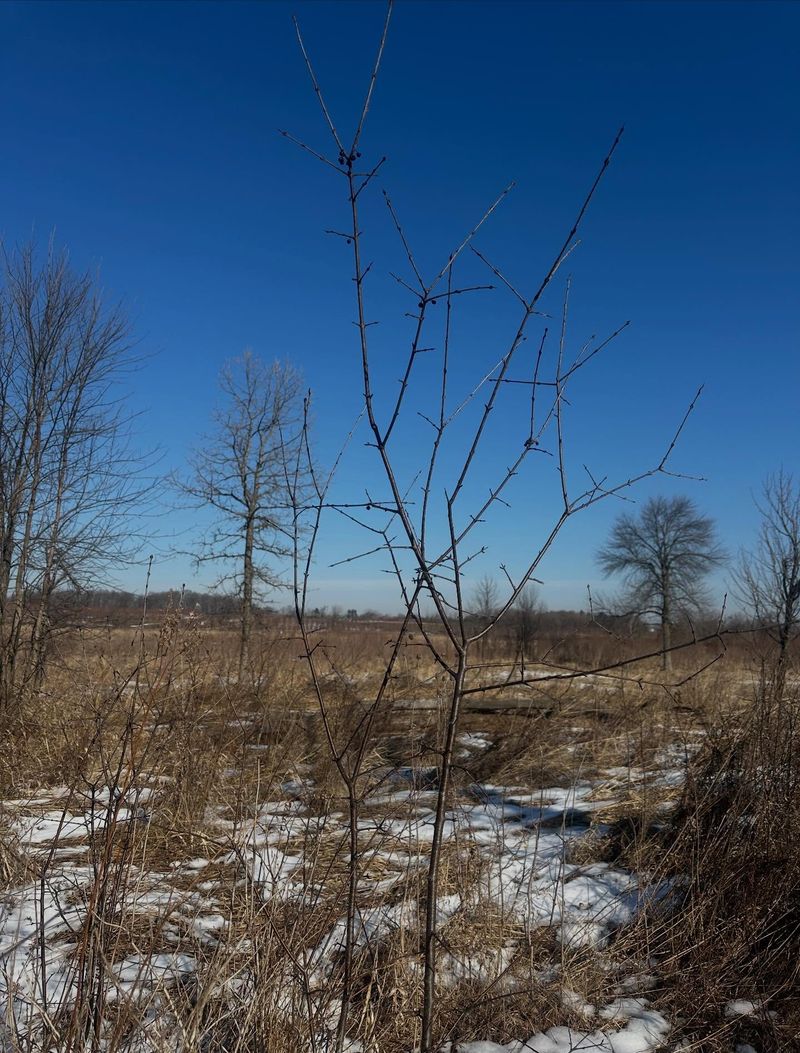
Here’s something that surprised me the first winter I tried this. The work actually felt easier in January than it ever did in July.
Frozen soil holds up under your boots, so you leave fewer ruts and less compacted dirt behind. Native wildflowers and spring ephemerals are tucked safely underground, resting through the cold.
A layer of light snow can even cushion them while you move around. Fewer distractions help too. Mosquitoes and ticks are mostly inactive, and poison ivy has no leaves to brush against. Thick brush also feels less like a jungle when the branches are bare.
One catch is worth knowing. Pulling roots works best when the soil is moist and unfrozen, so watch for winter thaws or early spring days. In deep freezes, cutting stems and treating stumps is the better plan.
Michigan winters vary a lot from the southern Lower Peninsula to the Upper Peninsula. Down near Detroit or Kalamazoo, you may get many mild thaw days. Farther north, deep snow can bury small seedlings, so focus on bigger stems.
Dress in layers, bring a thermos of hot cocoa, and work in short sessions. Even an hour on a sunny Saturday can clear a surprising patch. Before long, you will look forward to these chilly outings.
3. Gray Bark and a Sharp Twig Tip Give Common Buckthorn Away
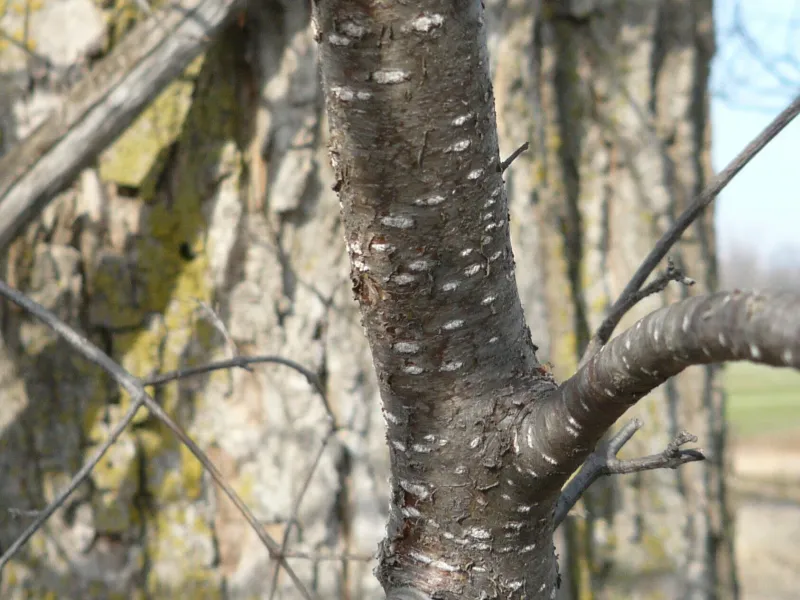
Bare branches can all start to look the same in winter. Common buckthorn, though, has a few tells once you know them.
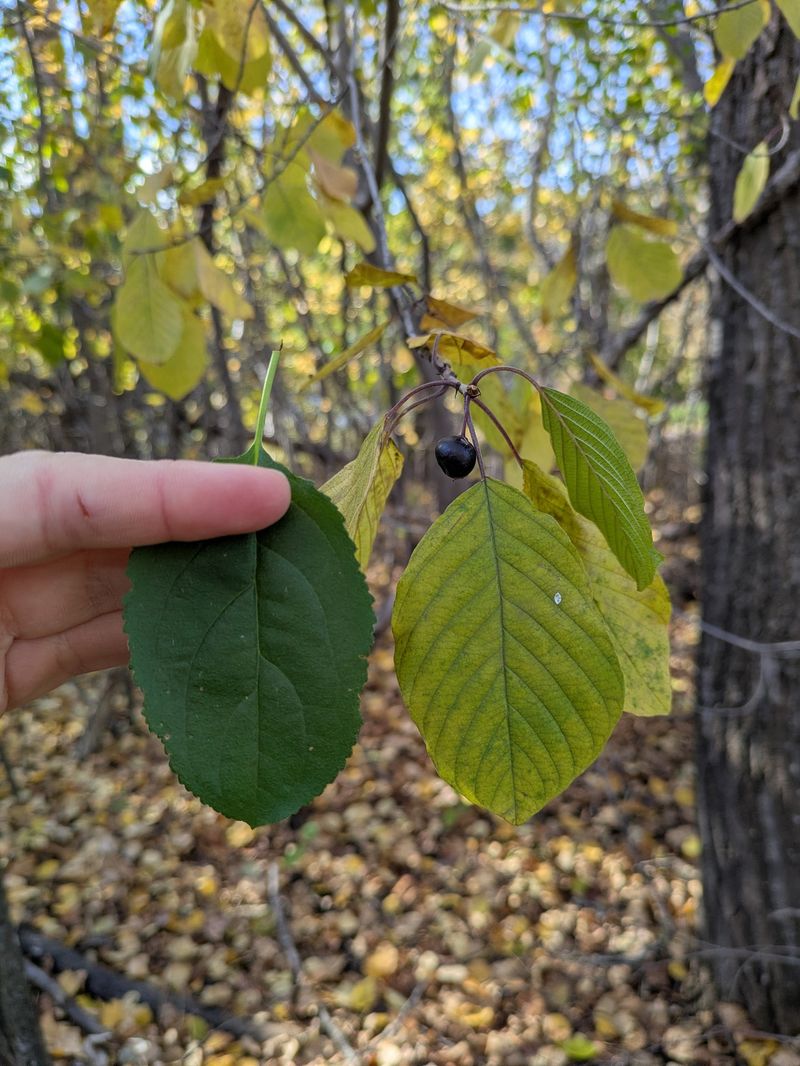
Its bark is gray to brownish with light, raised marks called lenticels. Older trunks get rough and flaky. Many twigs end in a sharp, stiff point tucked between the end buds, which is where the plant got its thorny name.
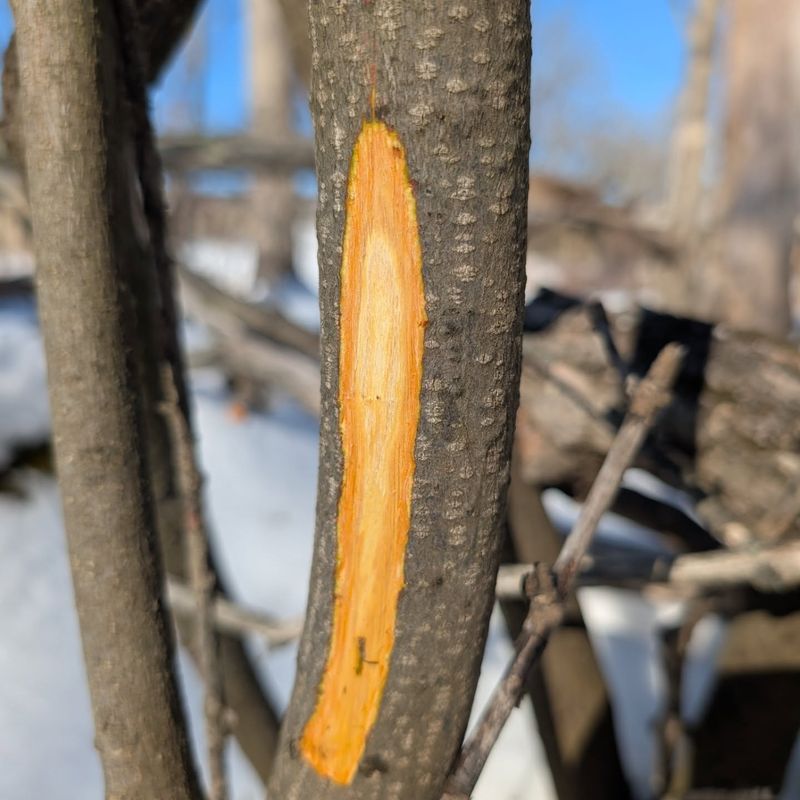
My favorite test takes two seconds. Scrape a bit of bark with your thumbnail or a knife. A bright yellow inner layer and an orange heartwood shout buckthorn.
Buds are another hint. Common buckthorn has dark, scaly buds that sit close to the twig, often in nearly opposite pairs. Some plants hold onto small, dark purple berries into winter, but only female shrubs make fruit.
Be careful with native look-alikes. Wild black cherry and chokecherry have bark with horizontal lines and often smell like almonds when scraped. Dogwoods have truly opposite branches and lack that bright orange center.
When in doubt, snap a photo and compare it with the Michigan Invasive Species Program or MSU Extension guides. You can also ask your local conservation district for help. Getting the ID right protects the native shrubs you want to keep.
4. Glossy Buckthorn Has No Thorns but Plenty of Tricks
Funny thing about glossy buckthorn. It carries the buckthorn name, yet you won’t find a single thorn on it.
Wetter spots are its favorite hangouts. Look along ditches, pond edges, and soggy corners of your property. It also grows happily in drier yards, so don’t rule it out on higher ground.
In winter, check the buds first. Glossy buckthorn has fuzzy, rusty brown buds without the protective scales most shrubs have. They almost look like tiny folded leaves wearing a sweater.
Bark gives another clue. Young stems are smooth and gray-brown with obvious white or tan lenticels scattered like freckles. Branches grow alternate, one at a time along the stem, instead of in pairs.
Scraping the bark helps here too. Glossy buckthorn usually shows a yellowish inner layer, similar to its cousin.
Both species are listed as invasive in Michigan, and both crowd out native plants. Glossy buckthorn can take over wetlands and fens, which are some of the richest habitats we have.
If your property has both kinds, tackle the ones near water and wild areas first. Those spots tend to suffer the most damage. A quick walk with this checklist in hand will help you sort friend from foe.
5. A Weed Wrench Turns Big Buckthorn Into a Doable Job
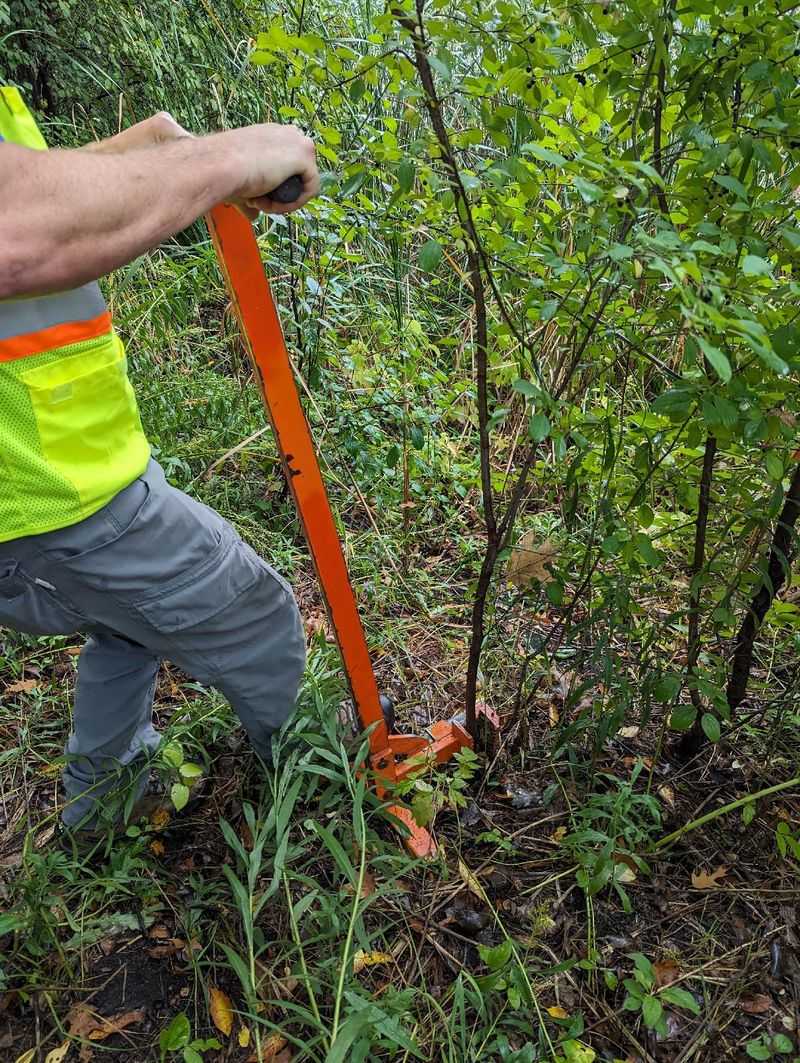
Ever tried yanking a thumb-thick shrub by hand? It’s a bit like arguing with a stubborn mule.
Small seedlings are the easy part. Grab them low near the soil and pull slowly and steadily. Damp soil during a thaw helps the whole root slide out.
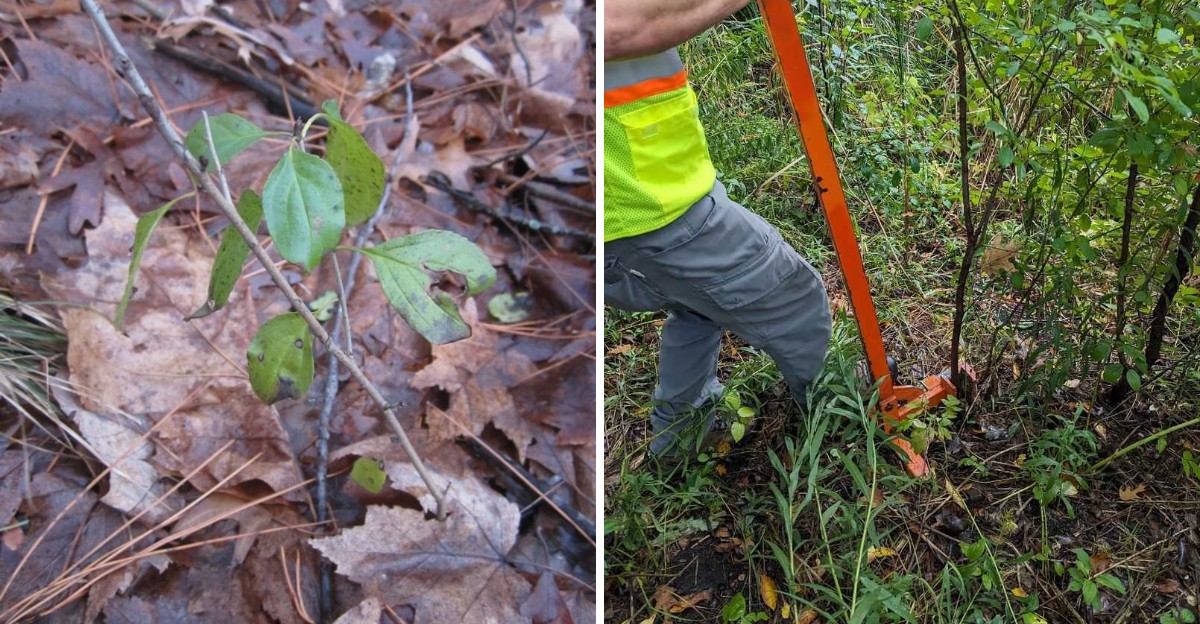
For stems roughly a half inch to a few inches wide, a lever tool earns its keep. Weed Wrench, Root Talon, and similar puller tools clamp the base and pop the plant out with leverage instead of muscle.
Some conservation districts lend them out, so call before you buy. Bigger trunks need a different plan. Use loppers or a pruning saw to cut close to the ground. Cut stumps resprout quickly, so they need follow-up care.
MSU Extension and other experts suggest treating fresh stumps with an herbicide labeled for woody plants, like glyphosate or triclopyr.
Always follow the label, especially near water. Another chemical-free option is covering stumps with a tin can or a black plastic bag so new shoots can’t get light.
Tamp loosened soil back down after pulling. Bare dirt invites new seedlings. Good gloves, eye protection, and sturdy boots round out your winter toolkit.
6. Those Buckthorn Brush Piles Need a Smart Exit Plan
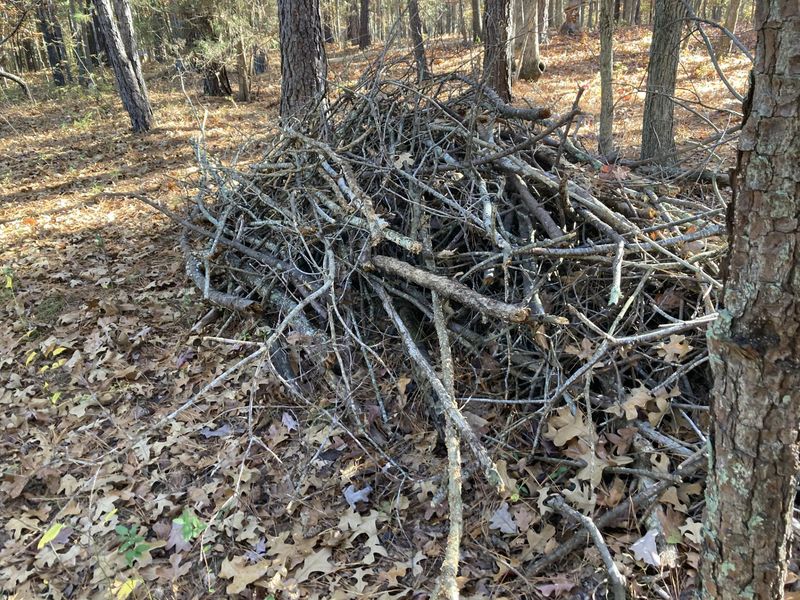
Plenty of people do the hard part and then drop the ball at the finish line. A careless brush pile can undo a whole weekend of work.
Pulled buckthorn is surprisingly stubborn. Roots left touching soil can grab hold and grow again. Lay uprooted plants on a log, rock, or tarp, or hang them in a tree so roots stay dry.
Berries are the bigger concern. Seeds can stay alive in the soil for several years, and birds happily spread them. Bag or burn fruit-covered branches instead of tossing them in the woods.
Chipping works for branches without berries. Shrubs from male plants, or cuttings taken after fruit is gone, are safer to mulch. Skip chipping any branch still loaded with fruit.
Burning is another option in some places. Michigan often requires a burn permit, and rules change by township and season. Check with your local fire department or the DNR before you strike a match.
Curbside yard waste programs sometimes accept invasive brush too. A quick call to your city or county clarifies the rules.
Treat disposal as part of the job, not an afterthought. Clean exits keep your hard work from sprouting right back.
7. New Buckthorn Seedlings Will Pop Up for a Few Springs
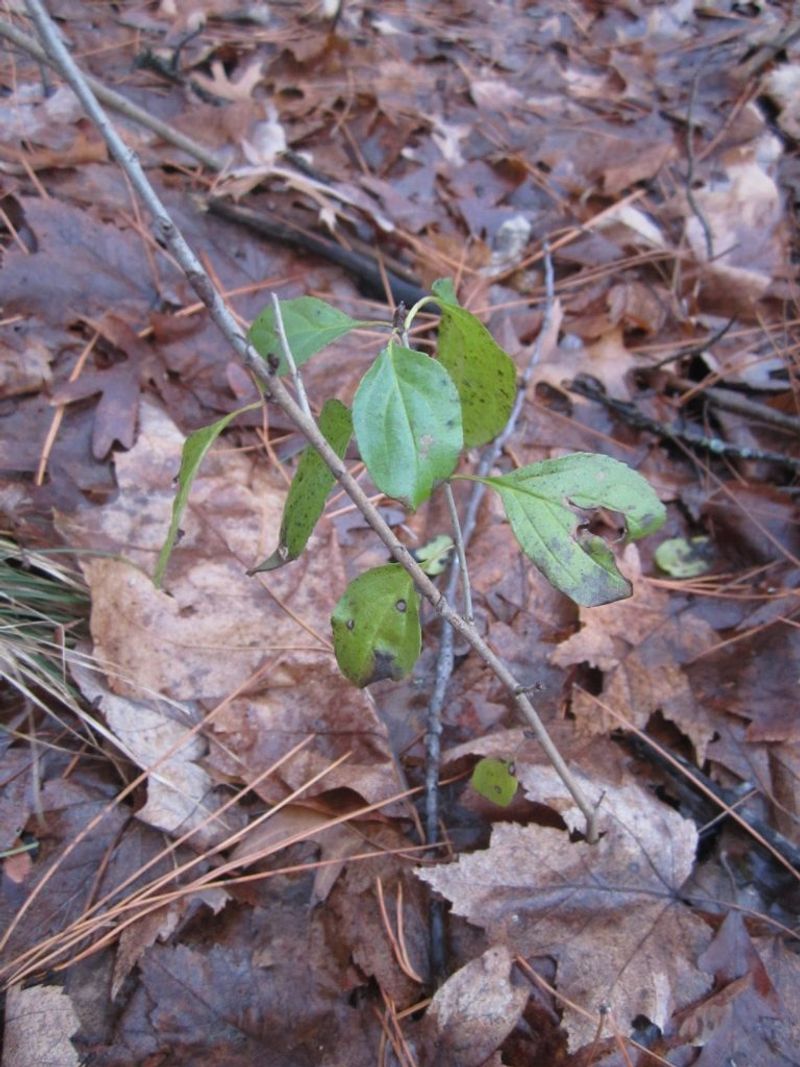
Let me be honest with you. Your first winter of removal is the opening move, not the final one.
Buckthorn builds a seed bank in the soil. Research suggests many seeds sprout within the first couple of years, though some can wait longer. Opening up sunlight after removal often triggers a flush of new seedlings.
Don’t panic when you see that green carpet next spring. Tiny seedlings pull out easily, and many people find this stage oddly satisfying. Think of it as weeding a garden bed you already won.
Plan to check cleared areas each spring and fall for at least three to five years. Look again in late autumn when buckthorn keeps its leaves. That late green color works as your yearly reminder.
Cut stumps also deserve a second look. Any that resprout need another cut or treatment. Keep a simple notebook or phone map of where you worked. Jotting down dates helps you track progress and spot problem areas.
Neighbors matter too. Birds carry seeds from nearby yards, so sharing tips with the folks next door helps everyone. A neighborhood workday can make the effort fun and far more effective.
8. Native Shrubs Like Serviceberry Can Fill the Empty Spots
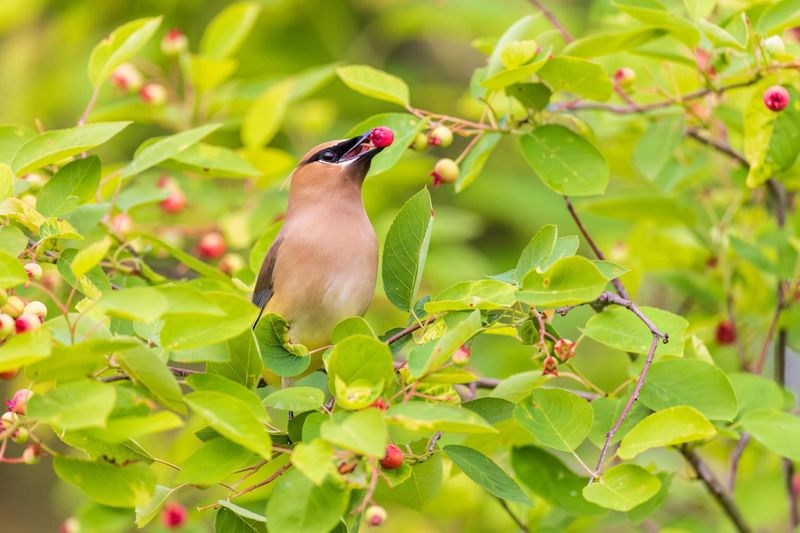
Bare ground is like an open invitation, and buckthorn loves to accept. Filling the space with good plants is the best follow-up you can give.
Michigan has wonderful native shrubs ready for the job. Serviceberry gives white spring flowers and berries birds actually benefit from. Gray dogwood, American hazelnut, nannyberry, and elderberry are tough choices for many yards.
For wet spots where glossy buckthorn once lived, try red-osier dogwood or buttonbush. Their roots handle soggy soil well, and pollinators visit their blooms.
Spring is the time to plant, once the ground thaws. Use your winter downtime to plan the layout and order from a native plant nursery or a conservation district sale. Many districts hold spring tree and shrub sales with great prices.
Groundcovers help too. Native sedges, woodland asters, and wild geranium shade the soil and make it harder for seedlings to sneak in.
The payoff is real. Removing buckthorn gives native plants room to grow, which supports caterpillars, songbirds, and bees. Studies have also linked buckthorn to soil changes that favor other invaders, so restoring natives helps your soil recover.
Every shrub you pull makes room for something better. Watching birds feast on your new serviceberry might be the sweetest reward of all.