Lime Does Little Against Moss In Shady Georgia Yards Where Grass Keeps Thinning
Moss has no true roots, so it does not compete for soil nutrients in the same way many lawn weeds do. It simply grabs the open ground that tired turf leaves behind.
That little fact changed how I look at every soft green patch under my oak trees. The fuzzy carpet is not a bully.
It is more like a messenger with a very clear note.
Across Georgia, plenty of us have tossed a bag of lime on those spots and waited for a miracle. Then spring rolls around, and the green velvet is still there, looking smug.
I can’t help laughing at how many times I fell for that same hope.
You need to know what that stubborn patch is really saying about your yard. The answer involves sunlight, soggy clay, and a few surprises hiding in the soil beneath your feet.
What is your shady lawn trying to tell you?
1. That Velvety Moss Under Your Oaks Is Sending A Message
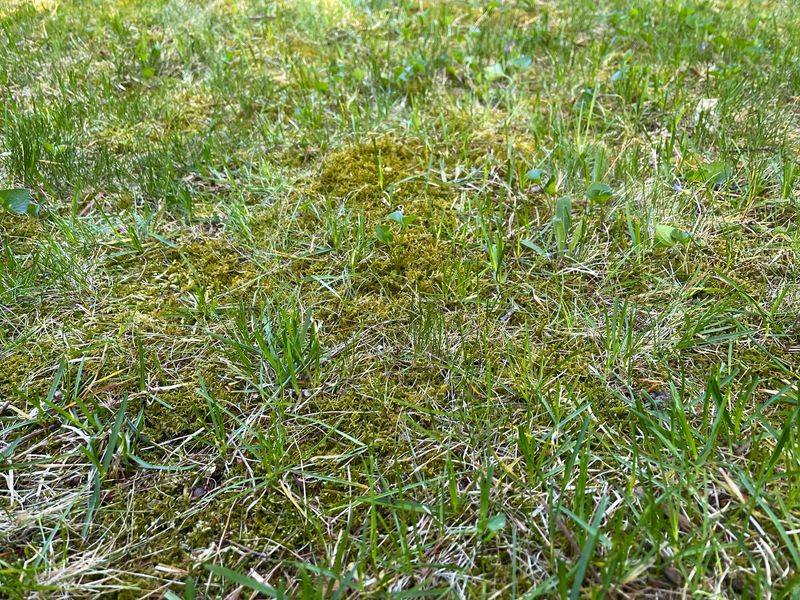
Honestly, moss gets blamed for a lot of things it did not do. It does not choke grass, and it does not rob turf of water or fertilizer.
Moss is a simple plant with tiny threadlike anchors instead of real roots. It soaks up water and nutrients right through its leaves.
That means it is not fighting your grass underground at all.
What moss does is move into empty space. When grass thins out, bare soil opens up, and moss spores drift in and settle down.
University of Georgia Extension experts describe moss as a sign of poor growing conditions, not the cause of a weak lawn.
So that soft carpet is really a report card for your yard. It usually points to a mix of heavy shade, damp soil, packed-down ground, low fertility, or acidic soil.
Often several of these show up together under big trees.
I find this freeing, to be honest. Once you stop seeing moss as an enemy, you can start fixing what actually matters.
Grab a notebook and jot down how many hours of sun that spot gets, how long puddles stay after rain, and how hard the ground feels underfoot.
Those three clues will guide nearly every step that follows.
2. A Bag Of Garden Lime Will Not Clear Away That Green Carpet
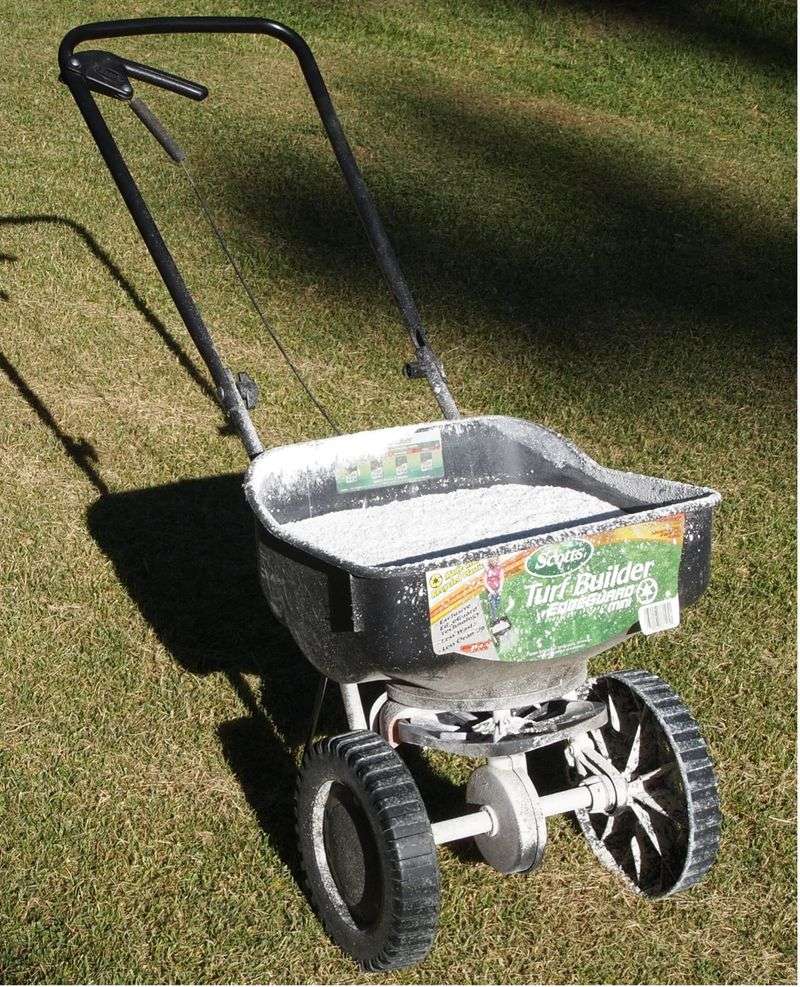
Spreading lime on moss feels like a classic Southern ritual. Grandpa did it, the neighbors do it, and the garden center has pallets of it every spring.
Lime does one main job. It raises soil pH, making acidic soil less sour.
It does not burn moss, dry it out, or make it shrivel up overnight.
Moss can grow across a wide range of pH levels. If your spot stays shady and damp, moss will often stay put even after lime brings the pH up.
That is why so many Georgia homeowners see no change after a season of liming.
Lime also works slowly. It can take several months to shift soil pH, so it is not a quick fix for anything.
There is a real risk too. Adding lime when your soil does not need it can push pH too high, which may cause nutrient problems for grass.
Centipede grass is especially touchy here.
My advice is simple. Treat lime as a soil tool, not a moss product.
Use it only when a soil test says your grass needs it, and pair it with changes in light and drainage.
3. A Simple Soil Test Kit From UGA Extension Ends The Guesswork
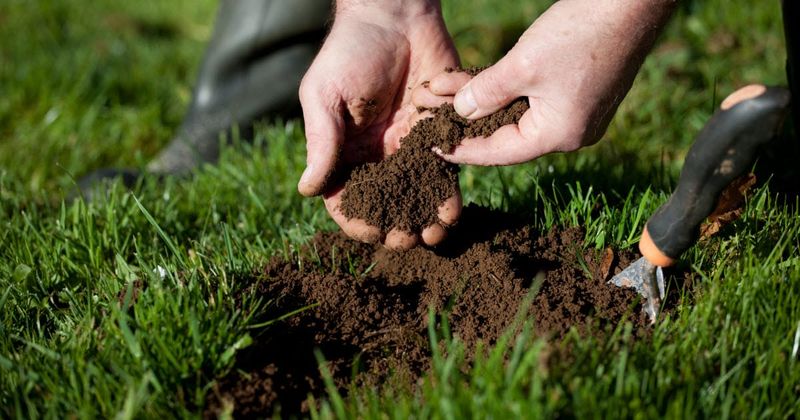
For about the price of a fancy coffee drink, you can learn exactly what your soil needs. UGA Extension offices across the state accept soil samples and send them to the university lab for testing.
To take a good sample, collect soil from several spots in the problem area. Dig down about 4 inches for lawns, mix the samples in a clean bucket, and fill the sample bag.
Skip mulch, thatch, and leaf litter on top.
Your report will show soil pH and key nutrients like phosphorus and potassium. Even better, it gives lime and fertilizer recommendations matched to the grass you grow.
Many Georgia soils run acidic, often somewhere between 5.0 and 5.5 in untreated yards. Most lawn grasses do best around 6.0 to 6.5.
Centipede prefers it lower, roughly 5.5 to 6.0, so it may need little or no lime.
Fall is a handy time to test. You get results in time to apply lime before spring green-up, since lime needs months to work.
Plan to retest every two to three years. Keeping records helps you notice slow changes before your grass starts thinning again.
4. Tree Canopies Starving Your Grass Of Sunlight Need Some Thinning
Grass is a sun eater, plain and simple. It needs light to make food, and dense shade leaves it weak, thin, and stretched out.
Most warm-season lawn grasses in Georgia struggle with fewer than four to six hours of direct sun. Even shade-friendly types usually need a few solid hours of light, or a good amount of bright filtered light, to stay thick.
Trees also compete below ground. Their roots spread wide and grab water and nutrients right where grass is trying to grow.
Lawns under shallow-rooted trees like maples and water oaks often feel this squeeze.
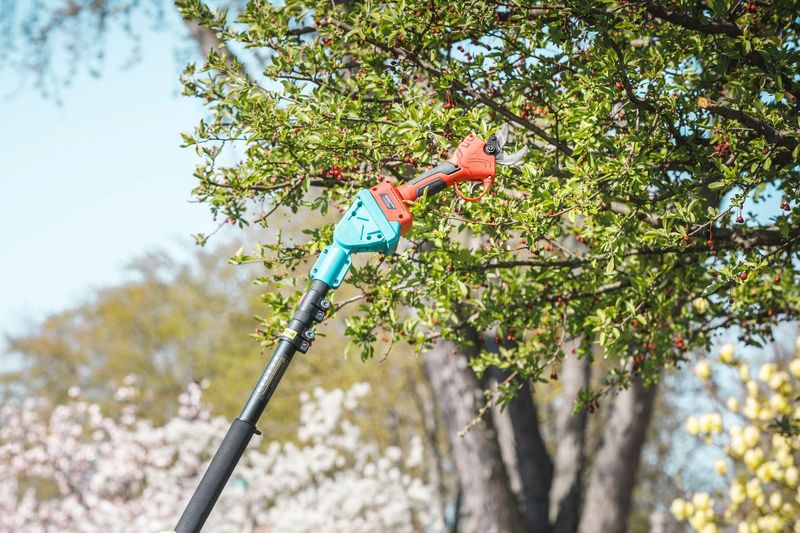
Raising the canopy can help a lot. Removing lower limbs and thinning some inner branches lets more light and air reach the ground.
Better airflow also helps grass blades dry faster, which reduces disease problems.
Hire a certified arborist for big limbs or work high up. Poor cuts and topping can harm trees and create safety hazards.
I like to watch a shady spot for a full day before deciding anything. Count the actual hours of sunlight in late spring.
That number tells you whether pruning alone might be enough or whether grass simply is not a good match there.
5. Soggy Red Clay Turns Into A Moss Welcome Mat
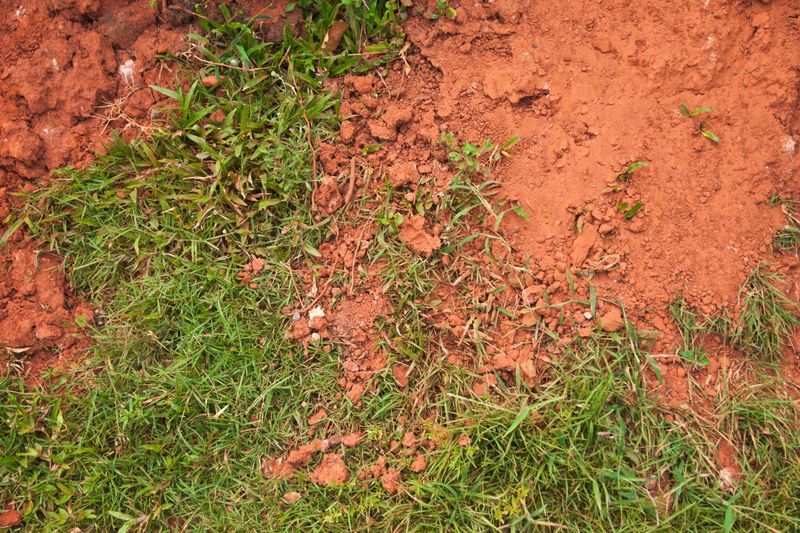
Georgia red clay holds water like a sponge that forgot how to wring itself out. Add shade, and that soil can stay wet for days after a summer storm.
Moss loves that steady dampness. Grass roots, on the other hand, need oxygen, and soggy soil leaves them gasping.
Over time, the turf thins while moss settles in comfortably.
Compaction makes it worse. Foot traffic, mowers, kids, and pets press clay particles tightly together.
Water then sits on top instead of soaking in.
Core aeration is one of the best fixes. A core aerator pulls small plugs of soil out of the ground, opening channels for air, water, and roots.
Time it when your grass is actively growing, so late spring through early summer for warm-season lawns and fall for tall fescue.
Watch your watering habits too. Deep, infrequent watering helps grass roots grow down, while frequent light sprinkles keep the surface damp for moss.
Early morning irrigation is best, because blades dry during the day.
If water pools from downspouts or low spots, redirect it. A simple extension on a gutter downspout can sometimes make a surprising difference in a soggy corner.
6. Shade Tolerant Grasses Like Zoysia And Tall Fescue Give You Better Odds
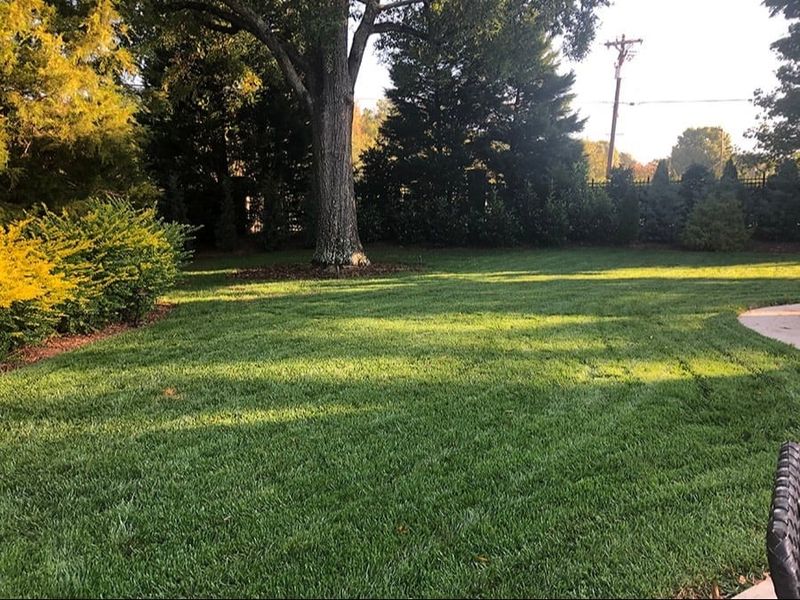
Bermudagrass is a superstar in full sun, but it sulks in shade. Plenty of thinning lawns under trees are simply the wrong grass in the wrong spot.
Georgia is a transition state, so your grass choice depends on where you live. In the northern mountains and parts of the Piedmont, tall fescue can handle moderate shade fairly well.
It does need extra care through hot summers.
Across much of the state, some zoysiagrass cultivars perform well in partial shade. St. Augustinegrass, popular in south and coastal Georgia, also tolerates shade better than many warm-season options.
Centipede sits in the middle, handling light shade but not heavy cover.
Timing matters when you plant. Seed tall fescue in fall, ideally September to October.
Plant warm-season grasses like zoysia and St. Augustine as sod or plugs in late spring to early summer, once soil is warm.
Keep expectations realistic. No turfgrass truly thrives in deep, all-day shade.
Even the toughest types need several hours of decent light to stay thick.
Check with your county Extension agent before buying. They can suggest cultivars that do well in your region and soil type.
7. Raking Out Old Moss Before Overseeding Clears The Way For New Turf
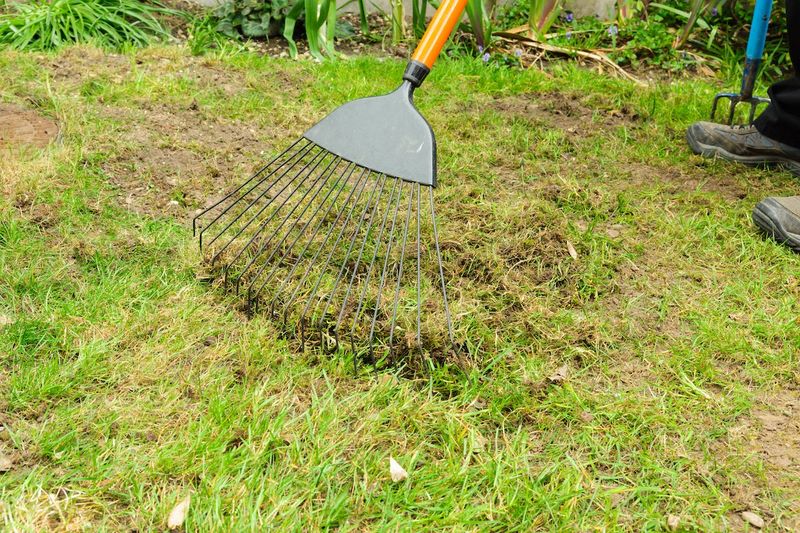
Once you have fixed light, drainage, and soil, the leftover moss still needs to go. Thankfully, this part is mostly about elbow grease.
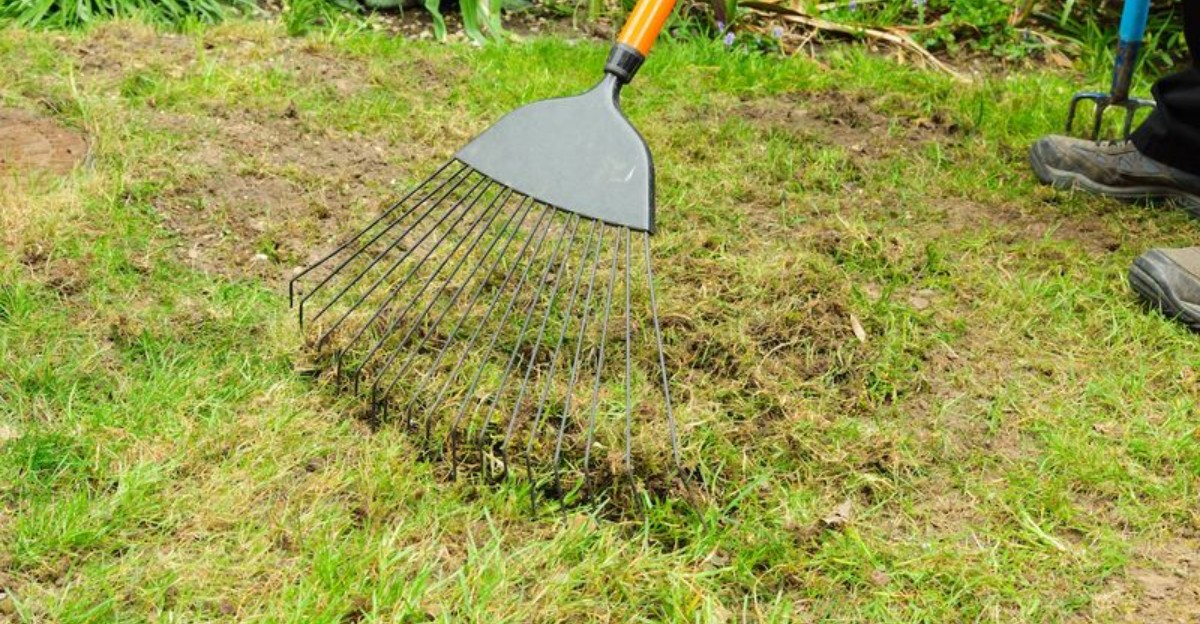
A sturdy metal rake pulls moss up easily, since it has no deep roots. Work in a few directions to loosen the mat, then gather it up.
Compost it or use it in a shady garden corner.
Some products containing iron sulfate or potassium salts of fatty acids can help control moss. Follow label directions carefully, since iron products can stain concrete and stone.
Remember that these only remove moss, they do not fix the conditions that invited it.
After raking, the exposed soil is ready for new grass. Loosen the surface lightly, then seed or lay sod based on the season and grass type.
Keep the area evenly moist until new grass establishes, but avoid turning it soggy again.
Fertilize based on your soil test results. Shaded grass usually needs less nitrogen than sunny turf, because it grows more slowly.
Too much feeding can weaken it.
Mow a little higher in shade too. Taller blades capture more light, which helps thin grass grow stronger.
8. Mondo Grass, Ferns, And Moss Gardens Can Win Where Lawns Fail
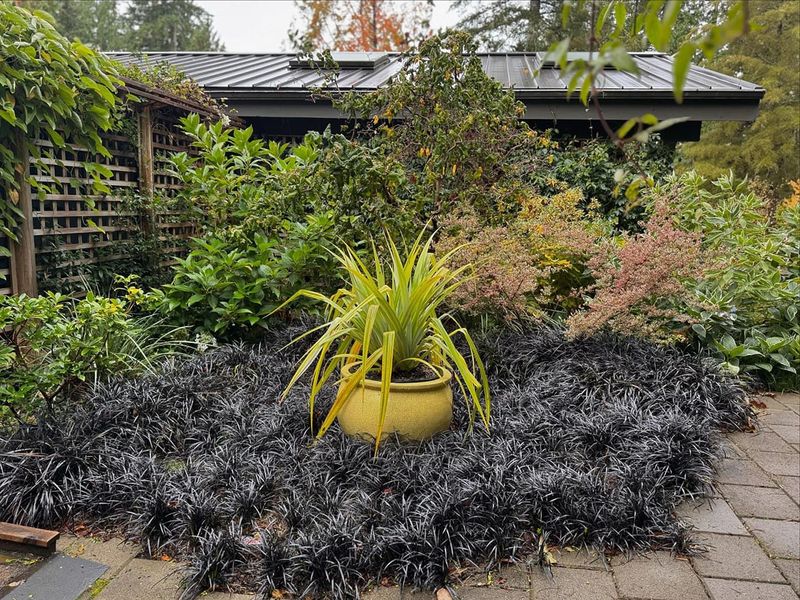
Sometimes the smartest gardening move is a graceful surrender. Some spots are simply too shady, too rooty, or too damp for grass, no matter how hard you try.
Moss itself can become the star. Moss gardens are a cherished tradition, and they need no mowing, little fertilizer, and very little fuss in moist shade.
Plenty of southern gardeners proudly grow moss on purpose.
Shade plants offer lovely options too. Native ferns like Christmas fern add texture year-round.
Mondo grass and dwarf mondo form tidy green clumps that handle shade nicely.
Skip English ivy and vinca major, though. They can spread aggressively into woods and natural areas, and Georgia lists English ivy among problem invasive plants.
Wide mulched beds under trees are another easy solution. A 2 to 3 inch layer of pine straw or shredded bark protects roots and looks neat.
Keep mulch pulled back from tree trunks.
I believe a shady yard should be enjoyed, not battled. Start with a soil test, improve light and drainage, try shade-tolerant grass, and then let other plants take over the deepest shade.
Your weekends will feel a lot more relaxed.