Is That Javelina Rooting Through Your Arizona Yard Doing You Any Favors This Winter?
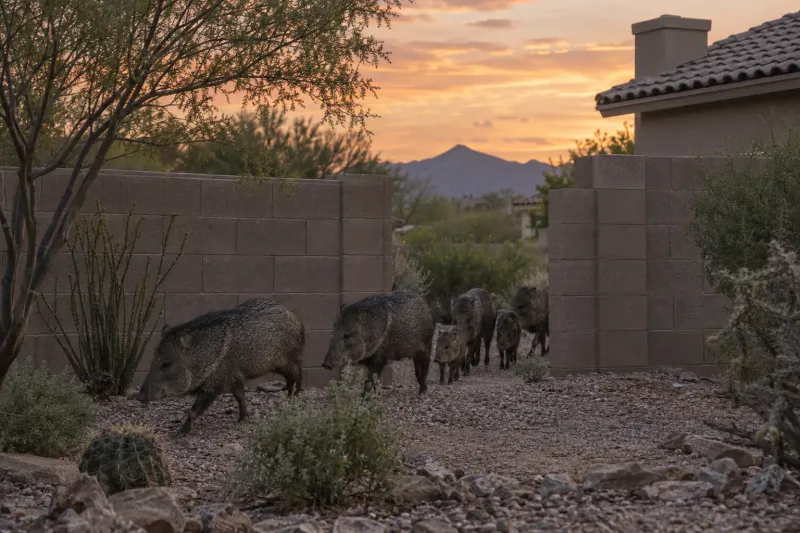
A javelina is not a pig, even though it snorts and digs like one. It belongs to a different family, and that surprises plenty of people.
I have to admit, I used to call them wild pigs myself.
The title asks if a winter visitor rooting in your beds is doing you a favor. Short answer: nobody has shown that it does.
Still, the question is worth chewing on, because rooting tells us a lot about what these animals want.
Winter can make javelinas easier to spot around Arizona neighborhoods. Cold days, new babies, and favorite foods all play a part.
You might notice them more, even if the reasons differ from yard to yard.
So what is really going on beneath those snouts? Let’s sort fact from wishful thinking, and see how to keep your garden safe.
Why Winter Javelina Visits Can Feel More Noticeable
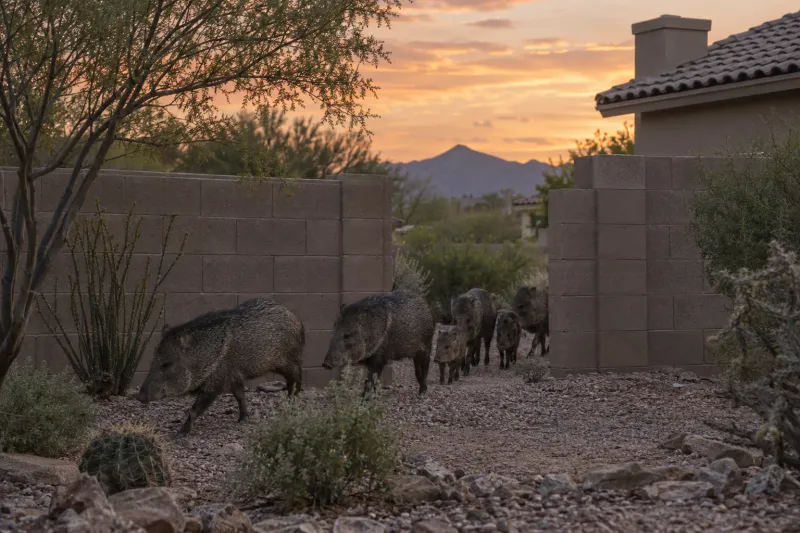
Cold mornings can change when you see javelinas. Arizona Game and Fish says they may be active during the day when it is cold, so you might spot them at breakfast instead of midnight.
Babies add to the picture. Young javelinas are born year-round, most often from November through March, so winter groups may include small, reddish youngsters trotting behind the adults.
Food matters too. A Game Management Unit 22 guide reports more prickly pear feeding in fall and winter.
That observation covers that one unit, so do not assume it fits every Arizona yard.
All of this is seasonal context only. It does not prove more rooting happens in winter, and it does not show any benefit to your garden.
Rooting Is Foraging, Not Yardwork
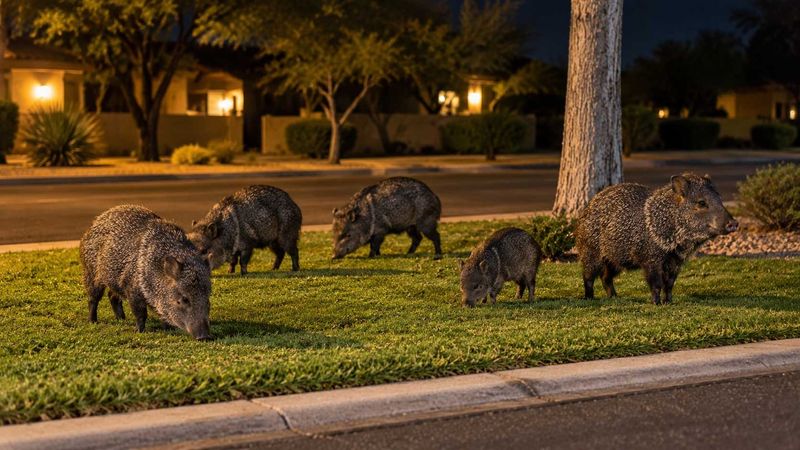
That snout in your flower bed is not planning a makeover. Javelinas are peccaries, not wild pigs, and Arizona Game and Fish notes they eat mostly plants.
Their menu can include roots, tubers, cactus, bulbs, and flowers, as the University of Arizona Extension describes. Rooting is simply how they find the food, not deliberate gardening.
So does it improve your soil? Nobody has shown that it does in Arizona yards.
A field study in Brazil saw collared peccaries digging for roots and tubers, but it did not measure soil effects or homeowner benefits.
Treat the digging as a sign of hungry wildlife, not a free service. Your bulbs and tender plants may pay the price.
A Visit Does Not Mean Pest Control
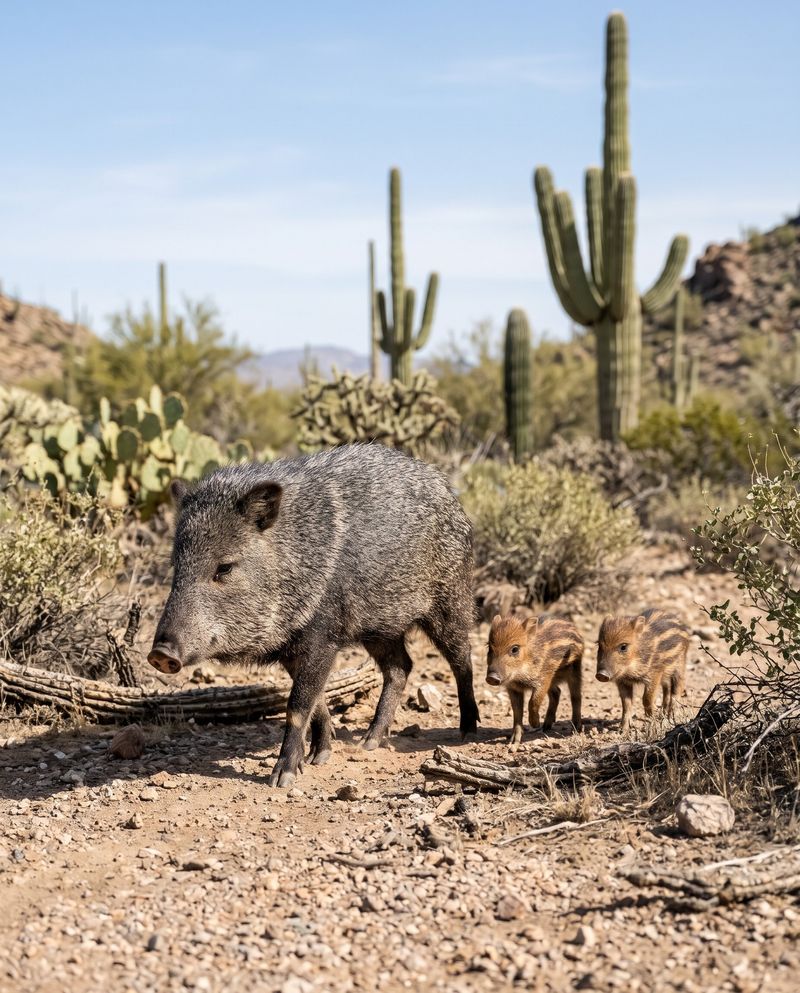
Wouldn’t it be nice if a javelina cleared out your scorpions? Sadly, that is wishful thinking.
The Arizona-Sonora Desert Museum describes javelinas as mostly plant eaters.
The museum does note they may eat rodents, lizards, or dead birds when available. That is an occasional snack, not a dependable habit you can count on.
Nothing in these sources shows javelinas control ticks, scorpions, mosquitoes, or garden pests. A visit gives you no household service, and a quick bite of animal matter does not change that.
If pests bother you, look to proven steps like sealing cracks and removing standing water. Leave the javelinas out of your pest plan.
What Might Be Drawing Javelinas Into Your Yard?
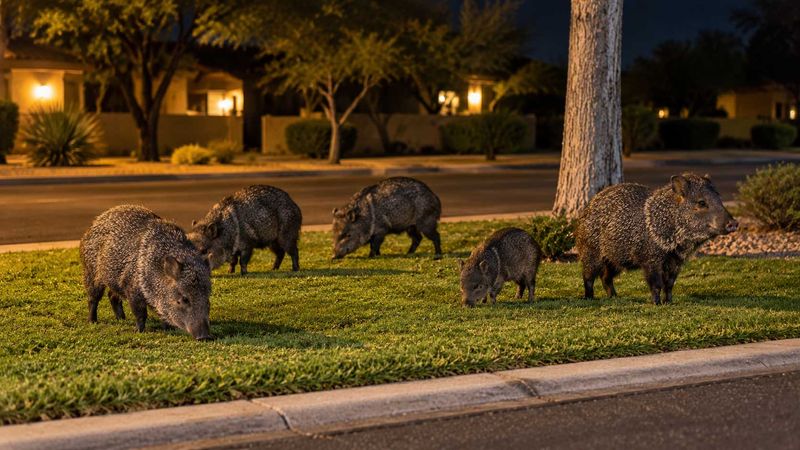
Take a slow walk around your yard and look at it like a hungry javelina would. Arizona Game and Fish lists lush vegetation, birdseed, pet food, garbage, water, and sheltered spaces as possible attractants.
Notice the word possible. No list can say exactly why one animal wandered into one yard on one night.
The University of Arizona Extension also stresses food and water access. Spilled seed under a feeder or a bowl left on the patio makes an easy target.
Think of your checklist as a way to cut conflict, not to invite guests. Each item you tidy up is one less reason for a visit.
Protect Garden Beds and Manage Attractants
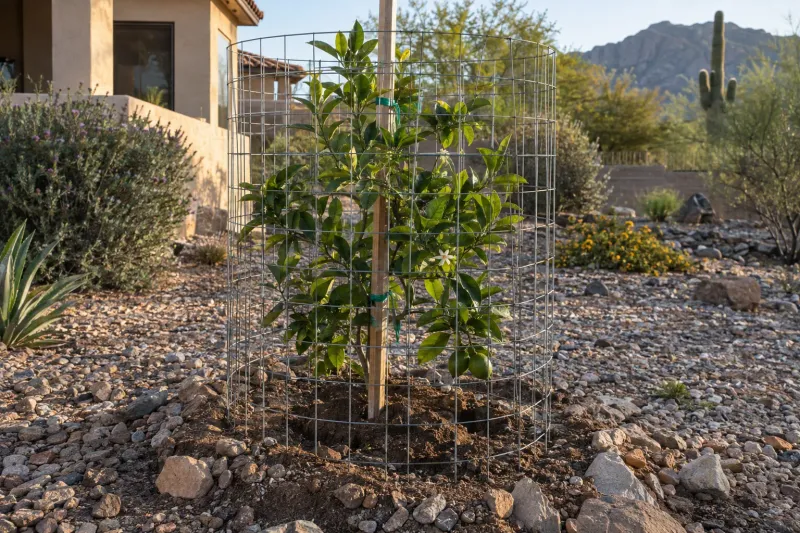
A good fence beats a good wish every time. The University of Arizona Extension recommends exclusion, including a sturdy four-foot fence around prized plants.
Next, keep food and water out of reach. Store pet food indoors, secure trash lids, and clean up fallen seed or fruit.
Please do not feed javelinas. Feeding can change natural feeding behavior and make wildlife comfortable around people.
The law matters too. Feeding, attracting, or enticing wildlife is illegal in Pima, Pinal, and Maricopa counties, subject to statutory exceptions, and the Arizona Game and Fish feeding guidance says water sources may attract javelinas.
Live elsewhere? Check your local rules.
Give Javelinas Room To Leave
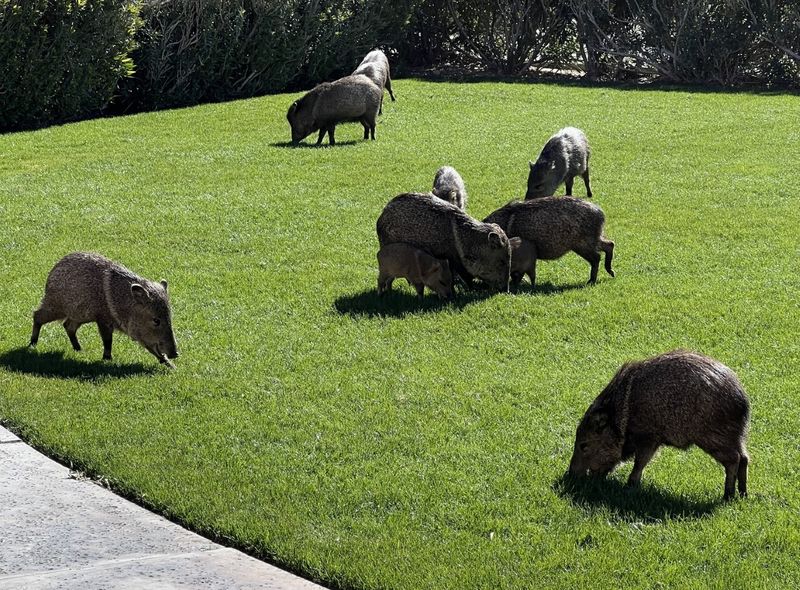
Watching from a window is the best seat in the house. Arizona Game and Fish advises keeping your distance and giving javelinas room to leave.
Animals may act defensively when cornered, protecting young, or responding to a dog. Keep dogs leashed or indoors, and never let them chase or confront a javelina.
Do not approach, feed, or block an exit path. If an animal seems aggressive or is trapped, call Arizona Game and Fish.
A close encounter is a story to tell, not proof of any garden perk. The best favor you can do is give them space.