The Best Drought-Tolerant Vegetables To Grow In Arizona Summer
Most people assume growing vegetables through summer is more trouble than it is worth. After watching plants struggle in extreme heat, it is easy to believe the season is simply too harsh for a productive garden.
That idea keeps many gardeners from planting at all, even though the real problem is often the choice of vegetables rather than the weather itself.
Some crops are not built for long stretches of hot, dry conditions. They slow down, stop producing, and leave gardeners wondering what went wrong.
Others keep growing and continue producing even when the heat refuses to let up. The difference is often much bigger than people expect.
In Arizona, choosing vegetables that naturally handle drought and high temperatures gives you a much better chance of success.
The right varieties need less attention, stay productive longer, and can make summer gardening far more rewarding than many people imagine.
1. Okra Delivers Reliable Summer Harvests
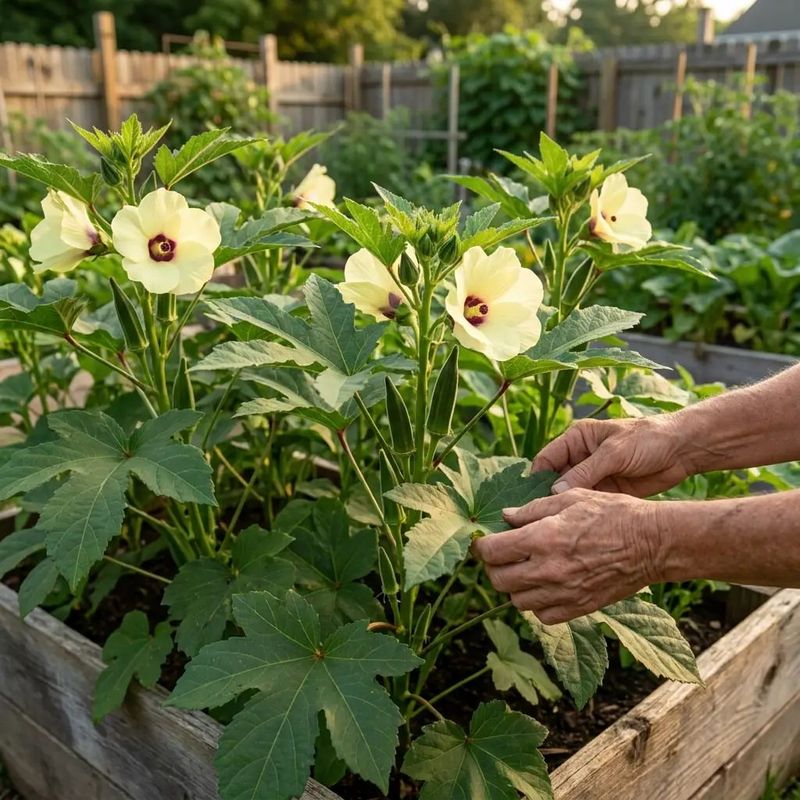
Okra was practically made for summer heat. Originally from Africa, it evolved in hot, dry climates and handles full desert sun without flinching.
Most vegetables slow down when temperatures hit triple digits, but okra actually speeds up.
Plants can grow four to six feet tall in a single season. Pods appear fast, sometimes within two months of planting.
Harvest them when they are two to four inches long, because they get tough and fibrous if left on the plant too long.
Water deeply once or twice a week rather than giving small amounts every day. Deep watering pushes roots down into cooler soil, which helps the plant stay stable during the hottest stretches.
Mulch around the base to hold moisture in.
Direct sow seeds after your last frost, when soil temperatures reach at least 65 degrees. Okra does not transplant well, so plant it straight in the ground.
Space plants about 18 inches apart for good airflow.
Okra thrives in poor, sandy soils that would stress other crops. It does not need heavy fertilizing.
A light feeding at planting time is usually enough to carry it through the season.
Pods are nutritious and versatile in the kitchen. Grill them, roast them, or slice them into stews.
If you want one vegetable that almost never lets you down during a hot desert summer, okra is the one to plant first.
2. Cowpeas Grow Well With Less Water
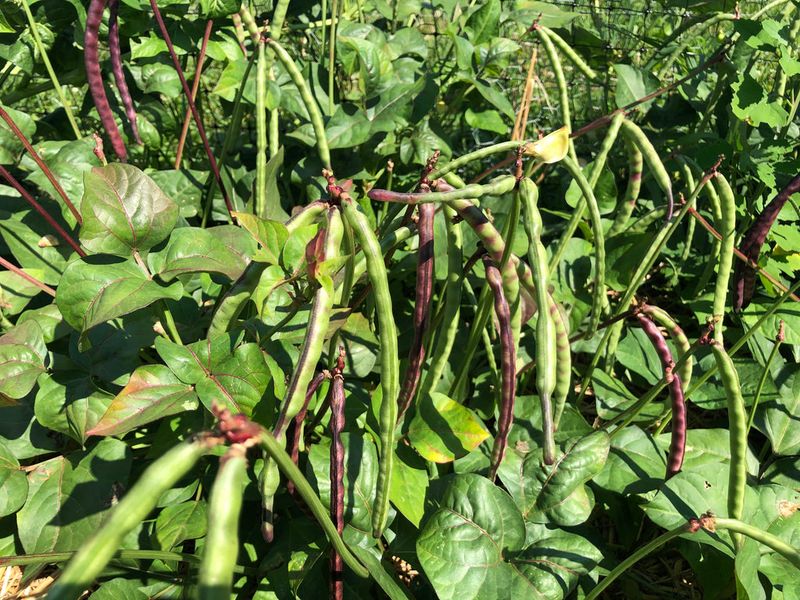
Cowpeas handle dry weather with ease. Few vegetables handle drought as naturally as these legumes, which have been feeding people in hot, arid regions for thousands of years.
Southern peas, black-eyed peas, and crowder peas are all types of cowpeas.
Once established, cowpea plants need very little water to keep producing. Their deep roots pull moisture from lower soil layers that other plants cannot reach.
That makes them especially valuable during dry summer stretches.
Plant cowpeas directly in the ground after soil warms up. Seeds germinate quickly in hot conditions, often sprouting within a week.
Space them about six inches apart in rows, or scatter them in a wide bed.
Cowpeas fix nitrogen in the soil as they grow. That means they actually improve your garden bed while feeding you at the same time.
Your Arizona Garden Changes Every Week. Your Plan Should Too.
Gardening in Arizona changes quickly throughout the season. Every Friday you’ll receive a simple weekly plan showing exactly what to plant, prune, fertilize, harvest, and protect so you never miss the right timing.
No extra fertilizer is needed once plants are established.
Harvest pods when they are plump but still green for fresh eating. Let some pods dry on the vine if you want to save seeds or cook dried beans later in the year.
Both uses are practical and rewarding.
Cowpeas also provide ground cover that shades the soil, which lowers surface temperature and reduces water loss.
Afternoon shade from a fence or taller plants nearby can extend their productive season even further into the hottest months of the year.
3. Sweet Potatoes Thrive In Dry Conditions
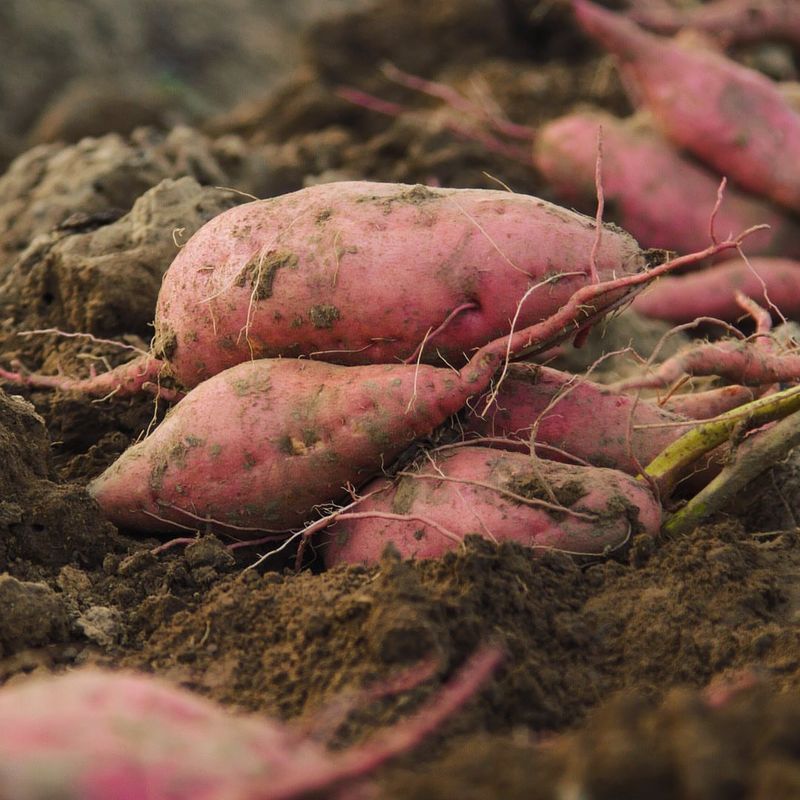
Sweet potatoes do something most vegetables cannot: they spread, shade the soil, and keep producing underground even when rain stops completely. Their vines act like a living mulch, covering the ground and locking moisture in.
Plant slips, not seeds. Slips are small rooted cuttings that get your plants off to a faster start.
Push them into loose, well-draining soil and water them well for the first week or two while roots establish.
Once settled in, sweet potatoes need far less water than most garden crops. Water deeply every seven to ten days during summer.
Overwatering actually causes problems, leading to cracked or rotted roots underground.
Full sun is essential. Sweet potato vines will spread aggressively, so give them room.
A four-by-eight bed can support three to four plants comfortably without crowding.
Harvest comes about 100 to 120 days after planting slips. Check roots by digging near the base of the plant.
Skin should feel firm and the roots should have good size before you pull the whole plant.
Cured sweet potatoes store well for months. Let freshly dug roots sit in a warm, humid spot for about ten days before moving them to cooler storage.
Sweet potatoes are genuinely one of the most low-maintenance, high-reward crops you can grow during a hot desert summer.
4. Eggplant Loves Desert Heat
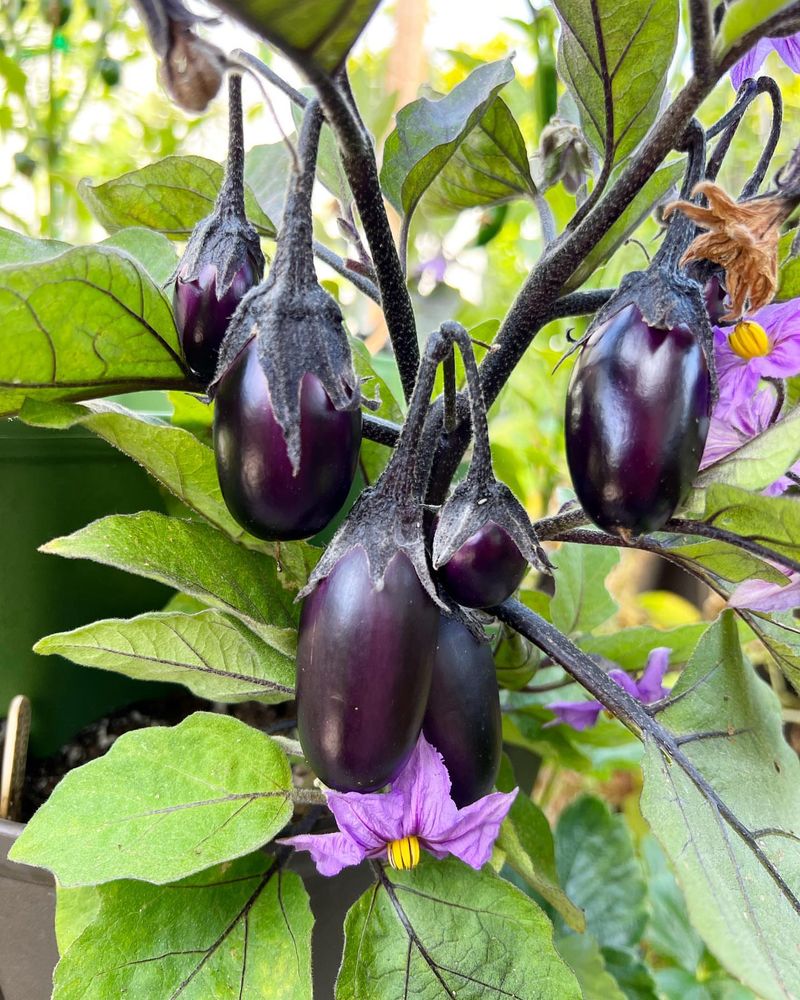
Most vegetables beg for cooler temperatures. Eggplant does the opposite.
It genuinely performs better when summer gets serious, producing more fruit as temperatures climb into the 90s and beyond.
Start seeds indoors about eight weeks before your last frost date, then transplant into the garden once nighttime temperatures stay above 55 degrees. Eggplant hates cold soil, so rushing the timing usually backfires.
Water consistently but do not overdo it. About one inch of water per week works well for established plants.
Mulch heavily around the base to keep soil moisture steady and reduce how often you need to water.
Full sun is non-negotiable. Partial shade cuts fruit production significantly.
Place plants where they get at least eight hours of direct sunlight each day for the best results.
Varieties like Black Beauty, Orient Express, and Ichiban perform reliably in hot, dry conditions. Smaller varieties often handle heat stress better than larger types, so consider trying a few different ones to see what works best in your specific spot.
Eggplant also tolerates poor soil better than many other fruiting vegetables. A balanced fertilizer at planting and a light side dressing mid-season is usually enough.
Harvest fruits while the skin is still glossy and firm. Waiting too long makes them bitter and seedy, so check plants every couple of days once fruiting begins.
5. Malabar Spinach Keeps Producing In Summer
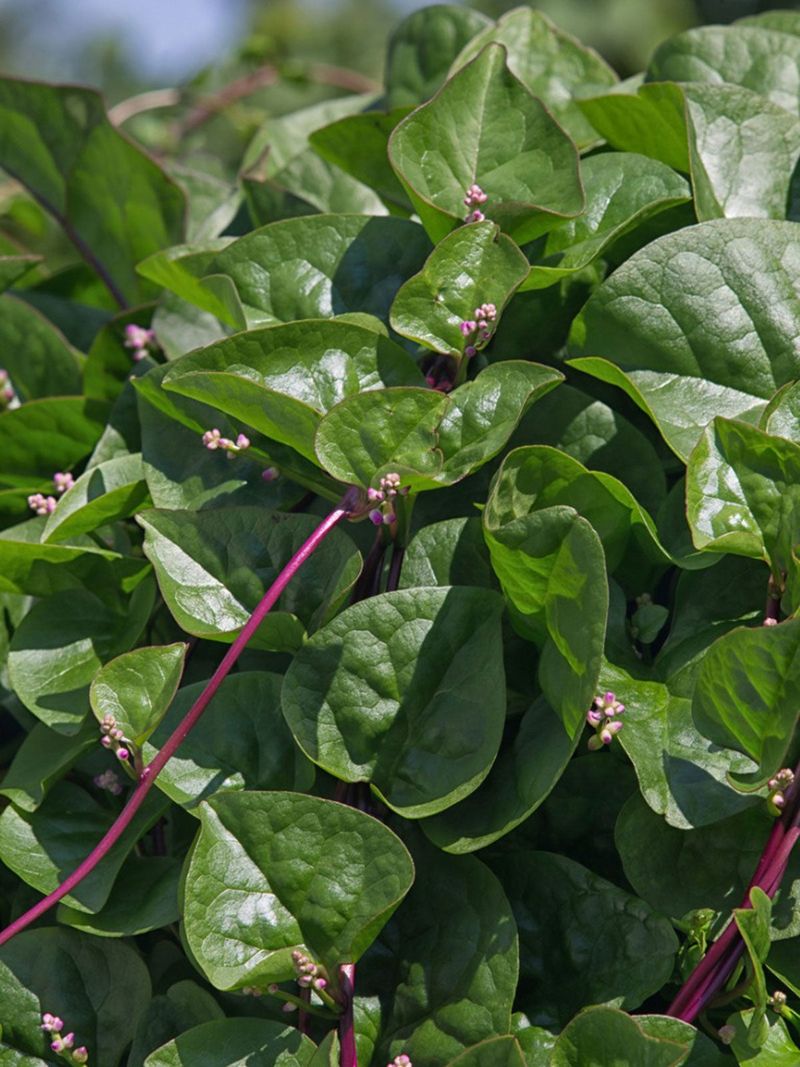
Regular spinach gives up the moment summer heat arrives. Malabar spinach does the exact opposite.
It is a vining tropical plant that actually needs heat to thrive, making it a rare find for desert gardeners who want leafy greens in summer.
Malabar spinach is not a true spinach, but the thick, glossy leaves taste similar when cooked. Use them in stir fries, soups, or anywhere you would normally use cooked greens.
Raw leaves have a slightly mucilaginous texture that some people prefer cooked.
Give plants a trellis or fence to climb. Vines can reach six feet or more by midsummer.
Training them upward keeps leaves off the ground and improves air circulation around the plant.
Water regularly during establishment, then back off once vines are climbing well. Established plants handle dry stretches better than you might expect for a leafy green.
Mulching the soil beneath the trellis helps maintain consistent moisture.
Plant seeds after soil warms up, or start indoors a few weeks early. Germination can be slow, sometimes taking two to three weeks.
Soaking seeds overnight before planting speeds things up noticeably.
Harvest outer leaves regularly to keep the plant producing. Cutting back long vines every few weeks encourages fresh, tender growth.
Malabar spinach keeps going strong all summer long and often continues well into fall, giving you a much longer harvest window than most greens.
6. Yardlong Beans Stay Productive In Hot Weather
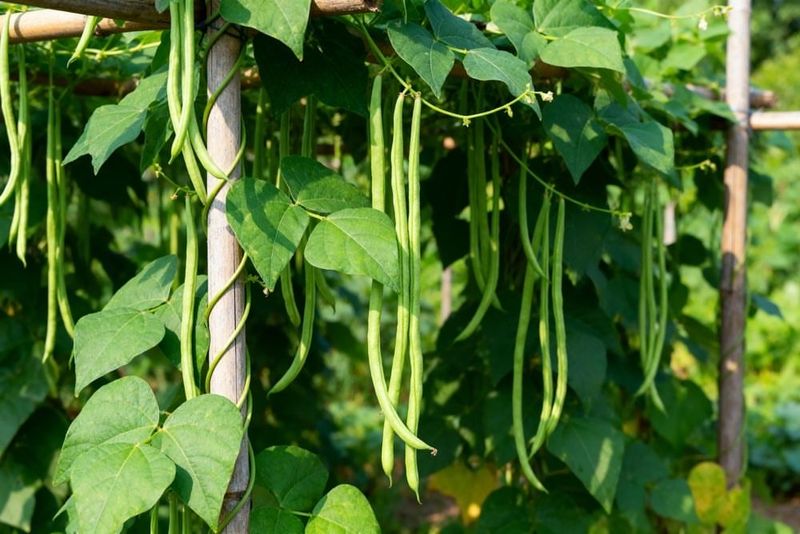
Yardlong beans earned their name honestly. Pods can stretch to 18 inches or longer, and they grow fast in hot weather.
Where regular green beans stall out in summer heat, yardlong beans keep climbing and producing without complaint.
These beans are actually a type of cowpea, not a true bean. That connection to cowpeas explains their natural drought tolerance and heat resistance.
They handle hot desert conditions far better than snap beans or pole beans typically do.
Plant seeds directly in the ground once soil is warm. Provide a sturdy trellis at least six feet tall, because vines grow vigorously and need strong support.
Bamboo poles, wire fencing, or a simple wooden frame all work well.
Water deeply once or twice per week. Consistent moisture matters most during flowering, since dry spells right then can reduce pod set.
Outside of that window, plants handle dry conditions reasonably well.
Harvest pods when they are pencil-thin and firm. Waiting until pods are fully swollen makes them tough and stringy.
Check plants every two to three days once production begins, because pods grow surprisingly fast in summer heat.
Yardlong beans work well in stir fries, curries, and sauteed dishes. Cut them into shorter sections before cooking.
Plants continue producing for weeks if you harvest regularly and keep the soil from drying out completely between waterings.
7. Roselle Handles Heat With Ease
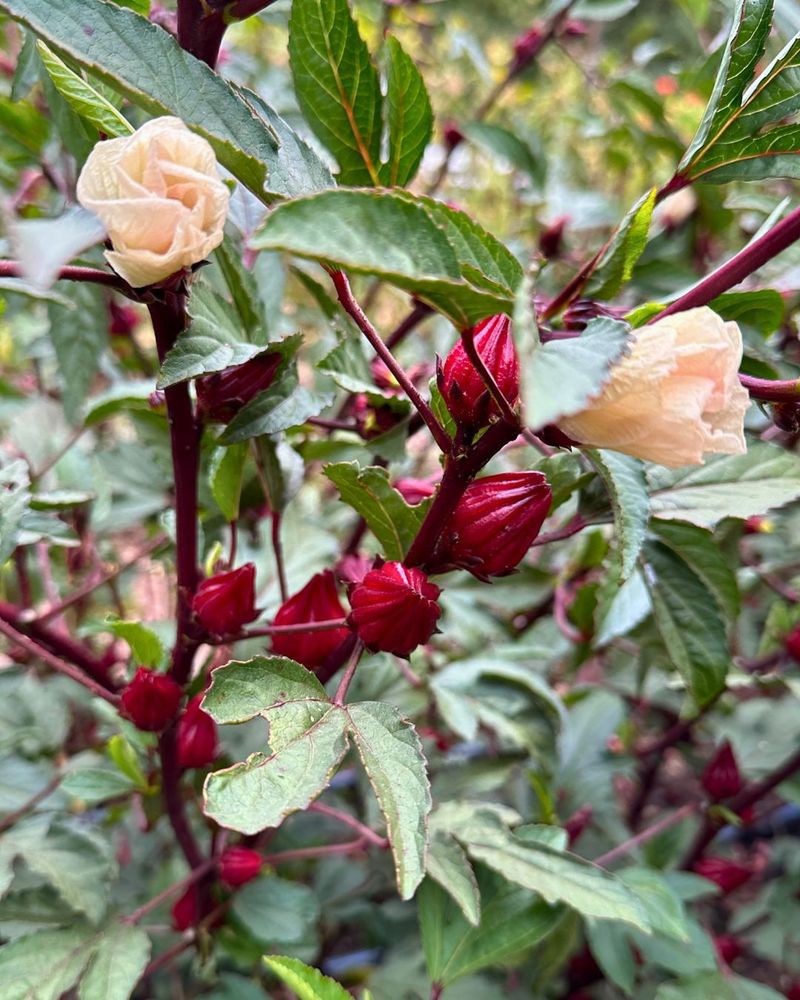
Roselle is one of the most underrated plants you can grow in a hot, dry climate. Most people have never heard of it, but gardeners in tropical and subtropical regions have relied on it for generations.
It is a type of hibiscus, and both the calyxes and leaves are edible.
Calyxes, the fleshy red parts that form after flowers fade, are tart and tangy. They get used to make teas, jams, sauces, and drinks.
Dried calyxes have a flavor similar to cranberry, which makes them surprisingly versatile in the kitchen.
Plant roselle from seed after your last frost. It grows into a large, bushy plant that can reach five to six feet tall by the end of the season.
Give it plenty of space, at least three feet between plants.
Water weekly once established. Roselle is genuinely drought tolerant and does not need frequent irrigation once roots are settled.
Overwatering can actually cause more problems than underwatering with this plant.
Full sun and well-draining soil are the main requirements. Sandy desert soil suits roselle just fine.
It does not need rich soil or heavy fertilizing to produce well.
Harvest calyxes when they are plump and deeply colored, usually in late summer or early fall. Remove the seed pod from the center before using.
Fresh or dried, roselle gives you a unique, productive crop that handles summer conditions with very little fuss.
8. Armenian Cucumber Performs Well In Summer Heat
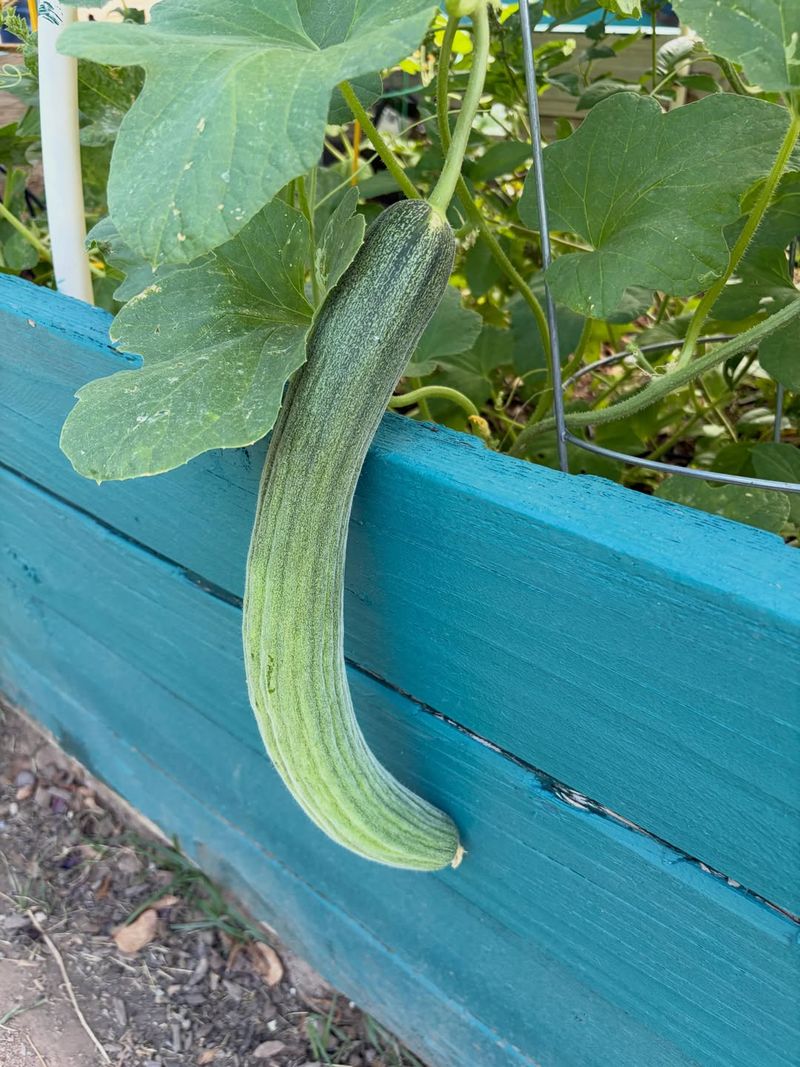
Armenian cucumber is not technically a cucumber. It is actually a muskmelon, which explains why it handles desert heat so much better than regular cucumbers do.
Despite that botanical detail, it looks and tastes like a mild, crisp cucumber when sliced fresh.
Vines grow fast and produce heavily throughout summer. One or two plants can easily supply more than a family can eat during peak production.
Give them a strong trellis to climb, which keeps fruit straight and makes harvesting much easier.
Water deeply once or twice per week. Armenian cucumber handles dry stretches better than standard cucumber varieties, but consistent watering during flowering improves fruit set noticeably.
Let the soil dry out slightly between waterings rather than keeping it constantly wet.
Plant seeds directly in the ground after soil warms up. Seeds germinate quickly in warm conditions, usually within five to seven days.
Thin seedlings to one plant every 18 to 24 inches once they are a few inches tall.
Harvest fruit when it reaches 12 to 18 inches long. Letting fruit get too large makes it seedy and slightly bitter.
Check vines every two days during peak summer production, because fruit size increases quickly in hot weather.
No peeling is needed. Skin stays thin and tender even on larger fruit.
Armenian cucumber is one of the most reliable, low-drama crops a desert gardener can grow, and it keeps producing right through the hottest months of the year.