12 Composting Mistakes That Turn an Arizona Pile Into Dry, Dusty Dirt
A compost pile in the low desert can lose its moisture in days, especially when hot, dry wind sweeps across it. I have watched a soggy heap of kitchen scraps turn into crumbly gray powder within a single week.
Arizona summers push air temperatures past 110 degrees in Phoenix, and dry air pulls water from every exposed surface. The microbes doing the real work need water around them, or they simply go quiet and wait.
I have to admit my first pile looked more like a dusty anthill than anything a garden would welcome. You might notice the same thing in your own yard, where scraps sit for months without changing much at all.
October brings cooler nights across Arizona, which makes this the perfect season for a fresh start. So which small habits are quietly turning your heap into dirt that blows away?
1. Letting The Compost Pile Dry Out Between Waterings
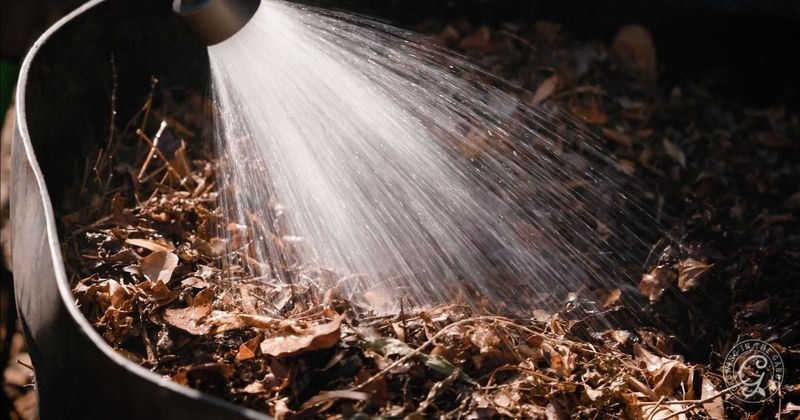
Squeeze a handful of healthy compost and it should feel like a sponge you wrung out, damp but never dripping. In dry desert air, that damp feeling can vanish within days if you forget to check.
Microbes live in thin films of water that coat every leaf and scrap inside the pile. When those films disappear, the tiny workers slow down, and decomposition mostly stops until moisture returns again.
University of Arizona Cooperative Extension guidance stresses moisture as a key factor for desert compost success. I check mine by digging a hand into the middle, since the surface often fools you with a damp look.
Watering slowly works far better than a fast blast that runs off the sides and onto the ground. I like to add water while turning, so every layer gets a fair share instead of just the top.
Early fall still brings warm afternoons, so you may need to water more often than you expect. Once temperatures settle in November, you can usually stretch the schedule a little and still keep things moist.
2. Piling Up Too Many Dry Brown Leaves And Straw
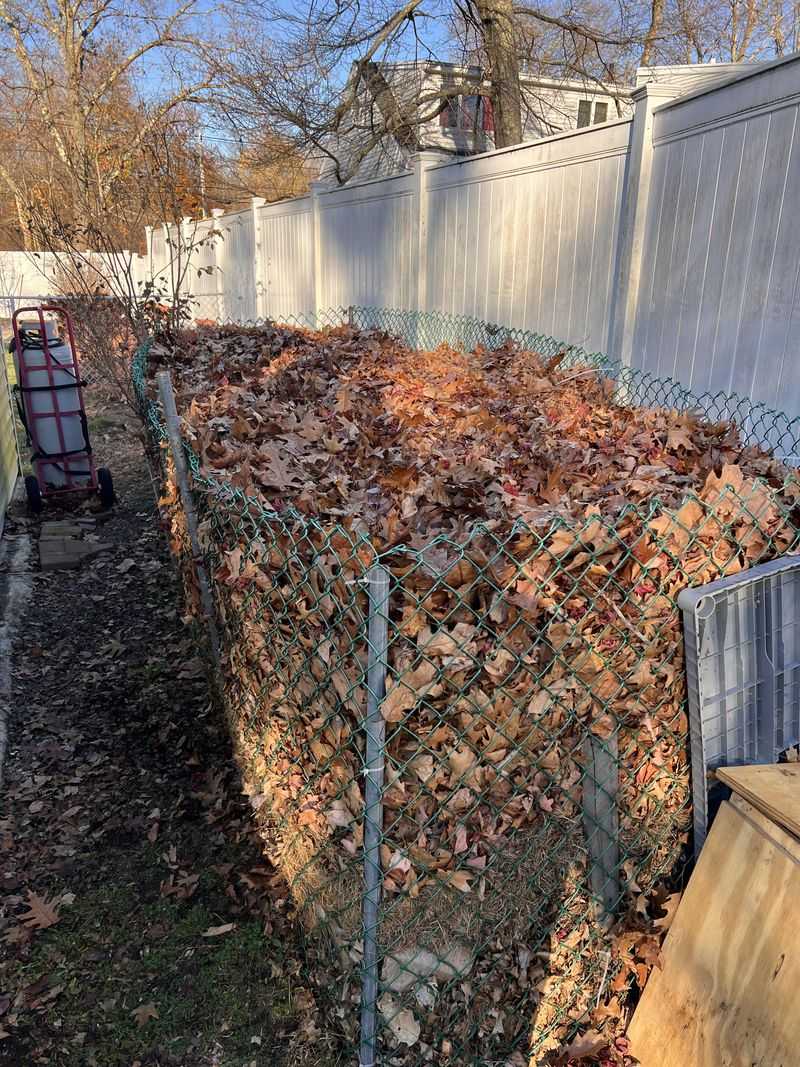
Dry leaves and straw feel like the easy answer when your yard sheds piles of crunchy debris each fall. Too much of that brown material, though, leaves microbes hungry for the nitrogen they need to grow.
Most extension guides suggest roughly two or three parts browns for every part greens, measured by volume. Greens include fresh grass clippings, vegetable peels, and coffee grounds, which bring the nitrogen that fuels fast microbial growth.
A pile heavy in browns tends to sit for months, staying dry and loose without warming up at all. I learned that lesson the slow way, waiting a whole season for leaves that barely changed their shape.
The fix is simple, since adding a bucket of kitchen scraps can wake up a sleepy heap quickly. Fresh green material also holds moisture better than dry straw, which helps in our thirsty desert climate.
Keep a stash of browns nearby to balance any smelly, soggy moments when greens pile up too fast. A balanced mix gives you steady heat and a darker, richer product by the end of winter.
3. Building A Tiny Compost Heap In Full Afternoon Sun
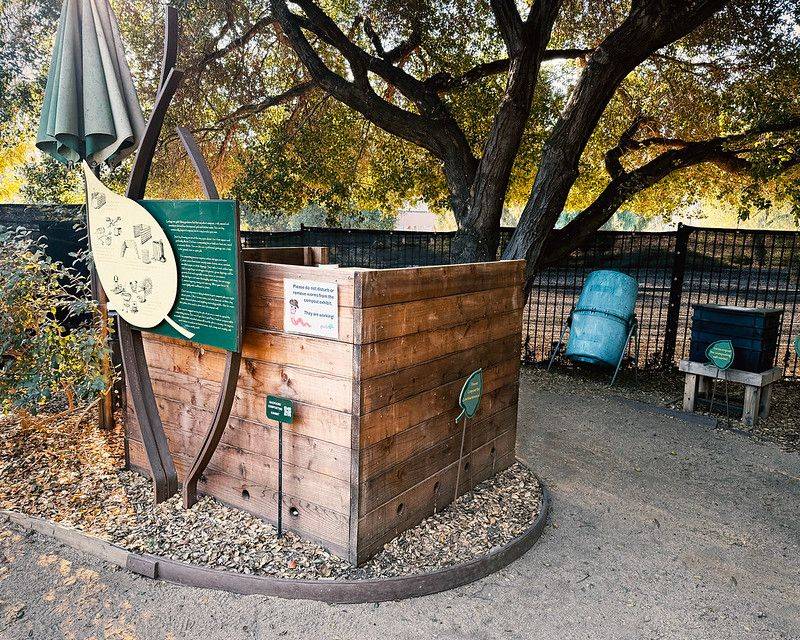
A knee-high heap baking against a west-facing wall barely stands a chance in desert heat. Small piles lose moisture from every side, and they rarely build enough mass to hold steady warmth inside.
Many extension sources recommend about three feet wide, three feet deep, and three feet tall for active composting. That size keeps the center insulated, so moisture and heat stay put while the outer layers act as a blanket.
Location matters just as much as size in a place where sun beats down most of the year. I moved my bin under the edge of a mesquite canopy, and watering needs dropped noticeably within weeks.
Afternoon shade is especially helpful, since those late hours bring the harshest heat and the driest air. A spot near a hose also saves you from hauling buckets across the yard during warm spells.
Avoid placing the pile right against a wooden fence or your house wall, which invites moisture and pest trouble. A little breathing room keeps the structure safe while your compost stays shaded and comfortably damp.
4. Forgetting To Turn The Pile With A Pitchfork
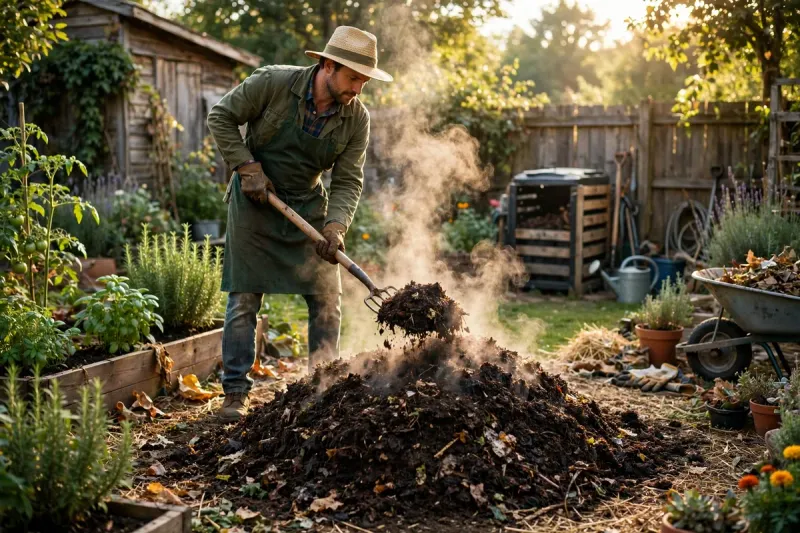
Turning a compost pile with a pitchfork feels a bit like stirring a giant pot of earthy soup. That simple workout brings fresh air into the center, where hard-working microbes use oxygen to break down scraps.
Without turning, the middle can pack down tightly, creating airless pockets that slow decay and sometimes smell sour. Meanwhile, the outer edges dry into a crust that protects nothing and decomposes almost not at all.
Turning also moves dry outer material into the moist center, giving every scrap a turn in the warm zone. I usually water while I turn, so the whole pile ends up evenly damp instead of patchy.
Every week or two works well for an active pile, though cooler months let you relax that pace. Adding a few small twigs between layers helps create air channels that keep things from compacting too quickly.
You will notice the pile shrinking faster once you build this habit into your weekend routine. Personally, I find it oddly satisfying to watch the color darken a little more with every turn.
5. Tossing Meat Dairy And Oleander Leaves Into The Bin
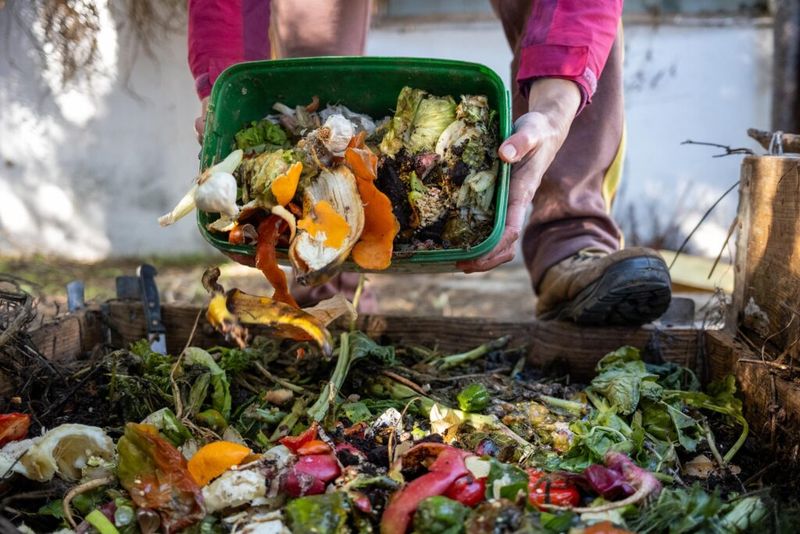
Meat scraps in a backyard pile send out an invitation that rats, flies, and neighborhood dogs happily accept. Dairy and greasy foods behave much the same way, breaking down slowly while drawing unwanted visitors.
Stick with fruit peels, vegetable trimmings, eggshells, coffee grounds, and plain yard clippings for a cleaner home pile. Burying fresh scraps under a layer of browns hides odors and makes the pile less tempting to critters.
Oleander deserves special caution, since every part of the plant is toxic to people, pets, and livestock. Many desert gardeners prefer bagging those trimmings for green waste pickup instead of adding them to home compost.
Diseased plants and weeds carrying ripe seeds can also cause trouble later, since home piles rarely heat evenly. Those seeds may sprout in your vegetable beds next spring, giving you extra weeding you did not plan for.
I keep a small list taped inside my kitchen cabinet so the whole family knows what goes where. That little reminder has saved my pile from more than one leftover pizza crust and a greasy takeout box.
6. Expecting Dark Finished Compost In Just A Few Weeks
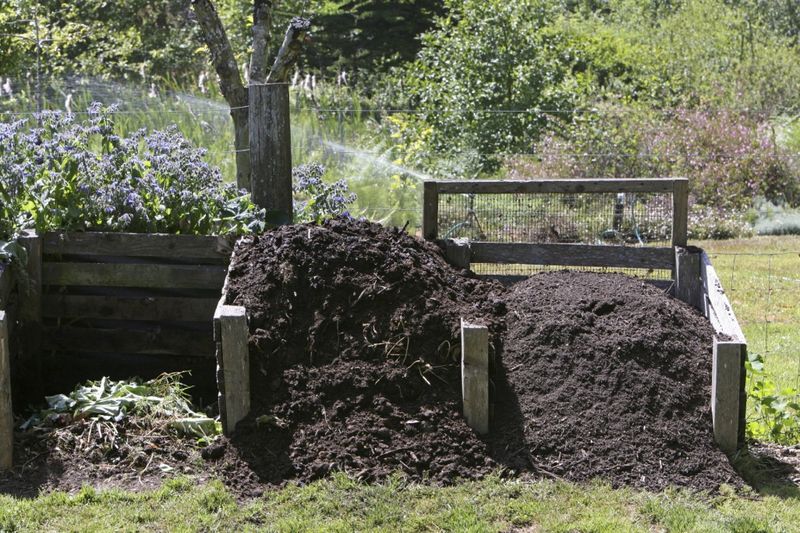
Dark, crumbly compost that smells like a forest floor takes patience, even under our generous desert warmth. A well-managed hot pile might finish in a couple of months, while a casual pile takes much longer.
Cold composting, where you simply add scraps and wait, often needs six months to a year to mature. Hot composting moves faster, but it demands steady moisture, regular turning, and a good green-to-brown balance.
I used to dig into my pile every few days, hoping to find magic soil after barely a month. That impatience often led me to spread half-finished material, which can tie up nitrogen near plant roots.
Finished compost looks uniform and dark, with few recognizable scraps, and it no longer feels warm inside. If you still spot eggshell chunks, that is fine, since they break down slowly and cause no harm.
October is a lovely time to start a fresh batch for spring planting in the low desert. By the time warm weather returns next year, you could have a wheelbarrow of rich material ready.
7. Skipping The Shredder For Big Palm Fronds And Branches
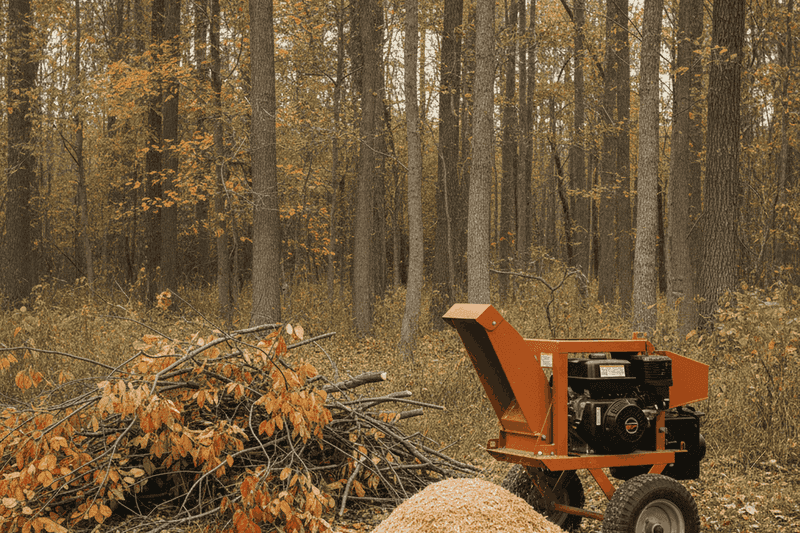
A whole branch tossed into the bin might still look like a branch two years later in a dry pile. Microbes work on surfaces, so large chunks give them very little room to start their slow feast.
Chopping material into pieces roughly one to two inches long speeds things up and creates a more even finish. A pair of loppers works fine for small yards, while a chipper helps when trimming season gets busy.
Palm fronds deserve a quick warning, since their tough fibers and sharp spines resist breaking down at home. Many cities offer green waste collection, which handles those stubborn fronds far better than a backyard bin can.
I like running a lawn mower over fallen leaves before adding them, since it shreds them in minutes. Smaller pieces also pack together better, holding moisture longer than loose, fluffy material that dries out quickly in sun.
You might notice the pile heating up faster once everything goes in smaller and more evenly mixed. That steady warmth tells you microbes are finally getting a full plate to work through each week.
8. Starting Without A Shovel Of Garden Soil Or Old Compost
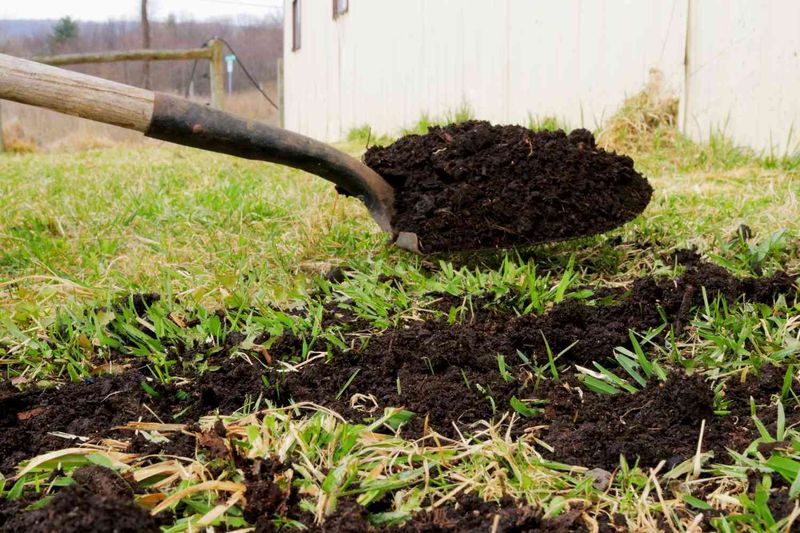
A single shovelful of rich garden soil carries countless bacteria and fungi ready to start breaking down your scraps. Starting a pile with sterile ingredients alone can leave it sluggish for a surprisingly long time.
Finished compost from an older batch works even better, since it already holds a thriving community of helpful decomposers. I save a bucket from each batch, then sprinkle it between layers when building a fresh pile.
Many desert soils run low in organic matter, so garden bed soil often makes a better starter than bare dirt. Even so, most yard soil contains enough life to give your new heap a gentle push forward.
Commercial activators exist, but many extension experts note that ordinary soil or compost does a similar job. Save your money for a good pitchfork or a thermometer, which help you track progress more reliably.
Mix the starter in lightly rather than dumping it on top in one thick layer. Spreading it throughout gives microbes easier access to fresh material, and you will likely see warmth within a week or two.
9. Ignoring A Compost Thermometer During Hot Spells

A long-stemmed compost thermometer reveals what is happening deep inside, where your hands cannot easily reach. Active piles often run between about 130 and 160 degrees Fahrenheit, a range many extension guides recommend.
Heat in that zone helps reduce weed seeds and many plant pathogens while microbes stay busy. When readings climb much higher, though, many beneficial organisms struggle, and the pile may slow down noticeably for a while.
Desert heat can make this tricky, since sun on the outside adds warmth to an already busy center. Turning the pile releases excess heat, and adding water helps cool it while restoring lost moisture.
I check my thermometer every few days during warm stretches, jotting numbers on a notecard nearby. That simple habit tells me when the pile needs turning long before it starts drying into a crusty mess.
Fall readings usually settle into a gentler range as nights cool across the region. Watching the temperature rise after each turn feels like a little report card for your efforts in the backyard.
10. Leaving The Compost Uncovered Against Dry Desert Wind
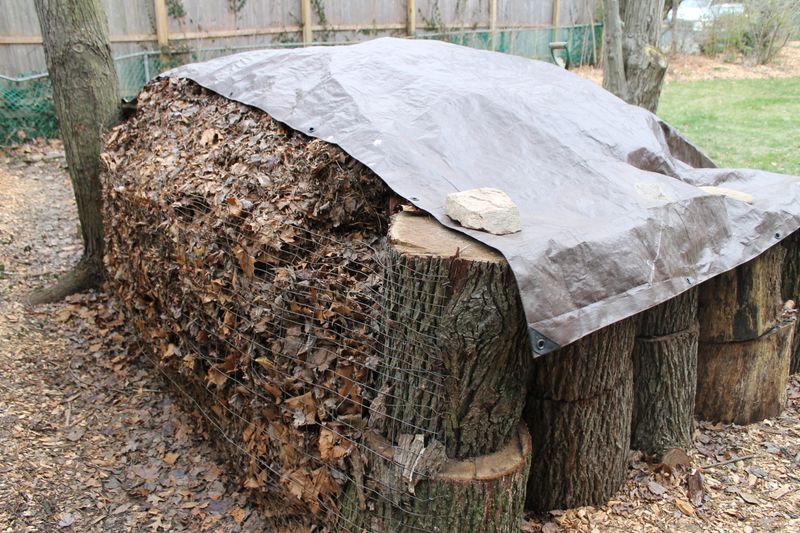
Dry wind can pull moisture from an open pile faster than direct sun, especially during gusty desert afternoons. An uncovered heap often ends up with a dusty crust on top while the center slowly dries.
A simple tarp, piece of burlap, or thick blanket of straw helps hold that precious water inside. Covers also keep scraps out of sight, which makes the pile less tempting for curious birds and neighborhood critters.
Breathable covers work nicely since they hold moisture while still letting some air move through the material. If you use plastic, check the pile now and then so it does not stay soggy and sour.
Monsoon storms bring a different issue, since sudden downpours can soak an open pile in minutes. A cover helps there too, balancing your heap through both the dry season and those dramatic summer storms.
I weigh my tarp down with a couple of old bricks, which keeps it from flying away during dust storms. That tiny step made a bigger difference than any watering schedule I tried during my first few years.
11. Using An Open Wire Bin In A Dry Desert Backyard
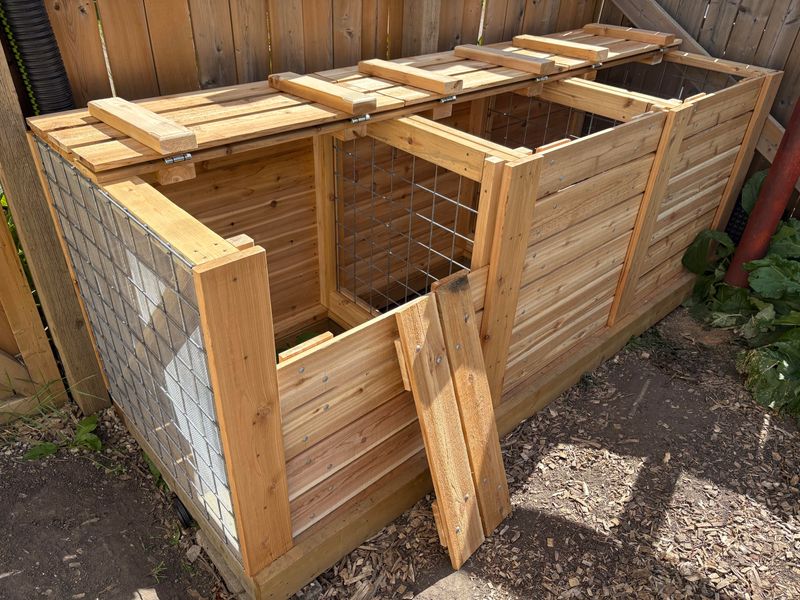
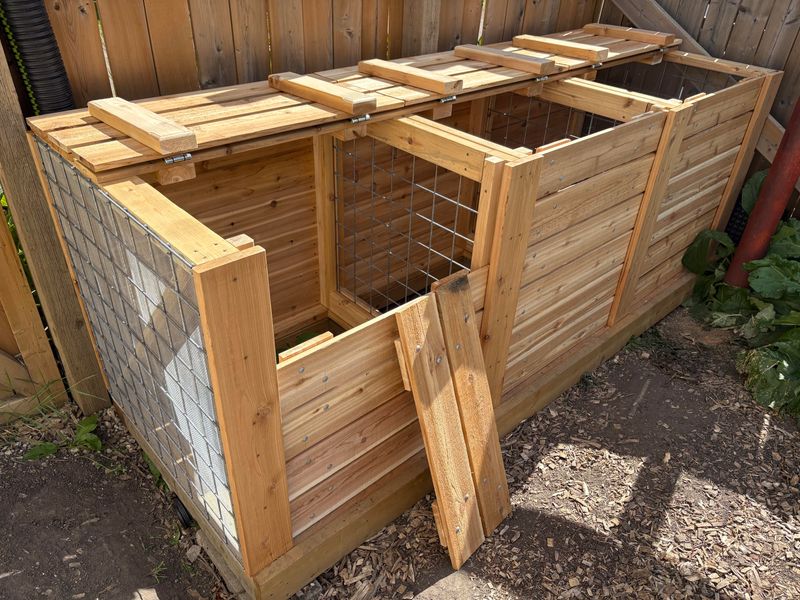
Open wire bins look tidy and cheap, yet they let dry air flow through every side of the pile. That constant airflow pulls moisture away quickly, leaving material dusty long before microbes finish their work.
Enclosed bins with solid walls hold moisture better, which suits our dry climate far better than open mesh. Some desert gardeners also use shallow pits, since the surrounding soil helps slow evaporation from the sides.
Pits can collect too much water during monsoon rains, so drainage and regular turning still matter there. Tumblers make turning easier, though they hold less material and may need extra water during warm stretches.
I switched from wire to a solid plastic bin, and my watering needs dropped almost immediately. You might find lining an existing wire bin with cardboard works nicely, giving you similar benefits without buying anything new.
Choose a system that lets you turn and water easily, since a hard-to-reach bin rarely gets proper care. Convenience matters more than looks, especially when warm afternoons tempt you to skip a chore or two.
12. Underrating How Compost Helps Thirsty Desert Soil
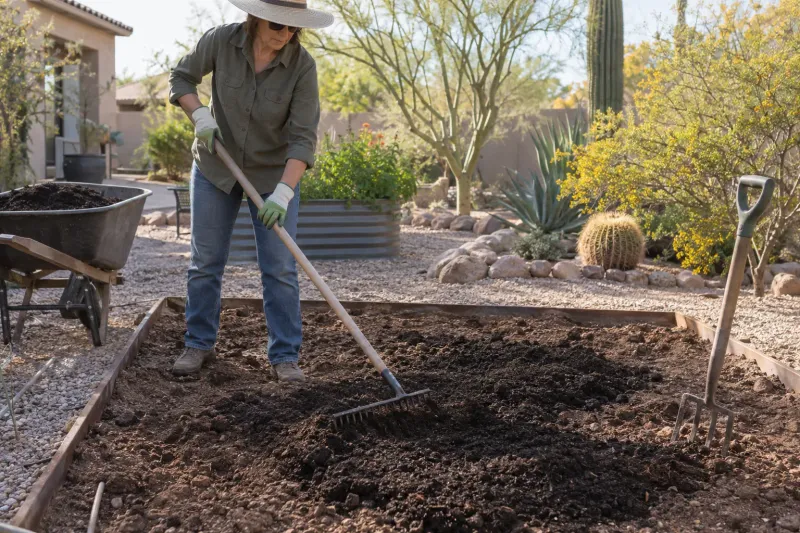
Many desert soils hold less than one percent organic matter, which helps explain why water often runs off. Finished compost acts like a sponge in those soils, helping them hold moisture longer between waterings.
Spreading an inch or two over vegetable beds loosens hard ground and feeds soil life for many months. Compost also supports earthworms and beneficial insects, which in turn attract lizards and birds that hunt garden pests.
I love how a single fall application changes the feel of my beds by early spring. You might notice your plants wilting less on warm afternoons once that dark layer settles into the soil.
Native shrubs often prefer lean soil, so save most of your compost for vegetables and flower beds. A light top dressing around young trees can still help, as long as it stays away from trunks.
October in Arizona marks a great planting season for cool-weather crops, making fresh compost especially valuable now. Your garden rewards each thoughtful habit, and those dusty piles can become rich soil that feeds your whole yard.