Your Arizona Front Porch Goes From Bare Concrete to Desert Retreat With These 9 Ideas
A bare concrete slab in full afternoon sun can soak up enough heat to stay warm long after midnight. I learned that the hard way after one barefoot step on my own porch one August evening.
Desert gardeners know that porch surfaces quietly shape how hot, buggy, and lively our front yards feel. Some of the cleverest fixes come from plants and creatures that have handled Sonoran heat for thousands of years.
I love how a few small changes turned my stark entry into the spot where my mornings now start. You might notice the birds arriving first, then the butterflies, and then your neighbors slowing down to look.
October is a golden window in Arizona for planting, building, and rearranging before mild winter weather settles in. So what does a porch need to feel like a true desert retreat instead of a hot patch of gray?
1. Sculptural Parry’s Agave In Porch Containers
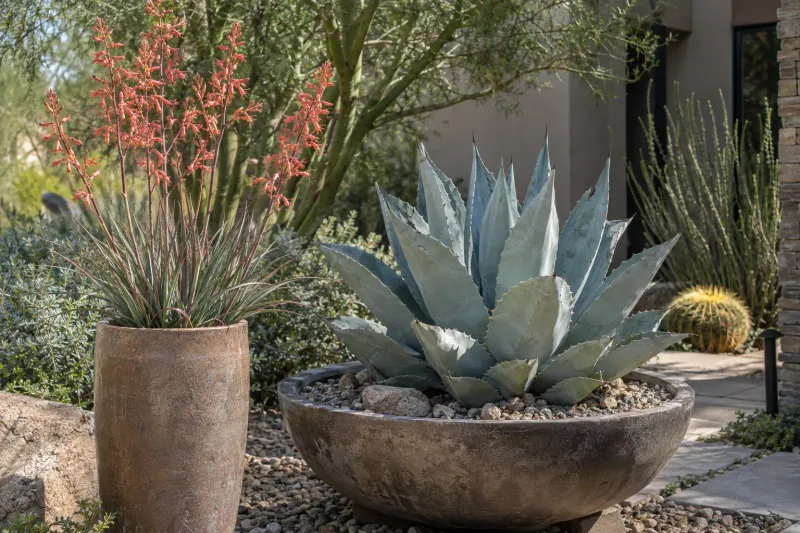
Parry’s agave looks like a living artichoke carved from blue-gray stone, and it rarely asks for much. I keep one by my steps because it stays handsome through scorching summers and chilly winter nights alike.
Agave parryi usually grows about two feet tall and wide, which makes it a smart fit for big porch containers. Its leaf tips are needle sharp, so place pots well away from walkways, kids, and curious dogs.
October is an ideal month for planting agaves in Arizona, since soil stays warm while daytime heat finally eases. Use a gritty cactus mix with plenty of drainage holes, because soggy roots lead to rot faster than drought.
Golden barrel cactus makes a cheerful neighbor in a matching pot if you enjoy rounded shapes beside spiky ones. Choose heavy, light-colored containers that keep roots cooler and resist tipping during gusty monsoon storms next summer.
Water established agaves only every few weeks in fall, then even less often once winter weather arrives. Personally, I love how one bold agave gives a plain concrete slab the sculptural focal point it was missing.
2. Desert Marigold Brings Golden Blooms
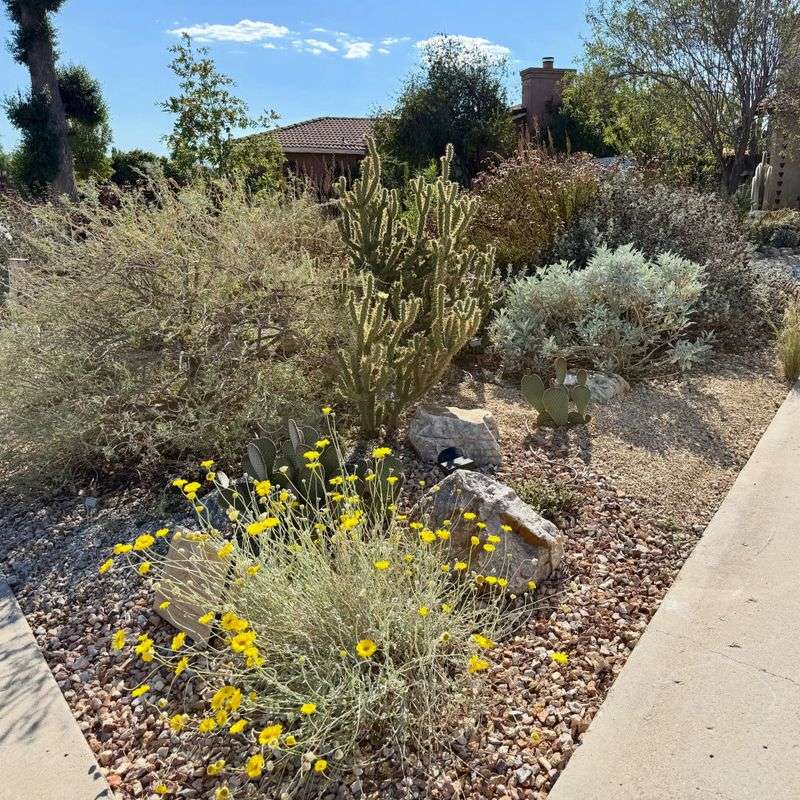
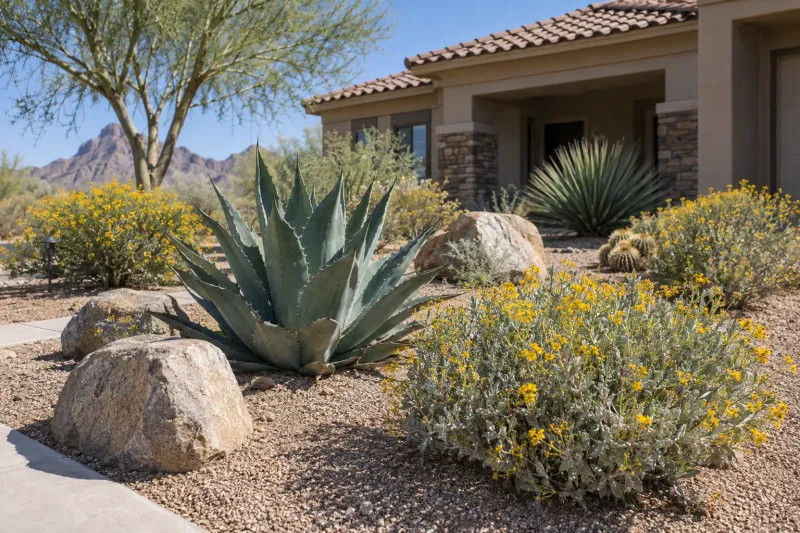
Few flowers shrug off reflected heat from concrete as cheerfully as desert marigold, and its yellow blooms seem to glow. I first noticed it thriving in a sidewalk crack, which told me everything about its toughness.
Baileya multiradiata is a native perennial with woolly, silvery leaves that form neat mounds about a foot tall. Its daisy-like flowers can appear from spring into fall, with a lovely flush when cooler October nights arrive.
Native bees and butterflies visit these flowers often, so your porch becomes a small pollinator stop. Plant them in full sun with fast-draining soil, because rich soil and frequent watering shorten their lifespan noticeably.
Blackfoot daisy makes a sweet companion, with tiny white flowers and honey-scented blooms across much of the year. Both plants reseed modestly, so a few new seedlings may pop up around your pots next spring.
Water deeply but infrequently once roots settle, and let the soil dry between drinks. I have to admit these sunny little mounds bring more joy per gallon of water than almost anything I grow.
3. Fragrant Rosemary And Lemongrass Pots
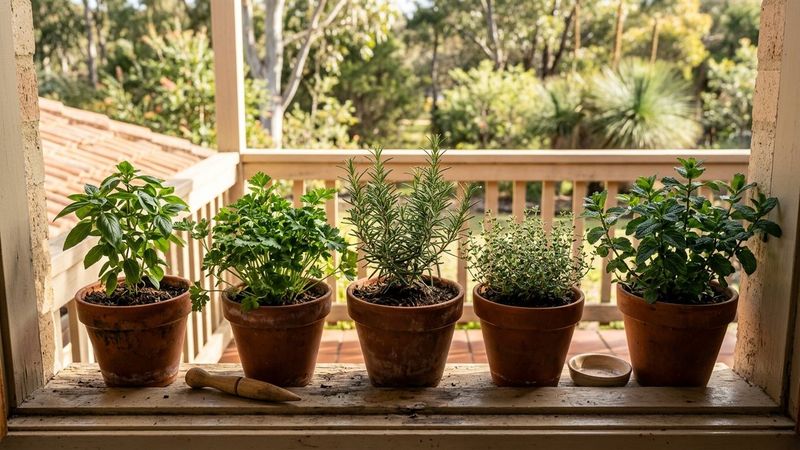
Brush your hand across a rosemary pot on a warm evening, and your porch suddenly smells like a sunny hillside. I tuck one beside my chair so I can rub the needles while my coffee cools.
Rosemary handles desert heat well and needs little water once established in a roomy, well-drained container. Lemongrass contains citronella-like oils and grows happily in Arizona warmth, though hard frosts can knock it back sharply.
Many people hope these herbs keep mosquitoes away, but living plants release only small amounts of their oils. Crushing leaves offers brief, modest help, so treat the fragrance as a pleasant bonus rather than reliable protection.
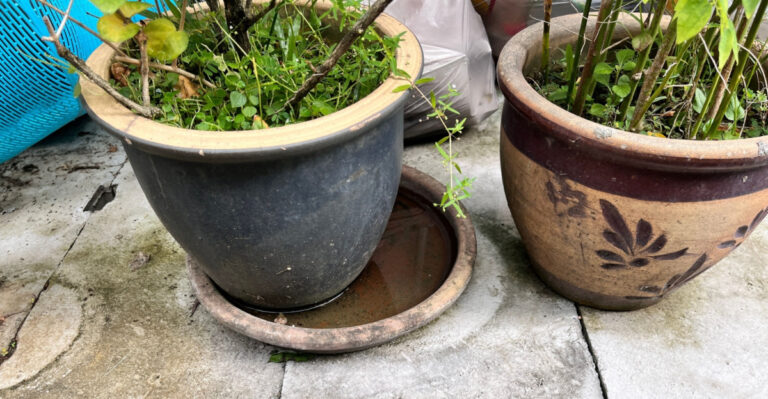
Standing water matters far more, so dump saucers after watering and check for puddles near your door. Mosquitoes can breed in surprisingly tiny pools, including the bottom of a forgotten plant tray or bucket.
Keep herb containers trimmed and tidy, because dense, damp foliage near walls can shelter scorpions and crickets. Plan to move lemongrass against a warm wall or cover it during any cold snaps later this winter.
4. Baja Fairy Duster For Hummingbirds
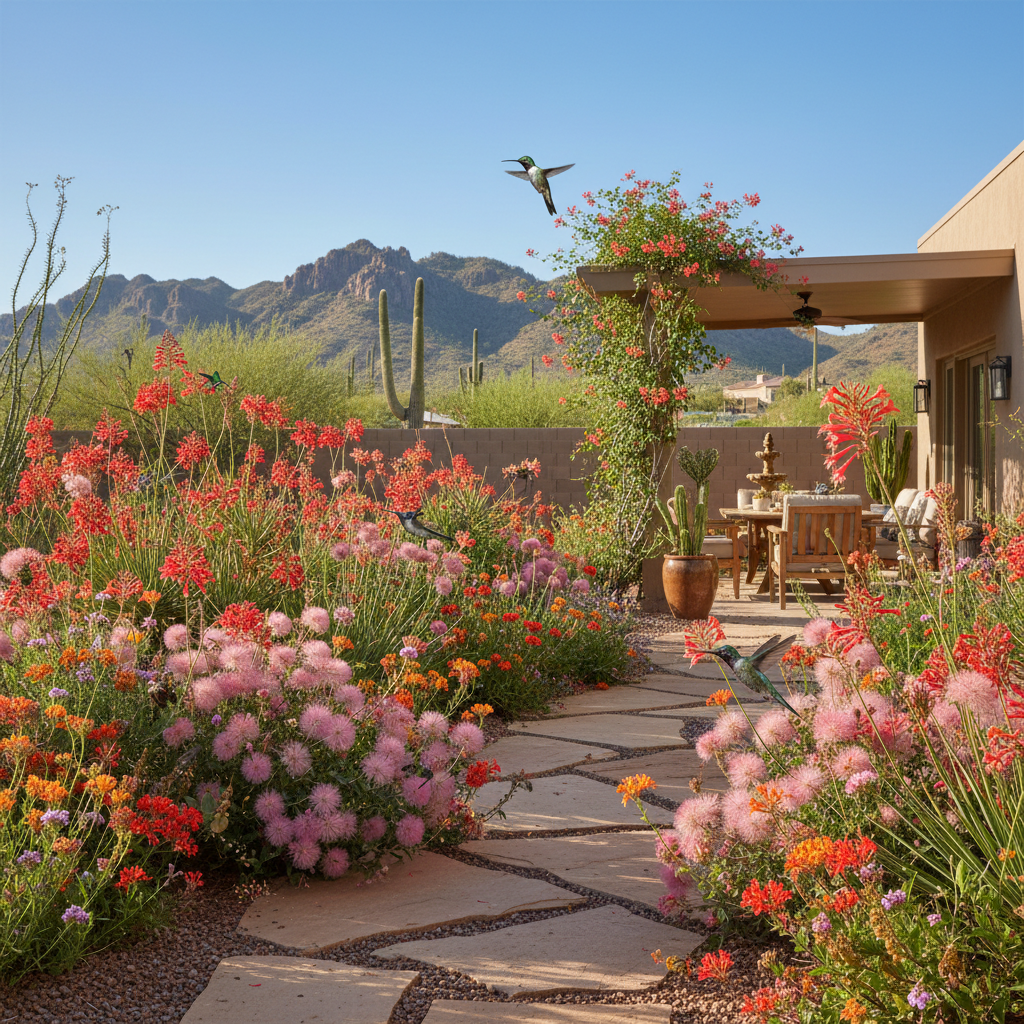
Red powder puffs that look like tiny fireworks are the calling card of Baja fairy duster. Hummingbirds treat this shrub like a favorite snack bar, and I love watching them zip in for quick visits.
Calliandra californica grows roughly three to five feet tall and handles full sun and reflected heat gracefully. Its feathery green leaves give a soft texture that balances spiky agaves and chunky boulders nearby.
Flowers appear across much of the year in low-desert gardens, with especially strong displays during warmer months. Cold below the upper twenties can damage it, so it suits Phoenix and Tucson better than higher elevations.
Plant it in the ground beside your porch or in a large container with excellent drainage. October planting lets roots settle during mild weather, which helps the shrub face next summer with far less stress.
Native fairy duster, Calliandra eriophylla, offers pink puffs and handles colder winters if you garden at higher elevations. Either choice brings fluttering wings right to your front steps, which feels like free entertainment every single morning.
5. Bat Friendly Plants And Water
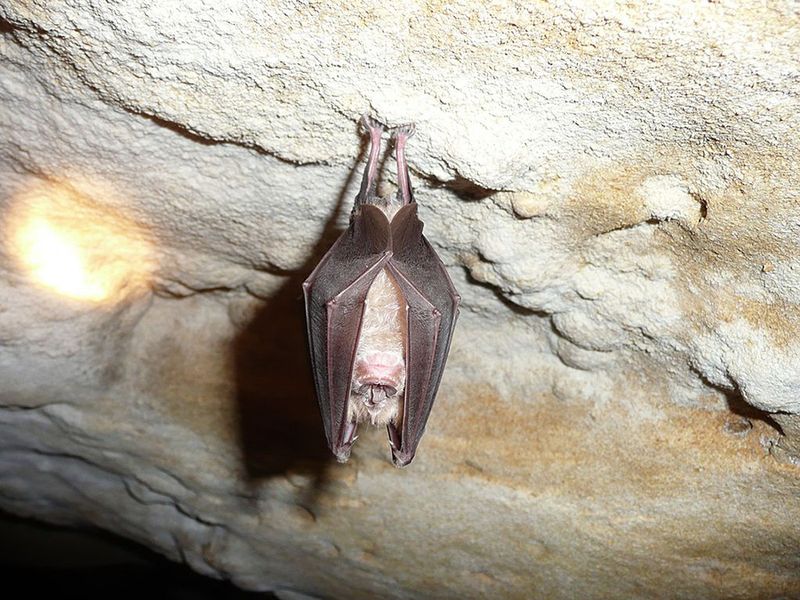
A single little brown bat can catch many small insects in one evening, which makes dusk visitors wonderful allies. I started watching for them after sunset, and now my porch evenings feel like a quiet nature show.
Bats hunt moths and other night-flying insects, so native plants that support insects help bring them closer. Desert globemallow and desert milkweed both feed a range of insects while staying tough in containers or borders.
Arizona also hosts nectar-feeding bats that visit agave and saguaro flowers in southern parts of the state. Fall migration means some of those visitors may still be passing through, especially near hummingbird feeders at night.
A wide, shallow water source helps, though bats need open space to swoop down and sip safely. Keep the water clean and refresh it often, since stagnant water can attract the mosquitoes you want gone.
Bat houses work best mounted high on a sunny wall, roughly twelve to twenty feet above ground. Fall and winter give you time to install one before bats look for warm roosting spots next spring.
6. Roadrunners Hunting In Open Gravel
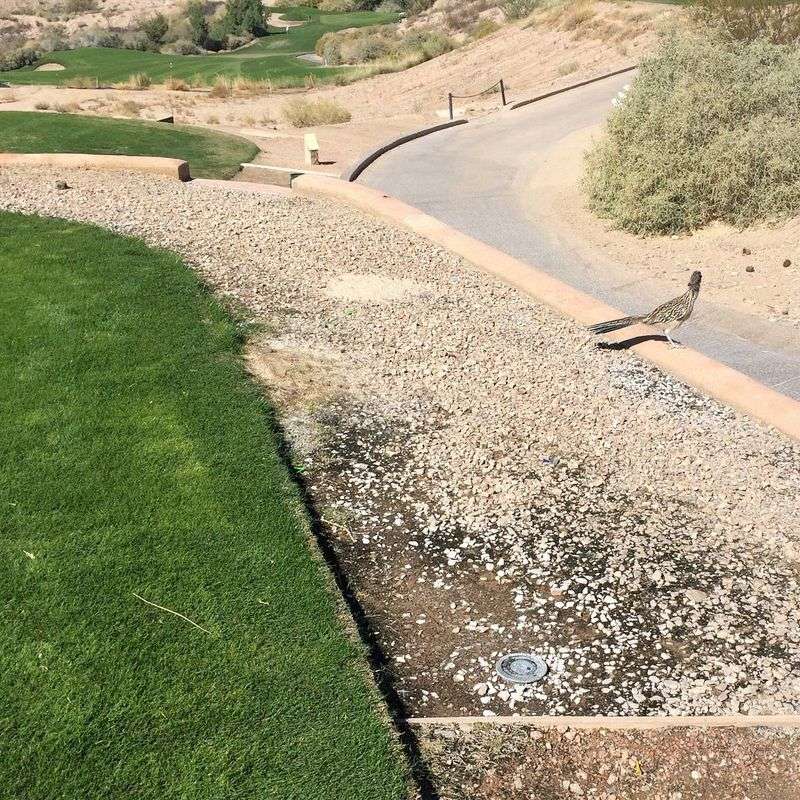
Few sights beat a roadrunner strutting past your front steps with a lizard dangling from its beak. Mine shows up most mornings, and I swear it inspects my porch like a tiny feathered security guard.
Greater roadrunners eat insects, spiders, lizards, small snakes, and sometimes scorpions, though scorpions form only part of their menu. They prefer hunting in open ground with nearby shrubs where they can rest or slip out of sight.
Red yucca and native fairy duster offer cover without creating thick tangles right against your house walls. Space plants a few feet apart, so you leave clear runways where roadrunners can sprint and spot prey easily.
A few flat rocks scattered in sunny spots give lizards places to bask, which keeps the food supply nearby. Avoid broad pesticide use, since fewer insects and lizards mean fewer reasons for these birds to visit.
Keep clutter, woodpiles, and leaf debris away from your foundation to reduce scorpion hiding spots near doors. That balance of open hunting ground and tidy edges works nicely for both you and your speedy neighbor.
7. Decomposed Granite And Natural Boulders
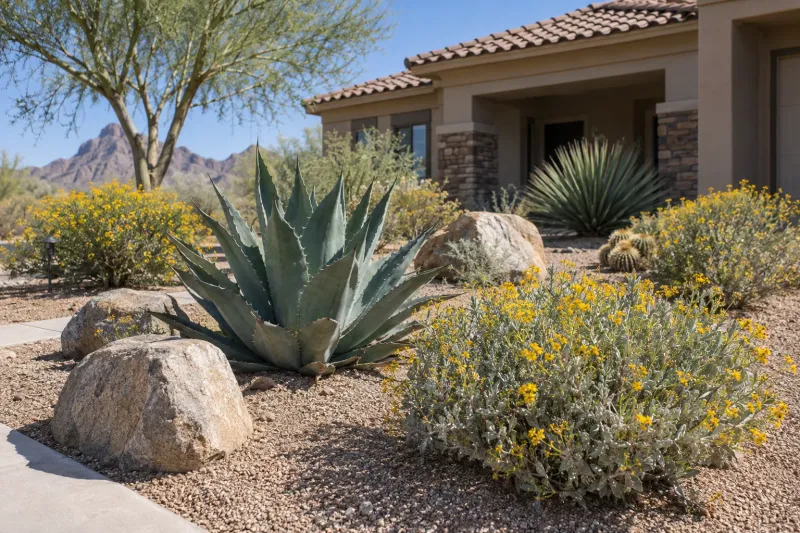
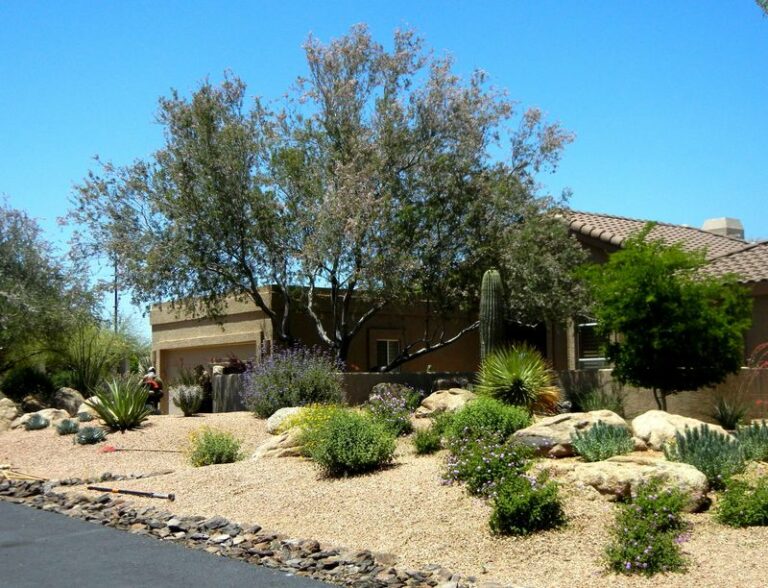
Swapping hot gray edges for warm decomposed granite can make your porch look like it grew from the desert. I still remember how different my entry felt once the first wheelbarrow of golden gravel went down.
Decomposed granite is crushed rock that packs into a firm, permeable surface where rain can soak through. Warm shades like gold or brown blend with native plants and soften the glare from plain concrete nearby.
Spread it about two to three inches deep, then tamp it down for a walkable, tidy finish around pots. Many gardeners skip plastic sheeting beneath it, since breathable landscape fabric or none at all treats soil better.
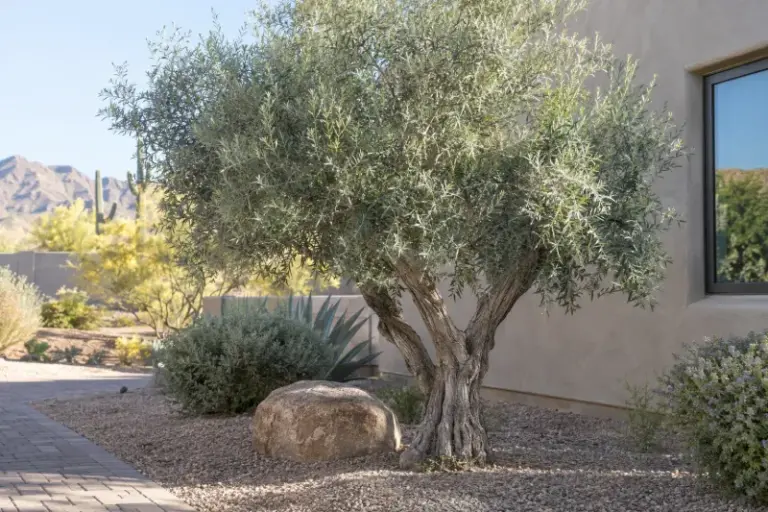
Boulders add instant age to a new landscape, especially when you bury the bottom third like natural outcrops. Group a few stones together in uneven clusters, which looks more natural than spacing single rocks in a row.
Fall weather makes heavy hauling far more pleasant than summer, so October is perfect for this project. You need no water for gravel and stone, which leaves more for the plants that truly benefit.
8. Shade Sails And Desert Willow Trees
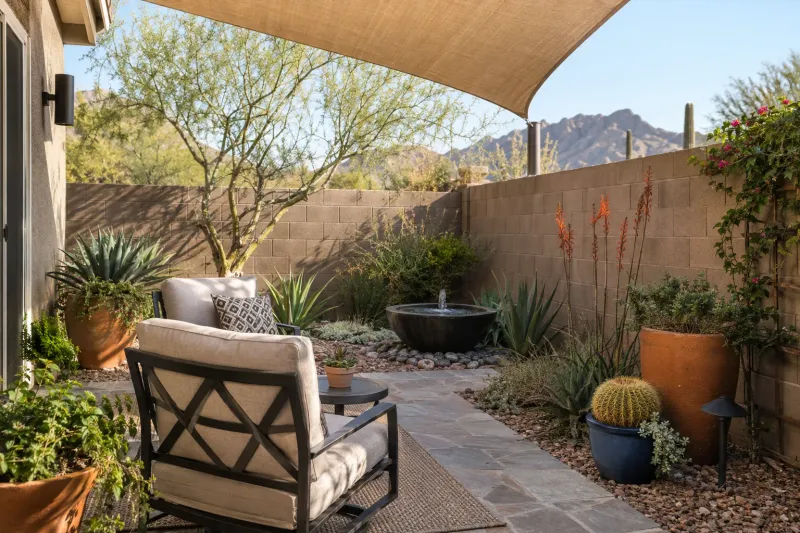
Shade can drop the temperature you feel on a porch dramatically, and that difference decides whether anyone sits outside. I added a sail over my chairs, and suddenly afternoons became usable instead of something to escape.
Shade sails and pergolas give quick relief, especially on west-facing porches that bake in late afternoon sun. Choose UV-stabilized fabric in light colors, and anchor posts firmly because summer monsoon winds can be fierce.
For living shade, desert willow is a native tree with trumpet flowers that hummingbirds visit through warm months. It grows about fifteen to twenty-five feet tall and drops its leaves in winter, letting sunshine warm your porch.
October and November are excellent months for planting trees in low-desert gardens across the state. Cooler weather lets roots spread before next summer, which means less stress and less water during that first season.
Pair your shade with sturdy aluminum or teak seating and fade-resistant cushions in warm desert tones. Personally, I think a comfortable chair under real shade invites more porch time than any decoration could manage.
9. Warm Low Lighting For Desert Nights
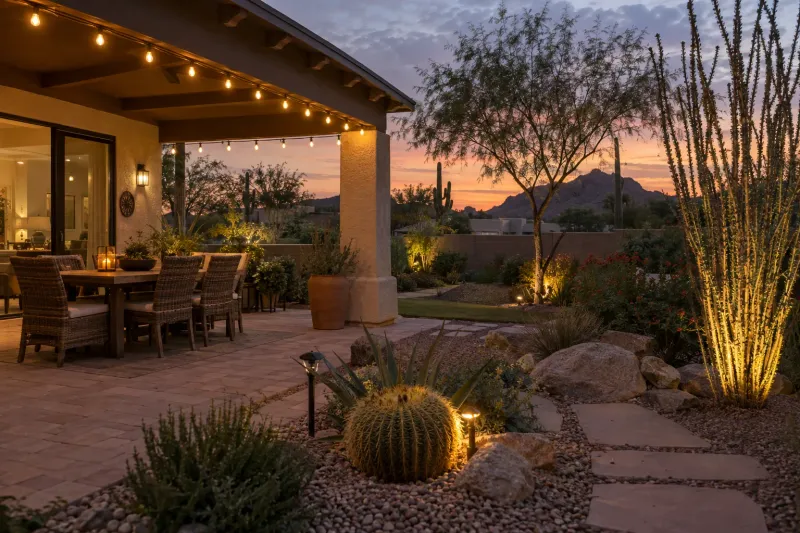
Desert nights in fall feel almost silky, and soft lighting lets you enjoy them without washing out the stars. I switched to warm amber bulbs last year, and my porch instantly felt calmer after sunset.
Many Arizona communities value dark skies, and Flagstaff became the first International Dark Sky City in 2001. Shielded fixtures that point downward keep light on your steps while reducing glare for neighbors and wildlife.
Bright white or blue-toned lights attract more flying insects, which can draw scorpions hunting near doorways. Warmer, dimmer bulbs tend to pull fewer bugs, so your porch stays cozy rather than crowded with moths.
Low-voltage spotlights tucked behind agaves create dramatic shadows on stucco walls that look gorgeous at night. Solar path lights also work well here, since our sunny days charge them reliably most of the year.
A black light flashlight makes scorpions glow, which helps you check corners before kids go barefoot outside. You might notice bats swooping past your softened lights, a sign your porch now welcomes helpful night visitors.