This Stubborn Vine Keeps Coming Back in North Carolina, and Here’s Why
Some vines in the South grow roots that can weigh as much as a grown adult. That’s not a tall tale from a porch swing. It’s a real, documented fact about one leafy climber that drapes whole hillsides and power poles.
One thing I love about gardening is how plants surprise you. This one surprises people in the worst way. You cut it to the ground in June, and by August it’s waving at you from the top of a pine tree again.
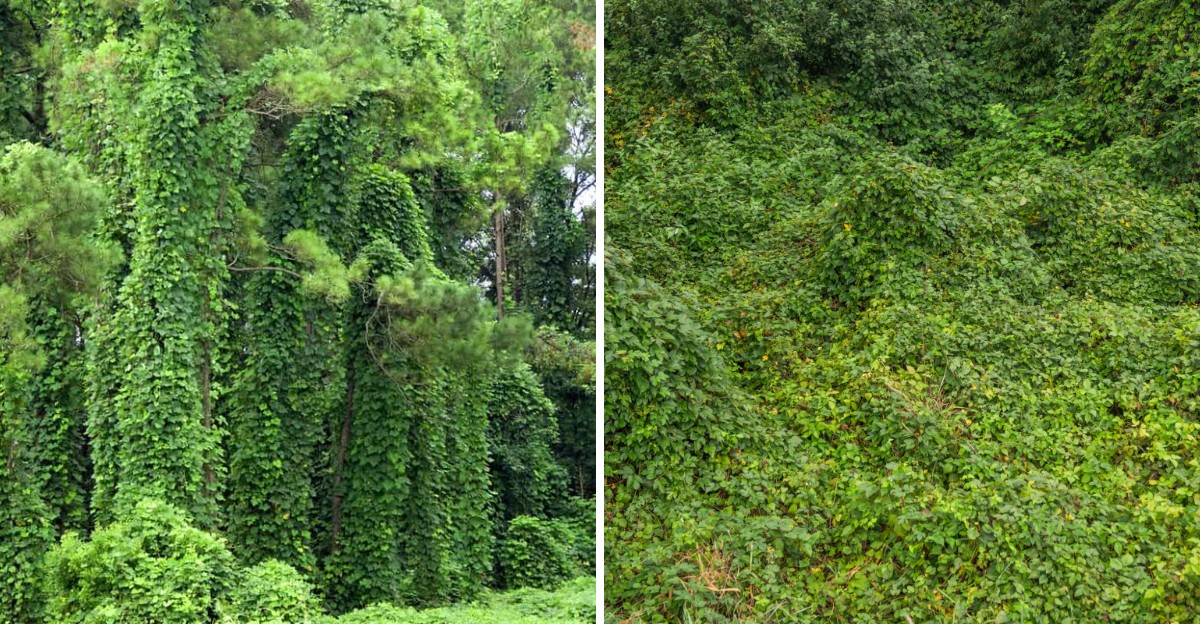
Across North Carolina, it swallows fences, barns, road banks, and forest edges. Farmers once planted it on purpose, and some folks were even paid to do it. Nobody back then guessed how hard it would be to send packing.
I know how frustrating it can be when your hard work vanishes under a sea of green.
1. That Leafy Kudzu Blanket Is Hiding Something Big Underground

Most of the action happens where you can’t see it. Kudzu grows thick, starchy roots that can reach several inches across and stretch deep into the ground.
Older plants can have roots several feet long, and some reports describe roots weighing up to a few hundred pounds.
Those roots work like a pantry stocked with stored food. When you chop off the vines, the plant simply pulls from its savings and sends up fresh shoots.
That’s the main reason cutting it once rarely works. You’re trimming the hair, not touching the heart. The leaves you remove are easy for the plant to replace, as long as the root stays healthy and full.
Kudzu is also a legume, like beans and peas. It teams up with soil bacteria to pull nitrogen from the air, so it can thrive even in tired, worn-out soil. Those red clay road banks across the Piedmont suit it just fine.
Here’s a fun bit of history. During the 1930s and 1940s, the U.S. Soil Conservation Service promoted kudzu to stop erosion, and landowners were paid to plant it.
The roots did hold soil in place. They just held on a little too well. So when your kudzu bounces back, it isn’t luck. It’s a well-fed root system doing exactly what it was built to do, season after season.
2. The Knobby Kudzu Root Crown Is Your Real Target
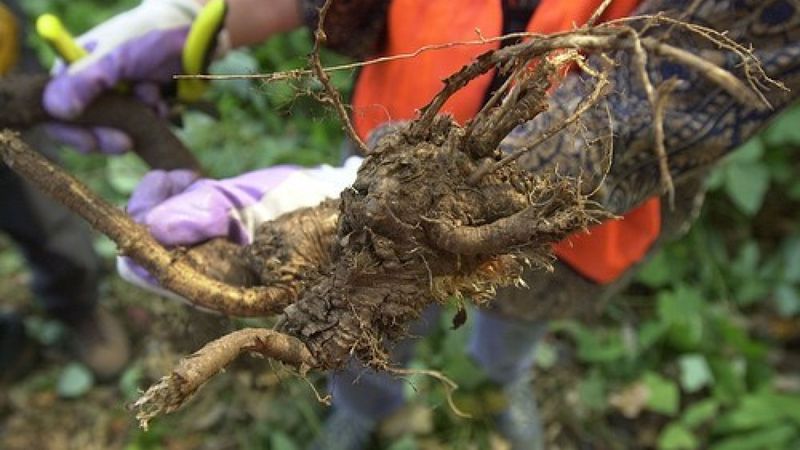
Ask any weed expert where to aim, and they’ll point at the crown. It’s a woody knob right at or just below the soil line, where the vines and roots meet.
A single crown can push out many vines, sometimes up to around thirty. Each crown acts like a control center. If it survives, the patch survives.
The best part is that you often don’t need to dig out the whole giant root. Extension specialists explain that removing the crown is the key step. Without it, the root below can’t send new growth up, and the plant declines.
Finding crowns takes a little detective work. Follow a vine back toward the ground until you reach a thick, rough lump where several stems gather. In a big patch there may be dozens or hundreds of them.
A sharp shovel, a pick mattock, or even a sturdy hand saw can help you cut crowns free just below the surface. Wear long sleeves and gloves, because kudzu patches often hide poison ivy and snakes.
Many land managers call this method crown removal, and it’s popular for small patches because it uses no chemicals. Mark the spots you’ve worked with flags. That way you can check back in a few weeks and catch anything that sneaks back up.
3. Plan On A Multi-Year Commitment To Beat Kudzu Vines
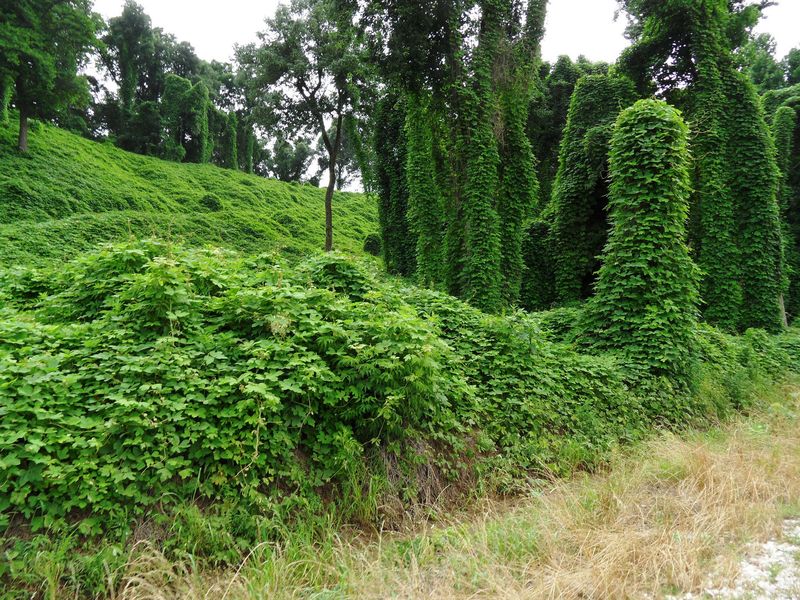
Patience is the secret tool nobody sells at the hardware store. Kudzu control is measured in years, not weekends.
Small, young patches can often be brought under control in about three to four years of steady effort.
Large, old stands with deep roots can take much longer, sometimes close to a decade. That timeline surprises a lot of people, but it matches what extension and invasive species experts report.
The smartest plans mix methods. Experts call this integrated pest management, which simply means using several tools together. You might cut, remove crowns, spot-spray, and then plant something helpful to fill the bare ground.
I tend to think a simple calendar helps more than anything. Write down when you cut, what you treated, and how the patch looked. After one season, you’ll see patterns you would have missed.
Start at the edges of the patch and work inward. This keeps the vine from creeping into new territory while you chip away at the middle.
Don’t get discouraged if year two looks messy. Weaker shoots, thinner leaves, and fewer vines are signs the roots are running low on stored food. That’s real progress, even if the hillside still looks green. Steady pressure wins this race.
4. Racing Kudzu Shoots Can Grow About A Foot A Day

On a hot July day, kudzu can stretch up to about a foot in 24 hours. Over a growing season, a single vine may add around 60 feet.
Speed is only part of the story. When a vine touches moist soil, it can root at its nodes, those little joints along the stem. Each spot can become a brand-new crown, so one plant slowly turns into a crowd.
That means a patch that looks like one big plant is often a network of many separate plants. Cut a vine in the middle, and both ends might keep going on their own.
North Carolina gives kudzu a nice home. Long, warm summers, plenty of rain, and mild winters across much of the state let it grow fast for months. Frost turns the leaves brown in fall, but the roots stay safe underground.
In its native East Asia, insects and diseases keep kudzu in check. Here it has far fewer natural enemies, though the kudzu bug, an invader itself, has fed on it since 2009.
Fast vines climb trees, block sunlight, and can even pull down branches with their weight. That smothering habit is why it spreads over forest edges so easily.
5. Mowing And Cutting Kudzu Wears Down Those Hungry Roots

Every time you cut kudzu back, the plant spends some of its stored food to regrow. Do that enough times, and the pantry runs low.
For flat areas you can reach with a mower, cut close to the ground often during the growing season, roughly May through October. Many guides suggest mowing every few weeks so the leaves never get much time to recharge the roots.
If you can only manage one big cut a year, many experts point to late summer or early fall, around September. At that time, the plant is moving food down to its roots for winter, so cutting then can be a real setback for it.
Steep banks and wooded edges are tougher. A string trimmer or a brush cutter works there, but go slowly and watch your footing.
Bag or pile the cut vines on a dry surface like pavement or a tarp. Pieces with nodes left on damp soil can sometimes take root again, and nobody wants a surprise patch.
Mowing alone takes several years to make a big dent. It works best paired with crown removal or careful spot treatments. Think of it as steady pressure that keeps kudzu tired.
6. Careful Herbicide Spot Treatments Reach Deep Kudzu Roots
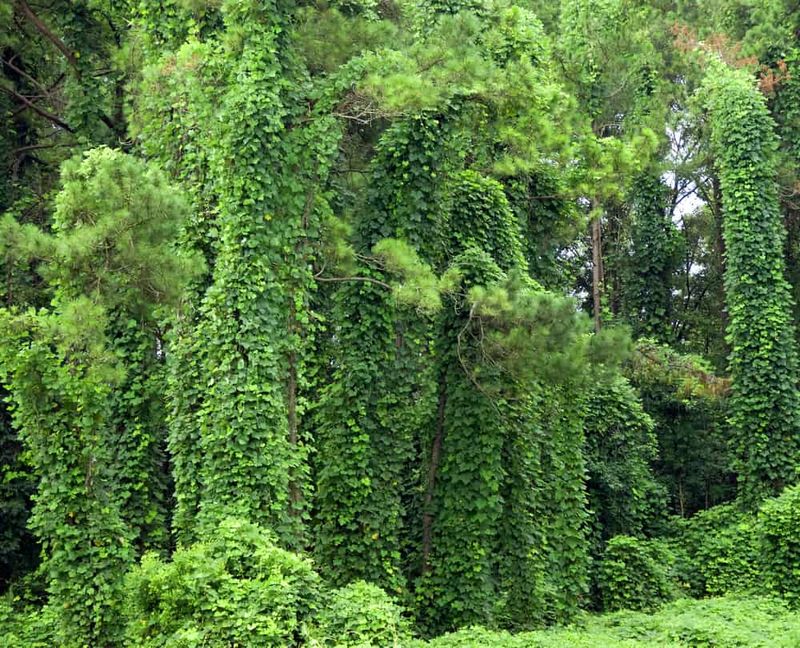
Sometimes a patch is just too big for a shovel. That’s when many landowners reach for a herbicide, used with care.
Products with glyphosate, triclopyr, clopyralid, or metsulfuron are common choices listed by extension services. Systemic herbicides move through the leaves down into the roots, which matters with a plant this deep.
Foliar sprays usually work best when kudzu is actively growing, from mid-summer into early fall. For thick vines climbing trees, many experts suggest the cut-stem method. You cut the vine near the ground and paint concentrated herbicide right on the fresh cut.
Read the label every single time. The label is the law, and it tells you the right mix, timing, and safety gear. Triclopyr and clopyralid can harm nearby trees and plants, so aim carefully.
Near creeks, ponds, or wetlands, choose only products labeled for aquatic use. Avoid spraying on windy days, and keep kids and pets away until things dry.
Plan on repeat treatments for several years. One spray rarely clears an older stand. If the job feels too big, call your local N.C.
Cooperative Extension office or a licensed applicator for advice on the right product.
7. Hungry Goats Happily Munch Through Kudzu Patches
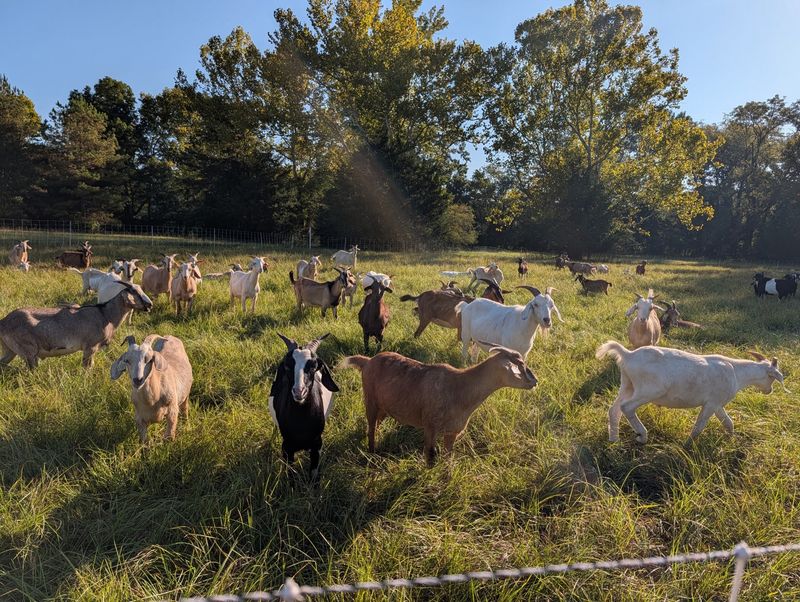
Goats treat kudzu like a salad bar. Those leaves are packed with protein, and goats will chew them down on slopes too steep for a mower.
Grazing works like repeated mowing. Every bite forces the plant to spend stored food on new leaves. Over several seasons of steady browsing, many patches weaken and shrink.
Cows and sheep will eat kudzu too, but goats are famous for reaching up into tangled vines. Several towns and farms in the Southeast have rented goat herds for kudzu jobs, and some businesses offer goat grazing as a service.
There are a few catches. You need good fencing, fresh water, shade, and someone to check on the animals. Goats also don’t dig out root crowns, so grazing alone usually takes several years.
Animals should keep grazing the patch through the growing season, not just once. Short visits let the vines bounce back quickly.
Many land managers pair goats with crown removal afterward. The goats clear the leafy mess, which makes the knobby crowns much easier to find and dig. If you love a low-chemical approach and have the space, this option is hard to beat for charm.
8. Keep Watching Cleared Ground So Kudzu Doesn’t Creep Back

Clearing kudzu feels like a big win, and it is. Still, those last few hidden crowns love a comeback story.
Walk the area every few weeks during the growing season for at least a couple of years. Pull or treat any small sprouts right away while they’re easy to handle. A tiny shoot in May is far simpler than a tangle in August.
Bare soil invites trouble, so fill it with something helpful. Many experts suggest native grasses, shrubs, or trees suited to your area. Check with N.C. Cooperative Extension for plants that fit your soil and sunlight.
Talk with your neighbors too. Kudzu doesn’t respect property lines, and vines from the lot next door can roll right back into your yard. Working together on shared edges saves everyone time.
Kudzu is listed as a federal noxious weed, and North Carolina includes it on its state noxious weed list. That means you shouldn’t move or plant it.
The takeaway is simple. Kudzu keeps returning because of its powerful roots, but steady effort wears those roots down. Stay patient, mark your progress, and celebrate each season with fewer vines.