Prune These Fruit Trees In June In Arizona Before Extreme Heat Sets In
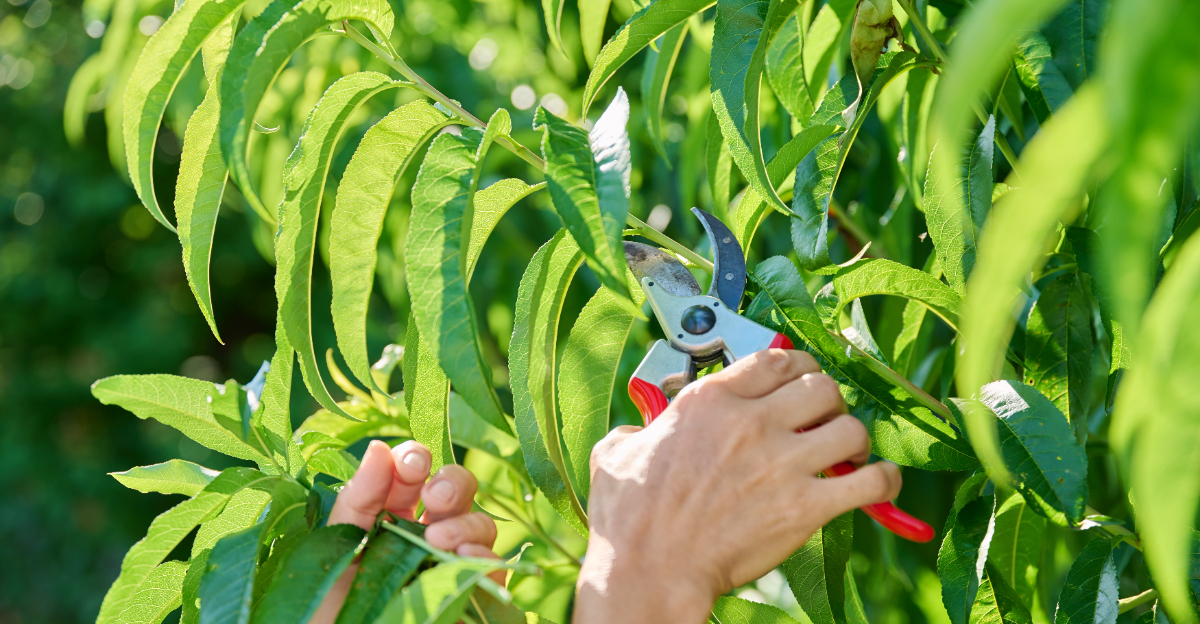
June can be a turning point for fruit trees. Growth is still active, branches are easy to evaluate, and there is often a small window to make adjustments before the most intense weather arrives.
Miss that opportunity, and certain pruning jobs become much riskier to tackle.
Not every fruit tree needs attention at this time of year, which is where many people run into trouble.
Cutting the wrong branches or waiting too long can expose trees to unnecessary stress just when they need to be conserving energy.
Arizona’s climate adds another layer of urgency because extreme heat can arrive quickly and linger for long periods.
A tree that enters summer with damaged, crowded, or poorly managed growth may have a harder time handling those conditions.
What makes June tricky is that everything can look healthy on the surface. Fresh leaves and active growth often hide developing problems that become much harder to correct later in the season.
A few well-timed pruning cuts can make a noticeable difference. The key is knowing which fruit trees still benefit from June pruning and which ones are better left alone.
1. Citrus Trees Benefit From Light June Cleanup
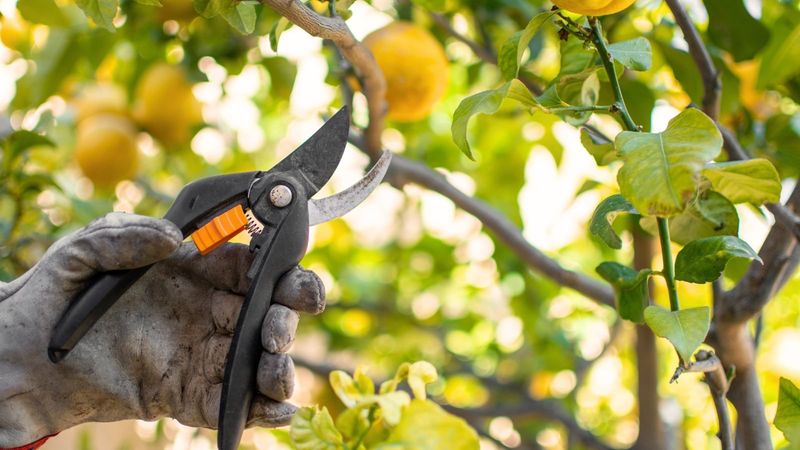
Citrus trees are tougher than most people give them credit for, but they still need a little attention before summer peaks. June is a good month to remove damaged wood, crossed branches, or twigs rubbing against each other.
Keep cuts minimal. Heavy pruning on citrus during warm months stresses the tree more than it helps.
Fresh cuts on citrus exposed to intense afternoon sun can cause sunburn on the bark. If you remove larger limbs, the newly exposed trunk and main branches become vulnerable.
Paint exposed areas with diluted white latex paint or tree wound sealant to reduce sunscald risk.
Focus on the inside of the canopy. Remove branches growing inward or downward.
Good airflow through the center of the tree reduces fungal problems during monsoon humidity. Skirts touching the ground should also come off to keep pests from climbing up easily.
Water shoots, also called suckers, drain energy from productive growth. Pull them off at the base rather than cutting, so they are less likely to regrow quickly.
Citrus in desert gardens often push heavy sucker growth during warm months, so check regularly through summer.
Never remove more than 20 percent of the canopy at one time during warm months. Citrus relies on its leaf coverage to shade its own bark.
Removing too much at once leaves the tree exposed and can cause bark cracking. Light, thoughtful cleanup is the goal in June, not a major reshaping session.
A quick inspection now can prevent much bigger problems later in the season.
2. Fig Trees Respond Well To Minor Shaping
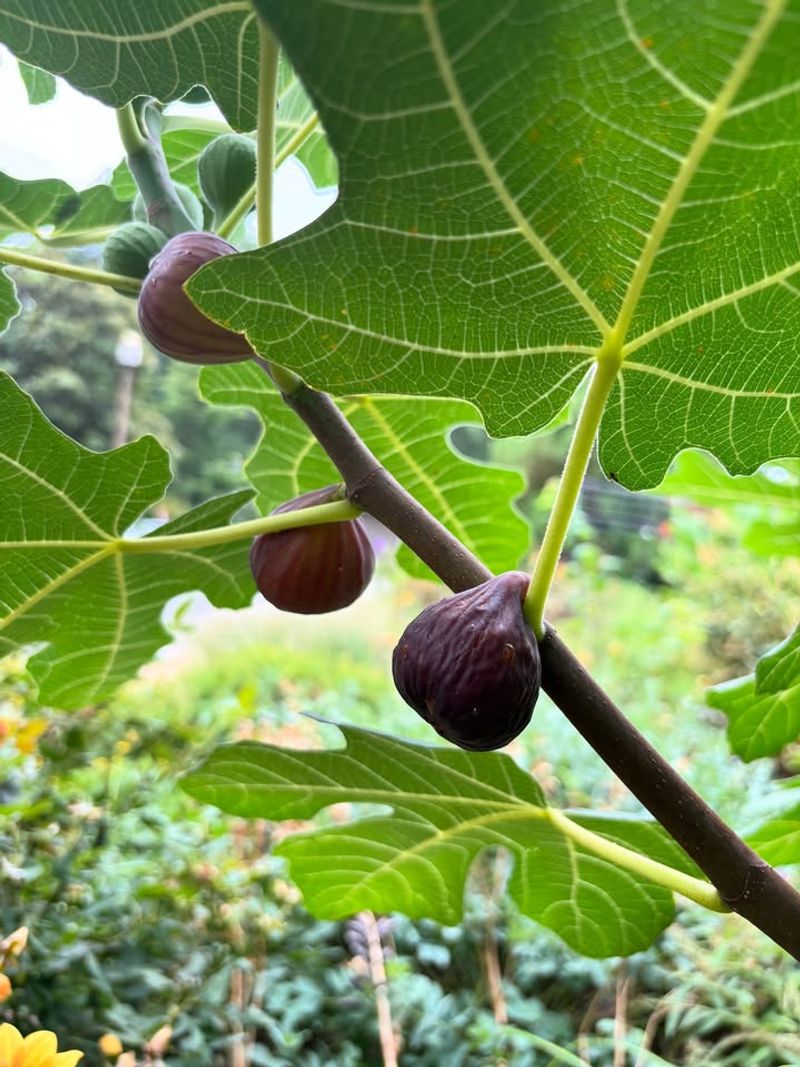
Fig trees are surprisingly forgiving, but June pruning should stay light and strategic. Major cuts are best saved for late winter when the tree is dormant.
Right now, the goal is shaping, not restructuring. Remove any branches that are crossing, crowding, or pointing in awkward directions.
Your Arizona Garden Changes Every Week. Your Plan Should Too.
Gardening in Arizona changes quickly throughout the season. Every Friday you’ll receive a simple weekly plan showing exactly what to plant, prune, fertilize, harvest, and protect so you never miss the right timing.
Figs bleed a milky white sap when cut. That sap can irritate skin, so wear gloves and long sleeves when working with them.
Use clean, sharp pruners to make smooth cuts that close faster. Jagged cuts stay open longer and invite problems during humid monsoon conditions.
One practical move in June is removing any weak or damaged branches that made it through spring but are clearly not producing. Weak wood wastes the tree’s energy.
Cutting it now lets the tree push resources toward healthy, fruit-bearing growth instead.
Figs in hot desert climates can develop a second crop in late summer or early fall. Keeping the canopy open and well-shaped helps sunlight reach developing fruit.
Dense, tangled growth shades fruit and slows ripening. A little shaping now sets up better production later.
Watch the height, too. Figs can grow tall fast in warm climates.
Keeping the canopy at a manageable height makes harvesting easier and reduces the amount of canopy exposed to drying winds. Trim back any vertical shoots growing straight up from main branches.
Aim for an open, bowl-shaped canopy that lets air and light move through freely without stressing the tree going into peak summer.
3. Pomegranate Branches Can Be Thinned Carefully
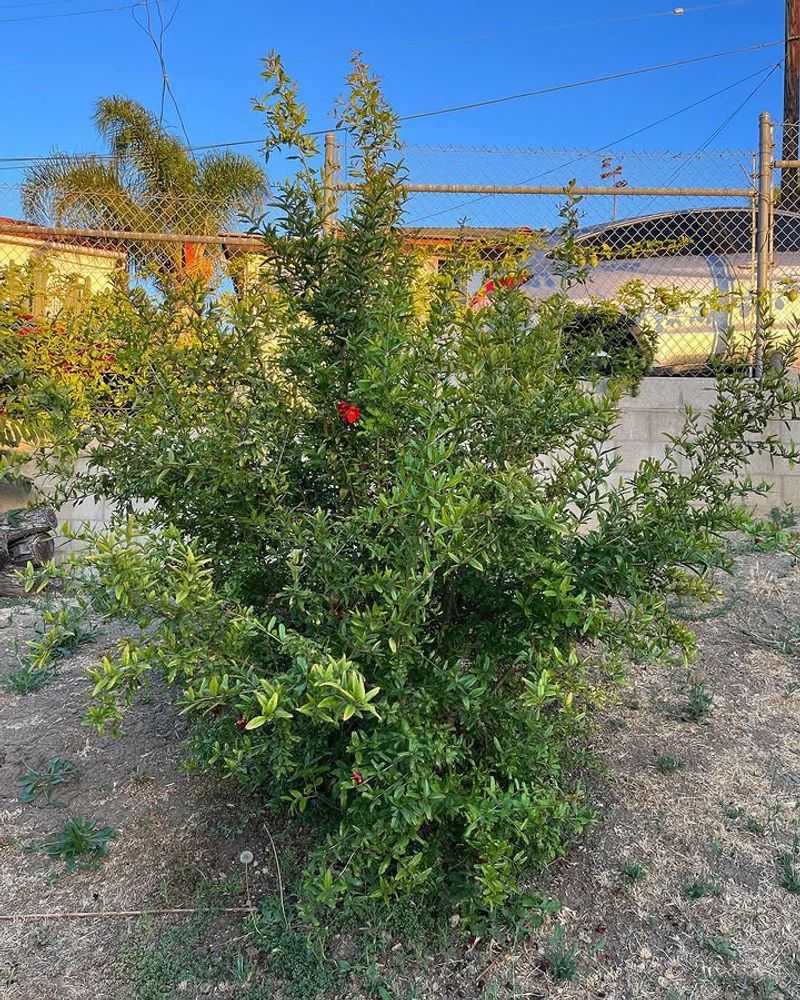
Pomegranates are one of the most heat-tolerant fruit trees you can grow in the desert, but that does not mean they are maintenance-free. By June, many pomegranate trees have pushed out a thick flush of new growth.
Some of that growth needs to come out before temperatures make recovery harder.
Suckers are the first priority. Pomegranates send up shoots from the base constantly, especially during warm growing periods.
Left alone, they crowd the main structure and reduce fruit production. Remove them flush with the ground or as close to the origin point as possible.
Do not leave stubs.
Next, look for any branches growing into the center of the canopy. Pomegranates fruit on new growth, so keeping the canopy open encourages more fruiting wood to develop.
Crowded centers also trap moisture during monsoon season, which can lead to fungal spotting on fruit and foliage.
Thin out any branches that are clearly rubbing or touching. Over time, rubbing causes bark wounds that become entry points for insects and disease.
One clean cut now prevents a bigger problem later in the season when heat stress already has the tree working hard.
Avoid cutting back healthy, outward-facing branches that are setting fruit. Those should stay.
Focus only on removing problem growth, crowded interiors, and suckers. Pomegranates respond well to moderate thinning in early summer.
Keep the overall form intact and resist the urge to cut more than necessary. Less is more with pomegranates in June.
4. Mulberry Growth Can Be Managed Before Peak Heat
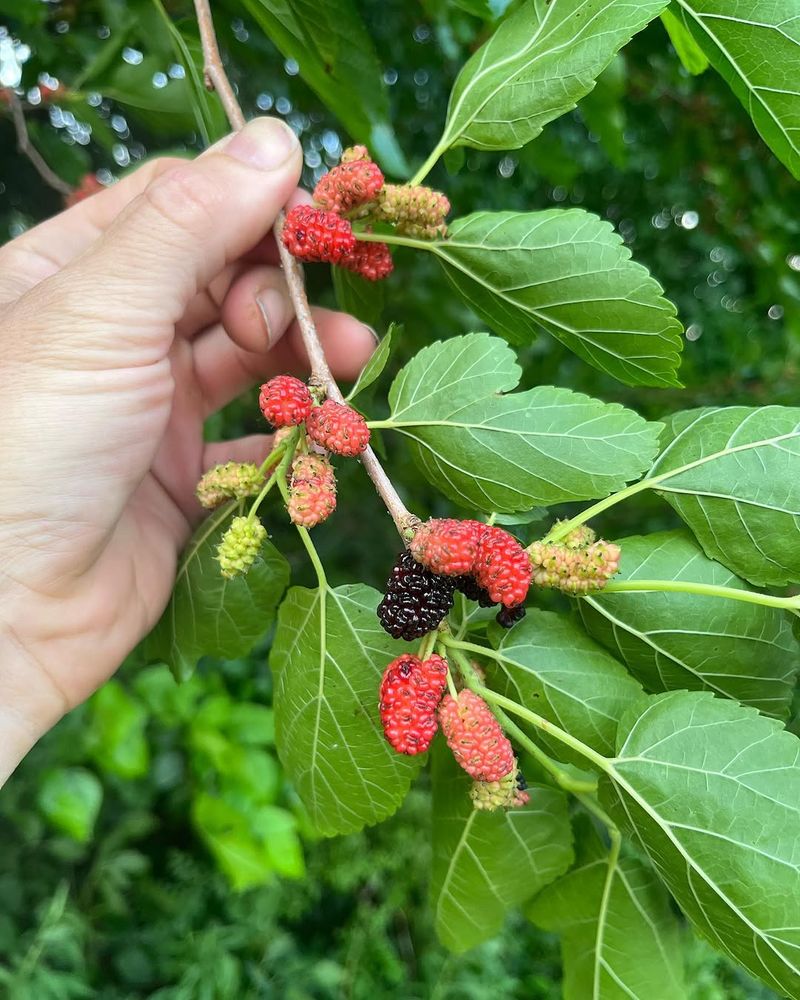
Mulberry trees grow fast. In desert climates, they can push several feet of new growth in a single season.
By June, that growth can get out of hand quickly if left unchecked. Managing it before peak summer heat arrives keeps the tree at a workable size and reduces wind resistance during monsoon storms.
Start by removing any damaged wood left over from spring. Winter injury sometimes does not show up clearly until the tree fully leafs out.
Once you can see the structure, identify weak or hollow-looking branches and take them out cleanly. Damaged wood will not recover, and it can create entry points for wood-boring insects.
Mulberries can handle moderate pruning in early summer, but avoid cutting back into large, mature wood during this period. Stick to current-season growth and small secondary branches.
Large cuts on established wood during warm months heal slowly and leave the tree exposed to heat stress at the worst time.
Fruitless mulberry varieties are common in desert landscapes and respond well to shaping in June. Keep the canopy balanced and remove any branches growing straight down or toward the center.
An even, open structure handles summer wind and heat better than a dense, lopsided canopy.
Fruit-bearing mulberries need slightly different handling. After the spring harvest wraps up, light pruning helps set up next year’s fruiting wood.
Remove older, unproductive branches to encourage fresh growth. Keep overall cuts conservative.
The tree should look tidy and balanced when you are done, not stripped or bare.
5. Peach Trees May Need Broken Branches Removed
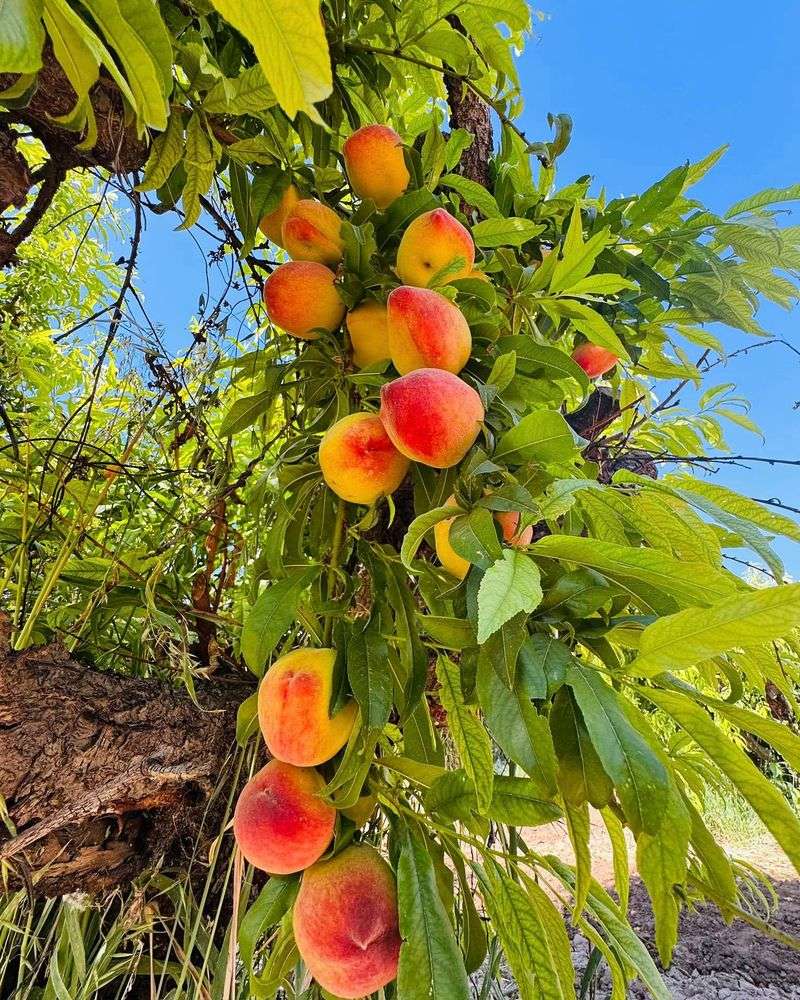
Peach trees carry a lot of fruit weight in late spring, and that weight takes a toll on branches. By June, some limbs may be cracked, partially split, or hanging at odd angles.
Leaving broken wood on the tree creates real problems. Insects find damaged bark fast, and open wounds do not heal well once heat intensifies.
Check the entire canopy carefully before making any cuts. Look for branches with visible cracks along the top, splits near branch unions, or limbs that look like they shifted position after a heavy load.
These need to come off cleanly, cutting back to a healthy lateral branch or the main scaffold.
Peaches produce fruit on one-year-old wood, so protecting healthy new growth matters. When removing damaged branches, avoid cutting back into vigorous young shoots that are still productive.
Focus only on clearly compromised wood. Healthy branches, even slightly bent ones, should stay if they are still producing or supporting the canopy structure.
After cutting, inspect the exposed wood. If the cut surface looks brown or discolored deep into the tissue, the damage extended further than the visible break.
Cut back further until you reach clean, white or cream-colored wood. Leaving diseased tissue behind does not solve the problem.
Peach trees in desert gardens can rebound well from targeted pruning in early June. Keep the cuts clean and minimal.
Water the tree deeply after pruning to support recovery. Avoid fertilizing immediately after cutting damaged branches, as pushing fast new growth during intense heat can stress the tree further.
6. Apricot Trees Benefit From Light Cleanup Cuts
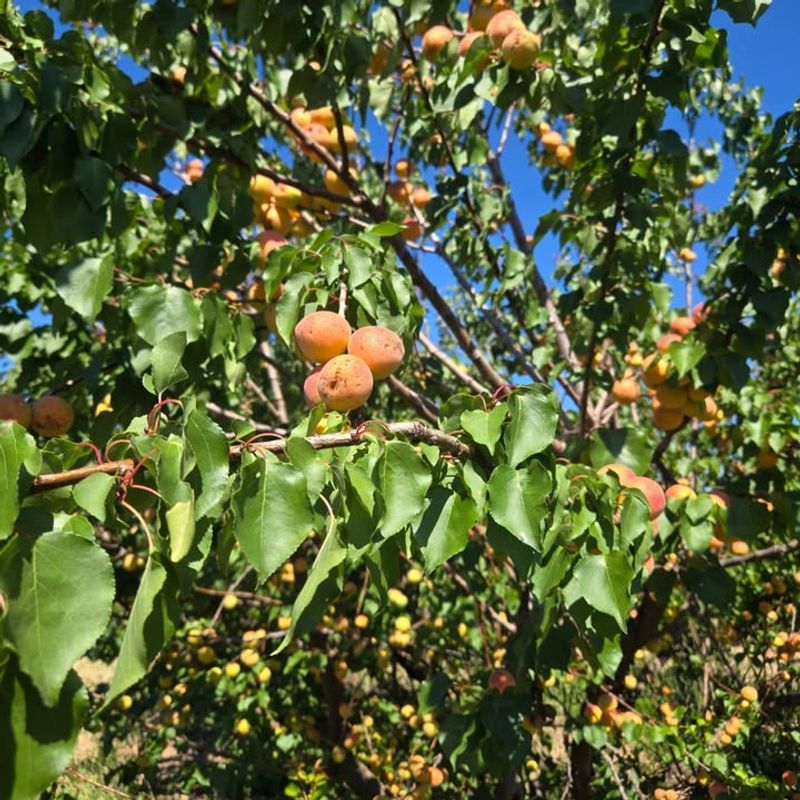
Apricot season wraps up early in desert climates, often finishing well before June. Once the harvest is done, the tree shifts its energy toward building wood for next year.
A light cleanup right after harvest, while temperatures are still manageable, helps direct that energy more efficiently.
Start with any damaged or diseased twigs.
Apricots are prone to a few fungal issues, and removing affected wood quickly limits spread. Look for twigs with dark, sunken areas or ones that failed to leaf out fully during spring.
Cut those out and dispose of them away from the garden, not in a compost pile nearby.
Crossing branches deserve attention, too. Where two branches rub together, the bark wears away over time.
Bark damage on apricots creates entry points for bacterial canker and other pathogens. Identify which branch has a better position in the canopy and remove the one that is less well-placed.
One clean cut solves a long-term problem.
Water sprouts growing straight up from main scaffold branches should come off. They drain energy and rarely produce quality fruit.
Pull them off at the base if they are young and soft. If they have hardened, cut them flush with the branch they originated from.
Do not leave stubs.
Keep the overall canopy intact. Apricots do not need aggressive reshaping in June.
A few targeted cuts make a noticeable difference in tree health and next year’s productivity. Work quickly in the morning before heat builds, and clean your tools between cuts to avoid spreading any pathogens between branches.
7. Nectarine Trees Can Be Tidied Before Extreme Heat
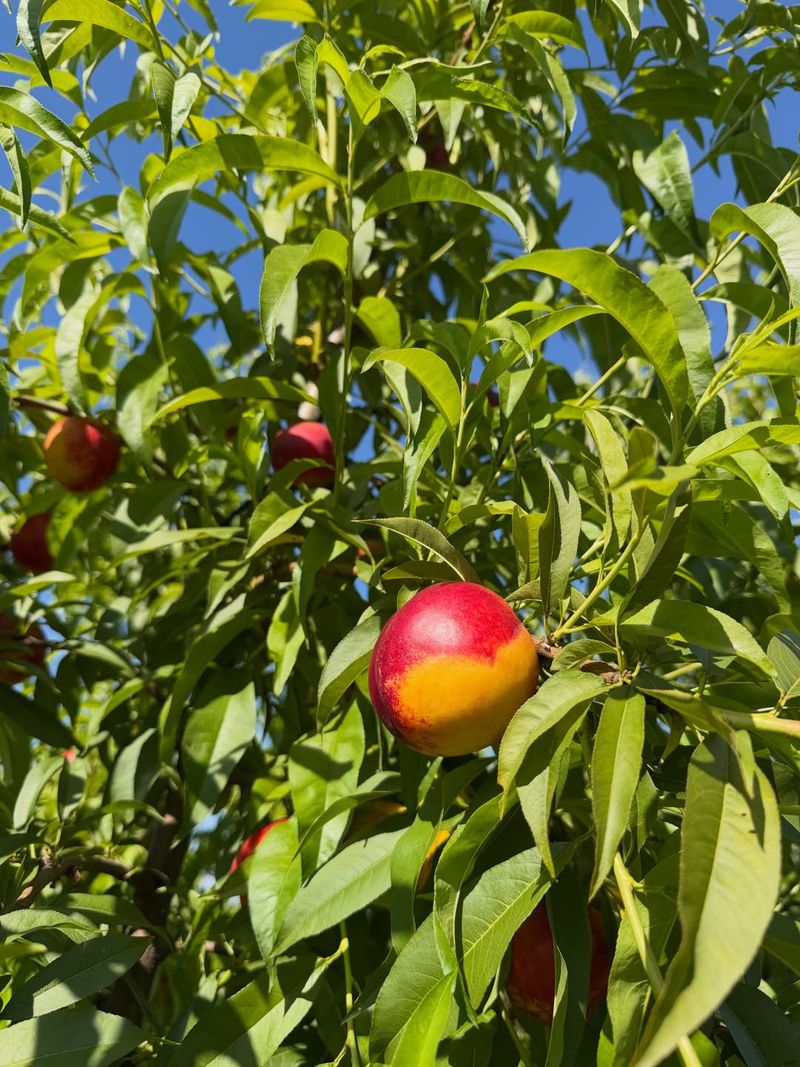
Nectarines and peaches are closely related, and they share similar pruning needs in early summer. June is not the time for heavy reshaping, but a quick tidy-up before the worst heat arrives makes a real difference.
Removing problem wood now means the tree is not managing wounds during the most stressful weeks of the year.
Look for any shoots growing straight down from scaffold branches. These downward-growing branches rarely fruit well and block airflow underneath the canopy.
Remove them flush with the branch they came from. Improving airflow through the lower canopy reduces humidity buildup during monsoon season, which helps prevent fungal leaf issues.
Nectarines often push a flush of vigorous upright shoots, called water sprouts, after spring fruiting. These grow fast and look healthy, but they compete with more productive lateral growth.
Remove them early while they are still soft enough to snap off cleanly by hand. If they have hardened, use clean pruners and cut close to the origin point.
Check branch unions where two limbs meet at a narrow angle. Narrow crotch angles are weak points.
Under heavy fruit loads or strong monsoon winds, these unions can split. If a branch with a narrow angle is still small enough to remove without leaving a large wound, take it out now before it becomes a structural problem later.
Finish by stepping back and looking at the overall shape. Nectarines do best with an open center form.
If the canopy looks crowded or unbalanced after cleanup, note what needs more attention in winter when pruning is safer and the tree handles larger cuts much better.