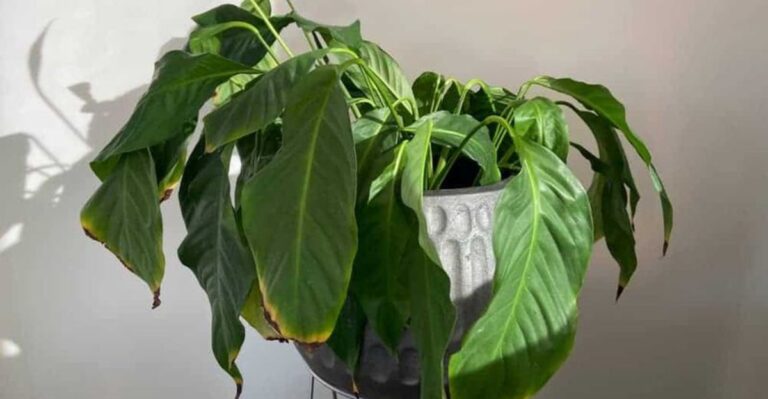
8 Signs Your Houseplant Is Getting Too Little Light in Winter
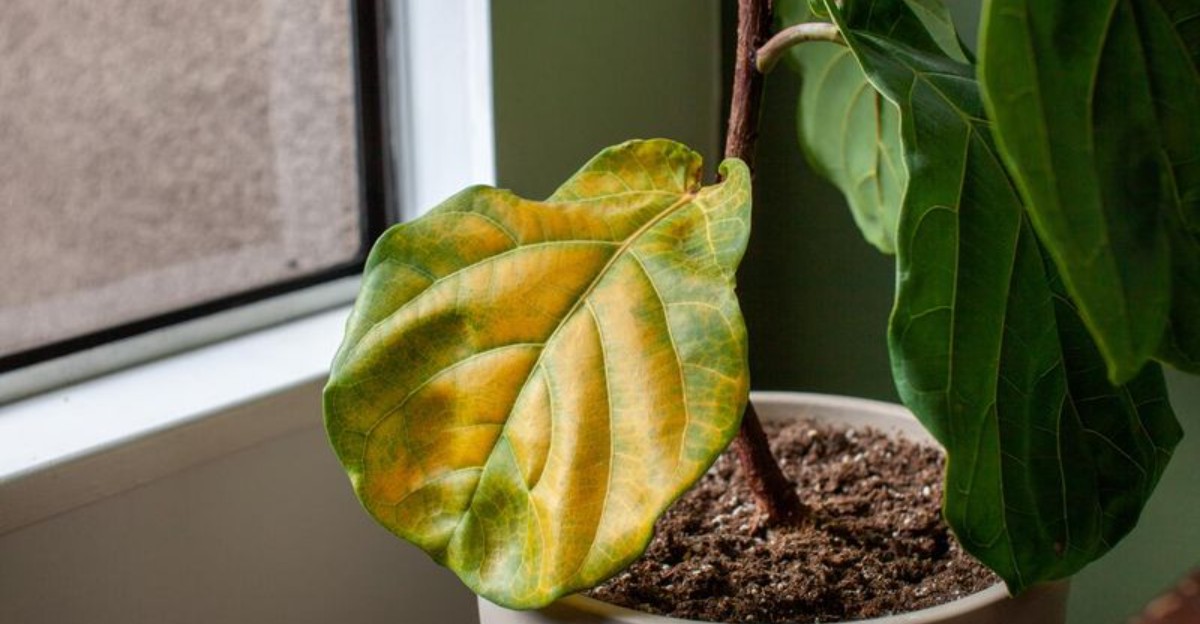
In much of the northern U.S., winter days can drop below nine hours of daylight around the solstice, several hours less than in June. That missing sunshine hits our windowsills hard, and the light that does arrive comes in at a low angle.
Indoor light is already weaker than outdoor light, often by a surprising margin even beside a bright window. Add gray skies and shorter days, and many leafy roommates end up running on a very thin budget.
I learned the hard way that a struggling plant in January rarely needs more water or more fertilizer. Guilty as charged, I once drowned a pothos while it was quietly begging for a brighter spot.
The clues show up slowly, so they are easy to blame on drafts or a sloppy watering routine. What is your favorite plant really trying to tell you from that dim corner by the couch?
1. Stretched Stems With Big Gaps Between Leaves
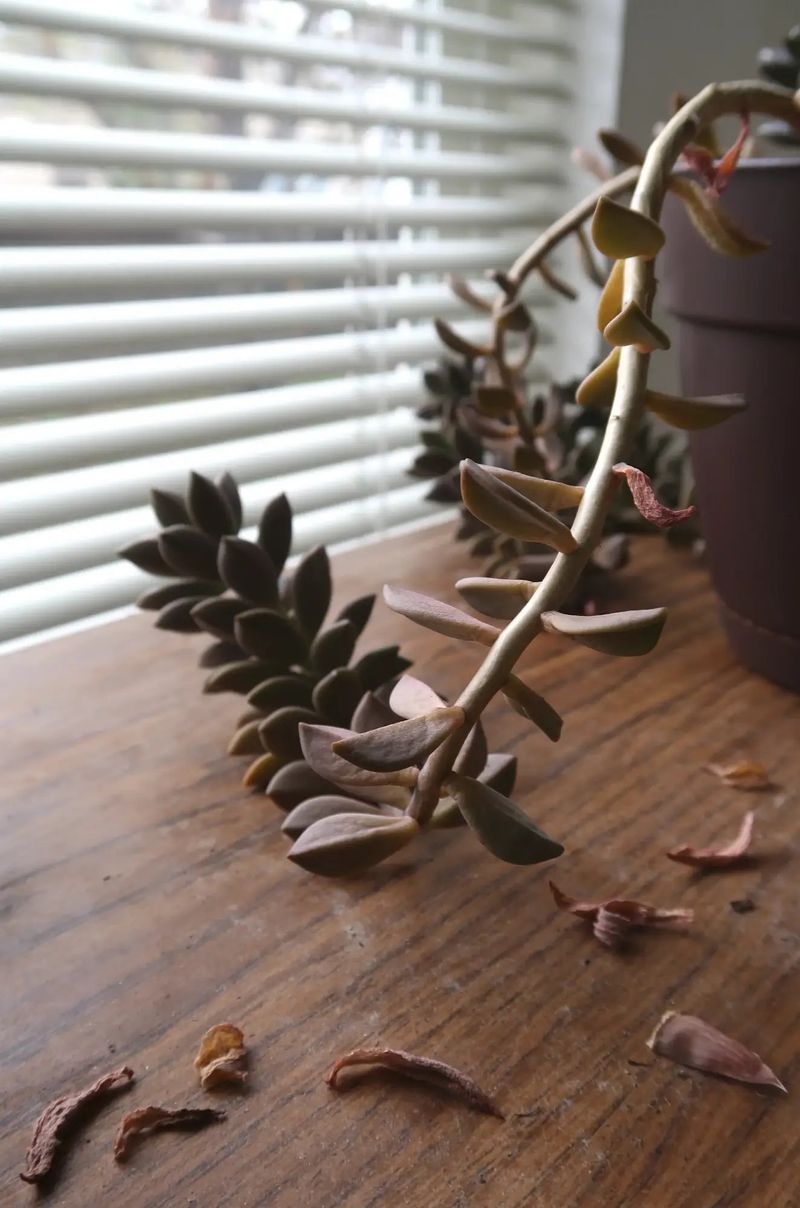
My string of pearls once grew so stretched out that it looked more like dental floss than a plant. That awkward, gangly look has a name, etiolation, and it shows up fast when winter light runs short.
A light-starved plant pours its energy into growing longer stems, hoping to reach a brighter patch somewhere. The space between leaves, called the internode, gets wider, so the plant looks bare and floppy.
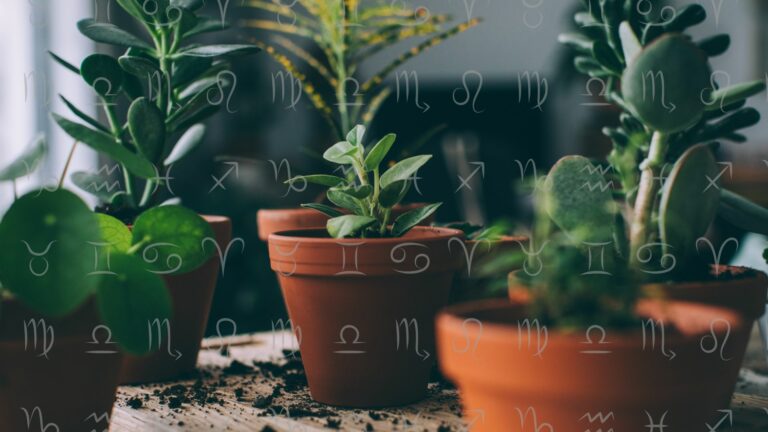
Succulents and pothos show this sign quickly, but almost any leafy houseplant can stretch when the window dims. Succulents are especially dramatic, often turning pale and bending sharply toward the glass as they grow taller.
Fair warning, stretched stems will not shrink back once the plant gets better light again later. The old growth stays leggy, so the real fix is to improve light first and prune afterward.
Move the pot closer to a south or west window, or add a simple LED grow light nearby. Keep leaves from touching cold glass, since winter windows can chill tender foliage on frosty nights.
Once spring growth picks up, trim the leggy stems just above a leaf node to encourage bushier branching. Many trimmings, especially pothos and succulents, root easily, so you can tuck them back into the pot.
I’m the first to admit that pruning feels scary, but plants usually bounce back fuller than before. Think of it as a fresh haircut that rewards patience once the days start stretching out again.
2. Pale Washed Out Leaves Losing Their Green
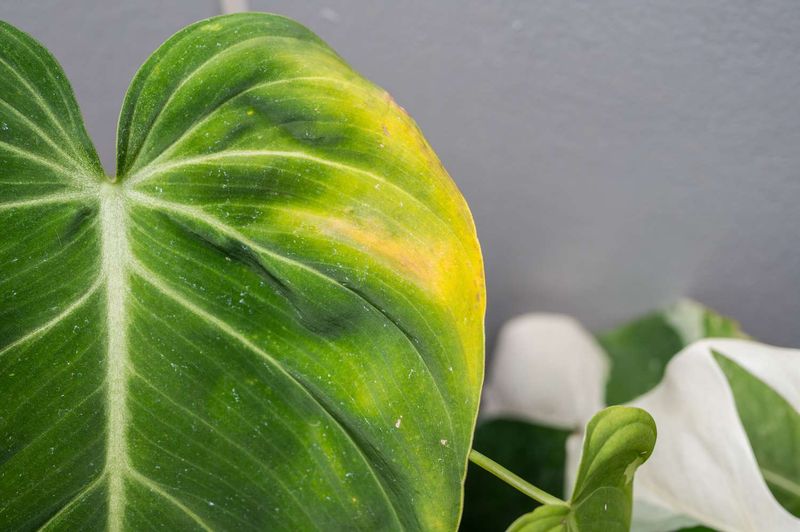
Healthy leaves usually have a rich, glossy green that almost looks wet in the right light. When that color fades to a tired lime shade in winter, low light is a likely suspect.
Chlorophyll is the green pigment that captures light, and plants make less of it when light is scarce. Older leaves may hold their color, while new ones unfold looking pale and a little papery.
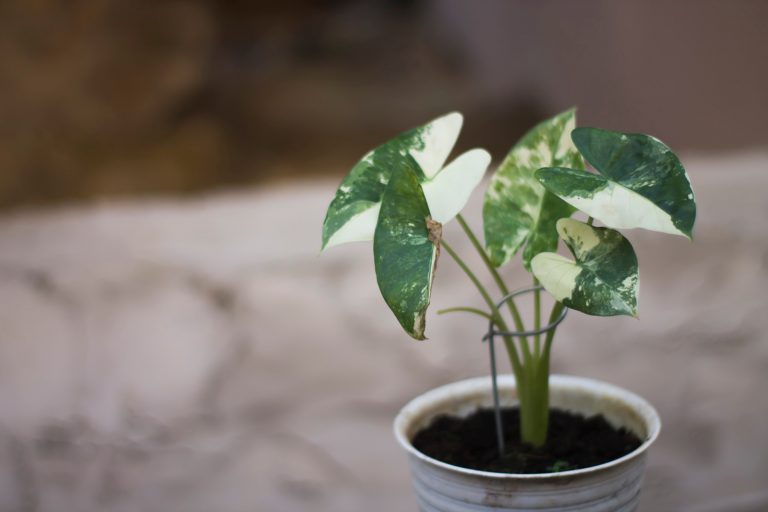
Variegated plants add another twist, since their white or cream patches contain little or no chlorophyll at all. In dim rooms, some variegated plants produce greener leaves, which helps them capture more of the available light.
Not going to lie, watching a marble queen pothos lose its swirls felt like a tiny heartbreak. Brighter conditions usually help new leaves show stronger patterns, though the green leaves already formed rarely change.
Pale leaves can also point to nutrient problems or overwatering, so check the soil before blaming the window. If the soil stays soggy for days, fix the watering habit first and watch the new growth.
A cheap light meter app on your phone can give you a rough idea of brightness levels. Readings near a north window in midwinter often surprise people, since they drop much lower than expected.
Shift pale plants a few feet closer to the glass, and wipe dust off leaves with a damp cloth. Clean leaves catch more light, and that small chore makes a bigger difference than most people realize.
3. Tiny New Leaves Smaller Than The Older Foliage
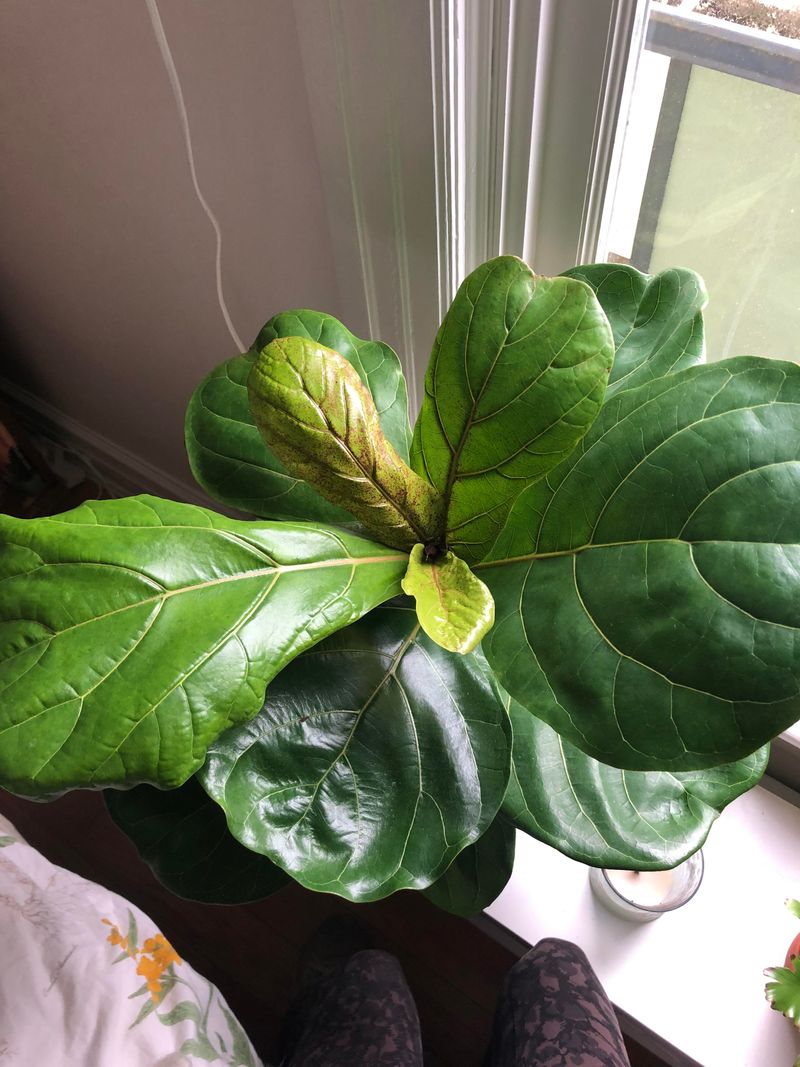
Nothing deflates a plant parent faster than waiting weeks for a new leaf that unfurls about thumbnail sized. I’ve watched my monstera push out a baby leaf without a single split and felt genuinely offended.
Leaf size depends heavily on how much energy the plant can make, and that energy comes from light. With less sunshine, the plant can only afford smaller leaves, so it trims its building plans to match.
Monstera fenestrations, those famous holes and splits, tend to appear on larger leaves of mature, well-lit plants. A monstera grown in a dim corner may keep producing solid, heart-shaped leaves for a long time.
Fiddle leaf figs act similarly, sending out cramped little leaves that look out of place beside the older ones. Line up a new leaf next to an older one, and the difference often jumps out right away.
Small leaves can also come from root crowding or a long stretch without nutrients during the growing season. Still, if the shrinking leaves match the arrival of shorter days, light deserves the first close look.
Skip extra fertilizer for now, since most houseplants grow slowly in winter and cannot use much food. Unused fertilizer salts can build up in the pot and irritate roots instead of helping new growth.
A grow light set on a timer for about twelve to fourteen hours daily can help a lot. Give it a few weeks, and the next leaves often come out noticeably bigger and healthier looking.
4. No New Growth For Weeks On End
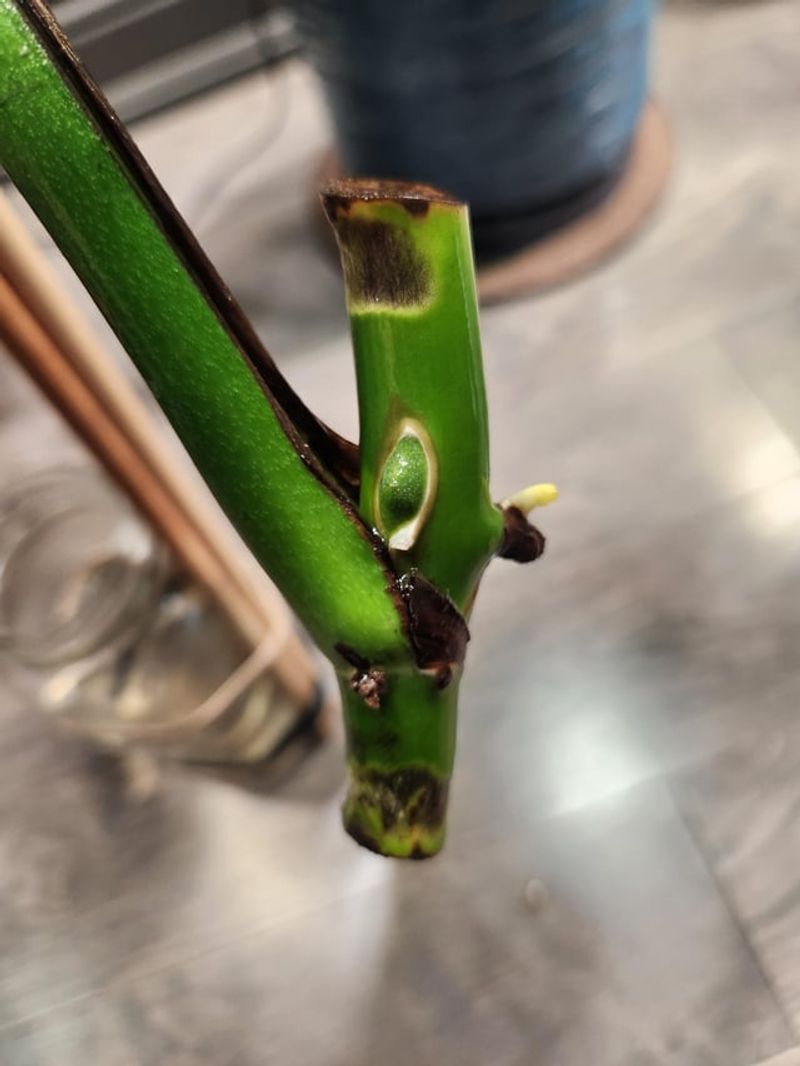
Every gardener knows the slow winter shuffle, when houseplants seem to hit pause until the calendar flips toward spring. Some slowing is normal, but weeks with zero new leaves or vines can signal a real light shortage.
Many tropical houseplants come from places where day length barely changes, so long dark winters feel foreign to them. Their growth depends on steady light, and our northern windows simply cannot match a rainforest edge.
I used to think my snake plant was just being lazy, but it was sitting behind a sheer curtain. Once I pulled the curtain open during the day, it slowly started sending up a fresh new spear.
A plant that stops growing is not necessarily in trouble, especially if its existing leaves look firm and colorful. Trouble starts when the stall pairs with other clues, like fading color or leaves dropping from the bottom.
Watch the growing tips closely, since a healthy plant usually shows a swelling bud or curled leaf there. If the tips look shriveled or brown, check the roots before assuming light is the only issue.
Pull plants away from dark corners and closer to the brightest window you have for the next few months. South-facing windows offer the strongest winter light in the Northern Hemisphere, though west windows can work well too.
Funny thing is, a plant that seems frozen often wakes up within weeks once it gets brighter light. Patience pays here, so hold off on repotting or heavy pruning until active growth returns in spring.
5. Yellow Lower Leaves Dropping From The Base
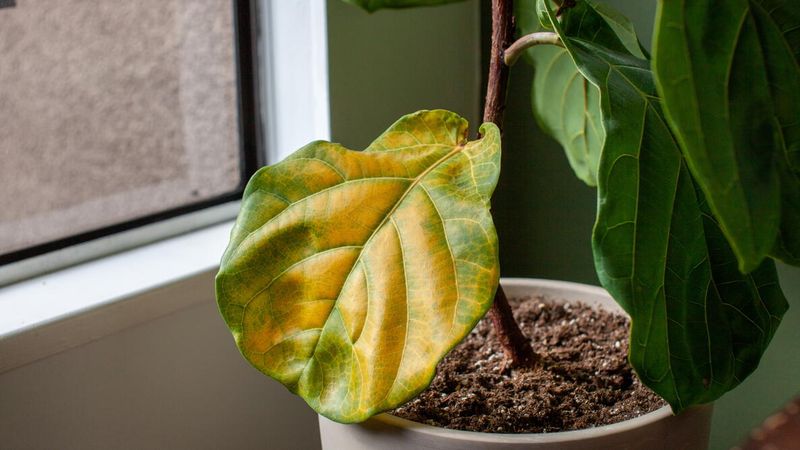
A small pile of yellow leaves on the windowsill can make your stomach drop on a gray January morning. Before panicking, look at where those leaves came from, because location tells you a lot here.
When light runs low, many plants shed their oldest, most shaded leaves at the bottom of the stem. Those lower leaves produce less food than they cost, so the plant pulls nutrients back and lets them go.
Weeping figs are famous for this, often dropping a shower of leaves after a move to a dimmer spot. Ficus benjamina dislikes change, so even a well-meaning relocation can trigger a temporary leaf drop for weeks.
Trust me on this one, overwatering causes yellow lower leaves too, and the two problems often travel together. Less light means the plant drinks less, so a normal watering schedule can leave roots sitting in soggy soil.
Push a finger about two inches into the potting mix before reaching for the watering can each time. If it feels cool and damp, wait a few more days and check again before adding water.
Snip yellow leaves off cleanly with clean scissors, since they rarely turn green again once they fade. Removing them also keeps fallen leaves from rotting on the soil surface and attracting fungus gnats.
Bare lower stems will not grow new leaves in the same spots, which can make plants look top-heavy. Brighter light now helps prevent more loss, and spring pruning can reshape the plant into something fuller.
6. Plants Leaning Hard Toward The Window Glass
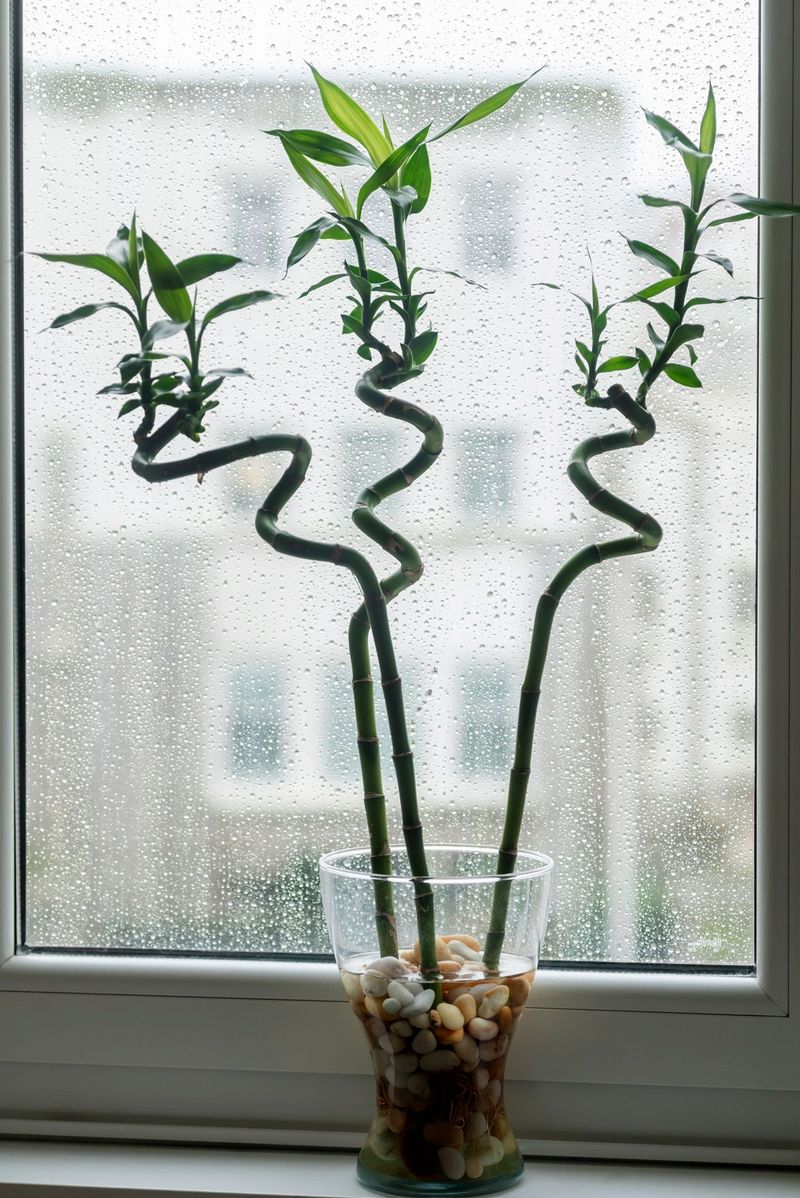
My jade plant once leaned so far toward the window that it looked like it wanted to escape outside. That dramatic tilt is called phototropism, and it is one of the easiest light clues to spot.
Plants make a growth hormone called auxin, which collects on the shaded side of a stem. Cells on that darker side grow longer, so the stem bends toward the brightest light it can find.
A slight lean is normal for plants sitting near a single window, even during bright summer months. A heavy lean in winter suggests the plant is stretching hard because the light reaching it is weak.
Give the pot a quarter turn every week or two so each side gets a fair share of sunshine. I tie this chore to watering day, which keeps me from forgetting about it until the plant looks crooked.
Rotating helps balance growth, but it does not add any extra light to a room that is too dim. If the lean keeps returning quickly after turning, the plant needs a brighter location or extra light.
A grow light mounted directly above the plant encourages straighter growth, since light comes from overhead like natural sun. Keep most LED grow lights about twelve inches above the leaves, though product directions can vary quite a bit.
Heavily bent stems on woody plants like jade may stay curved, even after conditions improve later. A small stake can help support them while new, straighter growth fills in over the coming months.
7. African Violets And Other Bloomers Refusing To Flower
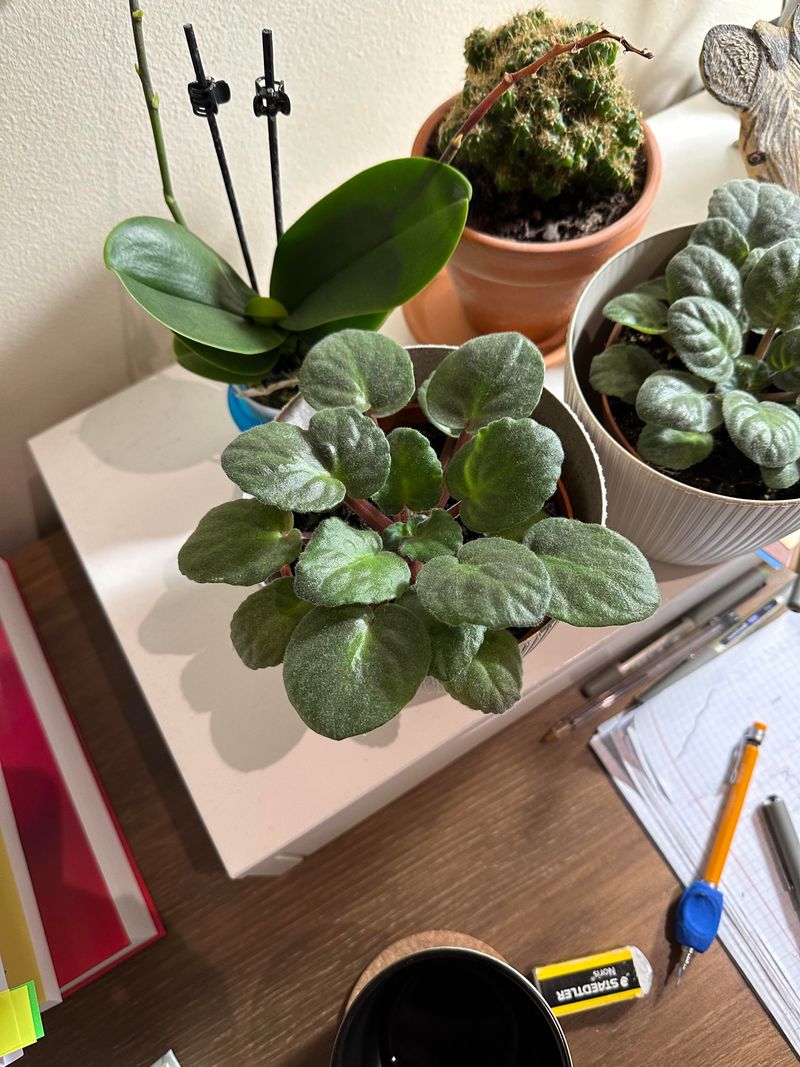
African violets can bloom almost year round indoors, so a sudden flower strike feels like a personal snub. Don’t laugh, but I’ve actually apologized to a violet after realizing its shelf had grown too dark.
Flowers take a lot of energy to build, and plants usually spend leftover energy on blooms only after basic needs. When winter light drops, many flowering houseplants quietly skip blooming and focus on keeping their leaves healthy.
African violets enjoy bright, indirect light, and many growers aim for roughly twelve to sixteen hours of light daily. Under fluorescent or LED lights, they often bloom steadily all winter when kept eight to twelve inches below.
Not every plant follows that pattern, since some bloomers depend on day length to set their flower buds. Christmas cactus actually needs long nights in fall to form buds, so extra evening light can work against it.
Phalaenopsis orchids usually spike after cooler nights in fall, but they still need decent daytime light to bloom well. An east window often suits them nicely, giving gentle morning sun without scorching their thick leaves.
Look up your specific plant before adding grow lights, because timing matters as much as brightness for flowers. A plug-in timer takes the guesswork out and keeps the light schedule steady even on busy days.
Bud blast, when tiny buds drop before opening, can also come from low light or sudden temperature swings. Keep bloomers away from heating vents and cold drafts, and give them the sunniest spot you can spare.
8. Potting Soil Staying Soggy For Days After Watering
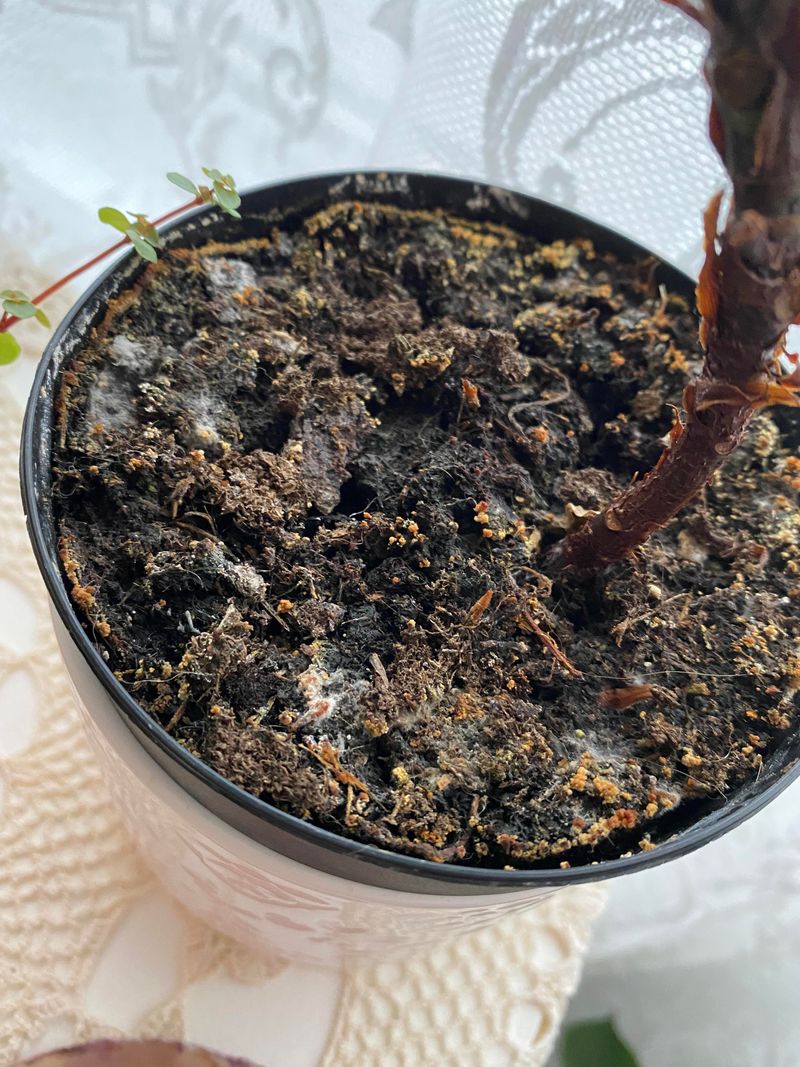
A soil moisture meter once taught me more about winter light than any book on my shelf. The needle on my peace lily stayed in the wet zone for nearly two weeks after one watering.
Plants pull water up through their roots and release much of it through tiny leaf pores called stomata. With less light, photosynthesis slows, the plant uses less water, and the soil stays wet much longer.
Shorter days often bring cooler indoor temperatures too, which slows evaporation from the soil surface even further. Put those together, and a pot that dried in four days during summer might need two weeks now.
Constantly soggy soil limits the oxygen roots need, which can lead to root rot and a mushy, sour smell. Fungus gnats also love damp potting mix, and those tiny flying pests are often a clue that you overwatered.
I’ll say this much, a wooden chopstick pushed into the soil is the cheapest moisture tester around. If it comes out dark and damp with soil clinging, give the plant more time before watering again.
Pots with drainage holes matter even more in winter, since excess water needs a quick way to escape. Empty saucers after watering so roots are not left sitting in a puddle for hours or days.
Better light helps here too, because a plant that photosynthesizes more actively also drinks more water. Pairing a brighter spot with a slower watering routine usually gets winter soil back into a healthy rhythm.