Why Your Peace Lily Droops In Fall (And How To Perk It Up)
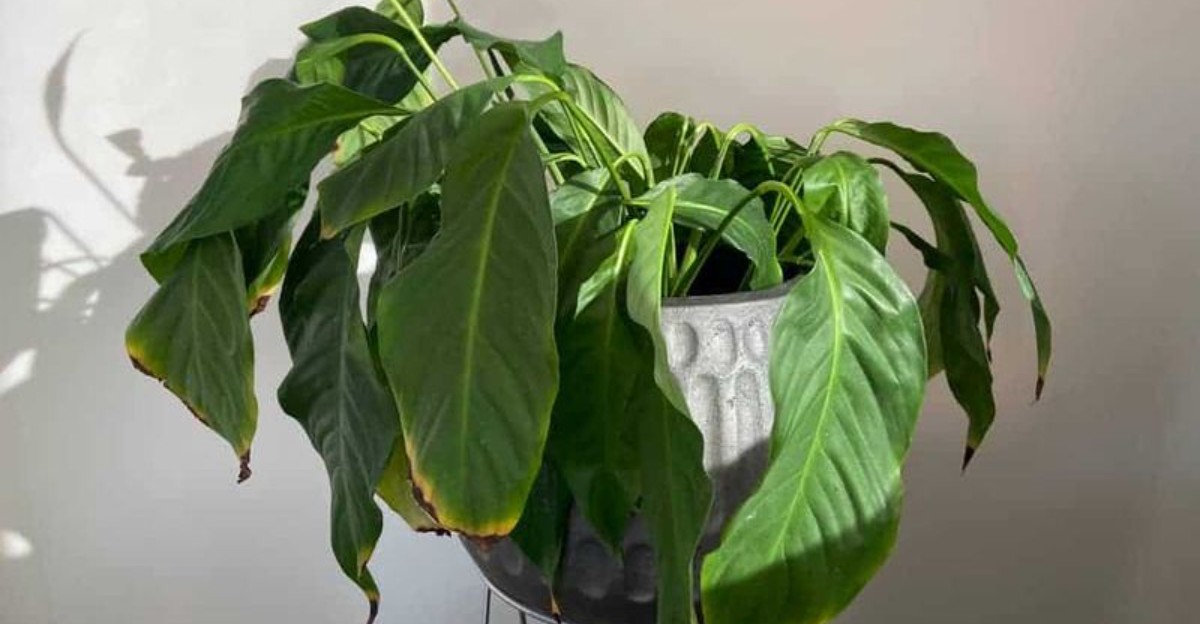
One of the most dramatic houseplants can flop flat over its pot and stand back up within a few hours. I still remember the first time I watched mine recover after a deep drink of room-temperature water.
This plant grows wild on shady rainforest floors in Central and South America, where the air stays warm and damp. Your living room in October feels very different, especially once the furnace starts pushing dry air across every shelf.
Cold glass matters too, since many extension guides warn that temperatures below about 45 degrees can damage tropical leaves. A pot sitting near a drafty window can feel that chill overnight, even when the room seems cozy.
Some gray morning you may spot the leaves sagging and wonder what changed since the warm days of summer. I believe the plant is simply telling you something useful, and it shows stress quicker than many other houseplants.
Your Plant Is Mostly Asking For A Drink
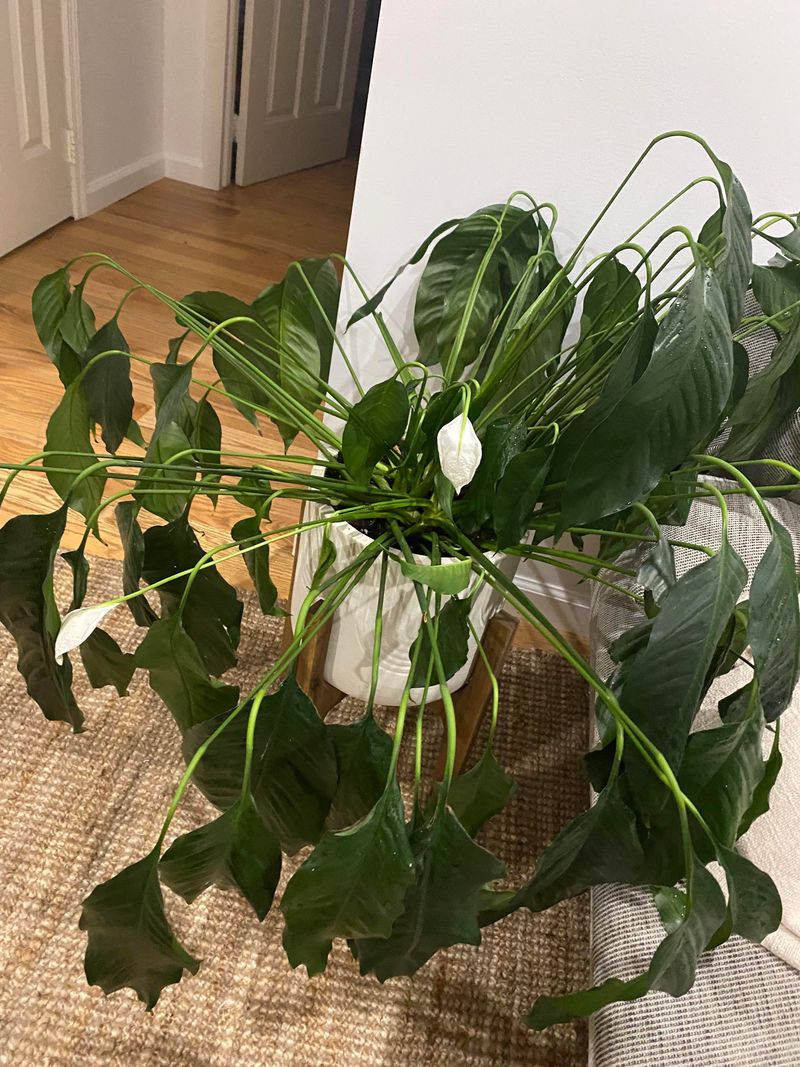
Thirst is one of the most common causes of fall drooping in a peace lily, because the plant wilts quickly once its soil dries out. Many university extension services describe this wilting as a built-in signal that tells you it needs water soon.
Fall can trick you, since cooler air seems like it should slow drying, yet indoor heating often speeds it up. Furnaces and space heaters dry out the indoor air, and potting soil loses water faster than many people expect.
Push a finger about one inch into the soil before you reach for the watering can. If that top inch feels dry and the leaves sag, thirst is the most likely reason for the slump.
Water slowly at the base until extra liquid runs out the drainage holes at the bottom of the pot. Room-temperature water works best, because very cold water can shock tropical roots that prefer steady warmth around them.
Most peace lilies lift their leaves again within a few hours, and some recover in less than an hour. I find that quick bounce back very satisfying, and it also confirms that the problem was water all along.
Repeated wilting does cause stress, though, so try not to wait for the droop every single time. Brown leaf tips and yellow lower leaves can show up when the plant swings between bone-dry and soaked too often.
A simple routine helps, such as checking the soil every few days during the first weeks of heating season. Your plant can reward that attention with firmer stems and fewer dramatic flops on chilly October mornings.
Chilly Windows Can Send A Shiver Through The Leaves
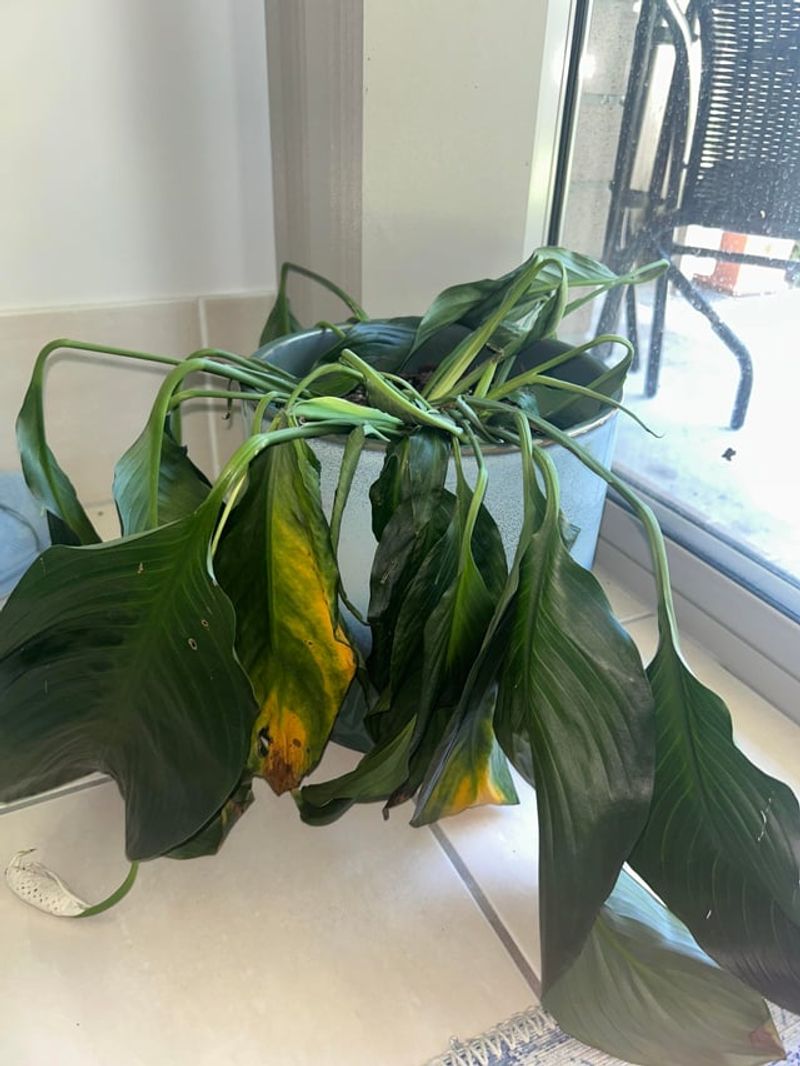
Cold air is the second big reason a tropical houseplant sags once the nights turn crisp in October. Peace lilies grow best between roughly 65 and 80 degrees, according to many university extension houseplant guides.
Temperatures that dip below about 50 degrees can slow growth, and the leaves may start to look limp. Exposure near 45 degrees or lower can leave dark, water-soaked patches that later turn brown and papery.
Window glass gets much colder than the rest of the room overnight, even when the thermostat reads comfortable. A pot pressed against that glass can feel a chill that you rarely notice from the couch.
Drafts cause similar trouble, so watch for spots near exterior doors, leaky window frames, or air conditioner vents. Hot blasts from heating vents also stress the plant, because they dry the leaves and soil very quickly.
Try moving your plant a few feet back from the window once evening temperatures outside start falling. A spot with bright, indirect light and steady warmth often works better than the sunny sill it enjoyed earlier.
Plants that spent summer on a porch need special care before they come back indoors this month. Many extension services suggest bringing tropical plants inside before nights drop below 50 degrees, and checking them for pests.
Cold-stressed leaves rarely bounce back the way thirsty leaves do, so trim badly damaged ones at the base. New growth should appear once the plant settles into a warmer, steadier spot for the rest of fall.
Too Much Water Can Look Like Too Little
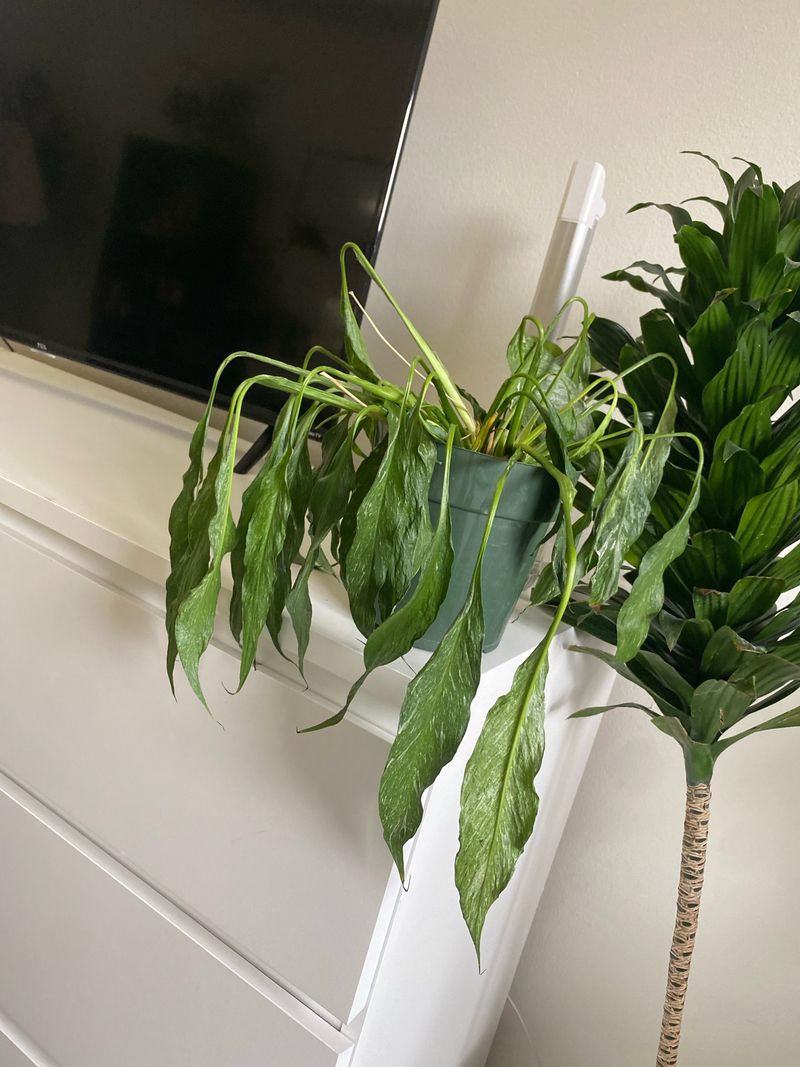
Soggy soil causes a sneaky kind of drooping that fools many careful plant owners during the cooler months. Roots sitting in wet soil cannot get enough oxygen, so they start to rot and stop moving water upward.
The leaves then wilt even though the pot feels heavy and damp, which seems backward at first. Extension specialists often list overwatering as one of the most common causes of houseplant decline indoors during cooler months.
Fall makes this mistake easier, because shorter days and less light slow the plant’s growth and water use. A watering schedule that worked fine in July can leave the soil soaked for days in late October.
Check the soil before watering again, and skip it if the top inch still feels moist to your finger. Lifting the pot also helps, since a light pot usually needs water and a heavy one usually does not.
Root rot leaves clues you can spot, such as a sour smell, mushy brown roots, or yellowing lower leaves. Healthy roots look firm and white or light tan, so slide the plant out gently to take a look.
Trim away soft, dark roots with clean scissors and repot into fresh, well-draining potting mix if rot appears. Choose a container with drainage holes, and empty any saucer or decorative cover pot after each watering.
Recovery takes patience, often several weeks, while new roots grow and the leaves slowly firm up again. I like to think of fall watering as listening to the soil instead of following the calendar.
Dry Indoor Air Works Against Your Plant This Season
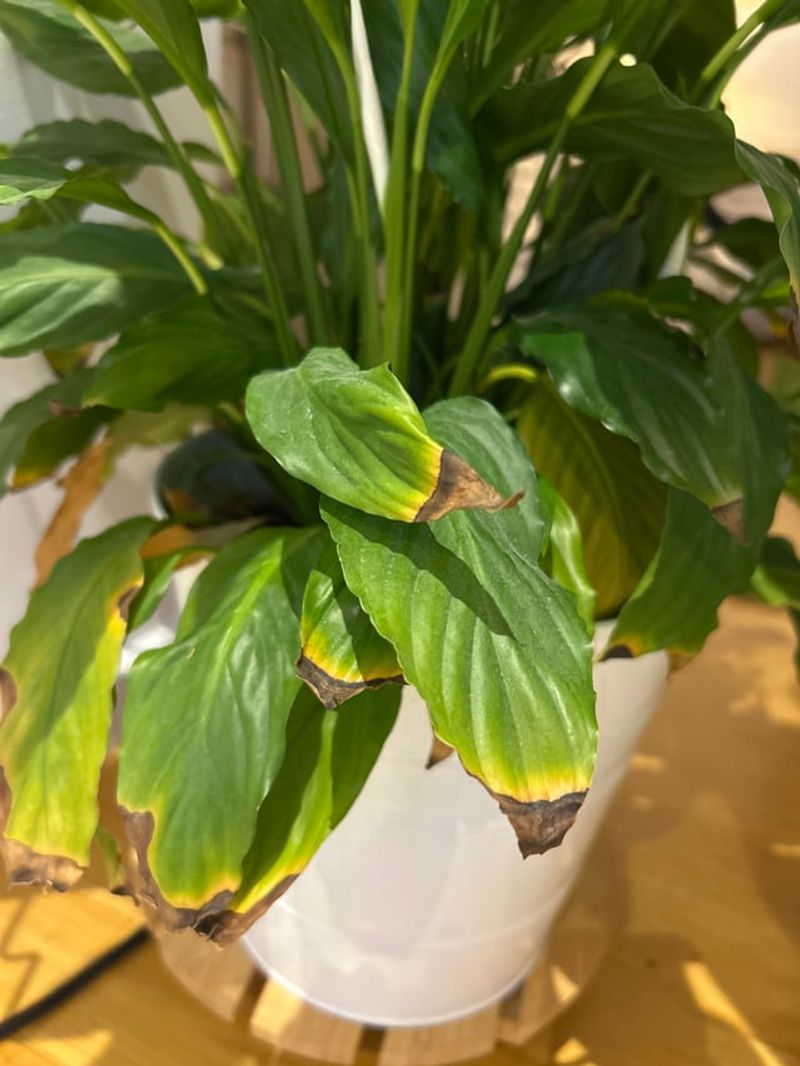
Rainforest floors stay humid most of the year, which helps explain why peace lilies dislike bone-dry fall air. Running a furnace can drop indoor humidity well below 30 percent, and that dries out the soil and leaves.
Low humidity often shows up first as crispy brown leaf tips rather than a full, dramatic droop. The plant also drinks faster, so the soil dries sooner and the whole plant wilts more often between waterings.
A small room humidifier placed nearby is one of the most effective ways to raise moisture around the plant. Many extension guides suggest aiming for humidity around 40 to 50 percent for most tropical houseplants indoors.
Grouping houseplants together also helps, because leaves release water vapor that creates a slightly damper pocket of air. A pebble tray filled with water can add a little moisture, as long as the pot sits above the water.
Misting feels helpful, but its effect fades within minutes, so most experts consider it a minor boost at best. Wet leaves in a cool room can invite leaf spot problems, so mist early in the day if at all.
Wiping dusty leaves with a damp cloth helps too, since clean leaves take in light more easily during short days. Your plant will look shinier, and you can check the undersides for spider mites while you wipe.
Spider mites thrive in warm, dry indoor air, and they can make leaves look dull, speckled, and tired. Rinsing the plant in the shower or using insecticidal soap can control a small mite problem early.
A Cramped Pot Can Run Dry Overnight
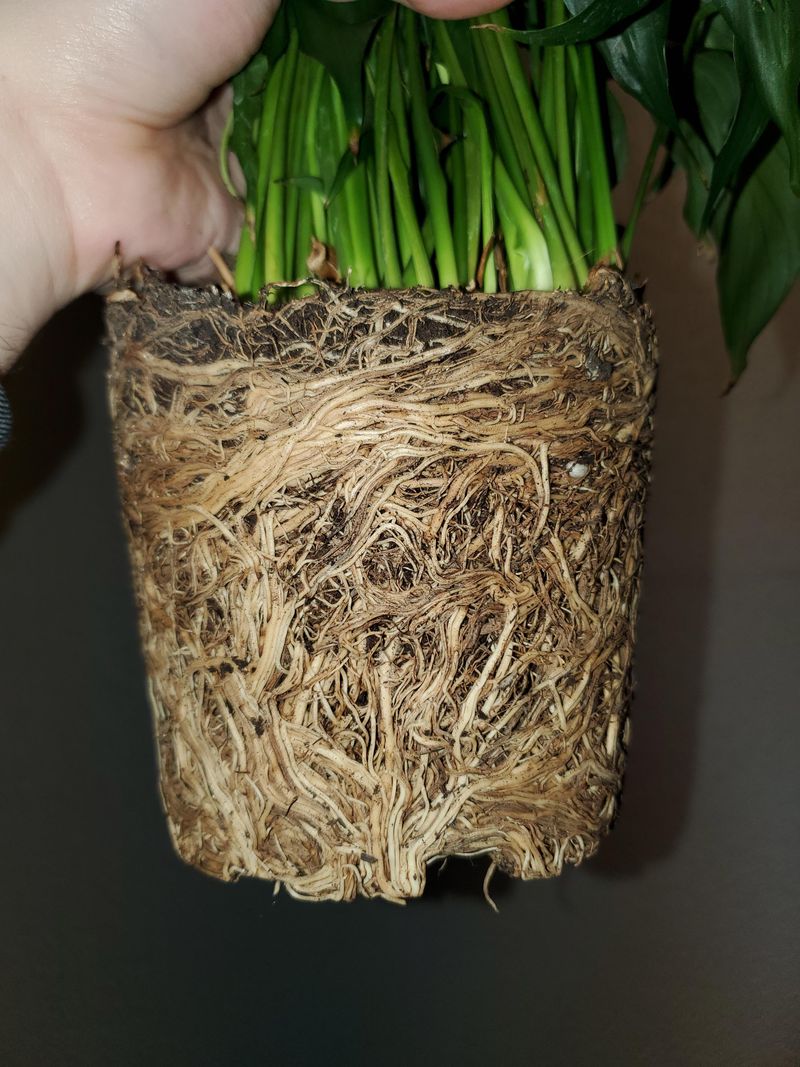
Roots circling the bottom of a pot often explain why one plant wilts days sooner than the others. A rootbound peace lily has very little soil left, so it cannot hold enough water between your checks.
Look for roots poking out of drainage holes or water rushing straight through without soaking into the mix. Some owners also notice the plant drooping just two or three days after a thorough watering, even in fall.
Spring is usually the best time for repotting, because the plant grows actively and recovers faster from disturbance. Severe crowding can still justify a careful fall move, especially when the plant wilts almost every other day.
Choose a new pot only one or two inches wider, since a huge container holds extra wet soil around roots. Fresh, well-draining potting mix with some peat or coir and perlite suits peace lilies nicely, according to many guides.
Gently loosen the outer roots with your fingers, then set the plant at the same depth it grew before. Water it thoroughly once, then let the top inch of soil dry before you water it again.
Dividing a large clump is another option, and each section with leaves and roots can grow into a new plant. I love sharing those divisions with friends, because they often bloom again within a year or so.
Expect a little drooping for a week after repotting while the roots settle into their new home. Keep the plant out of direct sun and skip fertilizer for about a month to reduce extra stress.
A Steady Routine Keeps Leaves Upright Until Spring
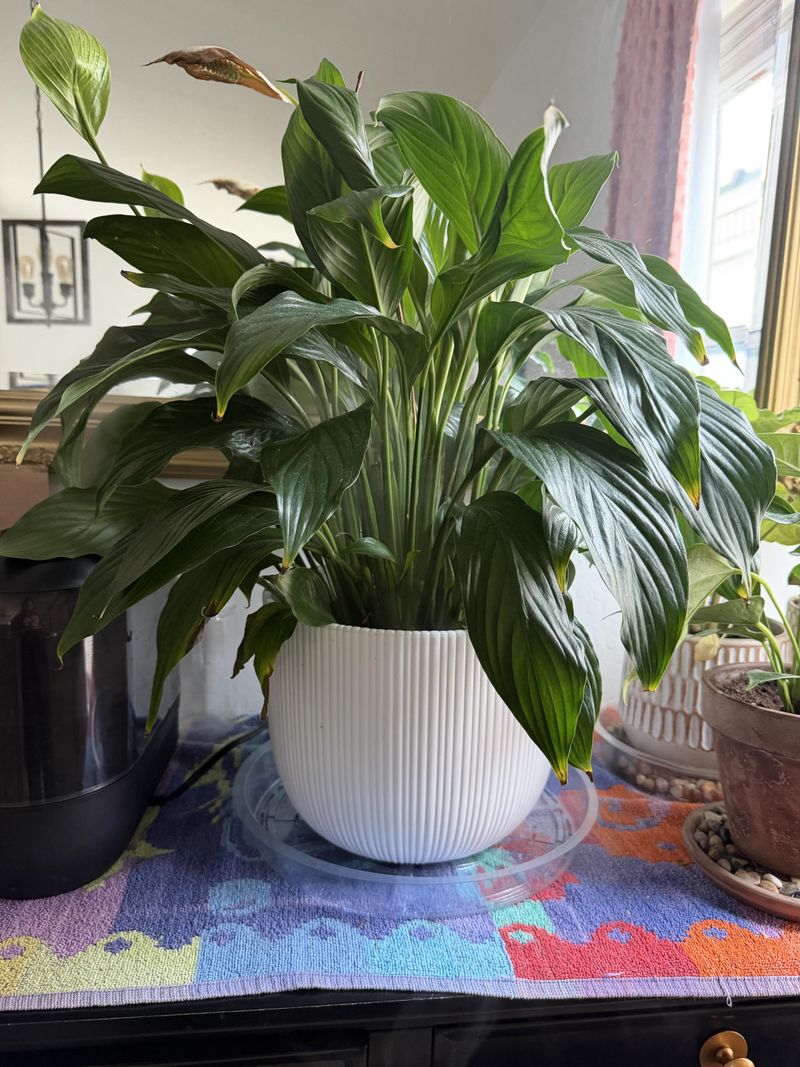
Small habits through late fall and winter do more for this plant than any quick fix after a droop. Growth slows as daylight shortens, so the plant needs less water, less fertilizer, and a little more watchfulness overall.
Most extension guides suggest cutting back or pausing fertilizer from fall through winter, then resuming in early spring. Extra fertilizer in low light can build up salts in the soil, which may burn roots and brown leaf edges.
Bright, indirect light still matters, so a spot several feet from an east or north window often works well. Too little light can cause weak, floppy stems and fewer of the white blooms that people love so much.
Keep the plant away from heaters, fireplaces, and doors that open to the cold outdoors many times each day. Steady temperatures between about 65 and 80 degrees help the leaves stay firm through the darker months ahead.
Remove spent blooms and yellow leaves at the base, which keeps the plant tidy and directs energy toward healthy growth. Check the soil every few days, and let your finger decide when it is time to water again.
Peace lilies contain calcium oxalate crystals, which can irritate the mouth and stomach of pets and small children. Place your plant on a high shelf or in a room where curious cats and dogs rarely wander.
Your patience pays off when new leaves unfold in late winter, standing tall instead of sagging over the rim. I think a well-tended peace lily makes one of the friendliest companions for the long, quiet indoor season.