Seeing Roaches? 9 Methods To Stop The Invasion Before It Spreads
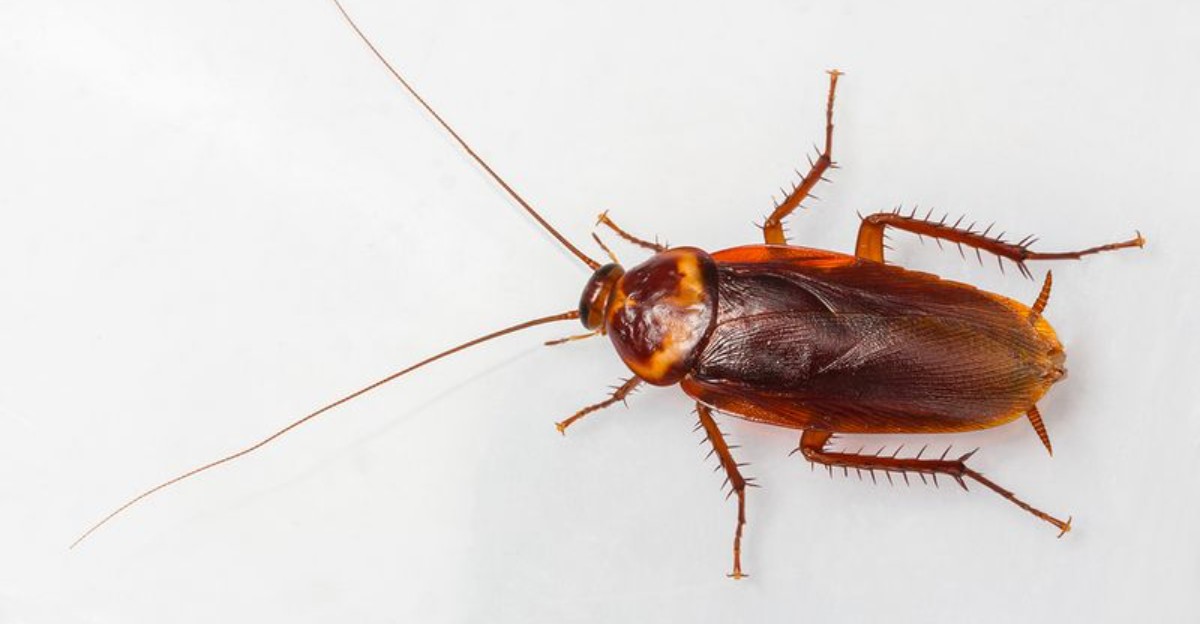
A cockroach can slip through a crack about as thin as two stacked pennies. Researchers at Berkeley filmed cockroaches squeezing through tight gaps and found they could still scurry surprisingly quickly.
One egg case from the smallest common indoor species can hold around forty babies waiting to hatch. That math explains why a lone sighting in your kitchen deserves your full attention right away.
I skipped the warning signs once last summer and paid for it with weeks of late-night flashlight patrols. Turns out early action beats panic, and a little detective work gave me real peace of mind.
You build your home with care, so sharing it with sneaky six-legged guests feels unfair in warm, humid weather. Which simple habit do you think stops them fastest, and could it already be sitting under your sink?
1. Crumb-Free Kitchen Counters Starve Hungry Roaches
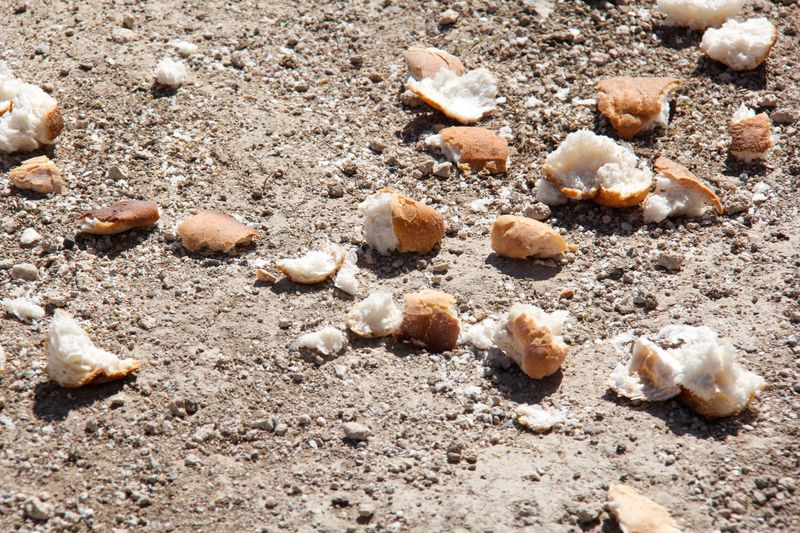
One forgotten cracker crumb behind the toaster can feed a hungry roach for a surprisingly long stretch. I learned that the hard way after finding a tiny visitor nibbling cereal dust inside my pantry.
Wiping counters every night sounds boring, yet it quietly removes the buffet these night prowlers are hoping to find. A quick spray of soapy water also clears greasy films that hold tempting smells near the stove.
Food storage matters just as much as cleaning, so move cereal and flour into sturdy airtight containers. Cardboard boxes and paper bags offer easy chewing, while thick plastic or glass keeps snacks safely out of reach.
Pet bowls deserve attention too, because kibble left out overnight acts like an open invitation for hungry insects. I pick up my dog’s dish after dinner and seal the big food bag with a tight clip.
Dirty dishes soaking in the sink create another late-night snack bar, so wash them before heading to bed. Even a quick rinse and a dry sink make your kitchen far less appealing to wandering scavengers.
Trash cans with snug lids help a lot, especially when you empty food scraps every evening without fail. Scrub the bin every couple of weeks, since sticky residue at the bottom keeps luring curious pests inside.
2. Leaky Pipes Under The Sink Give Roaches A Drink
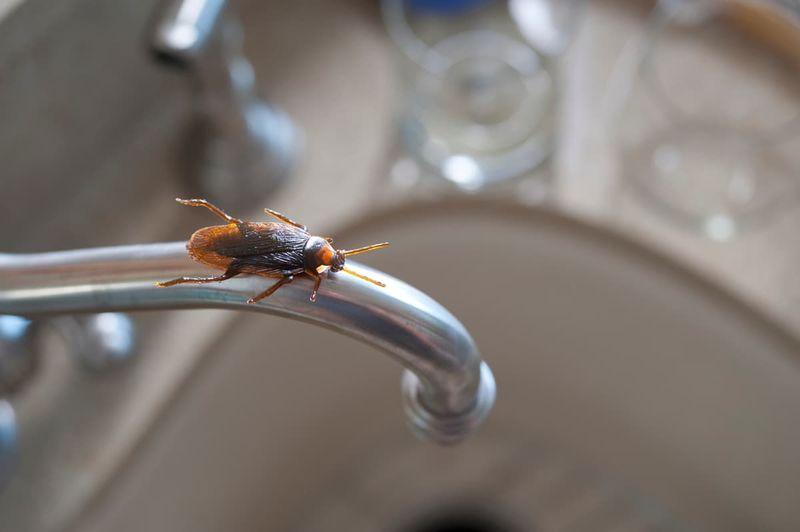
Roaches can survive weeks without food, yet most struggle after only several days without water nearby. That surprising weakness turns your plumbing into one of the smartest places to start your defense plan.
German cockroaches in particular cluster near sinks and dishwashers, where steady drips keep them comfortable and busy. Open your cabinet doors with a flashlight and check every joint for beads of water or soft stains.
I found a slow drip under my bathroom sink last spring, and fixing it cut sightings within weeks. A cheap washer or a quick tightening job often solves the problem without calling a plumber at all.
Bathrooms need attention too, so wipe the tub and sink dry before bed when you have a moment. Plant saucers holding standing water can also quench thirsty pests, so empty them after watering your houseplants indoors.
Humid climates make moisture control trickier, since damp air settles into closets and crawlspaces easily. A dehumidifier in a muggy laundry room or garage helps lower the dampness these insects enjoy so much.
Unused drains in guest bathrooms can dry out, letting sewer odors and wandering bugs creep up from below. Pour a cup of water down rarely used drains every week to refill the trap and seal things off.
3. Caulking Gaps Around Baseboards Blocks Roach Highways
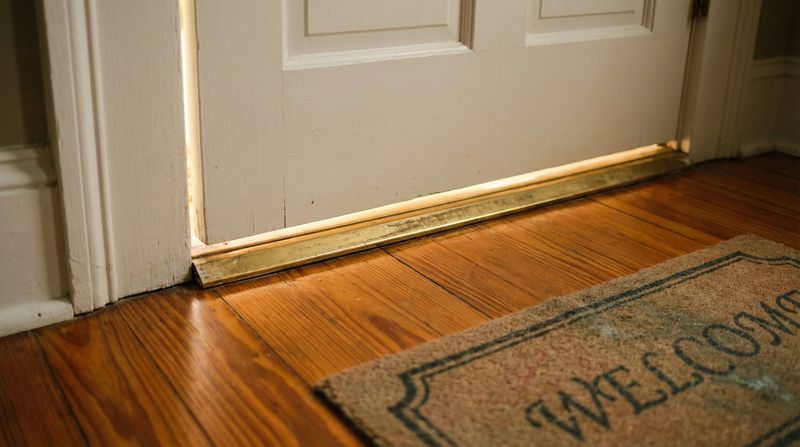
Grab a flashlight and crouch near your baseboards tonight, because those skinny gaps work like private hallways. Roaches flatten their flexible bodies remarkably well, so a crack you barely notice can become a busy travel route.
A tube of silicone or acrylic caulk costs only a few dollars, yet it closes many of these sneaky paths. I spent one Saturday sealing kitchen gaps, and my late-night surprise encounters dropped noticeably over the next month.
Pay close attention where pipes and cables pass through walls, since builders often leave sloppy openings there. Expanding foam or copper mesh fills larger holes nicely, while caulk handles thinner cracks along trim and cabinet edges.
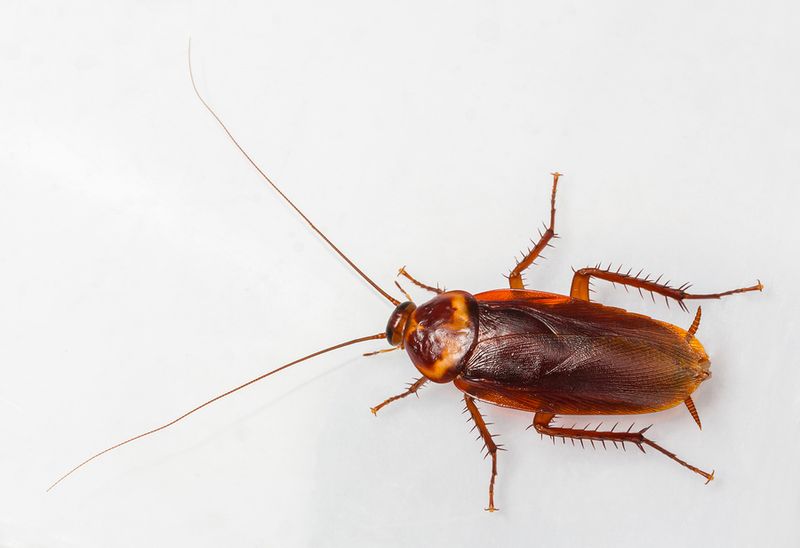
Outside, walk around your foundation and look for gaps near hose bibs, dryer vents, and utility boxes. American cockroaches, the big reddish ones sometimes called palmetto bugs, often wander in from outdoors this way.
Door sweeps and fresh weatherstripping help too, because the space under an exterior door can be surprisingly wide. Slide a sheet of paper underneath, and if it slips through easily, a new sweep is probably worth installing.
Torn window screens deserve a quick patch kit, especially on windows you open during mild breezy evenings. Every little repair adds up, and together they make sneaking inside a much harder job for wandering bugs.
4. Cardboard Boxes And Clutter Make Cozy Roach Hideouts

Cardboard might be the roach equivalent of a luxury hotel, offering warmth, darkness, and glue they happily nibble. I cleared a stack of old shipping boxes from my garage and felt instantly less nervous walking in.
These insects love tight crevices where their bodies touch surfaces above and below, which helps them feel secure. Piles of newspapers, paper bags, and forgotten storage boxes create endless spots for them to rest during daylight.
Swapping cardboard for clear plastic bins with snug lids is a simple upgrade you will appreciate later. Keeping containers off the floor on sturdy shelves also makes cleaning easier and reveals any droppings much more quickly.
Big appliances hide plenty of grime, so pull the fridge and stove out a couple times each year. Vacuum the crumbs and grease you find back there, since that warm hidden corner attracts pests surprisingly often.
Outdoors, stack firewood well away from your walls and rake thick leaf piles away from the foundation. Mulch is great for garden beds, though keeping a narrow gap near the house reduces shady hiding spots.
Secondhand furniture and grocery deliveries can carry stowaways, so give them a quick look before bringing them inside. Egg cases are small and brownish, often tucked into seams or folded flaps where you might overlook them.
5. A Thin Dusting Of Diatomaceous Earth Along Cracks

Under a microscope, diatomaceous earth looks like tiny broken glass made from the fossil shells of ancient algae. Those sharp edges scrape away a roach’s waxy coating, causing the insect to lose moisture and decline over time.
Gardeners often keep a bag in the shed for slugs, so this powder might already be sitting nearby. I prefer food-grade diatomaceous earth indoors, since pool-grade versions contain crystalline silica that can harm your lungs.
Less really is more with this powder, because roaches tend to walk around thick white piles they notice. A bulb duster lets you puff a fine, barely visible film into cracks, wall voids, and behind appliances.
Wear a simple dust mask and gloves while applying it, since fine particles can irritate your nose and skin. Keep kids and pets away from treated spots until the powder settles into the hidden corners where it belongs.
Patience pays off with this method, because results usually show up over days or weeks rather than overnight. Moisture ruins its scraping power, so reapply after mopping or anytime the powder gets damp from spills.
Pairing diatomaceous earth with sealed cracks and clean counters gives you better results than using it alone. Think of it as a quiet helper working in the background while your other habits do the heavy lifting.
6. Boric Acid Powder Tucked Behind The Fridge
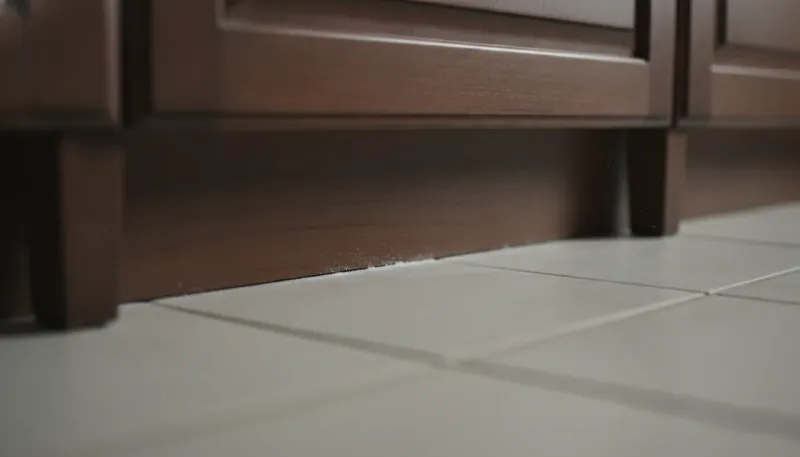
Old-timers swore by boric acid long before fancy sprays filled store shelves, and their instincts were pretty sharp. Roaches walk through the powder, then swallow it while grooming, and it slowly disrupts their digestive system.
My grandmother kept a small squeeze bottle of it, and she rarely saw a bug in her tiny apartment. Her trick involved puffing a faint dusting where the pests traveled, rather than leaving obvious white mounds everywhere.
Cabinet corners, gaps behind the refrigerator, and spaces under the stove make excellent spots for a light application. Roaches avoid thick visible piles, so aim for a coating so thin you can barely tell it exists.
Safety matters here, because boric acid is less harsh than many sprays yet still harmful when swallowed. Keep it far from countertops, dishes, and food prep areas, and place it only where curious pets cannot reach.
Dry spots work best, since moisture clumps the powder and makes it far less appealing to wandering insects. Check your treated areas every few weeks and refresh them if cleaning or humidity has disturbed the dust.
Expect gradual progress, often over a couple of weeks, as more roaches pass through the treated pathways. Combining this powder with good sanitation gives the method its best chance of making a real difference indoors.
7. Gel Bait Dots Inside Cabinet Hinges Draw Roaches In
Roach baits work like a sneaky dinner party where guests carry leftovers home and share them with relatives. Slow-acting ingredients give each insect time to return to its hideout before the effects begin spreading through the group.
Roaches also feed on droppings and leftovers from their nestmates, which helps the bait reach bugs you rarely see. That chain reaction is why many university extension experts favor baits for indoor German cockroach problems.
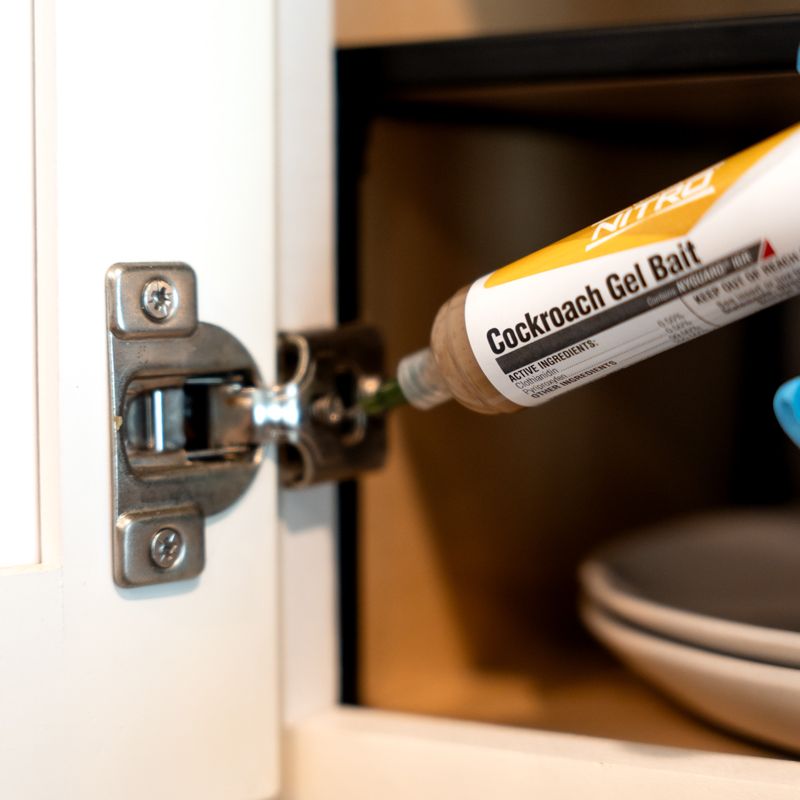
Gel baits come in syringes, letting you place tiny pea-sized dots inside cabinet hinges and along drawer tracks. I tuck mine near spots where I noticed droppings, since that pepper-like specking marks their favorite travel routes.
Plastic bait stations offer a tidier option, keeping the product enclosed and away from curious little fingers. Set them along walls and in corners, because roaches prefer edges instead of crossing open floors in plain view.
Skip sprays and strong cleaners near your bait placements, since harsh chemicals can repel roaches from the treat. Rotating between bait brands every few months may also help if the local population starts ignoring one formula.
Check placements often and add fresh dots once the old gel dries out or gets eaten away completely. Granular outdoor baits scattered near the foundation can support your indoor efforts against those large outdoor wanderers.
8. Insect Growth Regulators Stop Baby Roaches From Maturing
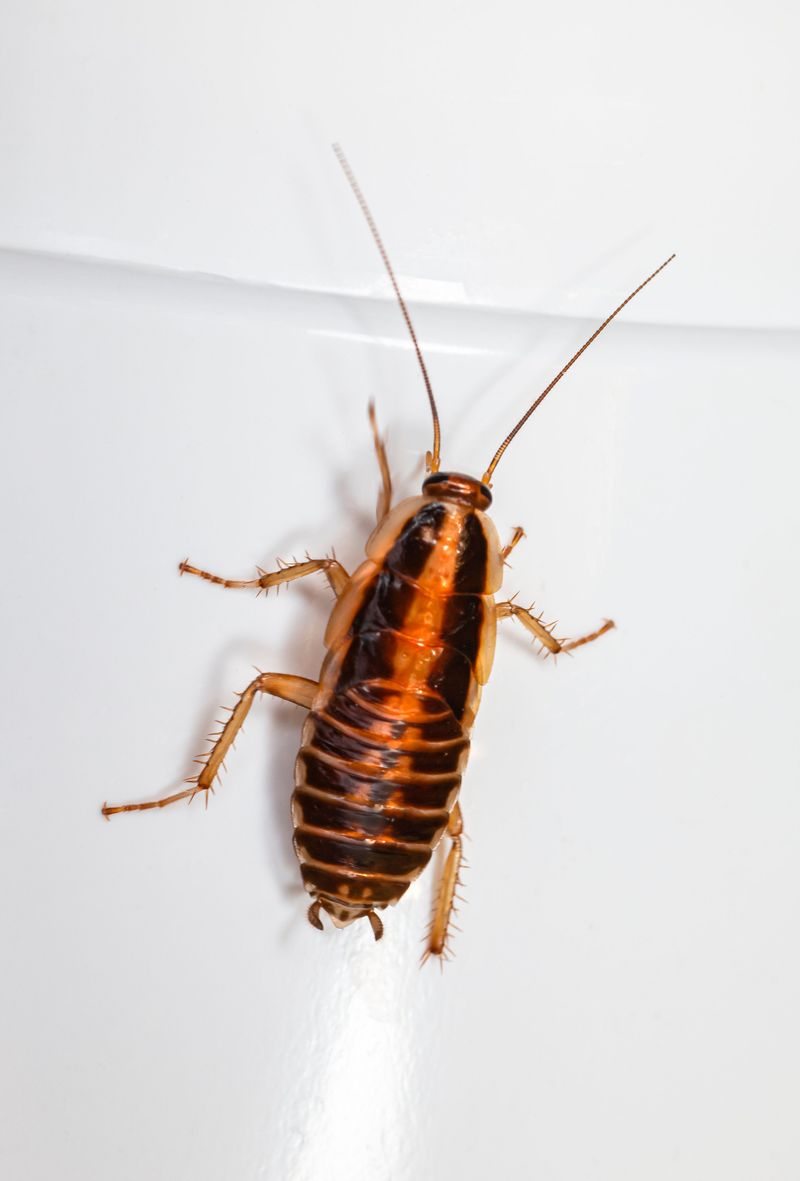
Imagine stopping teenagers from ever growing up, and you have a decent idea of how growth regulators work. These products mimic insect hormones, keeping young roaches from becoming adults that can produce more eggs.
Common active ingredients include hydroprene and pyriproxyfen, which you can find listed on many household product labels. They target insect development specifically, so they carry relatively low toxicity concerns for people and pets when used properly.
Growth regulators rarely clear out adults quickly, which is why many people pair them with baits for faster progress. The baits handle the grownups, while the regulator quietly prevents the next generation from taking over your kitchen.
Spray or place these products in cracks, under sinks, and behind appliances where young roaches gather together. Always follow label directions closely, since each product has its own instructions about amounts and reapplication timing.
You might spot adults with crinkled or twisted wings after a few weeks, which signals the treatment is working. I found that odd sight oddly satisfying, because it meant fewer breeding bugs were joining the crowd.
Results take patience, often several weeks, because the effect shows up as the population slowly fails to replace itself. Stick with the plan and keep your cleaning habits steady while the regulator does its patient background work.
9. Sticky Traps Reveal When To Call A Pest Professional
Sticky traps act like little security cameras, quietly recording exactly where roaches travel while you sleep. I keep a few under my sink, and checking them each morning feels a bit like reading detective clues.
Place them along walls, behind the fridge, and under sinks, since roaches hug edges as they move around. A cluster of catches in one trap points you toward a hidden hotspot that deserves extra baiting attention.
Traps help you measure progress too, because fewer captures over several weeks mean your efforts are paying off. They rarely solve an established problem alone, so treat them as a monitoring tool rather than a cure.
Daytime sightings are a warning sign, since roaches usually hide from light unless their hiding spots feel crowded. Lots of egg cases, piles of droppings, or a musty smell can also suggest a larger infestation behind walls.
Calling a licensed professional makes sense when your best home efforts stall after several weeks of steady work. Licensed technicians use specialized tools and products that reach wall voids and deep hiding places.
Ask any company you hire about integrated pest management, which focuses on targeted treatments rather than heavy spraying. Keep your sticky traps going afterward, because early warnings help you stop a comeback before it gains momentum.