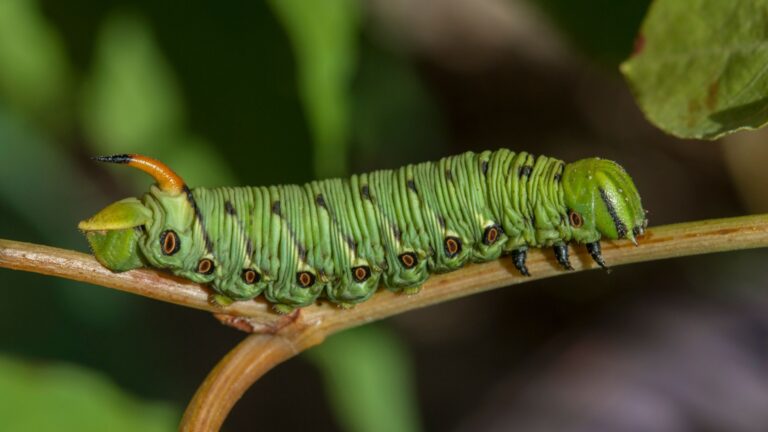
Meet The Culprit Eating Your Geraniums From The Inside Out
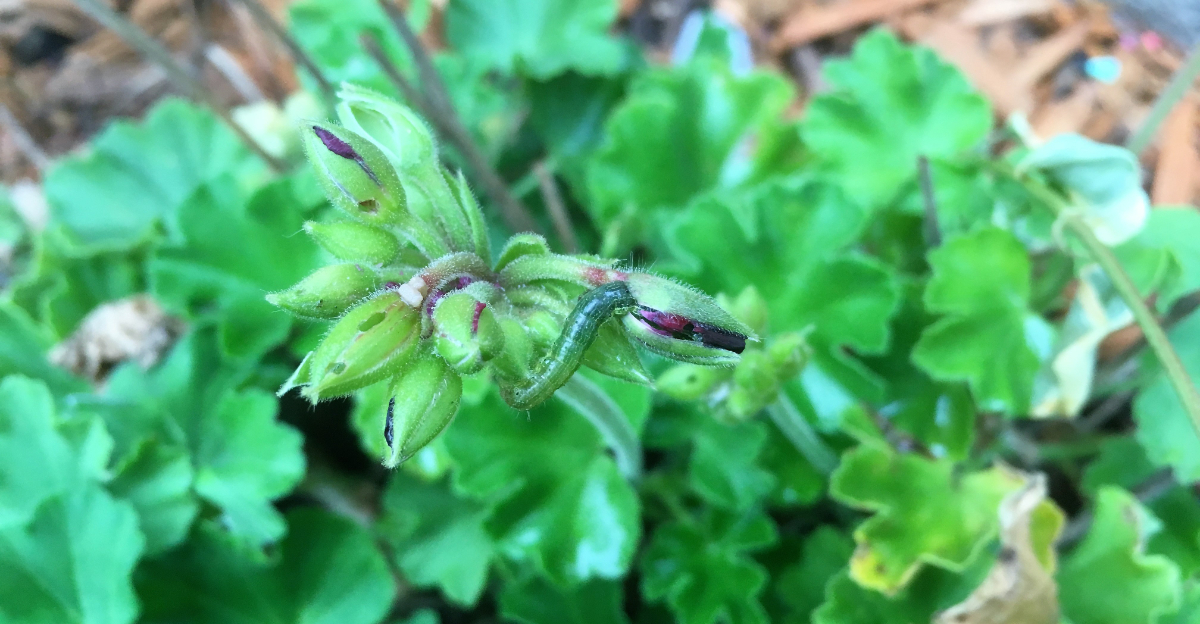
Every summer it’s the same story. My geraniums look flawless for weeks, then the buds start curling shut, and the few flowers that manage to open show up torn or riddled with tiny holes. And every summer, I figure it out about two weeks too late.
Something small has been living inside those buds the whole time, feeding quietly before a single petal ever appears. Whatever it is skips the leaves completely and goes straight for the flowers, which is exactly why the damage seems to come out of nowhere.
This year I finally sat down and figured out what to actually look for. Lets get into that and save your geraniums.
Something Is Living Inside Your Geranium Buds
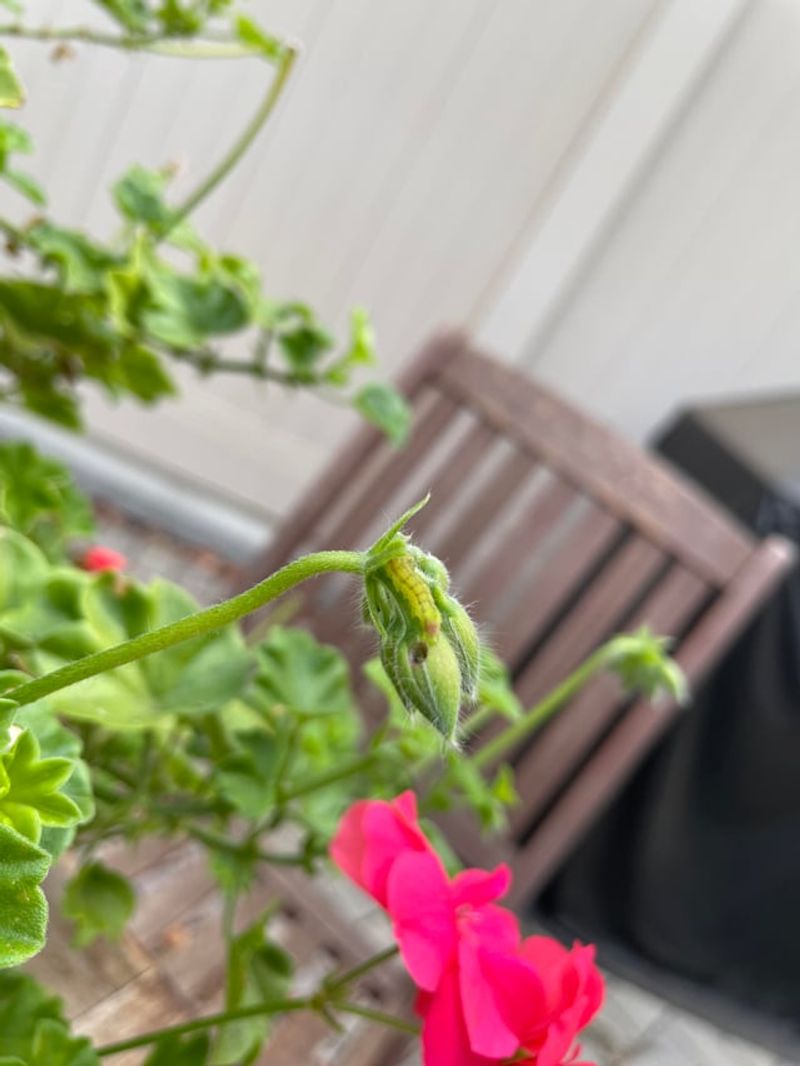
Sneaky, small, and incredibly good at hiding, the geranium budworm is a master of disguise. This caterpillar is the larval stage of a moth called Chloridea virescens, and it targets your geraniums with laser focus.
The budworm starts as a tiny egg laid directly on geranium buds or nearby leaves. Once it hatches, the larva burrows straight inside the bud before you even get a chance to spot it.
Because the worm works from the inside, damage appears before you ever see the pest itself. Most gardeners blame disease or poor watering when the real culprit is already deep inside the flower.
The caterpillar can range from pale green to reddish-brown, which helps it blend perfectly with plant tissue. Even a sharp-eyed gardener can walk right past one without noticing.
At full size, the caterpillar reaches about an inch long, though it does most of its damage while still small enough to hide inside a single bud. By the time it’s large enough to spot with the naked eye, it has usually already moved on to its next target.
Geraniums are a top target, but budworms also attack petunias and nicotiana. Knowing this helps you watch multiple plants at once, not just one species.
The adult moth lays eggs at night, so daytime inspections often miss the action entirely. You might never see the moth, only the damage it leaves behind.
Eating your geraniums from the inside out is exactly what this pest does best. The sooner you identify it, the better your chances of saving the season.
Small Black Spots On Buds And Stems Are The First Clue
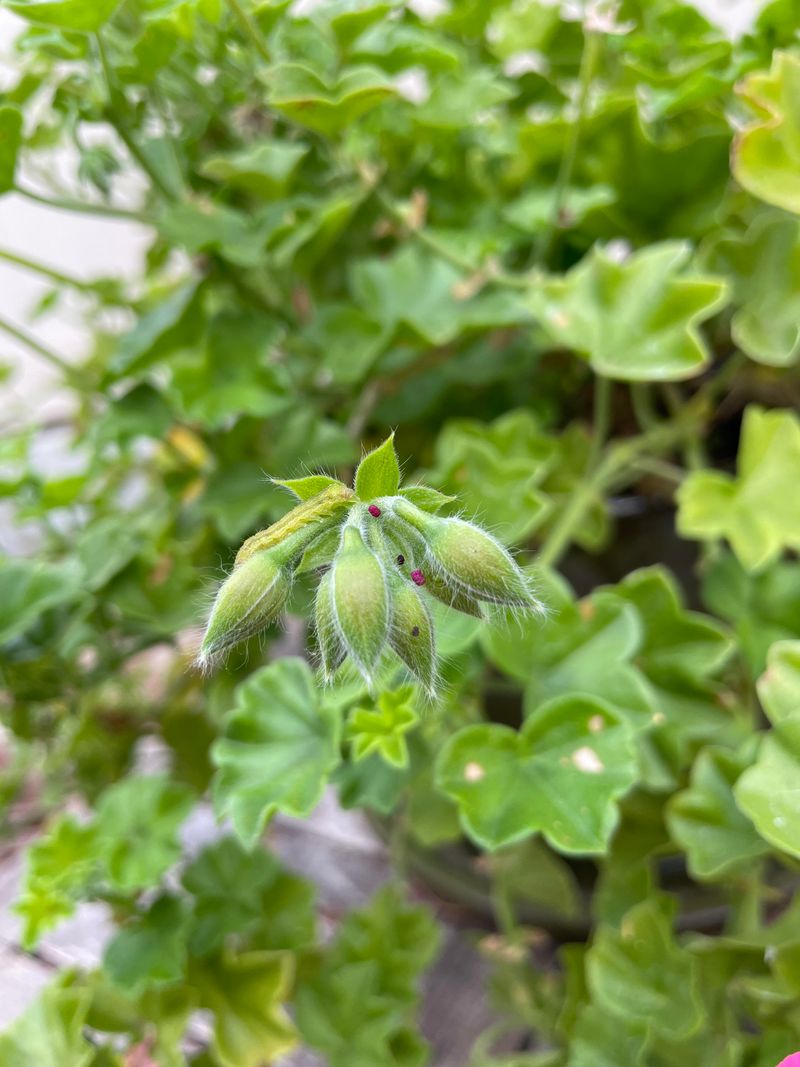
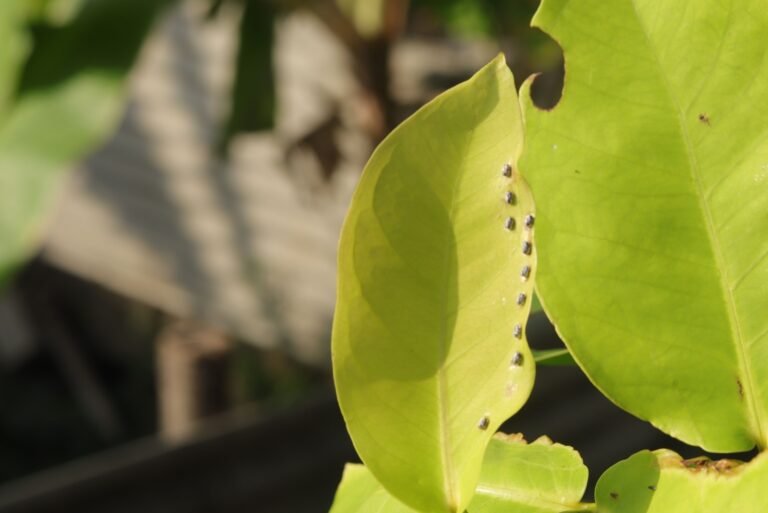
Tiny black dots on your geranium buds are not dirt, and they are not disease. Those specks are frass, which is the technical term for insect droppings left behind by feeding larvae.
Frass is one of the earliest and most reliable signs that a budworm is already at work. Spotting it early gives you a fighting chance before the damage becomes severe.
Look closely at the base of each bud and along the stems where buds attach. The frass often collects in little clusters, almost like someone sprinkled black pepper on your plant.
You might also notice small entry holes where the worm bored into the bud. These holes are usually round and clean-edged, about the size of a pinhead.
Sometimes the bud itself will look slightly discolored or sunken near the entry point. That subtle change in color is another tip-off that something is feeding inside.
Check your plants every two to three days during warm months when moth activity peaks. Consistent monitoring is the single best habit you can build as a gardener.
These spots on buds and stems are your geraniums sending a distress signal. Trust what you see and act fast, because waiting even a few days gives the pest more time to spread.
Flowers Wilt And Dry Up Before They Even Open
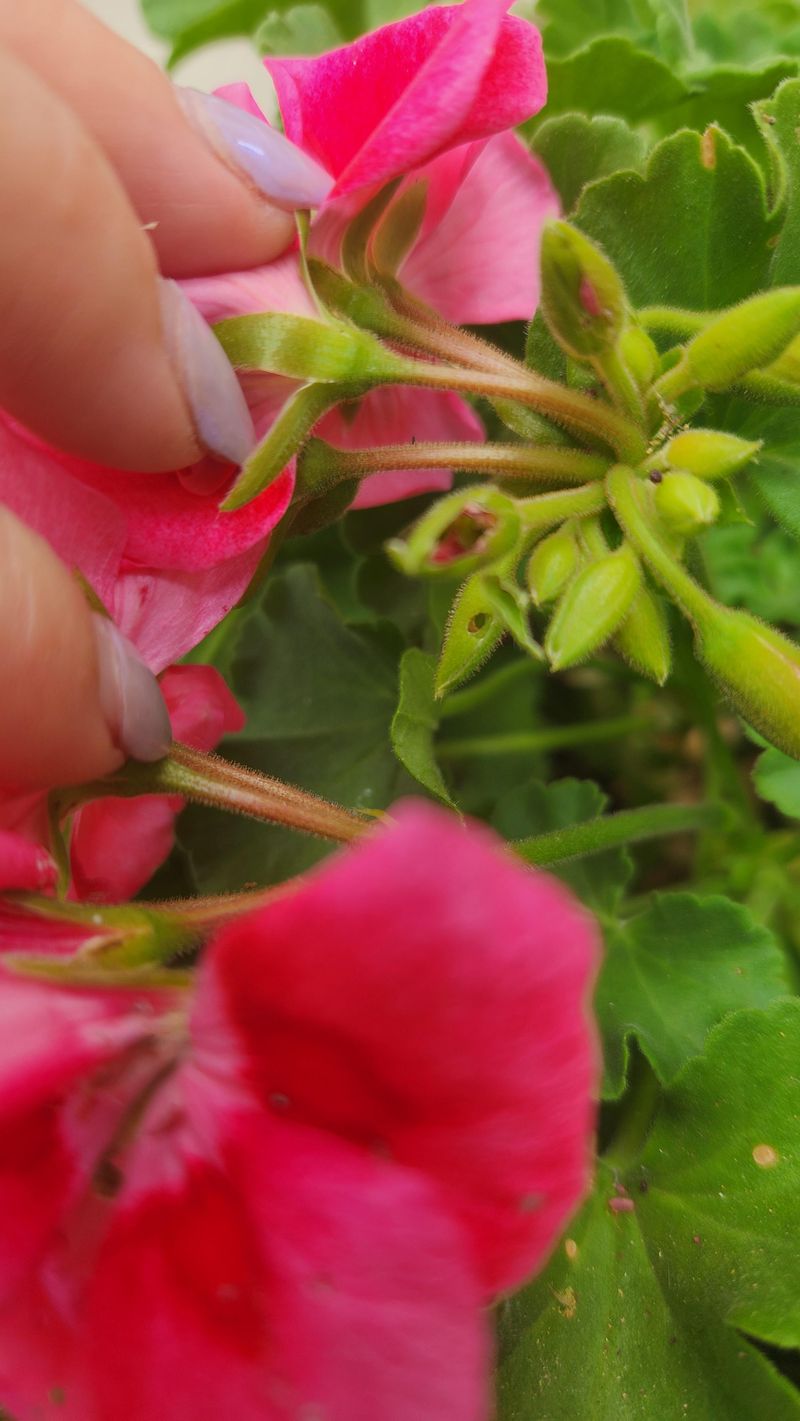
Few things are more frustrating than a bud that never blooms. You water faithfully, fertilize on schedule, and still the flowers just shrivel up and turn brown before they open.
Budworm damage causes this exact heartbreak because the larva eats the reproductive parts of the flower from inside. Once those inner structures are gone, the bud has nothing left to develop.
The wilting often looks like heat stress or drought damage, which is why so many gardeners misdiagnose it. They add more water, the buds still fail, and frustration builds fast.
A key difference is that budworm-damaged buds tend to dry up in clusters, not randomly across the plant. When multiple buds on the same stem fail together, that pattern points straight to pest activity.
Gently squeeze a failing bud between your fingers and feel for a firm lump inside. That resistance might be the caterpillar itself, curled up and still feeding.
You can also cut open a dry bud with a small knife and look for frass or larval tunnels inside. Finding either one confirms the budworm is your problem.
Geraniums eating from the inside out leave a trail of ruined blooms that never get a chance to shine. Catching this sign early means you can stop the cycle before your whole plant is stripped bare.
Tiny Holes And Chewed Petals You Might Mistake For Something Else
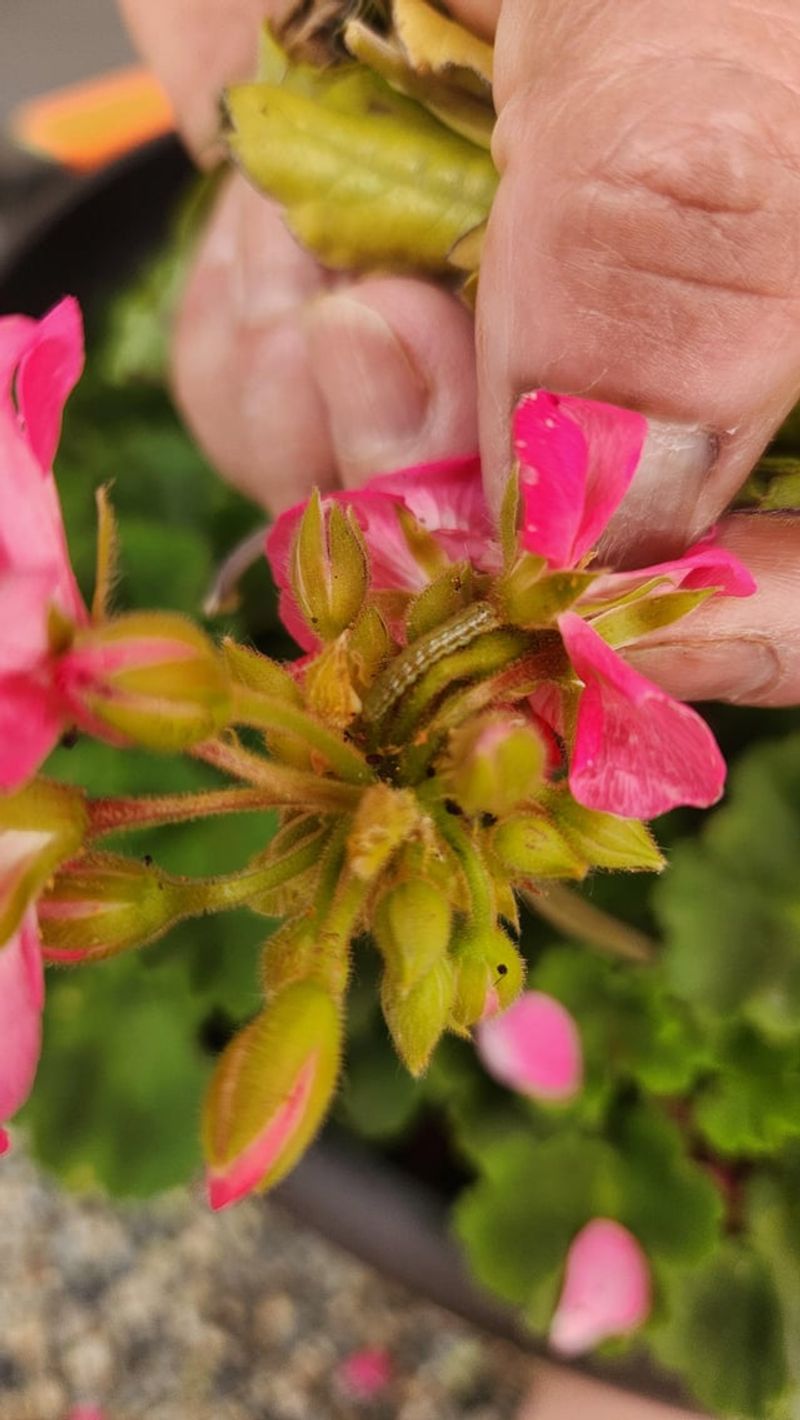
Chewed petals and small holes in geranium flowers can look like slug damage or even hail injury at first glance. Knowing the difference saves you from treating the wrong pest entirely.
Budworm feeding holes tend to appear on petals that are just starting to unfurl. The damage is often concentrated near the center of the bloom where the larva first emerged.
Slug damage, by contrast, usually shows up on leaf edges and lower foliage, not deep inside buds. Budworm holes appear higher on the plant, right where the flowers form.
The edges of budworm holes are often ragged and irregular, not smooth or clean. That rough texture comes from the caterpillar chewing outward as it grows and needs more space.
As the larva gets bigger, it may partially exit the bud and feed on the outside petals at night. This is when the chewing damage becomes more visible and widespread.
Some gardeners also notice a faint webbing or sticky residue near damaged blooms. This is not a spider mite sign but rather a byproduct of larval movement and feeding activity.
Holes and chewed petals are your geraniums waving a red flag you cannot afford to ignore. Once you know what this specific damage looks like, you’ll be far less likely to confuse it with anything else.
Why These Pests Are So Hard To Catch In The Act
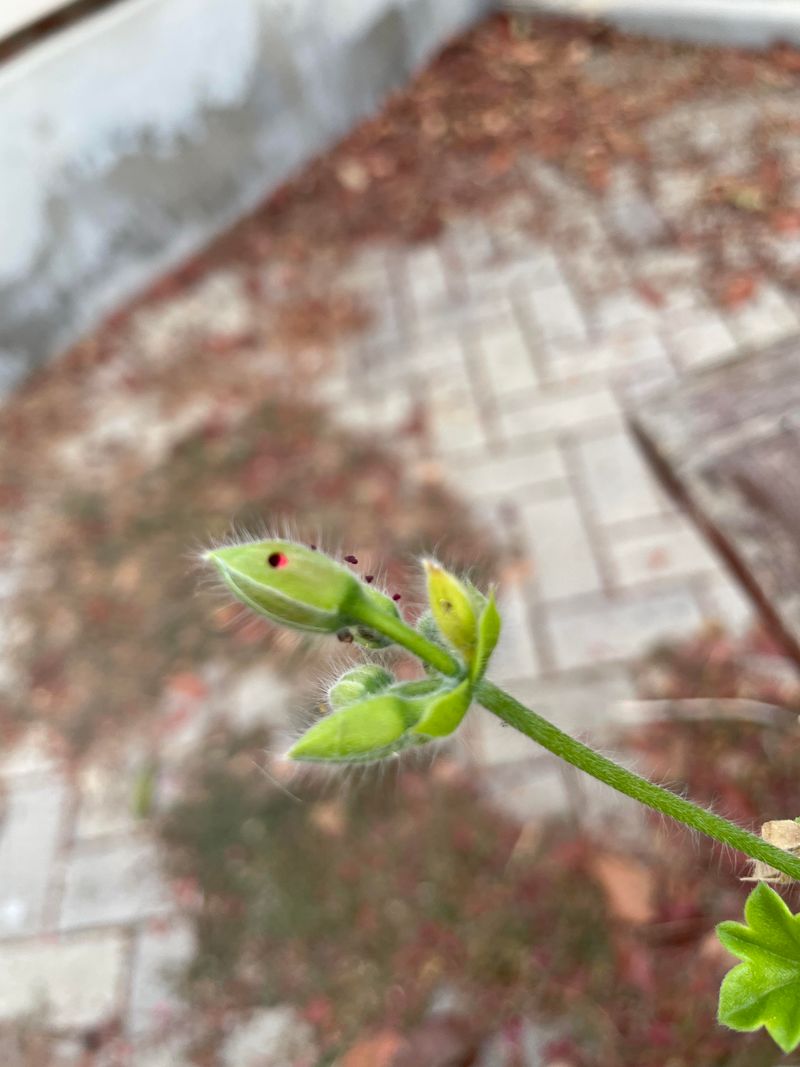
You could spend every morning in your garden and still rarely catch a budworm in action. These pests are experts at staying invisible, and their behavior is specifically designed to avoid detection.
The adult moth lays eggs only at night, which means the whole reproduction cycle happens while you are asleep. By morning, the eggs are already tucked onto buds, nearly invisible to the naked eye.
Once the larva hatches, it burrows inside the bud within hours. At that point, surface inspection alone will rarely reveal it without cutting the bud open.
As the caterpillar grows, it may move between buds, always traveling at night and hiding during daylight hours. This nomadic pattern makes population tracking extremely difficult.
Their coloring is another defense mechanism that works brilliantly. A green budworm on a green stem is essentially a living optical illusion that fools even experienced gardeners.
Weather also plays a role in how active these pests become. Warm summer nights are prime conditions for moth egg-laying and larval movement.
Understanding why these pests are hard to catch helps you shift your strategy from searching to preventing. Knowing the enemy’s habits is the first step toward outsmarting it before the damage gets out of hand.
What To Do The Moment You Spot Budworm Damage
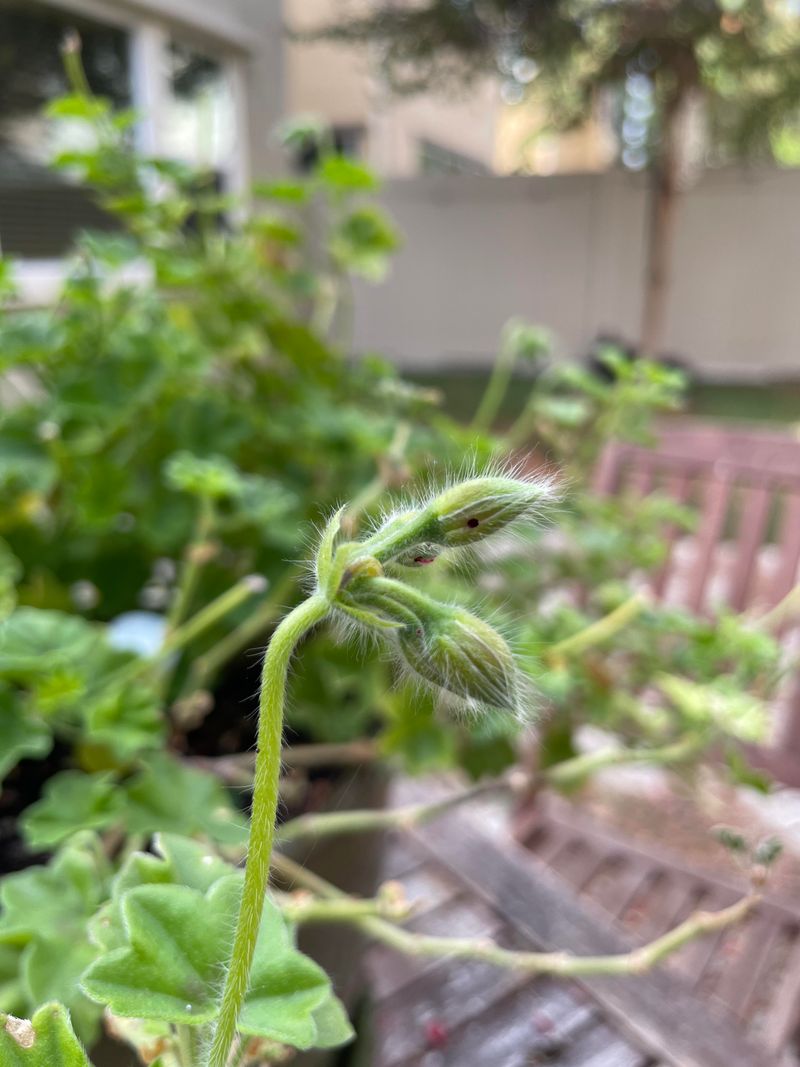
Action taken fast is action that actually works when budworms are involved. The moment you spot frass, holes, or wilted buds, your response time becomes your most powerful tool.
Start by hand-picking any visible caterpillars you can find on the plant surface. Drop them into a bucket of soapy water and move on to the next step without delay.
Next, apply a product containing Bacillus thuringiensis, commonly called Bt. This naturally occurring soil bacteria targets caterpillars specifically without harming bees, birds, or beneficial insects.
Spinosad is another highly effective organic option that works on contact and through ingestion. Both are widely available at garden centers, though spinosad should be applied in the evening, since it can harm bees while still wet.
Remove and bag any heavily infested buds before spraying so the larvae inside cannot escape and re-infest. Sealing them in a plastic bag before disposal cuts off their retreat route entirely.
Repeat your spray application every seven to ten days, especially after rain washes the product off. Consistency is what breaks the pest cycle, not a single one-time treatment.
Eating your geraniums from the inside out is this pest’s specialty, but it does not have to be the end of your season. With the right response and steady follow-through, your garden can bounce back stronger than ever.