The Pennsylvania Owl You Can Watch Hunting In Daylight This Winter
Somewhere in Pennsylvania this winter, an owl will float over a snowy hayfield at four in the afternoon like a giant brown moth. No moonlight required. It hunts while school buses are still rolling home.
Believe it or not, this bird arrives from the north for the cold months and spends its time in wide, open grassland. It usually roosts on the ground, not in a tree. It even trades hunting shifts with a hawk that patrols the same fields.
I used to drive past empty winter fields without a second look. Now I slow down at dusk, roll the window down, and scan the tall brown grass. Personally, I think it beats any seed catalog for winter entertainment.
The most interesting part? This bird is rare enough to land on the state’s endangered list, yet you can often watch it from your car. So where should you park?
A Brown Owl Over Winter Hayfields Keeps Surprisingly Odd Hours
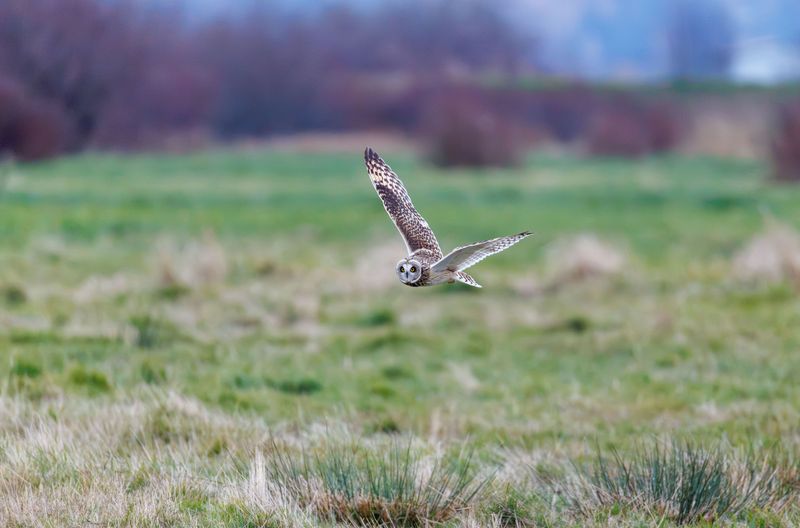
Most owls sleep through the afternoon, tucked into a pine or a hollow tree. One brown, crow-sized owl skips that routine and works the day shift over open fields.
That bird is the Short-eared Owl, a winter visitor to Pennsylvania. Many arrive from breeding grounds farther north, often showing up in November and staying into March or early April. A few have nested in the state, but sightings of nests are rare.
I love the way they hunt. They fly low, just a few feet above the grass, tilting and bouncing like a big moth. When one hears a vole, it can hover, then drop feet-first into the stems.
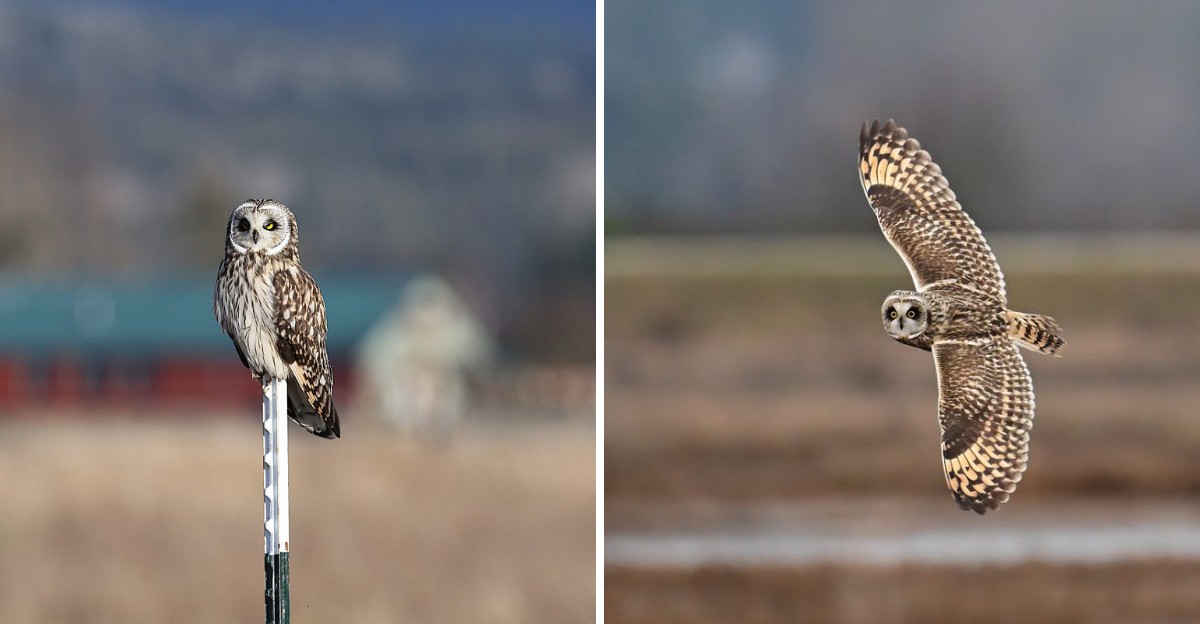
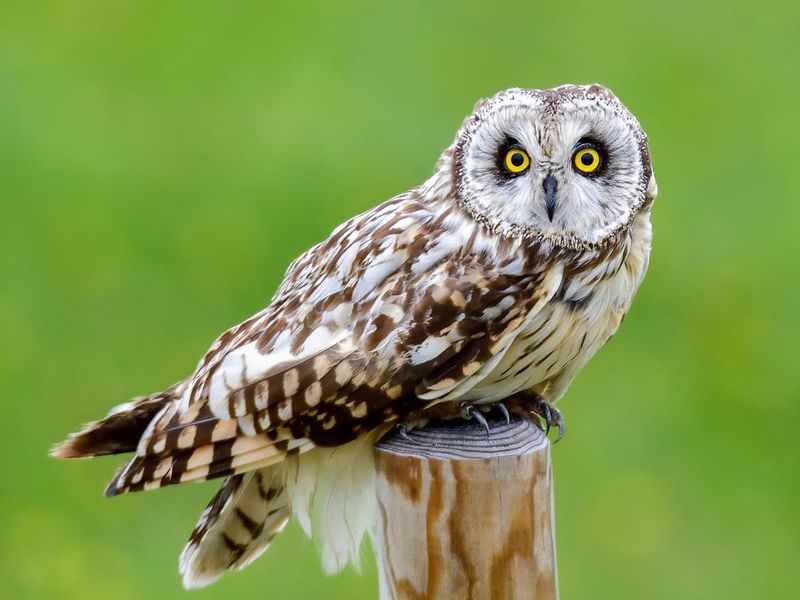
Their name comes from tiny feather tufts on the head. You usually can’t see them, so don’t expect the classic horned look. Instead, watch for a round, pale face with yellow eyes ringed in dark smudges, almost like smeared mascara.
These owls are not out at noon every single day. Most activity happens in the late afternoon and around dusk, with some dawn hunting too.
On gray, snowy days, though, they may start much earlier, which makes winter the best season to catch one in good light.
Short-Eared Owls Clock In When Northern Harriers Clock Out
A fun bit of teamwork plays out over winter grasslands, and it works a lot like a relay race. Northern Harriers, slim hawks with a bright white rump patch, cruise the fields during the brightest hours.
As the light fades, the harriers head to roost. Then the Short-eared Owls lift off and take over the same hunting grounds. Birders often watch both species in the air together for a few minutes, sometimes squabbling over a meal.
So why would an owl hunt while the sun is up? Food is the big answer. Meadow voles, their favorite prey, are active in short bursts around the clock, not just at night.
Winter adds extra pressure. Cold weather burns energy fast, and snow cover makes voles harder to catch. A hungry owl often has to start earlier and stay out longer, which puts it right in front of your binoculars.
I find it comforting that nature runs such a tidy schedule. These owls also have sharp eyes that work well in low light, plus hearing tuned to tiny rustles.
That combo lets them hunt in twilight, gray afternoons, and even moonlit nights when the voles cooperate.
Next time you spot a harrier gliding low at sunset, stay put. Its night-shift partner may be right behind it.
Watch For Dark Wrist Patches And Floppy Owl Wingbeats
Picking out your first one feels like solving a puzzle. The trick is to watch how the bird moves before you worry about tiny details.
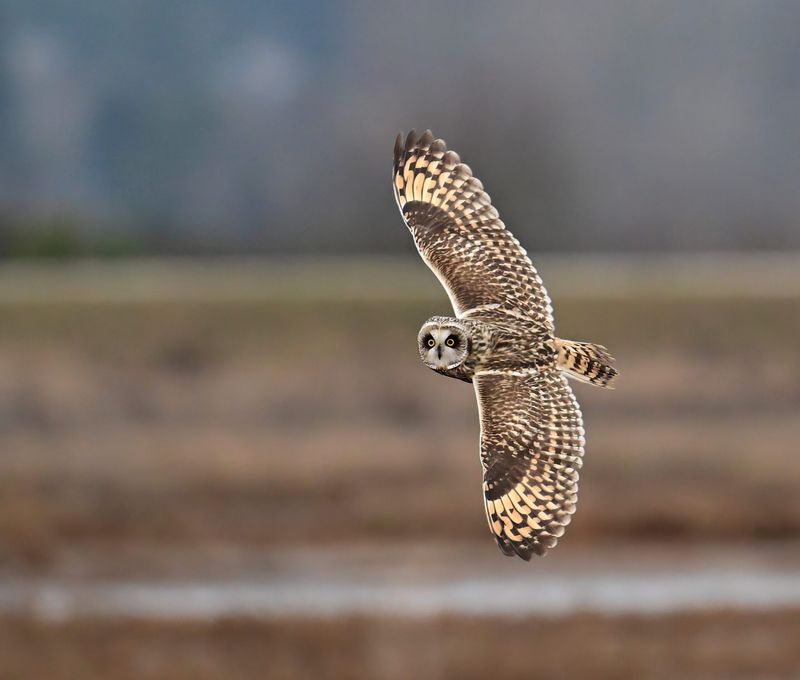
Short-eared Owls are about the size of a crow, with a wingspan around three feet. Their wings look long and narrow for an owl, and the wingbeats are loose and floppy. Many people compare the flight to a giant moth or a bat.
Look under the wings for a dark, comma-shaped patch near the bend, often called the wrist. The wingtips show dark bars, and the body is a warm, streaky tan. From above, you may notice a pale buff patch on the outer wing.
They often hold their wings in a shallow V while gliding. That can cause confusion with a female Northern Harrier, which is also brown. Check the head.
A harrier has a small, hawk-like head and a long tail, while the owl looks blunt-faced and short-tailed.
Long-eared Owls share some markings, but they hunt mostly at night and hide in thick evergreens.
If the bird is coursing over an open field in daylight, odds are strong you have the right owl. A quick photo, even a blurry one, helps you confirm the ID later.
Wide Grasslands Like Middle Creek And Piney Tract Draw These Owls In
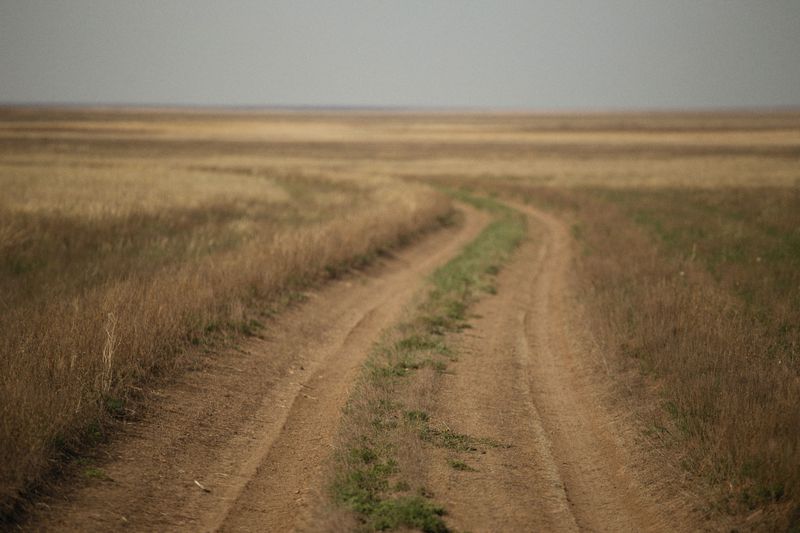
Big, open country is the secret ingredient. These owls want wide stretches of grass where voles thrive, with few trees breaking up the view.
In Pennsylvania, two spots get most of the buzz. Middle Creek Wildlife Management Area, on the Lebanon and Lancaster county line, hosts owls in its grassy fields most winters.
Piney Tract on State Game Lands 330 in Clarion County is another favorite, set on reclaimed strip-mine grasslands.
Reclaimed mine land might sound odd, but it works. After mining, many sites were replanted with grasses, creating the kind of prairie-like habitat these birds crave. Western Pennsylvania has several such areas.
Farm country can also deliver. Hayfields, fallow fields, and grassy edges near airports sometimes hold a wintering owl or two. Fields mowed short or plowed bare rarely hold enough voles to keep them around.
Before you go, check recent reports on eBird or a local bird club page. Numbers shift from year to year, mostly depending on vole populations and snow depth.
Remember that most farm fields are private. Stay on public roads or designated viewing areas, and ask permission before stepping onto anyone’s land.
Game land visitors should also check posted rules, since some areas close during certain seasons.
Late Afternoon Owl Watching Works Best From Your Parked Car
My favorite owl outings start with a thermos of cocoa and a parked car. A vehicle makes a great viewing blind, and the birds often ignore it.
Plan to arrive about an hour before sunset and stay until it gets too dark to see. Cloudy, calm afternoons can be especially productive. Wind and heavy rain usually keep the owls low and quiet.
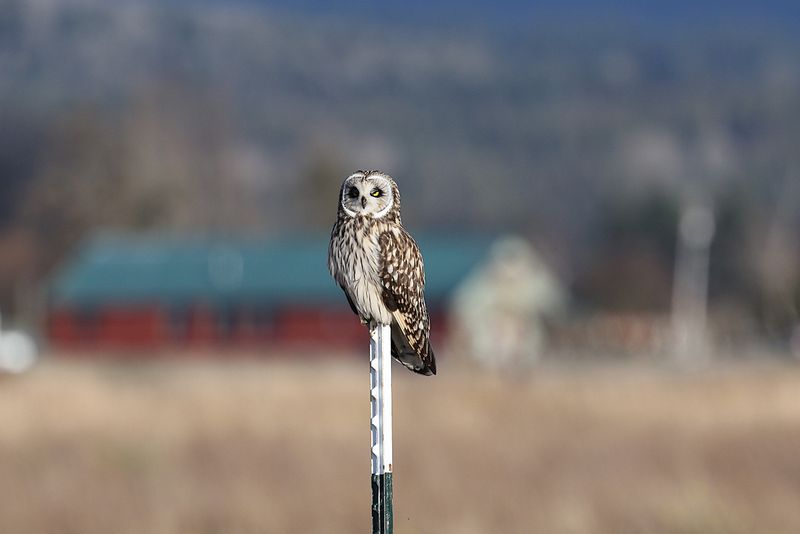
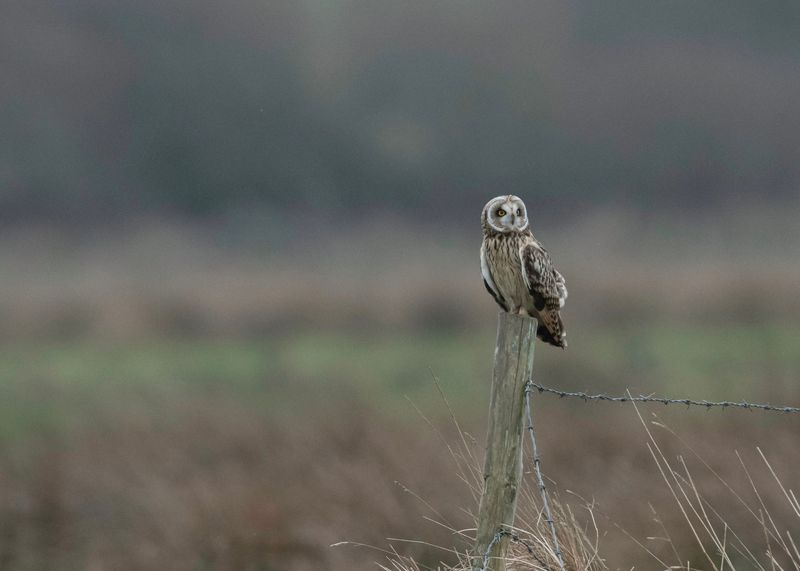
Bring binoculars and scan the field slowly, low over the grass. You may first notice a pale shape lifting off the ground, since these owls rest right in the vegetation during the day. Fence posts and small shrubs are popular perches too.
Keep your distance, even if a bird lands close. Walking toward an owl can flush it, and every unplanned flight costs energy it needs to stay warm. Wildlife officials also ask visitors to skip calling with recorded sounds.
Watch the harriers too. When they start drifting off to roost, your owl show is usually about to begin.
Dress warmer than you think you need. Open fields at dusk feel much colder than your backyard, and you may sit still for a long time.
Silence your phone, and talk in whispers. Hand warmers and a folding chair beside the car make the wait far more pleasant.
Hungry Owls Chasing Meadow Voles Help Farmers And Gardeners
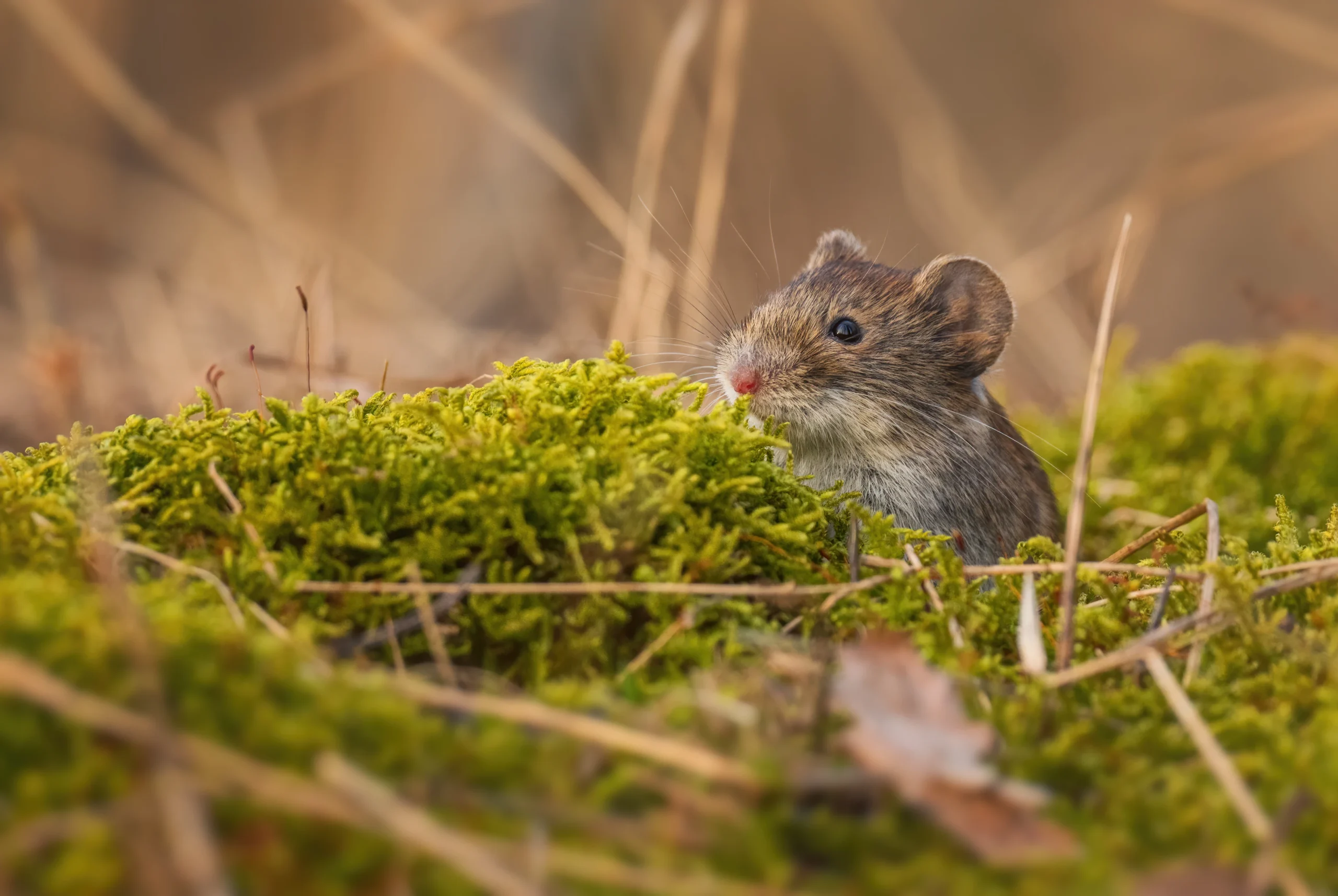
Gardeners, this part is for you. A single Short-eared Owl may eat one or two small rodents a day, and in winter, meadow voles top the menu.
Voles are those chubby, short-tailed mouse lookalikes that chew bark off young fruit trees and tunnel through lawns under the snow.
Come spring, you might find winding runways in the grass and girdled shrubs. Farmers deal with the same headache in hayfields and orchards.
Owls offer free help without poisons. Rodent baits can harm owls, hawks, and pets that eat poisoned prey, so skipping them is a kind choice for the whole food chain.
You can support natural vole control at home too. Leave a patch of taller grass along far field edges where raptors can hunt, and wrap young tree trunks with hardware cloth to block chewing.
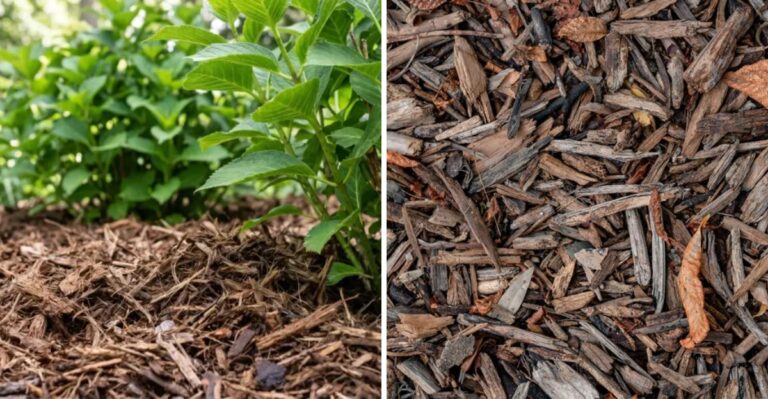
Pull mulch a few inches back from stems so voles have less cover. I truly believe a healthy garden includes a few hunters. When you see an owl dropping into a field, you are watching pest control that has worked for thousands of years.
Gardens near large meadows may even get an occasional visit, especially in years when vole numbers boom.
Tall Native Grass Fields Can Help This Endangered Owl Bounce Back
Pennsylvania lists the Short-eared Owl as a state endangered species. Breeding pairs are very rare here, and wintering numbers have dropped as grasslands disappear.
Lost habitat is the main issue. Old farms grow into forest or become housing, and many hayfields get mowed before nesting birds finish. Across North America, surveys show long-term declines, too.
You can make a difference, even without a farm. Report your sightings to eBird, which helps biologists track where owls winter. The Pennsylvania Game Commission also welcomes reports of possible nesting birds.
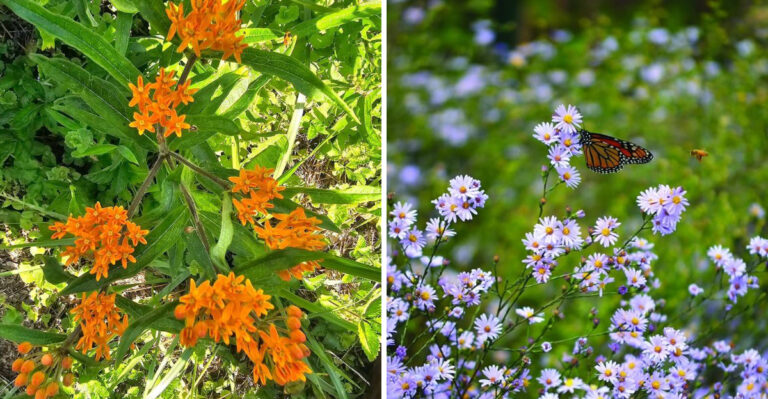
Landowners with fields can delay mowing until after midsummer and let some grass stand through winter. Native warm-season grasses like little bluestem, switchgrass, and Indian grass create excellent cover for voles and the owls that hunt them.
Share viewing spots carefully. Popular sites can draw crowds, so follow posted signs and keep noise down.
Personally, I think the best takeaway is simple. Get outside on a cold afternoon this winter, find a big open field, and wait for the light to soften.
When that floppy brown shape rises from the grass, you’ll understand why so many people fall for this owl.