The Pennsylvania Native Shrubs To Buy In September And Plant When Cooler Weather Arrives
Have you ever walked into a native plant nursery in September and wondered whether it’s too late in the season to make it worth buying? It isn’t.
In fact, September might be the best month of the year to shop for native Pennsylvania shrubs.
Nurseries are still well stocked. The selection reflects what actually performs in Pennsylvania conditions.
And buying now means you have exactly what you want on hand when the real planting window opens. That window arrives with the cooler weather ahead.
Fall is when native shrubs establish most effectively. The soil still holds summer warmth, cooler temperatures reduce transplant stress, and the weeks before hard frost give roots a genuine head start.
Shrubs planted now arrive next spring already settled and ready to grow. Here are the native Pennsylvania shrubs worth buying this September and why waiting for cooler weather to plant them produces better long term results.
1. Winterberry Holly
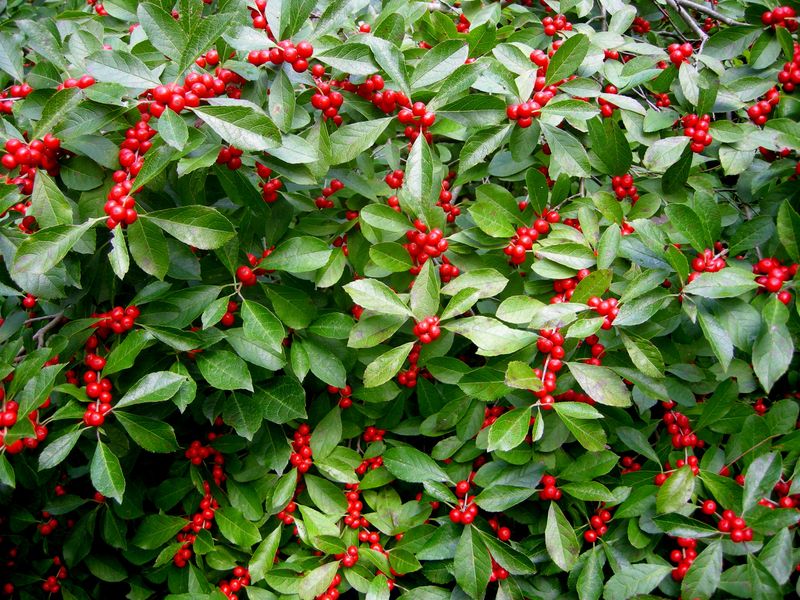
Picture a snowy yard brightened by hundreds of glowing red berries. That is winterberry holly showing off in the middle of a Pennsylvania winter.
Unlike most hollies, this shrub loses its leaves in fall. When the branches go bare, the red berries really pop against gray winter skies. Birds like robins and cedar waxwings feast on them when other food is scarce.
Here is a tip worth knowing. Winterberry needs both a male and a female plant to make berries.
Buy one male for every few females, and plant them within about fifty feet of each other.
September shopping makes this easier, because the female plants often still show tiny green or ripening berries. That helps you pick the right ones at the nursery.
Plant them once October cools things down.
These shrubs love moist soil and can even handle wet spots where other plants struggle. If you have a soggy corner of your yard, winterberry will feel right at home there.
Give it full sun to part shade for the best berry show. In deep shade, it grows fine but makes fewer berries.
Winterberry usually reaches six to ten feet tall. You can prune it in early spring to keep the size in check.
Water it well during its first fall so the roots settle in before the ground freezes. A layer of mulch keeps that soil cozy and moist.
Come next winter, you will thank yourself every time you look outside and see those cheerful berries lighting up the cold season.
2. Ninebark
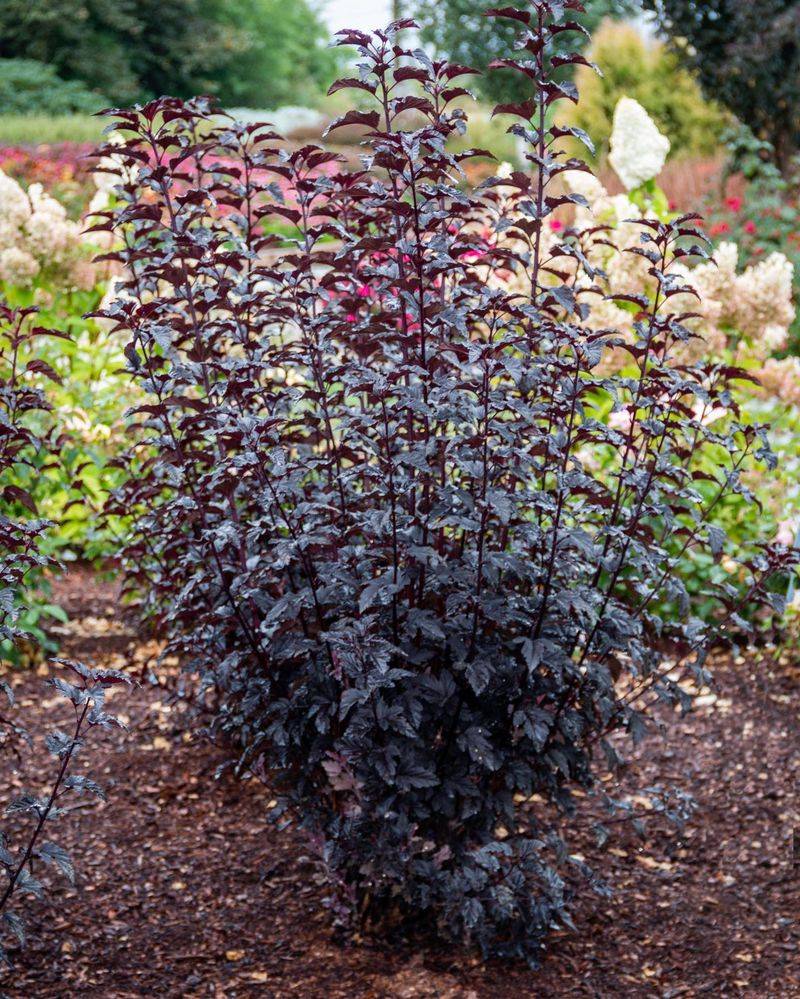
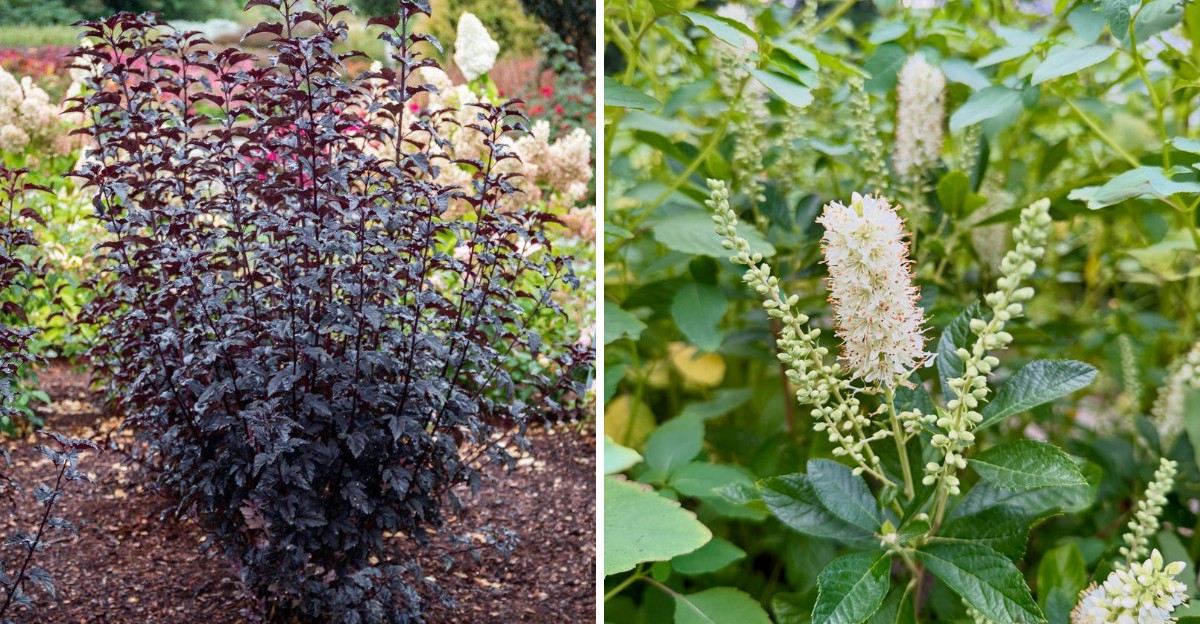
Some shrubs work hard from spring through fall, and ninebark is one of them. Its peeling bark, colorful leaves, and clustered flowers keep your eyes busy all season.
The name comes from an old idea that its bark peels back in nine layers. That flaky bark gives the shrub winter interest long after the leaves drop.
Gardeners love the newer varieties with deep purple or golden foliage. Those bold colors mix nicely with green plants and make a flower bed feel rich and full.
In late spring, little white or pink flower clusters cover the branches. Bees and other pollinators buzz around them happily.
Your Pennsylvania Garden Changes Every Week. Your Plan Should Too.
Gardening in Pennsylvania changes quickly throughout the season. Every Friday you’ll receive a simple weekly plan showing exactly what to plant, prune, fertilize, harvest, and protect so you never miss the right timing.
Ninebark is tough as nails. It shrugs off drought, poor soil, and cold Pennsylvania winters without much fuss.
Buy your plant in September, then set it in the ground when the weather turns crisp. Choose a spot with full sun to keep the leaf color at its brightest.
This shrub grows fast and can reach five to eight feet. Give it room to spread, or trim it after flowering to shape it.
Cutting a few older stems to the ground each year keeps the plant young and bushy. That simple trick prevents a leggy, tired look.
Water it steadily during the first few weeks so the roots grip the cooling soil. After that, ninebark mostly takes care of itself.
If you want a plant that offers seasonal drama without demanding constant attention, this native beauty deserves a spot in your yard. It rewards you with color and texture year after year.
3. Spicebush
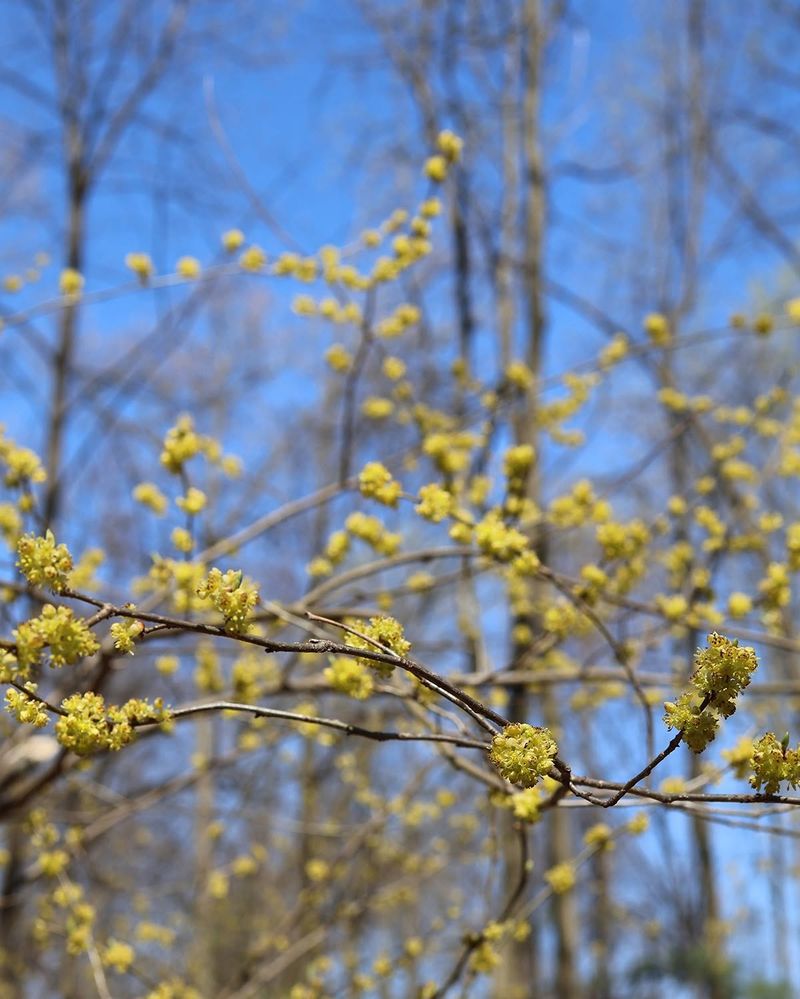
Crush a spicebush leaf between your fingers and you will catch a warm, spicy scent. That fragrance gives this native shrub its charming name.
Spicebush is a favorite in shady, woodland gardens. It thrives under taller trees where many plants would sulk.
In early spring, before the leaves appear, tiny yellow flowers dust the bare branches. They add a soft glow to the woods when little else is blooming.
This shrub is a star for wildlife. The spicebush swallowtail butterfly lays its eggs on the leaves, and its caterpillars munch happily here.
Female plants grow bright red berries in fall that birds adore. Like winterberry, you need a male nearby for the female to fruit.
September is a smart time to buy, since you can spot the berries and choose your plants. Plant them once cooler days arrive.
Spicebush likes moist, rich soil and part to full shade. It naturally grows along streams and damp forest edges.
Expect a rounded shrub around six to twelve feet tall. It rarely needs much pruning and keeps a tidy shape on its own.
In autumn, the leaves turn a cheerful buttery yellow. That fall color lights up shady corners where sunshine barely reaches.
Give it a good drink of water through its first fall to help the roots settle before winter. Mulch keeps the soil moist and cool.
For anyone with a shady yard who feels stuck, spicebush is a gift. It brings fragrance, color, butterflies, and berries to spaces that often feel forgotten.
4. Red Chokeberry
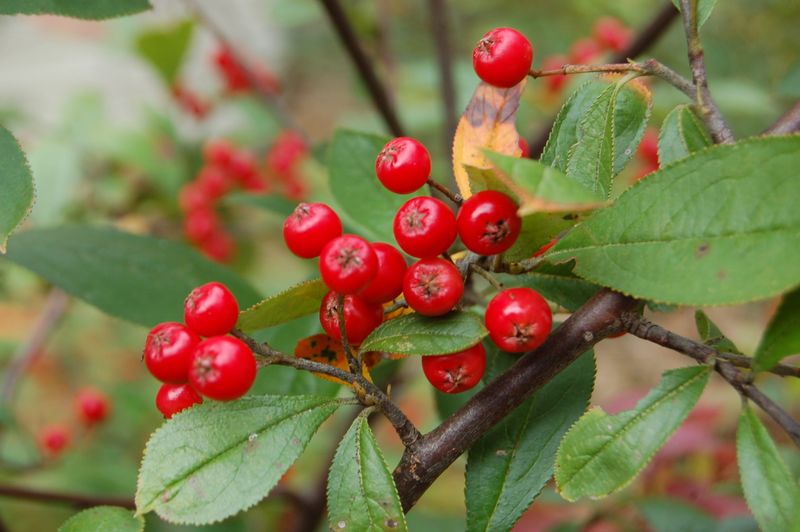
Do not let the funny name scare you off. Red chokeberry is one of the most rewarding native shrubs you can plant in Pennsylvania.
Its glossy red berries hang on the branches well into winter. Birds pick at them slowly, so the fruit lasts for months.
Spring brings clusters of dainty white flowers that pollinators love. The show continues in fall when the leaves blaze bright red and orange.
That means this single shrub gives you three seasons of beauty. Flowers, berries, and fiery foliage all come from one easygoing plant.
Red chokeberry is famously adaptable. It handles wet ground, dry ground, sun, and part shade without complaint.
Buy a plant this September while nurseries still have healthy stock. Plant it once the temperature drops and the soil feels cool.
Most red chokeberries reach six to eight feet tall and spread by suckers. If you want a natural hedge, let those suckers fill in the space.
To keep a neater shape, simply trim away extra shoots each spring. The plant forgives almost any pruning mistake.
The berries are edible but very tart, which is where the name comes from. Some people cook them into jams and juices packed with vitamins.
Water your new shrub regularly during its first fall season. Once established, it needs very little help from you.
If you crave a low-effort plant that feeds birds and looks stunning, red chokeberry checks every box. It is a hardworking native that keeps giving through the whole year.
5. Summersweet
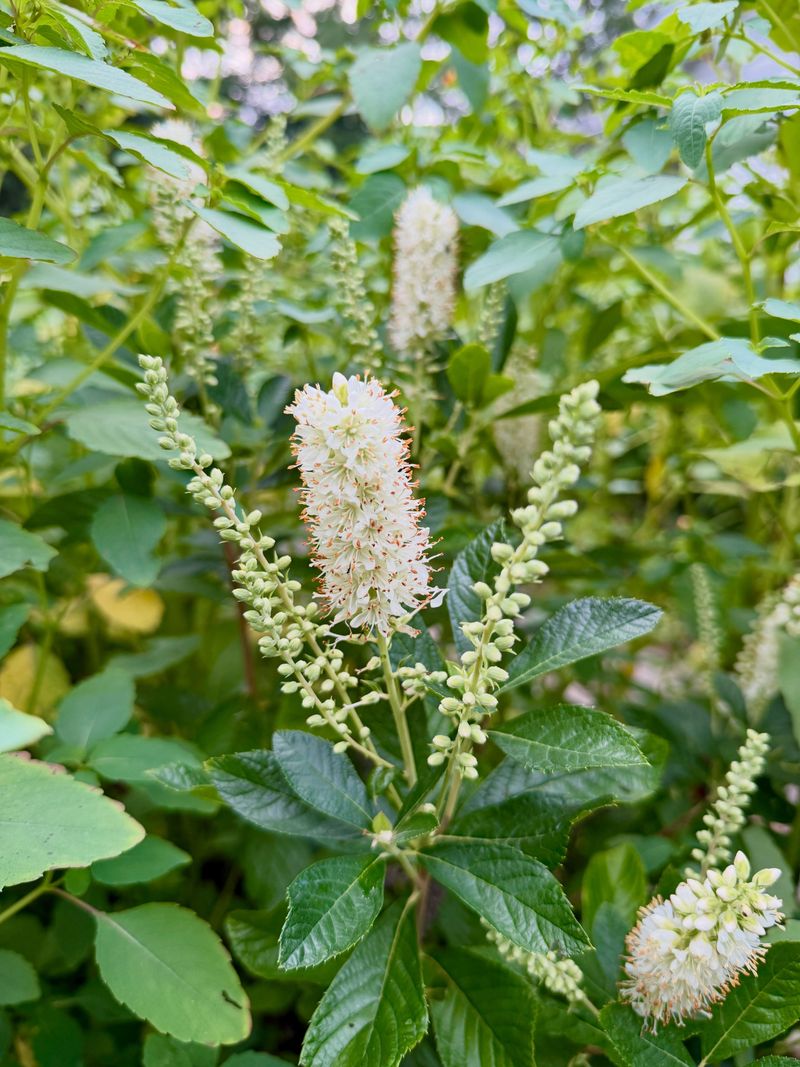
On a warm summer evening, one shrub can perfume your whole backyard. Summersweet earns its name with sweet-smelling flower spikes that fill the air.
Those white or pink bottlebrush blooms appear in mid to late summer. That is a time when many other shrubs have already finished flowering.
Bees, butterflies, and hummingbirds cannot resist the nectar. Stand near the plant and you will hear a happy hum of pollinators.
Summersweet is perfect for tricky spots. It tolerates wet soil, shade, and even the salty air near coastlines.
Pick up a plant in September and get it in the ground as fall cools down. A shady, moist corner suits it perfectly.
This shrub grows slowly, reaching three to eight feet depending on the variety. Compact types fit nicely into smaller yards and beds.
In autumn, the leaves shift to a pleasant golden yellow. That soft color adds a gentle glow to shady garden edges.
Summersweet spreads by suckers over time, forming a loose colony. You can let it naturalize or trim the shoots to keep it contained.
Keep the soil moist, especially while the plant is young. It really dislikes drying out during hot stretches.
Water deeply through its first fall so the roots grow strong before frost. A thick mulch layer helps hold moisture in.
Because it blooms late, summersweet fills a gap when gardens often look tired. That fragrant burst of flowers keeps your yard lively into the dog days of summer, and the pollinators will keep coming back for more.
6. Serviceberry
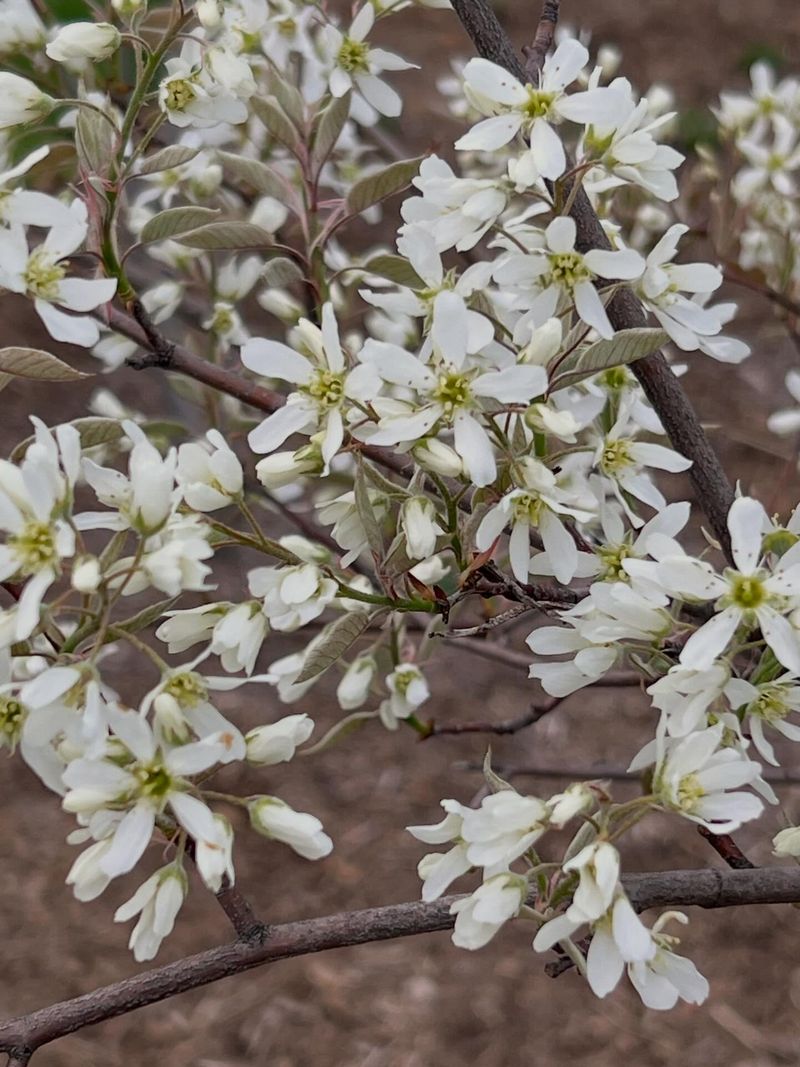
Few native plants offer as much as serviceberry across the seasons. Some folks even call it a shrub that thinks it is a tree.
Early spring brings clouds of delicate white flowers. They open before most trees leaf out, signaling that winter is finally over.
By June, small purple berries ripen on the branches. They taste a bit like blueberries, and both people and birds love them.
You will have to move fast if you want to eat them. Robins and cardinals often clear the branches within days.
Fall turns the leaves brilliant shades of orange, red, and gold. The smooth gray bark then adds quiet beauty all winter long.
Serviceberry works as a large shrub or a small multi-stemmed tree. Sizes range from six feet to over twenty depending on the type.
Grab one in September to lock in a healthy plant. Set it in the ground once cooler weather arrives for easy establishment.
Give it full sun to part shade and average, well-drained soil. It is not fussy and adapts to most Pennsylvania yards.
Water your new serviceberry through the fall so its roots settle in. After the first year, it handles dry spells fairly well.
Light pruning after fruiting keeps the shape you want. Removing crossing branches helps air move through the plant.
For a yard that changes with every season, serviceberry is hard to beat. Flowers, fruit, fall color, and pretty bark all come from one dependable native that fits almost anywhere.
7. Buttonbush
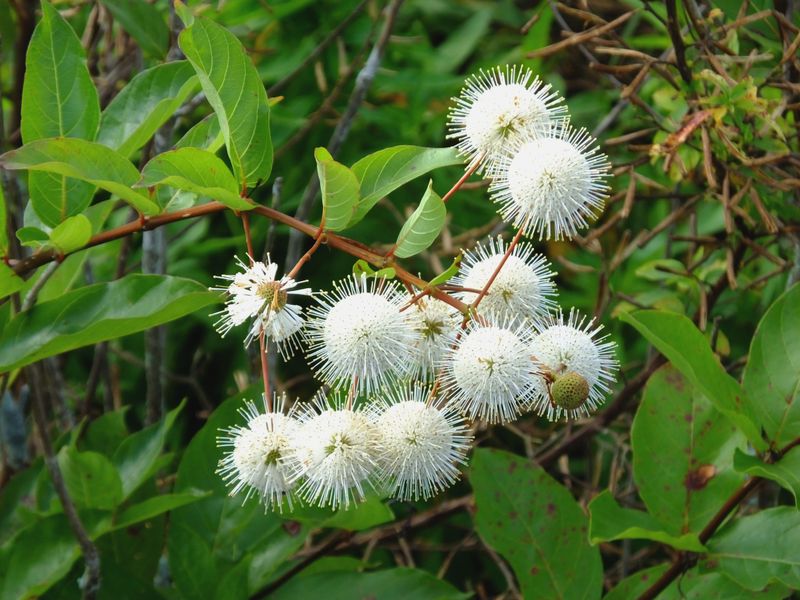
If your yard has a soggy spot that nothing seems to like, meet your new best plant. Buttonbush actually enjoys wet feet.
Its flowers look like little white pincushions or floating golf balls. Those quirky round blooms make it one of the most fun shrubs around.
Pollinators go wild for buttonbush in summer. Bees, butterflies, and even hummingbirds visit the fragrant, nectar-rich globes.
Later, the flowers turn into reddish seed balls that ducks and other birds enjoy. So this plant feeds wildlife in more ways than one.
Buttonbush naturally grows along ponds, streams, and marshy edges. That makes it ideal for rain gardens and wet corners.
Shop for one this September and plant it as the air cools. Choose a low, damp area where water tends to collect.
It can reach six to twelve feet tall with a loose, open shape. If it gets too wild, cut it back hard in early spring to refresh it.
Full sun brings the most flowers, though it tolerates a little shade. The more sun it gets, the busier the pollinators become.
Keep the soil moist while the plant is young, which is easy in the wet spots it prefers. Buttonbush rarely minds too much water.
Water it well during its first fall so the roots grip the cool soil. Mulch is helpful but not strictly needed in damp ground.
For anyone battling a swampy problem area, buttonbush turns trouble into treasure. It transforms a useless wet patch into a buzzing, blooming wildlife magnet you will love watching.