Why North Carolina Gardeners in Copperhead Areas Are Trading Rakes for Leaf Blowers
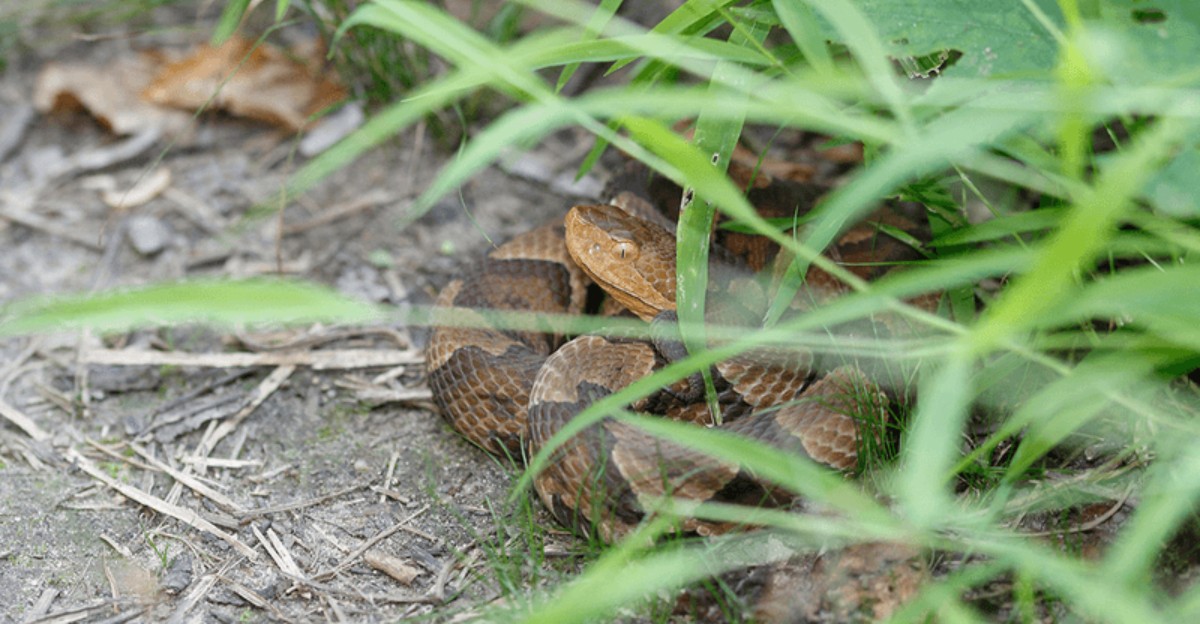
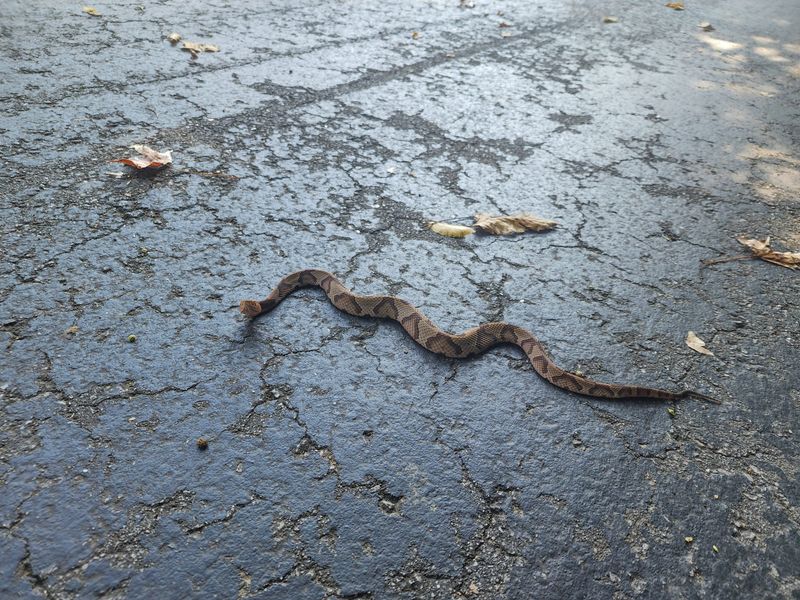
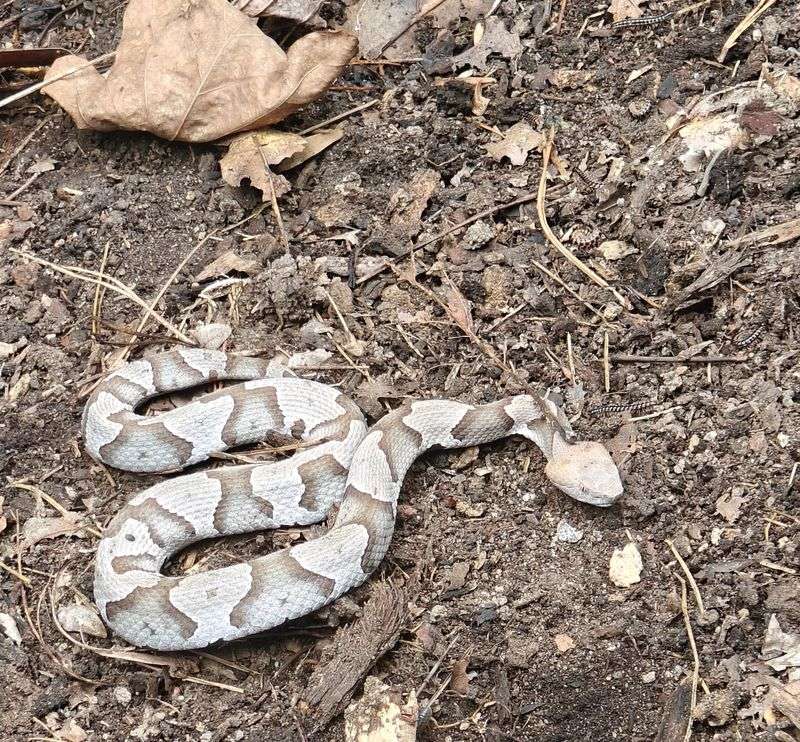
Baby copperheads arrive in late summer and early fall with venom ready from day one. They are about eight inches long, and their tails have a bright yellow tip they wiggle like a tiny worm to lure frogs.
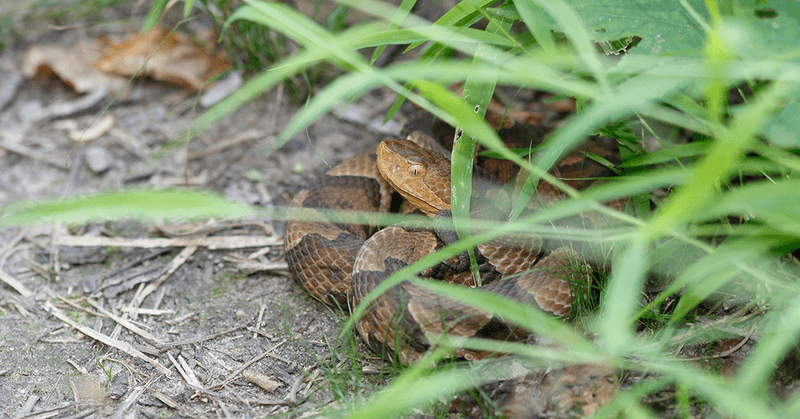
Now add a yard full of brown oak leaves in North Carolina. Those coppery, hourglass-banded snakes blend into leaf litter so well that many people spot them only after getting too close.
I tend to think fall cleanup should feel cozy, not nerve-racking. Yet bites often happen when a hand reaches into a leaf pile, a woodpile, or a tangle of brush.
So gardeners are asking a fair question. Can a tool that moves leaves from a few feet away make the job safer, or is that just wishful thinking with a motor attached?
1. Those Copper Hourglass Bands Vanish Into Fallen Oak Leaves
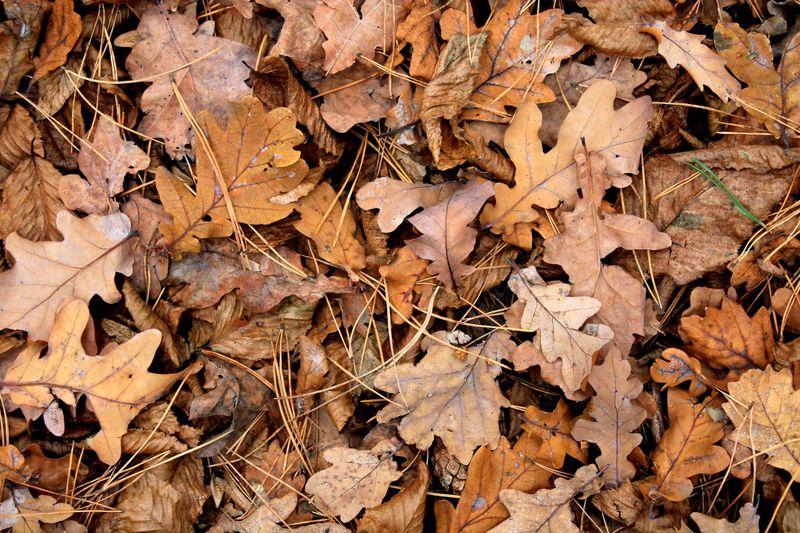
Spend one afternoon staring at a copperhead photo, and you will understand the whole trend. The snake’s tan body and dark hourglass bands look almost exactly like a pile of crinkled oak and hickory leaves.
Copperheads lean on that disguise as their main defense. Instead of fleeing right away, they often freeze and trust that you will walk past. Most of the time, you will. The trouble starts when a hand or bare ankle lands right on top of one.
The North Carolina Wildlife Resources Commission notes that copperheads are the most common venomous snake in the state. They live in all 100 counties, from mountain hollows to coastal suburbs.
Wooded lots, stream edges, and older neighborhoods with big hardwood trees suit them nicely.
Those same hardwoods drop a heavy leaf blanket every fall. That blanket gives cover to the snakes and also to the mice, lizards, and insects they eat. A thick layer near your flower beds can act like a buffet with a roof.
Here is a useful habit. Before working in leaves, stand still for a moment and scan for the pattern, not the shape. Look for repeating bands that seem a little too neat for random leaves.
Your eyes get better with practice, and that pause costs nothing but a few seconds of patience.
2. A Leaf Blower Keeps Your Hands Out of the Snake Zone
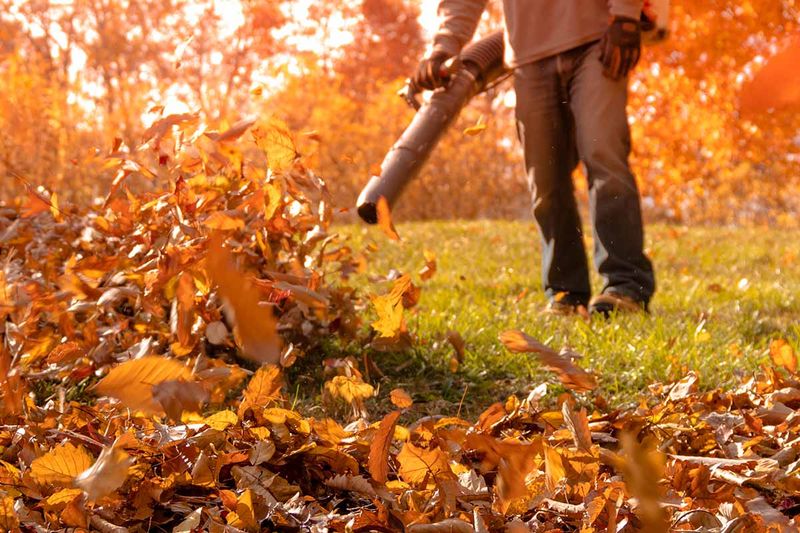
Distance is the whole secret. A rake keeps you about five feet from the leaves, but it also tempts you to bend down, grab armloads, and stuff them into bags with your hands.
That bending and grabbing is where trouble happens. Many copperhead bites land on hands, feet, and lower legs during chores like gardening, picking up debris, or moving wood.
A blower lets you push leaves into an open area first, where you can see what is underneath before anyone touches them.
It also helps with tricky spots. Blowing leaves out from under shrubs or along fence lines means you are not reaching blindly into dark corners.
A few smart habits make the method work better: Blow leaves toward open lawn or driveway, not deeper into brush. Work slowly from the outside edges inward. Scan each cleared patch before stepping forward.
When it is time to bag, use a rake or a leaf scoop instead of bare hands. Pick up leaves from a pile you can see clearly, not one that sat overnight.
None of this makes a yard snake-proof. Still, swapping close contact for visible, open ground is a simple change that lowers the odds of a surprise. Plenty of gardeners feel that peace of mind is worth the extra noise.
3. Fall Is Copperhead Prime Time in Carolina Backyards
Sightings tend to rise when the weather cools, and there is solid biology behind it. Copperheads have a busy calendar from late summer into October.
Females give birth to live young, often in August and September. Litters commonly hold three to fourteen babies, and the newborns head off on their own after a short time. Suddenly a yard that held one adult may host several small snakes exploring for food.
Fall also brings a second mating window, so some males wander more than usual. On top of that, many copperheads travel toward winter shelters like rocky slopes, stump holes, and old foundations.
Temperature shapes their schedule too. In hot summer weather, they often hunt at night. As days cool off, more activity shifts into daylight hours, right when you are outside with yard tools.
Timing varies across the state. Snakes in the mountains usually tuck in for winter earlier, while those in the Piedmont and coastal plain may stay active into November on warm days. A sunny afternoon in late fall can still bring one out to bask.
Put all that together, and leaf season overlaps neatly with snake season. Knowing this calendar helps you plan bigger cleanup jobs with extra care.
4. Does Blowing Air Really Chase Copperheads Away
Honest answer? Not reliably. A leaf blower is a tool for exposing hiding spots, not a snake repellent.
Some gardeners share stories of copperheads sliding away once the noise and wind hit them. That can happen, since snakes feel vibration through the ground and may move when disturbed.
But plenty of wildlife pros point out that a startled snake often just heads for the nearest cover, which could be your shrub bed or porch steps.
No research shows that blowers drive copperheads out of a property. The benefit is mostly about what you can see, not what the snake decides to do. Keep that difference in mind so you stay cautious.
A loud motor might make you feel braver than the situation deserves. If you blow away a leaf layer and spot a snake, stop the machine and give it space instead of trying to push it along with air.
It is also wise to skip blowing debris straight at a snake. A rattled copperhead may hold its ground and strike defensively if it feels cornered.
Think of the blower as a flashlight with a fan. It reveals the ground, clears your path, and keeps your body farther back. Your eyes and your patience do the real safety work.
5. Thick Gloves and Tall Boots Still Belong in Your Fall Kit
My favorite garden boots are scuffed, muddy, and wonderfully boring. They also sit between my ankles and anything hiding under the mulch.
Gear matters whether you rake or blow. Copperhead fangs are fairly short, so sturdy footwear and heavy pants cut down the risk of a bite reaching skin. Flip-flops and sneakers with mesh tops are a poor match for leaf season.
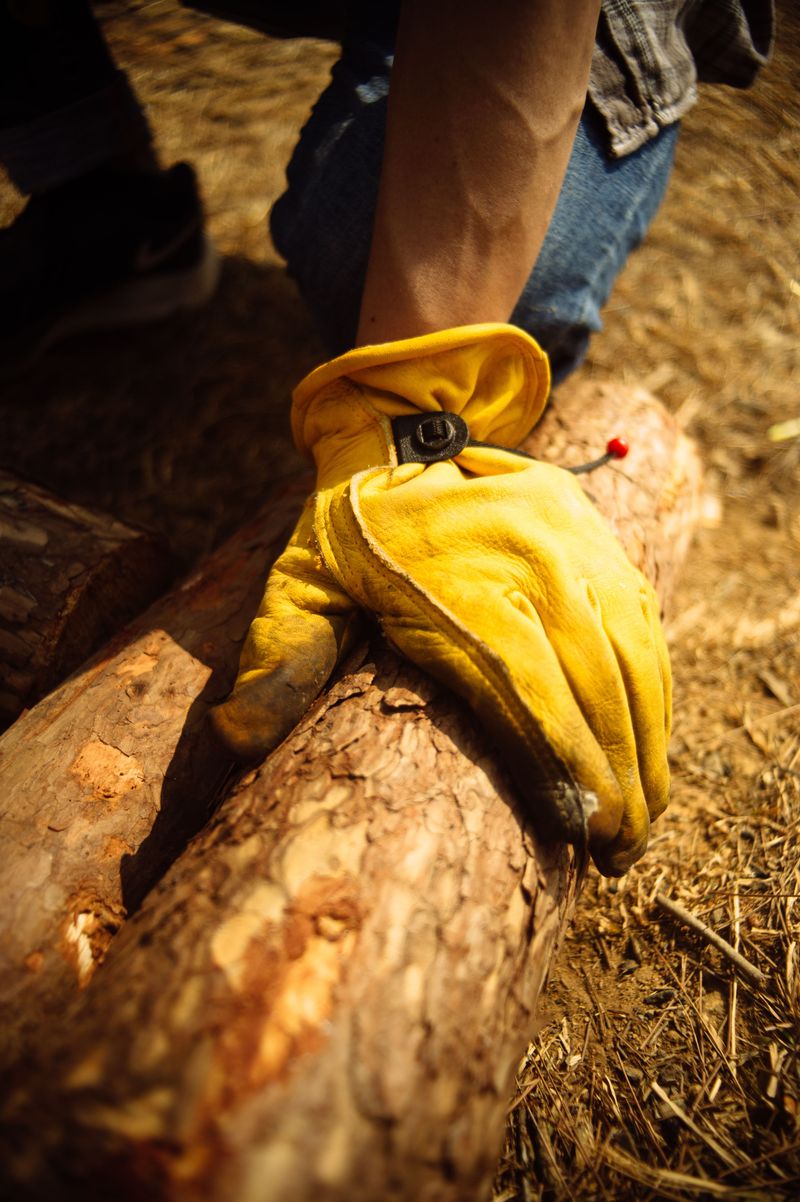
Try this simple checklist before heading outdoors: Wear leather or thick work gloves for picking up branches. Choose closed boots that rise above the ankle. Add long, heavy pants, like jeans or canvas work pants.
Lighting helps too. Copperheads may move around on warm evenings, so carry a flashlight if you are watering or taking out the trash after dark. Many bites in neighborhoods happen when someone steps on a snake in dim light.
Use a tool as a probe. A long-handled rake, hoe, or grabber lets you lift boards and flip leaf clumps from a safe reach. Never slide your fingers under objects you cannot see beneath.
Kids helping with yard work need the same protection. Teach them to look first, keep hands out of piles, and call an adult if they spot a banded snake. Small habits become automatic quickly.
6. Woodpiles, Rock Walls, and Leaf Heaps Are Copperhead Magnets
Mice are the real reason many copperheads show up. Wherever rodents find food and shelter, their hunters tend to follow.
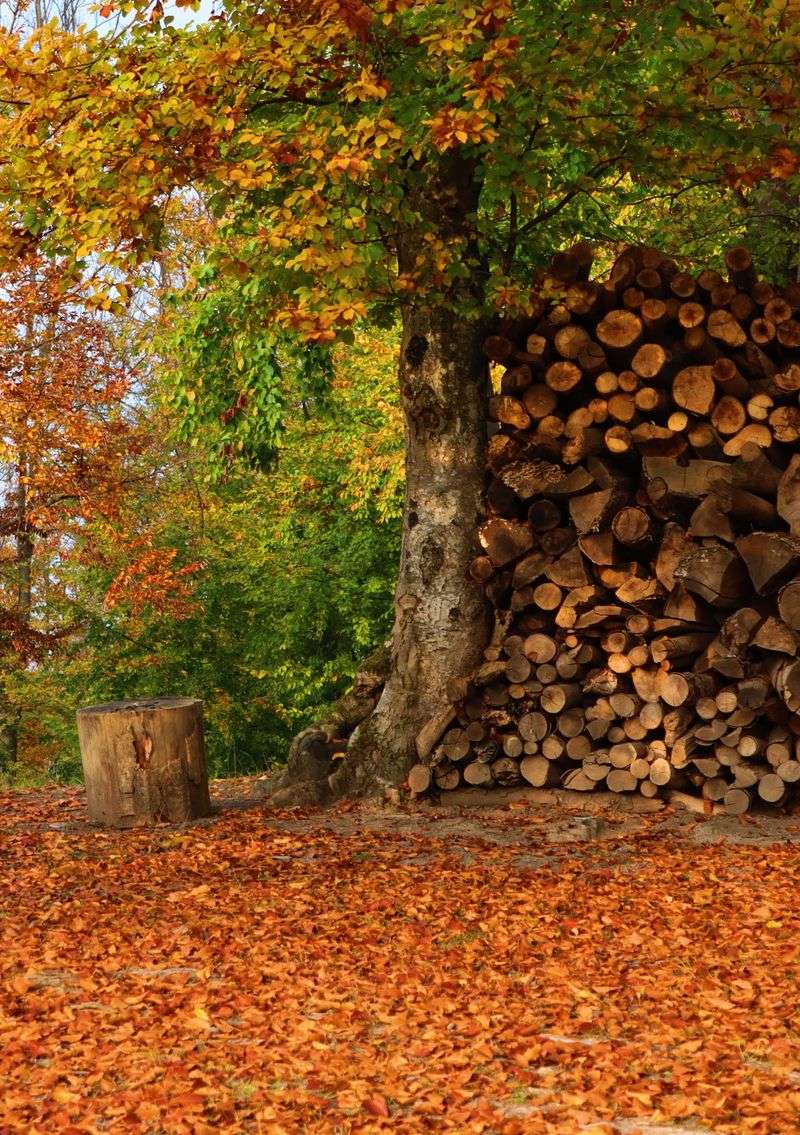
That makes certain yard features worth a closer look. Firewood stacked against the house, piles of old lumber, rock walls, and heaps of leaves left for months create cool, shaded cover. Bird feeders that spill seed can also draw rodents, which then attract snakes.
Some easy fixes make your yard less appealing: Stack firewood on a rack at least a foot off the ground and away from your home.
Move compost and leaf piles toward the back of the property, away from paths and play areas. Clean up spilled birdseed and store pet food in sealed containers.
Shrubs matter too. Trim the lower branches of dense bushes near doorways so you can see the ground beneath them. Keep grass mowed along walkways.
You do not need a bare, sterile yard, though. Leaves still help soil and pollinators, and many native insects spend winter in them. A good middle ground is moving leaf litter into planned beds away from high-traffic spots.
Think of it as zoning. Keep busy areas open and tidy, and let wilder corners stay a little wild.
7. Spot a Copperhead in the Flower Bed and Simply Step Back
Your heart will probably jump, and that is normal. What happens next matters most.
Stop, back away slowly, and give the snake several feet of room. Copperheads are not aggressive animals. Most bites happen when people try to catch, move, or harm one.
The North Carolina Wildlife Resources Commission advises leaving the snake alone, since it will often move along on its own.
Keep kids and pets inside or away from the spot while you watch from a distance. If it stays in a tough place, a gentle spray from a garden hose can encourage it to leave.
Copperheads are protected from needless harm in many settings, and they serve a purpose by eating rodents and large insects like cicadas. Many folks also call a licensed wildlife control operator for a snake near a doorway.
Bites are rarely life-threatening for healthy adults, but they still need prompt medical care. If one happens, stay calm, remove rings or tight items, and head to the emergency room or call 911. You can also reach the Carolinas Poison Center at 1-800-222-1222.
Skip old remedies like ice, tourniquets, cutting the wound, or trying to suck out venom. Those steps can make things worse instead of better.
8. Leaf Blowers Work Best as One Part of a Snake-Smart Yard
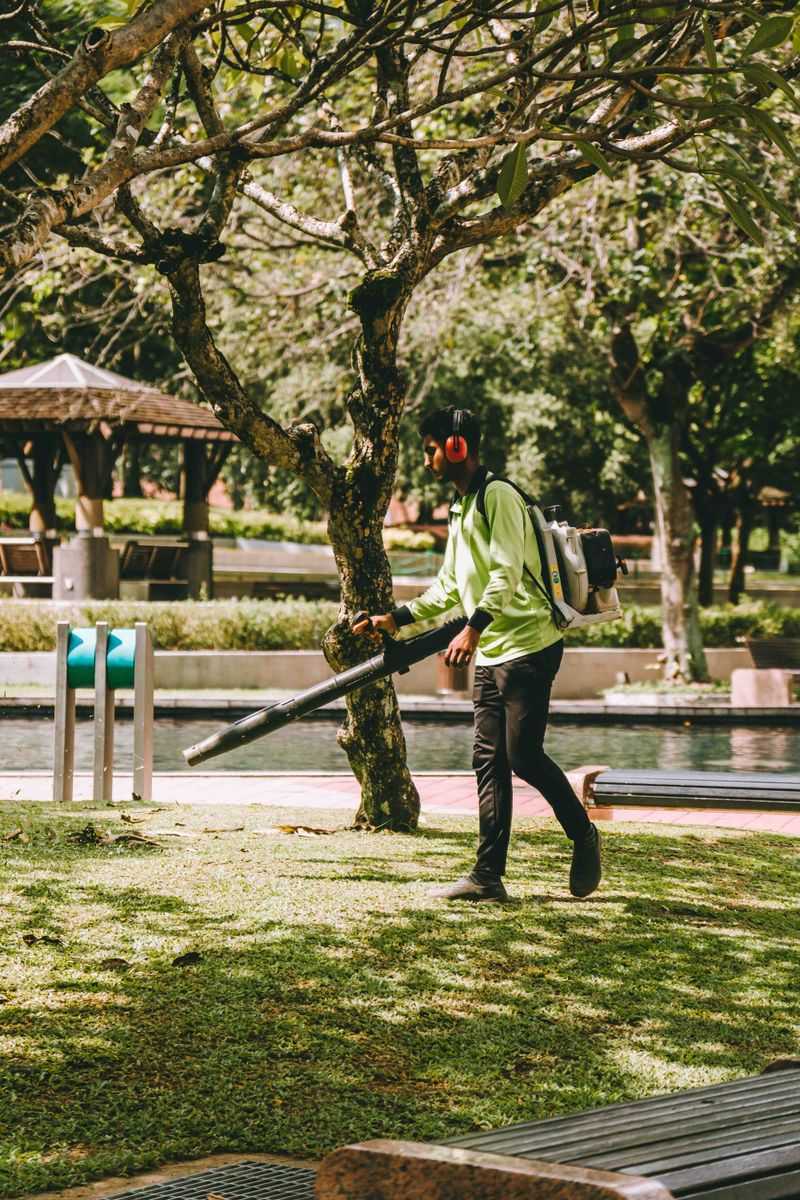
The smartest gardeners I know mix tools and habits instead of trusting one gadget. Blowers earn a spot in that mix, but they are not a magic shield.
Choose a model that fits your yard and your neighbors. Battery blowers are quieter, lighter, and easier to start, which helps on short jobs near beds. Some towns in the state have noise rules, so check local hours before an early morning cleanup.
Pair the blower with a plan: Clear paths, doorways, and play areas first. Push leaves into open spaces where you can see them. Bag or shred them with a mower instead of reaching in by hand.
Shredded leaves make excellent mulch and soil food. Spread them in a thin layer over garden beds rather than leaving deep piles near the house. Your plants benefit, and snakes find less cover.
Finally, stay alert through the whole season. Copperheads may be out on warm days well into late fall, and babies are easy to miss. A slow pace, good boots, and a quick look before each step go a long way.
That balance lets you enjoy autumn color and crisp air with fewer surprises. Your yard stays healthy, and your nerves get a well-earned break.