North Carolina Landscaping Upgrades That Can Help Increase Your Home’s Value
Drive through almost any North Carolina neighborhood, and a few homes instantly stand out. It is rarely the size of the house that makes the difference, but the way the landscape is designed.
From the Blue Ridge Mountains to the coastal plains, North Carolina’s mix of climates and soils gives homeowners a chance to create outdoor spaces that feel both inviting and intentional.
The right upgrades can boost curb appeal, improve how a yard functions, and leave a strong impression on visitors and potential buyers.
With thoughtful choices, it is possible to enhance your space without taking on more upkeep than you can manage.
1. Plant Native Trees For Shade And Long-Term Structure
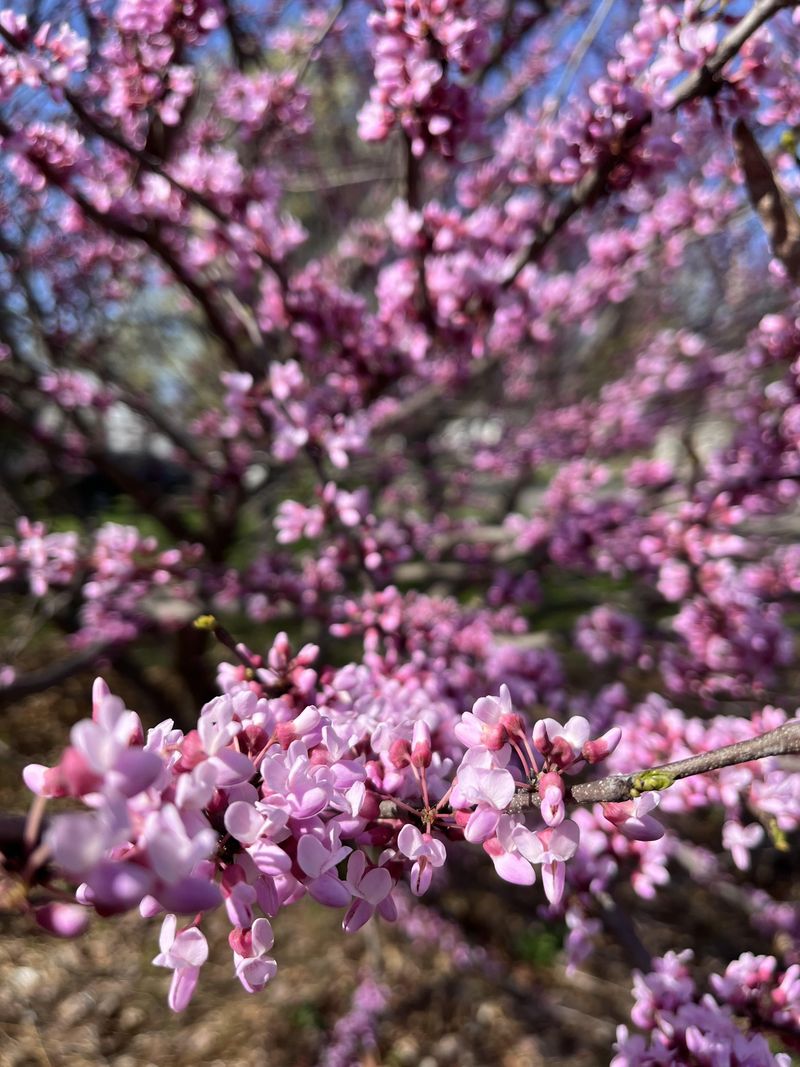
Walking through neighborhoods in Raleigh or Asheville in late spring, it is hard not to notice how a single well-placed tree can completely transform the feel of a front yard.
Native trees like Eastern Redbud, Willow Oak, and Sweetbay Magnolia are especially well-suited to North Carolina’s varied climate, thriving in both the humid Piedmont and the drier mountain regions without requiring excessive care.
Trees contribute far more than shade. They add vertical structure to a landscape, frame views of the home, and create a sense of permanence that younger plantings simply cannot replicate.
Buyers often respond positively to properties with established trees because they signal that the yard has been thoughtfully maintained over time.
When planting, spacing matters more than many homeowners realize. A tree placed too close to the foundation or utility lines can become a liability rather than an asset.
Most native shade trees do best when planted at least 15 to 20 feet from the house, giving roots room to spread without causing damage.
North Carolina’s clay-heavy soils in the Piedmont can make establishment tricky, so amending the planting hole with organic matter and watering consistently during the first growing season helps young trees settle in.
Once established, native trees are remarkably self-sufficient, making them one of the most practical long-term investments a homeowner can make.
2. Add Layered Plantings With Shrubs, Perennials, And Groundcovers
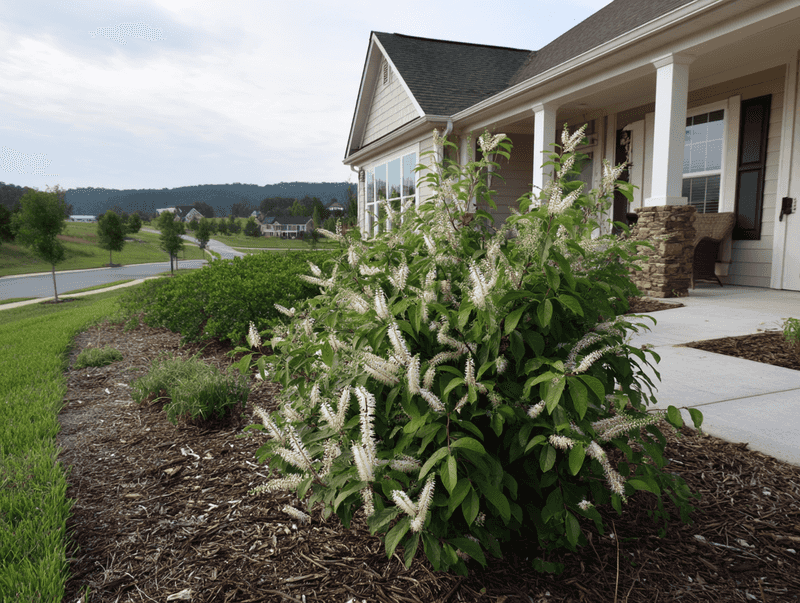
Flat, single-layer flower beds have a way of looking unfinished, especially compared to yards where shrubs, perennials, and groundcovers are arranged in deliberate, overlapping layers.
Layered planting design is one of the most effective ways to add depth and visual interest to a North Carolina landscape without dramatically increasing upkeep. The concept works by combining plants of varying heights.
Taller shrubs like Inkberry Holly or Virginia Sweetspire anchor the back of a bed, mid-height perennials such as Coneflower and Black-Eyed Susan fill the middle, and low-growing groundcovers like Creeping Phlox or Liriope soften the edges.
The result is a planting that looks intentional and full throughout the growing season. North Carolina’s long growing season is a real advantage here.
With the right plant selection, a layered bed can offer something interesting from early spring through late fall, which makes a strong impression whether a home is being shown in April or October.
Maintenance is manageable when plants are chosen to suit local conditions. Native and adapted perennials generally need only light pruning once or twice a year, and groundcovers reduce the need for frequent weeding by shading out unwanted plants.
Your North Carolina Garden Changes Every Week. Your Plan Should Too.
Gardening in North Carolina changes quickly throughout the season. Every Friday you’ll receive a simple weekly plan showing exactly what to plant, prune, fertilize, harvest, and protect so you never miss the right timing.
For homeowners who want their yard to look professionally designed without hiring a crew every week, layered planting offers a rewarding return on both time and money.
3. Upgrade Walkways With Durable, Low-Maintenance Materials
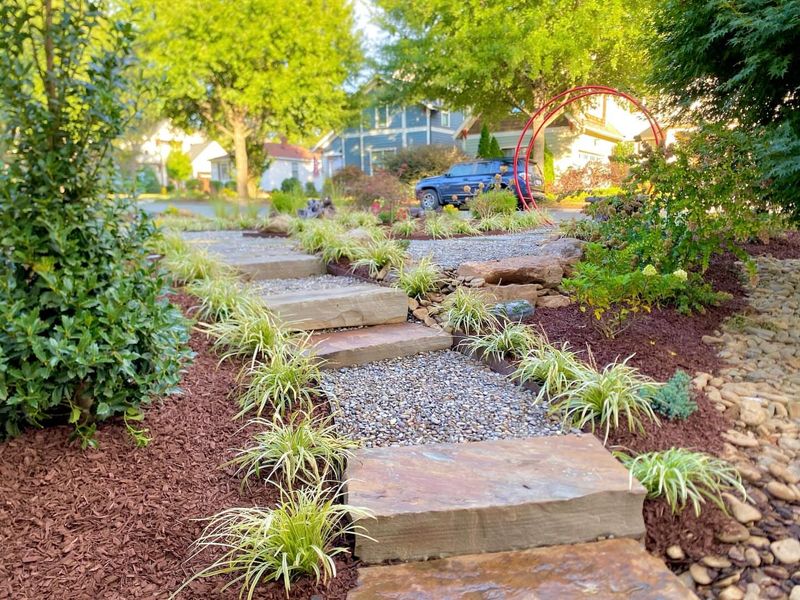
Cracked concrete and uneven stepping stones are among the first things buyers notice when approaching a home, and not in a good way.
Upgrading a front walkway with durable, attractive materials is one of the most straightforward ways to sharpen a property’s first impression and signal that the home has been well cared for.
In North Carolina, where humidity, freeze-thaw cycles in the mountains, and heavy summer rains can wear down surfaces quickly, material choice genuinely matters.
Flagstone, brick, and concrete pavers tend to hold up well across the state’s varied climate zones.
They resist cracking better than standard poured concrete and can be reset individually if a section shifts over time, making long-term maintenance more manageable. Width is worth considering too.
A walkway that is at least four feet wide feels welcoming and allows two people to walk side by side comfortably.
Narrower paths can feel cramped and may actually discourage visitors from approaching the front door in a relaxed way.
Lining the walkway with low-growing plants or simple edging helps define the path and keeps the surrounding lawn from encroaching onto the surface.
Even small details like consistent joint spacing and a level surface communicate quality and attention to detail.
For buyers touring a home, a well-designed walkway sets a positive tone before they ever step inside.
4. Install Mulched Beds For A Clean, Finished Look
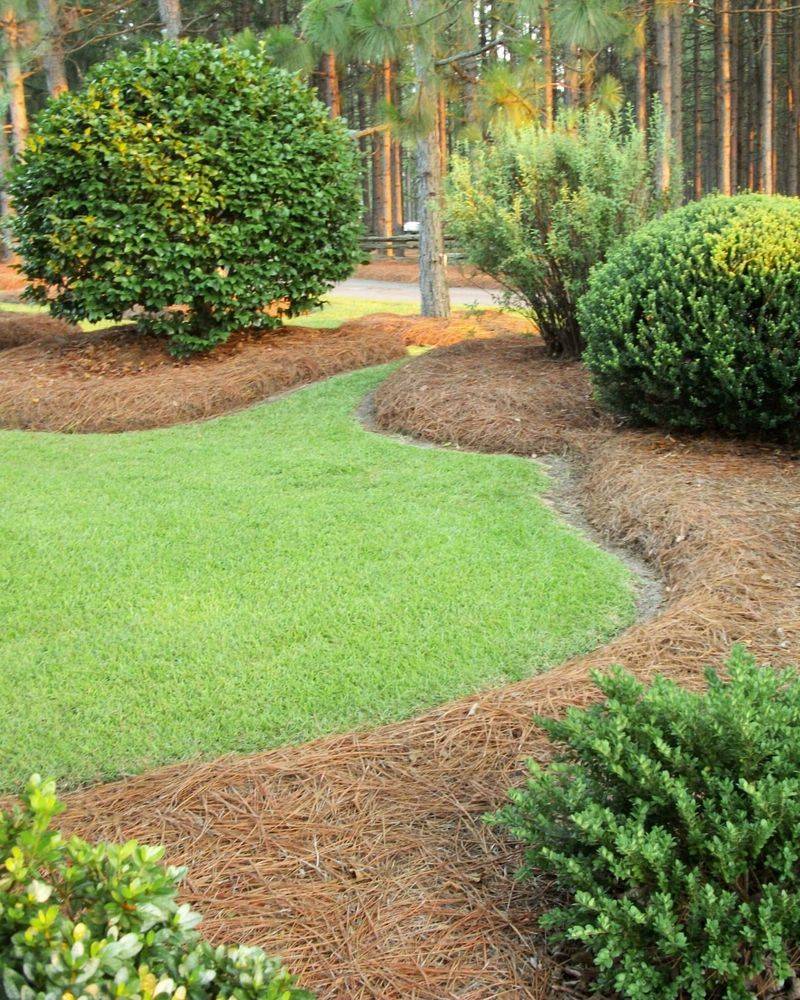
Few upgrades deliver as much visual impact for the effort as freshly applied mulch. A neat layer of mulch across garden beds instantly makes a yard look more polished and intentional, even if the plants themselves are still getting established.
It is one of the simplest ways to signal to buyers that a property has been actively maintained. Beyond appearances, mulch does real work in a North Carolina landscape.
It regulates soil temperature during hot, humid summers and cold winter nights, retains moisture between rain events, and suppresses weed growth that would otherwise require constant attention.
In clay-heavy soils common across the Piedmont, mulch also helps prevent surface compaction and improves water infiltration over time.
Shredded hardwood and pine bark are both popular choices in North Carolina and tend to break down at a reasonable pace, gradually improving soil organic matter.
Pine straw is widely used in the eastern part of the state and works particularly well around acid-loving plants like Azaleas and Blueberries.
Applying two to three inches is generally sufficient, and keeping mulch a few inches away from plant stems prevents moisture-related rot. Refreshing mulch once a year is usually enough to maintain that clean, finished appearance.
For homeowners preparing to list a property, a fresh round of mulching just before photos are taken can make a noticeable difference in how the yard photographs and how it reads during in-person showings.
5. Incorporate Outdoor Lighting To Highlight Key Features
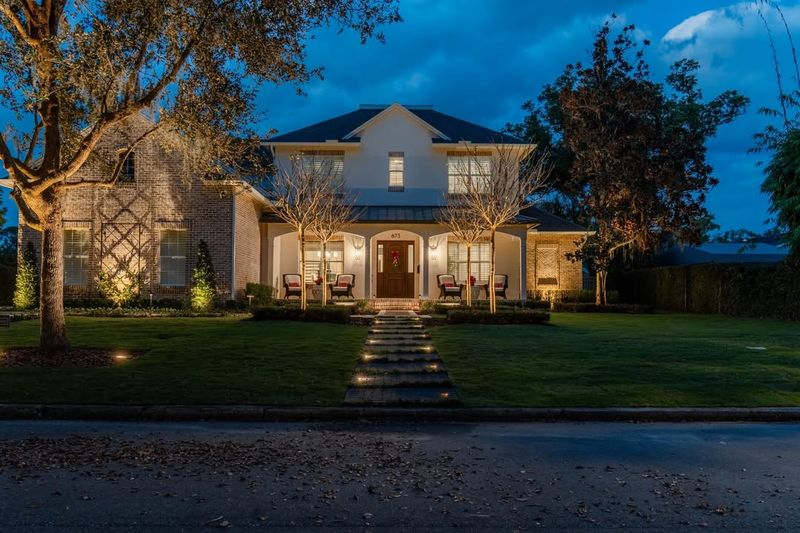
Most homes are seen after dark at some point during the buying process, whether a buyer drives by in the evening or views a listing photo taken at dusk.
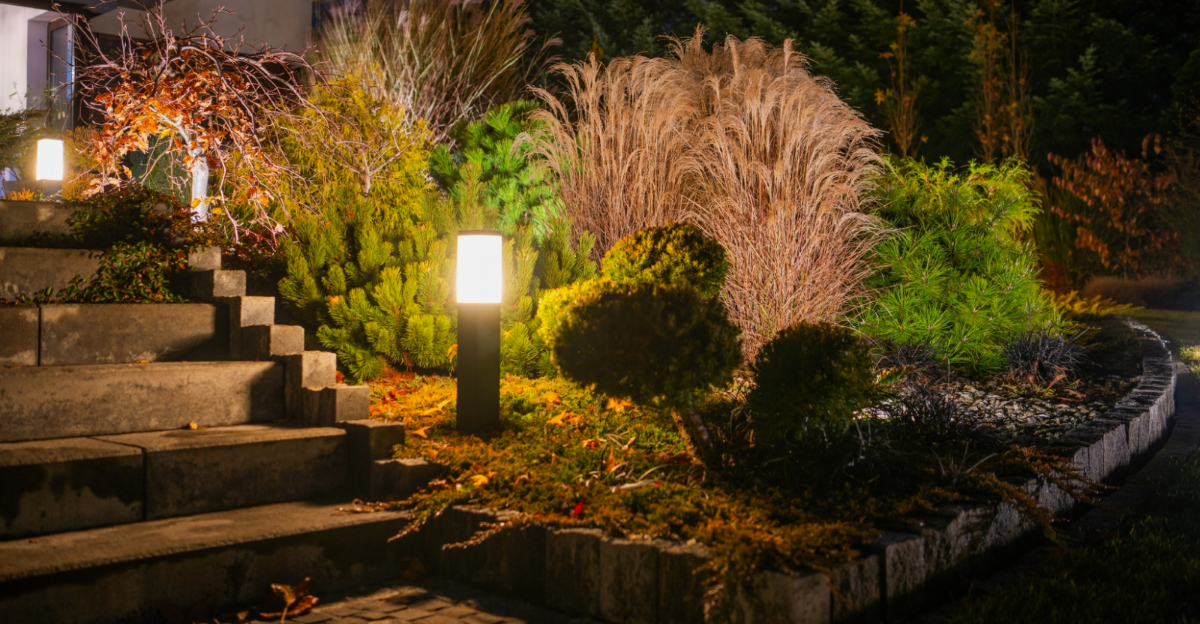
Outdoor lighting plays a surprisingly large role in how a property feels from the street, and a well-lit yard can make a home look polished and secure even after the sun goes down.
The goal with landscape lighting is not to flood the yard with brightness but to highlight specific features in a way that feels intentional.
Path lights along a front walkway improve safety while drawing the eye toward the entry. Uplighting on a mature tree or architectural feature adds drama and depth.
Soft accent lights near planting beds help define the yard’s structure and make the space feel more dimensional.
Solar-powered fixtures have improved considerably and work well in North Carolina’s sun-heavy climate, particularly in the Piedmont and coastal regions.
Low-voltage wired systems offer more consistent output and are worth considering for homeowners who want reliable performance year-round.
One practical tip is to choose fixtures with a warm color temperature, generally in the 2700K to 3000K range, since cooler light can feel harsh and clinical against natural plantings.
Spacing path lights roughly eight to ten feet apart tends to create a balanced, welcoming effect without looking overdone.
Thoughtful outdoor lighting adds both beauty and function, two qualities that resonate strongly with buyers touring a home.
6. Create Defined Garden Borders And Edging
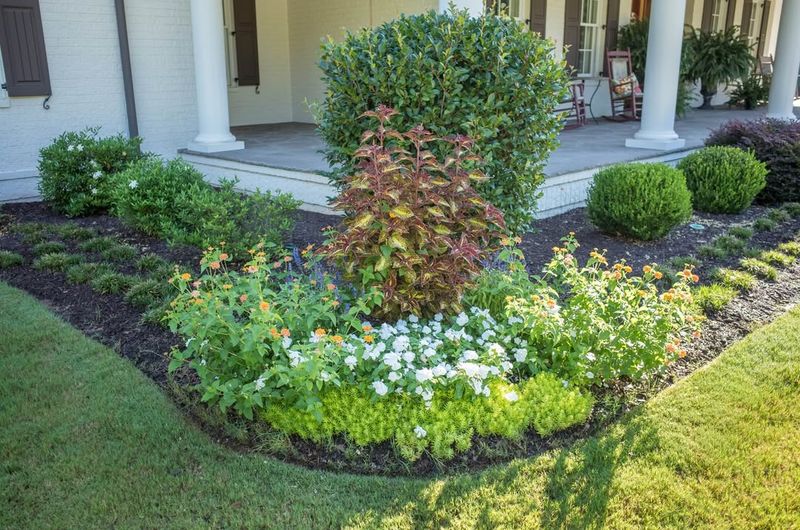
There is something quietly satisfying about a yard where the lawn meets the planting beds in a clean, confident line.
Defined edging might seem like a minor detail, but it has a significant effect on how organized and well-maintained a property appears from the street.
Buyers often pick up on these cues without consciously realizing it. Physical edging materials like steel, aluminum, stone, or brick create a lasting boundary that holds its shape through rain, foot traffic, and seasonal plant growth.
Steel edging is particularly popular in contemporary North Carolina landscapes because it is flexible enough to follow curved bed lines and durable enough to handle the state’s wet summers without rusting quickly when properly coated.
Cut edging, where a spade or half-moon edger is used to create a shallow trench between lawn and bed, is a lower-cost option that works well when maintained regularly.
In North Carolina’s growing season, warm-season grasses like Bermuda and Zoysia can spread aggressively, so keeping up with edging every few weeks during summer is important to preserve the clean look.
Curved bed lines tend to feel more natural and relaxed than perfectly straight borders, which suits the informal character of many North Carolina residential landscapes.
Combining defined edging with fresh mulch and healthy plantings creates a layered, polished effect that elevates the entire front yard and makes a strong first impression on anyone who pulls up to the property.
7. Choose Drought-Tolerant And Climate-Adapted Plants
Summers in North Carolina can be punishing, with stretches of heat and low rainfall that stress plants not suited to the local climate.
Choosing species that are genuinely adapted to the region’s conditions is one of the smartest decisions a homeowner can make, both for the long-term health of the landscape and for reducing the time and money spent keeping it alive.
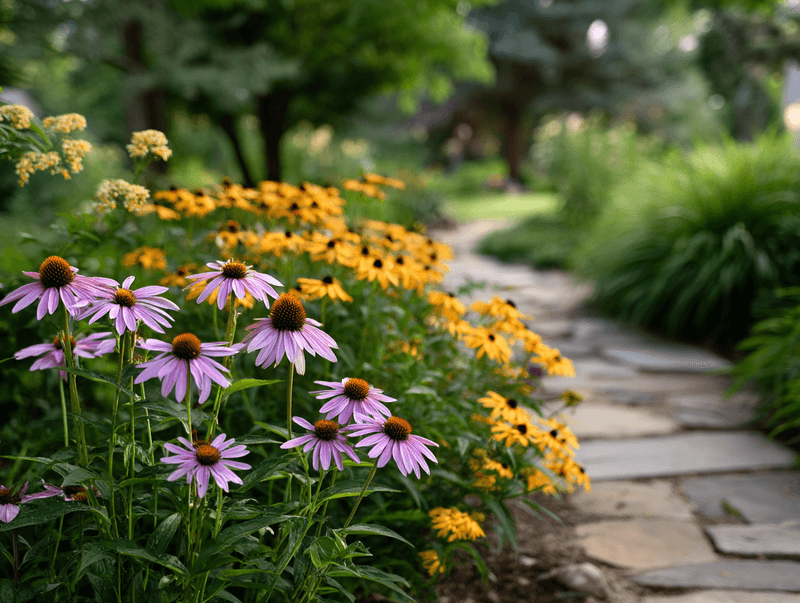
Drought-tolerant plants like Purple Coneflower, Switchgrass, Little Bluestem, and Muhly Grass have become increasingly popular in North Carolina landscapes precisely because they look beautiful without demanding constant irrigation.
Once established, many of these plants need minimal supplemental water, which is a genuine selling point for buyers who want a yard that stays attractive without a demanding maintenance schedule.
Climate adaptation goes beyond drought tolerance. In the mountains of western North Carolina, plants need to handle colder winters and shorter growing seasons.
Along the coast, salt tolerance and wind resistance matter. The Piedmont presents its own challenges with compacted clay soils and variable moisture.
Selecting plants suited to the specific region of the state where the home sits makes a meaningful difference in long-term performance.
Mixing drought-tolerant perennials with native shrubs and ornamental grasses creates a landscape that looks intentional and textured through multiple seasons.
For buyers who may be newer to gardening or simply prefer low-effort outdoor spaces, a yard filled with climate-adapted plants feels like a gift rather than a burden.
8. Add A Small Patio Or Outdoor Seating Area
Outdoor living has become a genuine priority for homebuyers across North Carolina, and it is easy to understand why.
With mild springs, long falls, and summers that are warm but often manageable in the shade, the state’s climate genuinely supports spending time outside for a good portion of the year.
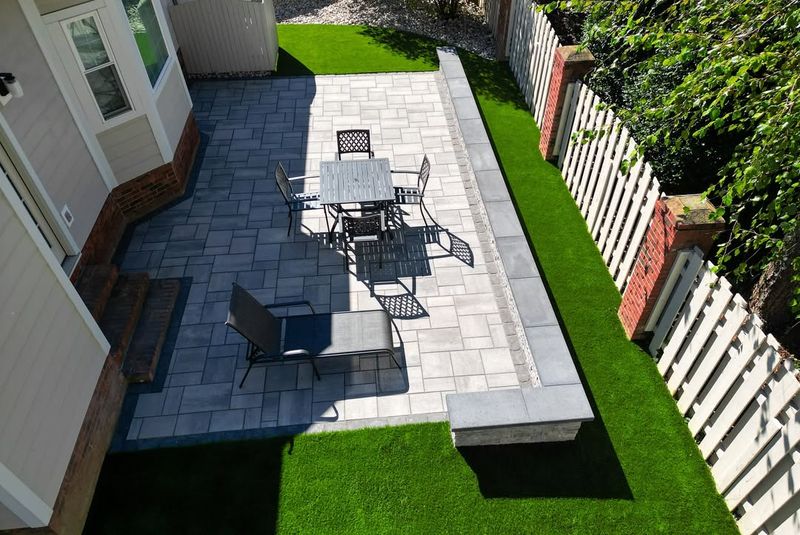
A well-designed patio or seating area turns that potential into reality. Even a modest patio, perhaps 10 by 12 feet, can dramatically change how a backyard feels and functions.
Concrete pavers, natural stone, and brick are all durable choices that hold up well in North Carolina’s humid conditions.
Permeable paver options are worth considering in areas with heavy clay soils, since they allow rainwater to drain rather than pool on the surface.
Placement matters as much as materials. A patio positioned to take advantage of afternoon shade, whether from the house itself or a nearby tree, becomes a genuinely comfortable retreat during summer months.
Connecting the patio to the home’s back door with a smooth transition makes the space feel like a natural extension of the interior rather than an afterthought.
Simple additions like container plants, a small bistro table, or a modest pergola can help buyers visualize how they would actually use the space.
Outdoor seating areas consistently rank among the features buyers mention when describing what made a home feel livable, making this one of the most emotionally resonant upgrades a North Carolina homeowner can invest in.