7 Native Trees That Feed Virginia Birds Through December
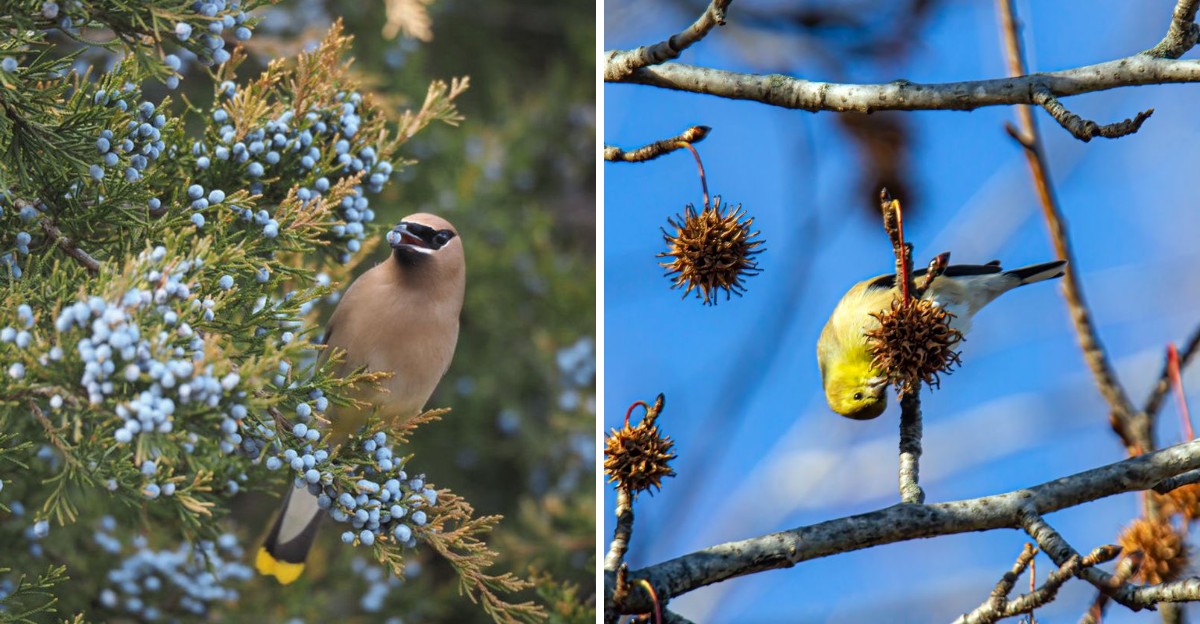
Cedar waxwings can survive for several months eating almost nothing but fruit, according to Cornell bird experts. That fruit has to come from somewhere, and December branches in Virginia hold more of it than you might guess.
Some native berries actually become more appealing to birds after a hard freeze softens them. Other trees drop rich nuts and tiny seeds that hungry flocks keep picking through long after the leaves fall.
Few winter sights beat a mixed flock of robins and bluebirds stripping a branch in minutes. It’s easy to see why backyard birders across Virginia get a little competitive about which trees they plant.
A single well-chosen tree can keep feeding visitors long after the feeders run empty. Which native trees keep the pantry open once the cold finally settles over your yard?
1. American Holly
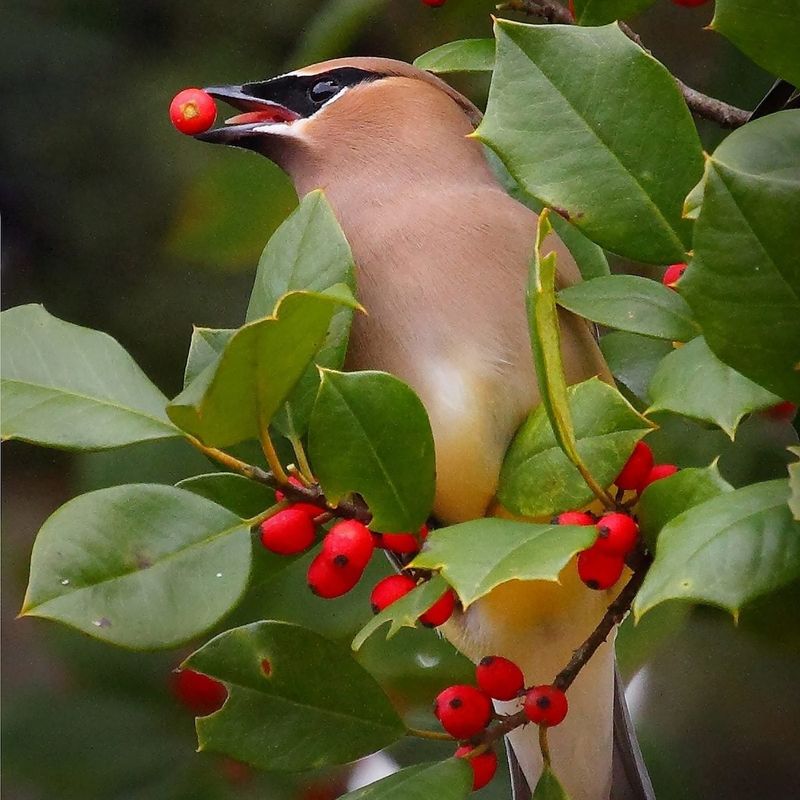
Glossy green leaves and scarlet berries make this tree look like it was decorated just for the holidays. Birds seem to agree, though many wait until late winter before they finally start gobbling the fruit.
American holly, or Ilex opaca, is a native evergreen that often grows fifteen to thirty feet tall in yards. In the wild it can climb much higher, forming a neat pyramid of spiny, leathery leaves.
Robins and cedar waxwings are frequent visitors, while mockingbirds sometimes guard a favorite holly from rivals all winter. The dense, prickly branches also give small songbirds a safe place to hide from hawks on cold nights.
Here’s something worth knowing before you buy one, since hollies come as separate male and female plants. Only females produce berries, so plan on one male nearby to pollinate several female trees in your yard.
Holly does best in moist, well-drained, slightly acidic soil with anything from full sun to partial shade. It grows slowly, so patience pays off, and a young tree rewards you within a handful of years.
Keep in mind that the berries are toxic to people and pets, even though birds handle them well. Plant it away from spots where curious toddlers or snacking dogs spend most of their outdoor time.
Honestly, few native trees work this hard while asking for so little care in return from you. Water it well during its first summer, then mostly let it carry on with its winter feeding job.
2. Eastern Red Cedar
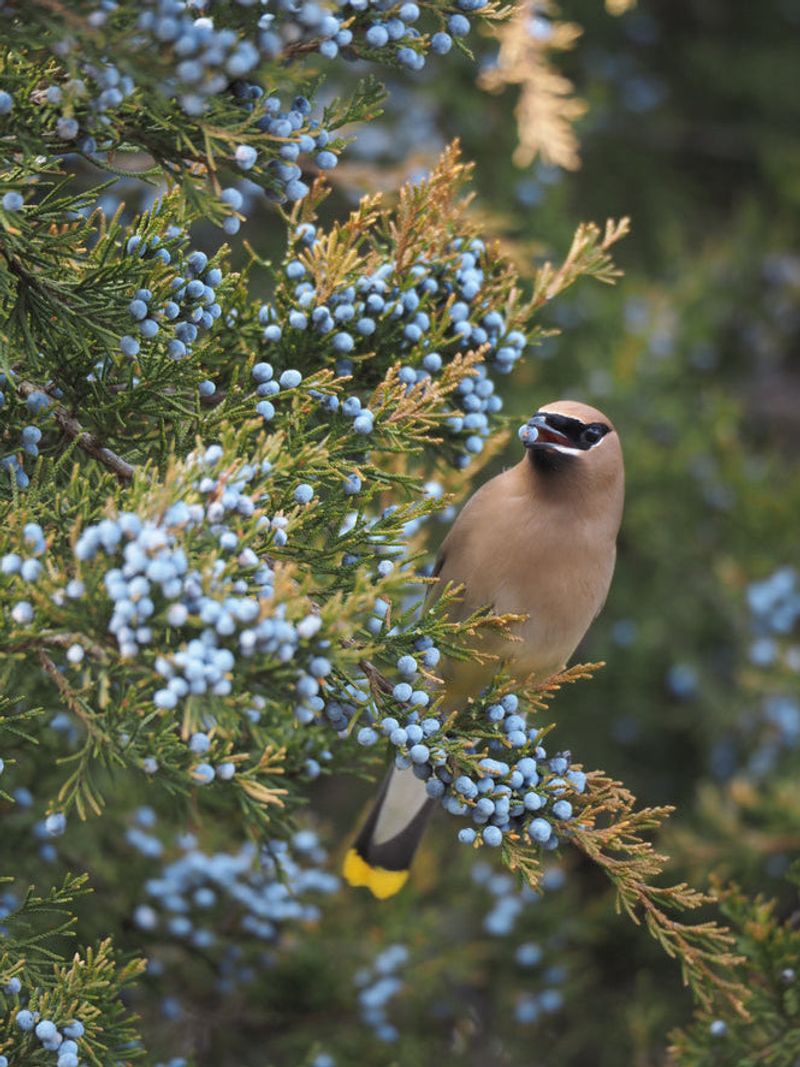
Those dusty blue berries on an eastern red cedar are not really berries at all, but fleshy cones. Cedar waxwings earned their name from this tree, and you’ll often spot them gulping the cones in winter.
Juniperus virginiana is a tough native evergreen that commonly reaches thirty to forty feet in home landscapes. Its shaggy reddish bark peels in thin strips, and the foliage gives off a clean, spicy scent.
Like holly, it grows as separate male and female trees, and only the females carry those bluish cones. The fruit ripens in fall and often hangs on through winter, feeding birds when other choices run thin.
Bluebirds and robins join the waxwings, and yellow-rumped warblers lean heavily on juniper cones during cold months. The thick foliage also makes a cozy winter roost where songbirds can shelter from wind and sleet.
I’m always surprised by how little this tree asks of a gardener once its roots settle into place. It tolerates poor, dry, rocky soil and handles drought better than most trees in the eastern states.
You might want to think twice about planting it beside apple orchards, though, because of cedar-apple rust. This fungus swaps between junipers and apple trees, leaving orange galls on cedars and spots on apple leaves.
Give it full sun and some elbow room, and it can serve as a living windbreak for years. A small row along a property line makes a wonderful winter shelter for birds hunting for an easy meal.
3. American Persimmon
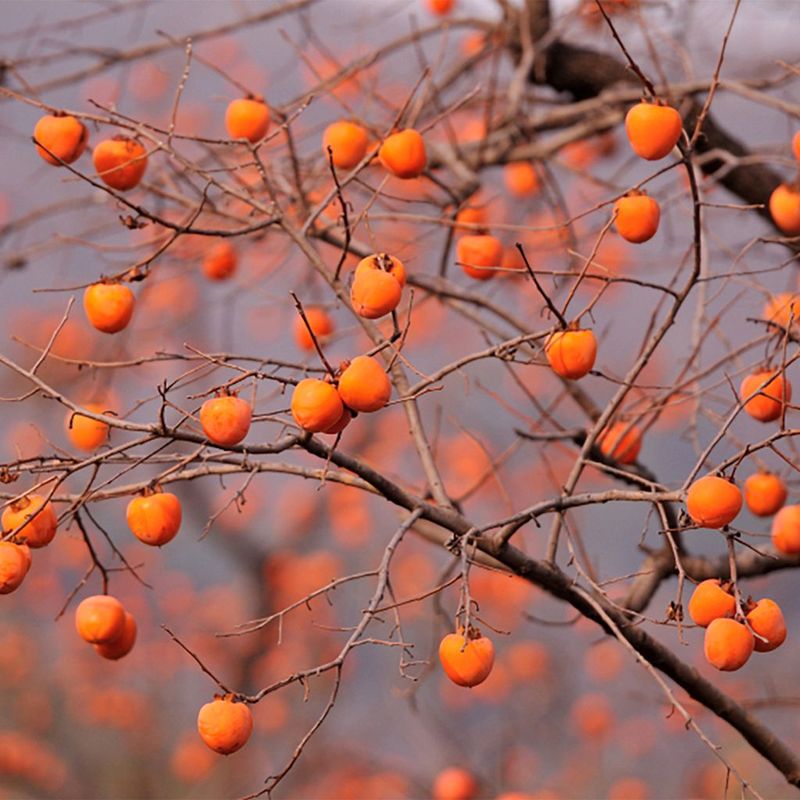
Anyone who has bitten an unripe persimmon remembers the shocking pucker that seems to dry out their whole mouth. Wait until the orange fruit turns soft and wrinkly, and it becomes sweet enough to rival candied dates.
Diospyros virginiana grows wild across much of the state and usually reaches thirty to sixty feet tall. Its dark bark breaks into thick, blocky squares that look a bit like alligator skin up close.
Fruits ripen from September into winter, and some cling to bare branches well into December in many years. That lingering habit makes it a treat for mockingbirds and robins, along with plenty of furry visitors below.
Opossums and foxes eagerly gather the dropped fruit, so you may notice new tracks under the tree. Deer also love persimmons, which means fallen fruit rarely sits on the ground very long after a windy night.
Most native persimmons are male or female, so you’ll usually need both kinds for a good fruit set. Ask your nursery about named cultivars, since some selections can produce fruit without a nearby male partner.
Persimmon tolerates many soils, from dry sandy slopes to moist bottomland, and prefers full sun for heavy crops. It sends down a long taproot, so plant a young tree rather than trying to move an older one.
I could be wrong, but I think this tree deserves far more space in suburban backyards. Place it away from patios and driveways, because squished fruit can get messy underfoot during the fall season.
4. Common Hackberry
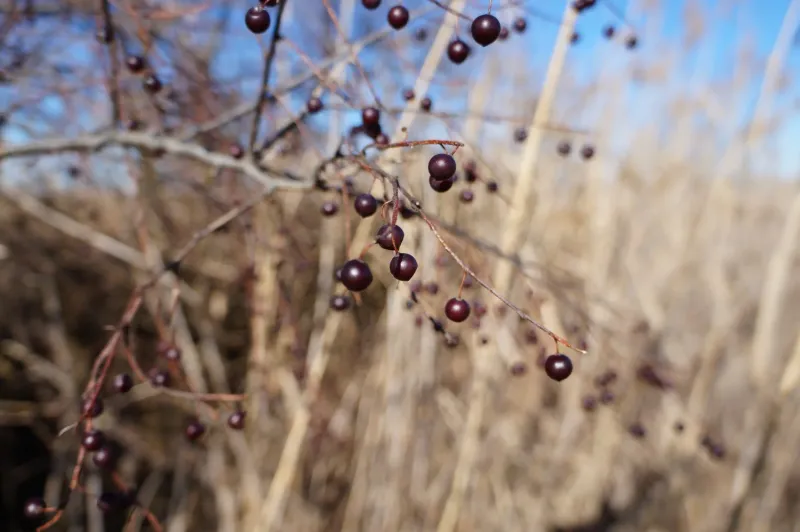
Warty, corky ridges cover the bark of a hackberry, making it one of the easiest trees to identify. Few people notice its tiny purple fruits, yet birds treat them like sugary snacks all winter.
Celtis occidentalis is a sturdy native shade tree that often grows forty to sixty feet tall in yards. Each small fruit, called a drupe, has a thin sweet layer wrapped around a hard seed inside.
Those fruits ripen in fall and often stay on the branches through winter, sometimes lasting into early spring. Cedar waxwings and robins visit regularly, while northern flickers and yellow-bellied sapsuckers also stop by for a bite.
What I find interesting is that hackberry also supports several butterflies, including the hackberry emperor and the American snout. Those caterpillars later feed nesting birds in spring, so one tree helps feathered neighbors across several seasons.
Hackberry handles tough city conditions, including heat, wind, drought, and compacted soil that would trouble fussier trees. It grows in full sun or partial shade and accepts both clay and sandy soils without much complaint.
You might notice bumpy leaf galls or a bit of witches’ broom, which look odd but rarely cause harm. Tiny insects called psyllids create those leaf galls, and the tree mostly shrugs them off season after season.
Don’t be surprised if your hackberry draws more winter traffic than the fancy ornamental trees around it. Plant it where you can watch from a window, because the birds seem to visit at almost every hour.
5. Green Hawthorn
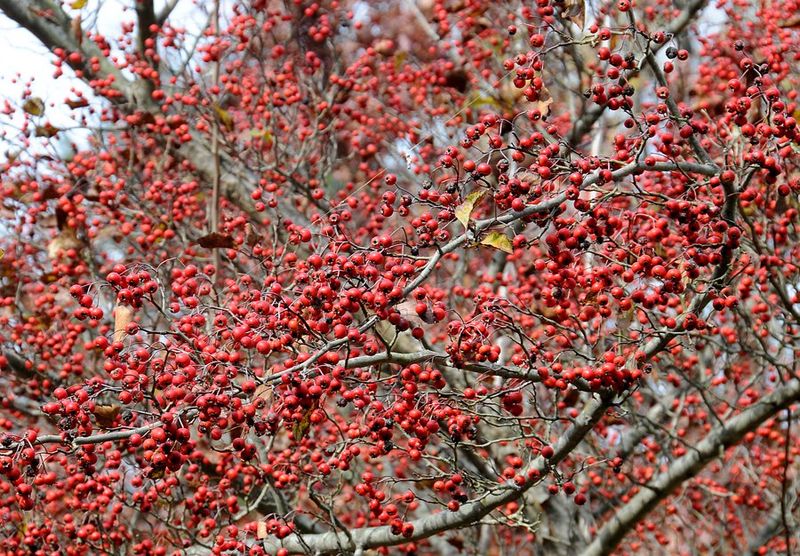
Bright red fruits hanging on bare, silvery branches make green hawthorn look like a winter ornament come to life. The popular cultivar Winter King earned its name because those fruits often stay put deep into the cold season.
Crataegus viridis is a small native tree, usually twenty to thirty-five feet tall, with a rounded crown. It grows naturally in Virginia’s Coastal Plain, often along streams and in moist woodland edges.
White flower clusters appear in spring, and the small red fruits ripen in fall before the leaves drop. Many hawthorns lose fruit quickly, but this one holds its crop longer than most, which birds appreciate.
Cedar waxwings and robins are the usual diners, often arriving in noisy groups that clear branches surprisingly fast. The thorny twigs also give small birds a protected perch where predators have a harder time reaching them.
Here’s what caught my attention: Winter King has fewer thorns than many hawthorns, making it friendlier near walkways. It also shows decent resistance to some leaf diseases that commonly trouble other hawthorns in humid eastern summers.
Plant it in full sun with well-drained soil, though it handles clay and occasional wet spells reasonably well. Prune only in late winter if needed, removing crossing branches while you can clearly see the tree’s structure.
I can see why gardeners love this tree for smaller lots where a giant oak would feel crowded. It offers spring blossoms along with a long-lasting winter fruit display, all packed into one compact trunk.
6. White Oak
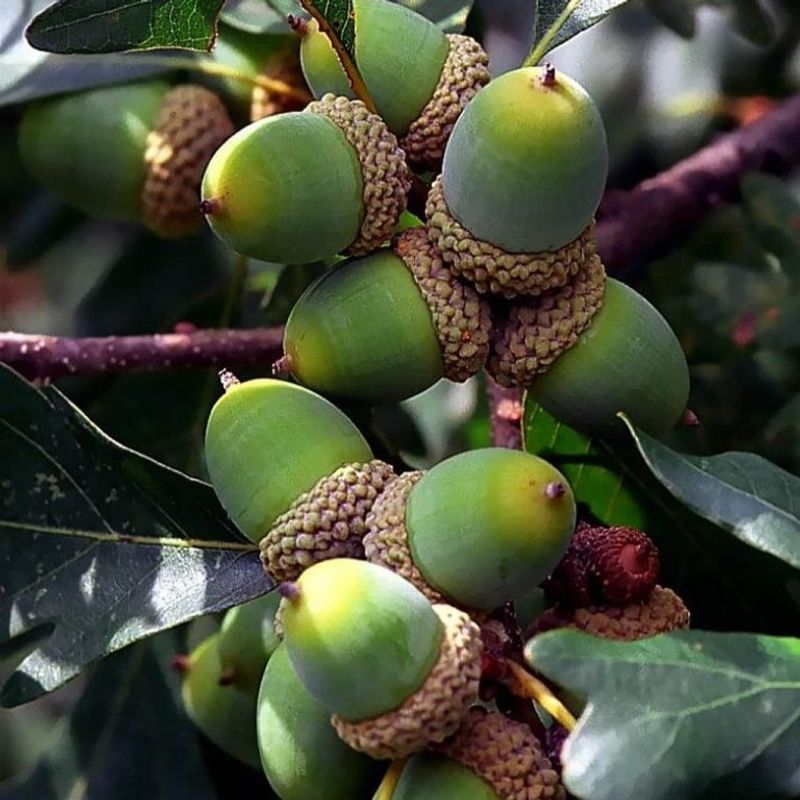
A blue jay can carry several acorns at once, tucking them into a stretchy throat pouch before flying off. Many of those acorns get buried and forgotten, which quietly helps plant the next generation of oak forests.
White oak, or Quercus alba, is a long-lived native giant that can reach eighty feet or more. It grows slowly, so think of it as a gift to future gardeners as much as to yourself.
Acorns drop in fall, and birds keep eating the stored or fallen nuts well into the winter months. Woodpeckers and wild turkeys feast on them, while white-breasted nuthatches wedge acorn bits into bark cracks for later.
White oak acorns are sweeter and lower in tannins than red oak acorns, so wildlife often eats them first. Crops vary from year to year, with heavy mast years arriving every few years instead of every single fall.
Here’s something worth knowing: oaks support hundreds of caterpillar species, more than nearly any other tree genus in eastern forests. Those caterpillars become baby bird food in spring, so this tree feeds birds long after December fades away.
Give white oak full sun and deep, well-drained, slightly acidic soil, with plenty of room for wide branches. Avoid digging or piling soil around established oaks, since their roots spread far and resent disturbance.
The way I see it, planting an oak is the most generous move a backyard gardener can make. Start with a small, young tree, because it often establishes faster than a larger nursery specimen would.
7. Sweetgum
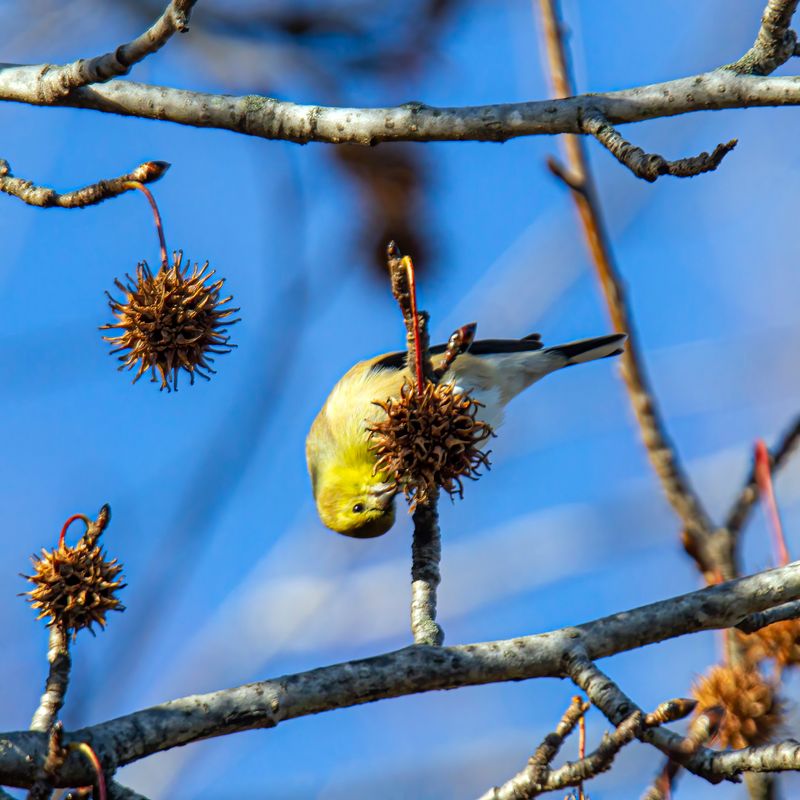
Those spiky gumballs that crunch underfoot and annoy barefoot kids are actually tiny seed pantries for winter birds. Each ball holds dozens of small winged seeds, and many stay tucked inside the pods well into winter.
American goldfinches love them, hanging upside down on the swaying balls while they pry seeds loose with their bills. Pine siskins and Carolina chickadees join in, and dark-eyed juncos often pick up seeds that fall below.
Liquidambar styraciflua is a fast-growing native tree that commonly reaches sixty to seventy-five feet tall in home landscapes. Its star-shaped leaves turn glowing shades of purple and gold in autumn before they finally drop away.
I wouldn’t necessarily say sweetgum belongs right beside a patio, since those prickly balls can twist ankles. Plant it at the back of a yard or near woods, where fallen seed pods cause fewer problems.
Sweetgum prefers full sun and moist, slightly acidic soil, and it naturally grows along streams and bottomlands. It also tolerates fairly wet sites, which makes it useful in low spots where other trees might struggle.
Fruitless cultivars like Rotundiloba exist, but they skip the seeds that make this tree valuable to winter finches. If birds are your goal, stick with the regular seed-bearing form and simply manage the mess wisely.
You might be surprised how many goldfinches show up once you start watching your sweetgum on December mornings. Grab some binoculars and a warm mug, then enjoy the acrobatic little show from your kitchen window.