Fishers Are Moving Into Northeast Ohio, and Most People Have Never Heard of Them
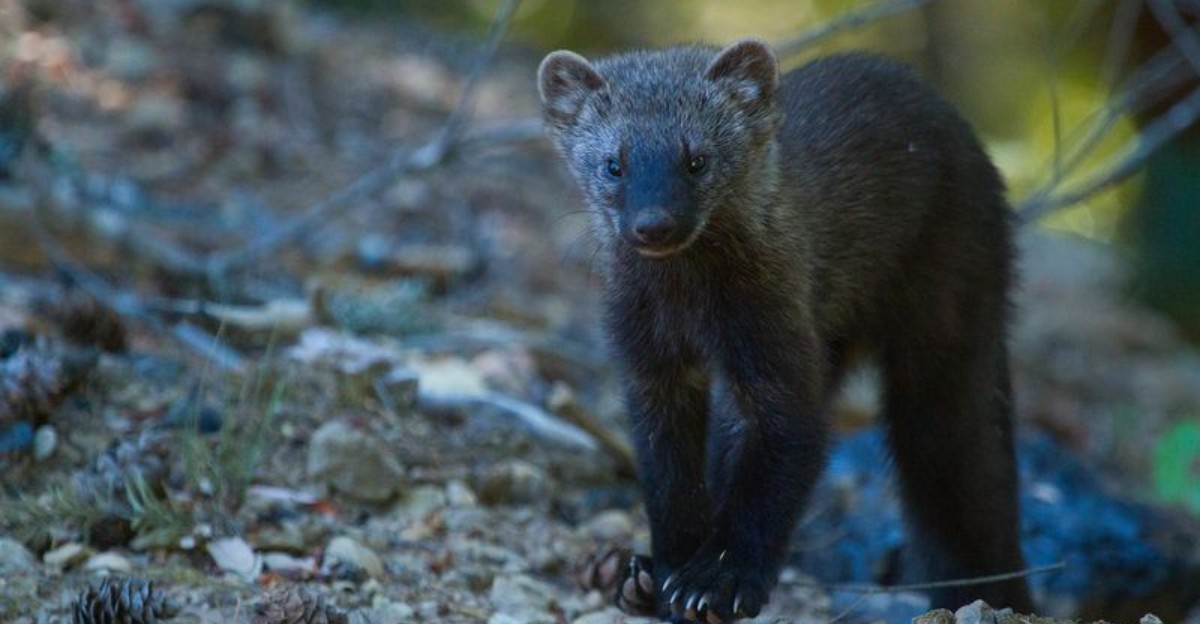
A wild animal that can climb down a tree headfirst is now padding through the woods of Northeast Ohio. It spent roughly 150 years gone from the state, and almost nobody noticed it slipping back in.
I love a good comeback story, and this one has real teeth. The creature is dark, sleek, and about the size of a house cat.
Folks who glimpse one often guess it is a giant squirrel, a mink, or a black cat with a very bushy tail.
It is none of those things. It still amazes me how many of us garden, hike, and fill bird feeders right next to its territory without a clue.
Meeting the secretive creature rustling around those back woodlots might leave you thrilled, a little nervous, or a bit of both.
That Dark Furry Shape Darting Through Ohio Woods Has a Backstory
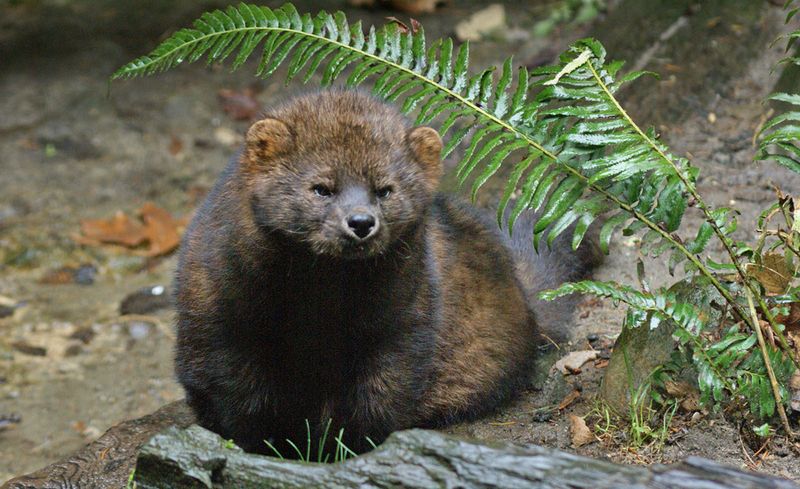
Trail cameras started catching something odd a few years back. A long, dark animal with a fluffy tail kept strolling past, and wildlife biologists got excited fast.
The animal is the fisher, a forest-loving member of the weasel family. It once lived across Ohio but vanished by the mid-1800s.
Now it is quietly returning, mostly in the northeastern corner of the state.
Counties like Ashtabula, Trumbull, Geauga, and Mahoning have logged most of the confirmed sightings. Reports have climbed over the past several years, which tells experts these visitors are not just passing through by accident.
I find that wonderful, honestly. Most of us grew up thinking our woods held deer, raccoons, foxes, and squirrels, and that was about it.
A whole predator was missing from the picture, and few people realized it.
The fisher is shy and active mostly at dawn, dusk, and night. That explains why so many residents have no idea one may live a mile or two from their vegetable beds.
If your neighbor swears they saw a strange black cat with a weasel face near the creek, do not laugh. They may have spotted one of the most interesting wildlife returns in the region.
Fisher Cats Are Not Cats and Hardly Ever Eat Fish
Blame early settlers for the confusing name. People call them fisher cats, yet they belong to the Mustelidae family along with otters, minks, martens, and weasels.
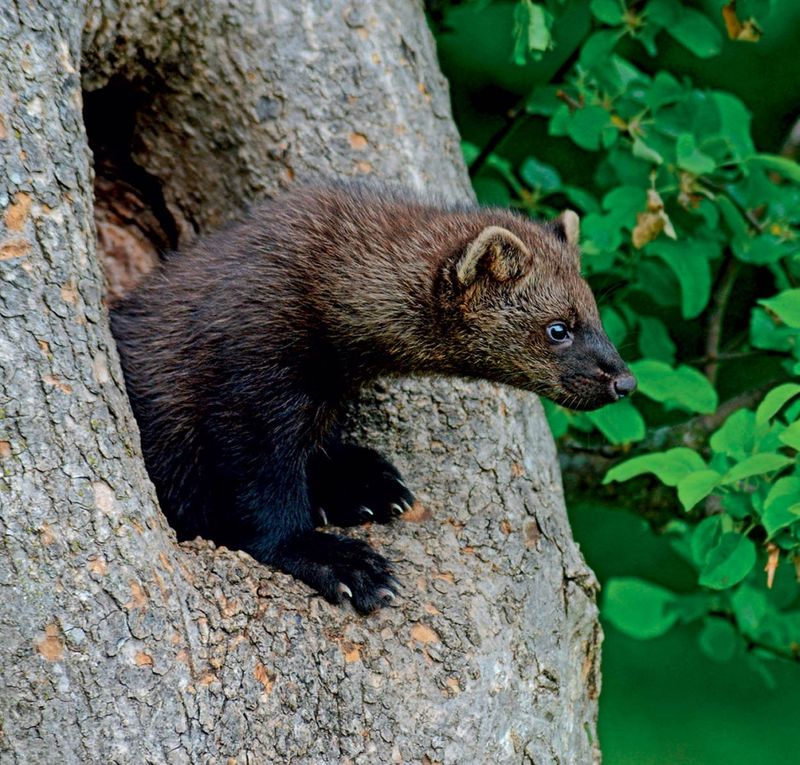
Picture-perfect identification comes down to a few clues. Look for dark brown to nearly black fur, a pointed face, small rounded ears, short legs, and a long, thick tail.
Fur around the head and shoulders often looks a bit grizzled or frosted.
Males can stretch over three feet long, tail included, and weigh up to about 13 to 20 pounds. Females run noticeably smaller, often around half that weight.
Here comes the fun fact. Fishers can rotate their back feet, which lets them climb down trees headfirst like a squirrel.
Few mammals of their size can pull that off.
And the name? Nobody knows for sure.
One popular theory traces it to an old European word for a polecat pelt, not to fishing at all.
Mix-ups happen often. Minks are smaller and stick close to water, while otters are plumper and swim constantly.
If you see a dark animal bounding through upland woods far from any stream, a fisher deserves a spot on your guess list.
Pennsylvania Fishers Wandered West Into Regrown Ohio Forests
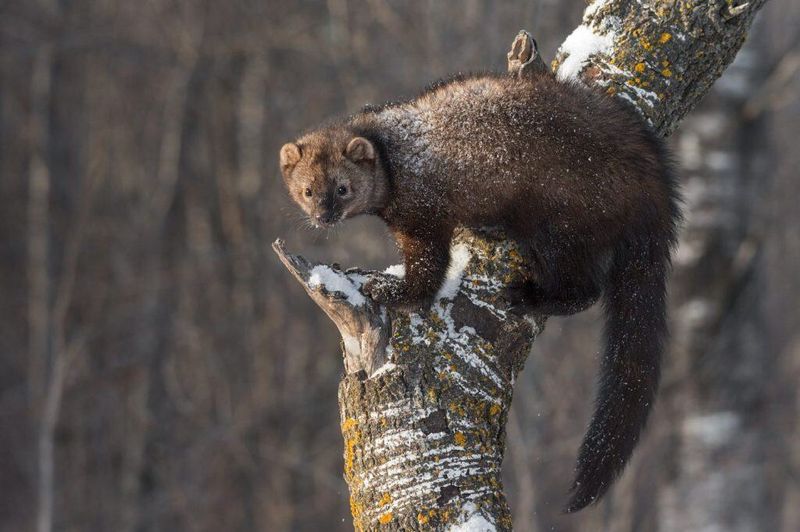
Two big changes opened the door for this return. Trees came back, and neighbors sent fishers our way without even trying.
Back in the 1800s, heavy logging and unregulated trapping pushed fishers out of Ohio. Farms replaced much of the forest, and these woodland hunters had nowhere left to hide.
Pennsylvania released fishers in the 1990s to restore its population, and West Virginia had done the same decades earlier, in 1969. Those programs worked well.
Young fishers wander widely looking for their own territory, and some crossed the state line on their own.
Ohio was ready for them. Forest cover across the state has grown by roughly a million acres since the late 1900s, giving dispersing animals the shady, connected woods they need.
Ohio never released fishers itself. Every animal here arrived by natural movement, which I think makes the story extra satisfying.
Is there a breeding population yet? Officials have been careful about that word.
A pregnant female found in Ashtabula County in 2023 strongly hinted that young are being born here, though a fully established population has not been officially declared.
That caution is healthy. Comebacks take time, and the next few years of sightings will tell us much more.
Squirrels, Mice, and Even Porcupines Land on a Fisher’s Menu
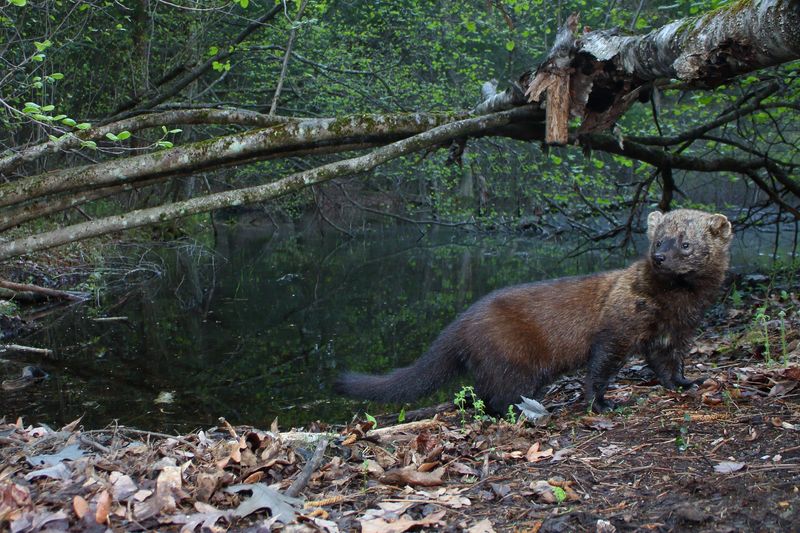
Gardeners, pay attention, because this part might make you smile. Fishers love eating the very critters that dig up bulbs and raid tomato plants.
Their main meals include mice, voles, chipmunks, squirrels, and rabbits. They also take birds, eggs, insects, and the occasional reptile.
When prey runs low, they happily snack on berries, nuts, apples, and carrion.
Fish? Rarely.
Despite the name, fishers seldom go fishing.
Their most famous trick involves porcupines. A fisher circles a porcupine and attacks its face, avoiding the quills on its back.
Few predators manage that, and the skill helps keep porcupine numbers in check in northern forests.
Ohio has few porcupines, so local fishers mostly focus on rodents and rabbits. That means a fisher living near your woodlot could quietly help with the vole problem chewing your hosta roots.
I would not count on a fisher as pest control, though. Each one roams a large territory, sometimes several square miles, so its impact on any single yard stays modest.
Still, a healthy predator in the woods signals a balanced food web. More hunters at the top usually means fewer runaway rodent booms below.
Mature Woods With Hollow Logs Make the Perfect Fisher Hideout

Old, messy forests are a fisher’s dream home. They crave thick tree cover, big trunks, and plenty of hiding spots.
Females raise their kits in tree cavities high above the ground, often in large hollow trees. Fishers also rest inside brush piles, rock crevices, fallen logs, and abandoned burrows.
Kits arrive in early spring, usually March or April. Mom handles all the parenting, and young fishers head off to find their own space by late summer or fall.
So where might you encounter one in Ohio? Big forested tracts in the northeast hold the best odds, including state forests, wildlife areas, and wooded river corridors near the Pennsylvania line.
Some have even turned up closer to suburban edges.
Don’t expect a sighting on demand, though. Fishers live solitary lives and cover lots of ground each night.
You can help habitat on your own property. Leave standing snags where safe, keep a brush pile in a back corner, and plant native trees like oaks, hickories, and black cherry.
Those choices support the squirrels, birds, and insects fishers feed on, too.
A slightly untidy woodland edge often supports far more life than a neatly raked one.
Keep Chickens and Cats Snug When a Fisher Prowls Nearby

Real talk, neighbors. Fishers mostly avoid people, but they are hunters, and an easy meal gets their attention.
Backyard chickens top the worry list. A fisher can climb, squeeze through small gaps, and slip into a poorly sealed coop.
Use hardware cloth instead of chicken wire, cover runs on top, and lock birds inside every night.
Small pets deserve care too. Attacks on cats and little dogs are uncommon, and many blamed cases turn out to involve coyotes or foxes.
Still, bringing cats indoors and supervising small dogs after dark lowers the risk from every predator.
Food scraps draw trouble. Secure trash cans, feed pets indoors, and sweep up spilled birdseed that attracts mice.
Spotted one in your yard? Give it space and let it move along.
Never try to corner or handle a fisher, since a frightened animal can turn feisty.
Fishers are not a game species in Ohio, and trapping or harming them is not allowed. If one becomes a repeated problem around livestock, contact your local ODNR wildlife officer for guidance.
A few simple habits let you enjoy this neighbor without losing sleep or hens.
Snap a Photo of That Fisher and Send It to Ohio Wildlife Biologists
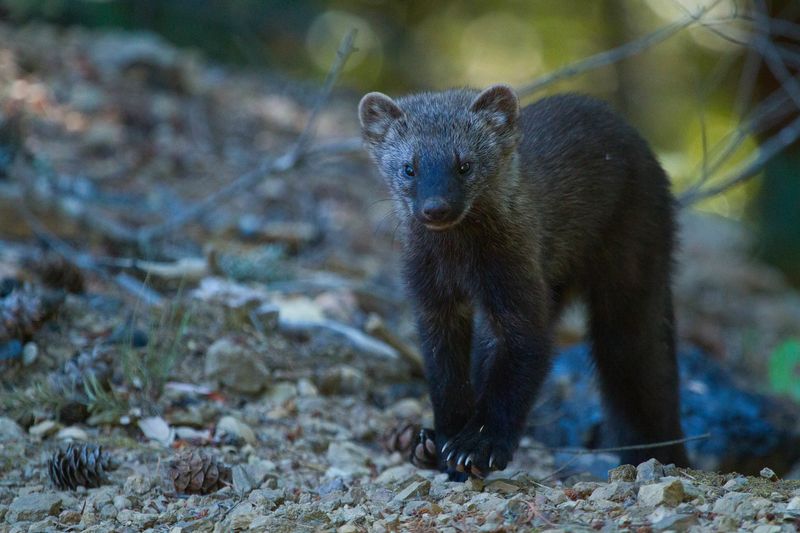
Your phone could turn you into a citizen scientist this year. Every confirmed fisher sighting helps biologists track how far these animals are spreading.
The Ohio Department of Natural Resources lists the fisher as a species of special interest. Officials rely heavily on public reports because fishers are so tough to find on purpose.
Reporting is easy. Use the ODNR wildlife sighting form online or the HuntFish OH app, and include the date, location, and any photos or video you managed to grab.
Pictures matter most. Biologists can verify an image, while a quick description of a dark animal crossing the road leaves room for doubt.
Want better odds? Set up a trail camera along a wooded creek or near a fallen log.
Winter snow also reveals tracks, which show five toes and often appear in paired bounding patterns.
I love that regular folks get a role here. Gardeners, hikers, and hunters spend hours outdoors, and our observations fill gaps no survey crew could cover alone.
So keep your eyes open on those early morning walks. The next report helping confirm a thriving Ohio population might come straight from your own backyard woods.