How Ohio Gardeners Use Deep Mulch To Block Weeds In August Heat
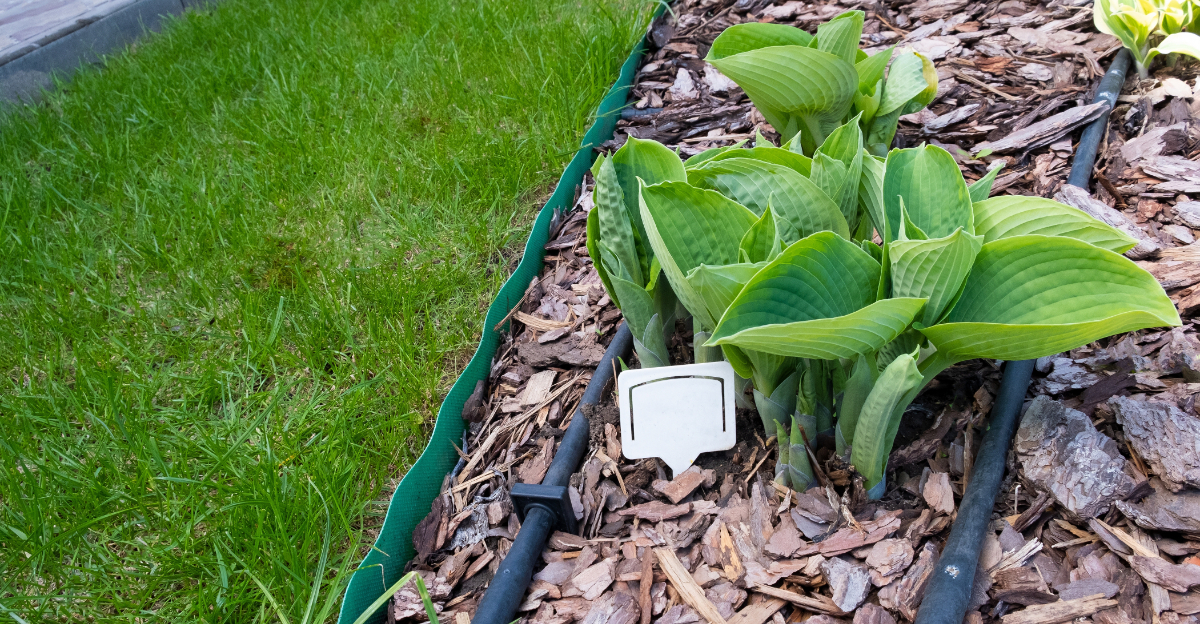
August weeds in Ohio do not need an invitation. They need bare soil, a little heat, and the absence of anything blocking them from doing exactly what they were designed to do.
Pull one and three appear. Spray one patch and another opens up two feet away.
The cycle runs on its own momentum and most Ohio gardeners spend more of August fighting it than enjoying the garden. Deep mulch stops that cycle before it starts.
Not by suppressing weeds after they appear but by removing the conditions that allow them to establish in the first place. The difference between a shallow mulch layer and a deep one is not incremental in August heat.
It is categorical. One manages the problem.
The other prevents it. Ohio gardeners who have built their beds around deep mulch spend August differently than the ones still pulling weeds on a weekly schedule.
1. Pull The Weeds You Have Before Covering The Soil
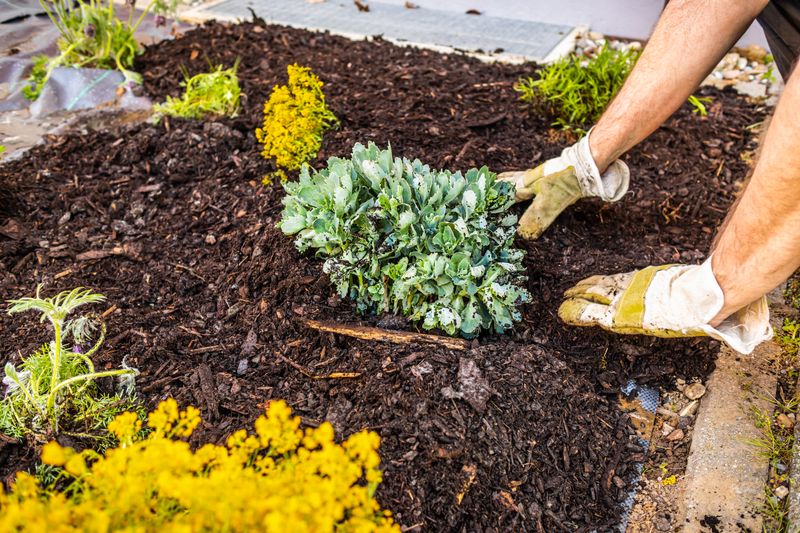
A handful of tall, leafy weeds standing in a bed will not disappear once fresh mulch covers the soil around them. Established plants already have root systems that anchor them well below the surface.
Adding material on top simply gives them a darker backdrop, not a reason to stop growing.
Small weed seedlings are a different matter. Tiny plants that have barely broken the surface are much easier to remove by hand, and they have not yet developed the root depth that makes pulling difficult.
Getting them out before they mature saves real effort later. Annual weeds that flower and set seed can leave behind a large number of seeds in the surrounding soil.
Removing them before that stage is worth the extra attention.
Established perennial weeds present the biggest challenge in Ohio. Plants that spread through underground structures such as rhizomes or deep taproots may regrow even after the visible top is removed.
Those weeds generally need careful digging rather than a simple pull. Disturbing the soil too much during hand weeding can bring buried seeds closer to the surface.
Work carefully and disturb only the areas that need attention.
Once the bed is cleared as thoroughly as possible, the soil is ready for an even layer of mulch. Skipping this step means the new material is working around an existing problem rather than preventing a new one.
2. The Right Mulch Depth Keeps New Weed Seeds In The Dark
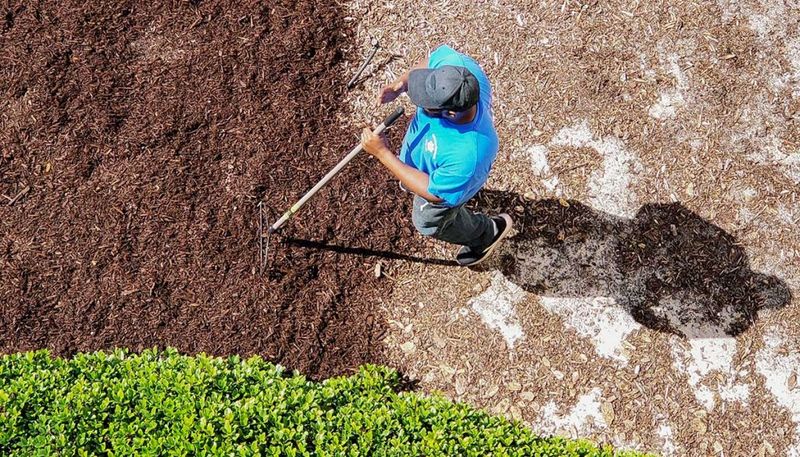
Last year’s mulch is often still present, even when the surface looks thin or faded. Before adding anything new, press your fingers down through the existing layer and measure how much material remains.
Color alone tells you very little about functional depth.
Ohio State University Extension guidance suggests about two to three inches of mulch for most residential beds with shrubs and perennials. That depth provides a practical range for weed suppression.
Some sources extend that range slightly. The goal is consistent coverage that limits light at the soil surface and creates a barrier that emerging seedlings must push through.
Your Ohio Garden Changes Every Week. Your Plan Should Too.
Gardening in Ohio changes quickly throughout the season. Every Friday you’ll receive a simple weekly plan showing exactly what to plant, prune, fertilize, harvest, and protect so you never miss the right timing.
More than three to four inches of organic mulch is generally unnecessary in a landscape bed. Excess depth can create conditions that work against the plants you are trying to protect.
Mulch around trees follows slightly different logic. OSU Extension recommends spreading mulch outward in a wide area while keeping the total depth to about two to four inches, and keeping it away from the trunk entirely.
Piling material higher does not improve weed suppression enough to justify the added risk to the root flare.
Many weed seeds do require light to germinate, though not all do. An adequate, even layer reduces the light reaching bare soil and limits the open surface where new seedlings can get started.
That is the practical mechanism worth understanding.
3. Coarse Mulch Gives Summer Weeds A Harder Path To The Surface
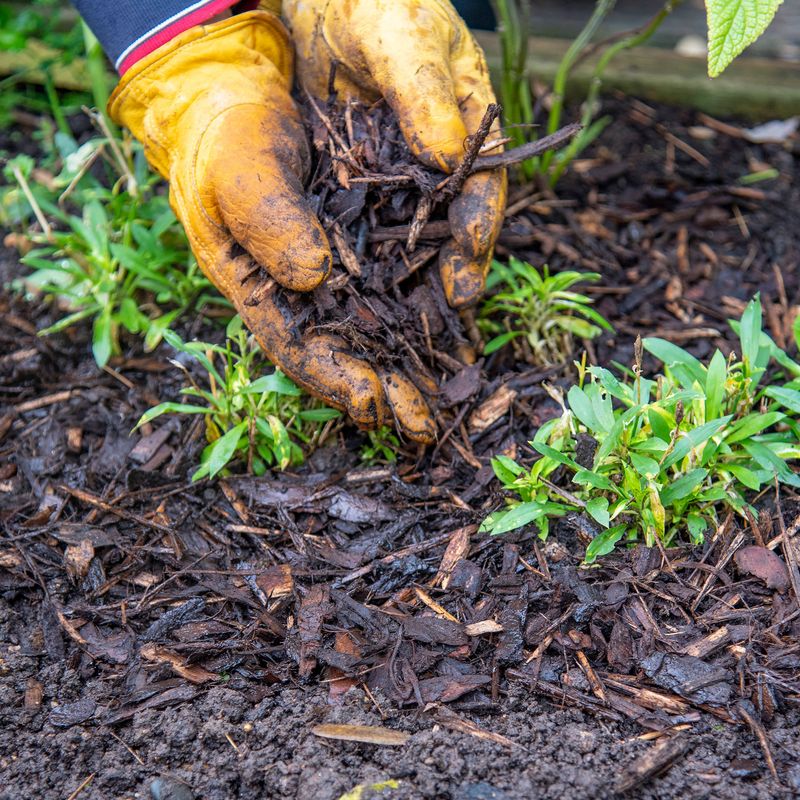
Not every mulch material behaves the same way once it is spread across a bed. Particle size affects how a layer performs over a season, and understanding a few practical differences can help you choose material that suits your landscape.
Coarser materials such as shredded bark or larger wood chips tend to allow water to move through them more freely than very fine materials can.
Fine-textured mulches can mat together over time, forming a surface that sheds rainfall rather than letting it reach the soil below.
That matting also reduces airflow near the soil surface. Coarser materials generally resist that problem longer before they need to be loosened or refreshed.
From a weed suppression standpoint, a coarser layer still creates a physical barrier that small seedlings must push through to reach light.
It does not stop every weed, particularly those with established root systems, but it can make conditions less favorable for new seedlings.
Longevity is another consideration. Finer organic materials break down more quickly, which means they contribute to soil health sooner but also need replenishment more often.
Arborist wood chips are a commonly available coarse option. They are not automatically suitable for every bed, and fresh chips can vary in composition.
Shredded bark products sold at Ohio garden centers are a reliable, widely used alternative for landscape beds. Choose material that fits the specific planting rather than defaulting to whatever is cheapest or most available.
4. Leave Plant Crowns And Tree Trunks Clear Of The Mulch
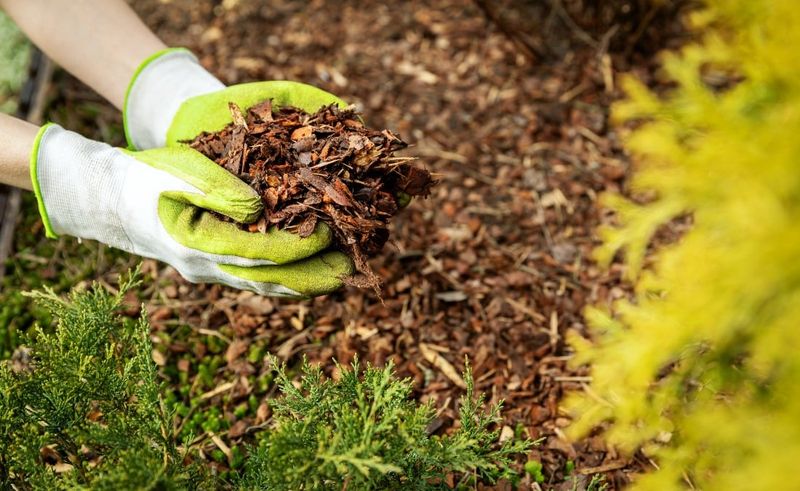
A common sight in residential landscapes is mulch piled in a cone shape directly against a tree trunk. That shape is sometimes called a mulch volcano, and it is worth avoiding.
The goal of mulching around a tree is to cover the soil, not to bury the base of the tree.
OSU Extension guidance is clear on this point. The root flare, which is the visible widening where the trunk meets the soil, should remain exposed.
Mulch that stays in contact with bark for extended periods can create conditions that may affect bark health over time.
Roots may also begin growing upward into a deep mulch pile rather than downward into the soil, which can create structural problems for the tree as it matures.
The same principle applies to shrubs and perennials. Shrub stems should not be buried under accumulated material.
Perennial crowns, the point at the soil surface where stems emerge each season, need to remain accessible to air and light. Covering a crown with a heavy layer of mulch can interfere with the plant’s ability to push new growth through in spring.
Pull mulch a few inches back from trunks, stems, and crowns rather than letting it touch them. The protective value of mulch comes from covering the soil around plants, not from surrounding the plants themselves.
Wide and even beats tall and concentrated every time.
5. Water Dry Beds Before Adding A Fresh Protective Layer
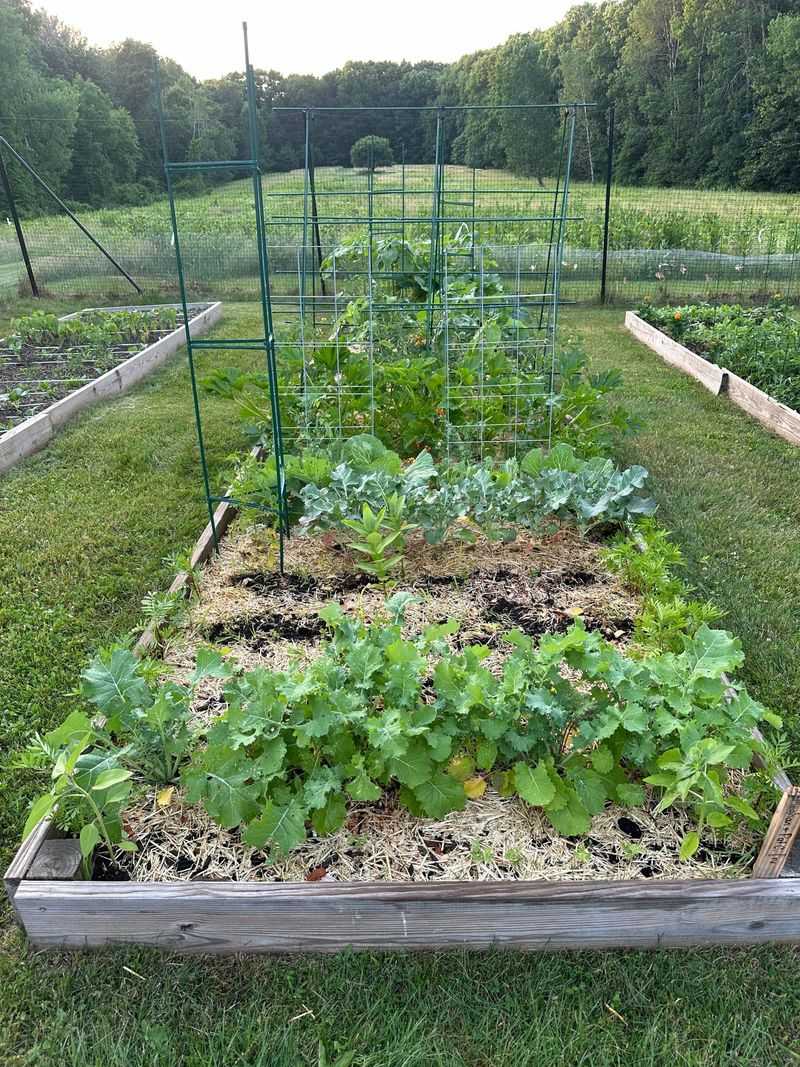
Placing a fresh layer of mulch over bone-dry soil traps that dry condition underneath. Mulch is effective at slowing the loss of moisture that is already present in the soil, but it does not create moisture on its own.
If the soil beneath is dry before the mulch goes down, the plants in that bed start at a disadvantage.
A reasonable step before spreading new material is to check the existing soil moisture. Push a finger or a small trowel a few inches into the soil.
If the soil feels dry at that depth, watering the bed before mulching gives the moisture a chance to reach plant roots before the surface is covered.
How much water is needed depends on the soil type, the plants growing there, and how long the bed has gone without rain in Ohio.
Once mulch is in place, water can still move through an organic layer, though very fine or matted material may slow that process. Check soil moisture beneath the mulch occasionally instead of relying on surface appearance.
This gives you a more accurate picture of what the plants are actually receiving. A dry surface does not always mean a dry root zone, and a moist surface does not guarantee adequate moisture at depth.
Mulch can meaningfully reduce evaporation from the soil surface during hot weather, according to university extension resources. That benefit is real, but it works best when there is existing moisture to conserve rather than a dry bed to cover.
6. Fill Thin Spots Before August Weeds Find An Opening
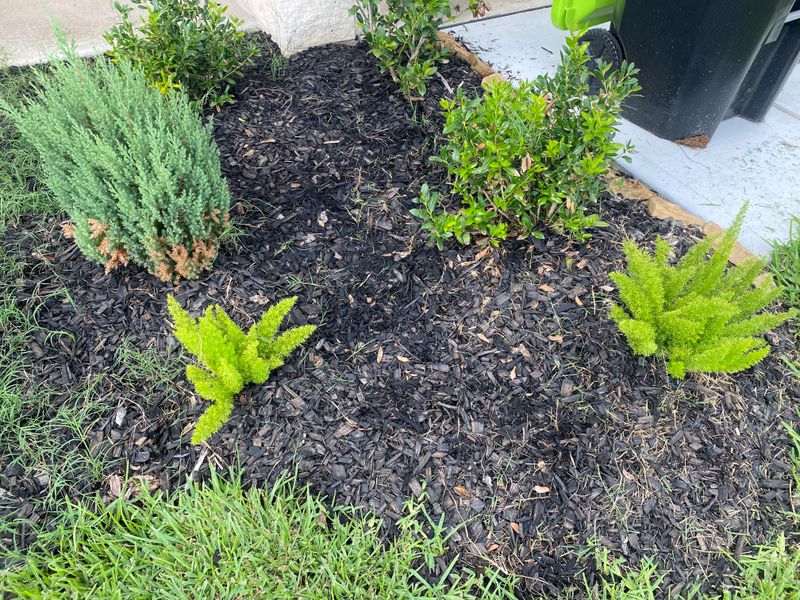
Standing at the edge of a bed and looking across the surface at a low angle can reveal a lot. Thin patches tend to show up as lighter-colored areas where the soil is nearly exposed.
Those spots are where new weed seedlings are most likely to get started, because they have access to light and open soil that a well-covered area would limit.
Thin spots develop for several reasons. Organic mulch breaks down over time, so older areas of a bed naturally lose depth.
Foot traffic compresses material in frequently walked zones. Heavy rain can shift lighter mulch toward the edges of a bed.
Animals and birds sometimes scatter it while foraging. Previous weed removal can pull mulch aside and leave gaps.
Before adding new material to thin areas, check the rest of the bed. If most of the surface still has two to three inches of material in good condition, those areas do not need more.
Adding a full new layer when only a few spots are thin wastes material. It can also push mulch depth past a useful level in areas that were already adequate.
Rake existing mulch from slightly thicker zones toward thin patches when the difference is modest. If the thin spots are genuinely low, bring in just enough new material to bring them back to an even level with the rest of the bed.
Targeted maintenance beats a blanket reapplication every time.
7. Keep Mulch Wide Instead Of Piling It Higher
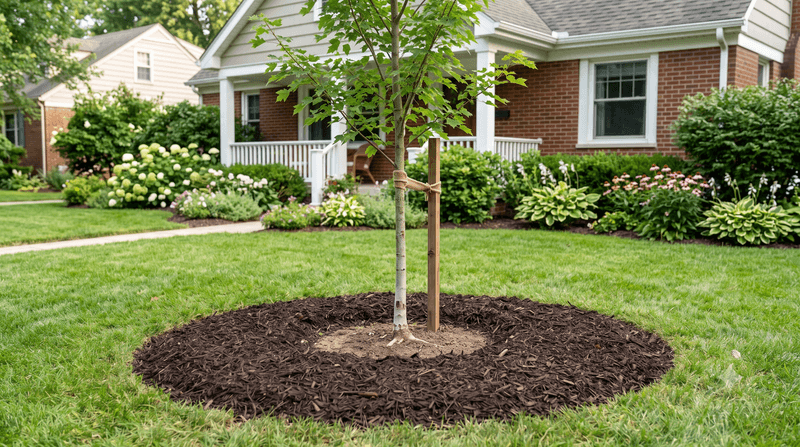
Picture two mulched areas side by side. One is a narrow ring around a tree trunk piled several inches high.
The other is a wide, flat area extending several feet outward from the same tree at an even two to three inches. The wider area covers far more potential germination sites and supports a much larger root zone.
Spreading mulch outward across bare or grass-covered soil around trees can reduce competition from turf and other plants near the root zone.
University extension resources note that larger mulched areas around trees may offer meaningful root zone benefits compared to narrow rings.
The exact diameter depends on the size of the tree and the available space, but wider is generally more useful than taller when the depth is already adequate.
The same logic applies to landscape beds. A consistent, even layer across a full bed covers more exposed soil than a thick pile concentrated in one corner.
Exposed soil at the edges or interior of a bed remains available for new seedlings to establish. Spreading material to cover those gaps reduces the opportunity.
Edges of mulched beds can also allow spreading weeds to creep inward from surrounding turf or gravel areas. Keeping Ohio bed edges defined and monitoring them through the season catches that kind of encroachment early.
Mulch coverage helps with seedling suppression inside the bed, but the perimeter still benefits from occasional attention.
8. Refresh What Has Broken Down Without Building A Mulch Mountain
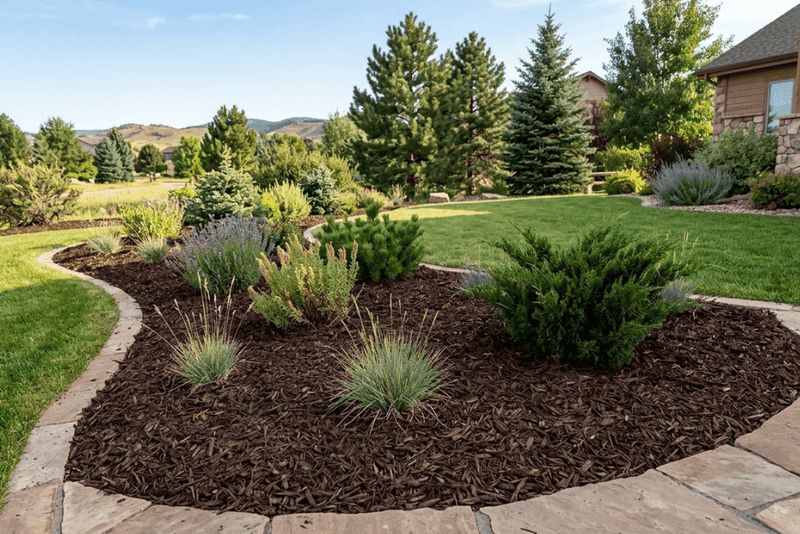
Organic mulch is not a permanent installation. Shredded bark, wood chips, and similar materials gradually break down through microbial activity.
That decomposition is useful because it adds organic matter to the soil over time. The practical consequence is that depth decreases as the season and years pass.
Checking remaining depth before adding anything new is the most important maintenance habit in this process. Press a ruler or a finger straight down through the existing layer to the soil surface.
If two to three inches remain in most areas of a landscape bed, no additional material is needed yet. Adding a fresh layer on top of adequate existing mulch pushes the total depth past the useful range without providing extra benefit.
Repeated annual applications without measuring can stack up over several years. A bed that started at three inches and received a new inch each spring without any measurement can quietly accumulate far more than the recommended range.
That excess can affect soil gas exchange and create conditions that are not ideal for plant roots, according to extension guidance on mulch management.
Loosening the surface of compacted or matted mulch lightly with a rake can help water and air move through more freely. Do this gently near tree and shrub root zones to avoid disturbing shallow roots.
Measure what remains after loosening. Add new material only to areas that have dropped below a functional depth, and add only enough to restore an even, adequate surface.