6 Plants You Can Prune in December in North Carolina and 4 That Should Wait
Some of the prettiest holiday wreaths in the South begin as careful pruning cuts made right in December backyards. Extension experts in North Carolina actually encourage snipping certain evergreens now, then bringing that fresh greenery indoors for decorating.
I love how a single winter chore can trim a shrub and fill a vase on the same afternoon. Still, a few popular bloomers already carry next spring’s flower buds tucked tightly along their bare stems right now.
I have to admit that my own eager pruners once cost me a whole season of spring color. You need a simple plan for which shrubs welcome cold weather cuts across North Carolina and which prefer patience.
Some of the safest December choices might surprise you, because a couple of them sit right beside your front door.
1. American Holly
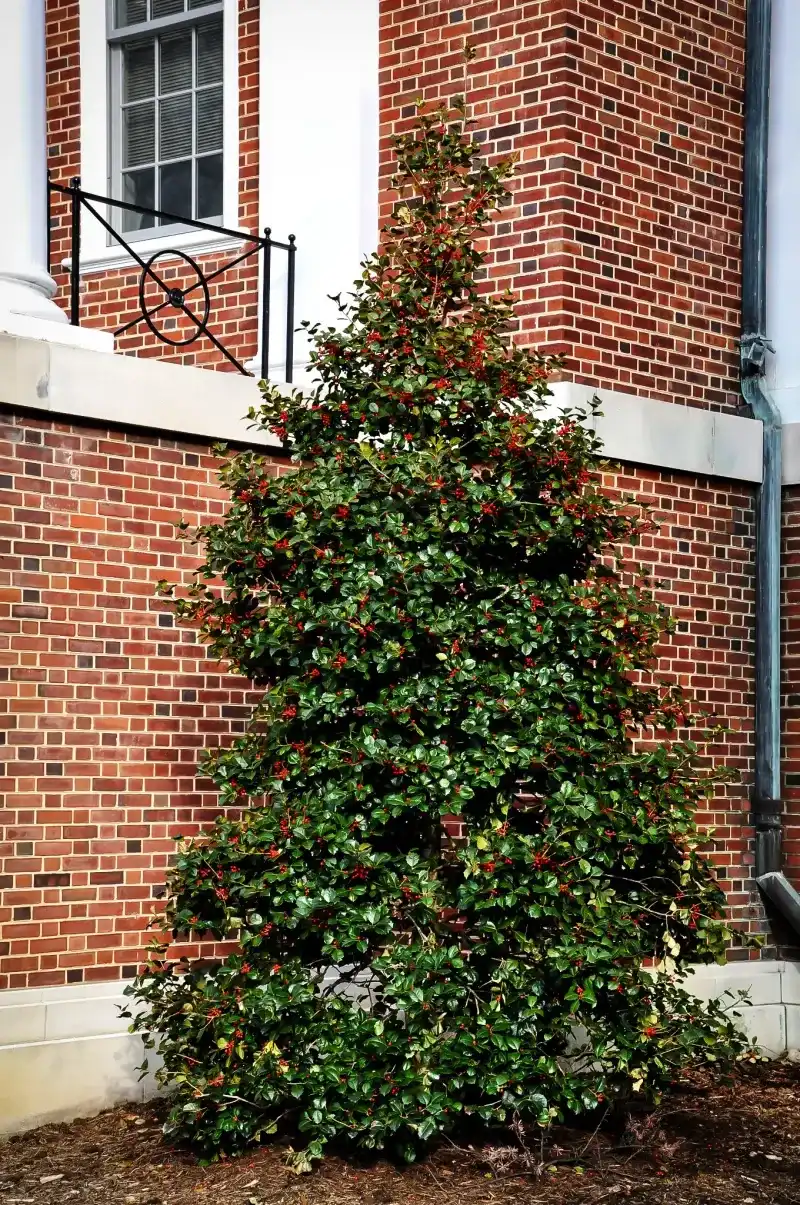
Few things feel more festive than clipping glossy holly branches covered in red berries for your own mantel. American holly, Ilex opaca, handles a light December trim beautifully, so your decorating and pruning become one cheerful job.
I like how the spiny leaves stay shiny all winter, giving the yard some green when everything else looks bare. Only female plants produce those bright berries, and they need a male holly growing somewhere nearby for pollination.
This native tree grows well in USDA zones 5 through 9, covering nearly every region of the state. In yards it usually reaches 15 to 30 feet, though wild trees in forests can climb much taller.
Make each cut just above a leaf or side branch, so the tree keeps its natural pyramid shape. Spreading your cuts around the whole tree keeps any single side from looking thin or lopsided after the holidays.
Wear sturdy gloves before you start, because those prickly leaf edges can surprise bare hands quickly. Personally, I keep a bucket of water close by so the cut stems stay fresh longer indoors.
Birds such as cedar waxwings and robins rely on holly berries during late winter when other food runs low. Leave plenty of berried branches on the tree, and you will share the harvest with your feathered neighbors.
Hollies prefer moist, slightly acidic soil that drains well, along with full sun to partial shade. Heavy shaping can happen in late winter, but small December snips for greenery cause no trouble at all.
2. Southern Magnolia
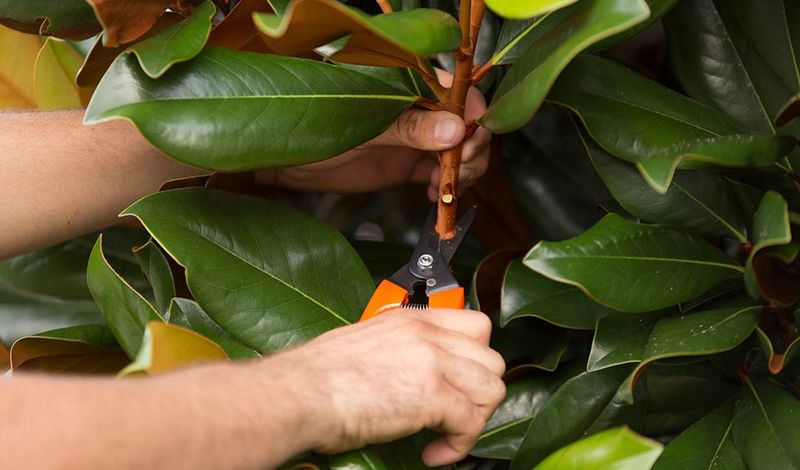
Those big leathery magnolia leaves, green on top and rusty brown underneath, make some of the classiest holiday wreaths around.
Southern magnolia, Magnolia grandiflora, tolerates light December clipping well, so your front porch can look fancy without store-bought greenery.
I can’t imagine a Southern yard without one, especially when those dinner-plate flowers open in late spring. Each creamy white bloom can stretch close to a foot across and smells sweet and lemony on warm evenings.
This native evergreen thrives in USDA zones 6 through 10 and often reaches 60 to 80 feet tall. It needs room to spread, so plant it well away from your house and any nearby power lines.
For greenery, snip branch tips from different spots instead of stripping one side bare in a single afternoon. Cut just above a leaf node, and the tree will push out fresh growth once warm weather returns.
Many gardeners let the lowest branches sweep the ground, which hides the messy leaf litter beneath them. Removing those skirts invites patchy grass struggles, because very little grows in the deep shade under a magnolia.
Save heavy structural pruning for later, since big cuts on this tree can lead to awkward sprouts. Light trimming now is mostly about decoration, along with clearing any branches cracked by winter wind or ice.
Southern magnolias like rich, moist, slightly acidic soil and full sun for the best flowering each year. Fun fact, magnolia ancestors were blooming long before bees existed, relying mostly on beetles for their pollination.
3. Boxwood

Boxwood clippings smell a little earthy and sharp, and that scent fills the air the moment you start snipping. These classic evergreens, Buxus species, respond well to a careful December thinning, and the cuttings make lovely holiday garlands.
Instead of shearing the outside, reach into the shrub and remove small handfuls of branches several inches deep. Those little openings let sunlight and air reach the center, which keeps the inner leaves healthy and green.
I believe this thinning trick is the most useful boxwood skill a home gardener can learn. Sheared shrubs often develop a thick outer shell, while the inside turns bare and twiggy over time.
Boxwood blight has turned up in parts of North Carolina, so clean your pruners between plants with rubbing alcohol. Avoid working on wet foliage too, since the fungus spreads easily on damp leaves and tools.
Most boxwoods grow well in USDA zones 5 through 8, though some types handle zone 9 heat nicely. They prefer well-drained soil and partial shade in hotter areas, where afternoon sun can bronze their leaves.
Deer usually leave boxwoods alone, which makes them a smart choice near gardens that see hungry visitors. Their small leaves also handle formal shapes well, especially neat low hedges edging flower beds and walkways.
Skip heavy fertilizer after pruning, because new tender growth would face harsh freezes over the next few months. Simply water during dry winter spells, then enjoy those fresh green tips decorating your holiday table.
4. Eastern Red Cedar
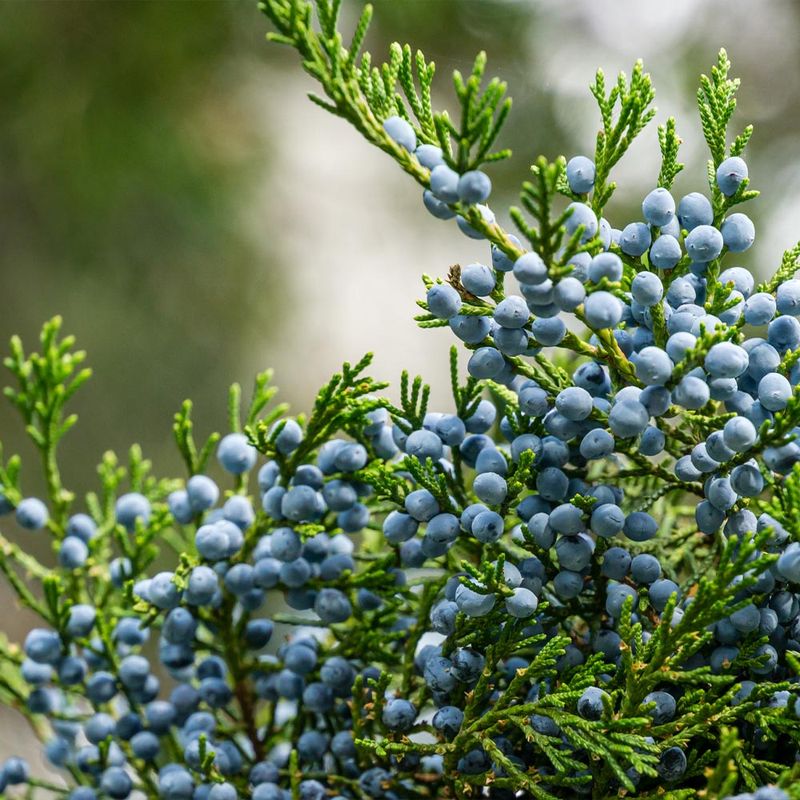
Crush a sprig of eastern red cedar between your fingers, and the spicy scent instantly smells like the holidays. Juniperus virginiana is a tough native evergreen, and December is a fine time to snip some branches for decorations.
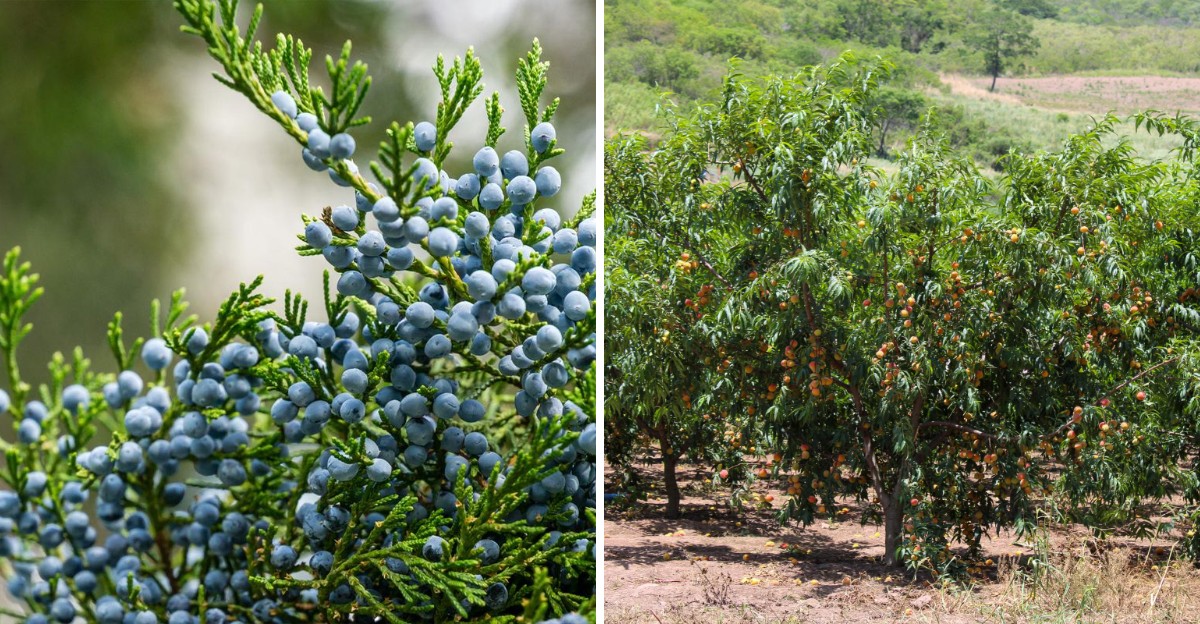
Female trees carry small powdery blue cones that look just like berries and feed many winter birds. Cedar waxwings actually earned their common name partly from their strong fondness for these frosty blue fruits.
One rule matters most here, because junipers rarely sprout new growth from bare wood deep inside the tree. Keep every cut within the green, leafy part of each branch so the tree fills back in.
Winter is also a great season to spot the brown, knobby galls caused by cedar-apple rust. Clipping those galls off now helps protect nearby apple trees, since spring rains turn them into gooey orange spore balls.
You’re in for a surprise if you have rarely seen those galls swell after a soaking April storm. They look a bit like orange sea creatures dangling from the branches, then shrivel once the weather dries.
Eastern red cedar handles USDA zones 2 through 9 and tolerates poor soil, drought, and wind impressively. It usually reaches 30 to 40 feet tall and makes an excellent windbreak or privacy screen.
Plant it in full sun, since shady spots cause thin, scraggly growth along the lower branches. Personally, I tuck a few cedar sprigs into wreaths with holly, and the mix looks wonderfully old-fashioned.
5. Oak Trees
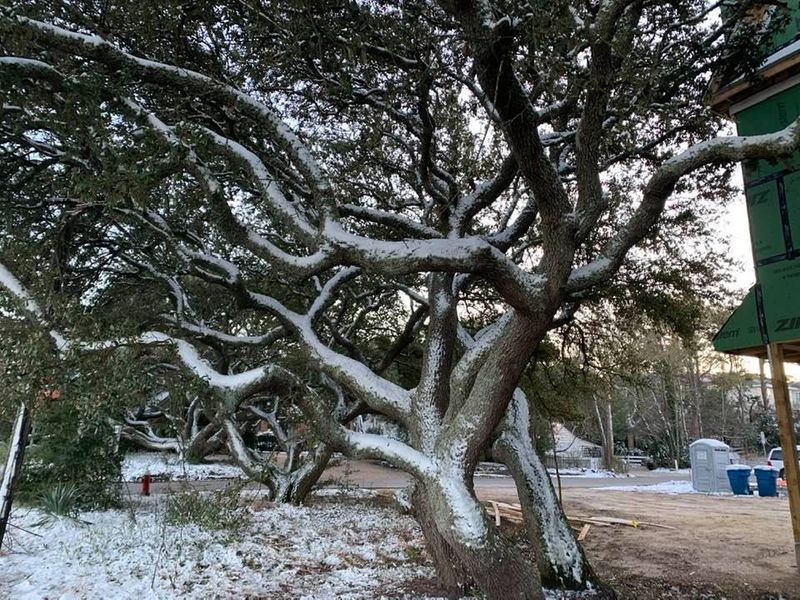
Bare winter oaks show every twist and fork of their limbs, almost like an X-ray of the whole tree. December gives you a clear view of weak forks and broken limbs that summer leaves usually hide.
Oaks, Quercus species, include popular shade trees such as the graceful willow oak and the sturdy white oak. Dormant pruning matters for these trees, because fresh cuts made in spring can attract sap beetles.
Those beetles can carry oak wilt, a serious fungal disease that has been found in parts of western North Carolina. Cold weather keeps the beetles inactive, so winter cuts give the fungus far less chance to spread.
Cut just outside the branch collar, that slightly swollen ring where a limb meets the trunk. Skip the wound paint, since research shows trees seal their own cuts better without any sticky coating.
I have to admit that big oak limbs make me nervous, and honestly that caution is healthy. Hire a certified arborist for anything above your head or near power lines, because falling wood is unpredictable.
Young oaks benefit most from early shaping, especially when choosing one strong central leader to guide growth upward. Removing competing leaders now prevents weak V-shaped forks that might split apart during a future summer storm.
Avoid topping oaks at all costs, since that harsh practice leaves weak sprouts and invites rot. A thoughtful trim every few years keeps these giants healthy enough to shade your yard for generations.
6. Muscadine Grapes
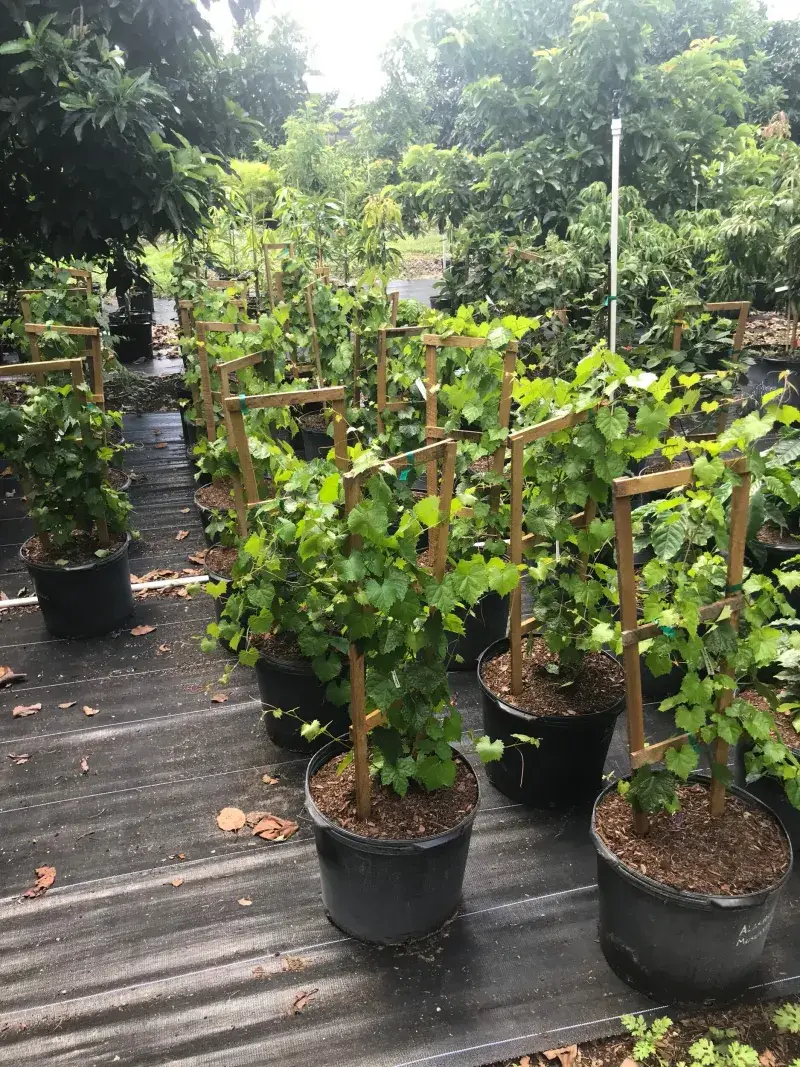
On Roanoke Island grows a scuppernong vine called the Mother Vine, believed to be over 400 years old. That famous plant is a muscadine grape, Vitis rotundifolia, and its cousins in your yard welcome dormant season pruning.
The scuppernong became the official state fruit of North Carolina in 2001, which tells you how loved these vines are. Muscadines are native to the Southeast and shrug off many diseases that often trouble regular bunch grapes.
You can start pruning once the leaves drop, though many growers prefer finishing during late winter. Fruit forms on new shoots that grow from last year’s wood, so heavy cuts actually help the harvest.
Trim each of last season’s shoots back to short spurs holding about two to four buds apiece. It feels shocking to remove so much vine, but leftover tangles lead to small, poorly ripened fruit.
You might notice clear sap dripping from fresh cuts on warmer days as late winter arrives. Growers call this bleeding, and it looks alarming but rarely harms the vine in any lasting way.
Muscadines grow well in USDA zones 7 through 10 and need full sun plus a sturdy trellis. A simple single wire trellis about five feet high works nicely for most backyard vines in home gardens.
Personally, I find the sweet, musky late summer fruit worth every chilly hour spent pruning in December. Remove tangled tendrils wrapped around the main arms too, since they can girdle wood as it thickens.
7. Azaleas

Run your fingers along an azalea stem right now, and you might feel plump little buds near the tips. Those swollen buds hold next spring’s flowers, and December pruning would snip them off before they ever open.
Azaleas, Rhododendron species, form their flower buds during summer, soon after the previous blooms have faded away. Any cuts made between late summer and spring remove color you have been waiting for all year.
I believe patience pays off here more than with almost any other shrub in a Southern garden. Wait until the flowers fade in spring, then prune within a few weeks for the best results.
Try to finish all shaping by early July, so new growth has time to set buds again. Thinning a few long, leggy stems back inside the plant looks more natural than shearing it into balls.
Native species such as the flame azalea brighten mountain slopes each late spring with stunning orange and yellow blossoms. Those wild beauties follow the same timing rules, so leave your pruners in the shed for now.
Azaleas prefer acidic, well-drained soil and dappled shade that protects them from harsh, drying afternoon sun. Shallow roots dry out quickly, so a few inches of pine straw mulch helps them through winter.
Broken branches from ice or wind can be removed any time without hurting the coming bloom show. Otherwise, enjoy the quiet green foliage now, knowing a big pink or purple surprise arrives soon enough.
8. Bigleaf Hydrangea
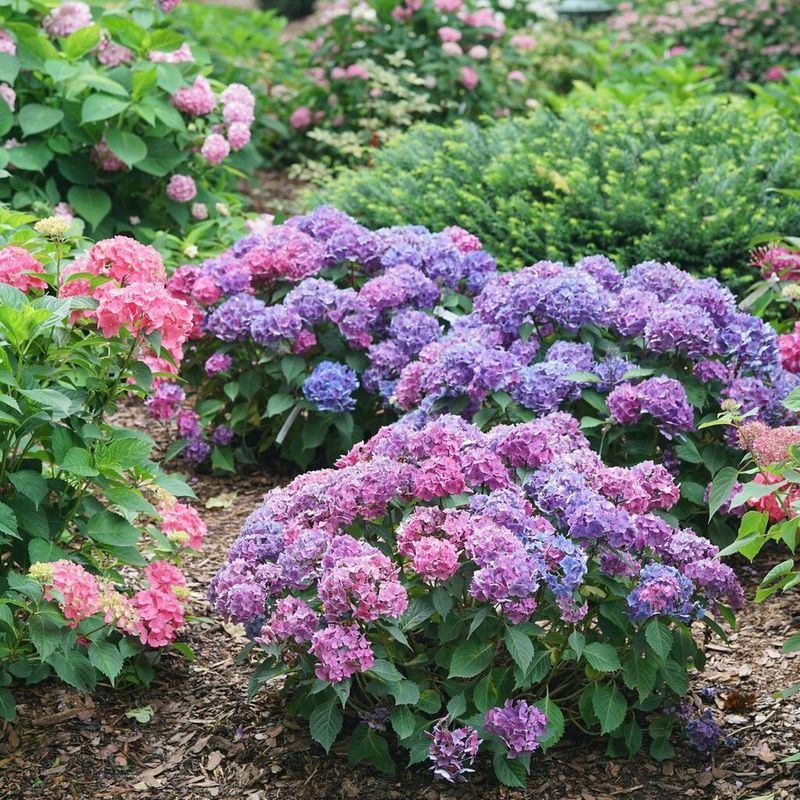
Those dry, papery hydrangea flower heads hanging on in December look tempting to cut, but hold that thought. Bigleaf hydrangea, Hydrangea macrophylla, sets next summer’s buds on its old stems during late summer and early fall.
Chopping those stems back now means you may enjoy plenty of big leaves next year with no flowers. I have watched more than one disappointed friend learn this lesson the hard way after a winter cleanup.
The faded blooms actually help a little, since they shelter the tender buds below from winter cold. Leave them in place until spring, then snip them just above the first pair of plump green buds.
Real pruning belongs right after flowering in summer, ideally wrapped up by early August at the latest. Remove a few of the oldest canes at ground level to keep the shrub vigorous and fresh.
Reblooming types such as the Endless Summer series can flower on both old stems and fresh new growth. Even with those, light pruning is wiser, because early blooms still come from last year’s stems.
What surprises me most is how soil chemistry changes the flower color on many pink and blue varieties. Acidic soil helps the roots take up aluminum, which turns blooms blue, while alkaline soil keeps them pink.
These shrubs prefer morning sun with afternoon shade, especially in the hotter Piedmont and coastal areas. Water deeply during dry spells, and add a layer of mulch to keep their shallow roots cool.
9. Forsythia
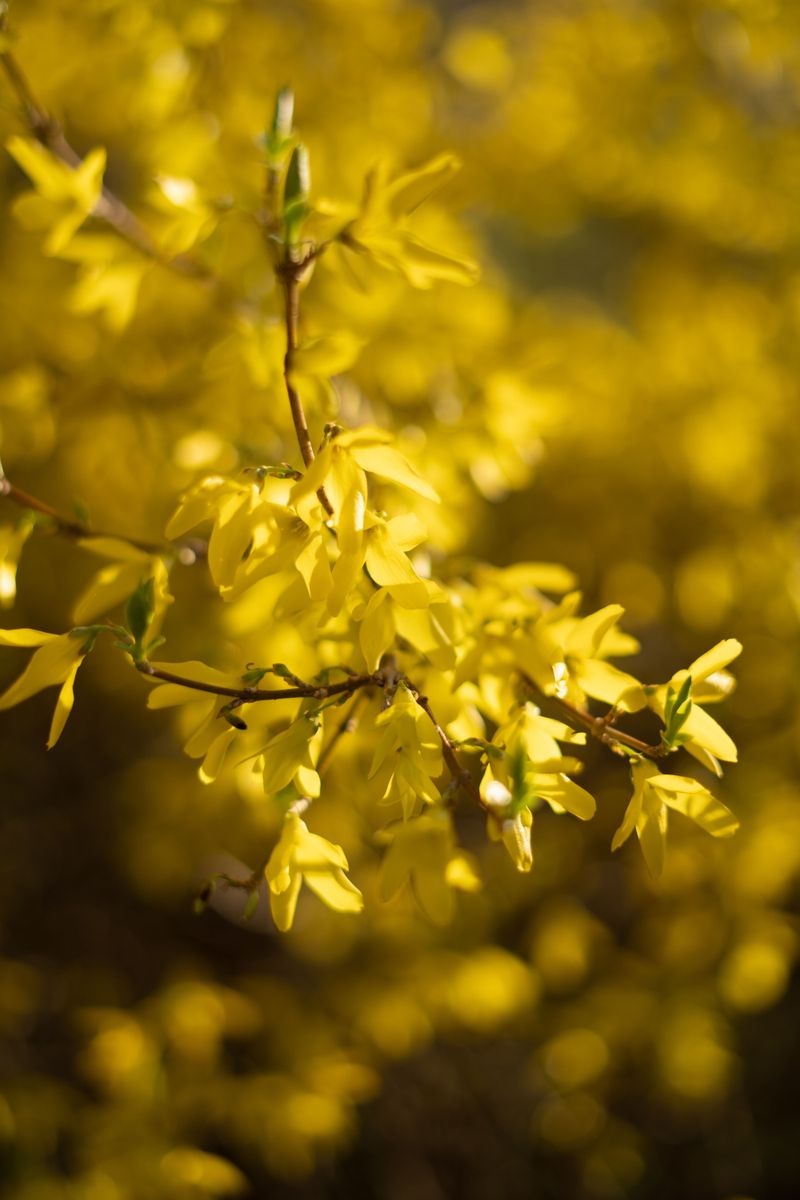
Forsythia is often one of the first shrubs to shout spring, sometimes blooming bright yellow by late February. Every one of those golden flowers already sits waiting inside fat buds along last year’s arching stems.
Prune those stems in December, and you trade a sunny spring show for a plain green bush. Forsythia, a member of the olive family, blooms before its leaves appear, so every lost bud really shows.
I love the trick of forcing a few branches indoors in late winter instead of pruning now. Cut some stems once the buds swell, set them in warm water, and enjoy early yellow flowers inside.
The best pruning window opens right after the blossoms fade, before new flower buds form in summer. Remove about one third of the oldest, thickest canes at ground level to keep the shrub youthful.
Shearing forsythia into tight boxes or balls ruins its graceful fountain shape and cuts down on flowers. Thinning from the base lets fresh canes rise up, arching outward in that easy, natural way.
This tough shrub grows in USDA zones 5 through 8 and handles many soil types once established. It can reach eight to ten feet tall and wide, so give it space along fences or slopes.
Full sun brings the heaviest blooms, while shady spots usually produce only scattered flowers and lanky growth. Waiting a few extra months feels easy once you see that first golden burst light up the yard.
10. Peach Trees
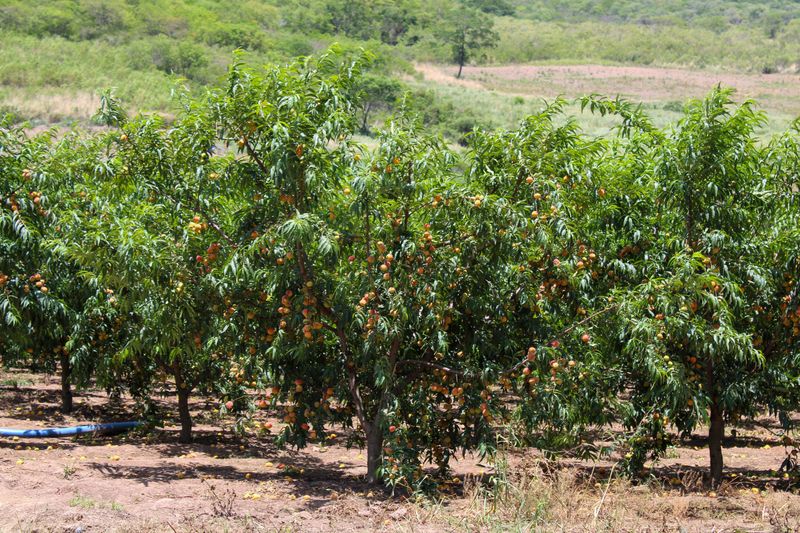
Peach orchards in the Sandhills region help make North Carolina a respected peach state, and growers there wait patiently to prune. Prunus persica handles early winter cuts poorly, because fresh wounds can make the tree more sensitive to cold injury.
Extension specialists recommend pruning peaches in late winter, just before or during bloom, rather than in December. Waiting also lets you see which flower buds survived the coldest nights, so you keep the healthiest ones.
Peach fruit forms on one-year-old wood, those slender reddish shoots that grew during the previous summer season. Yearly pruning encourages plenty of fresh shoots each season, which sets up the following crop nicely for you.
Most growers train peaches into an open center, shaped like a bowl with three or four main scaffold limbs. That open middle lets sunlight reach every branch, which improves color and sweetness in the ripening fruit.
Personally, I find that late winter pruning feels hopeful, with pink buds swelling right before your eyes. Pull water sprouts, those straight vertical shoots, since they shade the center and rarely produce good fruit.
Peaches need full sun and well-drained soil, ideally planted on a slope where cold air drains away. Low spots trap frost on spring nights, which can ruin open blossoms before any fruit has a chance.
Many varieties need several hundred chill hours below 45 degrees, so pick one suited to your area. Later in spring, thin young fruits to about six to eight inches apart for bigger, juicier peaches.