How To Store North Carolina Caladium Tubers Over Winter
Caladiums grow like tropical plants, so they treat cold weather as a personal insult. When temperatures drop in fall, the leaves fade and fold. That is the signal to start storing the tubers.
The key is to keep them warm and dry. Many gardeners make the mistake of leaving them in cold, damp soil, where they rot. In most of North Carolina, the ground gets too cold for them to stay out all winter.
Digging them up takes only a few minutes. After a short drying period, they need a safe place to rest. Temperature matters more than most people think, because even a cool garage can harm them.
Do it right now, and next summer’s colorful leaves come at no extra cost.
1. Dig Them Before Cool Nights Arrive
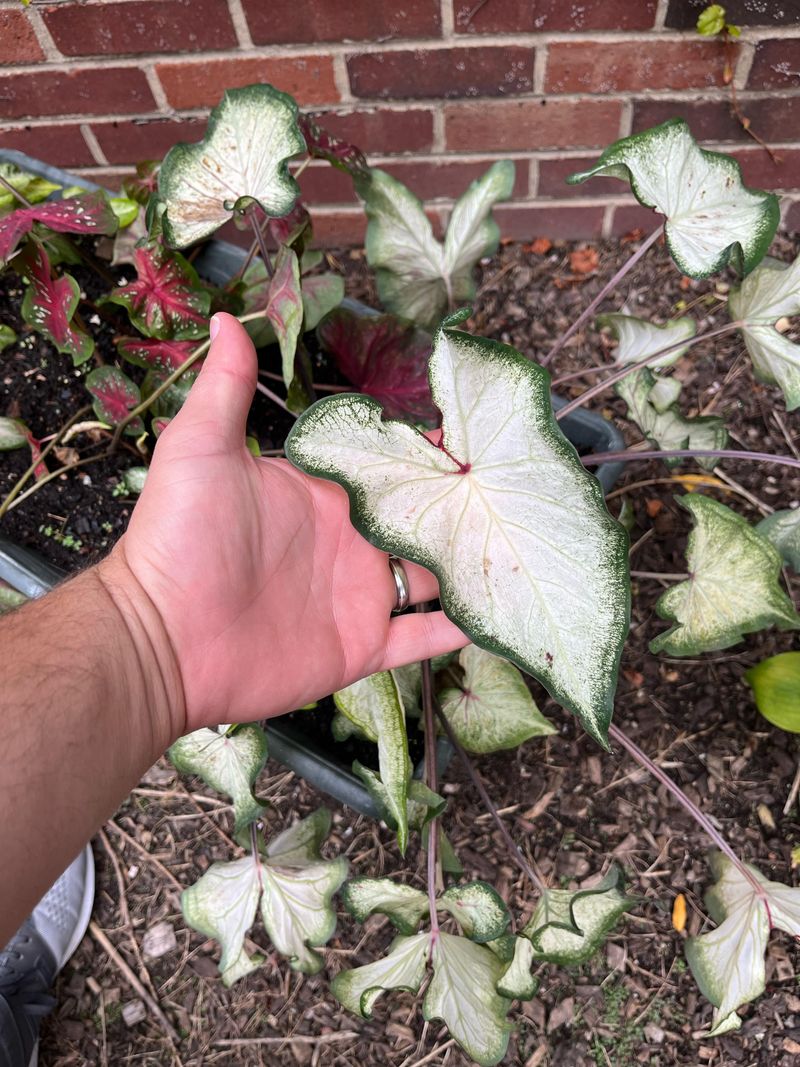
Caladiums grew up in the warm rain forests of South America, and they still act like it. While dahlias and cannas can hang around until the first frost, caladiums start sulking much sooner. Their tubers react to chilly soil long before you see frost on the windshield.
Cold is the real enemy here. When soil drops below about 60°F, or nights dip under about 55°F, the tubers can get damaged or start to rot underground. You might not notice anything wrong until spring, when nothing comes up at all.
So how do you know it is time? Watch the leaves closely. When they begin to droop, fade, and turn yellow in early fall, the plant is telling you it is ready to rest.
Another good clue is the weather report, since nights falling into the low 50s on a regular basis mean you should grab your fork.
Timing changes a bit across the state. Gardeners in the Mountains usually dig in September, because cool air settles into those valleys early. Folks in the Piedmont and Coastal Plain can often wait until late September or early October, though a sudden cool spell can speed things up.
North Carolina falls can be tricky. Sunny afternoons in the 70s make it easy to forget that nights are quietly getting colder. Caladiums are not reliably hardy anywhere in the state, so leaving them in the ground is a gamble that rarely pays off.
A quick tip helps a lot. Mark your calendar for mid-September and check the ten-day forecast each week after that, so you can dig on time instead of rushing after a chilly surprise.
2. Lift Tubers Gently With The Leaves Attached
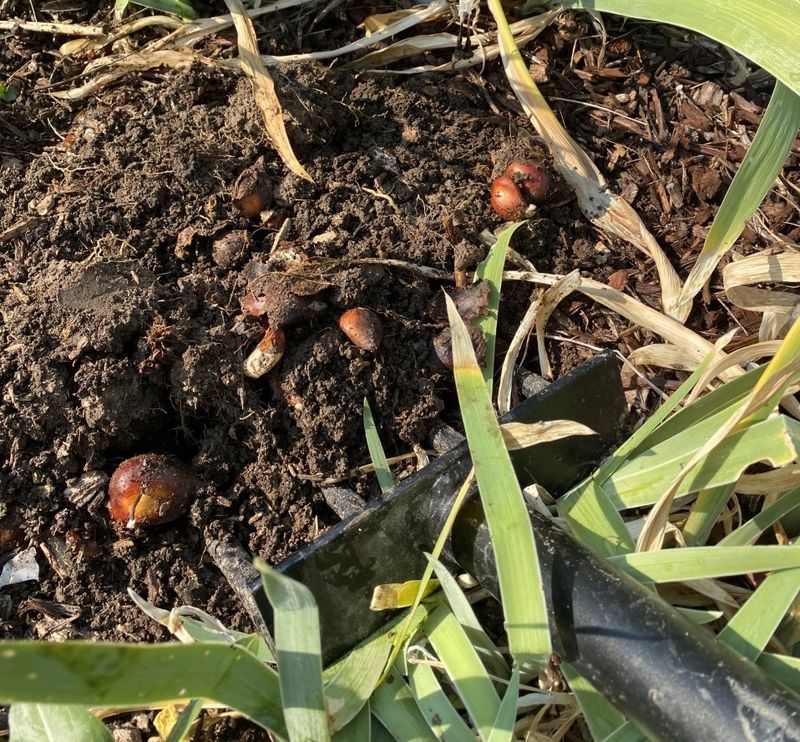
Think of a caladium tuber like a ripe peach. It looks tough on the outside, yet one hard poke leaves a bruise. Those soft spots are exactly where rot likes to sneak in once the tubers go into storage.
A spading fork works better than a shovel for this job. Push it into the soil several inches away from the leaves, then rock it back and forth to loosen the ground. Work your way around the plant in a circle before you try lifting anything.
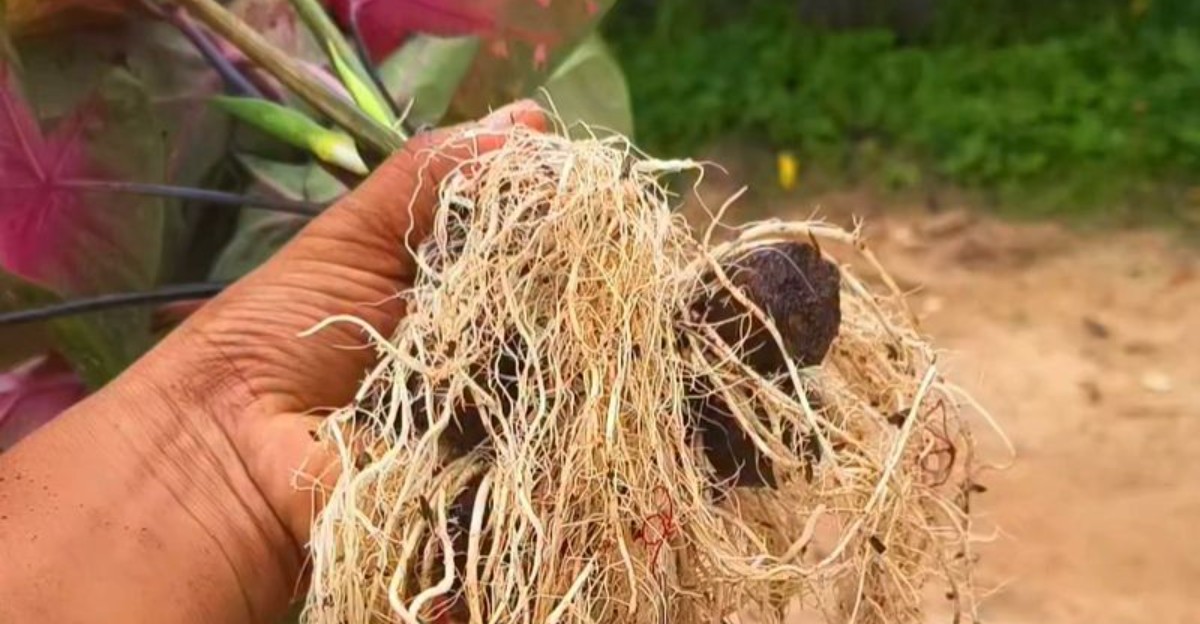
Once the soil feels loose, slide the fork under the clump and lift slowly. Grab the stems near the base and give a gentle shake to remove loose dirt. Skip the urge to scrub or pull off stubborn clumps right now.
Your North Carolina Garden Changes Every Week. Your Plan Should Too.
Gardening in North Carolina changes quickly throughout the season. Every Friday you’ll receive a simple weekly plan showing exactly what to plant, prune, fertilize, harvest, and protect so you never miss the right timing.
Leave those leaves attached for the moment. As they dry over the next couple of weeks, the plant pulls its last bits of energy down into the tuber. That stored energy fuels fresh leaves next spring.
Labels matter more than you might expect. Caladium tubers look almost the same once the leaves are gone, so a red one and a white one become a mystery by April. Keep each variety in its own pile with a tag, a plastic marker, or a strip of masking tape.
Red clay makes this step extra important here. North Carolina clay grabs onto tubers like glue, especially after rain. Try digging two or three days after a soaking, when the soil is damp but not sticky, so it falls away more easily and the tubers stay safe.
3. Cure Them In A Warm, Dry, Shaded Spot
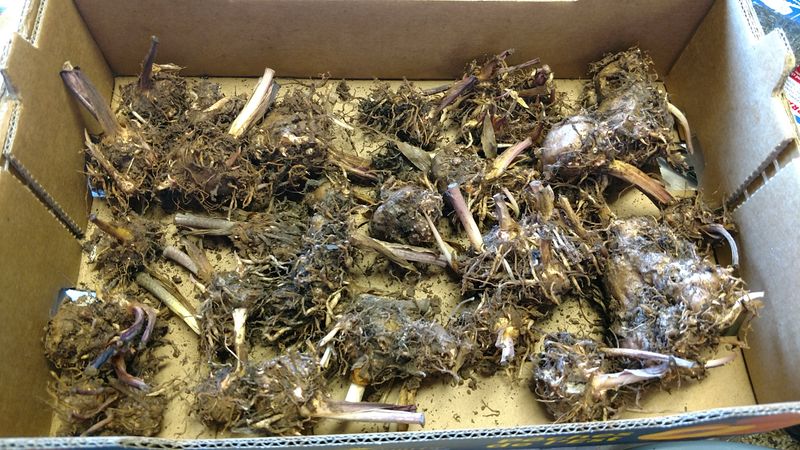
Curing sounds fancy, but it simply means letting your tubers dry out before storage. A week or two of rest gives them a tougher skin, almost like a jacket for winter. That outer layer helps keep mold and rot away.
Fresh tubers hold a lot of water. If you pack them up wet, that moisture has nowhere to go, and fuzzy mold may show up within weeks. Drying them first removes much of that risk.
Setup is easy. Spread the tubers in a single layer on old window screens, newspaper, or flattened cardboard boxes. Give each one a little space so air can move all around it.
Pick your spot with care. You want warm, dry, and shaded, with good airflow, such as a garage that still feels warm in early fall or a covered porch. Direct sun can scorch the tubers, while a chilly room slows drying and invites trouble.
Meanwhile, the leaves will shrivel and turn brown. After about one to two weeks, they should pull away with a light tug or snip off easily with scissors. Brush off the dry soil with your fingers or a soft brush, and you are ready for storage.
Humidity is the wild card in North Carolina. Fall air along the coast and in the Piedmont can stay muggy, which slows drying a lot.
A small fan running nearby keeps air moving and speeds things up, and you should never leave tubers on damp concrete or in a basement corner that smells musty.
4. Store Them Warmer Than Most Bulbs
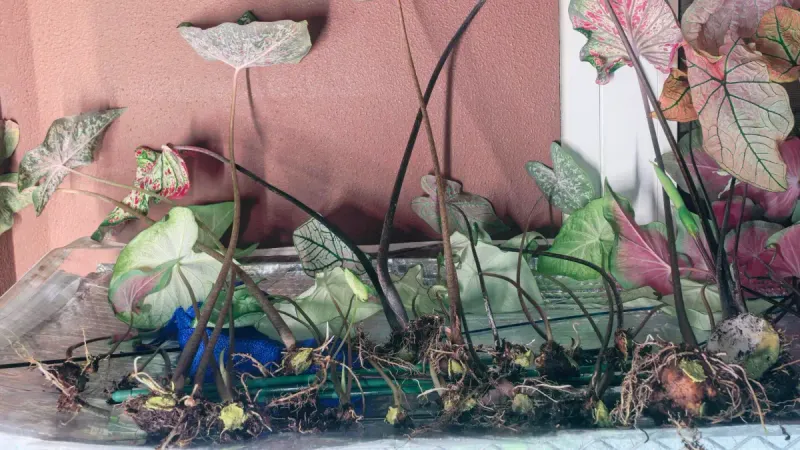
Here is where many gardeners slip up. They tuck caladium tubers in the same cool garage corner where the dahlias and gladiolus spend winter. Sadly, caladiums hate that kind of chill.
Temperature makes all the difference. When storage drops below about 50°F, caladium tubers can be harmed, and they may sprout weakly or not at all in spring. Even a few cold nights can cause problems.
Aim for a spot that stays roughly 50 to 60°F, or even a bit warmer. Many experts suggest closer to 60 or 70°F for the best results. A bedroom closet, a spare room, or a heated basement usually fits the bill nicely.
Not sure how warm a space really is? A cheap indoor thermometer solves that mystery. Leave it in your chosen spot for a few days and check the readings, especially early in the morning when it is coldest.
Some places look handy but cause trouble. Unheated garages, garden sheds, and crawl spaces may feel fine in October, yet they can turn frosty by January. Keep tubers far away from those areas.
North Carolina winters swing wildly. One week brings mild 60s, and the next brings a cold snap with nights in the teens, even in Raleigh or Charlotte. During those cold blasts, garages and crawl spaces can drop well below 50°F overnight.
Choosing a spot inside your heated living area keeps your tubers cozy no matter what the weather does outside, and it is one of the simplest ways to protect next summer’s color.
5. Pack Them In A Dry, Breathable Material
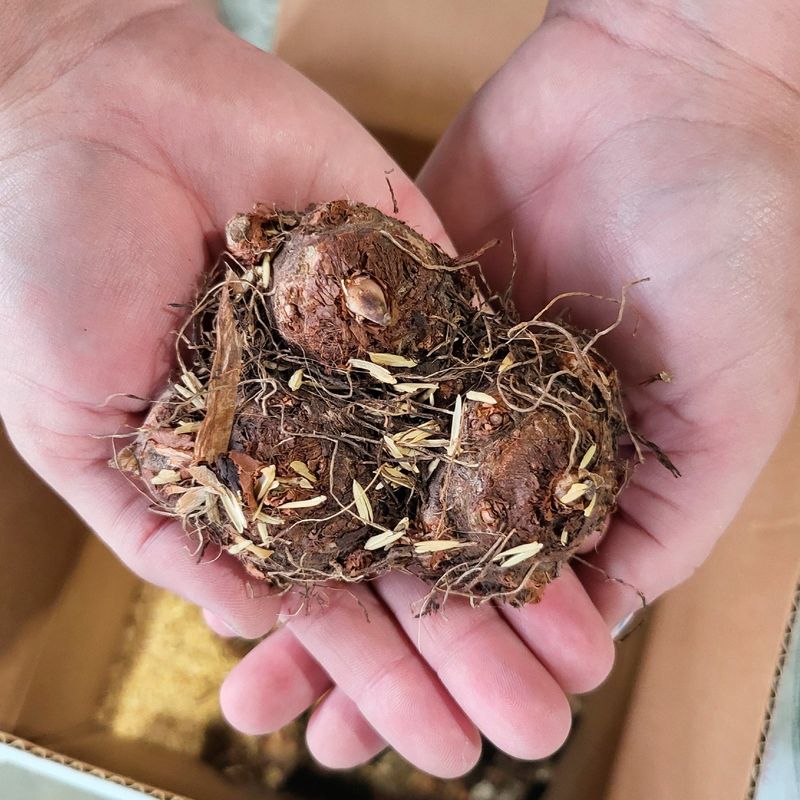
Packing tubers is a balancing act. Too much moisture causes rot, but air that is too dry can shrivel them like raisins. The right packing material sits right in the middle.
Start with the container. Mesh bags, paper bags, and cardboard boxes all let air flow through, which keeps dampness from building up. Old onion bags or brown lunch sacks work surprisingly well.
Next comes the filler. Dry peat moss, vermiculite, or wood shavings make great choices. Nestle the tubers inside so they do not touch each other, and the filler will cushion them from bumps while holding just a little humidity around them.
Plastic is the one thing to skip. Sealed bags and lidded tubs trap moisture, creating a steamy little room where mold grows fast. Even a few hours of sweating can start trouble.
Don’t forget the labels. Write each variety name right on the bag or box with a marker, along with the date you stored it. Come spring, you will know exactly where your fancy pink ones are hiding and which white ones belong in the shady corner.
Indoor air in North Carolina can be sneaky. Older homes, beach houses, and rooms without much airflow often stay damp, even in winter. Tubers stuck in closed containers in those spaces can grow mold quickly.
Breathable packing gives them a fighting chance, and setting the boxes on a shelf instead of the floor adds even more airflow. Check that the filler feels dry to the touch before you add tubers.
6. Leave Potted Caladiums In Their Containers
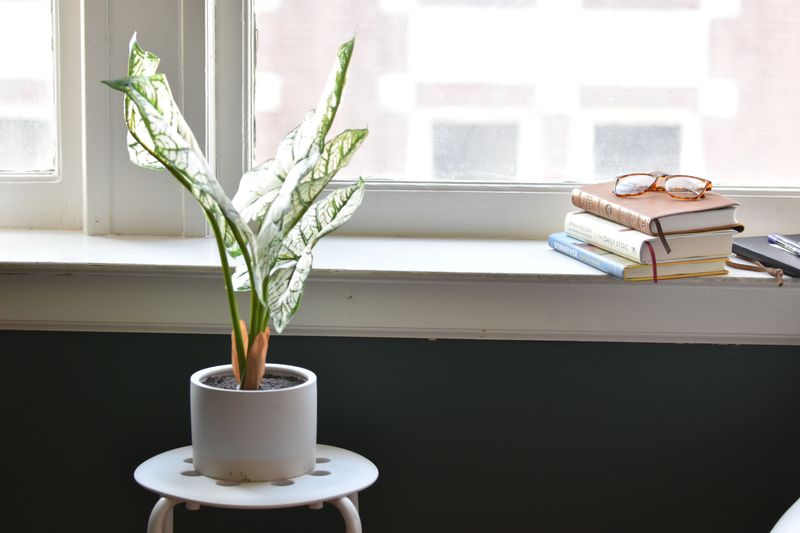
Good news for container gardeners! If your caladiums live in pots, you can skip most of the digging, cleaning, and packing. The tubers can simply stay tucked in their potting soil all winter long.
The trick is keeping things dry and warm. Wet soil plus cool air is a recipe for rot. Dry soil in a warm room keeps tubers safe and sleepy.
Begin in early fall, as soon as the leaves start to fade. Stop watering completely and let the foliage dry out on its own. Once the leaves turn brown and crispy, snip them off at soil level.
Then move the pot indoors. Choose a warm, dry place that stays above about 55°F, such as a laundry room, a heated mudroom, or a corner of a spare bedroom. Light does not matter much now, since the tubers are resting.
From there, leave the soil alone. Resist the urge to water, even when it looks bone dry. Dry soil is exactly what those tubers want until spring arrives.
Porch life is a big deal in North Carolina. Many gardeners grow caladiums in pots on shady front porches, patios, and decks, where the bright leaves brighten up rocking chairs and swings. For those folks, this method saves time and effort.
Bigger pots can be heavy, so a plant dolly makes moving them easier, and you can even tip the tubers out in spring to check them before replanting in fresh soil.
7. Check Monthly And Wait For Warm Soil In Spring
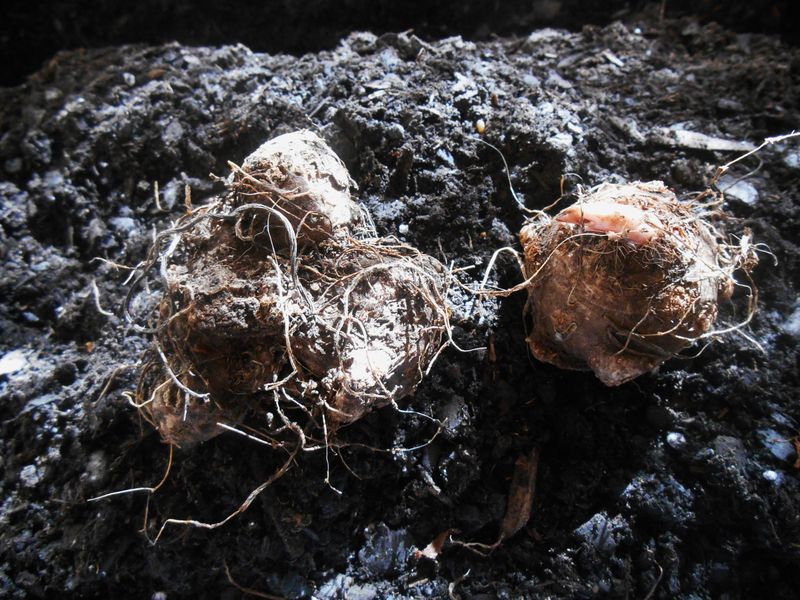
One bad tuber can spoil the bunch. Rot spreads quietly from one tuber to the next, much like a single moldy strawberry in the carton. A quick monthly check stops that problem early.
Set a reminder on your phone for the first of each month. Open the bags or boxes and give each tuber a gentle squeeze. Healthy ones feel firm, while soft, mushy, or moldy ones should go straight to the trash.
Spring brings its own temptation. A warm March day makes planting feel like a great idea, but cool soil can make tubers rot or just sit there doing nothing for weeks. Patience pays off here.
Want a head start? About four to six weeks before planting time, pot the tubers indoors in moist potting mix. Keep them somewhere warm, around 70 to 80°F, and they will start pushing up shoots while the garden is still chilly.
Outdoor planting should wait until the soil reaches about 65 to 70°F. A simple soil thermometer, pushed a few inches deep, tells you when the ground is ready. In most years that means May or later.
North Carolina soil warms at very different speeds. The Coastal Plain usually heats up first, often by early to mid May. The Piedmont tends to follow a bit later in May, and the Mountains may not be ready until late May or even June.
Plant on your region’s schedule, and those gorgeous leaves will unfurl quickly, ready for another summer of color.