8 Cold Hardy Perennials Worth Planning for in Your Michigan Spring Garden
Parts of the Upper Peninsula can see winter lows near thirty below zero, yet some flowers return every spring. Those tough roots simply rest underground, waiting out the snow like patient bears tucked inside a cozy den.
Most Michigan home gardens sit between zones 5a and 6a, which gives us a surprisingly wide plant menu. Several of my favorites are native wildflowers that fed bees and hummingbirds here long before anyone planted a garden.
I love walking the yard in April and spotting the first green noses pushing through cold, wet soil. That small moment feels like a promise, and planning ahead means you get far more of those moments.
You’ll find shade lovers alongside sun seekers in this lineup, and a few of them even shrug off hungry deer. So which tough beauty do you think will earn the very best spot in your garden this year?
1. Hosta
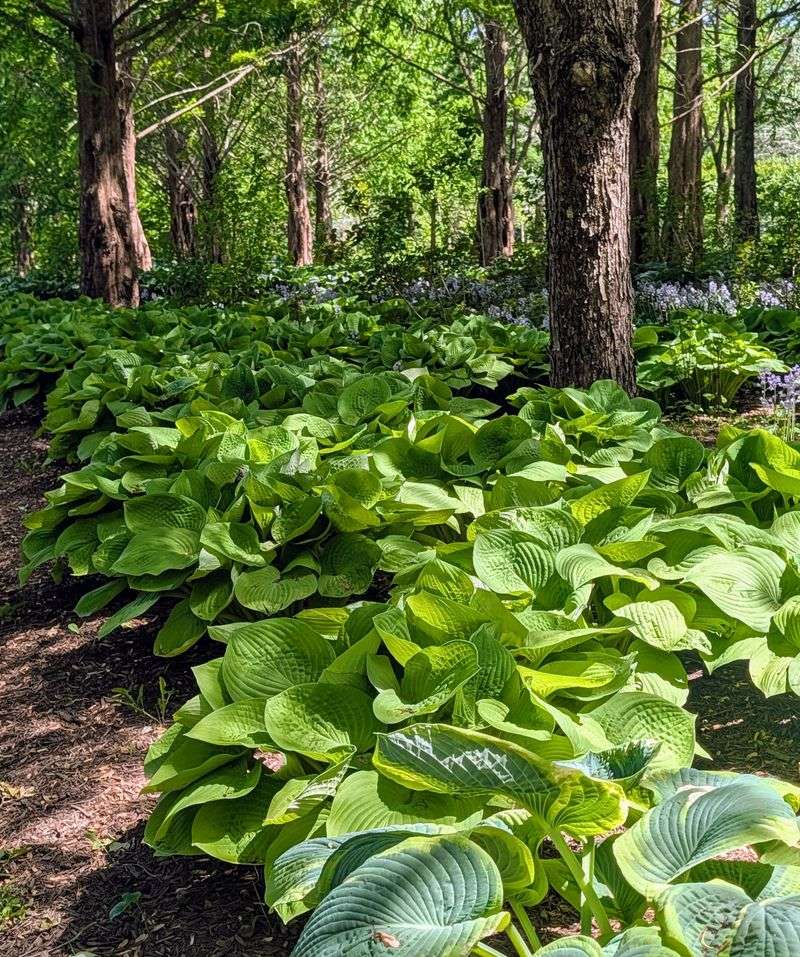
Hostas were once called plantain lilies, and those big leaves really do look like something from a fancy salad bar. Leaf colors run from chartreuse to deep blue, and many types wear cream or white stripes along the edges.
Hardy in zones 3 through 9, hostas handle even the coldest corners of the state without any winter fuss. Their crowns rest underground all winter, then curled shoots poke up once the soil warms in spring.
Shade is where hostas really shine, and most do best with two to four hours of gentle sun. Morning light works far better than harsh afternoon rays, which can scorch the leaf edges into crispy brown paper.
Rich, moist soil with plenty of compost keeps the foliage lush, and a slightly acidic pH suits them nicely. Water deeply during dry summer spells, since thirsty hostas sulk and lose that glossy, full look quickly.
Spring is a great time to plant or divide them, right as the new shoots start to unroll. Early fall works too, giving roots several cool weeks to settle in before the ground freezes hard again.
Summer brings tall stems of lavender or white tubular flowers, and hummingbirds and bees happily stop by for a sip. Deer and rabbits love hostas too, so a fence or repellent spray may save your prettiest clumps.
Keep curious pets away from the leaves, because hostas can upset the stomachs of dogs and cats if eaten. In my yard, a few hostas under a maple turned a bare, muddy patch into a cool green retreat.
2. Purple Coneflower
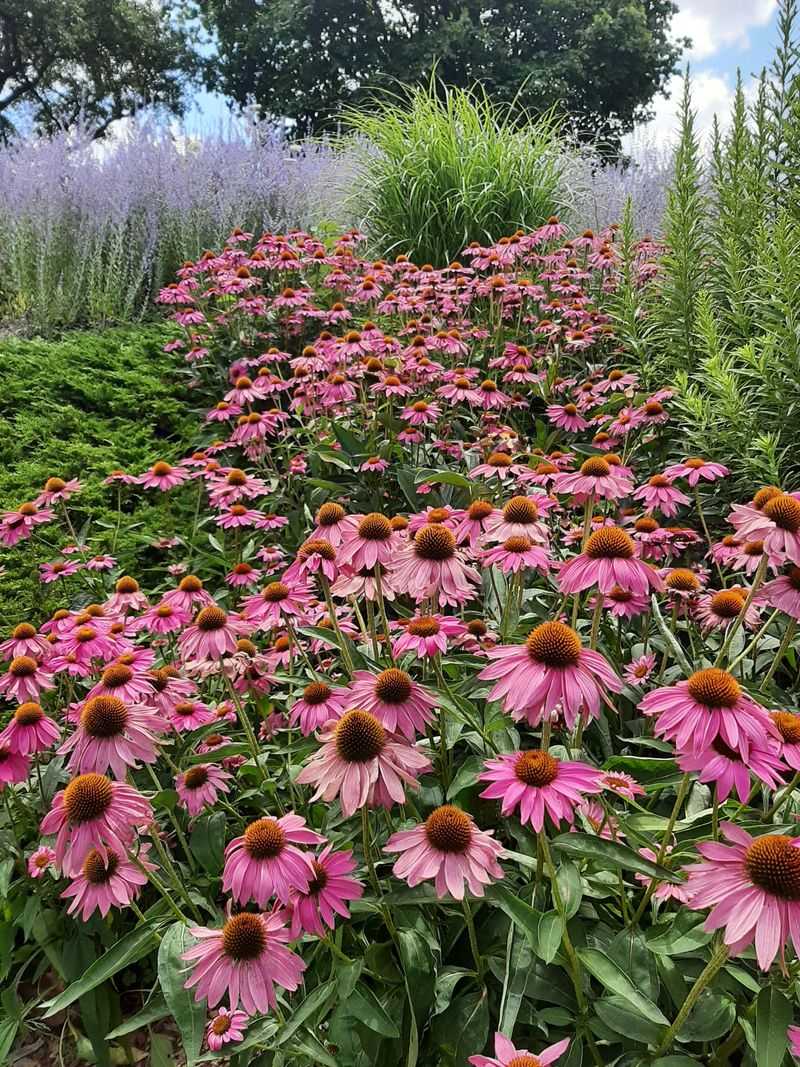
Bees practically line up on purple coneflower, crawling across that spiky orange cone like shoppers at a farmers market. Its drooping purple petals give each bloom a relaxed, windswept look that I find charming in any border.
Echinacea purpurea is native to the eastern and central United States, and it handles zones 3 through 9. Its prairie roots mean it handles our long winters and our sticky, unpredictable summer weather pretty well.
Plants usually grow two to four feet tall, forming tidy clumps about eighteen to twenty-four inches wide. Give them full sun for the best flower show, though a touch of light afternoon shade is fine.
Soil does not need to be fancy, since coneflowers tolerate heavy clay and gritty sand with surprising grace. Good drainage matters most, and soggy spots can rot the roots during a wet spring thaw.
Water regularly during the first season, then let the plants lean on their natural drought tolerance afterward. An occasional deep soak during a long dry stretch is usually all an established clump really needs.
Blooms typically open in June and keep going into September, which makes them a summer workhorse. Snipping faded flowers encourages more buds, but I like leaving the last seed heads standing for goldfinches.
Deer tend to leave coneflowers alone, which is a nice bonus if hungry visitors roam your neighborhood at night. Expect a few volunteer seedlings each spring, which you can share with friends or move to new beds.
3. Daylily
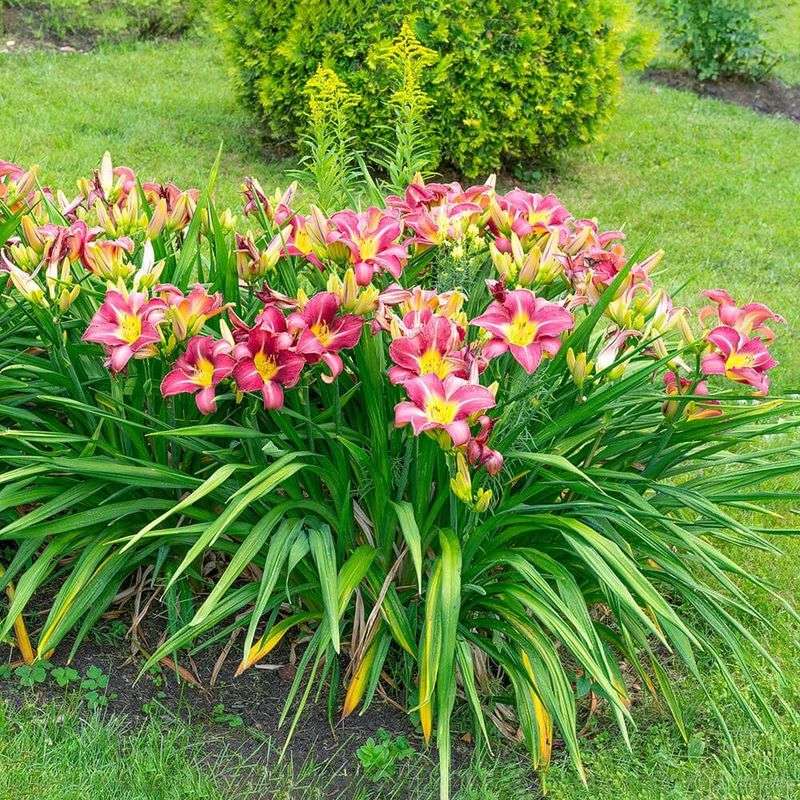
Each daylily flower opens for just one day, yet a healthy clump can keep producing fresh blooms for weeks. I like to think of them as the garden’s most dependable morning surprise, fresh and new each sunrise.
Despite the name, daylilies are not true lilies, and their botanical name Hemerocallis roughly means beauty for a day. Most varieties are hardy from zone 4 to zone 10, which covers nearly every Michigan backyard with room to spare.
Pick named cultivars instead of the common orange ditch lily, Hemerocallis fulva, which spreads aggressively into natural areas. Well-behaved hybrids come in yellow, red, pink, purple, and creamy white, so you lose nothing by skipping it.
Full sun gives the most flowers, but daylilies still perform nicely with a bit of partial shade during the day. They adapt to heavy clay or sandy ground, as long as water drains away instead of pooling.
Consistent moisture helps them bloom their best, although established plants can handle short dry spells pretty well. Clumps grow one to three feet tall, with long arching leaves that look tidy even when flowers fade.
Bloom timing varies by cultivar, so mixing early and late types can stretch the color from June into fall. Hummingbirds and butterflies visit the trumpet-shaped blooms, while deer sadly treat the buds like candy at dusk.
Cat owners should take note, because every part of the daylily is toxic to cats and can cause kidney trouble. Divide crowded clumps in spring or early fall, and you will soon have extra plants for new beds.
4. Black Eyed Susan
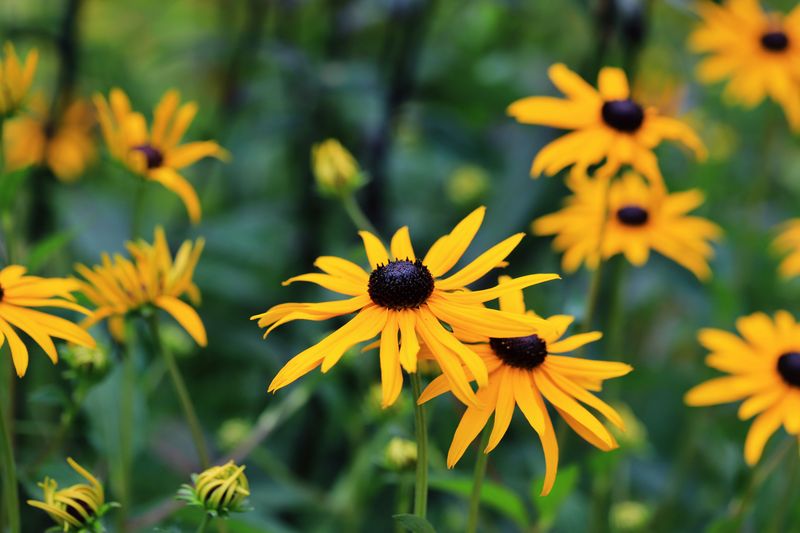
Black-eyed Susan has a sunny grin that could cheer up the grumpiest neighbor walking past your mailbox in July. Golden petals circle a dark chocolate center, and the whole flower practically glows on a hot afternoon.
Rudbeckia hirta is native to North America and handles zones 4 through 9, so cold winters rarely bother it. Fun fact, it is the official state flower of Maryland, though it feels right at home up north too.
Individual plants are often short-lived, sometimes lasting only two years, but they reseed so freely that hardly anyone notices. In my garden, one small patch turned into a cheerful golden ribbon along the fence within three seasons.
Plant them where they get six or more hours of direct sun for the strongest stems and most flowers. Less light often leads to floppy, stretched plants that put on a much smaller show by late summer.
Sandy or clay soil both work fine, but steady wet feet will quickly send these plants into decline. Once established, they need little water, though an occasional drink during drought keeps blooms coming longer.
Flowers usually appear from June through September, giving bees and butterflies a reliable snack for months. Hoverflies show up too, and those tiny helpers also gobble aphids on nearby plants as young larvae.
Clip spent blooms if you want extra flowers, or leave the seed heads so birds can feast this fall. Give them some elbow room, since a perfectly happy patch can spread a bit more than you planned.
5. Wild Lupine
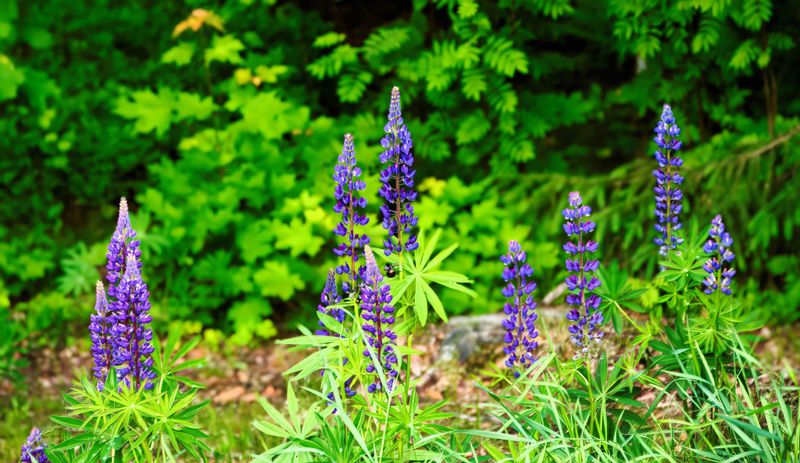
Wild lupine seed pods actually pop open when they dry, flinging seeds several feet across the garden like tiny springs. I still grin every time I hear that faint snap on a quiet, warm summer afternoon.
Lupinus perennis is native to the eastern United States and grows well in zones 3 through 8. Choosing this native species matters, because some showy garden lupines have escaped cultivation and turned weedy in cool northern regions.
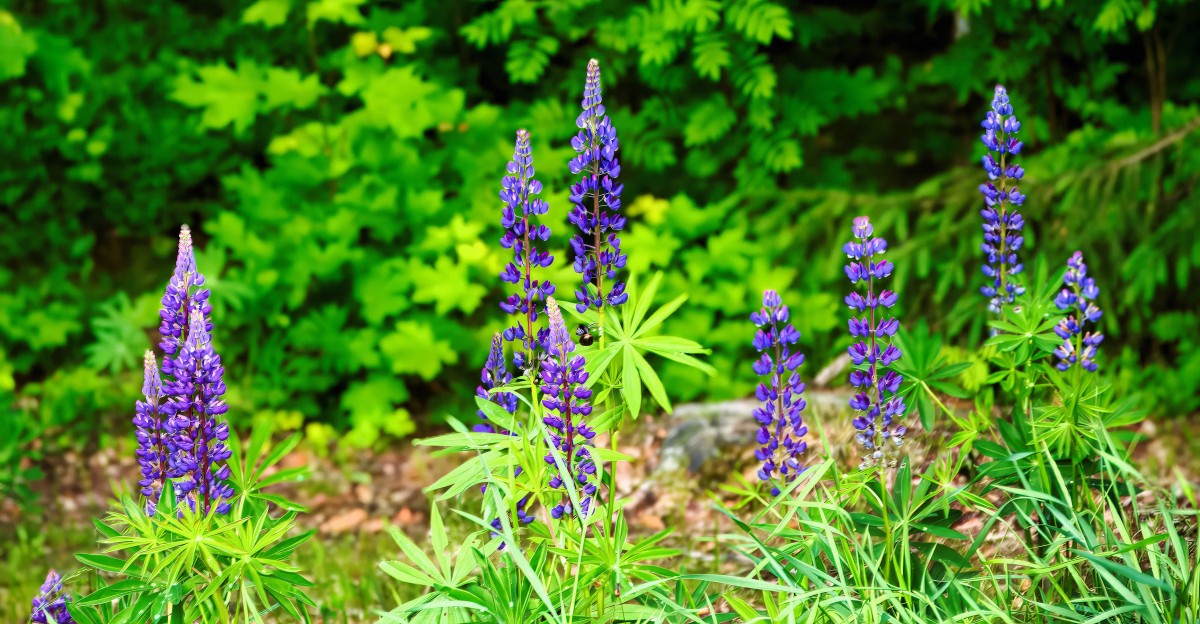
Tall spikes of blue to purple pea-like flowers rise above soft, fan-shaped leaves in May and June. Plants stand about one to two feet tall, and the foliage fades back after the summer heat arrives.
Sunny spots with sandy, well-drained soil suit it best, since soggy ground quickly leads to root rot. As a pea family member, it teams up with soil bacteria to capture nitrogen and enrich poor ground.
Deep taproots make older plants hard to move, so start with small seedlings or sow seed directly. Keep new plantings evenly moist until they settle in, then ease off once roots reach deeper soil.
Wild lupine is the only caterpillar host for the endangered Karner blue butterfly, found in parts of Michigan. Bumblebees and other native bees also visit the blooms, pushing open the petals to reach the pollen inside.
Every part of the lupine is toxic if eaten, so plant it away from nibbling pets and toddlers. Buy plants or seed from native plant nurseries, since that helps protect genetics and the butterflies that depend on them.
6. Astilbe
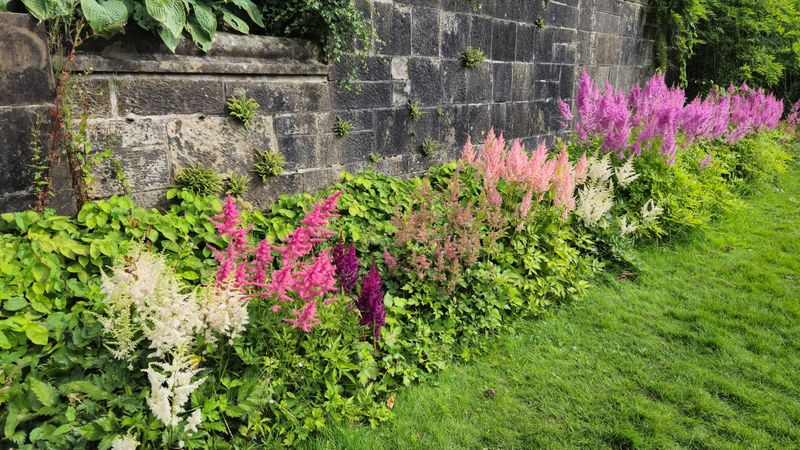
Astilbe plumes look like someone fluffed pink cotton candy and stuck it on wiry stems above lacy leaves. Few perennials brighten a shady corner so well, and mine glow like soft lanterns under the evening sky.
Most varieties are hardy in zones 3 or 4 through 8, and they perform best in cooler climates like ours. Plumes come in red, pink, purple, or white, with fern-like foliage that sometimes carries a lovely bronze tint.
Partial to full shade suits them nicely, though northern gardeners can grow them in more sun with steady moisture. Without enough water, the leaves crisp up fast and the whole plant looks tired by midsummer.
Rich, organic soil that stays evenly moist is the secret, and slightly acidic ground keeps them extra happy. A two-inch layer of shredded bark mulch holds moisture in and keeps roots cool during heat waves.
Got a low, soggy spot where other perennials sulk and rot every spring after the snow melts away? Astilbe is one of the few perennials that can actually thrive in damp, boggy conditions like that.
Bloom time varies by type, with some hybrids flowering in late spring and others waiting until late summer. Planting a few different types side by side gives you a long parade of feathery color in shade.
Leave the dried plumes standing through winter, since they catch frost and snow in a really pretty way. Divide clumps every three or four years in spring to keep them vigorous and blooming well.
7. Catmint
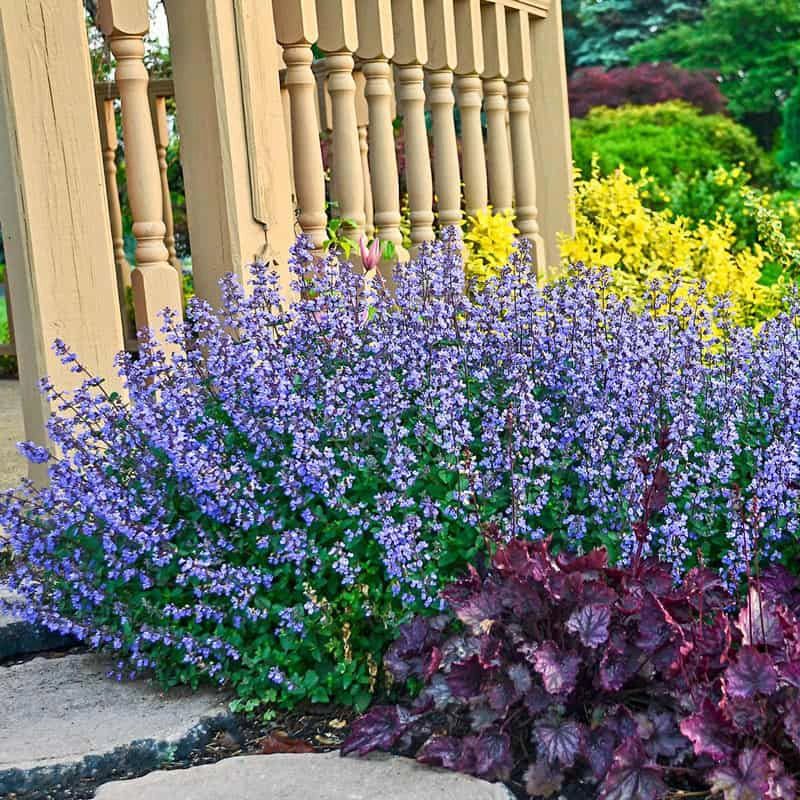
Brush past catmint on a warm day and a fresh, minty scent drifts up around your ankles. That fragrance happens to annoy deer and rabbits, which makes catmint one of my favorite border buddies.
Garden catmint, often Nepeta x faassenii, is hardy in zones 3 through 8 and laughs off cold winters. It belongs to the mint family, yet it forms tidy clumps instead of racing across your beds.
Soft gray-green leaves line arching stems, and spikes of blue-violet flowers cover the plant for weeks. Most varieties reach one to three feet tall with a similar spread, so check plant tags before planting.
Lean, well-drained soil suits catmint best, and it handles sandy or rocky ground without complaining at all. Skip the fertilizer, since rich soil can make the stems flop open like a tired umbrella.
Full sun brings the heaviest bloom, although partial shade works fine too in spots that get afternoon relief. Once established, catmint is drought tolerant and usually needs a drink only every couple of weeks.
Flowering starts in late spring, and shearing the plant back by about half afterward often triggers a second flush. Bees adore those blue blossoms, and butterflies and hummingbirds also drop by throughout the long summer season.
Pests and diseases rarely bother it, which leaves you more time for sipping lemonade on the porch. I tuck catmint along walkways and under roses, where its soft blue haze hides any bare stems nicely.
8. Wild Columbine
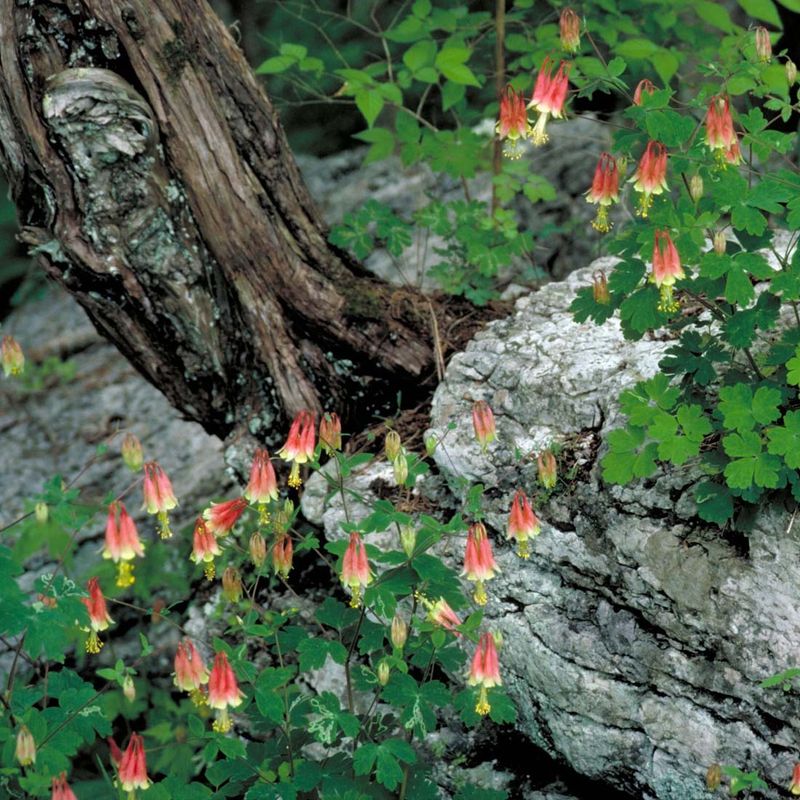
Hummingbirds seem to have a radar for wild columbine, zooming straight to those dangling red and yellow lanterns. Long spurs at the back of each flower hold nectar, perfectly shaped for a hungry hummingbird’s long tongue.
The genus name Aquilegia comes from the Latin word for eagle, because those spurs resemble curved talons. Aquilegia canadensis is native to eastern North America, including Michigan woodlands, and handles zones 3 through 8.
Plants grow one to three feet tall with airy, blue-green leaves that often blush burgundy when young. In my shade garden, they float like little fireworks between hostas and ferns nearly every single May.
Partial shade to full sun works, and dappled light beneath deciduous trees mimics its natural woodland home. Well-drained, sandy loam suits it best, and overly rich or soggy soil tends to produce weaker plants.
Water during dry spells while plants get established, though mature columbines can usually handle a dry summer. Blooms show up in late spring and early summer, right when migrating hummingbirds are arriving back north.
Individual plants are short-lived, but they reseed readily, so a small patch can persist for many years. Let a few seed pods ripen and split open, then watch tiny seedlings pop up nearby next spring.
Leaf miners sometimes draw squiggly trails on the foliage, and leaves can look ragged by midsummer. Simply trim the worst leaves back, and fresh growth often returns while deer usually leave the plant alone.