The Native Michigan Perennial That Spreads Fast Even In Wet Clay Soil
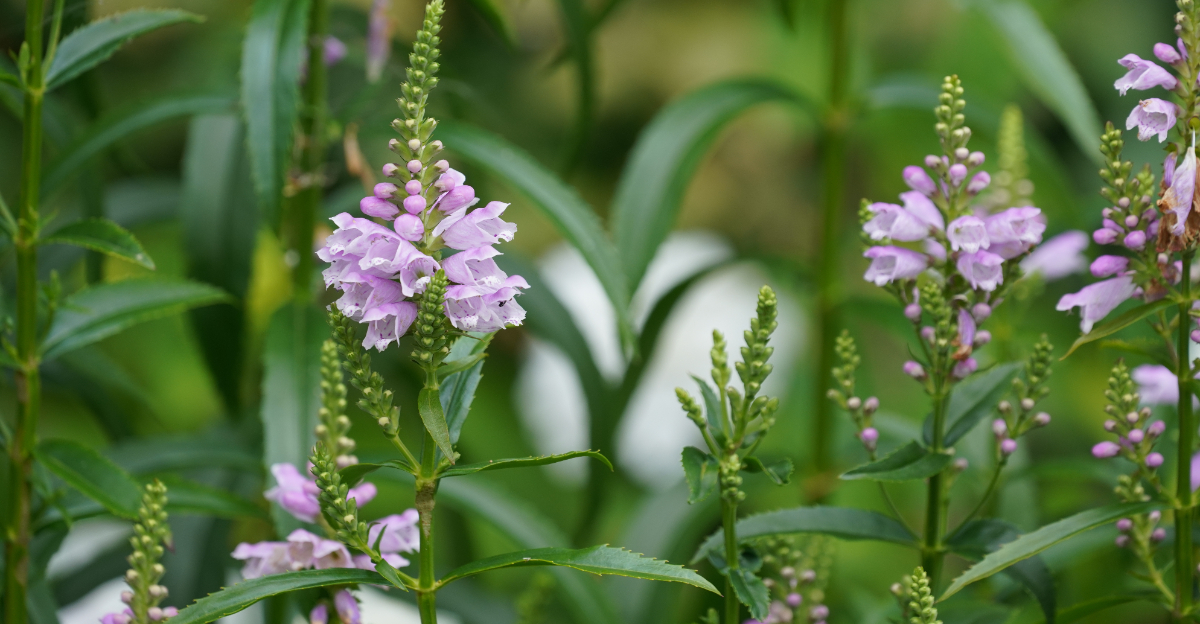
Obedient plant thrives in the wet, heavy clay soil that challenges so many other perennials throughout Michigan yards.
This native plant spreads through underground rhizomes, quickly filling in problem areas where standing water or poor drainage typically limits plant choices.
Its tall, upright flower spikes bloom in shades of pink or white, adding vertical interest during mid to late summer.
The plant gets its unusual name from its unique ability to hold a bent stem in place when manually adjusted, a quirky trait that surprises many gardeners.
Because of its spreading habit, obedient plant works best in larger areas where its growth can be appreciated rather than fought against.
Thinning or dividing clumps every few years helps keep its spread more manageable in smaller garden spaces.
Once established, this perennial requires very little maintenance beyond occasional division. Choosing obedient plant turns a frustrating wet clay problem area into a genuinely productive garden space.
Why It Earned The Name Obedient Plant
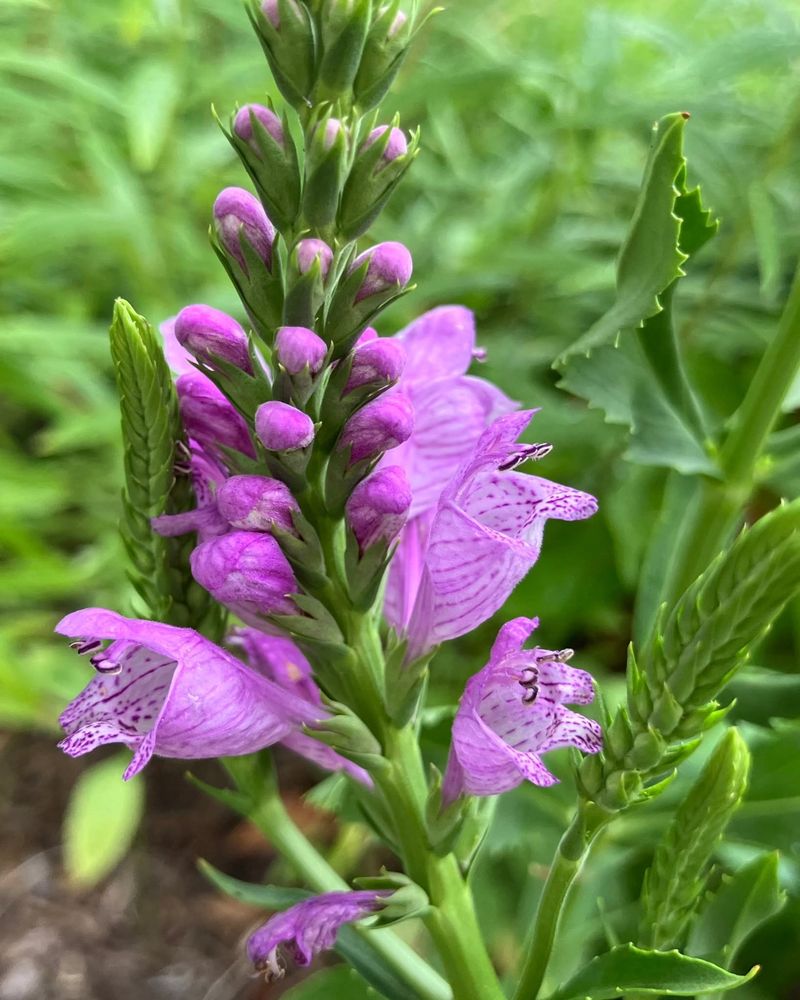
The name sounds a little silly at first, but there is a real reason behind it. When you gently push one of the small tubular flowers to the side, it stays put in that new position for a while instead of springing back.
Kids and grown-ups both love testing this trick in the garden. The blooms sit on tiny hinged stalks, so they hold their spot like a well-behaved row of soldiers. That playful quality is how the plant got its friendly common name.
Its scientific name is Physostegia virginiana, which sounds far more serious than the flower actually behaves. Gardeners have passed down the flower-pushing game for generations, making it a fun surprise for anyone new to the plant.
Here is the funny part, though. While the individual flowers stay obedient when you move them, the plant itself is anything but obedient underground.
It spreads fast and wanders wherever it pleases, which catches many first-time growers off guard.
So the name really tells only half the story. Above the soil, it plays along nicely and poses for you. Below the soil, it does its own thing and claims new territory each season.
Understanding this two-sided personality helps you enjoy the plant without frustration. You get charming, movable blooms up top and a spirited spreader down below.
Once you know what to expect, the obedient plant becomes a delightful and memorable addition to any damp garden bed.
A True Michigan Native That Belongs Here
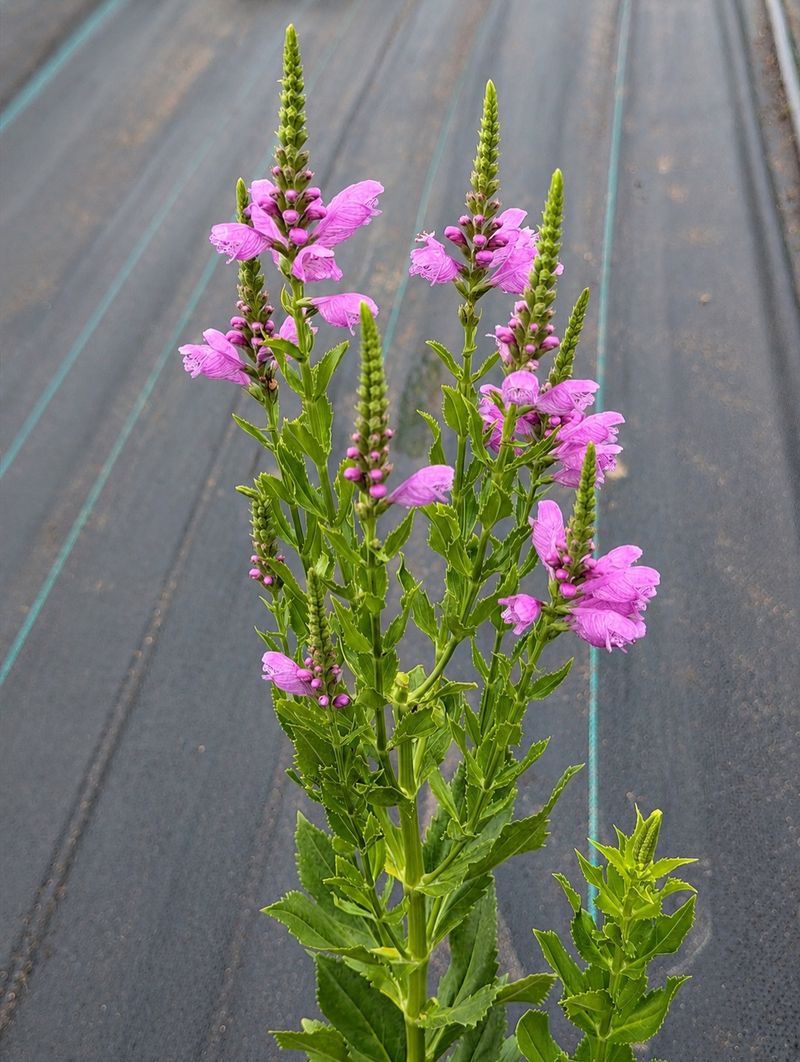
Long before gardeners started planting it on purpose, obedient plant grew wild across Michigan and much of the eastern and central United States. It belongs to the mint family and shows up naturally in wet meadows, along streams, and near marshy edges.
Because it is native to the region, obedient plant is well adapted to Michigan’s climate and handles cold winters and humid summers well. That makes it a smart pick for anyone who wants low-fuss color without babying a delicate import.
Native plants like this one also support the local web of life. Bees, butterflies, and hummingbirds visit its flowers for nectar, making it a valuable addition to a pollinator-friendly garden.
Your Michigan Garden Changes Every Week. Your Plan Should Too.
Gardening in Michigan changes quickly throughout the season. Every Friday you’ll receive a simple weekly plan showing exactly what to plant, prune, fertilize, harvest, and protect so you never miss the right timing.
There is something satisfying about growing a flower that truly belongs in your region. You are not fighting against the climate or the soil.
Instead, you are working with nature and giving pollinators a food source they recognize.
Obedient plant is available from many native-plant nurseries and works well in gardens designed around regional species. Choosing a native perennial cuts down on watering and extra care once it settles in.
If you enjoy the idea of a garden that reflects the wild beauty of the Midwest, this plant fits right in. It connects your yard to the prairies and wetlands that shaped the landscape.
Growing it feels like inviting a piece of Michigan history into your own backyard.
How It Turns Wet Clay Soil Into A Blooming Paradise
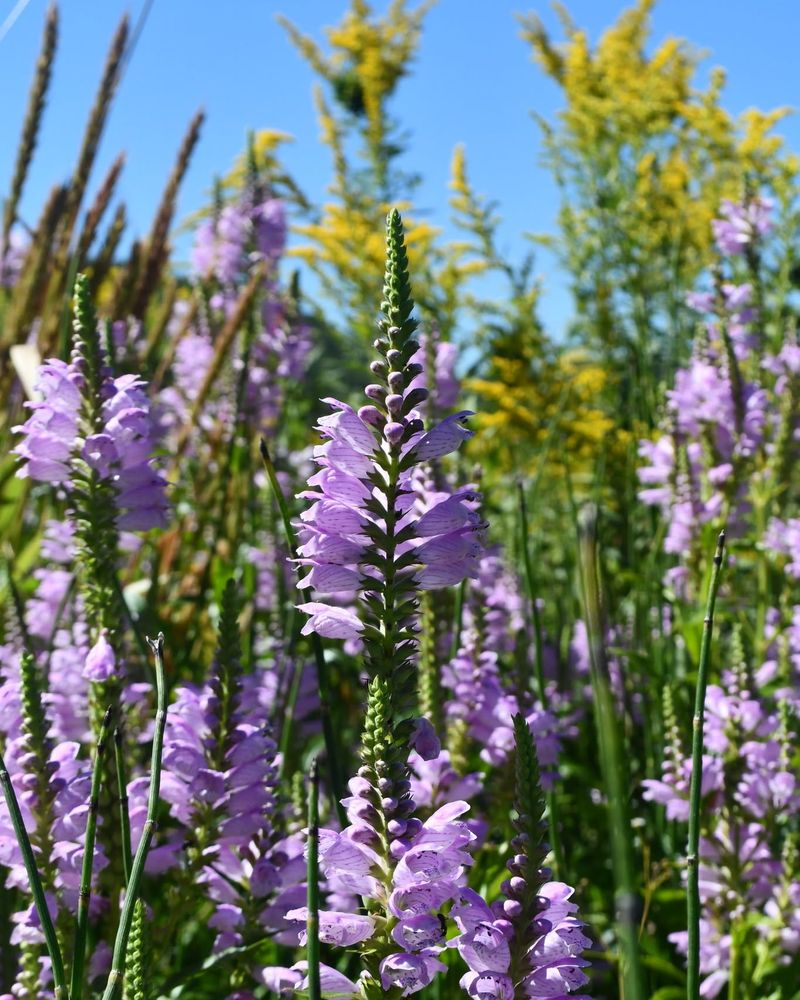
Most flowers throw a fit when planted in soggy, sticky clay. Obedient plant does the opposite and actually seems to enjoy the challenge.
Obedient plant tolerates moist, heavy soils better than many common garden perennials. Moist clay can suit obedient plant well, although it generally performs best where the soil is moist without remaining continuously waterlogged.
Its roots dig in and take up all that extra dampness, helping the flower grow tall and full even in areas where drainage is poor.
Gardeners often struggle with low corners of the yard that stay puddled after every storm. Instead of leaving those areas bare, you can fill them with cheerful spikes of color that soak up the mess.
The plant even helps a little with the wetness. Its tolerance for moist soil makes it useful in rain gardens and other damp areas where less moisture-tolerant perennials may struggle.
In a properly designed rain garden, its roots and foliage can contribute to a planting that slows and absorbs runoff.
Clay soil is packed with nutrients, and obedient plant taps right into that richness. So while the texture looks unfriendly to us, the flower reads it as a buffet full of everything it needs.
If you have given up on a swampy patch, this perennial offers a real solution. Just tuck a few plants into the dampest spot and let them settle in.
Within a season or two, that troublesome ground transforms into a lush stand of pink and lavender blooms. It is one of the simplest fixes for a wet problem area.
The Fast-Spreading Roots You Should Know About
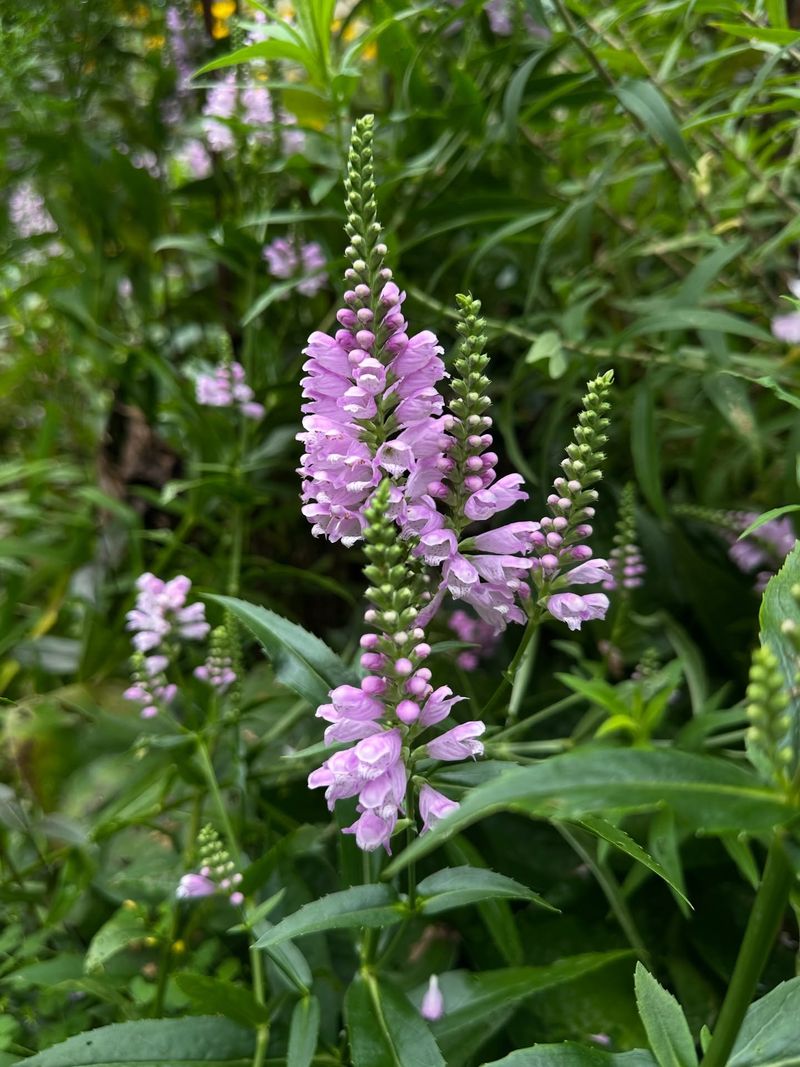
Here is the big secret every new grower needs to hear early: this plant spreads quickly. Really quickly.
It sends out underground stems called rhizomes that creep sideways and pop up as brand-new shoots.
In moist, rich clay soil, that spreading speeds up even more. A single small plant can turn into a wide patch within just a couple of growing seasons if you let it roam freely.
Some gardeners love this trait because it fills empty space fast and cheaply. If you want a big colorful colony without buying dozens of plants, obedient plant delivers with almost no effort on your part.
Others feel caught off guard when it drifts into flower beds where it was not invited. Knowing about the rhizomes ahead of time saves you from surprises down the road.
The good news is that the roots stay fairly shallow. That makes unwanted shoots easy to pull up by hand whenever they wander too far.
You can also plant it in a spot where spreading is welcome, like a wild meadow area or a rain garden. In those places, its energy becomes a gift rather than a headache.
Think of it as an enthusiastic plant that just wants to explore. With a bit of planning, you can point that energy exactly where you want it.
Once you respect its wandering habit, you will find it far easier to enjoy. Preparation is the key to a happy relationship with this lively grower.
Simple Tricks To Keep It From Taking Over
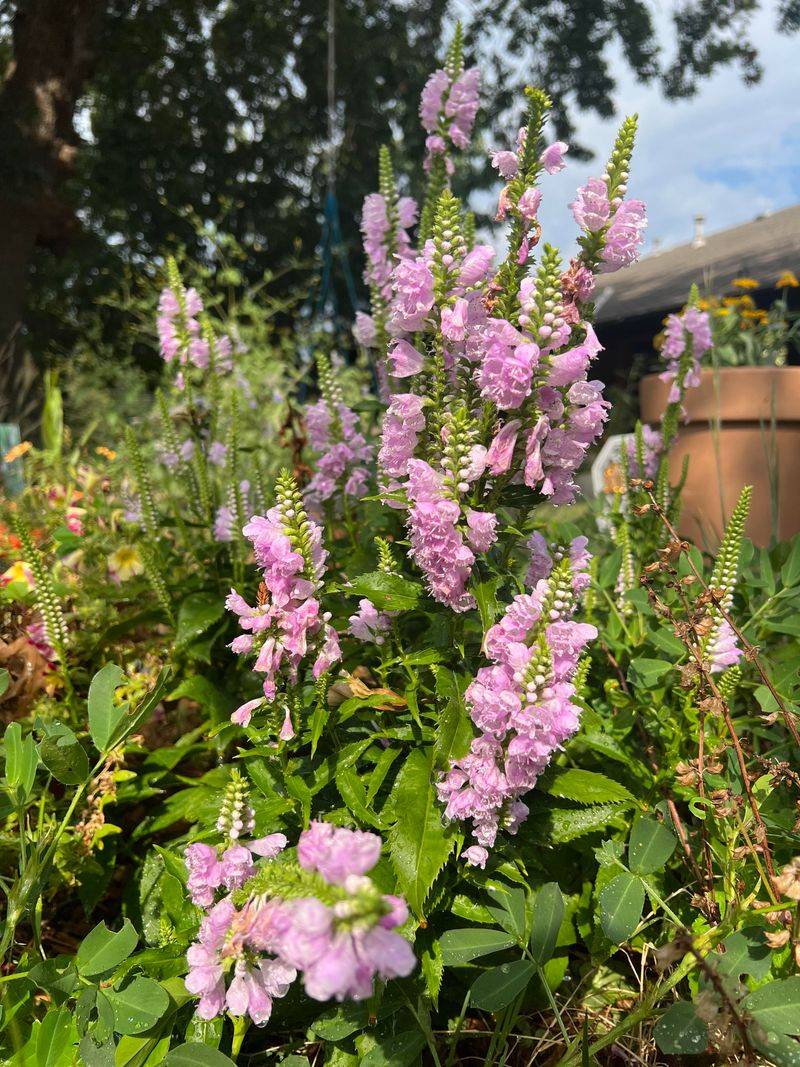
Since obedient plant loves to roam, a little management goes a long way. The easiest method is planting it inside a barrier that stops the roots from creeping out.
Many gardeners sink a bottomless pot or a plastic border about a foot deep into the ground. That underground wall blocks the rhizomes and keeps the patch neat and contained.
Another handy trick is planting it near natural boundaries. A driveway, a sidewalk, or a mowed lawn edge all slow the spread because the roots cannot push through hard surfaces easily.
Regular mowing around the patch also works wonders. Any shoots that escape simply get trimmed off before they can settle in, which keeps the colony from marching across your yard.
If you notice new sprouts popping up where you do not want them, just tug them out early. The shallow roots come up without much fuss when the plants are still young.
Dividing the clump every few years helps too. Digging up part of the patch controls its size and gives you extra plants to share with friends or move elsewhere.
Choosing the right location from the start saves the most trouble. Put it somewhere spreading is a bonus, and you barely have to lift a finger.
With these easy habits, you get all the beauty without the worry. A few minutes of attention each season keeps everything tidy.
Managed well, this plant rewards you with steady color while staying right where you planted it.
Blooms That Pollinators Absolutely Adore
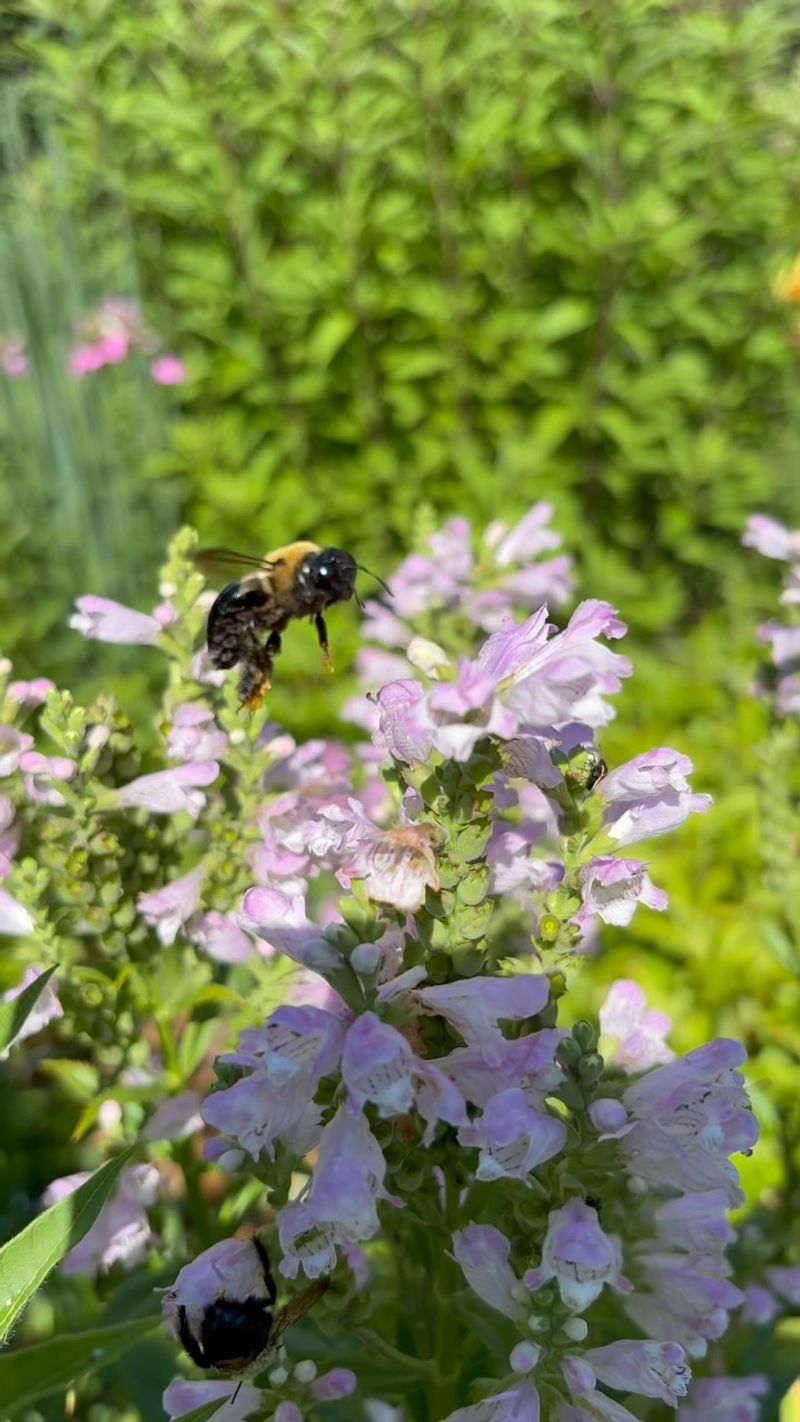
When those tall flower spikes open in late summer, the whole plant buzzes with visitors. Bees, butterflies, and hummingbirds line up for the sweet nectar hidden inside each tubular bloom.
The timing is a big deal. Obedient plant flowers from midsummer into early fall, right when many other blossoms are fading. That makes it a valuable food source during a hungry stretch of the season.
Bumblebees especially seem to treasure it. You will often spot them crawling deep into the flowers, gathering pollen and helping the plant reproduce at the same time.
Monarch butterflies pass through the Midwest during their long fall journey, and stands of obedient plant give them a welcome place to refuel. Planting it turns your yard into a helpful rest stop.
Supporting pollinators matters more than ever these days. Every patch of nectar-rich flowers helps keep bee and butterfly populations strong and busy.
The pink and lavender spikes also look gorgeous while doing all this good work. You get beauty and purpose rolled into one easygoing plant.
Set a chair nearby on a warm afternoon and watch the show. The gentle hum and fluttering wings turn an ordinary garden into a lively little wildlife scene.
Kids find the activity fascinating too, making it a great teaching tool about nature. Watching a bee visit flower after flower sparks real curiosity.
For anyone who wants a wildlife-friendly yard, this bloomer earns its place. It feeds the creatures we depend on while brightening every corner it fills.
Easy Care Tips For Healthy Tall Spikes
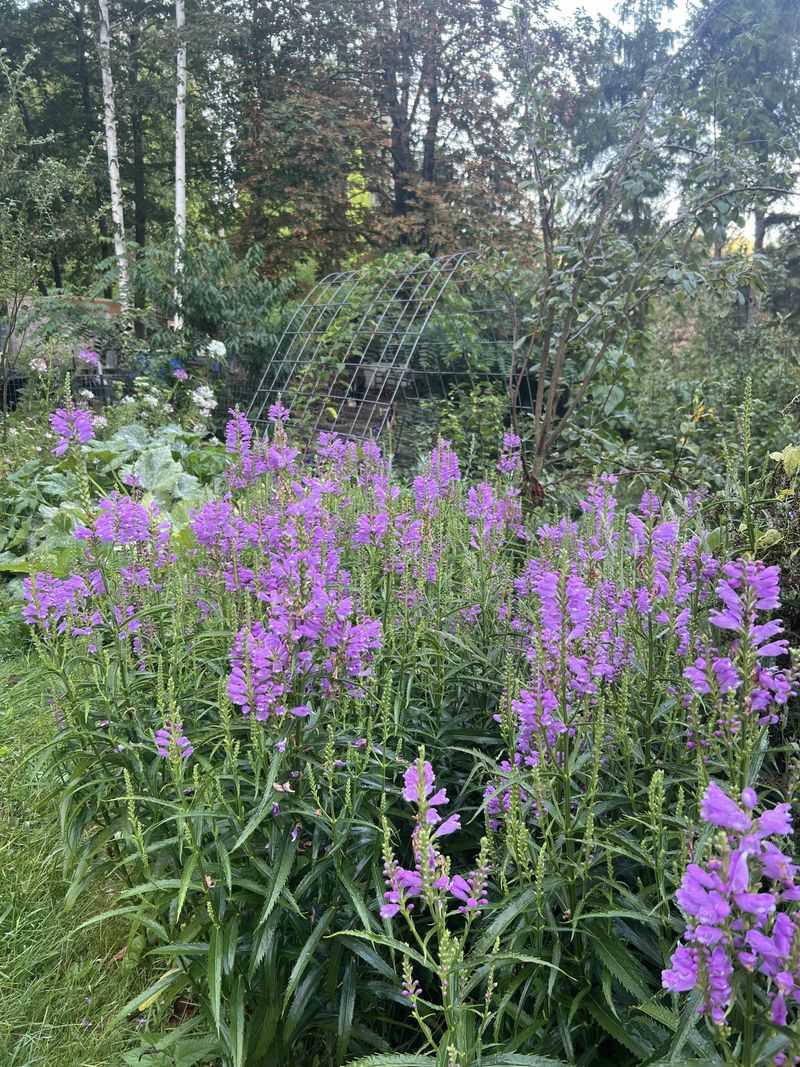
Caring for this plant is refreshingly simple once it settles into the right spot. Give it plenty of moisture and it practically takes care of itself.
Full sun brings the most flowers, though it tolerates part shade just fine. In sunnier locations you may notice the stems grow sturdier and hold their shape better.
Speaking of stems, the tall spikes sometimes flop over after heavy rain or wind. A light stake or planting them close together for support keeps everything standing upright.
Watering matters most during the first season. After the roots establish, the plant handles dry spells on its own, especially in clay that holds moisture well.
Cutting back the spent flower spikes encourages a tidier look and can spark a few extra blooms. It also reduces how many seeds scatter around the garden.
In late fall, you can trim the whole plant down close to the ground. Fresh shoots return reliably each spring without any special coaxing.
Fertilizer is rarely needed since clay soil already carries plenty of nutrients. Too much feeding can actually make the plant floppier and more likely to lean.
Pests and diseases seldom bother it, which is another reason gardeners appreciate its easygoing nature. Healthy airflow between plants keeps most problems away.
Follow these gentle steps and you will enjoy strong, colorful spikes year after year. It truly is one of the most forgiving perennials you can grow in a damp garden.
Creative Ways To Use It In Your Garden Design
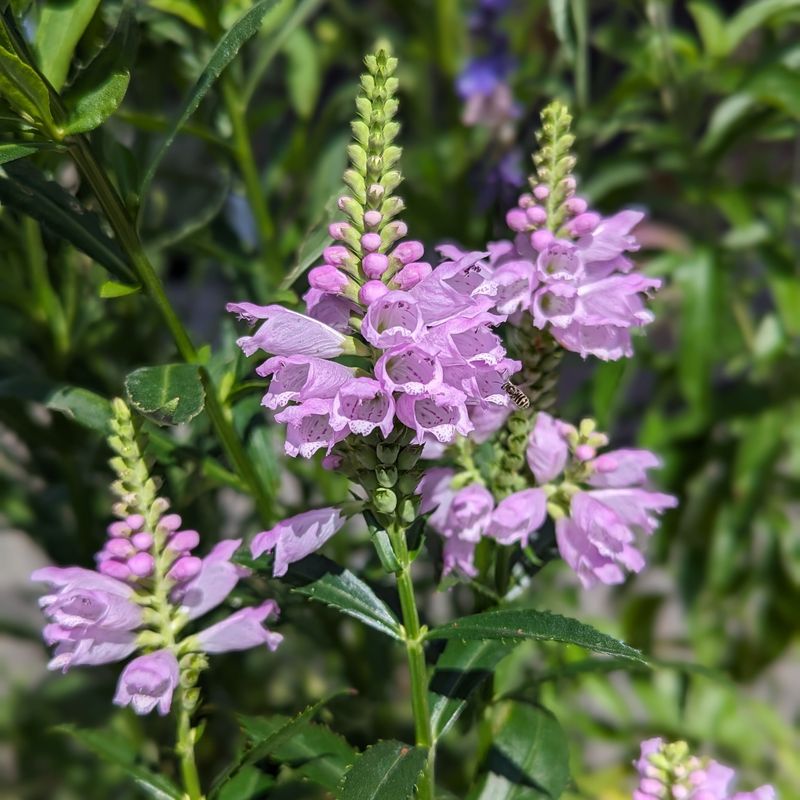
Beyond solving wet spots, obedient plant shines as a design element. Its tall vertical spikes add height and structure that many low, mounded flowers lack.
Rain gardens are a natural fit. Those shallow basins collect runoff and stay damp, giving the plant exactly the conditions it craves while filtering water for the yard.
Along a pond or stream edge, it creates a soft, natural border that blends beautifully with grasses and other moisture-loving natives. The look feels wild yet intentional.
In a cottage-style bed, the pink and lavender spikes mix wonderfully with black-eyed Susans, coneflowers, and ornamental grasses. The contrast of shapes keeps the eye moving.
Because it spreads, it also works as a living ground cover in large, open areas. Let it fill a sunny slope or a back corner where you want easy, sweeping color.
The blooms make lovely cut flowers too. Snip a few spikes for a vase and they last a good while indoors, bringing the garden inside.
Mixing white and pink varieties creates a soft, layered effect that photographs beautifully. Gardeners often plant clumps of both for extra interest.
Pairing it with plants of similar strength keeps the bed balanced, since delicate neighbors might get crowded by its energetic roots.
Whether you want a naturalistic meadow or a tidy border accent, this flexible perennial adapts to your vision. With a little imagination, it becomes far more than a fix for soggy ground.
It turns into a standout feature of your whole landscape.