Why Moss Takes Over Ohio Lawns Over Winter
Some of the greenest plants in your yard right now have no roots at all. They drink water straight through their leaves, and they can keep growing on chilly, gray days when your grass has gone quiet.
I spotted a velvety green patch under my maple last January and honestly felt a little jealous. My lawn looked tired and tan, yet this little carpet looked ready for a photo shoot.
Across Ohio, plenty of homeowners notice the same surprise once the leaves drop.
You need to know one thing before reaching for a rake. That plush green patch is rarely the real troublemaker in your yard.
It is more like a messenger, quietly pointing at conditions your grass dislikes.
That soft green carpet has plenty to say about your soil, your shade, and even your mowing habits, as long as you know how to listen.
That Velvety Green Moss Patch Was There Before Winter Arrived
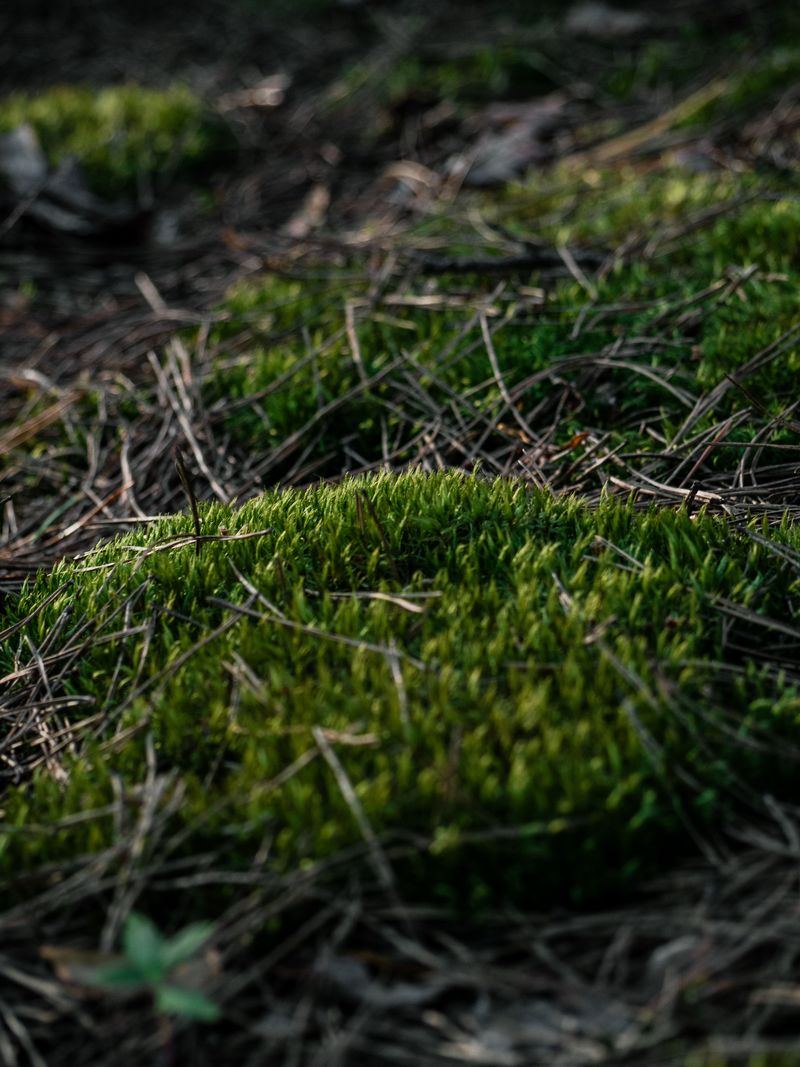
Surprise, the moss on your lawn probably did not show up in December. It was likely growing quietly all summer, hidden under taller grass blades.
Winter simply pulls back the curtain. Ohio lawns are mostly cool-season grasses like Kentucky bluegrass, tall fescue, and perennial ryegrass.
Once temperatures drop, these grasses slow down, turn tan, and go partly dormant.
Moss plays by different rules. It is a nonvascular plant, which means it has no true roots or water-moving tissue inside.
Tiny hair-like structures called rhizoids just hold it in place.
Since moss soaks up water right through its leaves, cool and damp weather suits it well. It can photosynthesize on mild winter days when grass is resting.
That steady green color pops against a faded lawn like a neon sign.
I find this both annoying and kind of impressive. The moss is not invading so much as filling space your grass left open.
Research from university extension programs agrees on one key point. Moss rarely pushes healthy grass out.
It moves in where turf is already thin, weak, or struggling. So the smartest question is not how to remove moss, but why the grass thinned out in the first place.
Tree Shade Is Usually Behind Those Mossy Lawn Spots
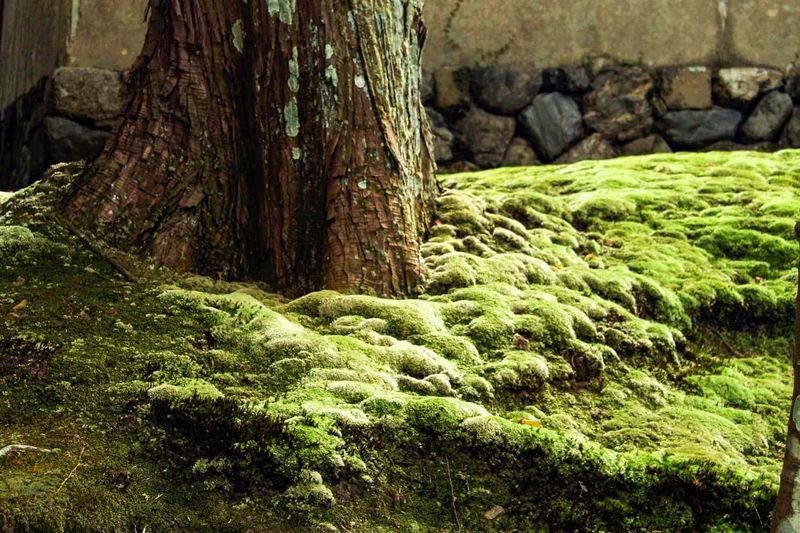
Walk around your yard and look at where the moss sits. Odds are good you will find it under trees, along the north side of the house, or beside a tall fence.
Shade is the number one reason lawns thin out, according to Ohio State University Extension and other turf experts. Most lawn grasses want at least four to six hours of direct sun each day.
Below that, they grow sparse and weak.
Moss, on the other hand, happily lives in dim light. That gives it a huge advantage in shady corners.
Winter makes these spots even gloomier. The sun sits low in the sky, so shadows from houses and evergreens stretch much farther.
Even bare deciduous trees cast a web of branch shadows.
So what can you do? Thinning or raising lower tree branches lets more light reach the ground.
A certified arborist can help with big trees safely.
For deep shade, consider fine fescues, which handle low light better than bluegrass. In the darkest spots, honestly, I would stop fighting.
Native shade plants like wild ginger or woodland sedges look lovely and ask for far less effort than a struggling lawn.
Soggy, Compacted Soil Rolls Out A Welcome Mat For Moss
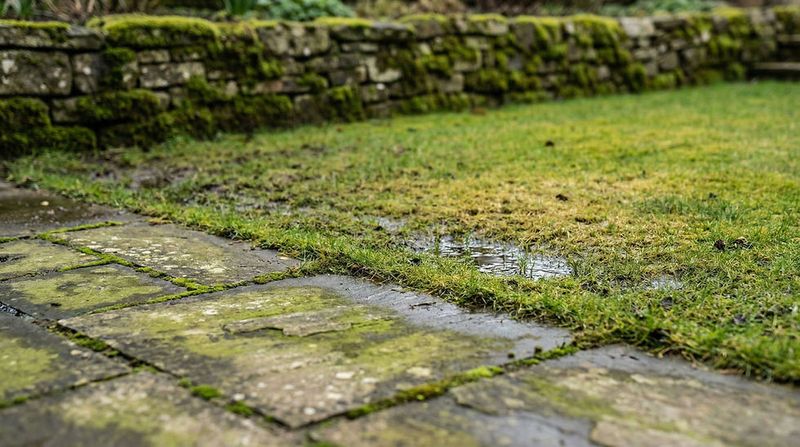
Press your boot into a mossy spot after a winter rain. If water squishes up around your sole, you have found another big clue.
Much of Ohio sits on heavy clay soil, especially in the northern and central parts of the state. Clay holds water and packs down easily.
Foot traffic, kids playing, pets running, and parked cars squeeze out the air pockets grass roots need.
When soil gets compacted, water drains slowly. Grass roots become shallow and weak.
Moss does not mind one bit, because it does not need deep soil at all. It just needs a damp surface.
Ohio winters bring plenty of moisture through rain, snowmelt, and freeze-thaw cycles. Low spots stay wet for weeks, which is moss heaven.
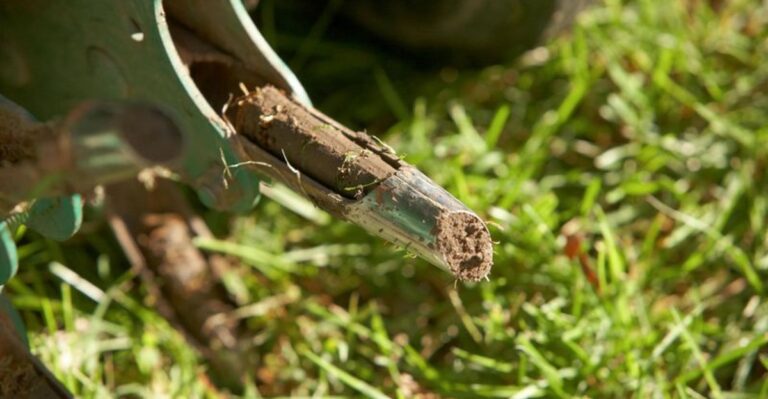
Core aeration helps a lot. This machine pulls small plugs of soil out of the ground, letting air and water move down again.
For cool-season lawns, early fall is the best time, with spring as a backup.
Please skip aerating soggy, frozen ground in winter. You will only make a muddy mess.
Instead, mark the wettest spots now with flags, so you remember exactly where to work later.
A Quick Soil Test Can Reveal What Your Grass Is Missing
Lots of folks blame acidic soil for moss and immediately spread lime. I did that once, and the moss happily stayed put.
Here is what the research really says. Moss can grow in acidic soil, but it also grows in neutral and even alkaline soil.
Low pH is not the main cause for most lawns. Low fertility, though, is a common partner to moss problems.
Grass that lacks nutrients grows thin and pale. That leaves gaps where moss creeps in.
Cool-season grasses do best with a pH roughly between 6.0 and 7.0 and enough nitrogen, phosphorus, and potassium.
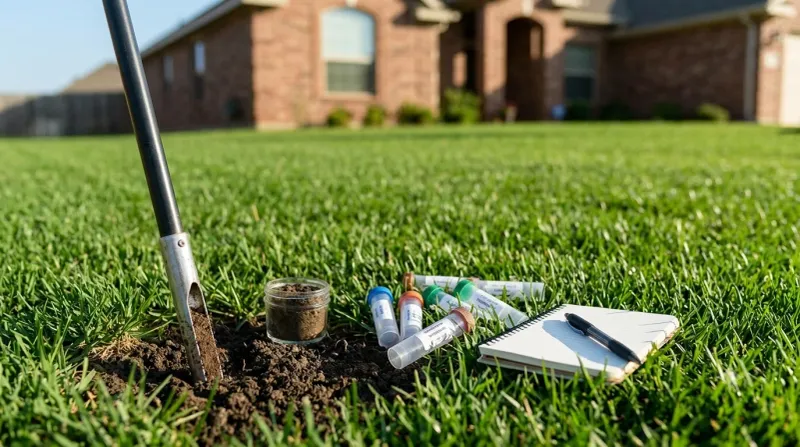
A soil test takes the guessing out of it. Many Ohio county extension offices can point you toward affordable labs.
You collect small samples from several spots, mix them, and mail them in.
The results tell you if lime is really needed, and how much. They also show which nutrients are low.
Late winter is a fine time to take samples once the ground thaws.
Adding lime without a test can push pH too high. That creates new problems, so let the numbers guide you.
Scalped Grass From Short Mowing Gives Moss An Opening
Raise your hand if you have ever dropped the mower deck low to stretch time between cuts. Guilty here, and my lawn let me know.
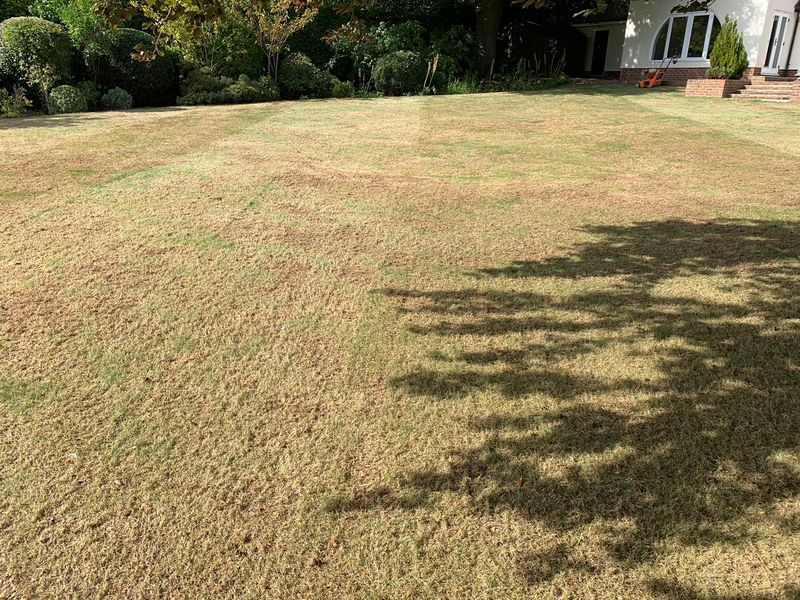
Cutting grass too short is called scalping. It stresses plants, shrinks their roots, and thins the turf.
Sunlight and space then reach the soil surface, which helps moss and weeds settle in.
For most Ohio lawns, a mowing height around 3 to 4 inches works well through the growing season. Taller grass shades the soil, keeps roots deeper, and fills in more thickly.
Thick grass is one of the best natural moss blockers around.
A handy rule is to remove no more than one third of the blade at a time. Keeping blades sharp matters too.
Dull blades shred grass tips, leaving them brown and stressed.
For the final cut of fall, many lawn experts suggest lowering the height slightly, to around 2.5 to 3 inches. This helps reduce matting and snow mold over winter.
Just avoid going extremely low.
Small mowing habits add up over seasons. Your lawn will reward patience with a fuller, tougher look by early summer.
Matted Leaves Left On The Lawn Keep Things Damp And Dark
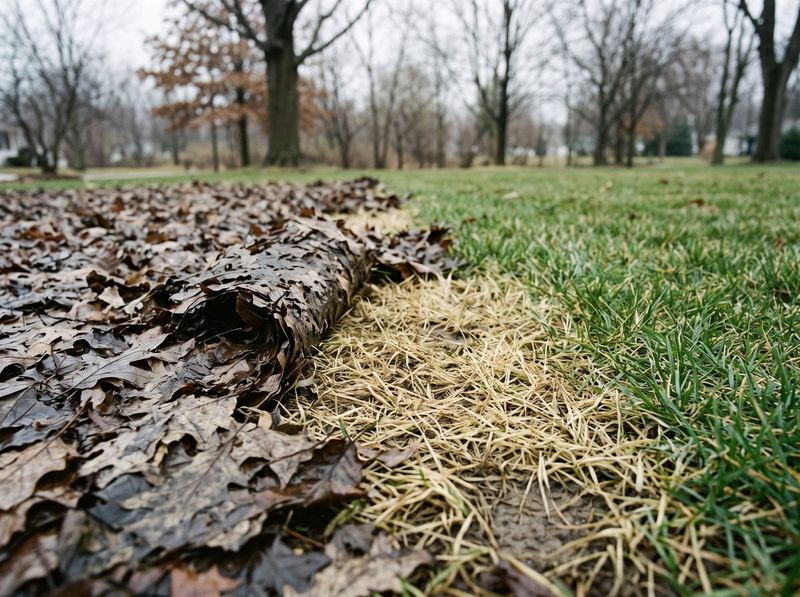
Fallen leaves look cozy in October. By January, a soggy layer of them can turn into a moss nursery.
Thick piles of leaves trap moisture and block light from grass below. The turf underneath weakens and may thin out by spring.
Moss loves that damp, shaded environment and spreads easily into the bare spots.
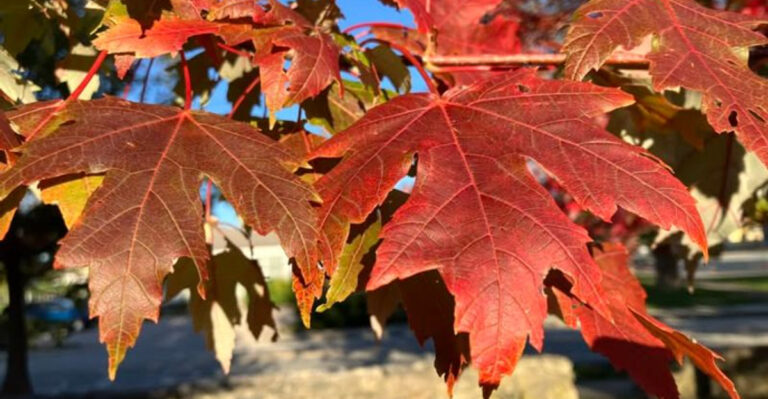
Oak and maple leaves are common culprits across Ohio, since they fall in big numbers. A heavy snowfall on top presses them into a flat, wet mat.
You do not need to bag every leaf, though. Mulching leaves with your mower chops them into small pieces.
Those bits settle between grass blades and break down, feeding the soil. Michigan State and other extension programs have studied this method with good results.
The key is keeping the layer thin enough that you can still see grass. If leaves pile up deeply, rake them off and add them to a compost pile or flower beds.
During a mild, dry winter day, take a quick walk around. Lifting leftover wet clumps off the lawn now gives grass a better start once spring warms things up.
Raking Out Moss Works Best Once Spring Grass Starts Growing
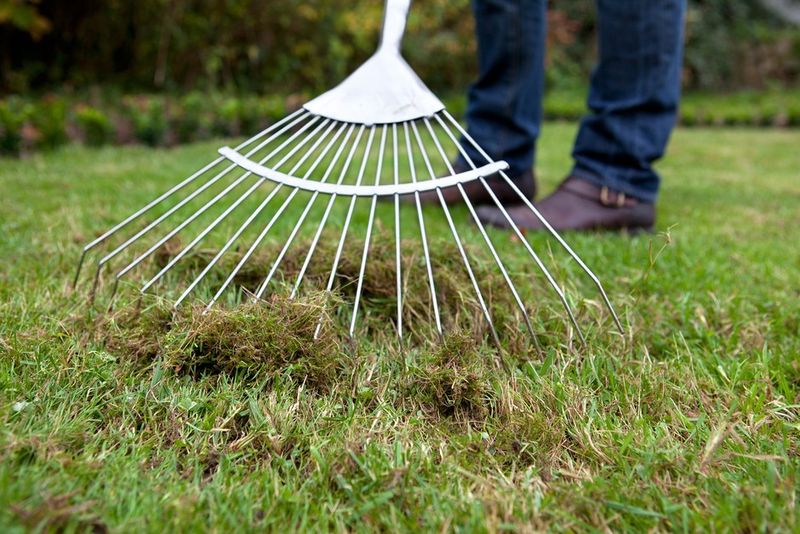
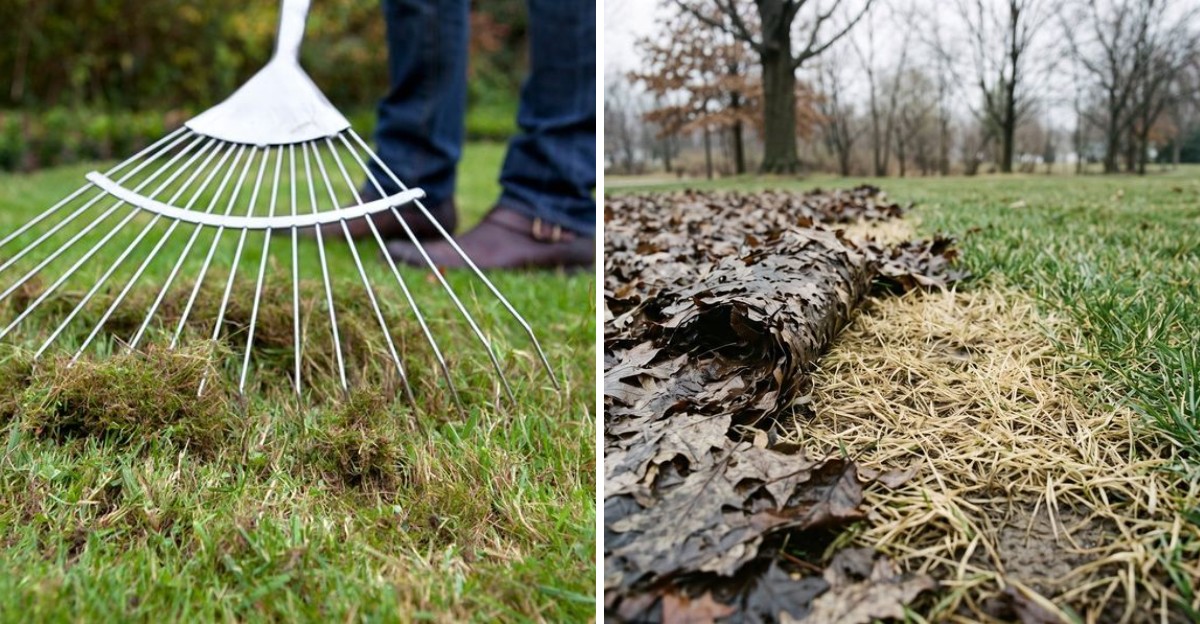
Patience pays off with moss removal. Tearing into it in the middle of winter mostly leaves you with bare, muddy dirt.
The better window comes in spring, once your grass wakes up and starts growing. In Ohio that usually means April, though southern parts of the state may warm a little earlier.
Healthy grass can then fill gaps as you remove moss.
Because moss has no deep roots, a firm rake or a power dethatcher pulls it up fairly easily. Afterward, loosen bare soil and overseed with a grass suited to the site.
Shade-tolerant fine fescues fit dim areas, while tall fescue handles sunnier spots well.
Products with iron sulfate or ferrous ammonium sulfate can darken and suppress moss. Follow every label carefully, since iron can stain sidewalks and driveways.
These treatments are a short-term fix, not a cure.
Fun fact for curious gardeners. Moss reproduces with spores and also spreads from tiny broken bits.
Raking can scatter pieces, so collect what you pull rather than leaving clumps lying around.
Without fixing shade, drainage, or fertility first, moss often returns within a season or two.
Some Ohio Gardeners Are Happily Letting The Moss Stay
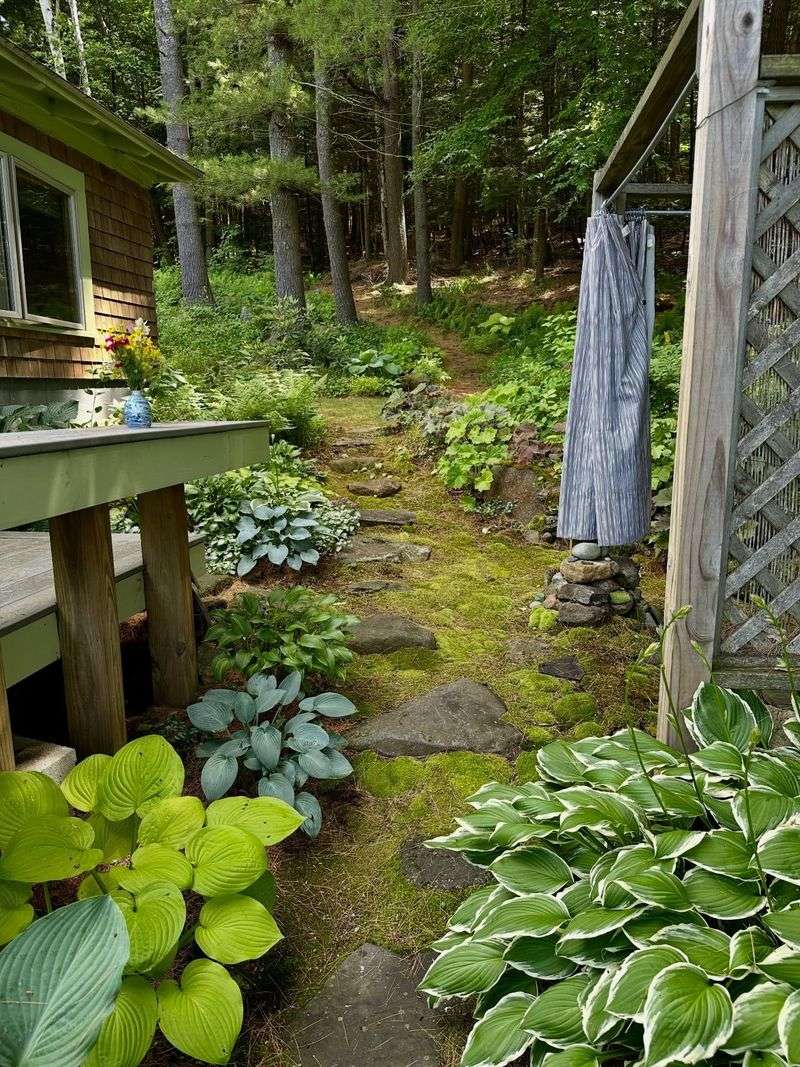
Hear me out on this one. Some of the prettiest shady yards I have seen are covered in moss on purpose.
In deep shade or under big trees, grass may never be truly happy. You can spend years reseeding, liming, and raking for patchy results.
Or you can let moss do what it does best.
Moss stays green most of the year and needs no mowing or fertilizer. It holds soil in place, handles light foot traffic along paths, and looks soft and inviting.
Many native mosses already grow naturally across Ohio forests.
Gardeners who embrace it often add stepping stones, ferns, or native woodland flowers. Plants like wild ginger, Christmas fern, and woodland phlox mix nicely with mossy ground.
The result feels calm, like a small piece of forest right outside the door.
Of course, moss is not ideal for sunny play areas or high-traffic spots. Choose wisely based on how you use each part of the yard.
My biggest takeaway is simple. Moss is a helpful messenger.
Read its clues, fix what you can in sunny areas, and give the shady corners permission to look a little wild.