Why A Soil Test Now Saves Georgia Gardeners Money On Next Year’s Vegetables
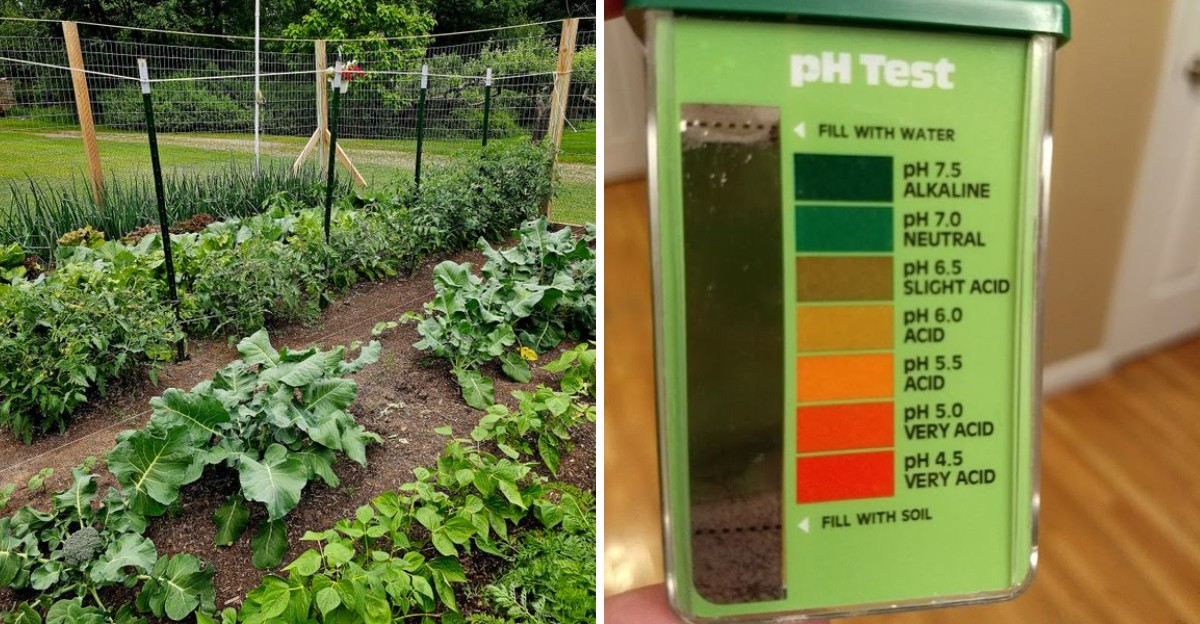
Plenty of Georgia gardens are sitting on soil so acidic that tomatoes struggle to absorb certain nutrients already in the ground. That means some of us buy plant food every spring without getting the results we expect.
I learned this the hard way after years of tossing bags of 10-10-10 around my beds. My squash stayed pale and sulky anyway.
The problem was hiding below the surface, in numbers I had no clue how to read.
A small paper bag of dirt and a few dollars can change all of that. The answer comes back from a university lab with real numbers and plain advice.
You get a shopping list instead of a guessing game.
Timing matters too, and fall gives you a head start most gardeners miss. What is your garden quietly asking for, and how much cash could you keep in your pocket next spring?
1. Those Pale Tomato Leaves Might Be Hungry In Rich Soil
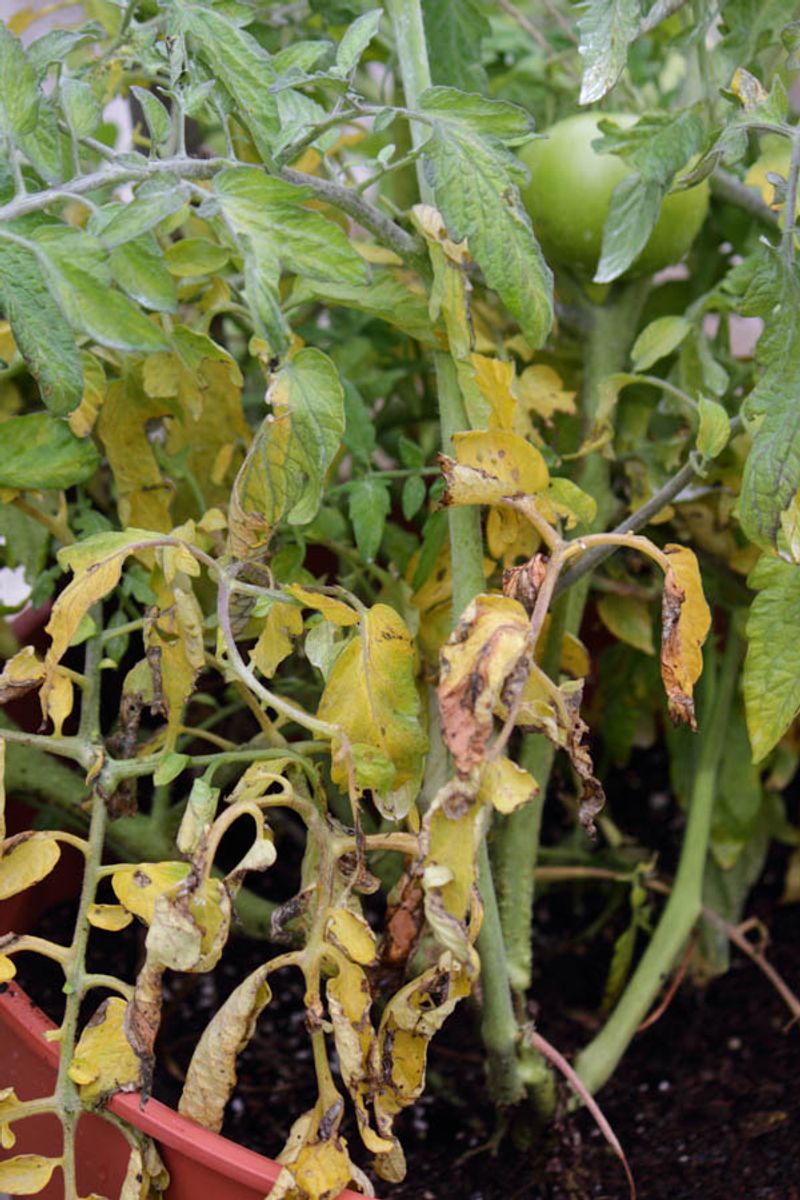
Hungry plants are not always growing in empty soil. Sometimes the nutrients are right there, but the roots can’t grab them.
Soil pH controls that grab. University of Georgia Extension notes that most vegetables do best between about 6.0 and 6.5, while many native Georgia soils run much more acidic.
In acidic dirt, phosphorus, calcium, and magnesium become harder for roots to absorb, and aluminum can rise to harmful levels.
So your plants show yellow leaves, stunted growth, or weak fruit. Many gardeners respond by adding more fertilizer.
I did that for three summers and got the same sad results each time.
Extra fertilizer can’t fix a pH problem. It mostly washes away, especially in sandy Coastal Plain soils, or builds up where you don’t need it.
A soil test reveals what is really happening underground. It reports your pH, your lime needs, and levels of phosphorus, potassium, calcium, magnesium, zinc, and manganese.
That snapshot explains why last season disappointed you.
Once you see the numbers, the mystery fades. You stop treating symptoms and start correcting the cause, which is where the real savings begin.
2. A Cheap Soil Sample Bag Beats A Cart Full Of Fertilizer
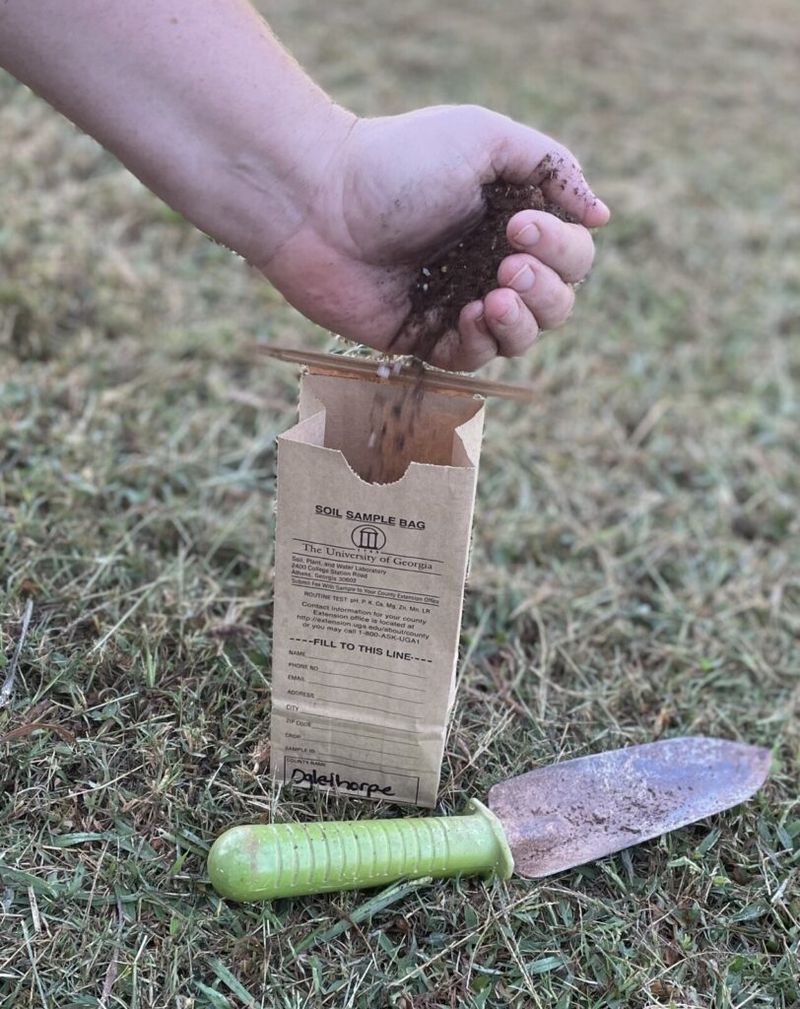
Let’s talk dollars. A routine soil test through your county UGA Extension office usually costs around $10 per sample, though fees vary a bit by county.
Compare that to a typical spring garden center trip. Bags of fertilizer, bone meal, and specialty plant foods can easily run $50 or more.
Many of us buy them on instinct, not evidence.
Your report tells you exactly what to add and what to skip. Plenty of older Georgia gardens already hold high phosphorus from years of all-purpose fertilizer.
If yours does, you can buy a cheaper product without it, or skip it altogether.
That one change can save money every single season. It also keeps extra nutrients from running into creeks and ponds after heavy summer storms.
Lime is another place people waste cash. Some spread it every year by habit, pushing pH too high.
Others never add it and wonder why beans struggle. The test gives a measured amount per area, so you buy only what helps.
Personally, I think of the fee as the cheapest garden tool I own. It pays for itself the first time it tells me not to buy something.
3. Fall Lime Has Months To Work Before Spring Planting
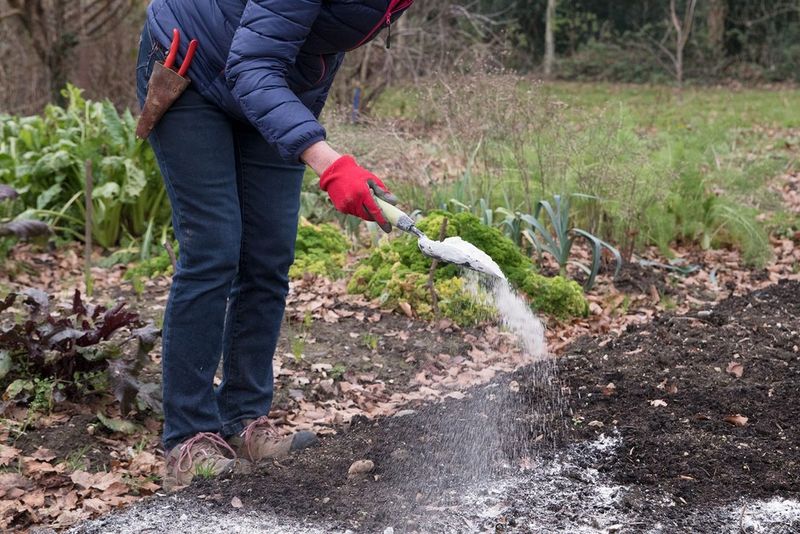
Garden lime is slow, and that’s the whole secret behind testing in fall. It needs moisture and time to react with the soil and raise pH.
UGA Extension advises that lime works best when mixed into the soil a few months before planting. If you test in spring, you may plant tomatoes before the lime has done much.
Testing now flips that timeline in your favor. Results arrive, you spread lime this fall or early winter, and winter rains help it react.
By April, your beds sit much closer to the right range.
Dolomitic lime also adds magnesium, which many Georgia soils lack. Your report will say whether that type or regular calcitic lime fits better.
Fall timing helps with organic matter too. Compost worked in now has months to settle and feed soil life before spring transplants arrive.
I like how this turns the off season into quiet progress. Nothing looks different on the surface, yet the soil is changing underneath.
Come spring, you skip the scramble and plant with confidence.
4. Grab A Clean Bucket And Dig Six Inches Down
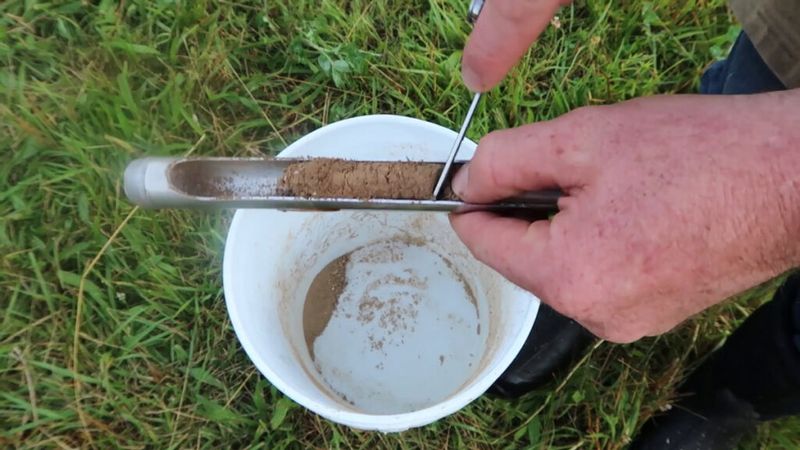
Good results start with a good sample. Luckily, collecting one takes about fifteen minutes and a few simple tools.
Use a clean plastic bucket and a trowel, shovel, or soil probe. Skip galvanized or brass tools, since zinc or copper residue can skew micronutrient readings.
For vegetable gardens, UGA recommends sampling about six inches deep. Take 10 to 15 small cores from different spots across the bed.
Zigzag around so the mix represents the whole area.
Avoid odd spots like old burn piles, compost heaps, or where a fertilizer bag once spilled. Those places can throw off the numbers.
Mix everything well in the bucket and break up clumps. Pull out roots, rocks, and mulch bits.
Then fill the sample bag to the line, which is about a pint of soil. If the soil is soggy, let it air dry on newspaper first.
Got separate areas, like a raised bed and an in-ground plot? Send separate samples, because each spot can behave differently.
A careful sample means a trustworthy report, and that makes every dollar you spend afterward count.
5. Your County Extension Office Handles The Lab Work
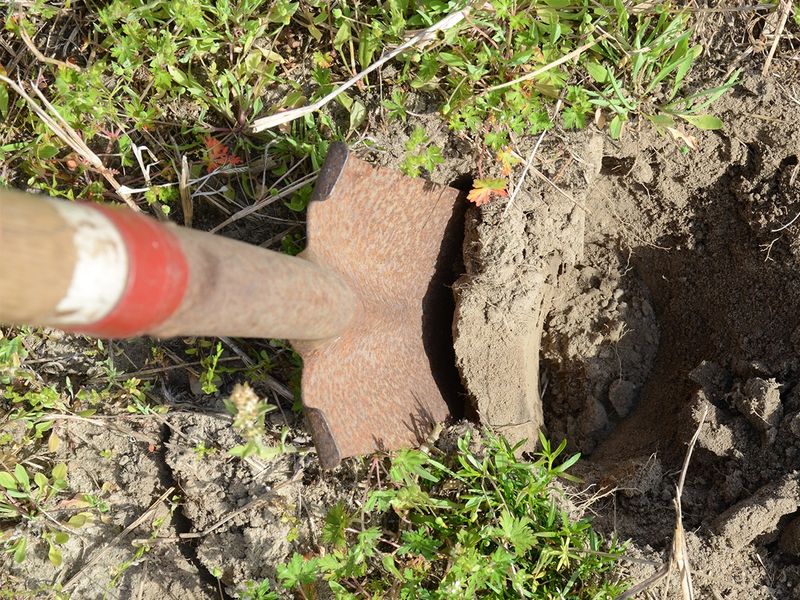
Every county in Georgia has access to a UGA Cooperative Extension office. Few gardeners realize how much help sits just a short drive away.
You can pick up official sample bags there, or ask for a probe to borrow in some counties. Drop off the filled bag, pay the fee, and staff ship it to the UGA Agricultural and Environmental Services Laboratories in Athens.
Be sure to write the crop you plan to grow on the form. Listing a vegetable garden changes the fertilizer advice you receive, so take a moment to get it right.
Results often come back in a week or two, though busy spring months can slow things down. Fall usually means a quicker turnaround.
Here’s the part I treasure most. If the report looks confusing, the local agent can walk you through it, often at no extra cost.
They know your area’s soils, pests, and weather quirks better than any website. Ask questions about compost, raised beds, or which varieties grow well locally.
I can’t imagine gardening without that free advice. It turns a lab sheet into a plan that fits your own backyard.
6. Red Clay And Sandy Coastal Soils Need Different Fixes
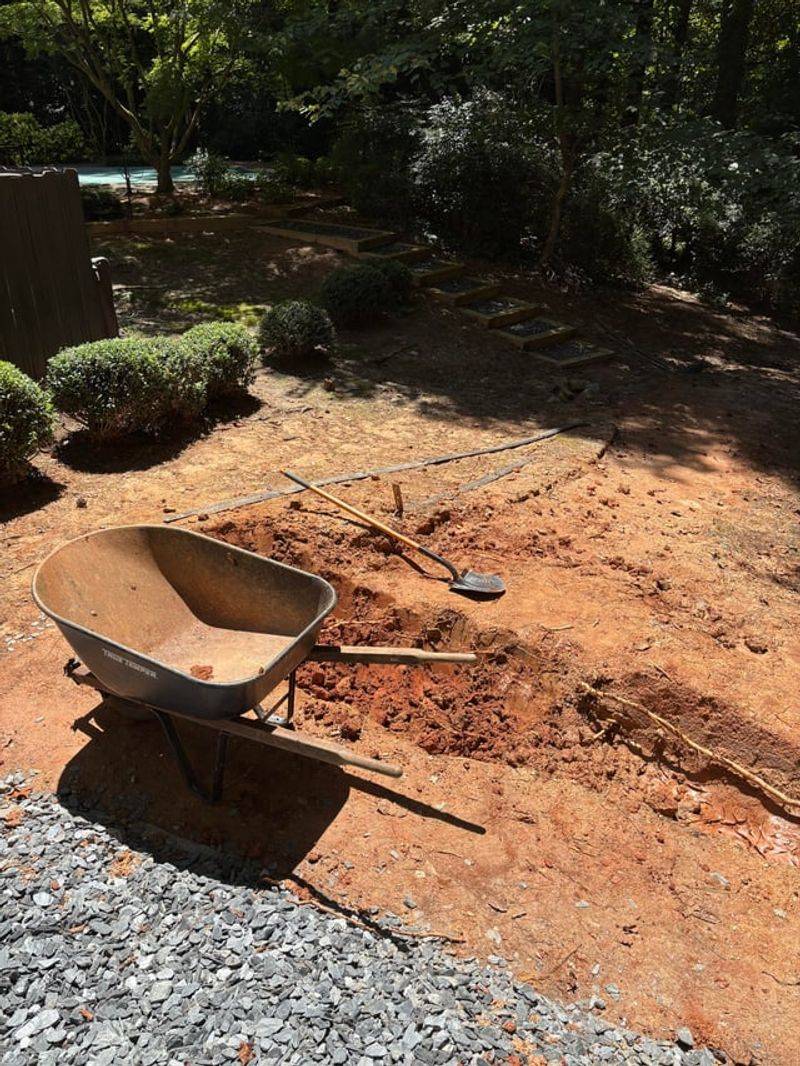
Drive from Rome to Savannah and the ground beneath you changes dramatically. That variety is why a one-size fertilizer plan rarely works.
Much of the Piedmont has that famous red clay. It holds nutrients fairly well but tends to be acidic and can pack down hard.
Clay often needs lime plus plenty of compost for better drainage.
Down in the Coastal Plain, sandy soils drain fast. Water and nutrients like nitrogen and potassium slip through quickly.
Gardeners there may need smaller, more frequent feedings rather than one big dose.
Mountain gardens in north Georgia add another twist, with rocky, often acidic soil and cooler seasons.
A soil test smooths out these differences. The lab measures your actual dirt, not some average for the region.
Then the recommendations match what you have.
Even neighbors can get different results. One yard might have years of added lime and compost, while the one next door holds raw subsoil left from construction.
So skip the advice your cousin swears by across the state. Your own report knows your ground far better, and that saves both money and frustration.
7. Reading The Soil Report Numbers Without A Headache
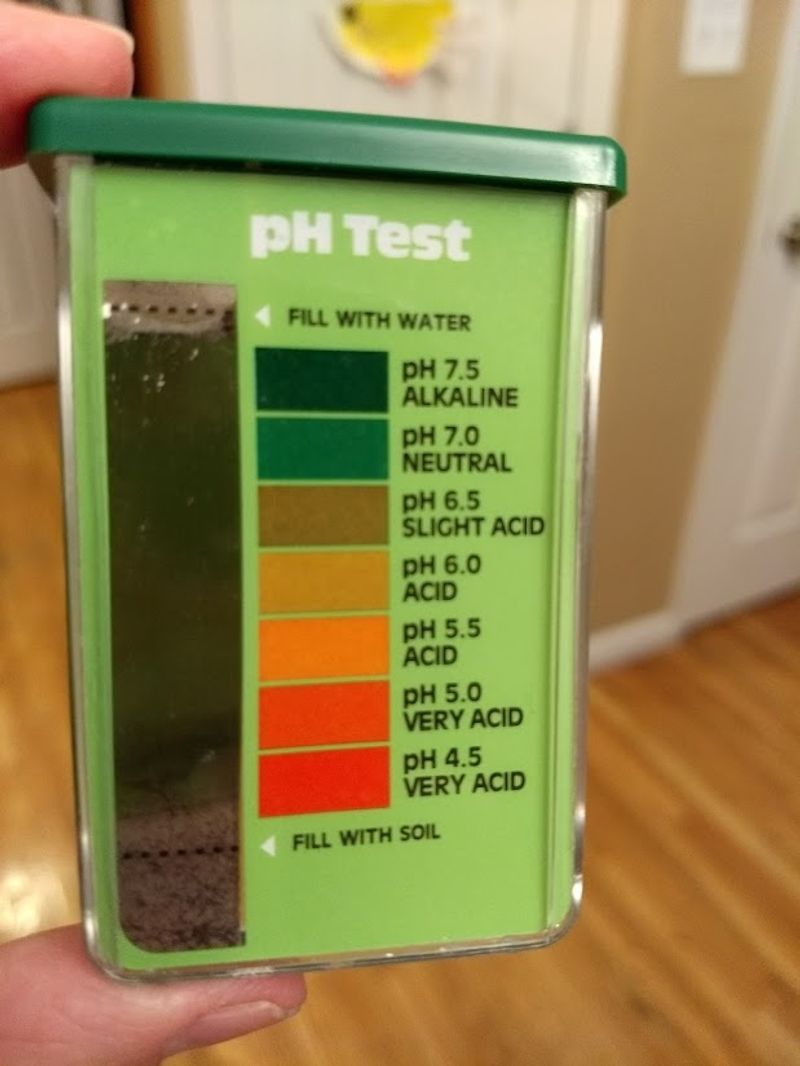
Opening that first report feels a bit like reading a foreign menu. Stick with it, because the key parts are simpler than they look.
Start with soil pH. Under 6.0 usually means lime is coming, and the report lists how much per 1,000 square feet or per acre.
Next, check nutrient ratings. UGA rates phosphorus and potassium on a scale such as low, medium, high, or very high.
If either reads high, you can cut it back in your fertilizer choice.
Then look at the fertilizer recommendation. It gives an amount and a ratio, often with suggested timing for side-dressing during the season.
Nitrogen is a special case. Most routine tests don’t measure it because it shifts so quickly.
Instead, reports give a standard nitrogen rate based on your crop.
Organic gardeners can translate the advice too. Compost, feather meal, or other organic sources can meet nitrogen needs, while bone meal adds phosphorus only if the test calls for it.
Keep each report in a folder. Comparing results over the years shows whether your efforts are moving the soil in the right direction.
8. Retest Your Veggie Beds Every Couple Of Years
Soil keeps changing even when you aren’t watching. Rain, harvests, fertilizer, and compost all nudge the numbers a little each season.
UGA generally suggests testing vegetable gardens every two to three years, or more often if you are fixing a problem. Busy beds that grow crops nearly year-round may benefit from closer checks.
Regular testing prevents slow drift. Lime added years ago gradually wears off, and acidity creeps back.
Phosphorus from repeated feeding can pile up quietly.
Think of each test as a checkpoint. If pH holds steady and nutrients look balanced, you can relax and buy less.
Make it a fall habit. Sample after summer crops come out, send it off, and apply any lime during winter.
By spring, you’re ready.
Write down what you added each year next to your results. Over time, you’ll see clear patterns about what works in your yard.
The reward shows up in baskets of peppers, beans, and tomatoes, plus a lighter garden center bill. Grab a bucket this week, and next summer’s harvest might be your best one yet.