A Clone-Making Tick First Found In New Jersey Has Now Reached Alabama
You could be carrying a traveler that needs no mate to multiply. It hitched rides south from the Northeast years ago, and you now share its territory.
Alabama pastures, wooded trails, and suburban lawns may offer these ticks a place to settle. Each female copies herself, so you face a crowd from a lone parent.
Ranchers scan their herds while you inspect your dog’s ears. Small ticks settle into fur, and you can miss them without a slow, careful search.
Large groups can lower milk production and slow calves, which can add costs. Populations can grow quickly, so waiting lets a lone mother’s cloned daughters multiply.
Researchers now track their spread across Alabama, and you deserve the full picture. Several life stages can overwinter, which could change how you protect your animals this winter. Imagine knowing their hiding places before they reach your animals.
A Self-Copying Pest Now Crossing Into The Deep South
Think of a souvenir few would want that keeps traveling anyway. The Asian longhorned tick was first spotted in America on a New Jersey sheep in 2017.
Scientists later learned it had probably arrived earlier, hiding quietly on animals or people. Since then, it has been reported in about two dozen states along the eastern half of the country.
Alabama is one of the newer additions to that growing map. State officials first confirmed the tick on a dog in DeKalb County in April 2026, and tracking continues.
Birds, deer, stray dogs, and moving livestock likely helped it hop from place to place. Each ride carries it a little farther south, one hitchhike at a time.
Moving animals or equipment between farms can carry small hitchhikers along unnoticed. That may help explain why sightings can appear far from the original discovery site.
The warm, humid climate of the Deep South suits this tick nicely. Long growing seasons and thick pasture grass give it plenty of places to hide and wait.
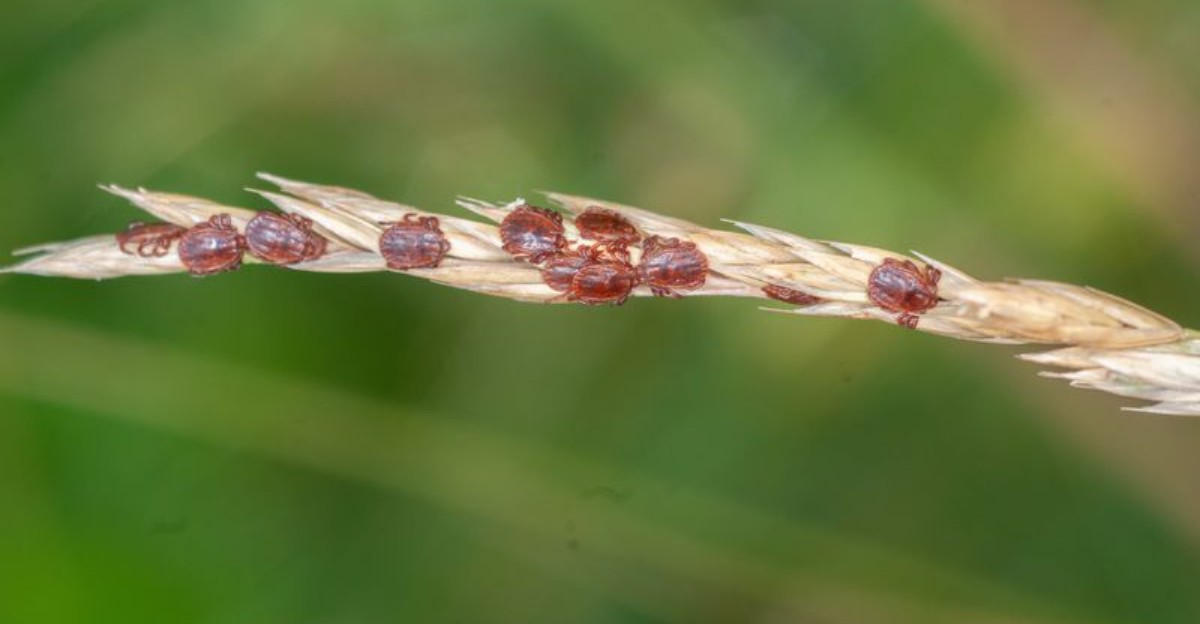
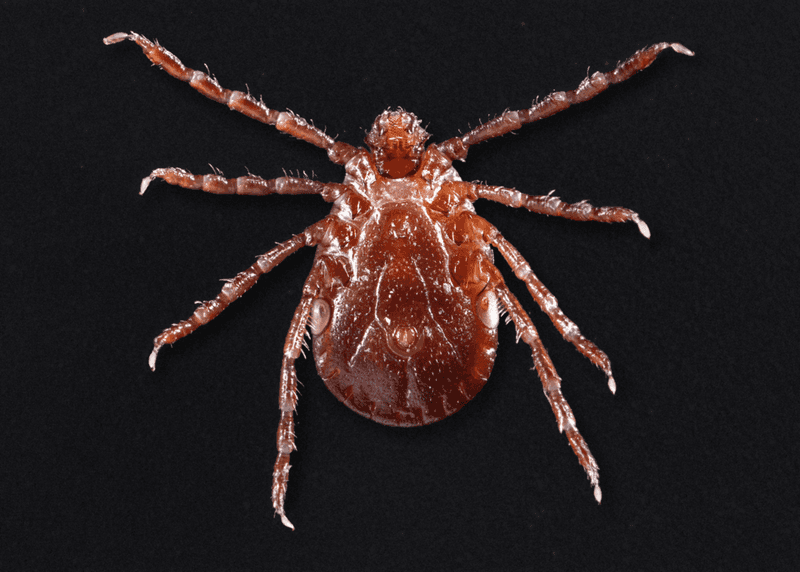
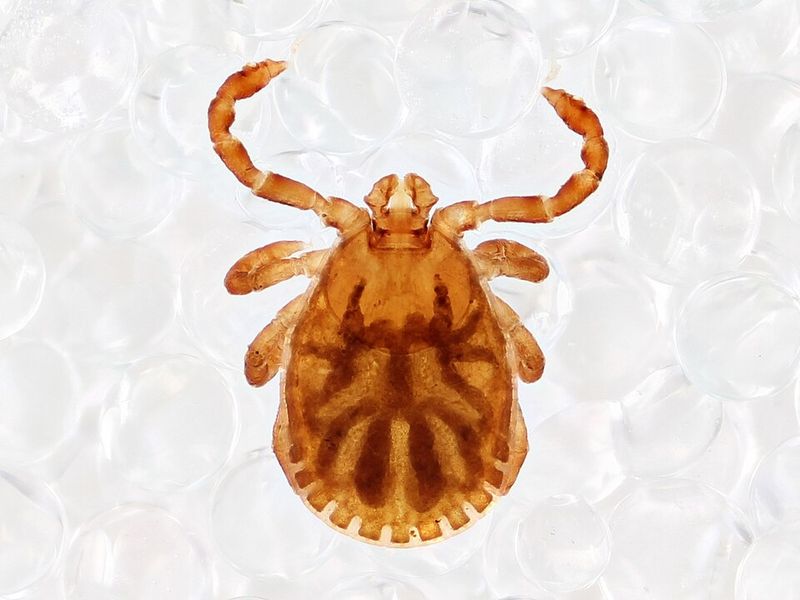
The tick is small and reddish brown, about the size of a sesame seed as an adult. Young ones are even tinier, closer to a poppy seed or a speck of dirt.
So if you live in Alabama, this tick is now worth knowing about. Knowing what it looks like is the first step toward keeping it out of your yard.
A Single Female And Her Near-Identical Offspring
Imagine a mom who skips the dating scene but still raises a large family. That is basically the life of a female Asian longhorned tick in the United States.
Scientists call this trick parthenogenesis, a long word meaning reproduction without a male. Each egg she lays grows into a near copy of herself, like nature’s version of cloning.
After one good blood meal, a single female can lay up to two thousand eggs. Those eggs hatch into larvae that climb grass blades and wait for a passing host.
Laboratory studies have shown single females producing healthy young without a mate. Those lab results helped explain why a small group can grow into a large one.
Your Alabama Garden Changes Every Week. Your Plan Should Too.
Gardening in Alabama changes quickly throughout the season. Every Friday you’ll receive a simple weekly plan showing exactly what to plant, prune, fertilize, harvest, and protect so you never miss the right timing.
Because no mate is needed, one tick dropped off by a bird can start a whole colony. That is a big reason these ticks spread so quickly into new areas.
Hundreds or even thousands of ticks can cluster on a single cow or dog. In heavy infestations, the ticks can look like scattered gravel on the animal’s skin.
Many ticks in America need both a male and female to reproduce. This one breaks that rule, which makes it harder to control once it settles in.
Scientists consider this reproductive strategy unusual and remarkable. Picture a whole pasture full of near-identical sisters, each waiting for a host to pass.
Fall Weather And A Lingering Tick Season

Pull on your boots and listen to the crunch of October leaves. Tick season can continue well after summer ends, which surprises some people.
Alabama falls stay mild for weeks, with warm afternoons and cool, dewy mornings. These conditions let ticks keep moving around much later than you might expect.
Asian longhorned ticks go through three life stages, which are larva, nymph, and adult. In late summer and early fall, tiny larvae can appear in large numbers in some regions.
Those larvae are so small that they can look like moving dust on your pant leg. They gather on tall grass tips and grab onto anything brushing past.
Hunters, hikers, and families visiting pumpkin patches often spend extra time outdoors this month. Each trip through tall grass gives ticks a fresh chance to find a ride home.
Mild afternoons also tempt pets and children into long play sessions near brushy edges. A brief check at the door can catch small visitors before they settle in.
Cooler weather can trick us into relaxing our guard and skipping tick checks. Wear long pants, tuck them into socks, and pick light colors so ticks are easier to spot.
Ticks slow down once hard freezes arrive, though several life stages can overwinter in leaf litter. Come spring, survivors become active again and begin reproducing.
Why Tiny Ticks Are Easy To Miss
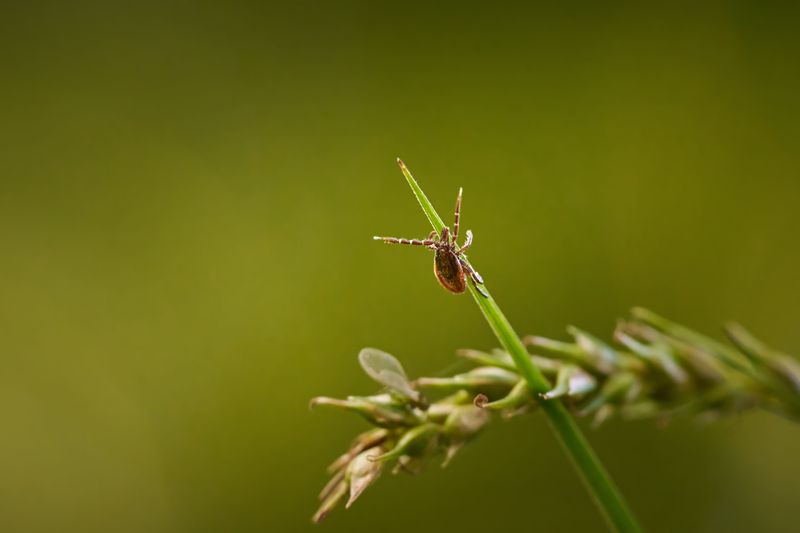
Picture a calf that seems tired, pale, and weaker each week, with no clear reason. Livestock owners in affected states have reported similar puzzling cases in their herds.
The answer was often hiding in plain sight, clustered around ears, necks, and bellies. Because the ticks are so small, they can be mistaken for dirt or scabs.
Heavy infestations can remove enough blood to leave animals anemic and stressed. Young calves and smaller animals may face higher risk because they have less blood to spare.
Veterinarians suggest watching for pale gums, low energy, and slower feeding in young animals. Early notes about these changes give your vet a stronger starting point for care.
These ticks can also carry Theileria orientalis, a parasite that affects cattle and has been reported in several states.
It can lower weight gain, reduce milk production, and make cattle very ill, and no specific treatment exists, so early veterinary advice matters.
For people, documented risk in America seems lower so far, though researchers are studying its possible role in human illnesses. In parts of Asia, the same species spreads serious illnesses to humans.
A common mistake is assuming all ticks look the same. A quick look with a magnifying glass or phone camera can reveal the difference.
If you find tiny ticks in large groups, save a few in a sealed bag. Then contact your veterinarian or local extension office for identification guidance.
Practical Defenses For Yards, Pets, And Livestock

A lawn mower can be a useful tool against this tiny visitor. Ticks love tall grass, brushy edges, and shady spots where moisture lingers.
Keep grass short, clear away leaf piles, and trim back weeds along fences and trails. A strip of wood chips or gravel between lawns and woods helps block tick traffic.
For your own protection, treat clothing and boots with permethrin before heading outside. Use an EPA-registered repellent like DEET or picaridin on exposed skin.
After time outdoors, tumble clothes in a dryer on high heat for ten minutes, longer if damp. Then check your scalp, behind your ears, under your arms, and behind your knees.
Dogs and cats need their own defense plan too, so ask your veterinarian about tick prevention products. Run your fingers through their fur after walks, paying attention to ears and paws.
Livestock owners should check animals often, especially calves, and talk with a vet about approved treatments. Managing pastures and keeping grass short may also help reduce tick numbers.
Keeping a simple log of treatment dates for each animal helps you stay consistent. A shared calendar on the barn wall or your phone makes the routine easier.
If you remove a tick, use fine tweezers and pull straight up with steady pressure. Wash the area with soap and water, then note the date in case symptoms appear later.
Long-Term Outlook For Alabama Farms And Families
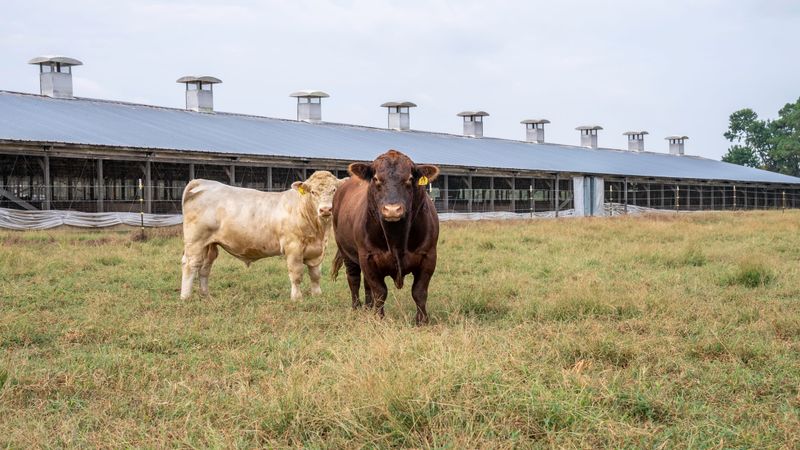
Established tick populations often persist once they take hold. Experts expect the Asian longhorned tick to keep spreading across the Southeast in coming years.
That might sound discouraging, but awareness can make a real difference. Farmers who spot problems early can treat herds before infestations grow out of control.
Universities and state agencies are tracking new sightings and studying how the tick behaves in warm climates. Each report from a farmer, hunter, or pet owner helps fill in the map.
Local extension offices often share updated maps, fact sheets, and workshop dates for landowners. A short call or visit can connect you with guidance suited to your area.
Researchers are also testing which treatments work best for cattle and pets. Their findings will help Alabama families protect animals without wasting money on ineffective products.
Neighbors can help each other by sharing what they notice on walks, hunts, and farm chores. A quick text about strange ticks might save a friend weeks of worry.
Kids can join in too by learning tick checks as part of their outdoor routine. Turning it into a habit, like brushing teeth, makes protection feel normal instead of stressful.
This tiny clone-maker may be here to stay, but it can be managed. With steady attention, Alabama can keep its pastures healthy and its backyards enjoyable.