The Christmas Cactus In Alabama Descends From Brazilian Mountain Wildflowers Pollinated By Hummingbirds
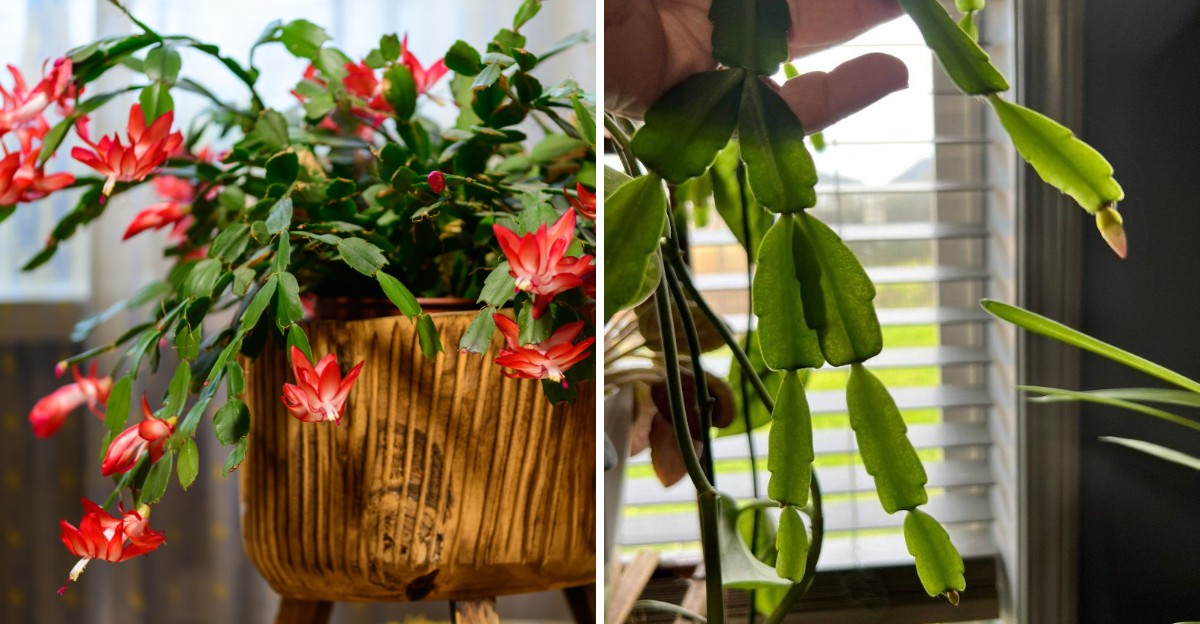
Your Christmas cactus hides a tropical secret you probably overlooked. Alabama sits far from its homeland, yet you keep a rainforest dweller on that windowsill.
Wild relatives perch on mossy branches high in Brazilian cloud forests. Hummingbirds pollinate those blooms, which explains the tubular shape you admire.
Roots there cling to bark, so you should water moderately. Wet soil can weaken those fine roots gradually.
Cool nights signal the plant to set buds, and you control the thermostat. Long darkness matters too, so you should dim porch lights near it.
Pecans may drop on your tin roof in Alabama while buds swell indoors. Humid air keeps those flat, segmented stems plump and glossy.
Imitate that cloudy canopy with a pebble tray and bright, indirect light. Treat it like the rainforest guest it is, and you can expect bright, colorful blooms.
A Cloud Forest Plant Living In A Southern Window
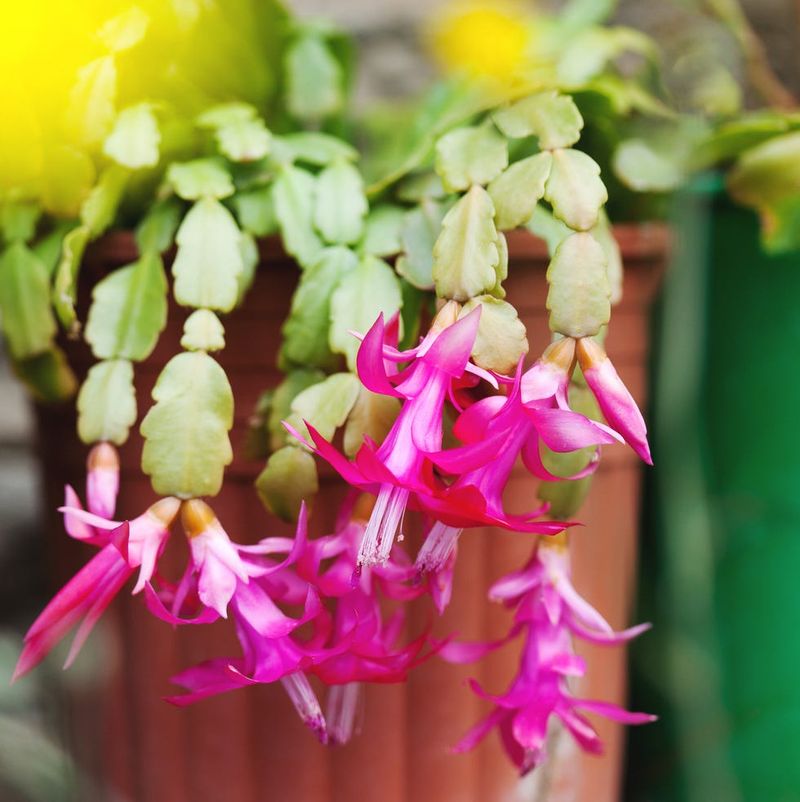
Your holiday cactus is not a desert plant at all. Its wild relatives grow in the misty Atlantic Forest mountains near Rio de Janeiro, Brazil.
Up there, the air stays cool, damp, and shaded most of the year. Clouds drift through the trees and leave tiny water droplets on the stem segments.
Instead of growing in soil, these plants live on tree branches and mossy rocks. Scientists call plants like this epiphytes, which means they perch on other plants without harming them.
Roots grab onto bark and soak up rainwater, fallen leaves, and bits of decomposing moss. That gives them food and moisture without a deep pot of heavy dirt.
So the plant on your Alabama windowsill is a mountain forest native in disguise. It is far from home, but it still responds to its origins.
Think of it as a houseguest from a rainy hillside retreat. You can make it comfortable by copying a few things from that faraway forest.
Bright but filtered light works far better than harsh afternoon sun. A spot near an east window or behind a sheer curtain feels close to dappled forest shade.
Loose, chunky potting mix also helps, since tree bark drains quickly after rain. Many growers blend orchid bark with regular cactus soil for a lighter texture.
Watering should feel like a forest shower, not a desert drought. Let the top inch dry out, then soak the pot well and drain it. Treat it like a forest dweller, and it starts behaving like one.
Tubular Flowers Shaped For Hummingbird Beaks
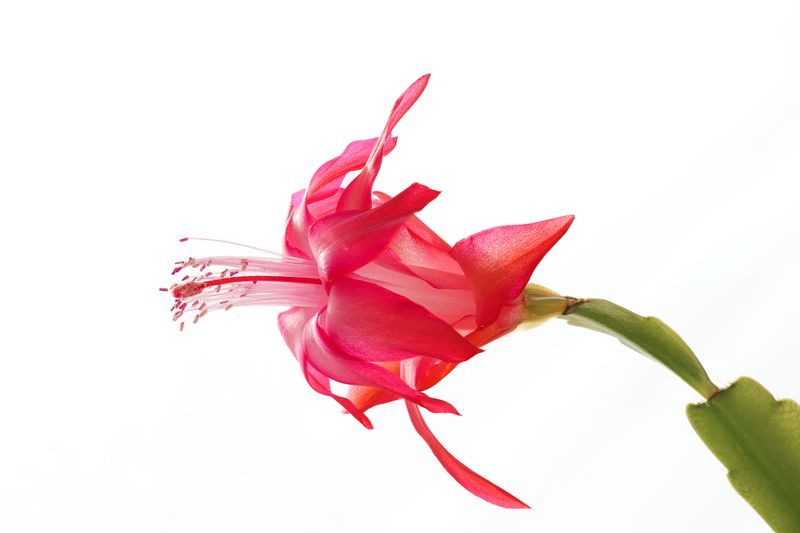
Look closely at a single bloom, and you will notice something odd. Each flower is long, tubed, and tilted sideways like a tiny trumpet.
That shape reflects pollinator adaptation. In Brazil, hummingbirds visit these flowers to sip sweet nectar tucked deep inside the tube.
Many bees would struggle to reach that hidden treat. A hummingbird, with its long beak and longer tongue, slides right in with ease.
While the bird drinks, pollen dusts its forehead and beak. Then it zips to the next flower and drops some of that pollen off.
Your Alabama Garden Changes Every Week. Your Plan Should Too.
Gardening in Alabama changes quickly throughout the season. Every Friday you’ll receive a simple weekly plan showing exactly what to plant, prune, fertilize, harvest, and protect so you never miss the right timing.
Those bold colors help too. Hot pink, red, and magenta stand out sharply against dark green stems in shady forests.
Hummingbirds see reds and pinks very well, so the colors work like neon signs. Many bee-loving flowers lean toward blue, yellow, or white instead.
Notice the stamens poking out past the petals as well. They sit right where a feeding bird’s head will brush against them.
The bloom’s whole structure reflects adaptation to one main type of visitor. It is like a restaurant built for just one kind of customer.
In Alabama, ruby-throated hummingbirds usually leave before blooms open, though a few species linger. Your plant may be dressed up for a party with no guests.
Still, you can enjoy the design up close with a magnifying glass. Kids may enjoy spotting the long stamens and peeking down the flower tube.
Short Days And Cool Nights As The Bloom Trigger
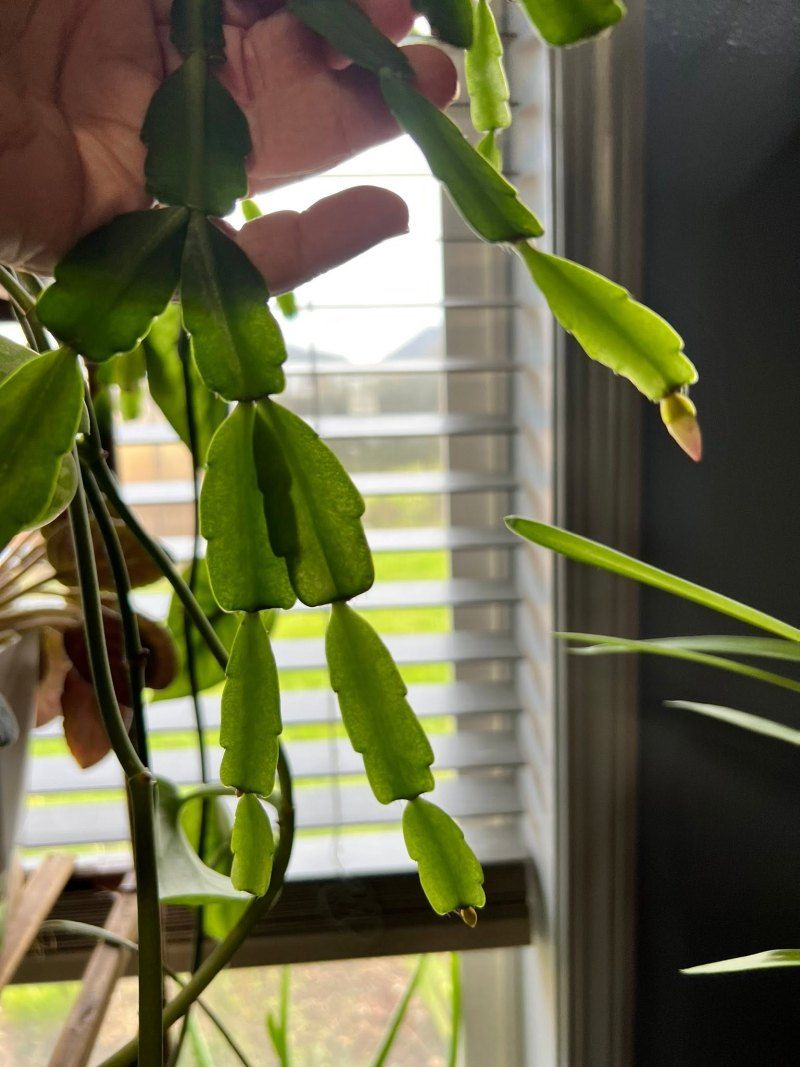
October is a key month for holiday flowers. Right now, your plant is quietly responding to the shortening autumn days outside.
In the Brazilian mountains, the seasons shift with cooler nights and changing day length. The plant evolved to treat those signals as its cue to bloom.
Long nights of about 12 to 14 hours tell it to start making buds. Temperatures around 50 to 60 degrees Fahrenheit push things along nicely.
Alabama falls can be warm, so the plant may need a little help. Moving it to a cool porch or spare room often does the trick.
Be careful with lamps and porch lights during this stretch. Even a few hours of evening light can confuse the plant and delay buds.
Some growers simply cover their plant with a box each evening. Others park it in a closet overnight and bring it back out by morning.
Water a bit less now, but keep soil lightly moist after buds form. A slightly drier root zone mimics the cooler season.
Within a month or so, tiny pink nubs appear at the tips of the stems. That is your signal that the plan is working.
Once buds form, bring the plant back to its normal spot. Keep it away from frost, since Alabama cold snaps can arrive suddenly. A little patience in October can pay off in a bright December show.
Why Desert-Style Care Can Lead To Bud Drop
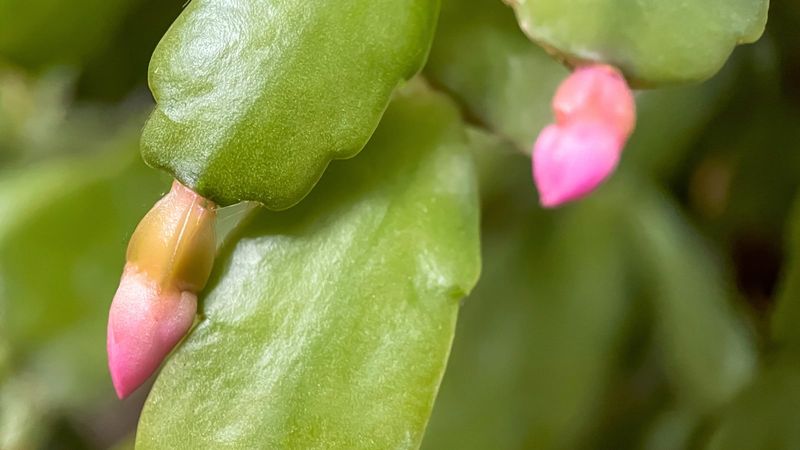
Plenty of Southern gardeners have watched buds fall like confetti onto the floor. It feels personal, but the plant is simply responding to changing conditions.
A common error is treating it like a cactus from Arizona. Full sun, bone-dry soil, and hot rooms are ill-suited to a cloud forest native.
Bud drop often follows sudden changes in temperature or light. Moving a budding plant from a cool porch to a warm living room can disrupt it.
Heating vents are another subtle problem in late fall. Dry, blowing air pulls moisture from buds faster than the roots can replace it.
Overly wet soil can cause problems too. Roots that sit in water can struggle, since they evolved to dry quickly on tree bark.
So the plant wants moisture, but it also wants fresh air around its roots. That balance is a common beginner sticking point.
Another mistake is repotting while buds are forming. The plant prefers being a bit snug, so wait until spring for any pot upgrades.
Some growers say frequently turning the pot can also cause trouble. Buds sometimes drop when their position suddenly changes during development.
Choose one good spot and let the plant settle in. Steady conditions tell it that life is calm and safe for flowering.
Think of it like a shy kid before a school play. Less fuss and more steady support usually brings the best performance.
Rainforest Canopy Habits For A Happier Houseplant
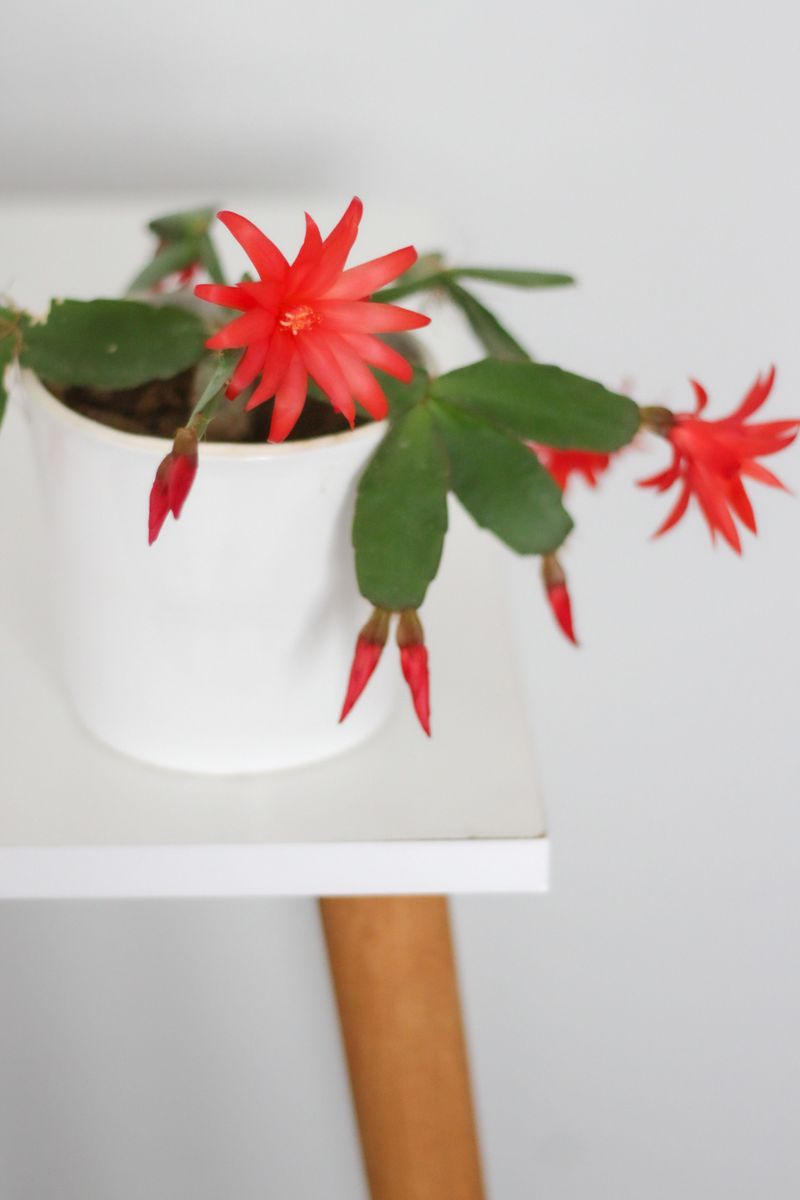
Picture moss dripping after a mountain rainstorm, and you have a useful care guide. Small changes inspired by that scene can help a struggling plant thrive.
Start with humidity, since forest air stays moist most days. Setting the pot on a tray of wet pebbles adds modest moisture around the stems.
Grouping plants together also helps, because leaves release water into the air. A cluster of houseplants forms its own small, humid neighborhood.
Next, check your potting mix. Heavy garden soil stays too wet, so mix in orchid bark or perlite for airflow.
Pots with drainage holes are a must for this plant. Terra cotta works well because it breathes and dries a bit faster than plastic.
Feed lightly from spring through summer with a balanced houseplant fertilizer. Forest plants get small doses of nutrients from decomposing leaves, not big meals.
Stop feeding in early fall so the plant can focus on buds. Too much food at this point may push new growth instead of flowers.
Summer is a great time for an outdoor vacation in Alabama. A shady porch or the spot under a big oak feels much like home.
Bring it inside before nights dip near 45 degrees. Check for bugs hiding under the stems before it joins your indoor plants.
With these habits, your plant may live for decades. Some families pass the same one down for generations.
A Holiday Heirloom Bred From Mountain Wildflowers
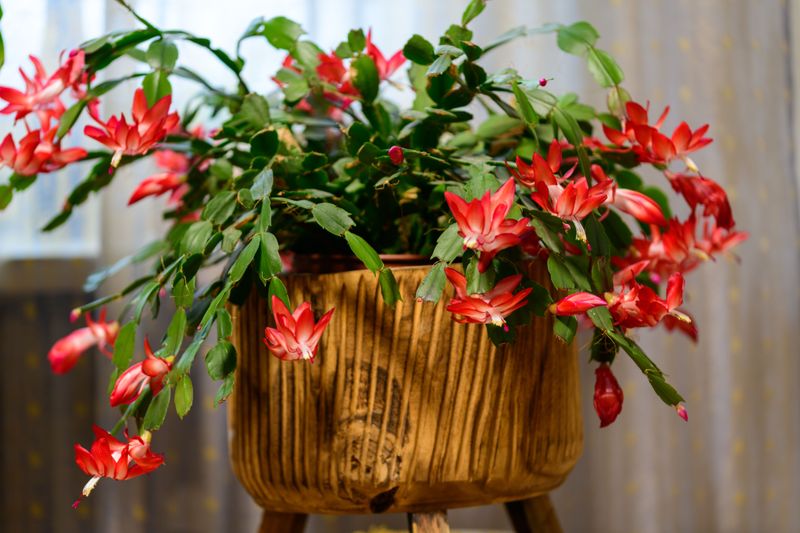
Some Christmas cactus plants stay in one family for many decades, passing quietly from one windowsill to the next. Some families in Alabama share cuttings at Thanksgiving dinner.
That long history began in the 1800s, when European plant fans fell for these Brazilian wildflowers. Breeders crossed different species to create new colors and blooming times.
The plant most stores sell today is often a Thanksgiving cactus. It has pointy, clawlike stem edges and usually blooms a few weeks earlier.
True Christmas cactus has rounder, scalloped edges on its stem segments. Both types trace their roots back to the same misty Brazilian mountains.
Wild species still grow there, though some face pressure from habitat loss. Protecting the Atlantic Forest helps keep these plants and their hummingbirds thriving.
Back home, you can keep the story going with simple cuttings. Twist off a piece with two or three segments and let it dry for a day.
Then tuck it into damp potting mix and wait a few weeks. New roots usually form, and soon you have a gift to share.
Some people tie a ribbon around a small pot for the holidays. It becomes a living link between generations and continents.
When it blooms next to your tree, remember its true home. Far away in Brazil, hummingbirds still visit its wild cousins in the mountain forests. Not bad for a houseplant that started on a mossy branch.